



FDA Clears 3D Total Knee Arthroplasty Surgical Planning Software
|
By Andrew Deutsch Posted on 16 Nov 2016 |


|
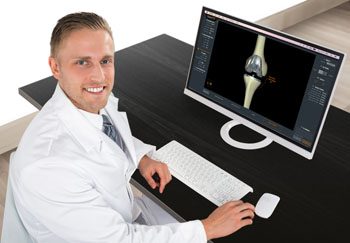
Image: A clinician using the KneeEOS total knee arthroplasty surgical planning software (Photo courtesy of EOS Imaging).
The US FDA has cleared a new 3D total knee arthroplasty surgical planning software that is part of a portfolio of apps for online weight-bearing 3D surgical planning for common orthopedic treatments.
The online 3D planning software uses weight-bearing 3D images and other data from a 2D/3D orthopedic imaging system and provides surgical planning for total knee arthroplasty procedures.
The EOS Imaging (Paris, France) KneeEOS online software planning tool received 510(k) clearance from the US Food and Drug Administration (FDA; Silver Spring, MD USA) for marketing in the US.
KneeEOS is designed for use with the EOS Imaging 2D/3D orthopedic imaging system and is the part of a portfolio of EOSapps for common orthopedic surgeries. KneeEOS creates an initial proposal for size and position of implants to help surgeons prepare and optimize the alignment of the implants in 3D, and also displays relevant clinical data in real time.
EOSapps use 2D images, and 3D digital anatomical datasets taken using the EOS imaging system for diagnosis, pre-operative surgical planning, post-operative assessment of the patient, and for follow-up imaging.
Marie Meynadier, EOS Imaging CEO, said, “The kneeEOS FDA clearance is an important milestone that allows us to offer our full set of software solutions to the U.S. market. It will support the growing adoption of EOS images, 3D models and patient-specific datasets at each step of the care continuum, helping healthcare providers bring the value of personalized treatments to their patients without the high dose and cost of CT imaging.”
Related Links:
EOS Imaging
US Food and Drug Administration







The online 3D planning software uses weight-bearing 3D images and other data from a 2D/3D orthopedic imaging system and provides surgical planning for total knee arthroplasty procedures.
The EOS Imaging (Paris, France) KneeEOS online software planning tool received 510(k) clearance from the US Food and Drug Administration (FDA; Silver Spring, MD USA) for marketing in the US.
KneeEOS is designed for use with the EOS Imaging 2D/3D orthopedic imaging system and is the part of a portfolio of EOSapps for common orthopedic surgeries. KneeEOS creates an initial proposal for size and position of implants to help surgeons prepare and optimize the alignment of the implants in 3D, and also displays relevant clinical data in real time.
EOSapps use 2D images, and 3D digital anatomical datasets taken using the EOS imaging system for diagnosis, pre-operative surgical planning, post-operative assessment of the patient, and for follow-up imaging.
Marie Meynadier, EOS Imaging CEO, said, “The kneeEOS FDA clearance is an important milestone that allows us to offer our full set of software solutions to the U.S. market. It will support the growing adoption of EOS images, 3D models and patient-specific datasets at each step of the care continuum, helping healthcare providers bring the value of personalized treatments to their patients without the high dose and cost of CT imaging.”
Related Links:
EOS Imaging
US Food and Drug Administration

Digital X-Ray Detector Panel
Acuity G4
Digital Radiographic System
OMNERA 300M
Pocket Fetal Doppler
CONTEC10C/CL
Multi-Use Ultrasound Table
Clinton
Latest Imaging IT News
- New Google Cloud Medical Imaging Suite Makes Imaging Healthcare Data More Accessible
- Global AI in Medical Diagnostics Market to Be Driven by Demand for Image Recognition in Radiology
- AI-Based Mammography Triage Software Helps Dramatically Improve Interpretation Process
- Artificial Intelligence (AI) Program Accurately Predicts Lung Cancer Risk from CT Images
- Image Management Platform Streamlines Treatment Plans
- AI-Based Technology for Ultrasound Image Analysis Receives FDA Approval
- AI Technology for Detecting Breast Cancer Receives CE Mark Approval
- Digital Pathology Software Improves Workflow Efficiency
- Patient-Centric Portal Facilitates Direct Imaging Access
- New Workstation Supports Customer-Driven Imaging Workflow
Channels
Radiography
view channel
X-Ray Breakthrough Captures Three Image-Contrast Types in Single Shot
Detecting early-stage cancer or subtle changes deep inside tissues has long challenged conventional X-ray systems, which rely only on how structures absorb radiation. This limitation keeps many microstructural... Read more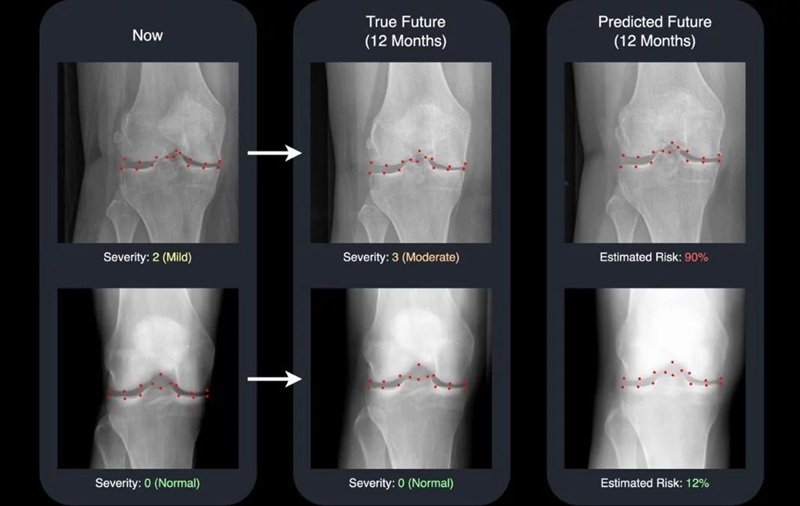
AI Generates Future Knee X-Rays to Predict Osteoarthritis Progression Risk
Osteoarthritis, a degenerative joint disease affecting over 500 million people worldwide, is the leading cause of disability among older adults. Current diagnostic tools allow doctors to assess damage... Read more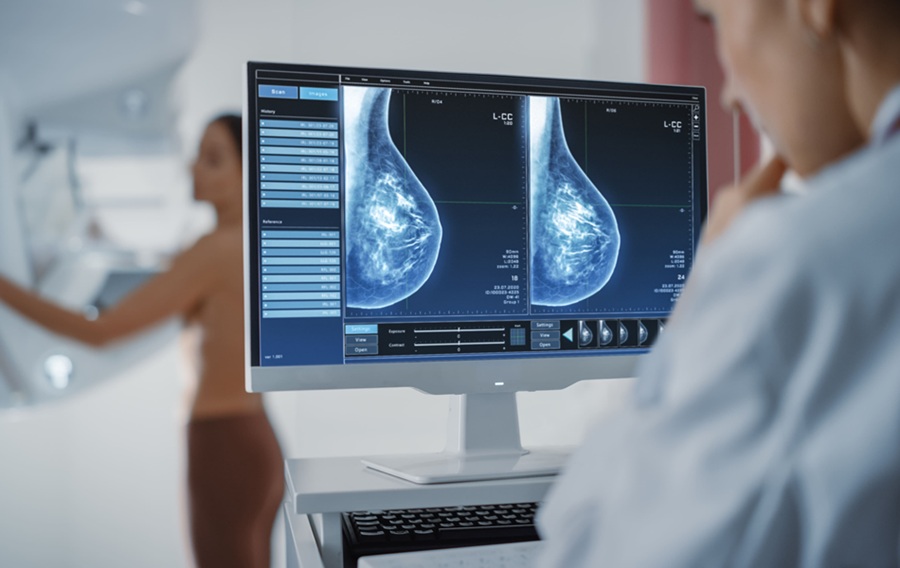
MRI
view channel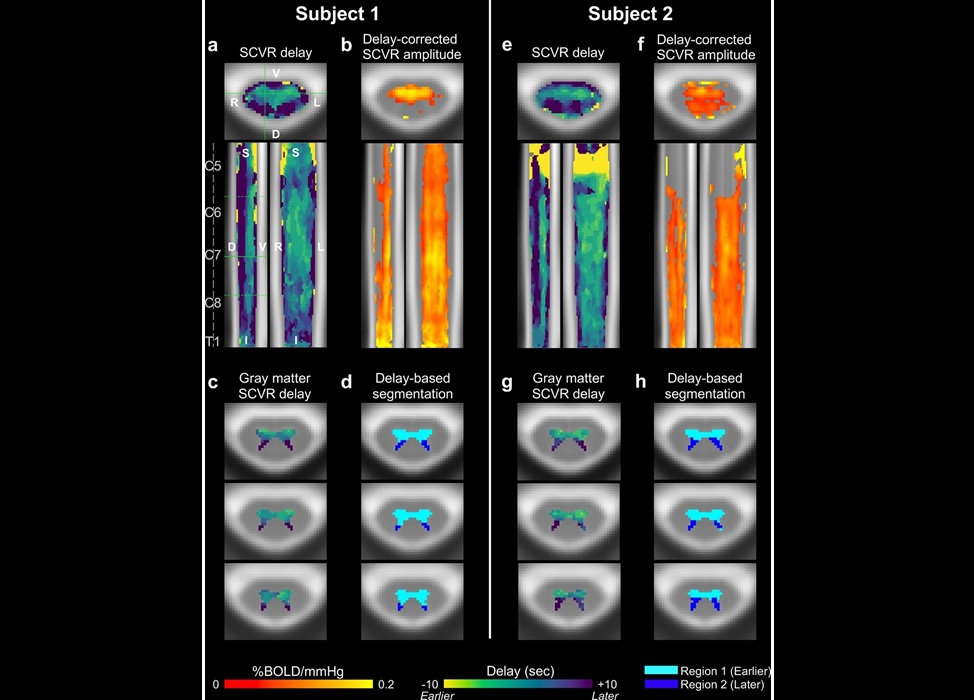
Novel Imaging Approach to Improve Treatment for Spinal Cord Injuries
Vascular dysfunction in the spinal cord contributes to multiple neurological conditions, including traumatic injuries and degenerative cervical myelopathy, where reduced blood flow can lead to progressive... Read more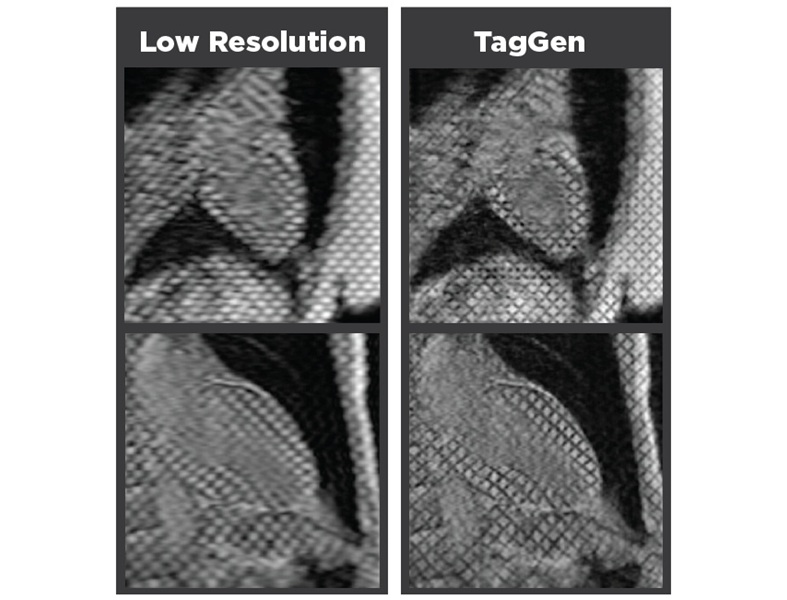
AI-Assisted Model Enhances MRI Heart Scans
A cardiac MRI can reveal critical information about the heart’s function and any abnormalities, but traditional scans take 30 to 90 minutes and often suffer from poor image quality due to patient movement.... Read more
AI Model Outperforms Doctors at Identifying Patients Most At-Risk of Cardiac Arrest
Hypertrophic cardiomyopathy is one of the most common inherited heart conditions and a leading cause of sudden cardiac death in young individuals and athletes. While many patients live normal lives, some... Read more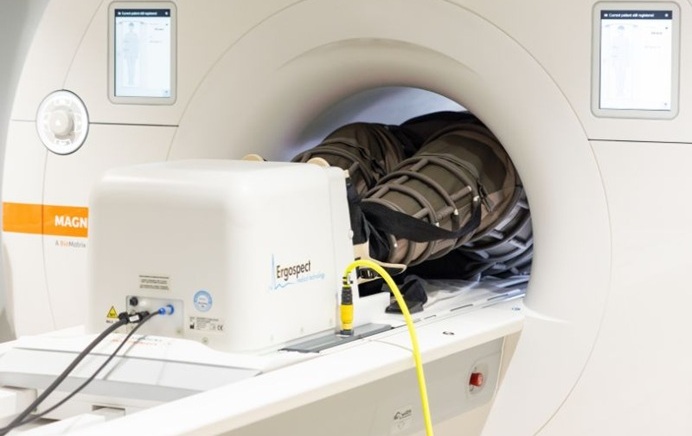
Ultrasound
view channel
Wearable Ultrasound Imaging System to Enable Real-Time Disease Monitoring
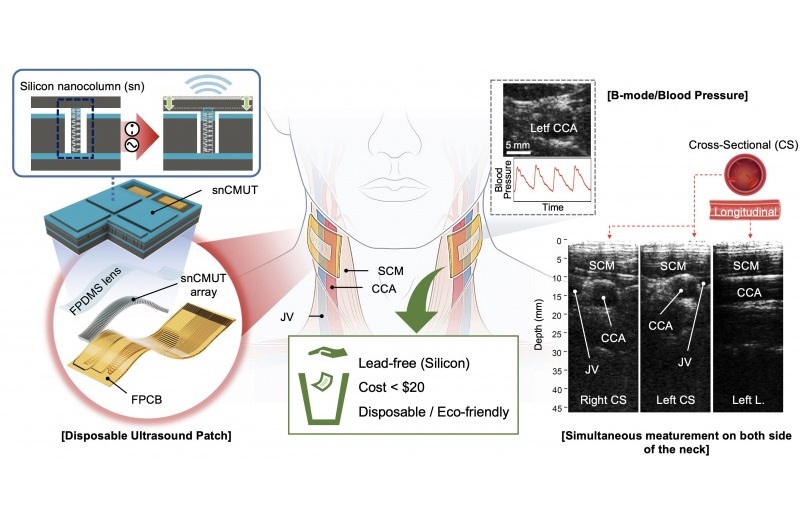
Chronic conditions such as hypertension and heart failure require close monitoring, yet today’s ultrasound imaging is largely confined to hospitals and short, episodic scans. This reactive model limits... Read more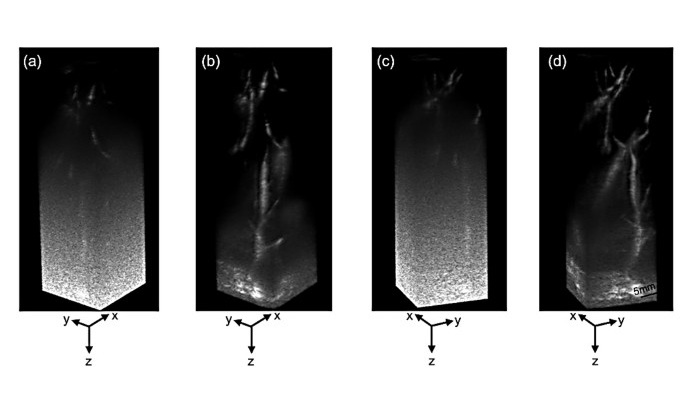
Ultrasound Technique Visualizes Deep Blood Vessels in 3D Without Contrast Agents
Producing clear 3D images of deep blood vessels has long been difficult without relying on contrast agents, CT scans, or MRI. Standard ultrasound typically provides only 2D cross-sections, limiting clinicians’... Read more
Nuclear Medicine
view channel
PET Imaging of Inflammation Predicts Recovery and Guides Therapy After Heart Attack
Acute myocardial infarction can trigger lasting heart damage, yet clinicians still lack reliable tools to identify which patients will regain function and which may develop heart failure.... Read more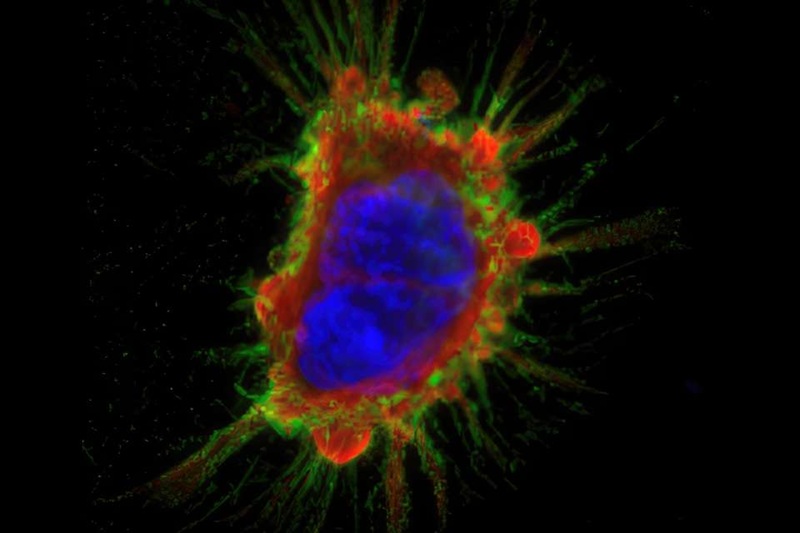
Radiotheranostic Approach Detects, Kills and Reprograms Aggressive Cancers
Aggressive cancers such as osteosarcoma and glioblastoma often resist standard therapies, thrive in hostile tumor environments, and recur despite surgery, radiation, or chemotherapy. These tumors also... Read more
New Imaging Solution Improves Survival for Patients with Recurring Prostate Cancer
Detecting recurrent prostate cancer remains one of the most difficult challenges in oncology, as standard imaging methods such as bone scans and CT scans often fail to accurately locate small or early-stage tumors.... Read more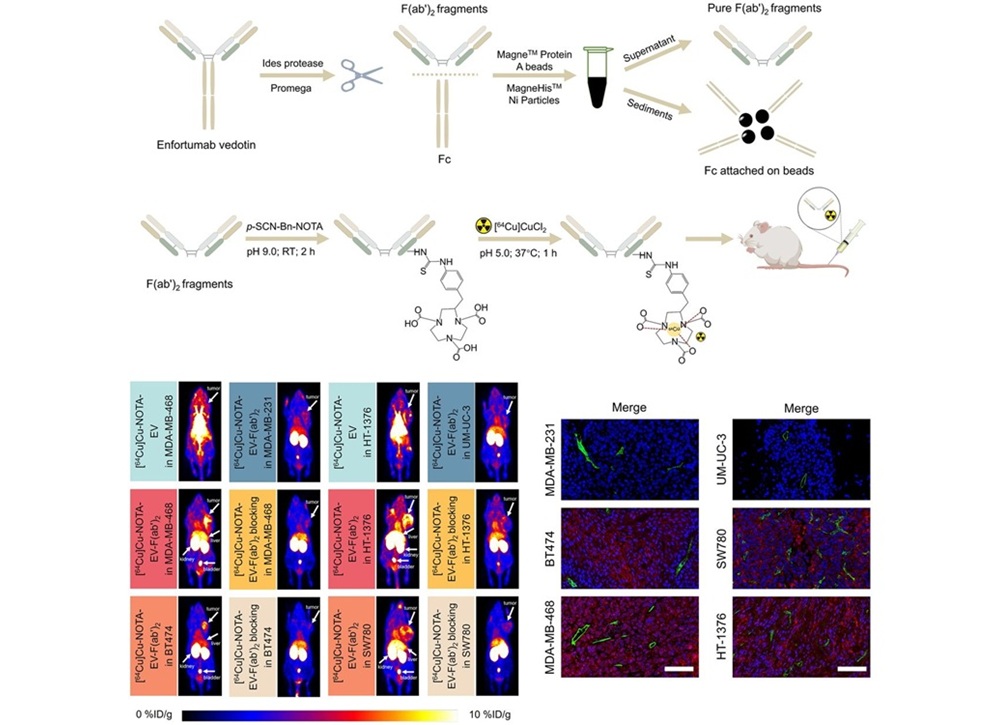
General/Advanced Imaging
view channel
New Algorithm Dramatically Speeds Up Stroke Detection Scans
When patients arrive at emergency rooms with stroke symptoms, clinicians must rapidly determine whether the cause is a blood clot or a brain bleed, as treatment decisions depend on this distinction.... Read more
3D Scanning Approach Enables Ultra-Precise Brain Surgery
Precise navigation is critical in neurosurgery, yet even small alignment errors can affect outcomes when operating deep within the brain. A new 3D surface-scanning approach now provides a radiation-free... Read more

Industry News
view channel
GE HealthCare and NVIDIA Collaboration to Reimagine Diagnostic Imaging
GE HealthCare (Chicago, IL, USA) has entered into a collaboration with NVIDIA (Santa Clara, CA, USA), expanding the existing relationship between the two companies to focus on pioneering innovation in... Read more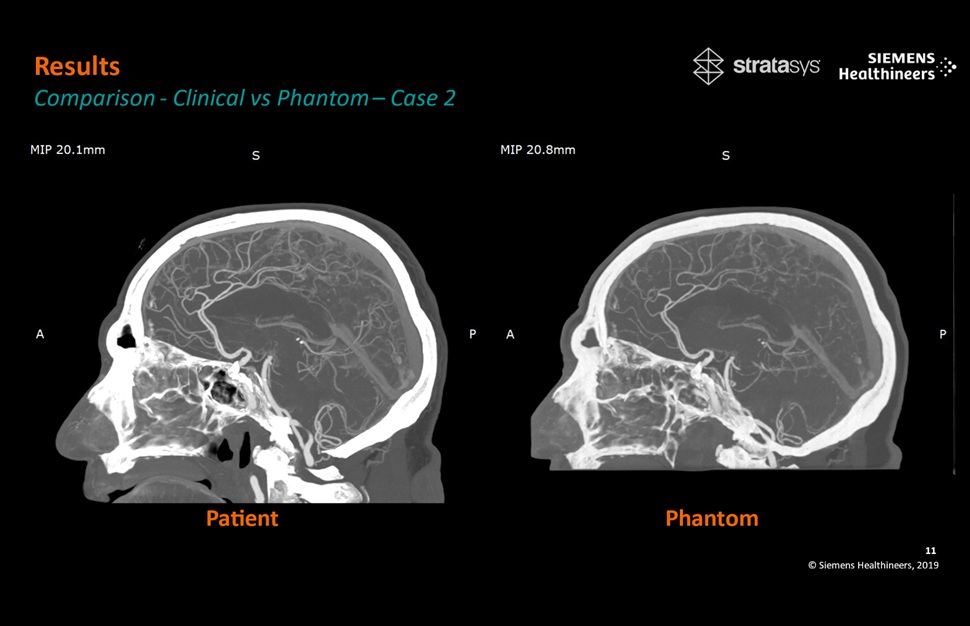
Patient-Specific 3D-Printed Phantoms Transform CT Imaging
New research has highlighted how anatomically precise, patient-specific 3D-printed phantoms are proving to be scalable, cost-effective, and efficient tools in the development of new CT scan algorithms... Read more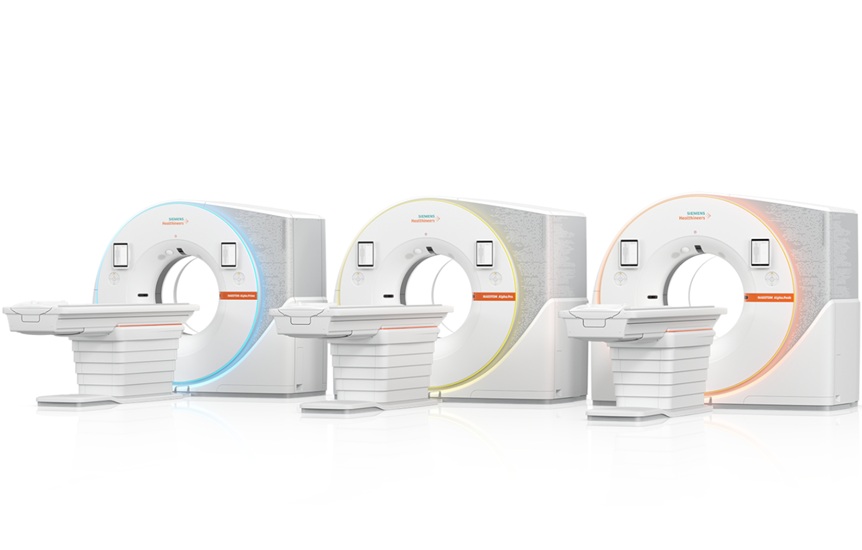
Siemens and Sectra Collaborate on Enhancing Radiology Workflows
Siemens Healthineers (Forchheim, Germany) and Sectra (Linköping, Sweden) have entered into a collaboration aimed at enhancing radiologists' diagnostic capabilities and, in turn, improving patient care... Read more