


Wearable Ultrasound Imaging System to Enable Real-Time Disease Monitoring
Posted on 12 Dec 2025
Chronic conditions such as hypertension and heart failure require close monitoring, yet today’s ultrasound imaging is largely confined to hospitals and short, episodic scans. This reactive model limits early detection of deterioration and makes long-term disease management difficult, especially for ageing populations. Researchers are now developing the world’s first wearable ultrasound imaging system capable of 48-hour intermittent cardiovascular imaging for continuous and real-time monitoring and diagnosis of chronic conditions such as hypertension and heart failure.
Researchers at the Singapore–MIT Alliance for Research and Technology (SMART, Singapore) are leading the Wearable Imaging for Transforming Elderly Care (WITEC) initiative that focuses on foundational research in wearable technology, medical imaging, materials science, and artificial intelligence (AI) to create the world’s first long-duration wearable ultrasound imaging system. The collaborative project aims to deliver intermittent imaging for up to 48 hours, allowing clinicians to track disease progression in real-world settings rather than relying on occasional hospital visits.
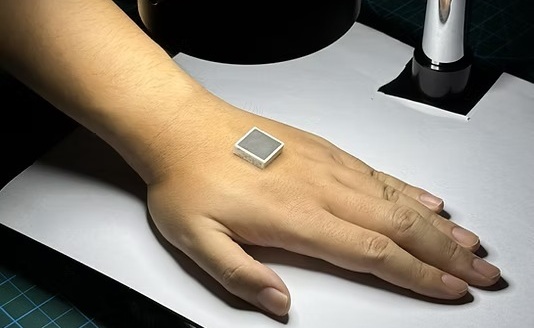
The multi-million dollar, multi-year initiative will explore tools that allow ultra-precise fabrication of bioadhesive materials and highly customized imaging techniques, enabling stable skin adhesion, high-resolution beamforming, and integration with AI-based diagnostic models. By combining wearable bioadhesive ultrasound with AI, the system is designed to support early detection, home-based pre-diagnosis, and continuous monitoring of chronic disease.
Clinical collaborators from leading institutions will validate continuous heart imaging for chronic cardiovascular disease management in real clinical settings. In addition to patient benefits, the technology could reduce pressure on hospitals by decreasing reliance on specialist operators, freeing clinical resources, and lowering long-term healthcare costs.
“We’re extremely proud to bring together an exceptional team of researchers from Singapore and the US to pioneer core technologies that will make wearable ultrasound imaging a reality,” said Prof Xuanhe Zhao, co-lead principal investigator. “This endeavor combines deep expertise in materials science, data science, AI diagnostics, biomedical engineering, and clinical medicine. Our phased approach will accelerate translation into a fully wearable platform that reshapes how chronic diseases are monitored, diagnosed, and managed.”
Related Links:
SMART