Crowd-Funded, Cloud-Based System for Medical Imaging Accessing, Storing, and Sharing
|
By MedImaging International staff writers Posted on 22 Jan 2014 |


|
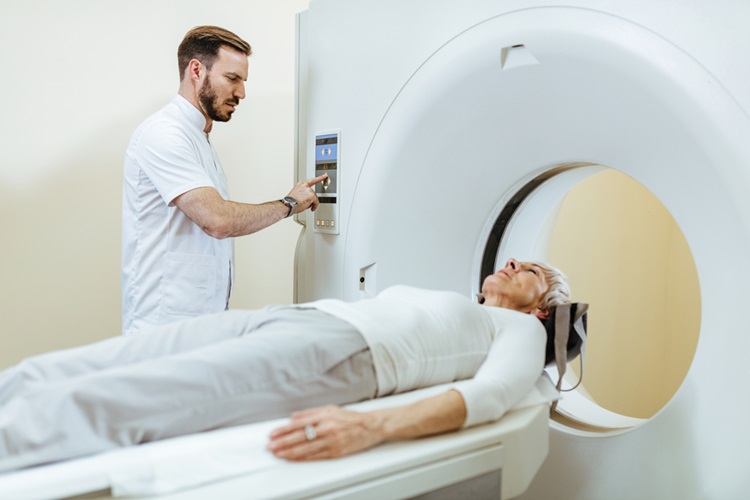
The first crowd-funding campaign has been established to provide a cloud-based system for free access to medical images.
Recent telemedicine and technologic developments have helped reduce waste and cost, while speeding up diagnosis for millions of people. However, in spite of these recent advances, thousands of medical images are thrown away yearly, wasting an excessive amount of time, energy, money, and resources.
Wasted images translate into higher costs for patients and diagnostic time lost. The World Health Organization (WHO; Geneva, Switzerland) estimates more than 30% of medical images are lost every year, delaying crucial diagnoses and costing patients’ their health.
myMedImage (Palm Springs, CA, USA) has begun a crowd-funding campaign to make access to this Digital Imaging and Communications in Medicine (DICOM)-compliant picture archiving and communication system (PACS) entirely free of charge to patients and participating physicians, and plans to raise over USD 200,000 via a crowd-funding campaign on IndieGogo (Please see Related Links below).
myMedImage directly links supported patients anywhere to primary care and specialty physicians through its novel medical imaging sharing and consultative network. The model ensures high quality, timely care for patients by maintaining the patient-physician contract.
The rising use of cell phones, iPads, and other portable devices accessing the Internet, even in remote locations, shows that it is now possible for medical images and patient videos to be shared globally. The WHO estimates 20%–30% of cases cannot be diagnosed through clinical exam and patient history alone; however, two-thirds of the earth’s population has no access to medical imaging—a key additional diagnostic strategy for physicians.
Dr. Chris Hancock, radiologist and CEO of myMedImage, said, “We asked ourselves, how could we solve this real world problem? How could we make an EHR/HIPAA [electronic health record/Health Insurance Portability and Accountability Act of 1996], DICOM-compliant PACS sharing, storing and retrieval system for managing images and data for remote or inaccessible patients? How could we leverage specialists so those patients in locations without established healthcare infrastructures could access skilled diagnostics? We came up with a solution that does all this and more, and provides access to specialty care that so many worldwide desperately need.”
The current system for accessing medical images is not working: it is too inflexible and is a growing global problem. The myMedImage network allows diagnostic images to be viewed in a full-featured viewer using vendor-neutral uploading software and storage enabling access anywhere, by anyone with an internet-connected device—smartphone, tablet, and browser.
The system expands on the possibilities of conventional systems by providing off-site viewing and reporting capabilities, such as distance education, telediagnosis. It enables clinicians in different physical regions to access the same data simultaneously for teleradiology.
This telemedicine system can accept medical image studies from all areas of medical imaging including: magnetic resonance (MR), ultrasound (US), positron emission tomography (PET), computed tomography (CT), endoscopy (ES), mammogram (MG), digital mammography (DM), digital radiography (DR), computed radiography (CR), and ophthalmology. Furthermore, they are HIPAA, DICOM-compliant PACS, compatible with EHR systems and pass the meaningful use (MU) test.
myMedImage Humanitarian Telemedicine network is helping a philanthropic group of doctors to contribute to enhance the lives of impoverished and medically underserved patients globally. myMedImage is focused on connecting physicians with the neediest patients while streamlining the total process; preventing unnecessary, wasted, and duplicate medical imaging. Contributors know that their gifts go directly to helping others in need through the network.
myMedImage LLC, is an enterprise that connects patients anywhere in the world to primary care and specialty physicians through a medical imaging sharing and consultative network. The company links medical imaging centers to patients and humanitarian telemedicine, making it possible to share medical images anywhere, anytime, on any internet connected platform using encryption technology on an effectively organized platform.
Related Links:
myMedImage
IndieGogo Crowd-Funding Campaign






Recent telemedicine and technologic developments have helped reduce waste and cost, while speeding up diagnosis for millions of people. However, in spite of these recent advances, thousands of medical images are thrown away yearly, wasting an excessive amount of time, energy, money, and resources.
Wasted images translate into higher costs for patients and diagnostic time lost. The World Health Organization (WHO; Geneva, Switzerland) estimates more than 30% of medical images are lost every year, delaying crucial diagnoses and costing patients’ their health.
myMedImage (Palm Springs, CA, USA) has begun a crowd-funding campaign to make access to this Digital Imaging and Communications in Medicine (DICOM)-compliant picture archiving and communication system (PACS) entirely free of charge to patients and participating physicians, and plans to raise over USD 200,000 via a crowd-funding campaign on IndieGogo (Please see Related Links below).
myMedImage directly links supported patients anywhere to primary care and specialty physicians through its novel medical imaging sharing and consultative network. The model ensures high quality, timely care for patients by maintaining the patient-physician contract.
The rising use of cell phones, iPads, and other portable devices accessing the Internet, even in remote locations, shows that it is now possible for medical images and patient videos to be shared globally. The WHO estimates 20%–30% of cases cannot be diagnosed through clinical exam and patient history alone; however, two-thirds of the earth’s population has no access to medical imaging—a key additional diagnostic strategy for physicians.
Dr. Chris Hancock, radiologist and CEO of myMedImage, said, “We asked ourselves, how could we solve this real world problem? How could we make an EHR/HIPAA [electronic health record/Health Insurance Portability and Accountability Act of 1996], DICOM-compliant PACS sharing, storing and retrieval system for managing images and data for remote or inaccessible patients? How could we leverage specialists so those patients in locations without established healthcare infrastructures could access skilled diagnostics? We came up with a solution that does all this and more, and provides access to specialty care that so many worldwide desperately need.”
The current system for accessing medical images is not working: it is too inflexible and is a growing global problem. The myMedImage network allows diagnostic images to be viewed in a full-featured viewer using vendor-neutral uploading software and storage enabling access anywhere, by anyone with an internet-connected device—smartphone, tablet, and browser.
The system expands on the possibilities of conventional systems by providing off-site viewing and reporting capabilities, such as distance education, telediagnosis. It enables clinicians in different physical regions to access the same data simultaneously for teleradiology.
This telemedicine system can accept medical image studies from all areas of medical imaging including: magnetic resonance (MR), ultrasound (US), positron emission tomography (PET), computed tomography (CT), endoscopy (ES), mammogram (MG), digital mammography (DM), digital radiography (DR), computed radiography (CR), and ophthalmology. Furthermore, they are HIPAA, DICOM-compliant PACS, compatible with EHR systems and pass the meaningful use (MU) test.
myMedImage Humanitarian Telemedicine network is helping a philanthropic group of doctors to contribute to enhance the lives of impoverished and medically underserved patients globally. myMedImage is focused on connecting physicians with the neediest patients while streamlining the total process; preventing unnecessary, wasted, and duplicate medical imaging. Contributors know that their gifts go directly to helping others in need through the network.
myMedImage LLC, is an enterprise that connects patients anywhere in the world to primary care and specialty physicians through a medical imaging sharing and consultative network. The company links medical imaging centers to patients and humanitarian telemedicine, making it possible to share medical images anywhere, anytime, on any internet connected platform using encryption technology on an effectively organized platform.
Related Links:
myMedImage
IndieGogo Crowd-Funding Campaign

Digital Radiographic System
OMNERA 300M
Ultrasonic Pocket Doppler
SD1
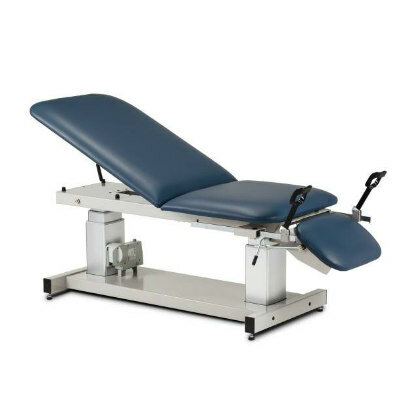
Multi-Use Ultrasound Table
Clinton
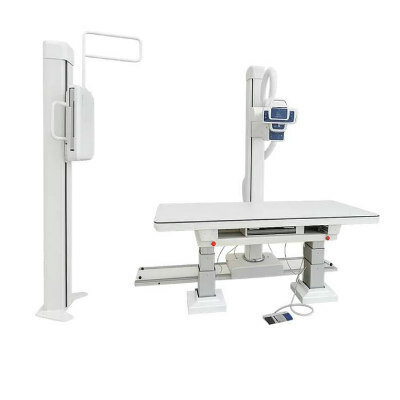
Floor‑Mounted Digital X‑Ray System
MasteRad MX30+
Latest Imaging IT News
- New Google Cloud Medical Imaging Suite Makes Imaging Healthcare Data More Accessible
- Global AI in Medical Diagnostics Market to Be Driven by Demand for Image Recognition in Radiology
- AI-Based Mammography Triage Software Helps Dramatically Improve Interpretation Process
- Artificial Intelligence (AI) Program Accurately Predicts Lung Cancer Risk from CT Images
- Image Management Platform Streamlines Treatment Plans
- AI-Based Technology for Ultrasound Image Analysis Receives FDA Approval
- AI Technology for Detecting Breast Cancer Receives CE Mark Approval
- Digital Pathology Software Improves Workflow Efficiency
- Patient-Centric Portal Facilitates Direct Imaging Access
- New Workstation Supports Customer-Driven Imaging Workflow
Channels
Radiography
view channel
X-Ray Breakthrough Captures Three Image-Contrast Types in Single Shot
Detecting early-stage cancer or subtle changes deep inside tissues has long challenged conventional X-ray systems, which rely only on how structures absorb radiation. This limitation keeps many microstructural... Read more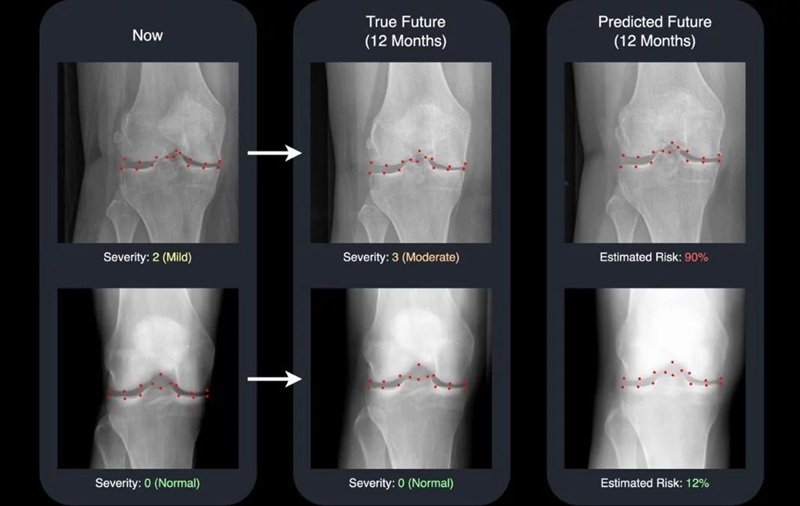
AI Generates Future Knee X-Rays to Predict Osteoarthritis Progression Risk
Osteoarthritis, a degenerative joint disease affecting over 500 million people worldwide, is the leading cause of disability among older adults. Current diagnostic tools allow doctors to assess damage... Read more
MRI
view channel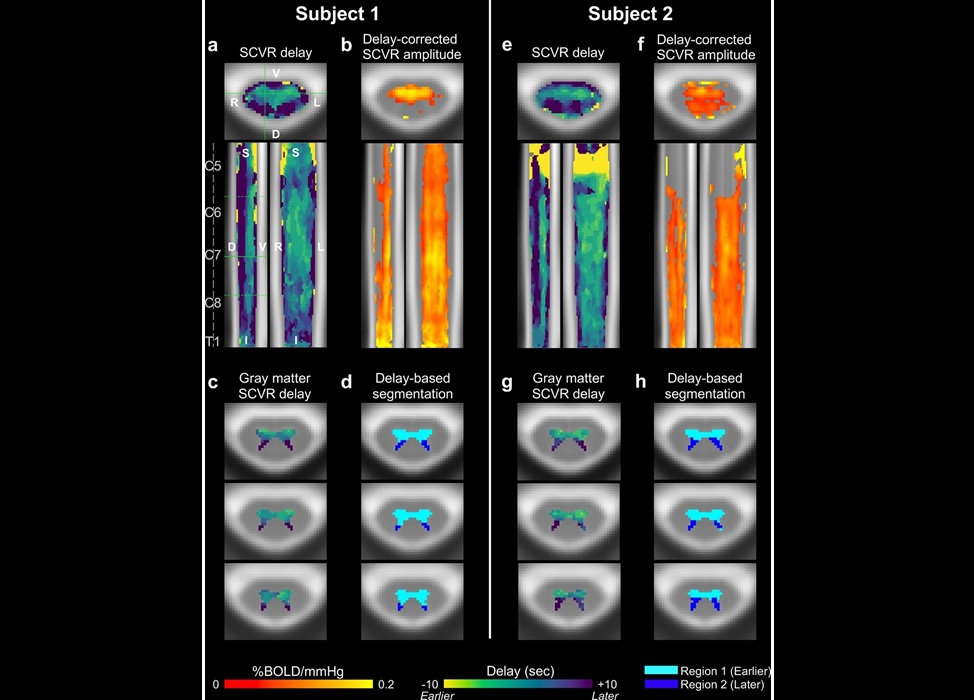
Novel Imaging Approach to Improve Treatment for Spinal Cord Injuries
Vascular dysfunction in the spinal cord contributes to multiple neurological conditions, including traumatic injuries and degenerative cervical myelopathy, where reduced blood flow can lead to progressive... Read more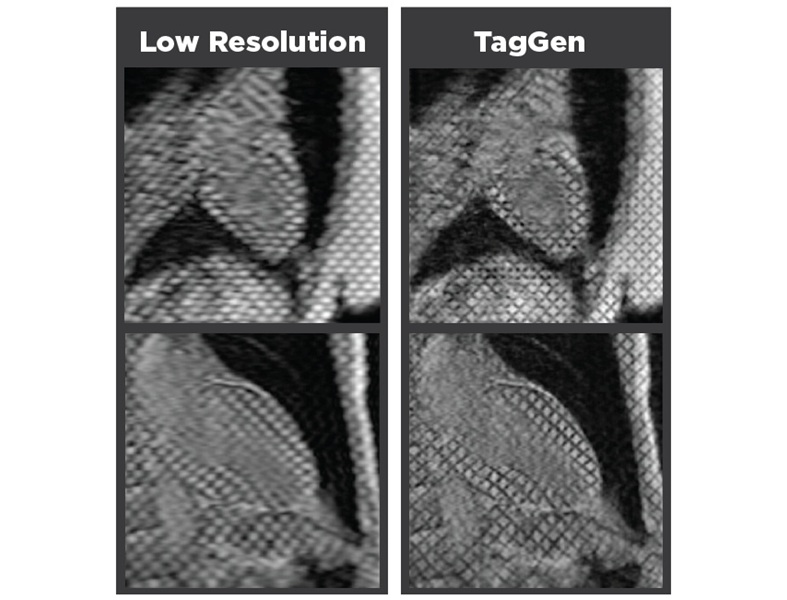
AI-Assisted Model Enhances MRI Heart Scans
A cardiac MRI can reveal critical information about the heart’s function and any abnormalities, but traditional scans take 30 to 90 minutes and often suffer from poor image quality due to patient movement.... Read more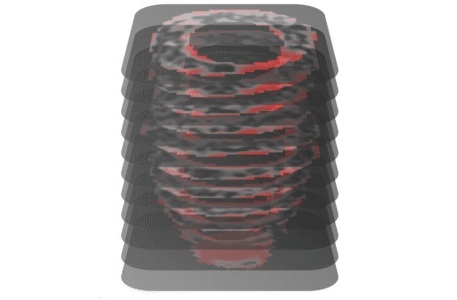
AI Model Outperforms Doctors at Identifying Patients Most At-Risk of Cardiac Arrest
Hypertrophic cardiomyopathy is one of the most common inherited heart conditions and a leading cause of sudden cardiac death in young individuals and athletes. While many patients live normal lives, some... Read more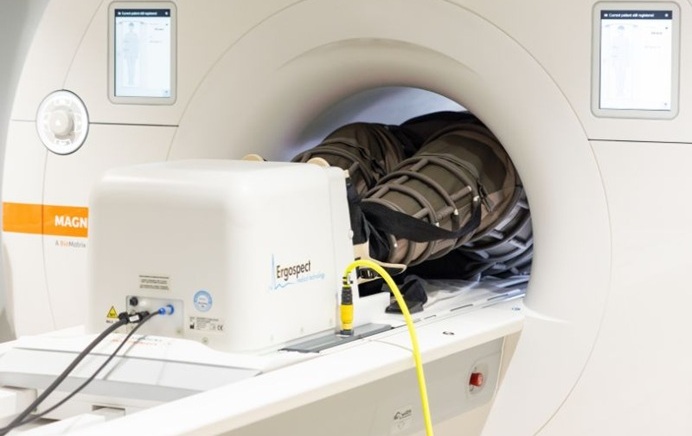
Ultrasound
view channel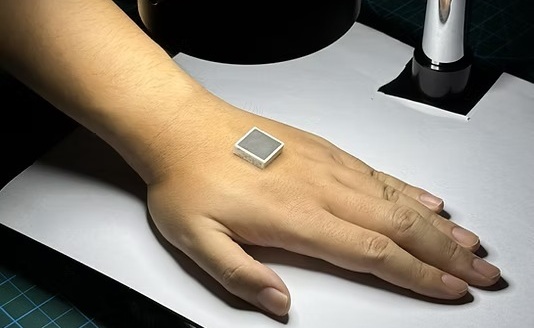
Wearable Ultrasound Imaging System to Enable Real-Time Disease Monitoring
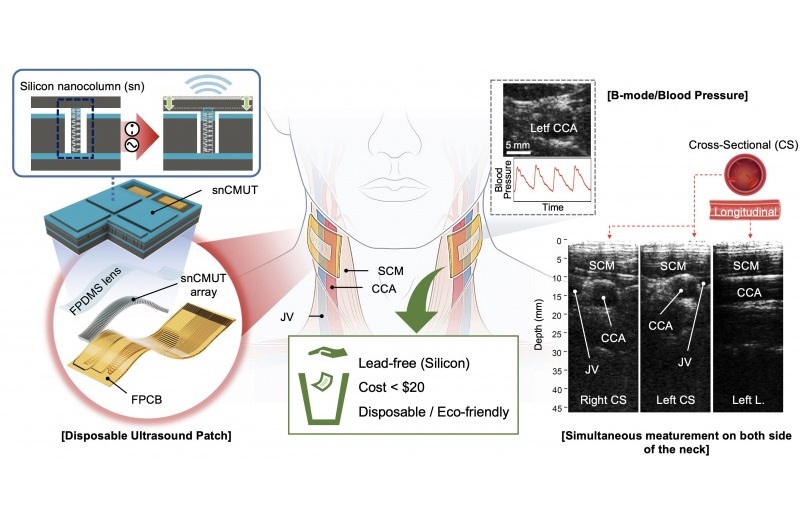
Chronic conditions such as hypertension and heart failure require close monitoring, yet today’s ultrasound imaging is largely confined to hospitals and short, episodic scans. This reactive model limits... Read more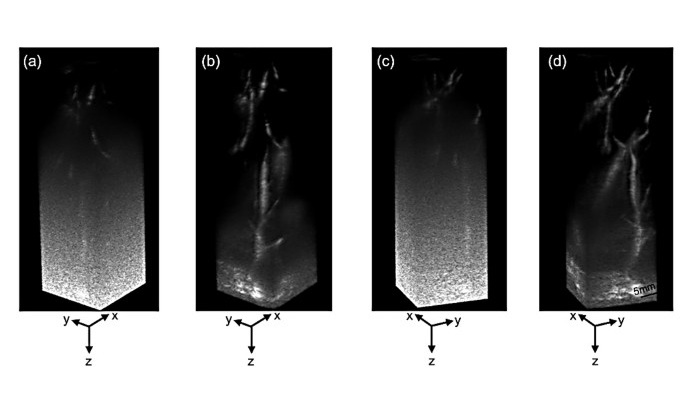
Ultrasound Technique Visualizes Deep Blood Vessels in 3D Without Contrast Agents
Producing clear 3D images of deep blood vessels has long been difficult without relying on contrast agents, CT scans, or MRI. Standard ultrasound typically provides only 2D cross-sections, limiting clinicians’... Read more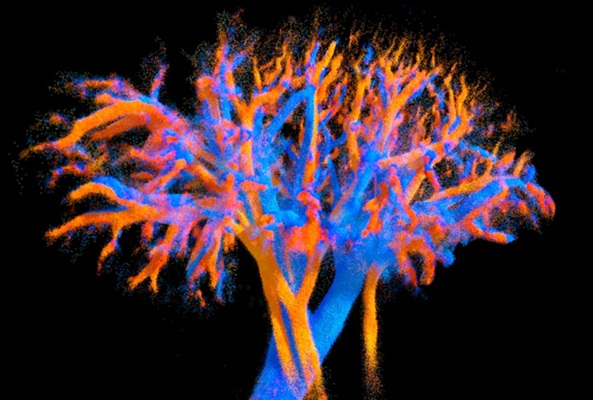
Nuclear Medicine
view channel
PET Imaging of Inflammation Predicts Recovery and Guides Therapy After Heart Attack
Acute myocardial infarction can trigger lasting heart damage, yet clinicians still lack reliable tools to identify which patients will regain function and which may develop heart failure.... Read more
Radiotheranostic Approach Detects, Kills and Reprograms Aggressive Cancers
Aggressive cancers such as osteosarcoma and glioblastoma often resist standard therapies, thrive in hostile tumor environments, and recur despite surgery, radiation, or chemotherapy. These tumors also... Read more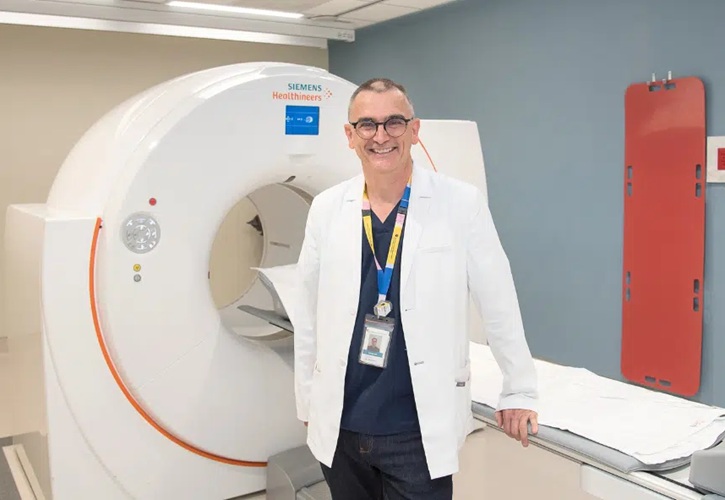
New Imaging Solution Improves Survival for Patients with Recurring Prostate Cancer
Detecting recurrent prostate cancer remains one of the most difficult challenges in oncology, as standard imaging methods such as bone scans and CT scans often fail to accurately locate small or early-stage tumors.... Read more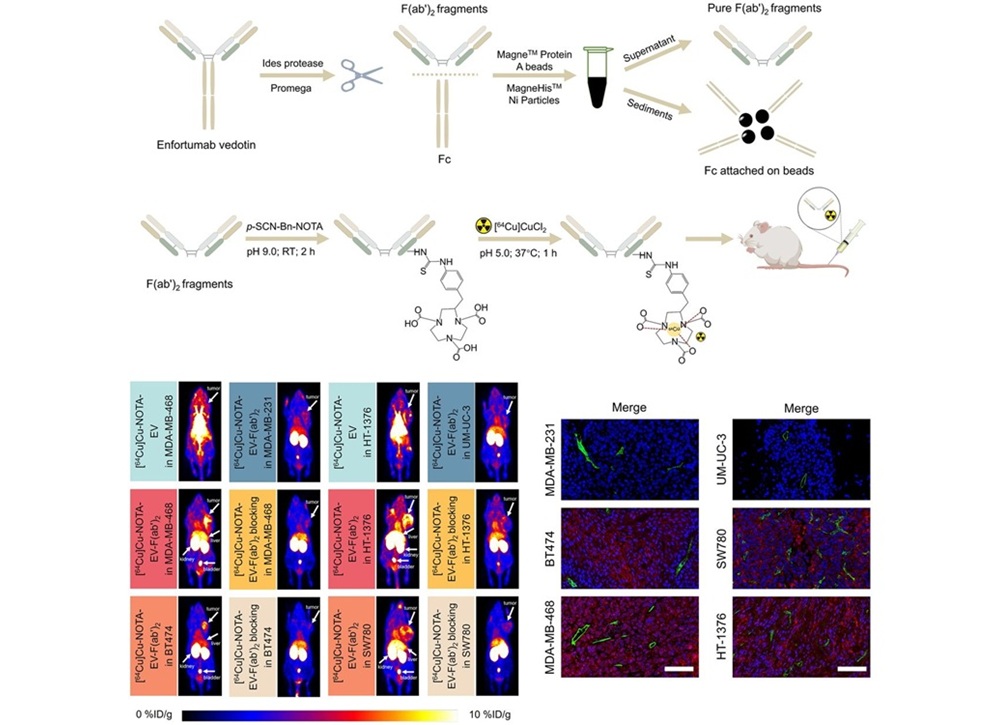
General/Advanced Imaging
view channel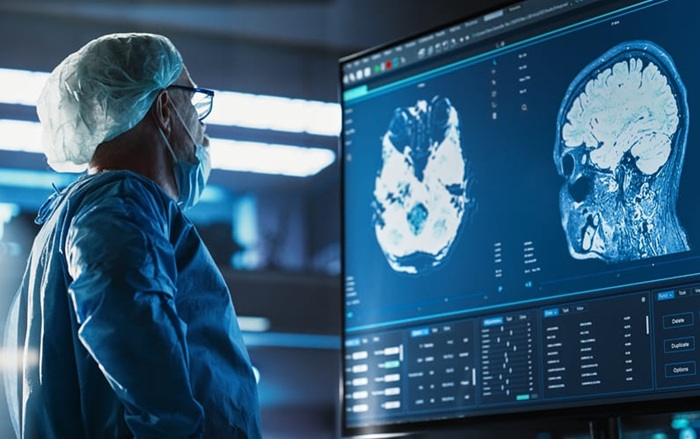
3D Scanning Approach Enables Ultra-Precise Brain Surgery
Precise navigation is critical in neurosurgery, yet even small alignment errors can affect outcomes when operating deep within the brain. A new 3D surface-scanning approach now provides a radiation-free... Read more
AI Tool Improves Medical Imaging Process by 90%
Accurately labeling different regions within medical scans, a process known as medical image segmentation, is critical for diagnosis, surgery planning, and research. Traditionally, this has been a manual... Read more
New Ultrasmall, Light-Sensitive Nanoparticles Could Serve as Contrast Agents
Medical imaging technologies face ongoing challenges in capturing accurate, detailed views of internal processes, especially in conditions like cancer, where tracking disease development and treatment... Read more
AI Algorithm Accurately Predicts Pancreatic Cancer Metastasis Using Routine CT Images
In pancreatic cancer, detecting whether the disease has spread to other organs is critical for determining whether surgery is appropriate. If metastasis is present, surgery is not recommended, yet current... Read moreIndustry News
view channel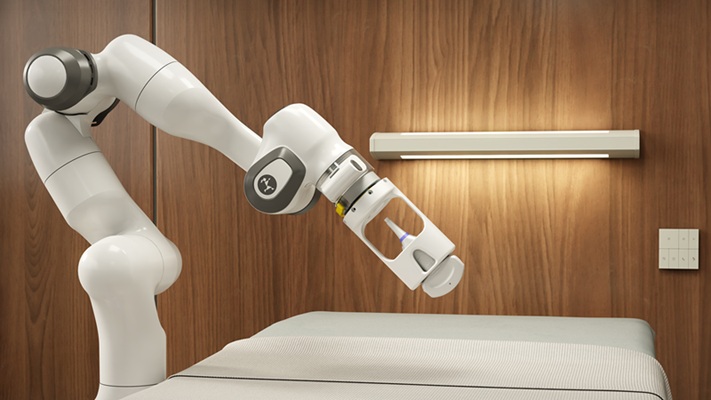
GE HealthCare and NVIDIA Collaboration to Reimagine Diagnostic Imaging
GE HealthCare (Chicago, IL, USA) has entered into a collaboration with NVIDIA (Santa Clara, CA, USA), expanding the existing relationship between the two companies to focus on pioneering innovation in... Read more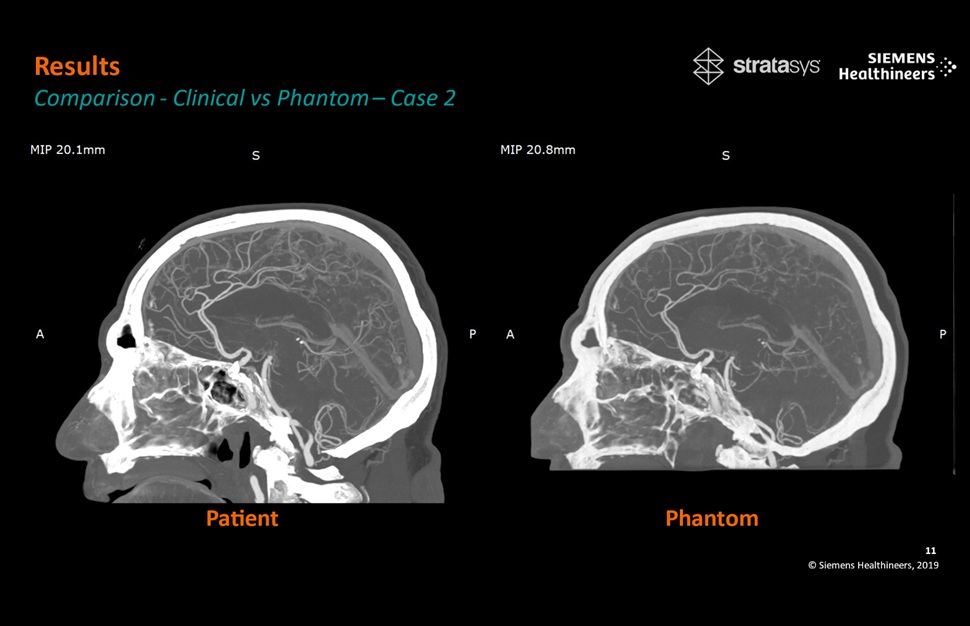
Patient-Specific 3D-Printed Phantoms Transform CT Imaging
New research has highlighted how anatomically precise, patient-specific 3D-printed phantoms are proving to be scalable, cost-effective, and efficient tools in the development of new CT scan algorithms... Read more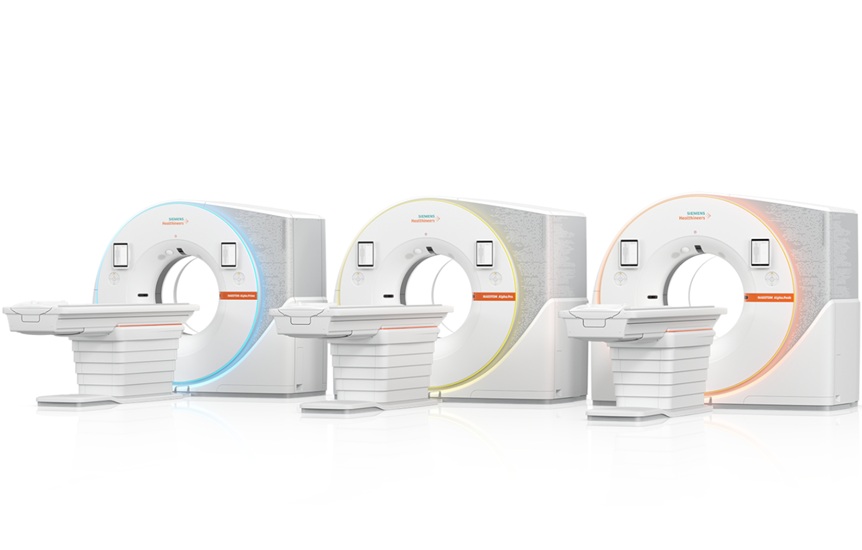
Siemens and Sectra Collaborate on Enhancing Radiology Workflows
Siemens Healthineers (Forchheim, Germany) and Sectra (Linköping, Sweden) have entered into a collaboration aimed at enhancing radiologists' diagnostic capabilities and, in turn, improving patient care... Read more