


Self-Driving Mobile C-Arm Reduces Imaging Time during Surgery
|
By MedImaging International staff writers Posted on 28 Mar 2024 |


|
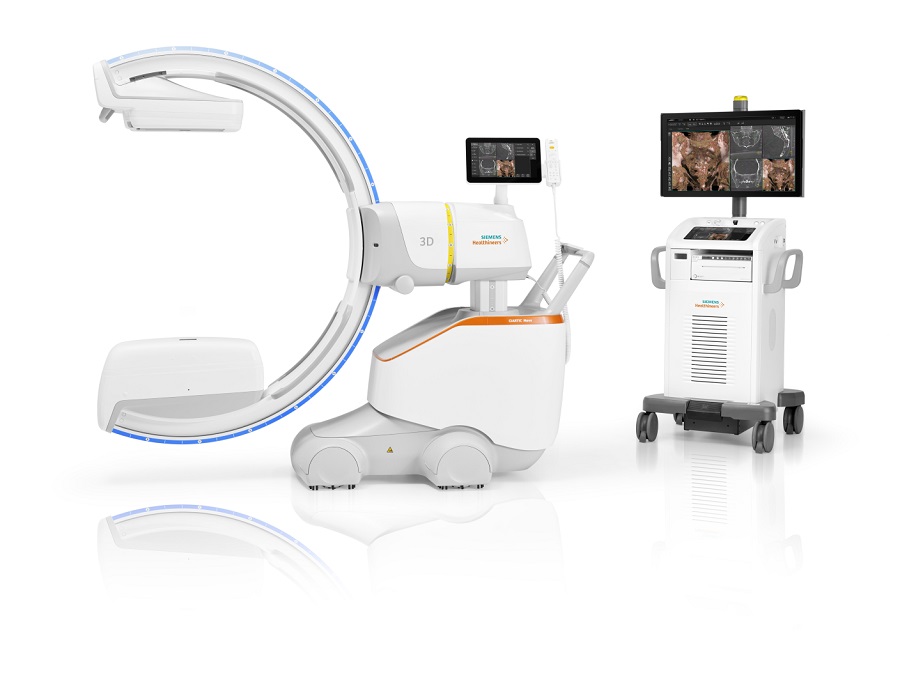
Intraoperative imaging faces significant challenges due to staff shortages and the high demands placed on surgical teams in the operating room (OR). A common challenge during many OR procedures is the frequent need to reposition the C-arm to provide surgeons with precise anatomical views, a task that is often stressful, time-consuming, and susceptible to error with traditional mobile C-arms. Now, a mobile C-arm with self-driving capabilities that automates repositioning during surgery and can be moved effortlessly has the potential to address staff shortages and work overload in ORs.
Siemens Healthineers’ (Erlangen, Germany) self-driving mobile C-arm, CIARTIC Move, accelerates and standardizes 2D fluoroscopic and 3D cone-beam computed tomography (CT) imaging for surgical and OR teams in both hospital and outpatient settings. This innovation offers consistent automated workflows, thereby minimizing imaging time in surgeries. The CIARTIC Move, which is fully motorized from its C-arm to its wheels, boasts self-driving functionality that automates imaging workflows and ensures consistency. Such automation significantly diminishes the manual effort and staffing requirements traditionally associated with positioning the C-arm. It allows for the storage of up to 12 procedure-specific positions and corresponding imaging parameters. With this technology, recalling stored positions and imaging parameters is as simple as pressing a button, eliminating the need for extended communication between surgeons and OR staff. This automation ensures that surgeons and staff can effortlessly reproduce images from the desired angles or swiftly reposition the C-arm.
Designed for orthopedic, trauma, spine, thoracic, vascular, cardiovascular, general surgery, urology, and interventional pulmonology procedures, CIARTIC Move has demonstrated significant intraoperative time savings in preclinical tests —nearly cutting it by half for spine surgeries and reducing it by 55% for pelvic surgeries compared to traditional mobile C-arms. It enables single-user operation through a wireless control, even from within a sterile field, and its fully motorized chassis and touch-sensitive handles allow for smooth movement. Moreover, its active sensing technology detects obstacles in transport mode, automatically halting all motorized movement to prevent collisions. Siemens Healthineers has received clearance from the Food and Drug Administration (FDA) clearance for the CIARTIC Move self-driving mobile C-arm.
“With the FDA clearance of the CIARTIC Move, Siemens Healthineers proudly introduces our first self-driving mobile C-arm, which can provide much-needed relief for overtaxed operating room teams by automating and accelerating intraoperative imaging workflows to a previously unseen degree,” said April Grandominico, vice president for surgical therapies in the Advanced Therapies business at Siemens Healthineers North America.






Latest Radiography News
- X-Ray Breakthrough Captures Three Image-Contrast Types in Single Shot
- AI Generates Future Knee X-Rays to Predict Osteoarthritis Progression Risk
- AI Algorithm Uses Mammograms to Accurately Predict Cardiovascular Risk in Women
- AI Hybrid Strategy Improves Mammogram Interpretation
- AI Technology Predicts Personalized Five-Year Risk of Developing Breast Cancer
- RSNA AI Challenge Models Can Independently Interpret Mammograms
- New Technique Combines X-Ray Imaging and Radar for Safer Cancer Diagnosis
- New AI Tool Helps Doctors Read Chest X‑Rays Better
- Wearable X-Ray Imaging Detecting Fabric to Provide On-The-Go Diagnostic Scanning
- AI Helps Radiologists Spot More Lesions in Mammograms
- AI Detects Fatty Liver Disease from Chest X-Rays
- AI Detects Hidden Heart Disease in Existing CT Chest Scans
- Ultra-Lightweight AI Model Runs Without GPU to Break Barriers in Lung Cancer Diagnosis
- AI Radiology Tool Identifies Life-Threatening Conditions in Milliseconds

- Machine Learning Algorithm Identifies Cardiovascular Risk from Routine Bone Density Scans
- AI Improves Early Detection of Interval Breast Cancers
Channels
Radiography
view channel
X-Ray Breakthrough Captures Three Image-Contrast Types in Single Shot
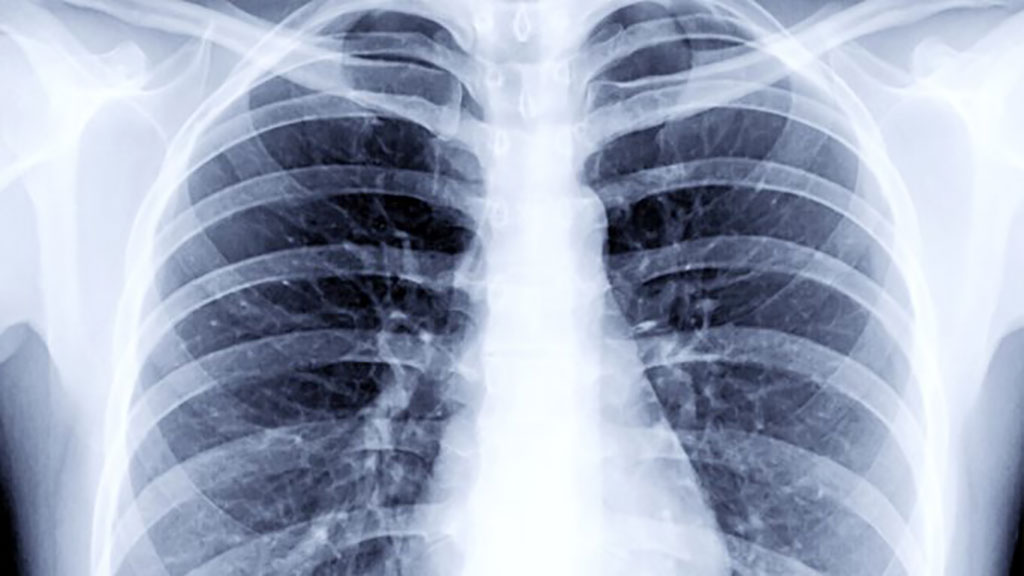
Detecting early-stage cancer or subtle changes deep inside tissues has long challenged conventional X-ray systems, which rely only on how structures absorb radiation. This limitation keeps many microstructural... Read more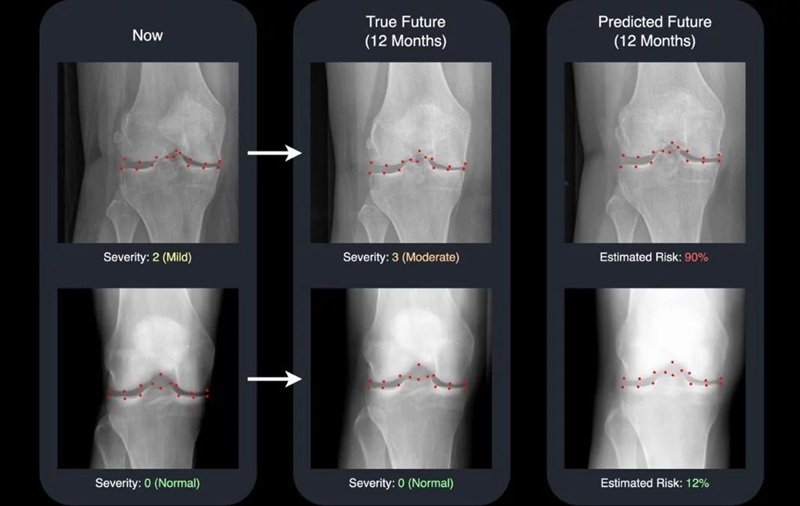
AI Generates Future Knee X-Rays to Predict Osteoarthritis Progression Risk
Osteoarthritis, a degenerative joint disease affecting over 500 million people worldwide, is the leading cause of disability among older adults. Current diagnostic tools allow doctors to assess damage... Read more
MRI
view channel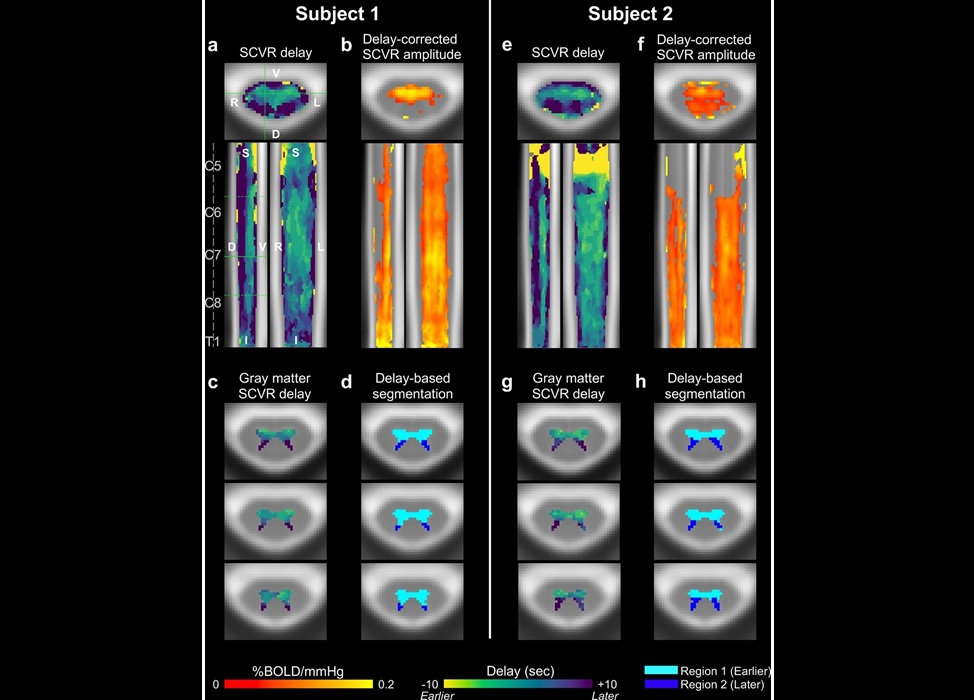
Novel Imaging Approach to Improve Treatment for Spinal Cord Injuries
Vascular dysfunction in the spinal cord contributes to multiple neurological conditions, including traumatic injuries and degenerative cervical myelopathy, where reduced blood flow can lead to progressive... Read more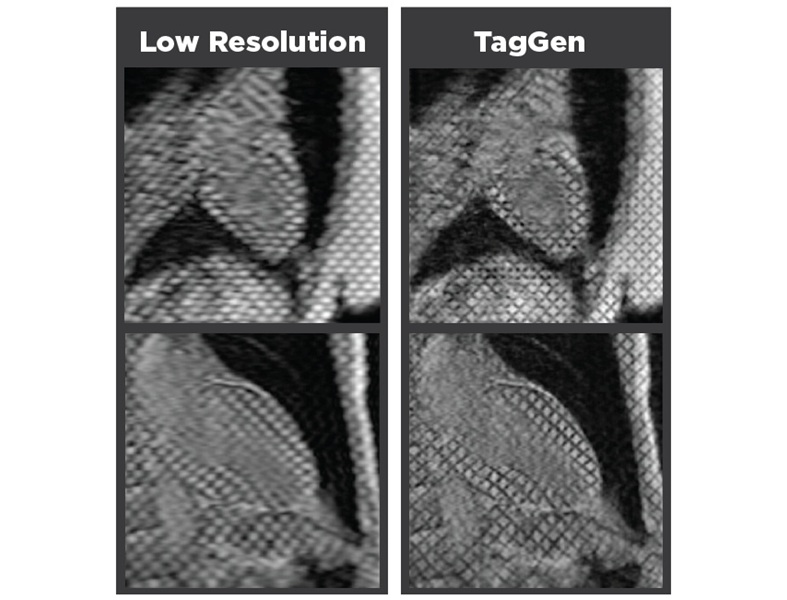
AI-Assisted Model Enhances MRI Heart Scans
A cardiac MRI can reveal critical information about the heart’s function and any abnormalities, but traditional scans take 30 to 90 minutes and often suffer from poor image quality due to patient movement.... Read more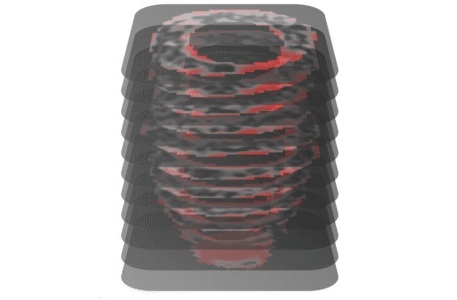
AI Model Outperforms Doctors at Identifying Patients Most At-Risk of Cardiac Arrest
Hypertrophic cardiomyopathy is one of the most common inherited heart conditions and a leading cause of sudden cardiac death in young individuals and athletes. While many patients live normal lives, some... Read more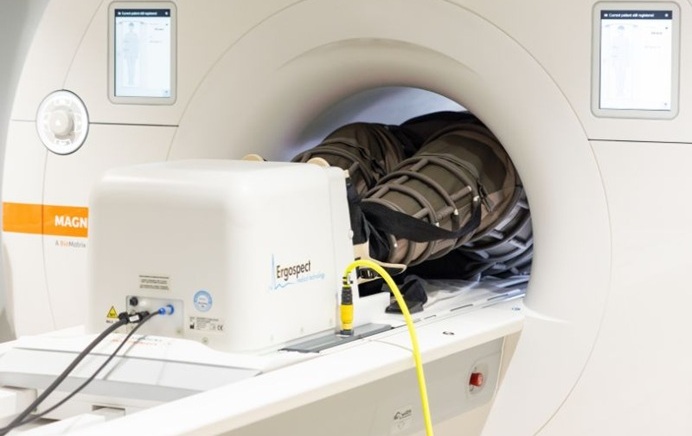
Ultrasound
view channel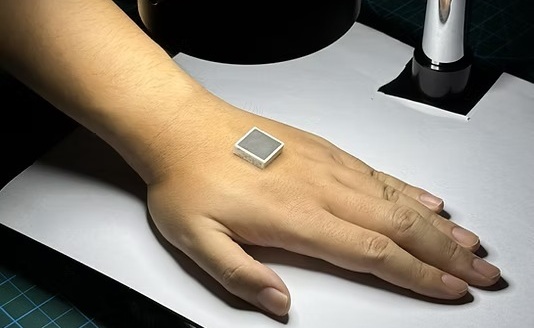
Wearable Ultrasound Imaging System to Enable Real-Time Disease Monitoring
Chronic conditions such as hypertension and heart failure require close monitoring, yet today’s ultrasound imaging is largely confined to hospitals and short, episodic scans. This reactive model limits... Read more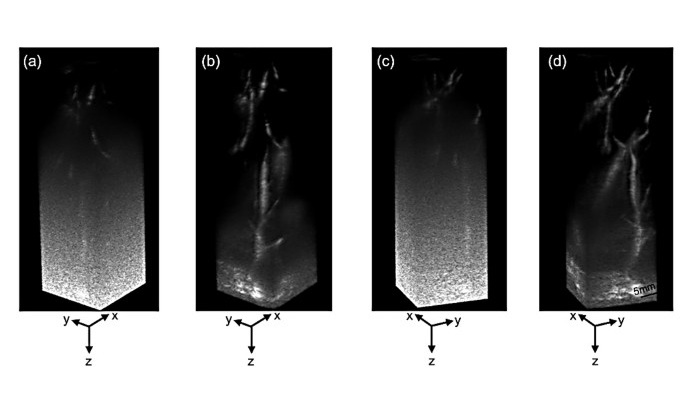
Ultrasound Technique Visualizes Deep Blood Vessels in 3D Without Contrast Agents
Producing clear 3D images of deep blood vessels has long been difficult without relying on contrast agents, CT scans, or MRI. Standard ultrasound typically provides only 2D cross-sections, limiting clinicians’... Read more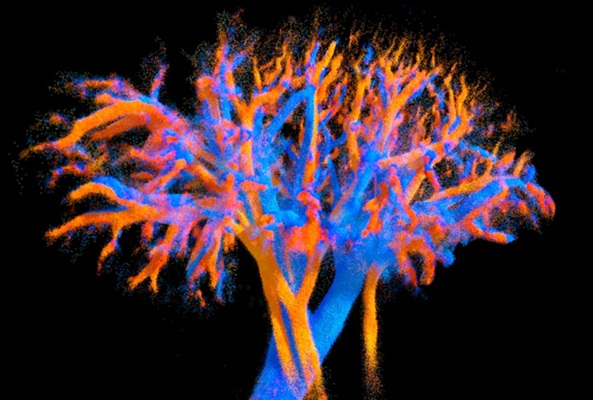
Nuclear Medicine
view channel
PET Imaging of Inflammation Predicts Recovery and Guides Therapy After Heart Attack
Acute myocardial infarction can trigger lasting heart damage, yet clinicians still lack reliable tools to identify which patients will regain function and which may develop heart failure.... Read more
Radiotheranostic Approach Detects, Kills and Reprograms Aggressive Cancers
Aggressive cancers such as osteosarcoma and glioblastoma often resist standard therapies, thrive in hostile tumor environments, and recur despite surgery, radiation, or chemotherapy. These tumors also... Read more
New Imaging Solution Improves Survival for Patients with Recurring Prostate Cancer
Detecting recurrent prostate cancer remains one of the most difficult challenges in oncology, as standard imaging methods such as bone scans and CT scans often fail to accurately locate small or early-stage tumors.... Read more
Imaging IT
view channel
New Google Cloud Medical Imaging Suite Makes Imaging Healthcare Data More Accessible
Medical imaging is a critical tool used to diagnose patients, and there are billions of medical images scanned globally each year. Imaging data accounts for about 90% of all healthcare data1 and, until... Read more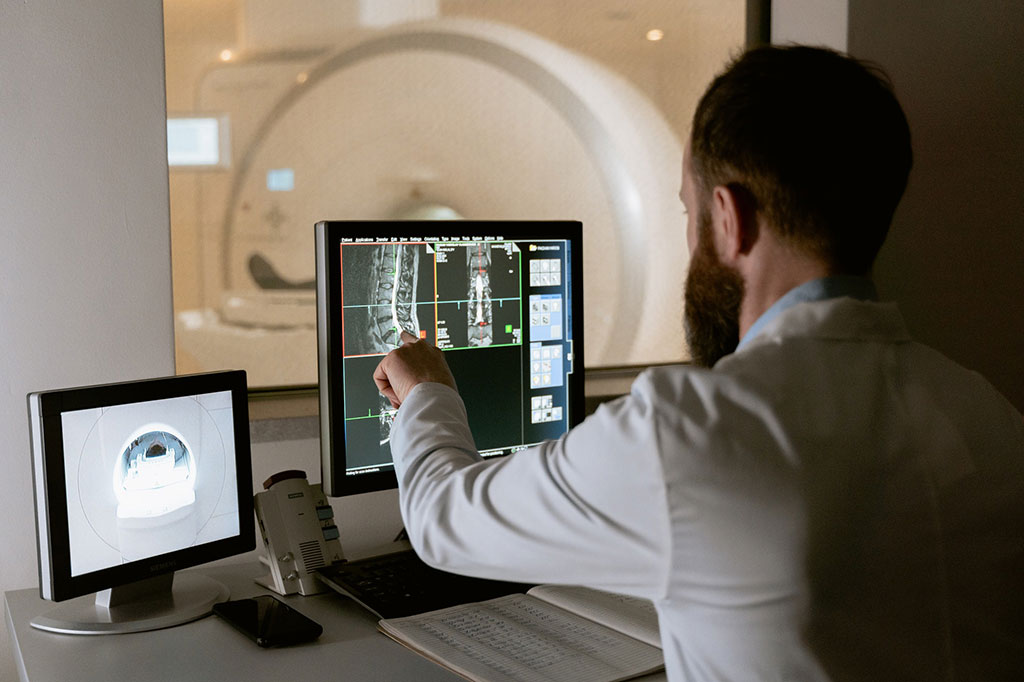
Global AI in Medical Diagnostics Market to Be Driven by Demand for Image Recognition in Radiology
The global artificial intelligence (AI) in medical diagnostics market is expanding with early disease detection being one of its key applications and image recognition becoming a compelling consumer proposition... Read more
Industry News
view channel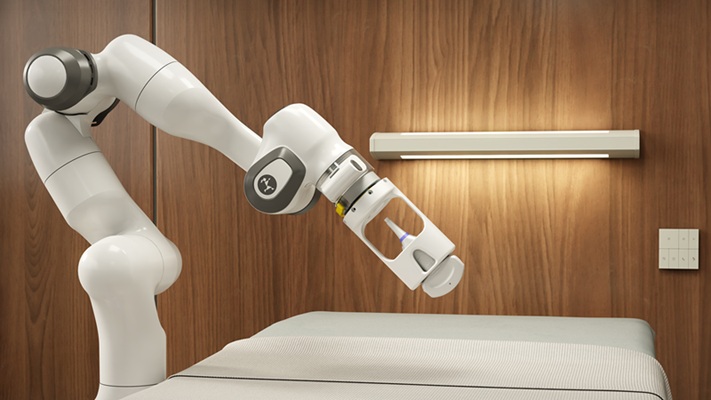
GE HealthCare and NVIDIA Collaboration to Reimagine Diagnostic Imaging
GE HealthCare (Chicago, IL, USA) has entered into a collaboration with NVIDIA (Santa Clara, CA, USA), expanding the existing relationship between the two companies to focus on pioneering innovation in... Read more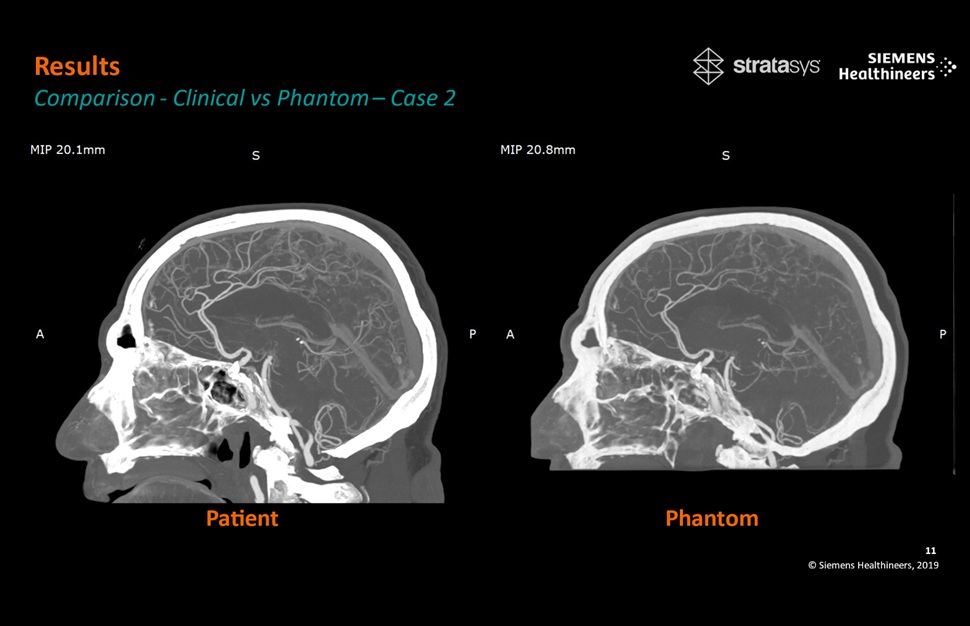
Patient-Specific 3D-Printed Phantoms Transform CT Imaging
New research has highlighted how anatomically precise, patient-specific 3D-printed phantoms are proving to be scalable, cost-effective, and efficient tools in the development of new CT scan algorithms... Read more
Siemens and Sectra Collaborate on Enhancing Radiology Workflows
Siemens Healthineers (Forchheim, Germany) and Sectra (Linköping, Sweden) have entered into a collaboration aimed at enhancing radiologists' diagnostic capabilities and, in turn, improving patient care... Read more