


Handheld Hemodynamic Ultrasound System Aids Real-Time Decision Making for Critically Ill ICU Patients
|
By MedImaging International staff writers Posted on 30 Jun 2022 |


|
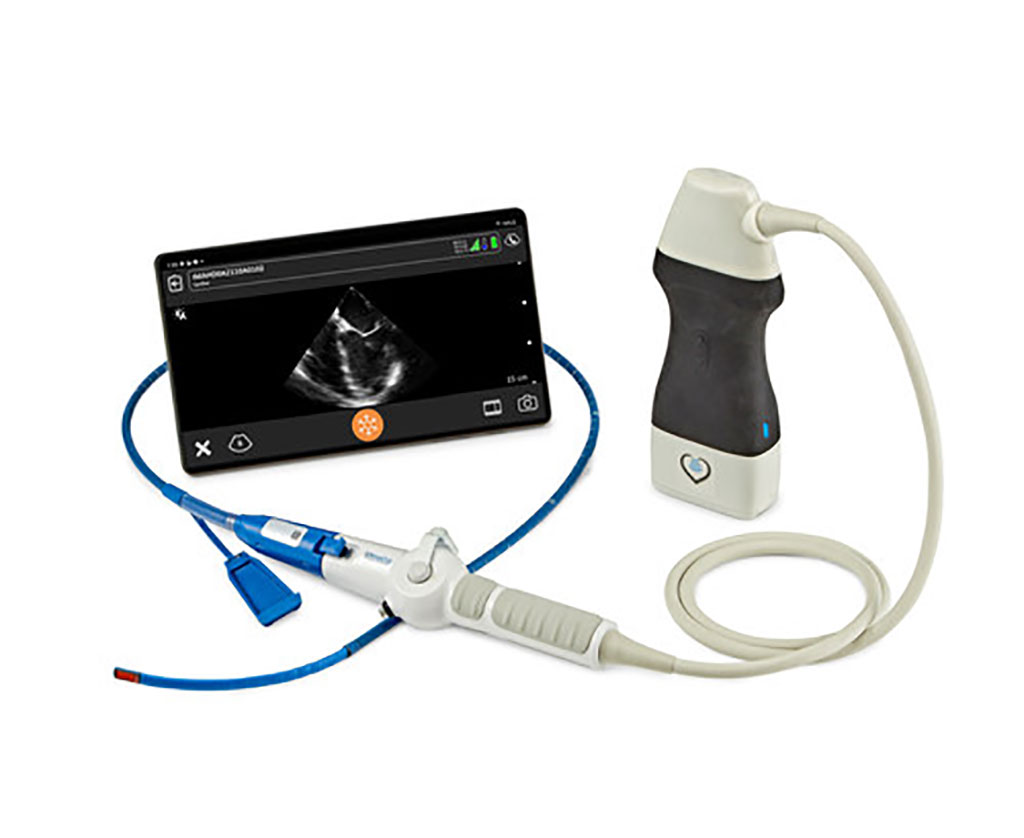
The world's first handheld transesophageal echocardiography (TEE) system designed to manage and guide care for the most critically ill patients in the ICU enables more clinicians to accurately determine appropriate interventions in real-time.
Clarius Mobile Health (Vancouver, BC, Canada) and ImaCor Inc. (Jericho, NY, USA) have entered into a partnership that enables the availability of the world's first handheld TEE system designed to manage and guide care for the most critically ill patients in the ICU. The Zura Handheld Hemodynamic Ultrasound system powered by Clarius provides an instant, clear window to directly visualize preload and contractility over time, having received clearance by the U.S. Food and Drug Administration to help clinicians make the right decisions, at the right time.
The Zura Handheld Hemodynamic Ultrasound system is the companion device to the ClariTEE transesophageal echo probe. Now powered by Clarius, they comprise the first and only advanced handheld hemodynamic management platform for real-time decision making to care for the most at-risk patients. Pocket-sized, the 22-ounce handheld is a key advantage in the ICU where space is limited. The Zura Handheld operates with the Clarius Ultrasound App, which connects wirelessly to Apple and Android smart devices.
"A high-risk patient's hemodynamic status changes dramatically in a matter of minutes, often while clinicians are waiting for test results they submitted 15 minutes ago," said ImaCor's Founder, Scott Roth, MD. "The Zura Handheld provides instant and accurate information to guide patient management and it's proven to save lives. More than 20,000 patients have already benefitted from our cart-based Zura system. We're excited to make this life-saving device now highly accessible to more high acuity care teams with the introduction of our handheld system, which is easier to bring to the bedside, can be used to monitor multiple patients in real-time, and takes up no floor space. We chose to partner with Clarius for our handheld solution, because it delivers the highest image quality for the best patient care."
"Our collaboration with ImaCor is a powerful example of how Clarius is broadening access to medical imaging and helping clinicians to provide better specialized patient care," said Clarius Founder Laurent Pelissier. "We have intentionally designed our app-based ultrasound system to push the boundaries of medical imaging. It's an honor to work with Dr. Roth and his team to make his vision for better acute care a reality, improving patient care and saving lives."
Related Links:
Clarius Mobile Health
ImaCor Inc.






Latest Ultrasound News
- Portable 3D Ultrasound System Enables Reproducible Breast Cancer Monitoring
- AI Ultrasound Platform Receives CE Mark for Prenatal Screening
- Hybrid Imaging Platform Reveals How Sleep Supports Brain Waste Removal
- AI Robotic Ultrasound System Automates Echocardiography and Improves Consistency
- Whole Cross-Section Ultrasound System Enables Operator-Independent Imaging
- New Ultrasound AI Tool Supports Rapid Prenatal Assessment
- New Consensus Standardizes Ultrasound-Based Fatty Liver Assessment
- Groundbreaking Technology to Enhance Precision in Emergency and Critical Care
- Reusable Gel Pad Made from Tamarind Seed Could Transform Ultrasound Examinations
- AI Model Accurately Detects Placenta Accreta in Pregnancy Before Delivery
- Portable Ultrasound Sensor to Enable Earlier Breast Cancer Detection
- Portable Imaging Scanner to Diagnose Lymphatic Disease in Real Time
- Imaging Technique Generates Simultaneous 3D Color Images of Soft-Tissue Structure and Vasculature
- Wearable Ultrasound Imaging System to Enable Real-Time Disease Monitoring
- Ultrasound Technique Visualizes Deep Blood Vessels in 3D Without Contrast Agents
- Ultrasound Probe Images Entire Organ in 4D

Channels
Radiography
view channel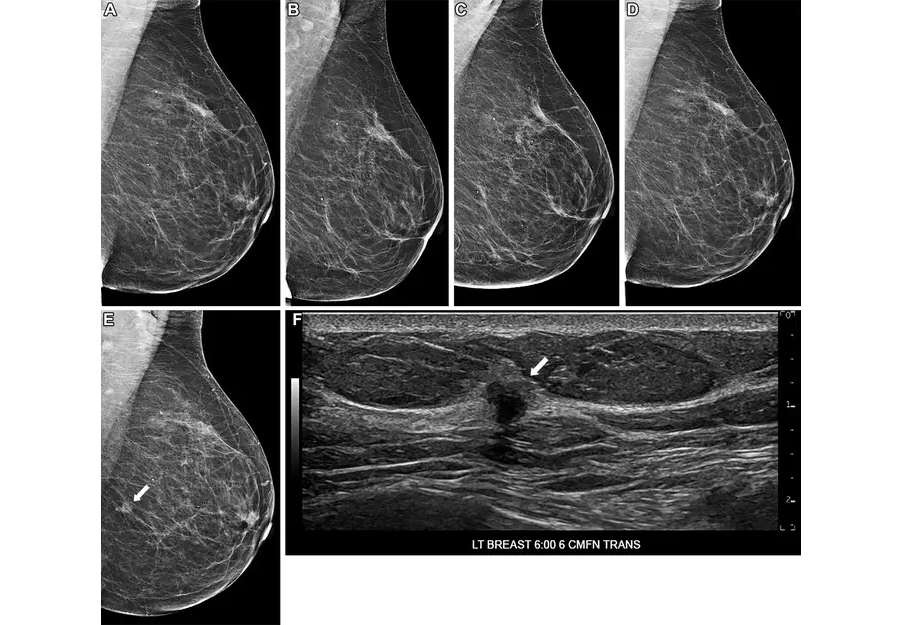
AI Tool Predicts Five-Year Breast Cancer Risk from Mammograms
Breast cancer risk assessment during routine screening is difficult because many women who develop the disease have no known genetic mutations or family history. Static risk tools provide limited discrimination... Read more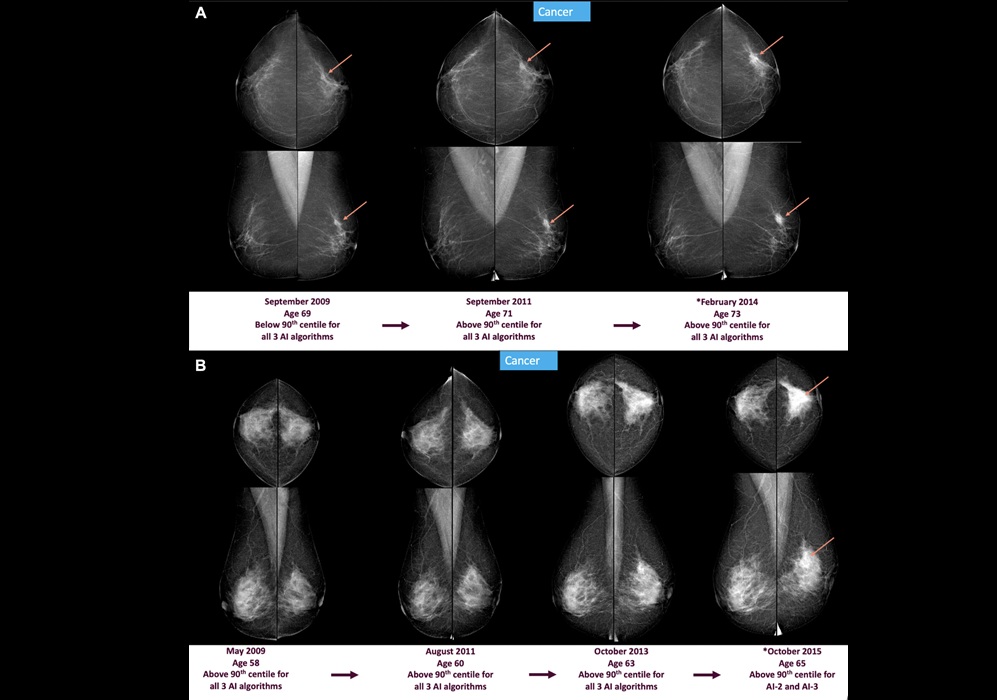
AI Mammography Tools Detect Early Breast Cancer Signs Years Before Diagnosis
Breast cancer screening aims to detect tumors before symptoms develop, but subtle mammographic changes can appear years before diagnosis and may be missed during routine reads. Delayed detection can lead... Read more
MRI
view channel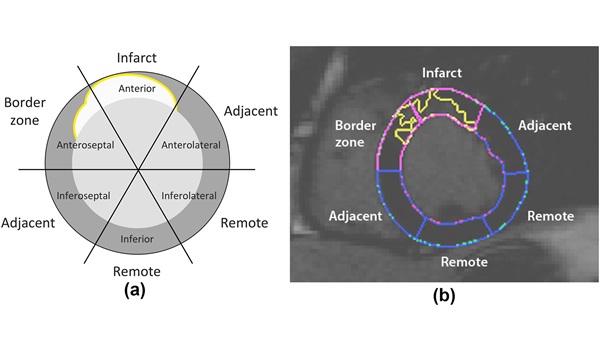
Cardiac MRI Detects Hidden Heart Dysfunction After Heart Attack
Myocardial infarction often leaves patients with persistent ventricular dysfunction that can progress without obvious signs. Detecting early decline remains difficult because standard measures may miss... Read more
AI Tool Reveals Cortical Lesions on Standard MRI in Multiple Sclerosis
Multiple sclerosis (MS) causes immune-mediated damage in the brain that leads to disability and cognitive decline. Clinicians have long recognized that lesions in the brain’s gray matter, or cortex, are... Read more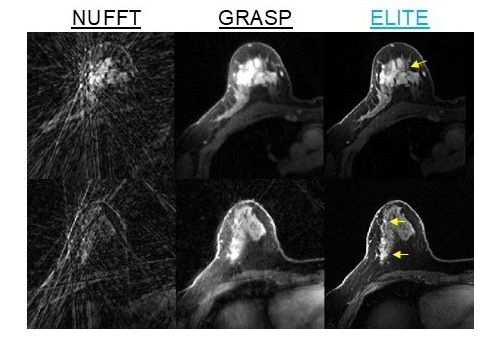
Nuclear Medicine
view channel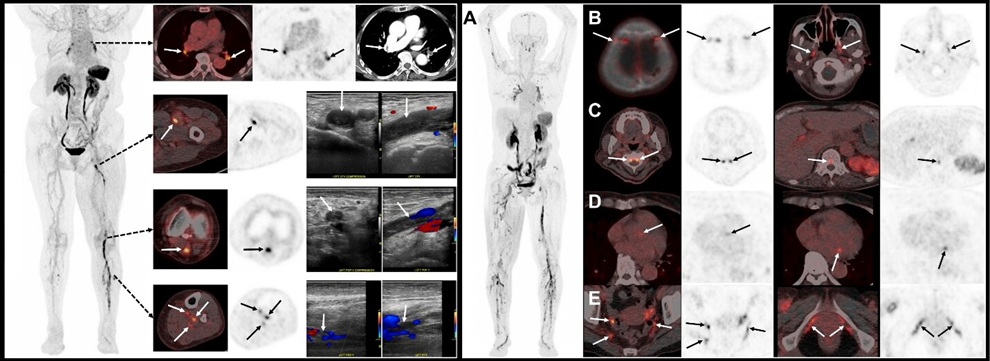
New PET Tracer Detects DVT and Pulmonary Embolism in One Scan
Deep vein thrombosis is the formation of clots in deep leg veins that can migrate to the lungs as pulmonary embolism. Rapid confirmation across both regions often requires multiple tests and can delay treatment.... Read more![Image: (A-C) Representative whole-body maximum-intensity projection images and regional fused PET/CT images from three histologically confirmed osteosarcoma patients who underwent paired [68Ga]Ga-B7-H3-BCH PET/CT and 18F-FDGE PET/CT within 7 days. (D) Multimodal imaging evaluation of patient 3, including X-ray, MRI (T2-weighted imaging, T2WI), CT, and B7-H3 PET/CT. (Photo courtesy of SNMMI)](https://globetechcdn.com/mobile_medicalimaging/images/stories/articles/article_images/2026-06-07/294811110_image_1.jpg "Image: (A-C) Representative whole-body maximum-intensity projection images and regional fused PET/CT images from three histologically confirmed osteosarcoma patients who underwent paired [68Ga]Ga-B7-H3-BCH PET/CT and 18F-FDGE PET/CT within 7 days. (D) Multimodal imaging evaluation of patient 3, including X-ray, MRI (T2-weighted imaging, T2WI), CT, and B7-H3 PET/CT. (Photo courtesy of SNMMI)")
Targeted PET Platform Guides Osteosarcoma Resection and Margin Verification
Osteosarcoma, an aggressive primary bone cancer that mainly affects children and adolescents, demands wide excision to prevent local recurrence. Surgeons must achieve negative margins while preserving... Read more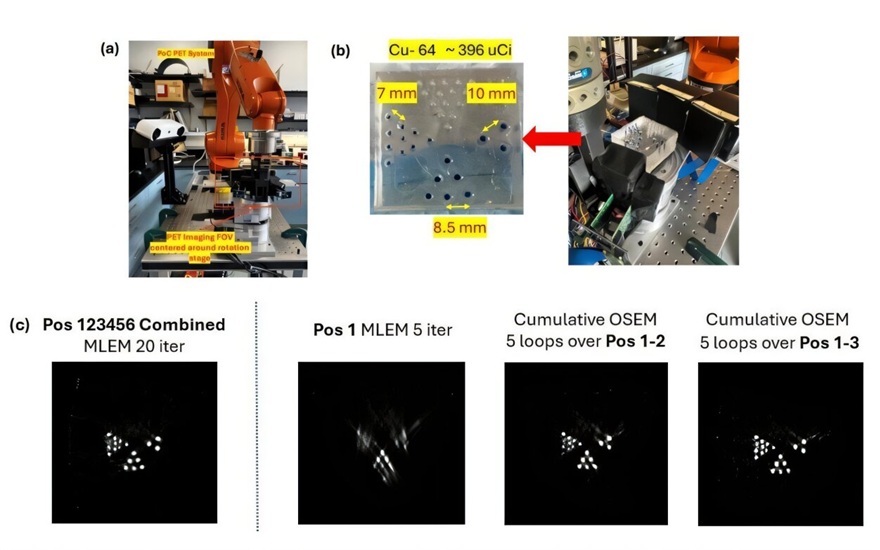
General/Advanced Imaging
view channel
Virtual Staining Technique Creates Histology Images from CT Data
Pulmonary hypertension, a disorder marked by pathological remodeling of the pulmonary vessels, often requires detailed histologic assessment. Yet routine pathology remains anchored in labor‑intensive,... Read more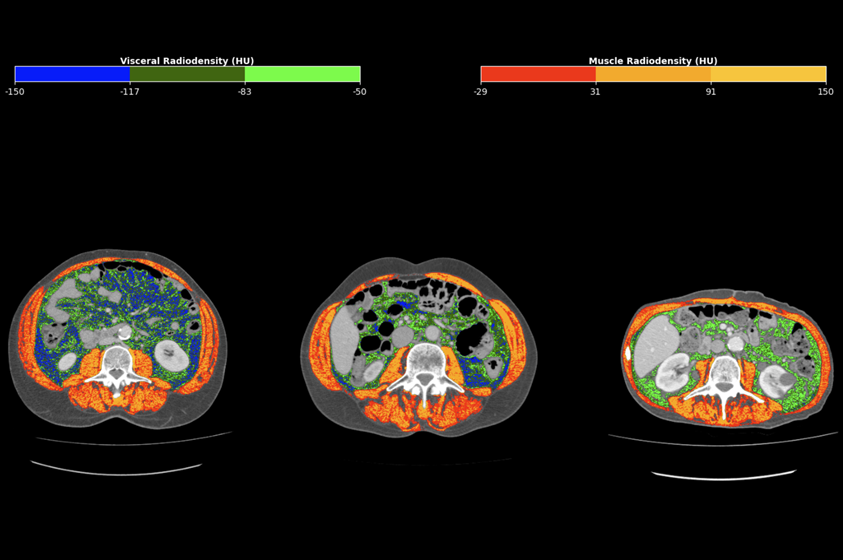
CT-Derived Biomarker Predicts Outcomes in Gastric Cancer
Gastric cancer, also known as stomach cancer, is the fifth most common malignancy worldwide and often shows heterogeneous outcomes even within the same stage. Prognostic estimates typically rely on tumor-centric... Read more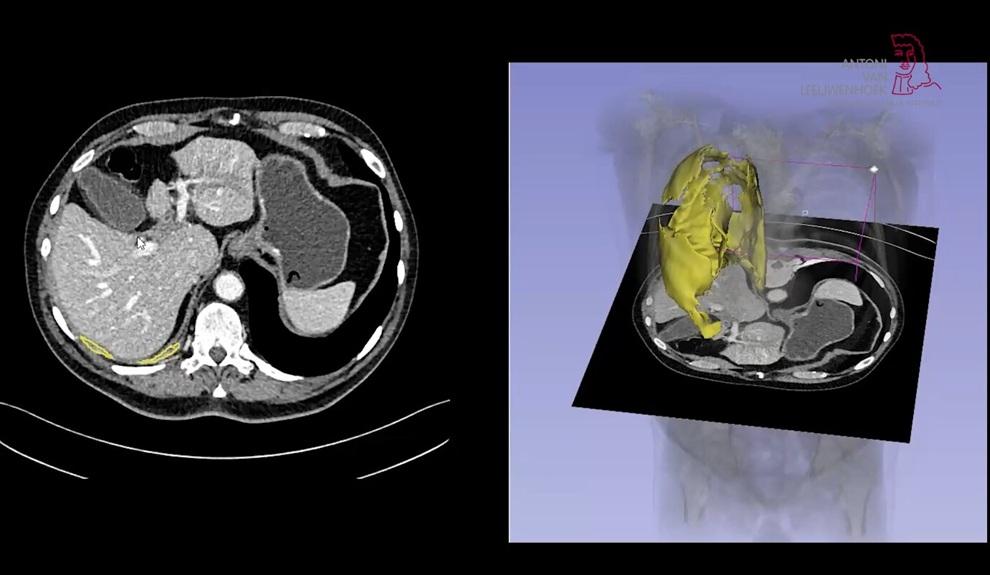
AI Tool Enhances Response Assessment and Survival Prediction in Pleural Mesothelioma
Pleural mesothelioma, a cancer that grows as a thin, irregular layer along the lung wall, is difficult to measure on imaging. Clinicians rely on diameter-based Response Evaluation Criteria in Solid Tumors... Read more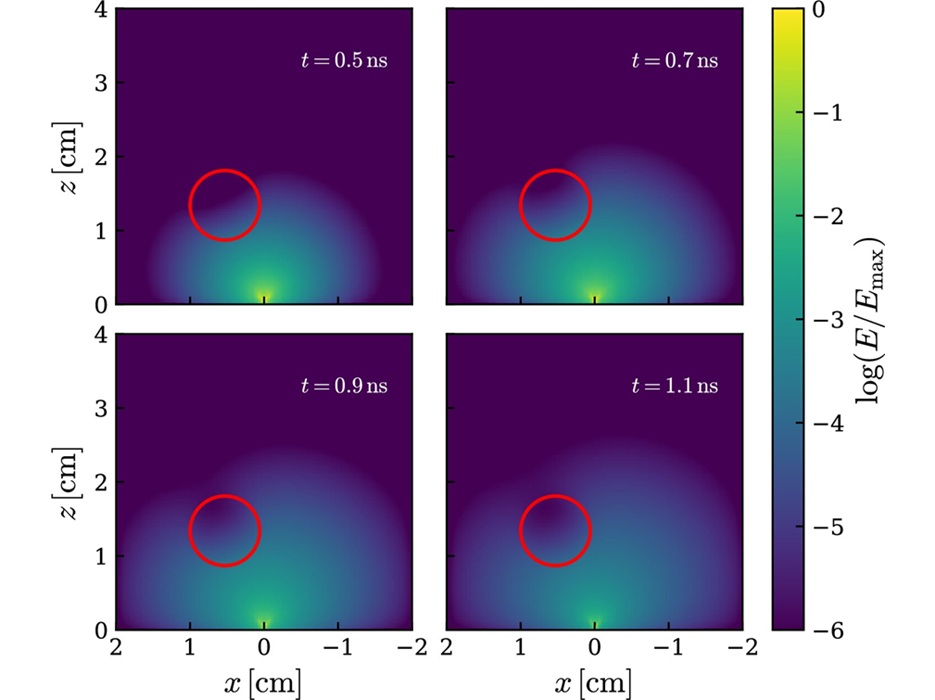
Imaging IT
view channel
Ambient AI Reporting Platform Streamlines Radiology Reporting
Radiology departments face growing imaging volumes and staffing shortages, creating reporting bottlenecks and pressure to maintain turnaround times. Conventional dictation tools document findings after... Read more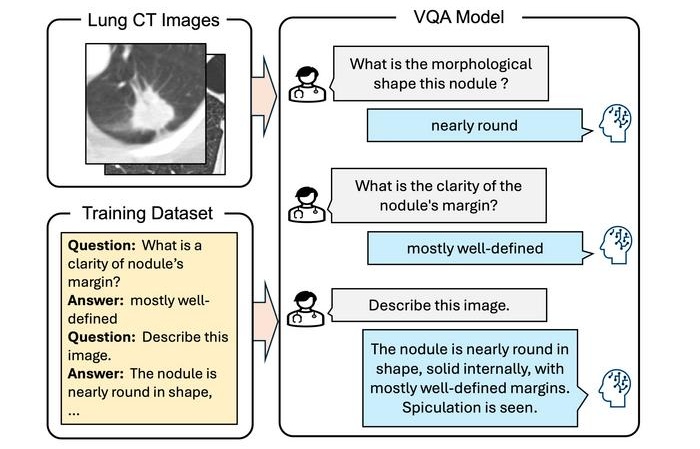
Interactive AI Tool Supports Explainable Lung Nodule Assessment
Lung cancer is a leading cause of cancer mortality, and timely characterization of pulmonary nodules on chest computed tomography (CT) is essential for directing care. Interpreting nodule morphology demands... Read more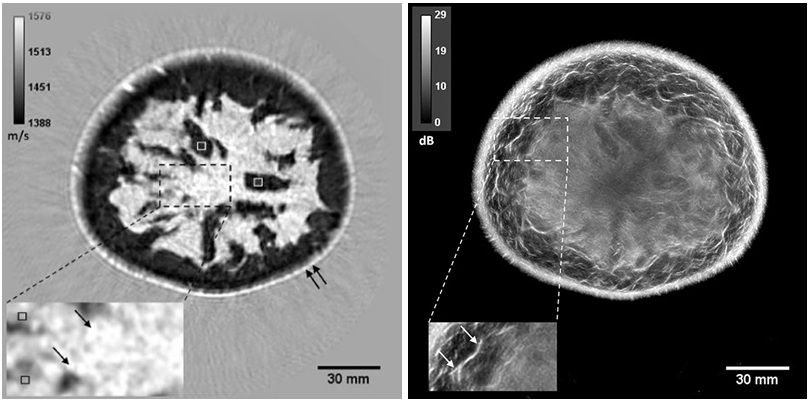
Breast Imaging Software Enhances Visualization and Tissue Characterization in Challenging Cases
Breast imaging can be particularly challenging in cases involving small breasts or implants, where image reconstruction and tissue characterization may be limited. Clinicians also need reproducible analysis... Read more
Industry News
view channel
GE HealthCare Showcases AI-Enabled Nuclear Medicine Portfolio at SNMMI 2026
Nuclear medicine is expanding rapidly as health systems adopt theranostics and broaden access to radiopharmaceuticals, increasing demand for scalable operations and consistent diagnostic confidence.... Read more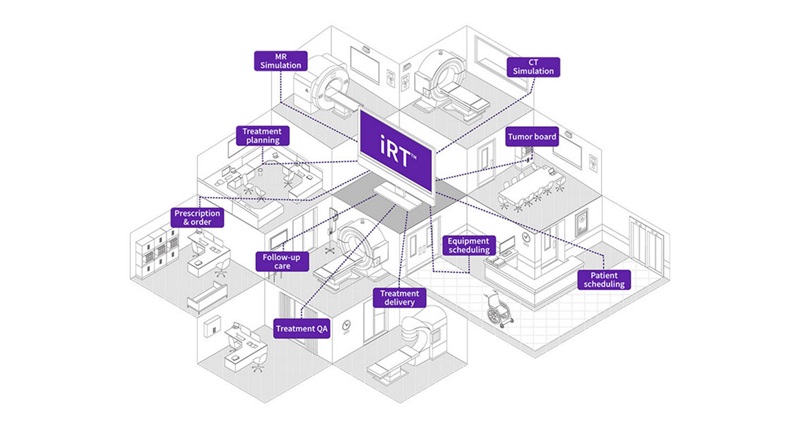
GE HealthCare Highlights AI-Supported Radiation Therapy Tools at ESTRO 2026
At the European Society for Radiotherapy and Oncology (ESTRO) 2026 Congress in Stockholm, GE HealthCare is highlighting Intelligent Radiation Therapy (iRT), MIM Software innovations, and BK Medical surgical... Read more