Advanced MRI Visualizes CSF Motion Changes After Mild Traumatic Brain Injury
Posted on 05 May 2026
Mild traumatic brain injury (TBI) can disrupt brain function yet often eludes objective assessment with standard imaging. Clinicians lack tools that capture subtle neurofluid changes that may follow a concussion and relate to cognition. This gap complicates monitoring and recovery planning after head trauma. Researchers have now used an advanced magnetic resonance imaging (MRI) method to visualize cerebrospinal fluid motion changes after mild TBI.
At the University of Tsukuba (Tsukuba, Japan), investigators applied a specialized MRI technique called intravoxel incoherent motion (IVIM MRI) to map microdynamic cerebrospinal fluid (CSF) movement in the brain. The technique evaluates the incoherent displacement of water molecules to infer CSF motion. It enabled noninvasive visualization of region-specific alterations that have been difficult to quantify with conventional imaging.
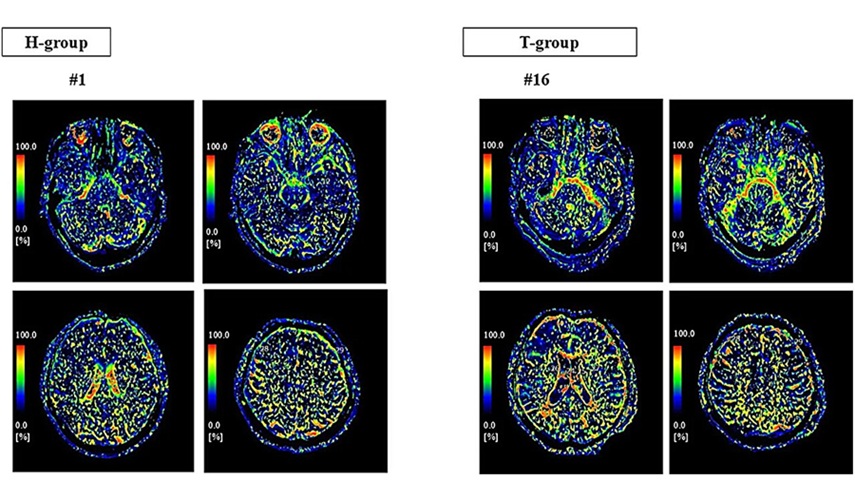
In individuals with mild TBI, CSF motion increased in infratentorial regions near the cerebellum, while decreases appeared in selected supratentorial areas of the cerebrum. Among a subset of patients who underwent follow-up imaging, several abnormalities partially reverted over time. These temporal patterns suggest a relationship between CSF microdynamics and the brain’s recovery process after head injury.
The study was published in Frontiers in Neuroscience. By capturing microdynamic motion that is usually invisible on routine scans, the approach provides new insight into region-specific neurofluid changes after mild head trauma. The work highlights an imaging pathway that augments current methods for assessing subtle post-injury physiology.
These findings indicate that visualizing CSF microdynamics may help clarify links between post-traumatic brain conditions and cognitive changes. The approach could also contribute to diagnostic pathways and therapeutic strategies for patients with mild traumatic brain injury. The partial reversibility observed on follow-up imaging points to recovery-related dynamics that may be useful for longitudinal monitoring.
Related Links
University of Tsukuba






 Guided Devices.jpg)