


AI Model Accurately Detects Placenta Accreta in Pregnancy Before Delivery
Posted on 18 Feb 2026
Placenta accreta spectrum (PAS) is a life-threatening pregnancy complication in which the placenta abnormally attaches to the uterine wall. The condition is a leading cause of maternal mortality and morbidity and can result in severe hemorrhage, organ failure, and death if undetected. Despite screening based on risk factors and ultrasound, only about half of the cases are diagnosed during pregnancy, leaving many women vulnerable. Now, an artificial intelligence (AI) model can accurately detect PAS using standard obstetric ultrasound images.
The AI-based program was developed by researchers at Baylor College of Medicine (Houston, TX, USA) to analyze two-dimensional obstetric ultrasound images from patients at risk for PAS. Using an innovative AI program, the team retrospectively reviewed images from 113 pregnant patients who delivered between 2018 and 2025. The mean gestational age at the time of ultrasound was approximately 31 weeks, and the AI system was trained to identify imaging features associated with abnormal placental attachment.
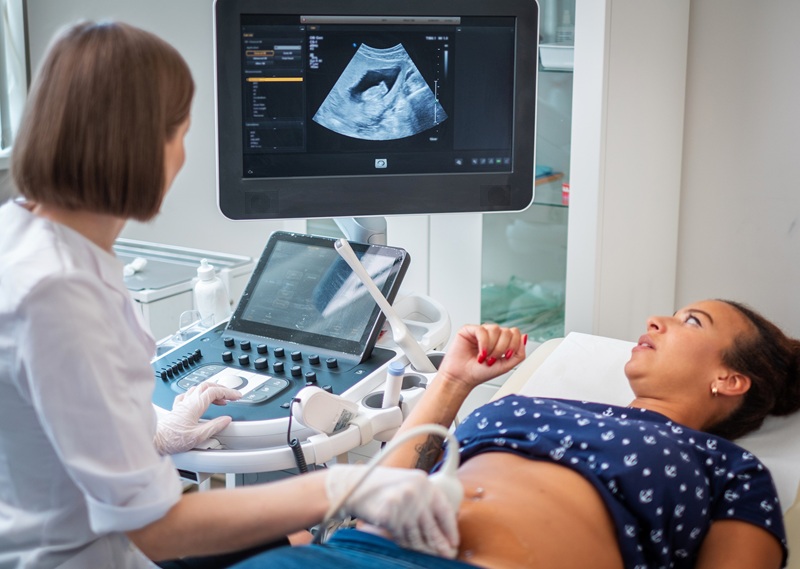
The analysis of the ultrasound data showed that the AI model correctly identified all confirmed cases of PAS. The system produced two false-positive results but no false negatives, indicating strong sensitivity in detecting the condition. The findings, published in the journal Pregnancy, demonstrate that the model outperformed many conventional screening approaches that can yield inconclusive or missed diagnoses, particularly in complex cases.
Researchers suggest the AI tool could serve as a screening aid to improve early identification of high-risk pregnancies. More accurate detection before delivery may allow for better preparation, reducing maternal complications and improving outcomes. Future studies are expected to evaluate the model in larger and prospective clinical settings to confirm its effectiveness and integrate it into routine obstetric care.
“We are hopeful that its use as a screening tool will help decrease PAS-related maternal morbidity and mortality,” said researcher Alexandra L. Hammerquist, MD.
Related Links:
Baylor College of Medicine






 Guided Devices.jpg)