


Radiopharmaceutical Molecule Marker to Improve Choice of Bladder Cancer Therapies
Posted on 16 Jan 2026
Targeted cancer therapies only work when tumor cells express the specific molecular structures they are designed to attack. In urothelial carcinoma, a common form of bladder cancer, the cell surface protein Nectin-4 is a key therapeutic target, yet its presence can vary widely between tumors and even between metastases. Until now, clinicians have lacked a reliable, non-invasive way to assess Nectin-4 expression and heterogeneity before treatment. Researchers have now developed an imaging solution that allows tumors carrying this protein to be visualized in the body.
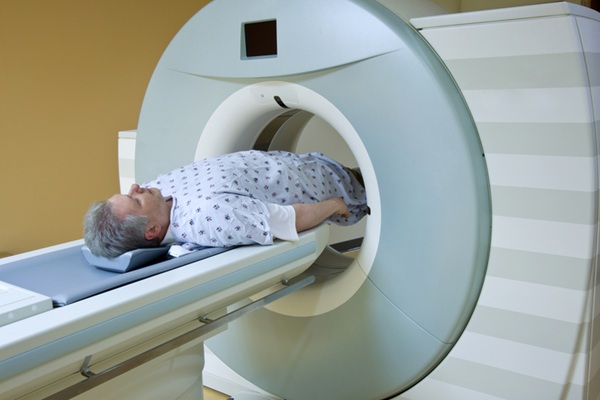
Researchers at the Helmholtz-Zentrum Dresden-Rossendorf (HZDR, Dresden, Germany) have developed a radiopharmaceutical tracer by chemically modifying a bicyclic peptide drug conjugate so it could be used for diagnostic imaging. The approach relies on radiotracers that bind specifically to Nectin-4 and can be visualized using positron emission tomography (PET).

Bicyclic peptides were selected as carrier molecules due to their high binding precision and stability in the body. Through targeted chemical modifications, including replacing an oxidation-sensitive amino acid, the researchers created robust peptide variants that can be labeled with Gallium-68 or Copper-64. Gallium-68 supports rapid, same-day PET imaging, while Copper-64, with its longer half-life, enables higher-contrast imaging at later time points.
The tracer candidates were first tested in cell cultures and pre-clinical tumor models, where they demonstrated strong binding specificity, clear tumor localization, and fast clearance from surrounding tissue. Among them, NECT-224 showed particularly promising performance when labeled with either radionuclide. These results were reported in the Journal of Medicinal Chemistry and supported advancement to first-in-human use.
In summer 2025, the Gallium-68–labeled version of NECT-224 was used in a patient to successfully visualize the tumor and confirm pre-clinical findings. The tracer could help identify patients most likely to benefit from Nectin-4–targeted therapies and reveal loss of the target in metastases. Ongoing work focuses on optimizing tumor retention and exploring theranostic applications, including targeted radioligand therapies that combine diagnosis and treatment.
“Using NECT-224 we can reveal whether a tumor really does carry Nectin-4 so that we can judge whether the patient affected will respond to targeted therapies,” said Dr. Robert Wodtke, research associate at HZDR. “For us, the first successful use in humans was an important milestone and a strong signal that this tracer can offer genuine clinical added value.”
Related Links:
HZDR