


AI Identifies Vertebral Compression Fractures and Measures Low Bone Density from CT
|
By MedImaging International staff writers Posted on 05 May 2022 |


|

Measurements of vertebral fractures and low bone density have been shown to increase the identification of patients with musculoskeletal disease of the spine, such as osteoporosis. According to the World Congress of Osteoporosis, 75% of compression fractures are missed or not reported. Now, a new AI software provides qualitative and quantitative analysis of the spine from CT to support clinicians in the evaluation and assessment of musculoskeletal disease.
Nano X Imaging Ltd.’s (Neve Ilan, Israel) deep-learning medical imaging analytics subsidiary, Nanox.AI, has received FDA 510(k) clearance for its HealthOST device, which enables fully automated spinal analysis of vertebral compression fractures and low bone density often associated with osteoporosis. HealthOST offers a more detailed evaluation, including the ability to measure fractures more precisely, potentially aiding clinicians in evaluating risk factors for osteoporosis. The company’s AI solution automatically identifies findings suggestive of compression fractures and low bone density, enabling further work up and treatment of patients diagnosed with osteoporosis to prevent potentially life-changing major osteoporotic fractures, such as a hip fracture.
HealthOST provides qualitative and quantitative analysis of the spine, including labeling of T1-L4 vertebrae, measurement of height loss in each vertebra (T1-L4) and measurement of the mean Hounsfield Units (HU) in volume of interest within vertebra (T11-L4). HealthOST is indicated for use in patients aged 50 and over undergoing CT scan for any clinical indication that includes at least four vertebrae in the T1-L4 portion of the spine (for vertebral height loss) and T11-L4 (for bone attenuation) portions of the spine.
“With the FDA clearance of HealthOST, we are thrilled to offer radiologists a new tool that provides deeper analysis of medical images to support identifying those patients who may be at-risk of developing prevalent musculoskeletal conditions such as osteoporosis, to help promote further work up and treatment of those patients,” said Pini Ben Elazar, General Manager of Nanox.AI. “Our new product reflects our vision to create solutions to improve population health, building upon our strong track record of developing AI applications to help identify risk factors for chronic health conditions.”
“This FDA clearance is yet another step in our commitment to delivering technologies that promote population health and value-based care,” said Erez Meltzer, Chief Executive Officer of Nanox. “AI technologies like HealthOST are poised to support routine clinical decision making and potentially improve patients’ health outcomes.”
Related Links:
Nano X Imaging Ltd.




 Guided Devices.jpg)


Latest General/Advanced Imaging News
- Virtual Staining Technique Creates Histology Images from CT Data
- CT-Derived Biomarker Predicts Outcomes in Gastric Cancer
- AI Tool Enhances Response Assessment and Survival Prediction in Pleural Mesothelioma
- AI Tool Enables Real-Time Diffuse Optical Tomography for Brain Lesion Detection
- New SPECT/CT Method Differentiates Inflammation from Fibrosis in Interstitial Lung Disease
- Whole-Body PET/CT Tracks Metabolic Changes After Bariatric Surgery
- PET Tracer Localizes Overactive Adrenal Glands in Primary Aldosteronism
- Multimodal AI Tool Combines CT and Health Records to Predict Heart Risk
- AI Tool Automates Radiotherapy Planning for Cervical and Prostate Cancer
- New Proton Therapy Platform Integrates into Existing Radiotherapy Departments
- 3D-Printed Intraoral Device Enhances Head and Neck Radiotherapy Accuracy
- Molecular Imaging Agent Shows Promise for Endometriosis Detection and Monitoring
- Automated AI Tool Detects Early Pancreatic Cancer on Routine CT
- Routine Cardiac CT Enhanced to Predict Heart Failure Risk
- New Breast Imaging Viewer Unifies Modalities and Enhances Clinical Workflow
- Radiomics Analysis of CT Scans Enhances Evaluation of Sarcoidosis
Channels
Radiography
view channel
AI Tool Predicts Five-Year Breast Cancer Risk from Mammograms
Breast cancer risk assessment during routine screening is difficult because many women who develop the disease have no known genetic mutations or family history. Static risk tools provide limited discrimination... Read more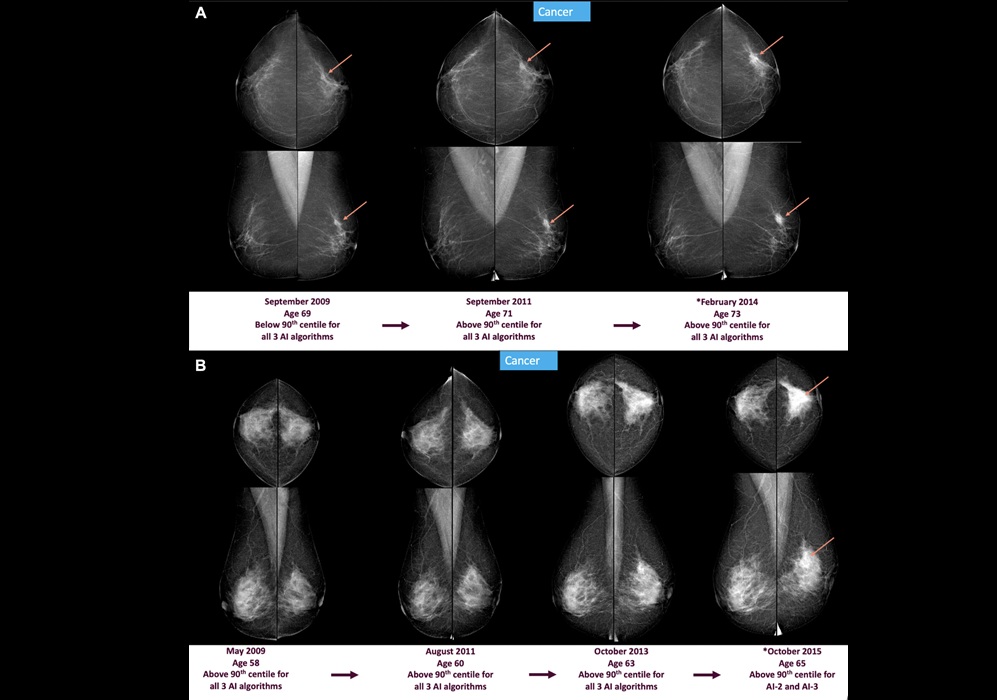
AI Mammography Tools Detect Early Breast Cancer Signs Years Before Diagnosis
Breast cancer screening aims to detect tumors before symptoms develop, but subtle mammographic changes can appear years before diagnosis and may be missed during routine reads. Delayed detection can lead... Read more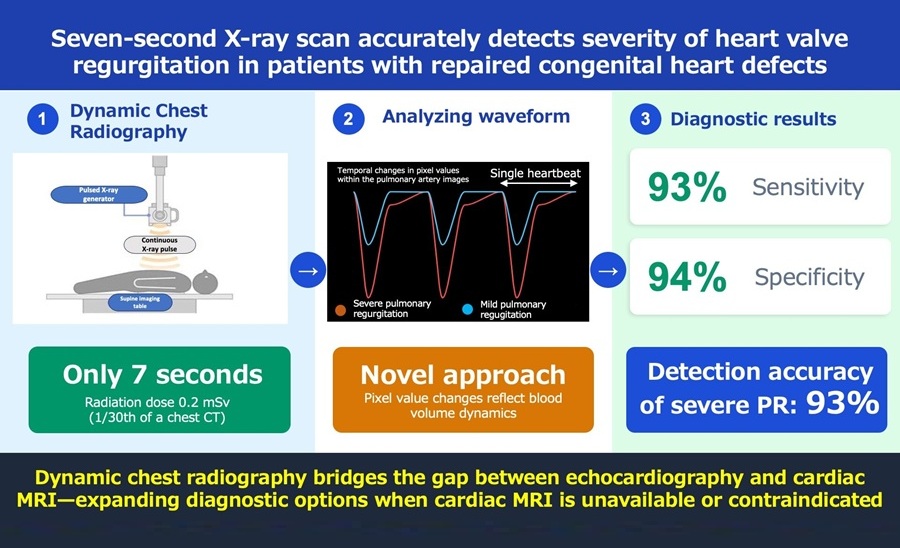
MRI
view channel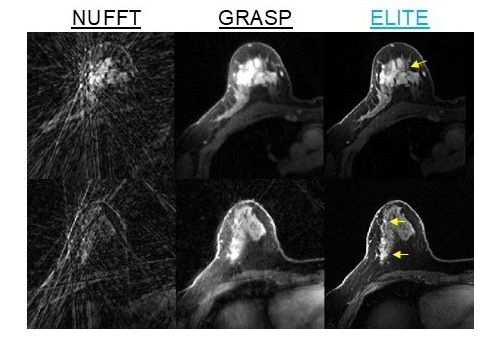
AI Reconstruction Tool Speeds Dynamic Breast MRI and Improves Cancer Detection
Breast cancer affects about 2.3 million people each year, creating sustained demand for precise imaging. Dynamic magnetic resonance imaging (MRI) is highly sensitive, yet slow acquisitions hinder real-time... Read more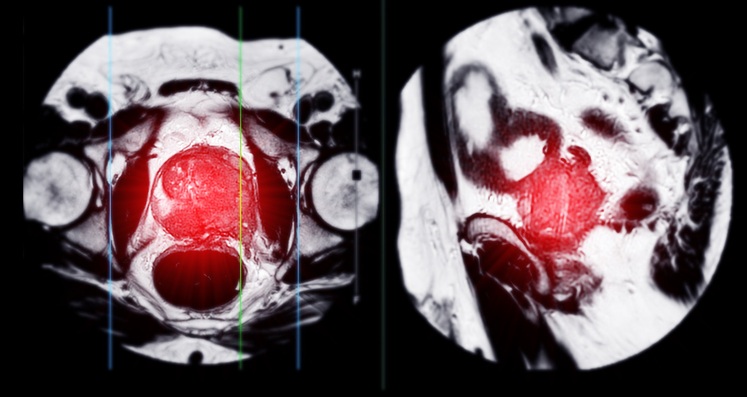
International Study Assesses AI for Prostate Cancer MRI Interpretation
Prostate cancer is a leading cause of cancer morbidity in men, and accurate early diagnosis hinges on expert interpretation of prostate magnetic resonance imaging (MRI). Rapid adoption of MRI-first pathways... Read more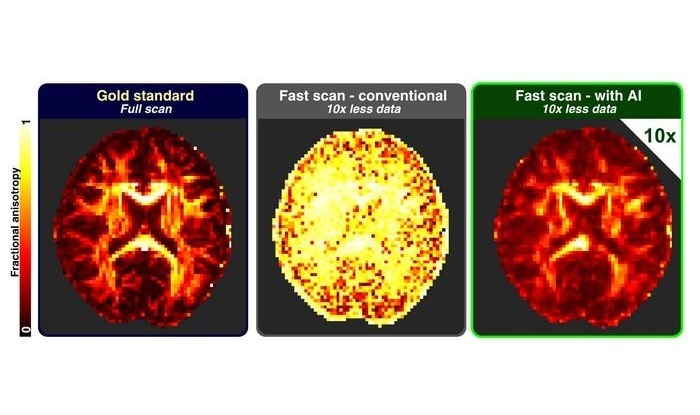
Ultrasound
view channel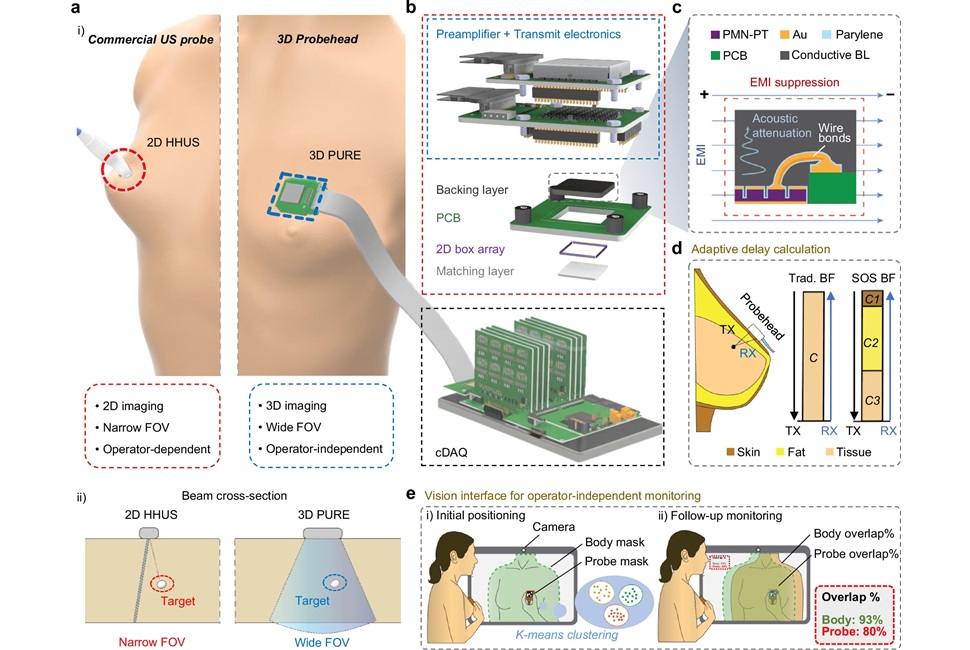
Portable 3D Ultrasound System Enables Reproducible Breast Cancer Monitoring
Breast cancer can develop between annual mammograms, and these interval cancers account for 20% to 30% of cases and tend to be more aggressive. The challenge is pronounced in people with dense breast tissue.... Read more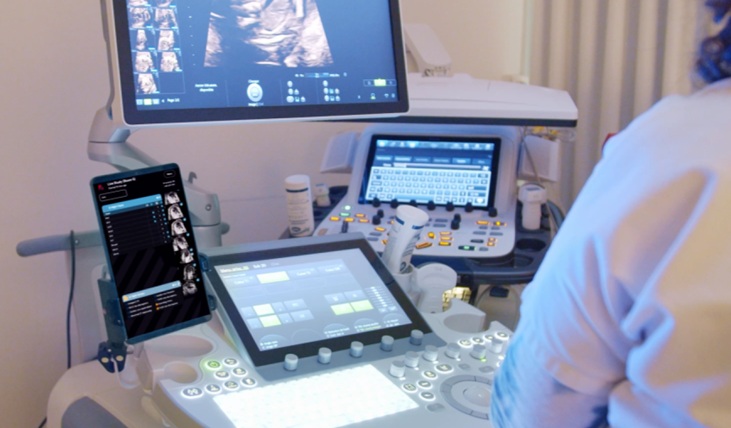
AI Ultrasound Platform Receives CE Mark for Prenatal Screening
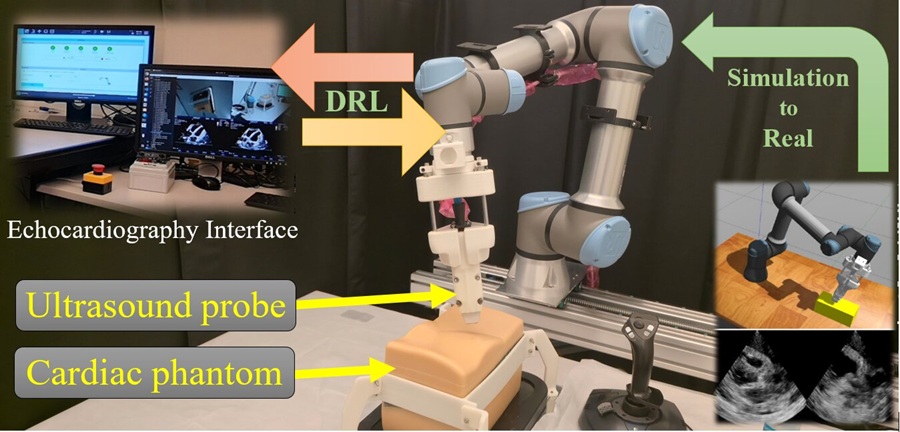
Prenatal ultrasound is central to fetal anomaly screening, yet it remains one of the most technically demanding examinations in routine care. Because both image acquisition and interpretation are highly... Read more
Nuclear Medicine
view channel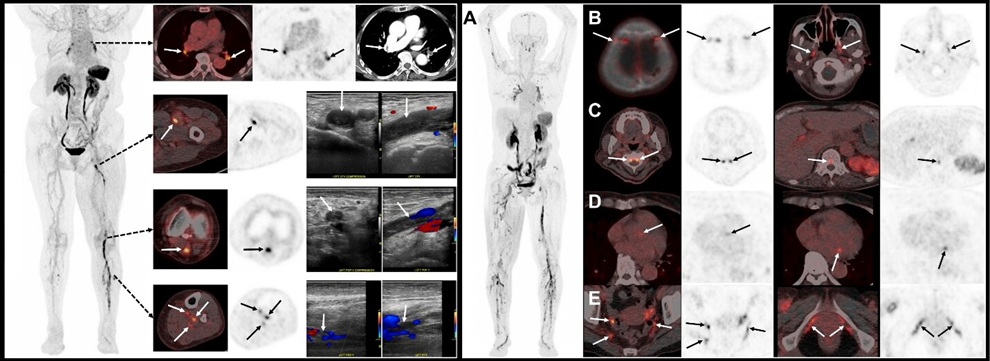
New PET Tracer Detects DVT and Pulmonary Embolism in One Scan
Deep vein thrombosis is the formation of clots in deep leg veins that can migrate to the lungs as pulmonary embolism. Rapid confirmation across both regions often requires multiple tests and can delay treatment.... Read more![Image: (A-C) Representative whole-body maximum-intensity projection images and regional fused PET/CT images from three histologically confirmed osteosarcoma patients who underwent paired [68Ga]Ga-B7-H3-BCH PET/CT and 18F-FDGE PET/CT within 7 days. (D) Multimodal imaging evaluation of patient 3, including X-ray, MRI (T2-weighted imaging, T2WI), CT, and B7-H3 PET/CT. (Photo courtesy of SNMMI)](https://globetechcdn.com/mobile_medicalimaging/images/stories/articles/article_images/2026-06-07/294811110_image_1.jpg "Image: (A-C) Representative whole-body maximum-intensity projection images and regional fused PET/CT images from three histologically confirmed osteosarcoma patients who underwent paired [68Ga]Ga-B7-H3-BCH PET/CT and 18F-FDGE PET/CT within 7 days. (D) Multimodal imaging evaluation of patient 3, including X-ray, MRI (T2-weighted imaging, T2WI), CT, and B7-H3 PET/CT. (Photo courtesy of SNMMI)")
Targeted PET Platform Guides Osteosarcoma Resection and Margin Verification
Osteosarcoma, an aggressive primary bone cancer that mainly affects children and adolescents, demands wide excision to prevent local recurrence. Surgeons must achieve negative margins while preserving... Read more
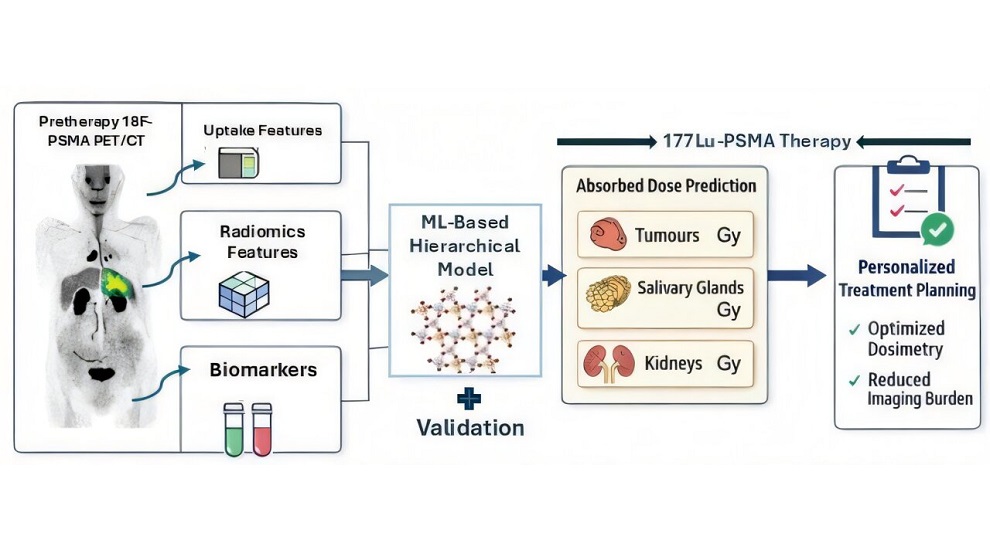
Imaging IT
view channel
Ambient AI Reporting Platform Streamlines Radiology Reporting
Radiology departments face growing imaging volumes and staffing shortages, creating reporting bottlenecks and pressure to maintain turnaround times. Conventional dictation tools document findings after... Read more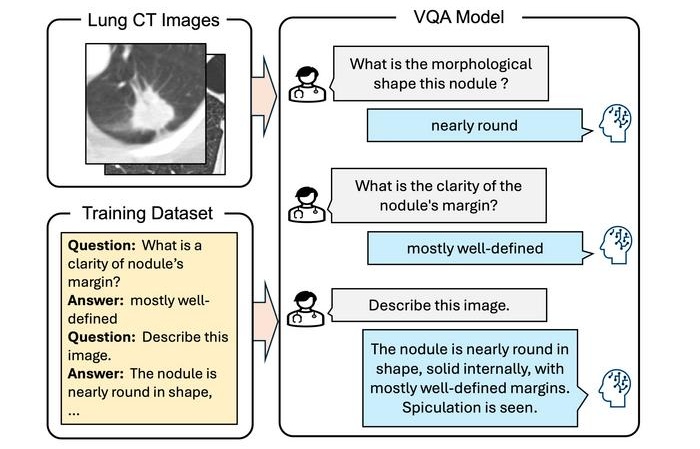
Interactive AI Tool Supports Explainable Lung Nodule Assessment
Lung cancer is a leading cause of cancer mortality, and timely characterization of pulmonary nodules on chest computed tomography (CT) is essential for directing care. Interpreting nodule morphology demands... Read more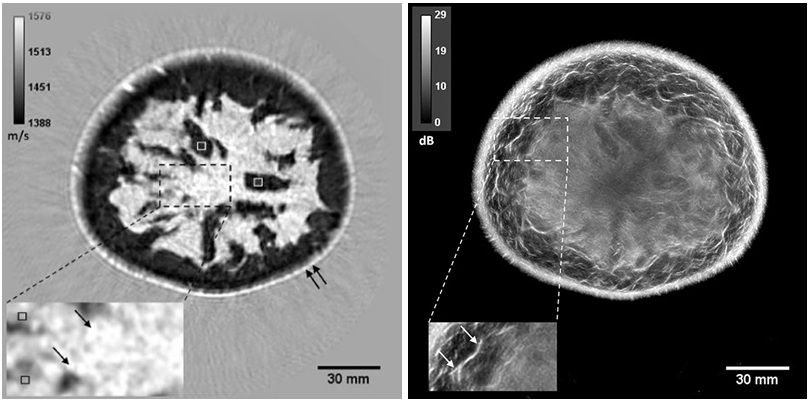
Breast Imaging Software Enhances Visualization and Tissue Characterization in Challenging Cases
Breast imaging can be particularly challenging in cases involving small breasts or implants, where image reconstruction and tissue characterization may be limited. Clinicians also need reproducible analysis... Read more
Industry News
view channel
GE HealthCare Showcases AI-Enabled Nuclear Medicine Portfolio at SNMMI 2026
Nuclear medicine is expanding rapidly as health systems adopt theranostics and broaden access to radiopharmaceuticals, increasing demand for scalable operations and consistent diagnostic confidence.... Read more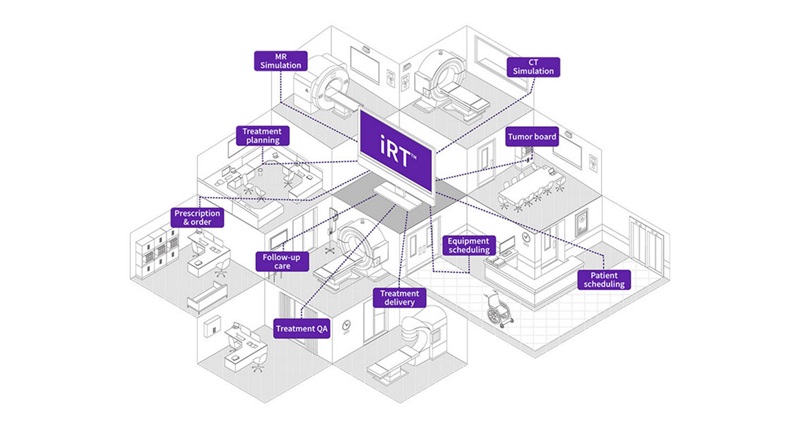
GE HealthCare Highlights AI-Supported Radiation Therapy Tools at ESTRO 2026
At the European Society for Radiotherapy and Oncology (ESTRO) 2026 Congress in Stockholm, GE HealthCare is highlighting Intelligent Radiation Therapy (iRT), MIM Software innovations, and BK Medical surgical... Read more