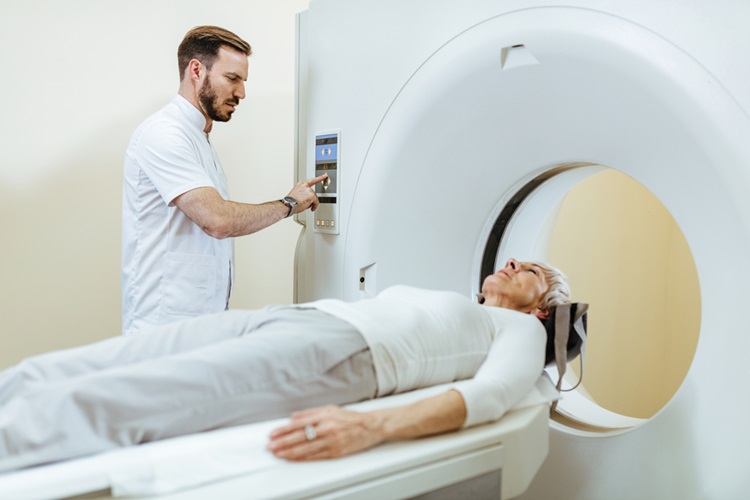
AI Software Analyzes Mammograms with High Accuracy
|
By MedImaging International staff writers Posted on 03 Jan 2022 |


|
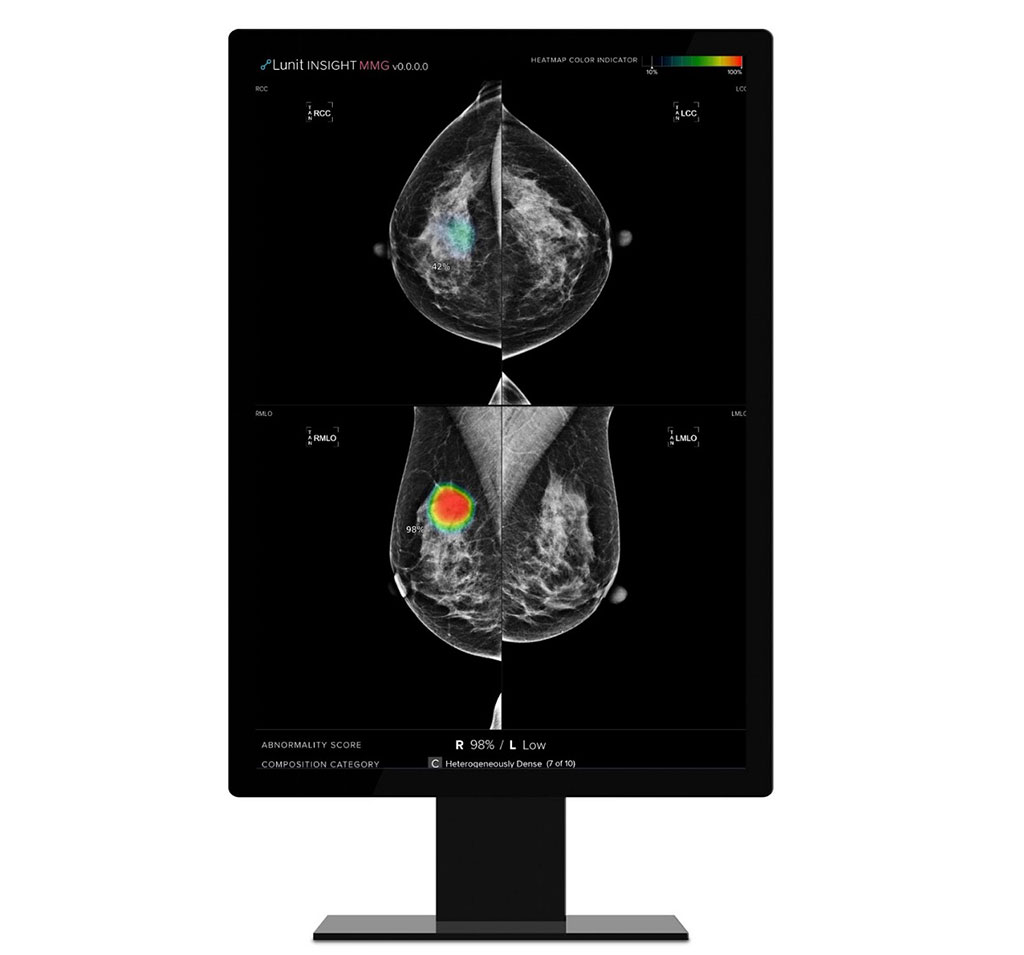
Image: The Insight MMG algorithm at work (Photo courtesy of Lunit)
A radiology artificial intelligence (AI) algorithm provides the location of lesions suspicious of breast cancer and an abnormality score that reflects the AI's confidence level.
The Lunit (Seoul, South Korea) Insight MMG algorithm is intended to aid detection, localization, and characterization of suspicious areas for breast cancer on 4-view Full-Field Digital Mammography (FFDM) images. The location of breast cancer is generated in the form of heatmaps and/or contour maps. The AI abnormality score, derived without human interpretation, reflects the probability of the existence of breast cancer, and also provides an assessment of breast density.
Major benefits include improved detection accuracy, reducing false-positive recalls by 14% and false-negative recalls by 18%; Automatic triage of up to 60% of the cases based on AI abnormality scores; improved reading performance by general radiologists, to a level of breast specialists; early diagnosis of T1 and node-negative breast cancer with 91% and 87% accuracy, respectively; decision-making support in complicated, hard-to-conclude cases classified as BI-RADS 3 or 4; and improved diagnostic accuracy for dense and fatty breasts by up to 9% and 22%, respectively.
“With our AI solution, we hope to increase the efficiency and accuracy of mammography screening. We can assist radiologists diagnose diseases at an earlier stage, helping patients be treated at the right time,” said Brandon Suh, CEO of Lunit. “We strongly believe that sooner or later AI will become the new standard of care, and AI will be used everywhere as a must-use product. Not only will it be used as a tool to make the workflow more efficient, but it will ensure better diagnosis and healthier life for patients.”
Related Links:
Lunit





The Lunit (Seoul, South Korea) Insight MMG algorithm is intended to aid detection, localization, and characterization of suspicious areas for breast cancer on 4-view Full-Field Digital Mammography (FFDM) images. The location of breast cancer is generated in the form of heatmaps and/or contour maps. The AI abnormality score, derived without human interpretation, reflects the probability of the existence of breast cancer, and also provides an assessment of breast density.
Major benefits include improved detection accuracy, reducing false-positive recalls by 14% and false-negative recalls by 18%; Automatic triage of up to 60% of the cases based on AI abnormality scores; improved reading performance by general radiologists, to a level of breast specialists; early diagnosis of T1 and node-negative breast cancer with 91% and 87% accuracy, respectively; decision-making support in complicated, hard-to-conclude cases classified as BI-RADS 3 or 4; and improved diagnostic accuracy for dense and fatty breasts by up to 9% and 22%, respectively.
“With our AI solution, we hope to increase the efficiency and accuracy of mammography screening. We can assist radiologists diagnose diseases at an earlier stage, helping patients be treated at the right time,” said Brandon Suh, CEO of Lunit. “We strongly believe that sooner or later AI will become the new standard of care, and AI will be used everywhere as a must-use product. Not only will it be used as a tool to make the workflow more efficient, but it will ensure better diagnosis and healthier life for patients.”
Related Links:
Lunit

Diagnostic Ultrasound System
DC-80A
Digital Radiographic System
OMNERA 300M
Mobile X-Ray System
K4W
Ultrasonic Pocket Doppler
SD1
Latest Radiography News
- X-Ray Breakthrough Captures Three Image-Contrast Types in Single Shot
- AI Generates Future Knee X-Rays to Predict Osteoarthritis Progression Risk
- AI Algorithm Uses Mammograms to Accurately Predict Cardiovascular Risk in Women
- AI Hybrid Strategy Improves Mammogram Interpretation
- AI Technology Predicts Personalized Five-Year Risk of Developing Breast Cancer
- RSNA AI Challenge Models Can Independently Interpret Mammograms
- New Technique Combines X-Ray Imaging and Radar for Safer Cancer Diagnosis
- New AI Tool Helps Doctors Read Chest X‑Rays Better
- Wearable X-Ray Imaging Detecting Fabric to Provide On-The-Go Diagnostic Scanning
- AI Helps Radiologists Spot More Lesions in Mammograms
- AI Detects Fatty Liver Disease from Chest X-Rays
- AI Detects Hidden Heart Disease in Existing CT Chest Scans
- Ultra-Lightweight AI Model Runs Without GPU to Break Barriers in Lung Cancer Diagnosis
- AI Radiology Tool Identifies Life-Threatening Conditions in Milliseconds

- Machine Learning Algorithm Identifies Cardiovascular Risk from Routine Bone Density Scans
- AI Improves Early Detection of Interval Breast Cancers
Channels
MRI
view channel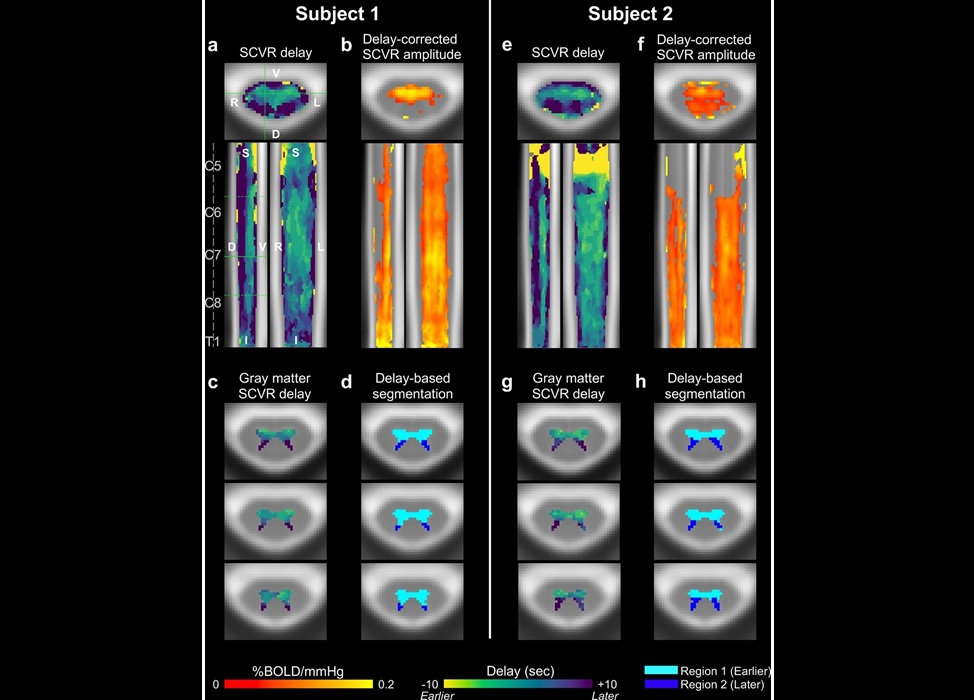
Novel Imaging Approach to Improve Treatment for Spinal Cord Injuries
Vascular dysfunction in the spinal cord contributes to multiple neurological conditions, including traumatic injuries and degenerative cervical myelopathy, where reduced blood flow can lead to progressive... Read more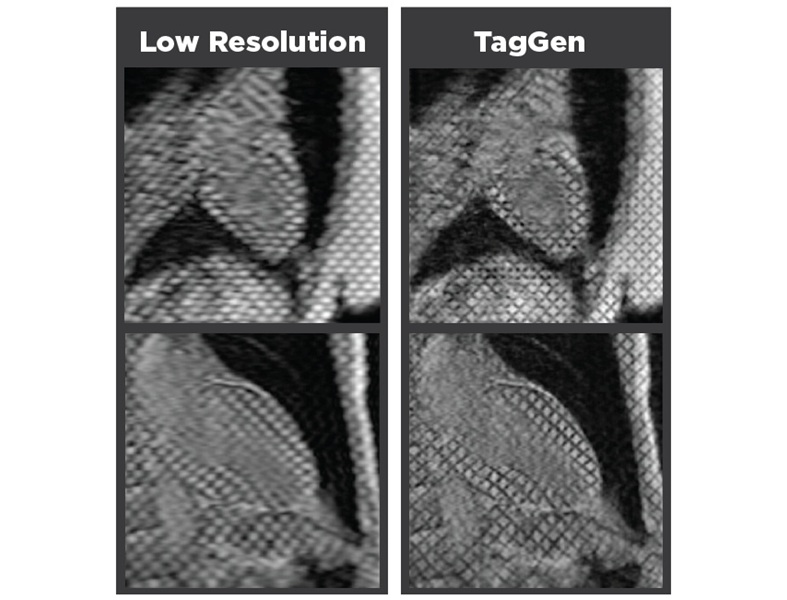
AI-Assisted Model Enhances MRI Heart Scans
A cardiac MRI can reveal critical information about the heart’s function and any abnormalities, but traditional scans take 30 to 90 minutes and often suffer from poor image quality due to patient movement.... Read more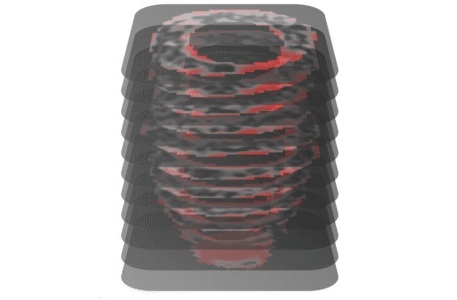
AI Model Outperforms Doctors at Identifying Patients Most At-Risk of Cardiac Arrest
Hypertrophic cardiomyopathy is one of the most common inherited heart conditions and a leading cause of sudden cardiac death in young individuals and athletes. While many patients live normal lives, some... Read more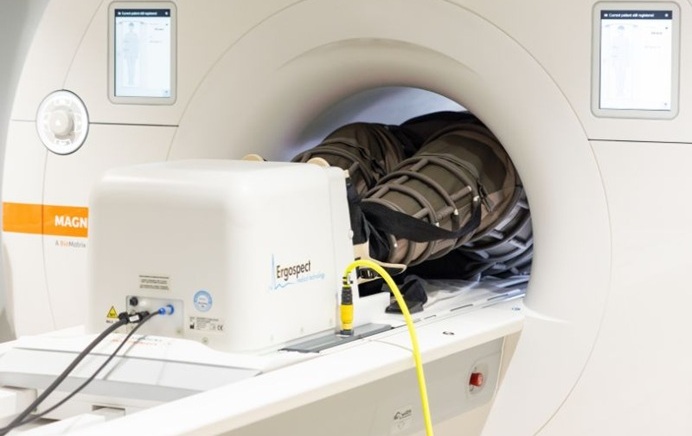
Ultrasound
view channel
Wearable Ultrasound Imaging System to Enable Real-Time Disease Monitoring
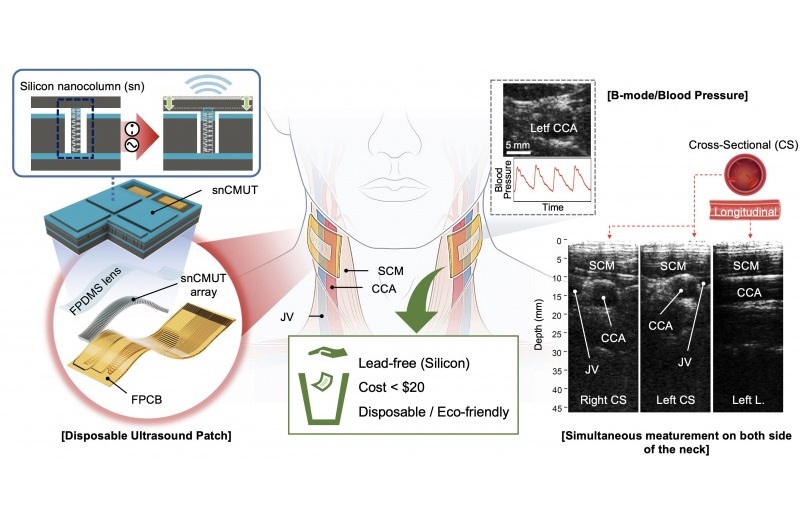
Chronic conditions such as hypertension and heart failure require close monitoring, yet today’s ultrasound imaging is largely confined to hospitals and short, episodic scans. This reactive model limits... Read more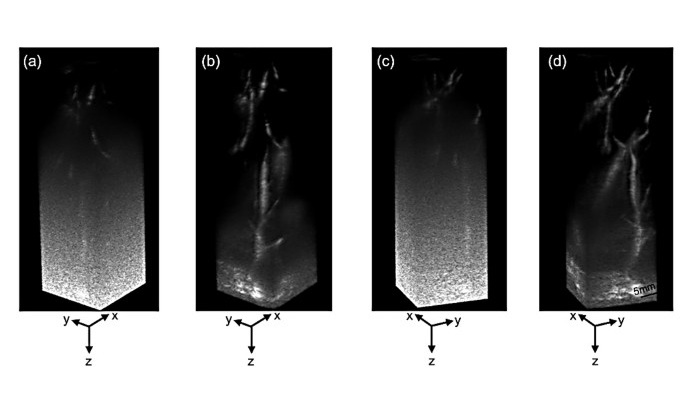
Ultrasound Technique Visualizes Deep Blood Vessels in 3D Without Contrast Agents
Producing clear 3D images of deep blood vessels has long been difficult without relying on contrast agents, CT scans, or MRI. Standard ultrasound typically provides only 2D cross-sections, limiting clinicians’... Read more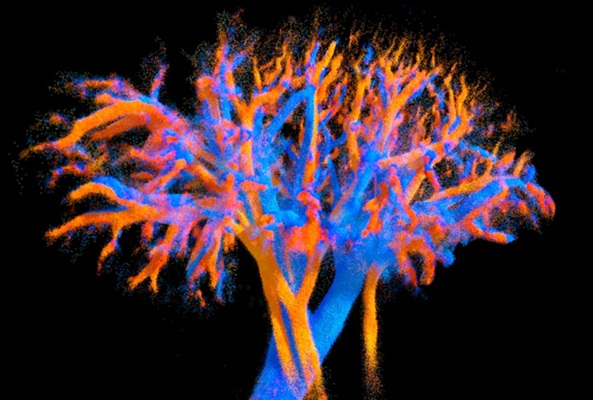
Nuclear Medicine
view channel
PET Imaging of Inflammation Predicts Recovery and Guides Therapy After Heart Attack
Acute myocardial infarction can trigger lasting heart damage, yet clinicians still lack reliable tools to identify which patients will regain function and which may develop heart failure.... Read more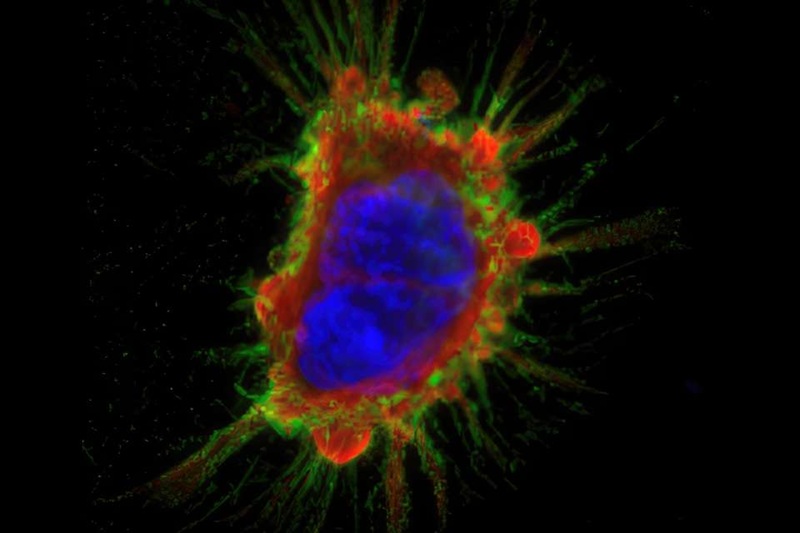
Radiotheranostic Approach Detects, Kills and Reprograms Aggressive Cancers
Aggressive cancers such as osteosarcoma and glioblastoma often resist standard therapies, thrive in hostile tumor environments, and recur despite surgery, radiation, or chemotherapy. These tumors also... Read more
New Imaging Solution Improves Survival for Patients with Recurring Prostate Cancer
Detecting recurrent prostate cancer remains one of the most difficult challenges in oncology, as standard imaging methods such as bone scans and CT scans often fail to accurately locate small or early-stage tumors.... Read more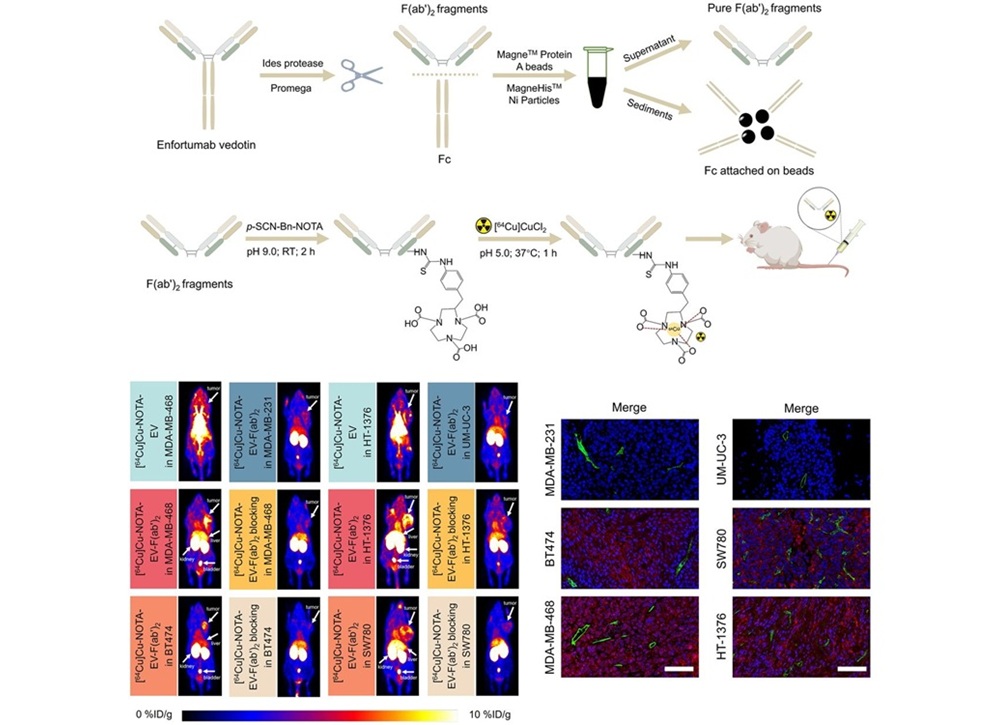
General/Advanced Imaging
view channel
3D Scanning Approach Enables Ultra-Precise Brain Surgery
Precise navigation is critical in neurosurgery, yet even small alignment errors can affect outcomes when operating deep within the brain. A new 3D surface-scanning approach now provides a radiation-free... Read more
AI Tool Improves Medical Imaging Process by 90%
Accurately labeling different regions within medical scans, a process known as medical image segmentation, is critical for diagnosis, surgery planning, and research. Traditionally, this has been a manual... Read more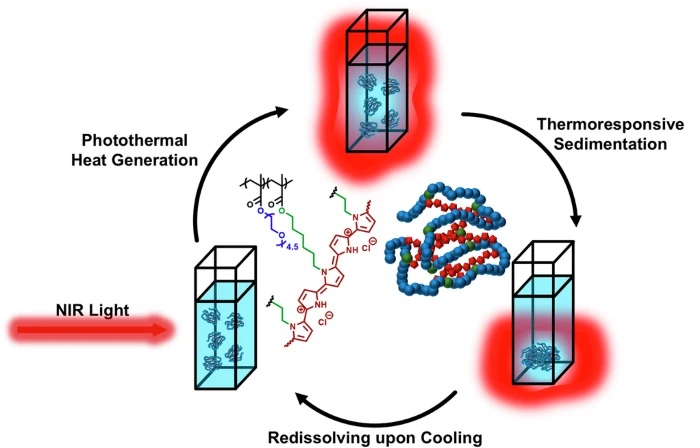
New Ultrasmall, Light-Sensitive Nanoparticles Could Serve as Contrast Agents
Medical imaging technologies face ongoing challenges in capturing accurate, detailed views of internal processes, especially in conditions like cancer, where tracking disease development and treatment... Read more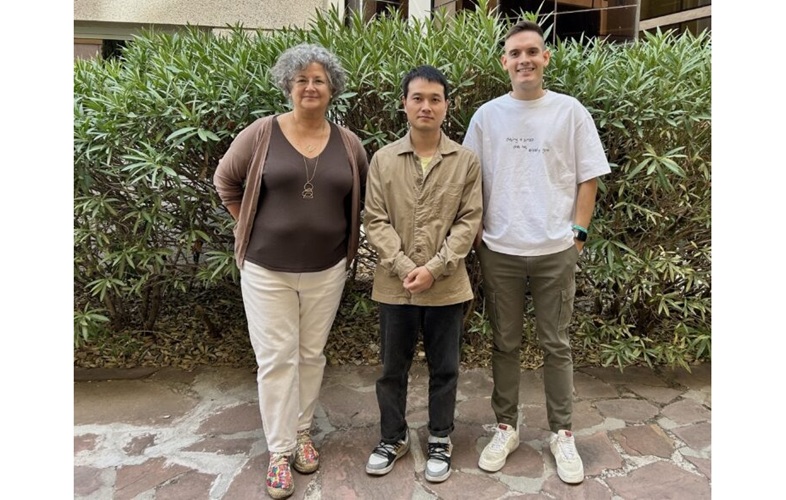
AI Algorithm Accurately Predicts Pancreatic Cancer Metastasis Using Routine CT Images
In pancreatic cancer, detecting whether the disease has spread to other organs is critical for determining whether surgery is appropriate. If metastasis is present, surgery is not recommended, yet current... Read moreImaging IT
view channel
New Google Cloud Medical Imaging Suite Makes Imaging Healthcare Data More Accessible
Medical imaging is a critical tool used to diagnose patients, and there are billions of medical images scanned globally each year. Imaging data accounts for about 90% of all healthcare data1 and, until... Read more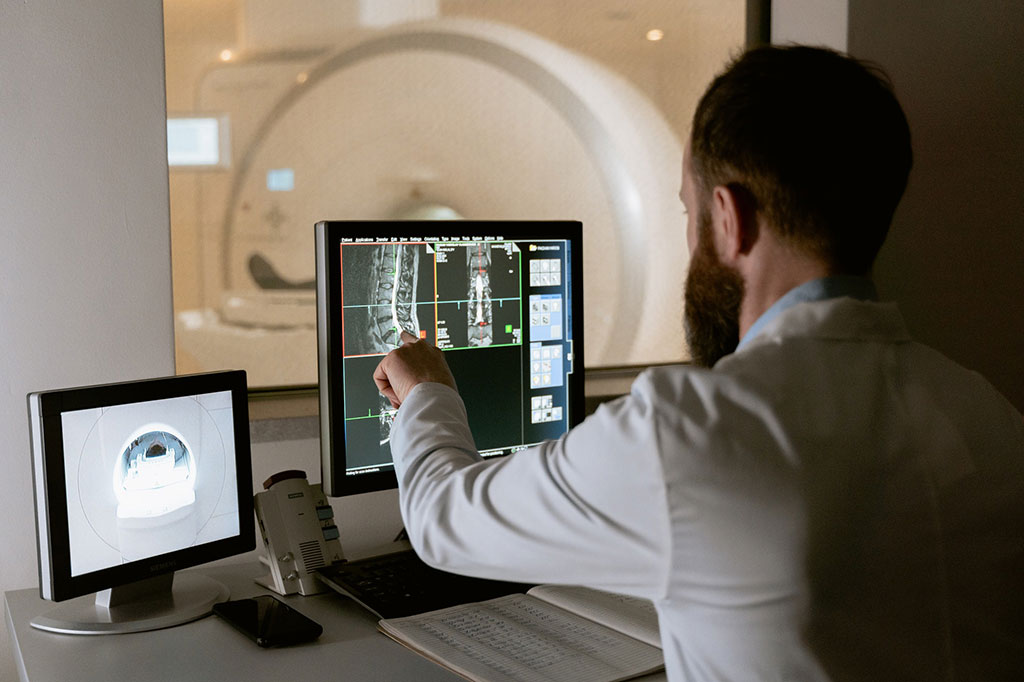
Global AI in Medical Diagnostics Market to Be Driven by Demand for Image Recognition in Radiology
The global artificial intelligence (AI) in medical diagnostics market is expanding with early disease detection being one of its key applications and image recognition becoming a compelling consumer proposition... Read more
Industry News
view channel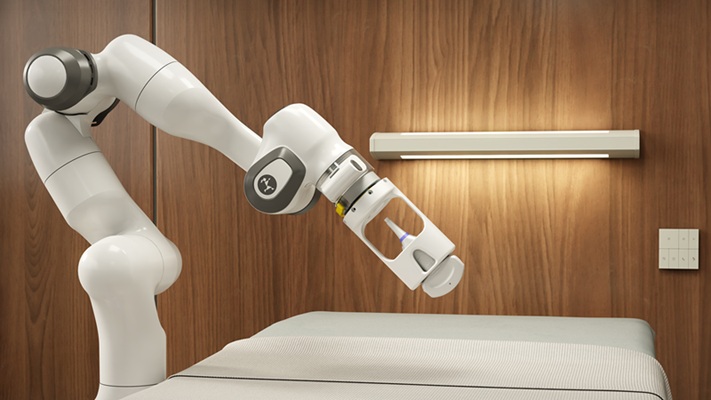
GE HealthCare and NVIDIA Collaboration to Reimagine Diagnostic Imaging
GE HealthCare (Chicago, IL, USA) has entered into a collaboration with NVIDIA (Santa Clara, CA, USA), expanding the existing relationship between the two companies to focus on pioneering innovation in... Read more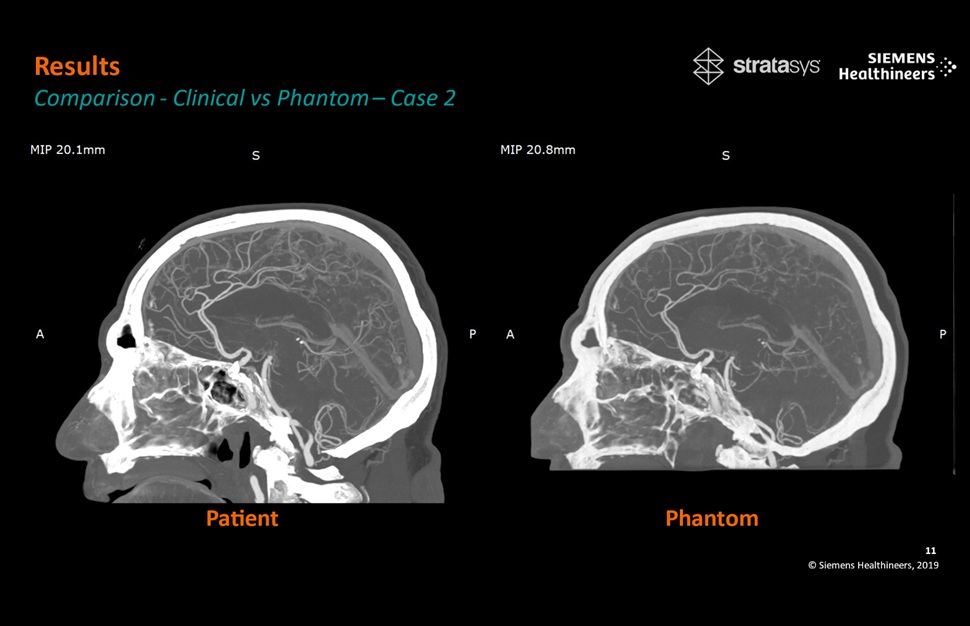
Patient-Specific 3D-Printed Phantoms Transform CT Imaging
New research has highlighted how anatomically precise, patient-specific 3D-printed phantoms are proving to be scalable, cost-effective, and efficient tools in the development of new CT scan algorithms... Read more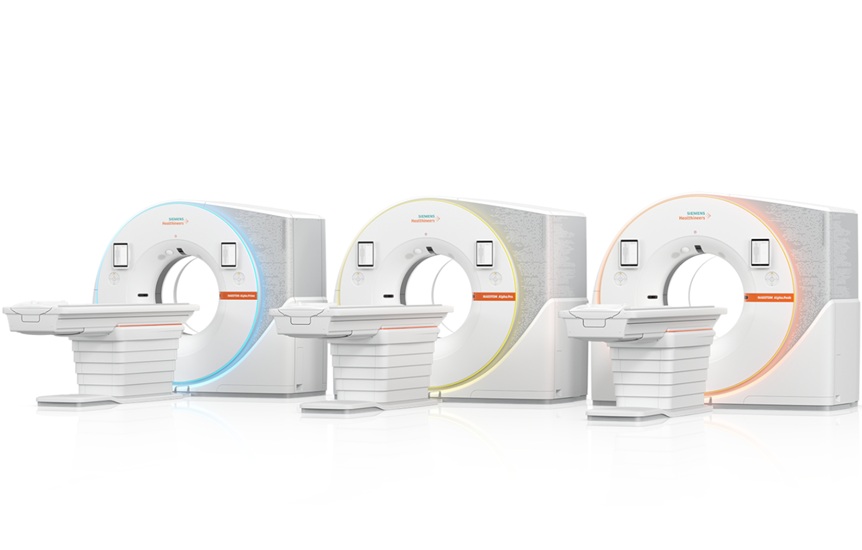
Siemens and Sectra Collaborate on Enhancing Radiology Workflows
Siemens Healthineers (Forchheim, Germany) and Sectra (Linköping, Sweden) have entered into a collaboration aimed at enhancing radiologists' diagnostic capabilities and, in turn, improving patient care... Read more