


X-Ray Elastography Images Soft-Tissue Tumors
|
By MedImaging International staff writers Posted on 16 Apr 2020 |


|
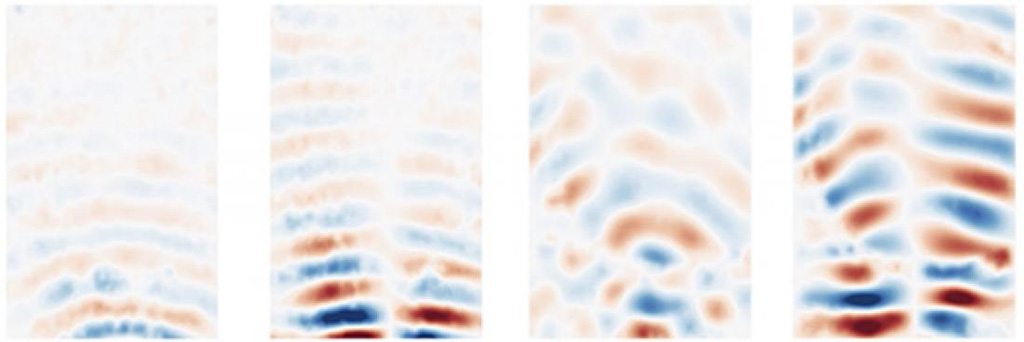
Image: X-ray elastography images showing the stiffness of different materials (Photo courtesy of Wataru Yashiro/ Tohoku University)
A new study suggests that elastography can be adapted to X-ray imaging of soft tissues to reveal tumors earlier than other techniques.
Developed by researchers at Tohoku University (Japan), the Institute of Materials Structure Science (IMSS-KEK; Ibaraki, Japan), and other institutions, dynamic X-ray elastography is a novel imaging modality that relies on shear-wave propagation to map elastic modulus in soft viscoelastic materials, which has far only been possible via magnetic resonance imaging (MRI) and ultrasound imaging. However, X-rays can provide a thousand-fold greater resolution than ultrasound.
For the study, the researchers pneumatically vibrated polyacrylamide gel phantoms to obtain two-dimensional (2D) maps of storage and loss moduli, which were determined from the temporal variation in displacement vectors of the vibrating particles in the phantom models. The results revealed a storage moduli precision of 30% and a spatial resolution several orders of magnitude higher than that of MRI or ultrasound imaging modalities. The study was published in the April 2020 issue of Applied Physics Express.
“The resulting images would be much higher resolution, able to spot things on the scale of microns instead of millimeters,” said senior author Wataru Yashiro, PhD, of Tohoku University. “This greater precision doesn't just mean identification of much smaller or deeper lesions, but, importantly for patients, because smaller lesions can be newer ones, potentially also much earlier on in a disease or condition.”
Elastography is a medical imaging modality that maps the elastic properties and stiffness of soft tissues in order to provide diagnostic information. The technique works by creating a distortion in the tissue, observing the tissue response to infer the mechanical properties of the tissue, and then display the results as an image. The most prominent techniques use ultrasound or MRI to make both the stiffness map and an anatomical image for comparison.
Related Links:
Tohoku University
Institute of Materials Structure Science





 Guided Devices.jpg)

Developed by researchers at Tohoku University (Japan), the Institute of Materials Structure Science (IMSS-KEK; Ibaraki, Japan), and other institutions, dynamic X-ray elastography is a novel imaging modality that relies on shear-wave propagation to map elastic modulus in soft viscoelastic materials, which has far only been possible via magnetic resonance imaging (MRI) and ultrasound imaging. However, X-rays can provide a thousand-fold greater resolution than ultrasound.
For the study, the researchers pneumatically vibrated polyacrylamide gel phantoms to obtain two-dimensional (2D) maps of storage and loss moduli, which were determined from the temporal variation in displacement vectors of the vibrating particles in the phantom models. The results revealed a storage moduli precision of 30% and a spatial resolution several orders of magnitude higher than that of MRI or ultrasound imaging modalities. The study was published in the April 2020 issue of Applied Physics Express.
“The resulting images would be much higher resolution, able to spot things on the scale of microns instead of millimeters,” said senior author Wataru Yashiro, PhD, of Tohoku University. “This greater precision doesn't just mean identification of much smaller or deeper lesions, but, importantly for patients, because smaller lesions can be newer ones, potentially also much earlier on in a disease or condition.”
Elastography is a medical imaging modality that maps the elastic properties and stiffness of soft tissues in order to provide diagnostic information. The technique works by creating a distortion in the tissue, observing the tissue response to infer the mechanical properties of the tissue, and then display the results as an image. The most prominent techniques use ultrasound or MRI to make both the stiffness map and an anatomical image for comparison.
Related Links:
Tohoku University
Institute of Materials Structure Science

X-Ray Generator
Advantage Plus Generators
X-Ray Illuminator
X-Ray Viewbox Illuminators
Floor‑Mounted Digital X‑Ray System
MasteRad MX30+
Ultrasound-Guided Biopsy & Visualization Tools
Endoscopic Ultrasound (EUS) Guided Devices
Latest Radiography News
- AI Tool Predicts Five-Year Breast Cancer Risk from Mammograms
- AI Mammography Tools Detect Early Breast Cancer Signs Years Before Diagnosis
- Rapid X-Ray Test Quantifies Pulmonary Regurgitation After Tetralogy of Fallot Repair
- AI Tool Flags Osteoporosis Risk from Routine Chest X-Rays
- Simple Chest X-Ray Measure Predicts Survival After Lung Cancer Surgery
- AI Detection Tool Improves Identification of Lobular Breast Cancer
- New Contrast Agent Enables Low-Dose X-Ray Joint Imaging
- AI Boosts Breast Cancer Detection and Cuts Screening Workload
- AI Tool Predicts Breast Cancer Risk Years Ahead Using Routine Mammograms
- Routine Mammograms Could Predict Future Cardiovascular Disease in Women
- AI Detects Early Signs of Aging from Chest X-Rays
- X-Ray Breakthrough Captures Three Image-Contrast Types in Single Shot
- AI Generates Future Knee X-Rays to Predict Osteoarthritis Progression Risk
- AI Algorithm Uses Mammograms to Accurately Predict Cardiovascular Risk in Women
- AI Hybrid Strategy Improves Mammogram Interpretation
- AI Technology Predicts Personalized Five-Year Risk of Developing Breast Cancer
Channels
MRI
view channel
International Study Assesses AI for Prostate Cancer MRI Interpretation
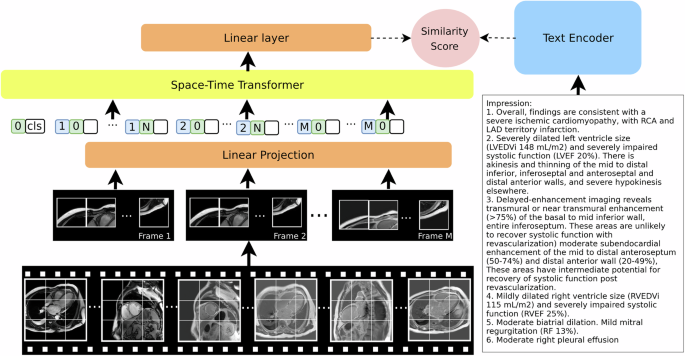
Prostate cancer is a leading cause of cancer morbidity in men, and accurate early diagnosis hinges on expert interpretation of prostate magnetic resonance imaging (MRI). Rapid adoption of MRI-first pathways... Read more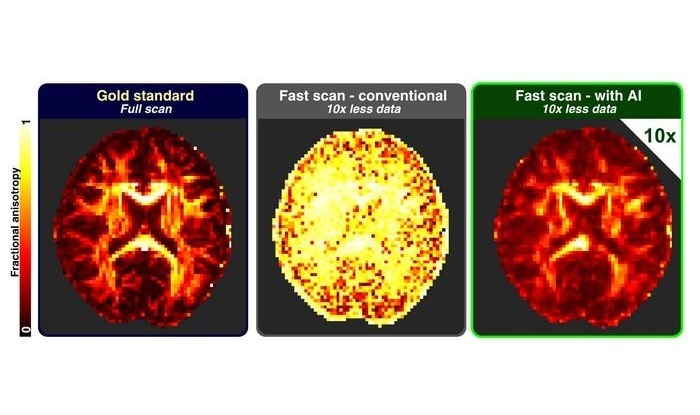
AI Approach Could Shorten Advanced Brain MRI Scans by Up to 90%
Long acquisition times for advanced brain magnetic resonance imaging (MRI) can limit access, extend waiting lists, and disrupt clinical workflows. Reducing data requirements without sacrificing image fidelity... Read more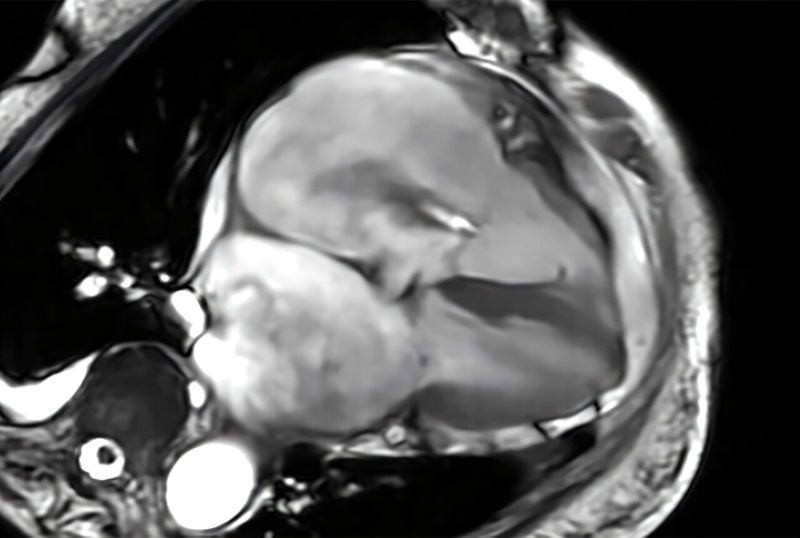
Ultrasound
view channel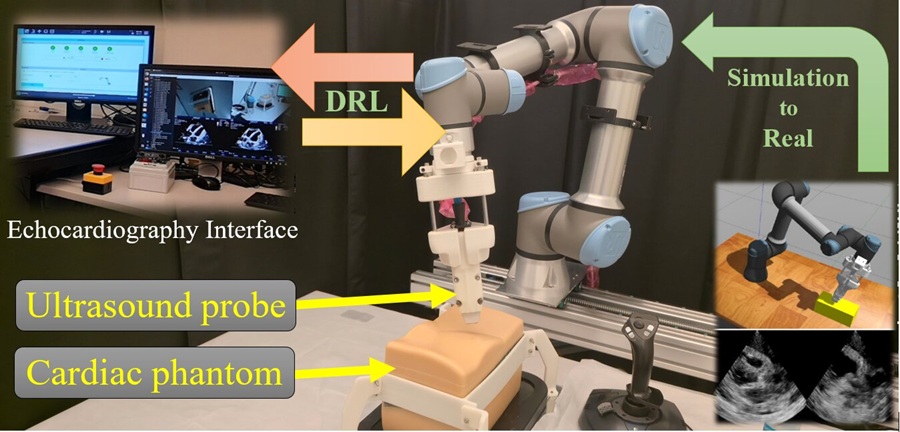
AI Robotic Ultrasound System Automates Echocardiography and Improves Consistency
Echocardiography, an ultrasound examination of the heart, is central to diagnosing and managing cardiovascular disease. Many services struggle with limited availability of skilled sonographers, variable... Read more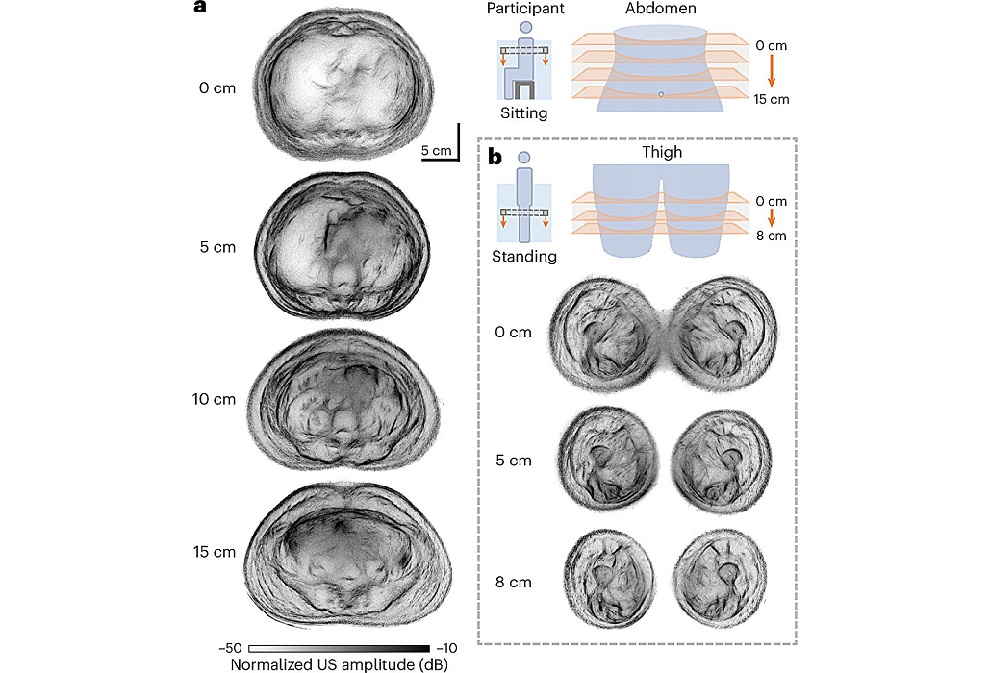
Whole Cross-Section Ultrasound System Enables Operator-Independent Imaging
Conventional ultrasound is central to bedside imaging but is limited by a narrow field of view and operator variability. Comprehensive cross-sectional assessment typically requires computed tomography... Read more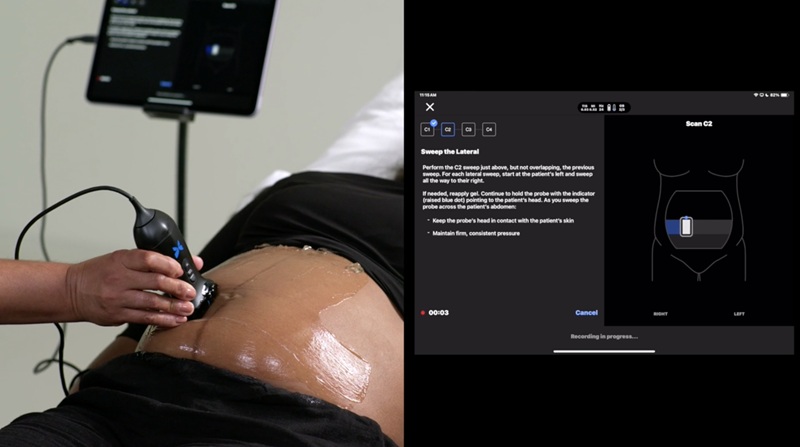
Nuclear Medicine
view channel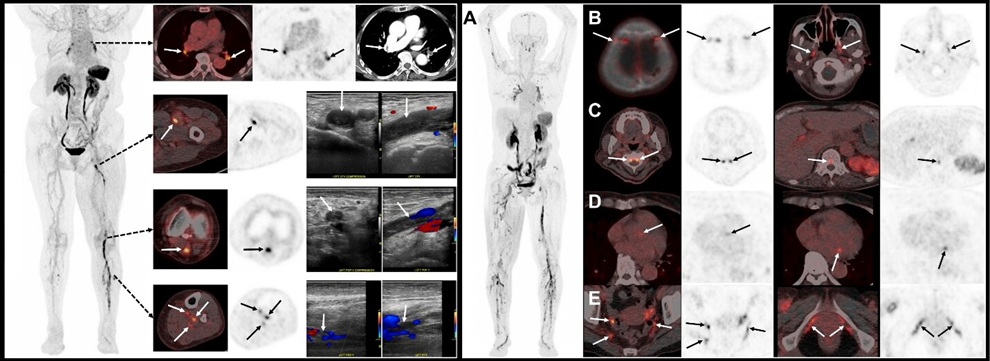
New PET Tracer Detects DVT and Pulmonary Embolism in One Scan
Deep vein thrombosis is the formation of clots in deep leg veins that can migrate to the lungs as pulmonary embolism. Rapid confirmation across both regions often requires multiple tests and can delay treatment.... Read more![Image: (A-C) Representative whole-body maximum-intensity projection images and regional fused PET/CT images from three histologically confirmed osteosarcoma patients who underwent paired [68Ga]Ga-B7-H3-BCH PET/CT and 18F-FDGE PET/CT within 7 days. (D) Multimodal imaging evaluation of patient 3, including X-ray, MRI (T2-weighted imaging, T2WI), CT, and B7-H3 PET/CT. (Photo courtesy of SNMMI)](https://globetechcdn.com/mobile_medicalimaging/images/stories/articles/article_images/2026-06-07/294811110_image_1.jpg "Image: (A-C) Representative whole-body maximum-intensity projection images and regional fused PET/CT images from three histologically confirmed osteosarcoma patients who underwent paired [68Ga]Ga-B7-H3-BCH PET/CT and 18F-FDGE PET/CT within 7 days. (D) Multimodal imaging evaluation of patient 3, including X-ray, MRI (T2-weighted imaging, T2WI), CT, and B7-H3 PET/CT. (Photo courtesy of SNMMI)")
Targeted PET Platform Guides Osteosarcoma Resection and Margin Verification
Osteosarcoma, an aggressive primary bone cancer that mainly affects children and adolescents, demands wide excision to prevent local recurrence. Surgeons must achieve negative margins while preserving... Read more
General/Advanced Imaging
view channel
Virtual Staining Technique Creates Histology Images from CT Data
Pulmonary hypertension, a disorder marked by pathological remodeling of the pulmonary vessels, often requires detailed histologic assessment. Yet routine pathology remains anchored in labor‑intensive,... Read more
CT-Derived Biomarker Predicts Outcomes in Gastric Cancer
Gastric cancer, also known as stomach cancer, is the fifth most common malignancy worldwide and often shows heterogeneous outcomes even within the same stage. Prognostic estimates typically rely on tumor-centric... Read more
AI Tool Enhances Response Assessment and Survival Prediction in Pleural Mesothelioma
Pleural mesothelioma, a cancer that grows as a thin, irregular layer along the lung wall, is difficult to measure on imaging. Clinicians rely on diameter-based Response Evaluation Criteria in Solid Tumors... Read more
Imaging IT
view channel
Ambient AI Reporting Platform Streamlines Radiology Reporting
Radiology departments face growing imaging volumes and staffing shortages, creating reporting bottlenecks and pressure to maintain turnaround times. Conventional dictation tools document findings after... Read more
Interactive AI Tool Supports Explainable Lung Nodule Assessment
Lung cancer is a leading cause of cancer mortality, and timely characterization of pulmonary nodules on chest computed tomography (CT) is essential for directing care. Interpreting nodule morphology demands... Read more
Breast Imaging Software Enhances Visualization and Tissue Characterization in Challenging Cases
Breast imaging can be particularly challenging in cases involving small breasts or implants, where image reconstruction and tissue characterization may be limited. Clinicians also need reproducible analysis... Read more
Industry News
view channel
GE HealthCare Showcases AI-Enabled Nuclear Medicine Portfolio at SNMMI 2026
Nuclear medicine is expanding rapidly as health systems adopt theranostics and broaden access to radiopharmaceuticals, increasing demand for scalable operations and consistent diagnostic confidence.... Read more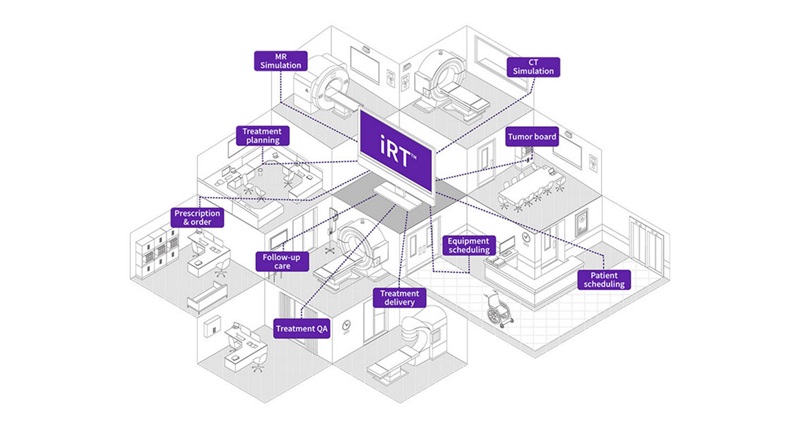
GE HealthCare Highlights AI-Supported Radiation Therapy Tools at ESTRO 2026
At the European Society for Radiotherapy and Oncology (ESTRO) 2026 Congress in Stockholm, GE HealthCare is highlighting Intelligent Radiation Therapy (iRT), MIM Software innovations, and BK Medical surgical... Read more