


MRI Scans Reveal Signature Patterns of Brain Activity to Predict Recovery from TBI
Posted on 06 Jan 2026
Recovery after traumatic brain injury (TBI) varies widely, with some patients regaining full function while others are left with lasting disabilities. Prognosis is especially difficult to assess in patients receiving life-sustaining therapy, where clinical signs can be limited or misleading. Although resting-state functional MRI can measure brain activity soon after injury, it has remained unclear whether early communication between brain regions can reliably predict long-term outcomes. Now, a new study has found that signature patterns of brain activity could help predict recovery from TBI.
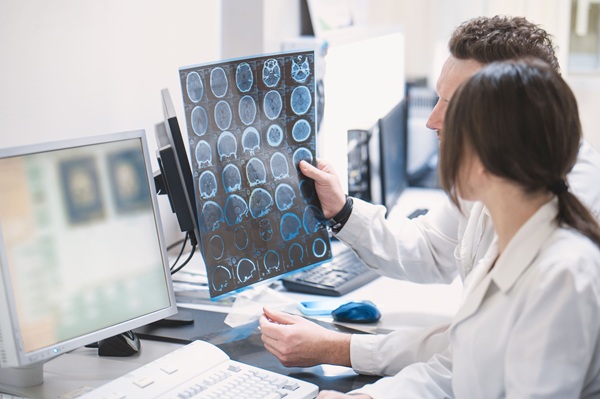
The study led by Mass General Brigham (Boston, MA, USA), in collaboration with research teams across the US and Europe, focused on resting-state functional MRI to evaluate how different brain regions communicate shortly after moderate to severe TBI. The goal was to determine whether early functional connectivity patterns are linked to recovery six months later.
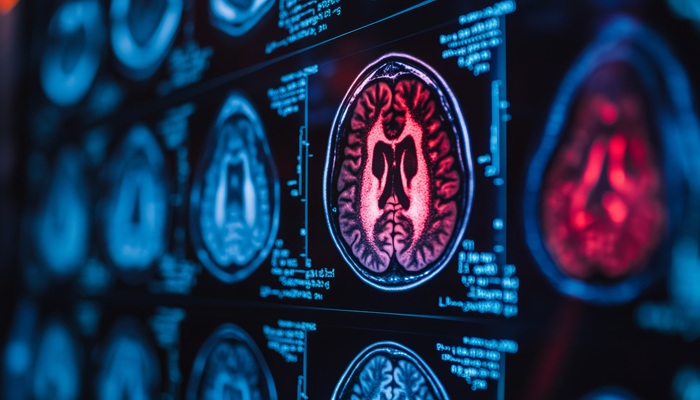
The analysis included data from three prospective patient cohorts, comprising a total of 97 individuals who underwent resting-state fMRI after TBI. Researchers examined patterns of brain connectivity, including anticorrelated activity, where activation in one region corresponds with deactivation in another, a feature of healthy brain function. They analyzed scans from half of the participants to identify predictive patterns, then tested their findings in the remaining patients.
The team identified three connectivity patterns associated with favorable six-month functional outcomes. These included two anticorrelated patterns and one pattern showing coordinated activity across regions, all of which predicted recovery even after adjusting for sedation and level of consciousness. One of the strongest predictors involved communication between the salience network and the default mode network, which together support conscious access to information. Additional predictive patterns linked cognitive control regions with visual processing areas and connectivity between the default mode and language networks.
The findings, published in PNAS, show that the connectivity-based model outperformed existing prognostic tools and remained consistent across patients with varying injury severity, hospitals, and MRI scanners in different countries. The results suggest early brain network communication plays a key role in recovery after TBI. Future studies will explore whether these connections are essential to healing and whether they can be modified to guide treatment and prognostic decision-making.
“Using brain scans, we identified signature patterns of recovery after moderate or severe TBI,” said lead author Sam Snider, MD. “These findings open new avenues for prognostic assessment in TBI, and emerging evidence suggests these patterns may be modifiable, raising the possibility of future therapeutic application.”
Related Links:
Mass General Brigham