


AI-Based Tool Predicts Future Cardiovascular Events in Angina Patients
Posted on 09 Jan 2026
Stable coronary artery disease is a common cause of chest pain, yet accurately identifying patients at the highest risk of future heart attacks or death remains difficult. Standard coronary CT scans show arterial blockages but do not reliably indicate whether blood flow to the heart muscle is impaired. New findings now show that an artificial intelligence (AI)-derived measure of coronary blood flow can not only aid diagnosis but also predict long-term cardiovascular outcomes.
In the study presented at EACVI 2025, researchers at Liverpool Heart and Chest Hospital (Liverpool, UK) analyzed the prognostic value of CT-derived fractional flow reserve, or FFR-CT, an AI-based tool that evaluates coronary blood flow using coronary computed tomography angiography images. FFR-CT was generated using the HeartFlow platform and applied across multiple clinical centers.
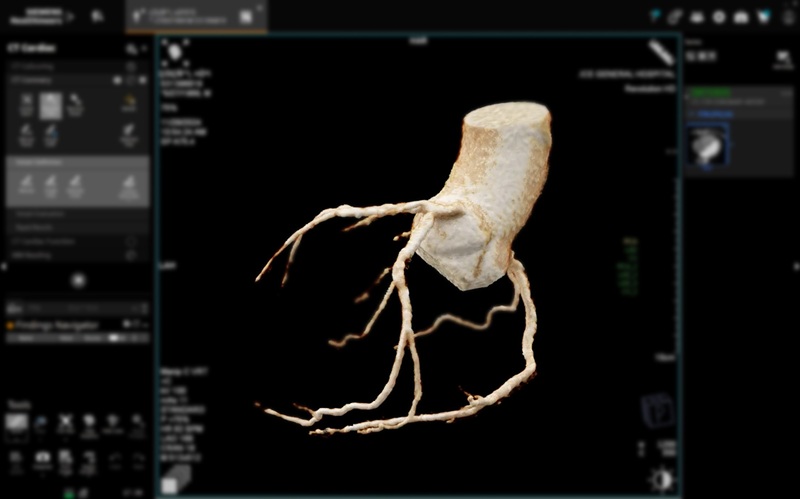
Investigators examined data from the national FISH&CHIPS observational cohort, which included patients with suspected stable coronary artery disease evaluated at 27 sites across England. Among more than 90,000 patients who underwent coronary CT angiography, 7,836 received FFR-CT analysis. FFR-CT values were categorized as normal, borderline, reduced, or severely reduced and linked to individual outcomes, including myocardial infarction, revascularization, cardiovascular death, and all-cause mortality over follow-up.
Over a median follow-up of 3.1 years, lower FFR-CT values measured near coronary blockages were consistently associated with higher event rates. Rates of myocardial infarction rose progressively from 1.0% in patients with normal FFR-CT to 5.2% in those with severely reduced values. Patients in the lowest FFR-CT category had a four-fold higher risk of heart attack and a three-fold higher risk of cardiovascular death. These associations were independent of traditional risk factors such as age, sex, hypertension, diabetes, and lipid levels.
The findings demonstrate that FFR-CT provides incremental prognostic information beyond its established diagnostic role. Even borderline reductions in FFR-CT were linked to worse outcomes, suggesting the tool could support earlier risk stratification. Incorporating FFR-CT into routine assessment may enable more personalized management, guiding decisions on intensified medical therapy or closer follow-up for high-risk patients.
“Adding to its diagnostic abilities, this study is the first to provide conclusive evidence of FFR-CT’s prognostic power, independent of other risk factors,” said senior study author Professor Timothy Fairbairn. “We observed that even so-called ‘borderline’ FFR-CT was associated with worse outcomes compared with normal values, but the individuals with the lowest values have the highest risk. FFR-CT could be used to inform personalized risk assessment, allowing us to provide more intensive bespoke treatment to those at high risk.”
Related Links:
Liverpool Heart and Chest Hospital