


MDW Unveils First Radiology Blockchain Platform at RSNA 2018
|
By MedImaging International staff writers Posted on 26 Nov 2018 |


|

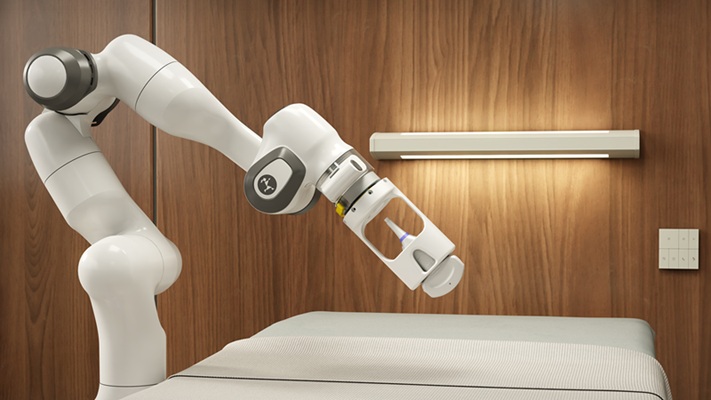
Image: MDW unveiled the first radiology blockchain platform at RSNA this year (Photo courtesy of MDW).
Medical Diagnostic Web {(MDW) New York, NY, USA} unveiled the first radiology blockchain platform designed to connect all players in the diagnostic digital imaging ecosystem at the 2018 Radiological Society of North America (RSNA) annual meeting, November 25-30 in Chicago, Ill., USA.
With its decentralized communications infrastructure, encrypted data transmission and immutable audit trails, MDW’s blockchain platform enables individual radiologists and radiology groups to securely forge new business partnerships and benefit from immediate compensation for services rendered.
Radiology service organizations can take advantage of as-needed resources to transact with new clients, boost reading volume and decrease exam TAT. The platform also provides extensive anatomized data for the development of artificial intelligence (AI) imaging algorithms. Delivering solutions for many of today’s significant imaging problems, the blockchain platform significantly improves service access and delivery, results communication, speed of payment for services and data integration across the continuum of care.
The MDW platform cost-effectively harnesses the power of the medical imaging community to deliver image interpretation though blockchain technology. Patients, referring physicians, radiologists, cardiologists, other medical specialists, diagnostic facilities, hospitals, private and government payers, legal practices and more can order interpretation through credentialed platform participants.
“Today healthcare is facing a significant international shortage of radiologists,” said Michael Yuz, M.D, chief medical strategist for MDW. “Within the next several years, the US will face a similar escalating problem. Breaking down provider corporate silos and connecting radiologists across traditional disparate healthcare entities is more important than ever before to make the most of healthcare resources, manage costs and ensure efficient service delivery.”
Related Links:
Medical Diagnostic Web







With its decentralized communications infrastructure, encrypted data transmission and immutable audit trails, MDW’s blockchain platform enables individual radiologists and radiology groups to securely forge new business partnerships and benefit from immediate compensation for services rendered.
Radiology service organizations can take advantage of as-needed resources to transact with new clients, boost reading volume and decrease exam TAT. The platform also provides extensive anatomized data for the development of artificial intelligence (AI) imaging algorithms. Delivering solutions for many of today’s significant imaging problems, the blockchain platform significantly improves service access and delivery, results communication, speed of payment for services and data integration across the continuum of care.
The MDW platform cost-effectively harnesses the power of the medical imaging community to deliver image interpretation though blockchain technology. Patients, referring physicians, radiologists, cardiologists, other medical specialists, diagnostic facilities, hospitals, private and government payers, legal practices and more can order interpretation through credentialed platform participants.
“Today healthcare is facing a significant international shortage of radiologists,” said Michael Yuz, M.D, chief medical strategist for MDW. “Within the next several years, the US will face a similar escalating problem. Breaking down provider corporate silos and connecting radiologists across traditional disparate healthcare entities is more important than ever before to make the most of healthcare resources, manage costs and ensure efficient service delivery.”
Related Links:
Medical Diagnostic Web

Computed Tomography System
Aquilion ONE / INSIGHT Edition
Digital X-Ray Detector Panel
Acuity G4
Breast Localization System
MAMMOREP LOOP
Ultrasound Table
Women’s Ultrasound EA Table
Latest RSNA 2018 News
- New AI-Powered Lung Imaging Solution Launched at RSNA 2018
- Agfa Brings Intelligent Radiography to RSNA 2018
- Carestream Displays Several IT Offerings at Radiology Congress
- Double Black Imaging Announces Expanded Clinical LCD Line at Trade Show
- Lunit Unveils AI-Based Mammography Solution at RSNA 2018
- Guerbet Showcases Ongoing Collaboration with IBM Watson at Radiology Trade Fair
- Fujifilm Showcases New DR Detectors and AI Initiative in Chicago
- M*Modal Launches Cloud-Based Version of AI-Powered Reporting Solution
- Teledyne DALSA Displays Xineos Family of CMOS X-ray Detectors
- SuperSonic Imagine Showcases New Ultrasound System at RSNA 2018
- CIVCO Medical Solutions Introduces Next-Generation of Ultrasound Accessories
- Subtle Medical Showcases Al for PET and MRI Scans at RSNA 2018
- Philips Launches New Platform to Enable Development of AI Assets
Channels
Radiography
view channel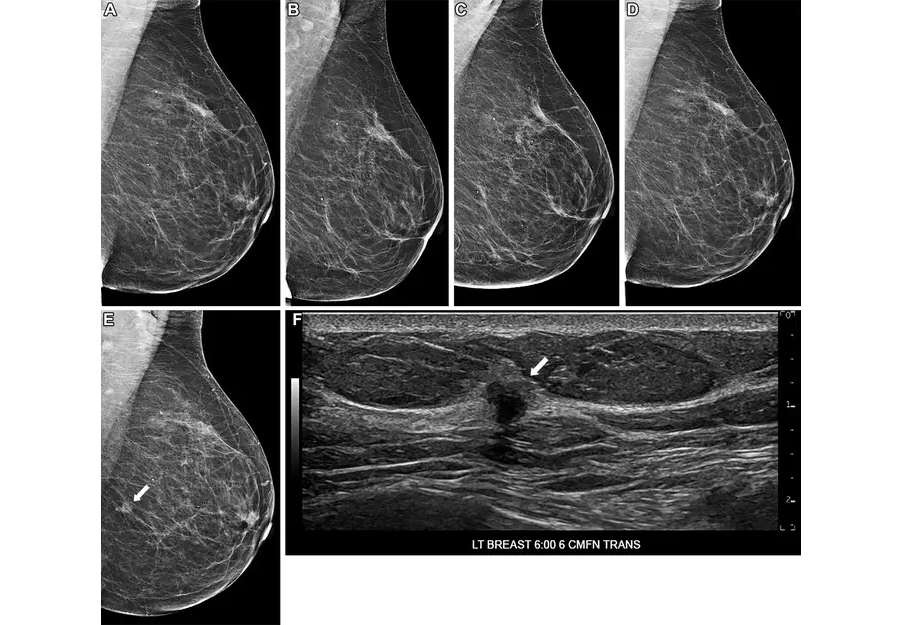
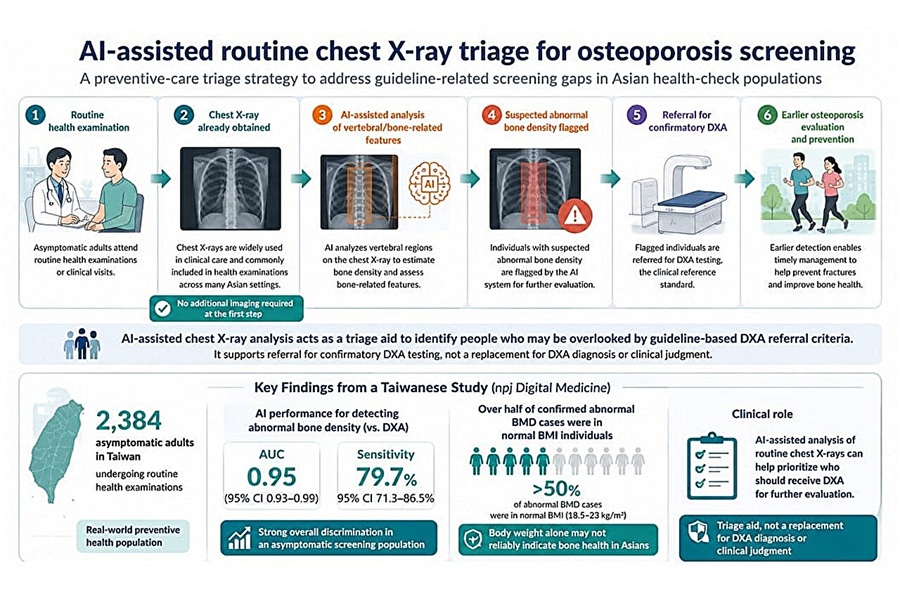
AI Tool Predicts Five-Year Breast Cancer Risk from Mammograms
Breast cancer risk assessment during routine screening is difficult because many women who develop the disease have no known genetic mutations or family history. Static risk tools provide limited discrimination... Read more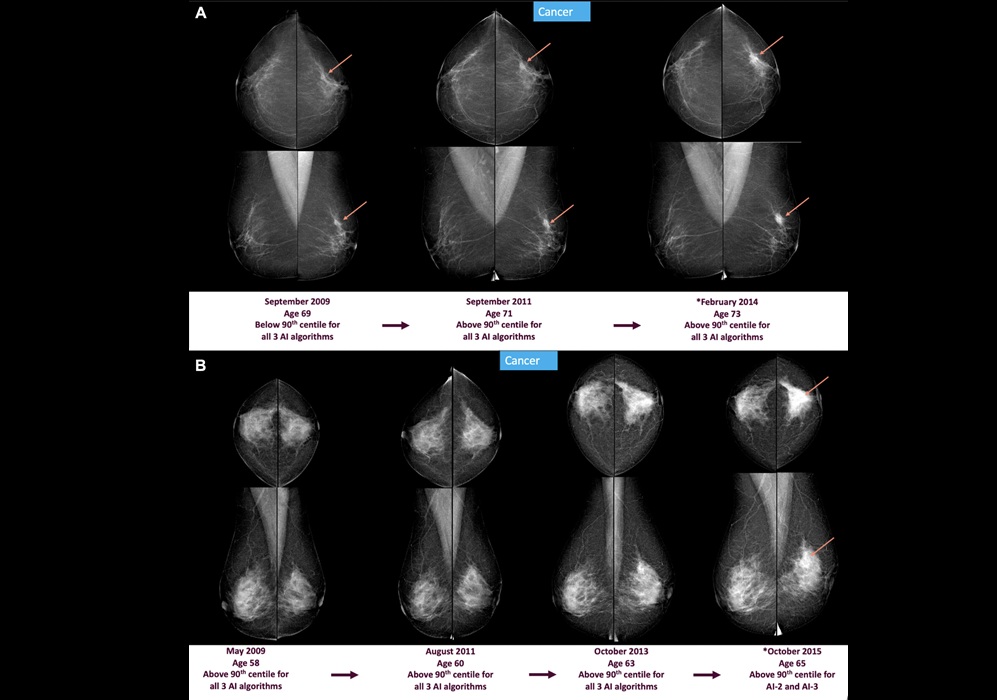
AI Mammography Tools Detect Early Breast Cancer Signs Years Before Diagnosis
Breast cancer screening aims to detect tumors before symptoms develop, but subtle mammographic changes can appear years before diagnosis and may be missed during routine reads. Delayed detection can lead... Read more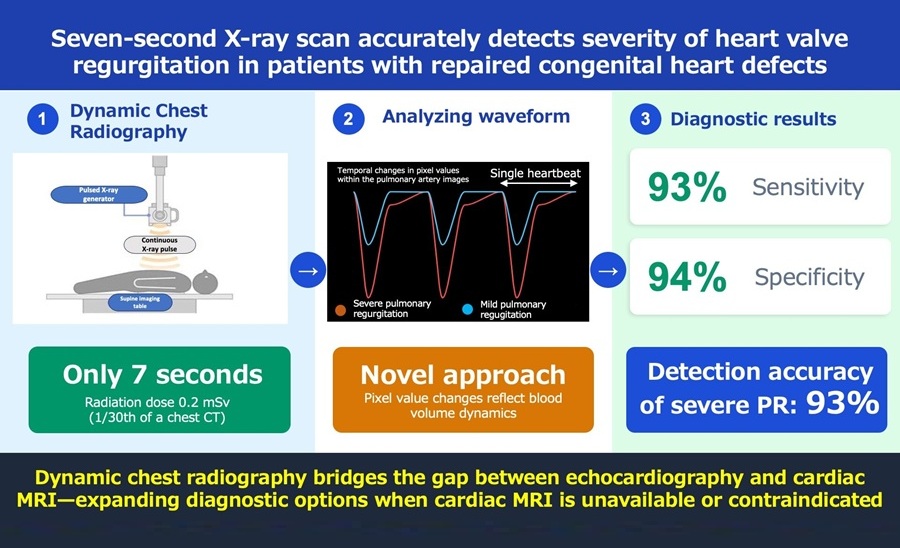
MRI
view channel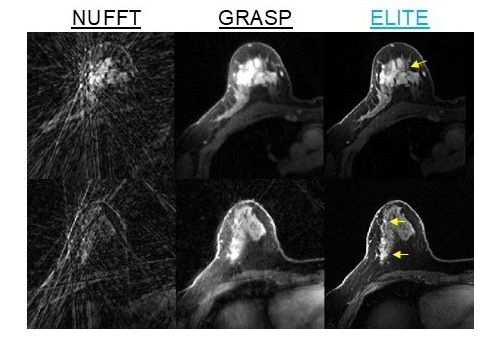
AI Reconstruction Tool Speeds Dynamic Breast MRI and Improves Cancer Detection
Breast cancer affects about 2.3 million people each year, creating sustained demand for precise imaging. Dynamic magnetic resonance imaging (MRI) is highly sensitive, yet slow acquisitions hinder real-time... Read more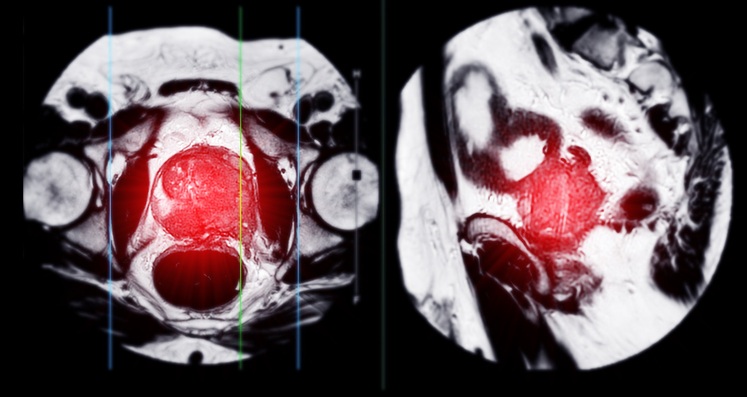
International Study Assesses AI for Prostate Cancer MRI Interpretation
Prostate cancer is a leading cause of cancer morbidity in men, and accurate early diagnosis hinges on expert interpretation of prostate magnetic resonance imaging (MRI). Rapid adoption of MRI-first pathways... Read more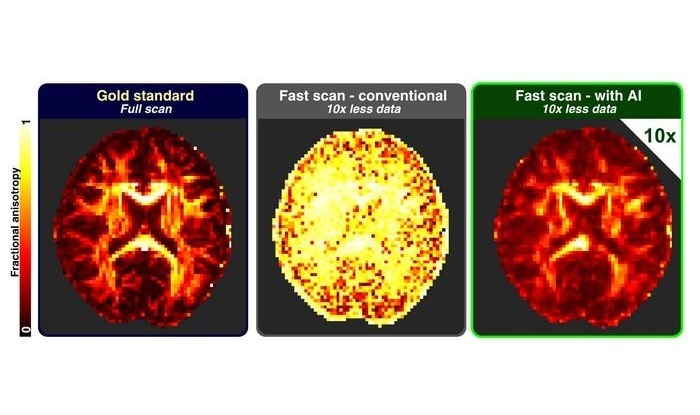
Ultrasound
view channel
AI Ultrasound Platform Receives CE Mark for Prenatal Screening
Prenatal ultrasound is central to fetal anomaly screening, yet it remains one of the most technically demanding examinations in routine care. Because both image acquisition and interpretation are highly... Read more
Hybrid Imaging Platform Reveals How Sleep Supports Brain Waste Removal
The brain’s glymphatic system clears metabolic waste via cerebrospinal fluid and is thought to support neural health during sleep. Yet clinicians and researchers have struggled to observe its whole‑brain... Read more
Nuclear Medicine
view channel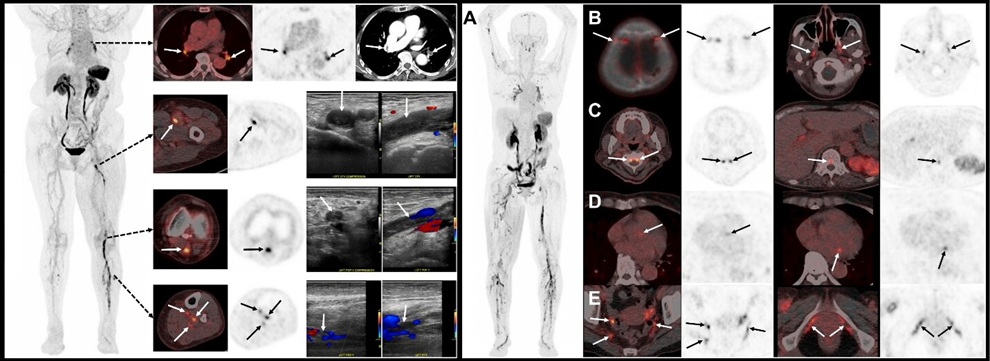
New PET Tracer Detects DVT and Pulmonary Embolism in One Scan
Deep vein thrombosis is the formation of clots in deep leg veins that can migrate to the lungs as pulmonary embolism. Rapid confirmation across both regions often requires multiple tests and can delay treatment.... Read more![Image: (A-C) Representative whole-body maximum-intensity projection images and regional fused PET/CT images from three histologically confirmed osteosarcoma patients who underwent paired [68Ga]Ga-B7-H3-BCH PET/CT and 18F-FDGE PET/CT within 7 days. (D) Multimodal imaging evaluation of patient 3, including X-ray, MRI (T2-weighted imaging, T2WI), CT, and B7-H3 PET/CT. (Photo courtesy of SNMMI)](https://globetechcdn.com/mobile_medicalimaging/images/stories/articles/article_images/2026-06-07/294811110_image_1.jpg "Image: (A-C) Representative whole-body maximum-intensity projection images and regional fused PET/CT images from three histologically confirmed osteosarcoma patients who underwent paired [68Ga]Ga-B7-H3-BCH PET/CT and 18F-FDGE PET/CT within 7 days. (D) Multimodal imaging evaluation of patient 3, including X-ray, MRI (T2-weighted imaging, T2WI), CT, and B7-H3 PET/CT. (Photo courtesy of SNMMI)")
Targeted PET Platform Guides Osteosarcoma Resection and Margin Verification
Osteosarcoma, an aggressive primary bone cancer that mainly affects children and adolescents, demands wide excision to prevent local recurrence. Surgeons must achieve negative margins while preserving... Read more
General/Advanced Imaging
view channel
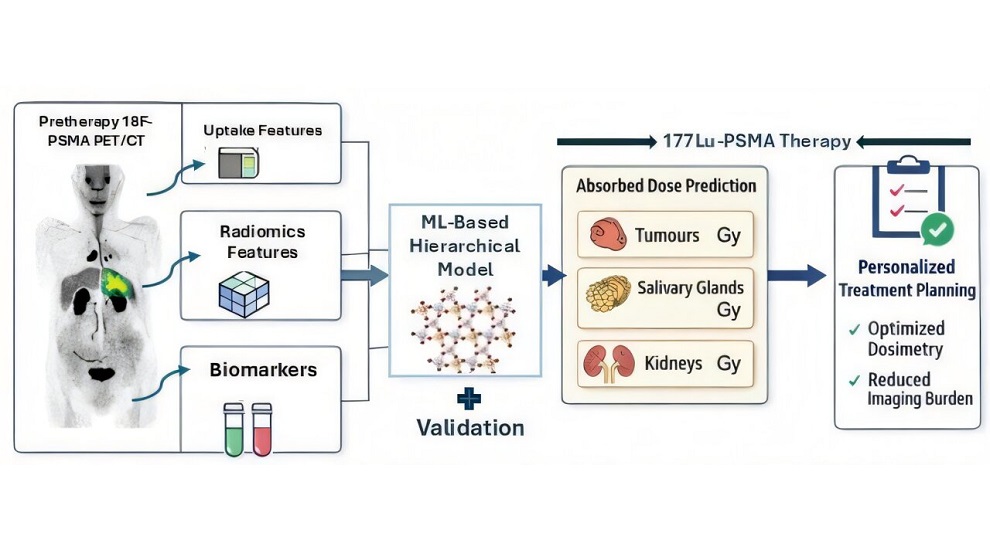
Virtual Staining Technique Creates Histology Images from CT Data
Pulmonary hypertension, a disorder marked by pathological remodeling of the pulmonary vessels, often requires detailed histologic assessment. Yet routine pathology remains anchored in labor‑intensive,... Read more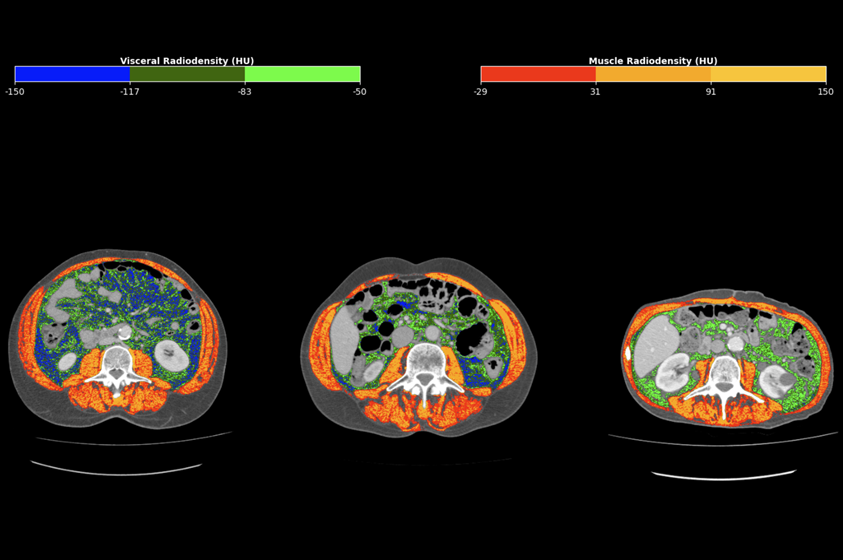
CT-Derived Biomarker Predicts Outcomes in Gastric Cancer
Gastric cancer, also known as stomach cancer, is the fifth most common malignancy worldwide and often shows heterogeneous outcomes even within the same stage. Prognostic estimates typically rely on tumor-centric... Read more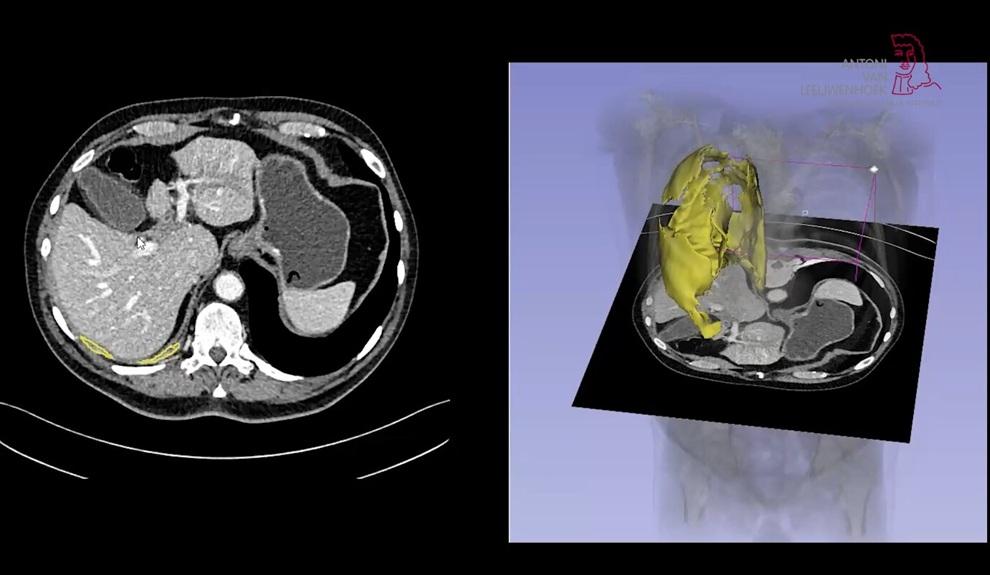
AI Tool Enhances Response Assessment and Survival Prediction in Pleural Mesothelioma
Pleural mesothelioma, a cancer that grows as a thin, irregular layer along the lung wall, is difficult to measure on imaging. Clinicians rely on diameter-based Response Evaluation Criteria in Solid Tumors... Read more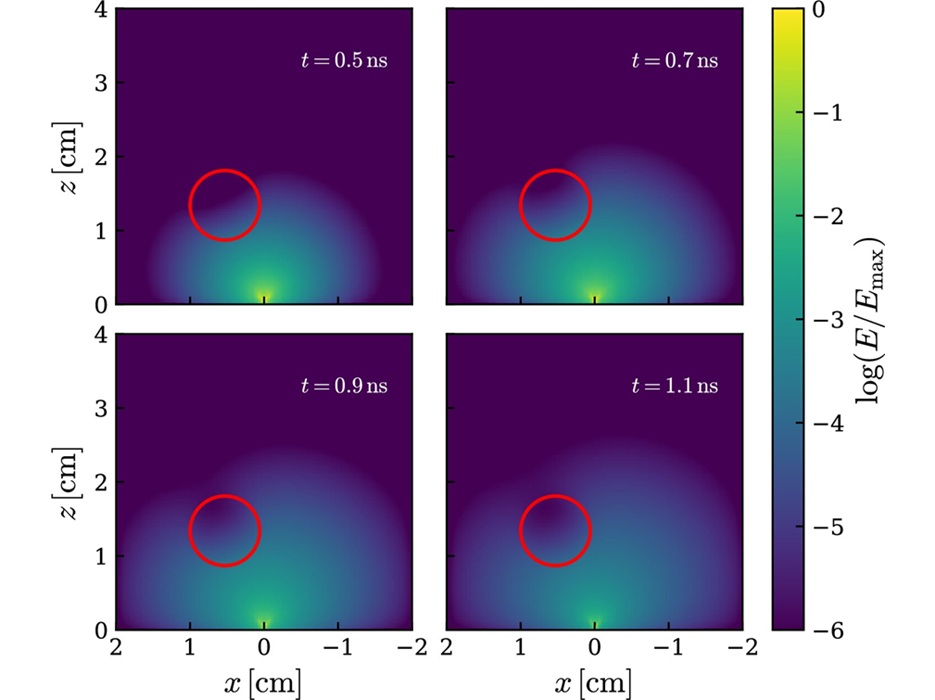
Imaging IT
view channel
Ambient AI Reporting Platform Streamlines Radiology Reporting
Radiology departments face growing imaging volumes and staffing shortages, creating reporting bottlenecks and pressure to maintain turnaround times. Conventional dictation tools document findings after... Read more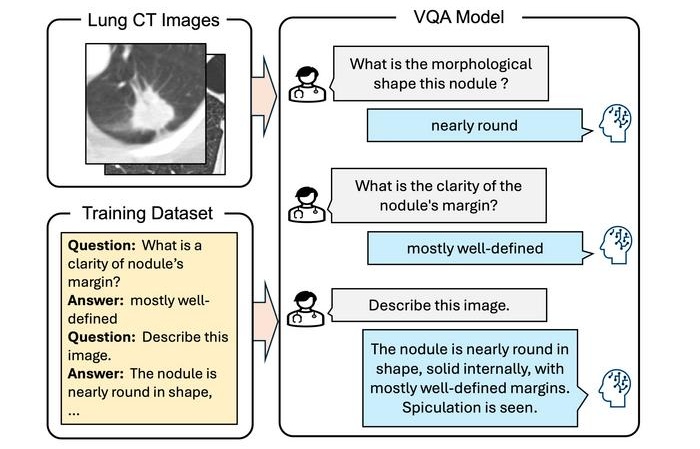
Interactive AI Tool Supports Explainable Lung Nodule Assessment
Lung cancer is a leading cause of cancer mortality, and timely characterization of pulmonary nodules on chest computed tomography (CT) is essential for directing care. Interpreting nodule morphology demands... Read more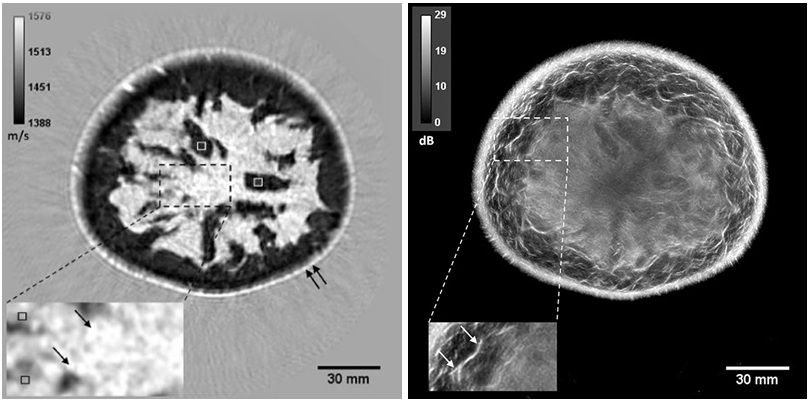
Breast Imaging Software Enhances Visualization and Tissue Characterization in Challenging Cases
Breast imaging can be particularly challenging in cases involving small breasts or implants, where image reconstruction and tissue characterization may be limited. Clinicians also need reproducible analysis... Read more
Industry News
view channel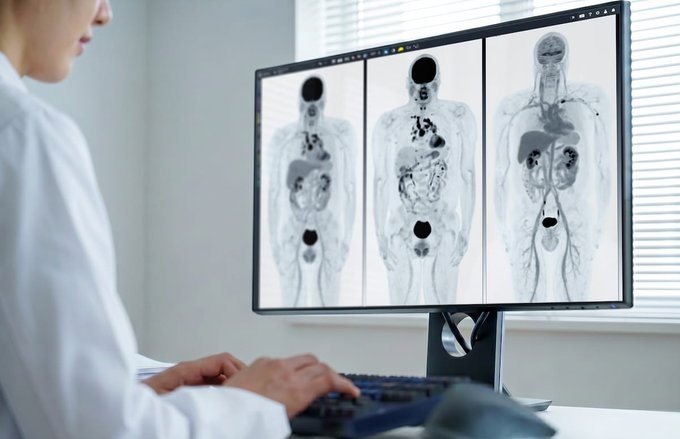
GE HealthCare Showcases AI-Enabled Nuclear Medicine Portfolio at SNMMI 2026
Nuclear medicine is expanding rapidly as health systems adopt theranostics and broaden access to radiopharmaceuticals, increasing demand for scalable operations and consistent diagnostic confidence.... Read more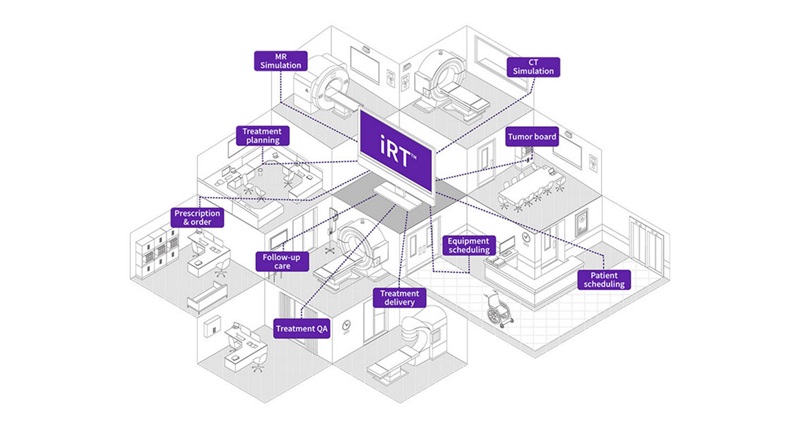
GE HealthCare Highlights AI-Supported Radiation Therapy Tools at ESTRO 2026
At the European Society for Radiotherapy and Oncology (ESTRO) 2026 Congress in Stockholm, GE HealthCare is highlighting Intelligent Radiation Therapy (iRT), MIM Software innovations, and BK Medical surgical... Read more