Cost-Effective DR System Provides High-Quality Imaging
|
By MedImaging International staff writers Posted on 28 Dec 2016 |


|
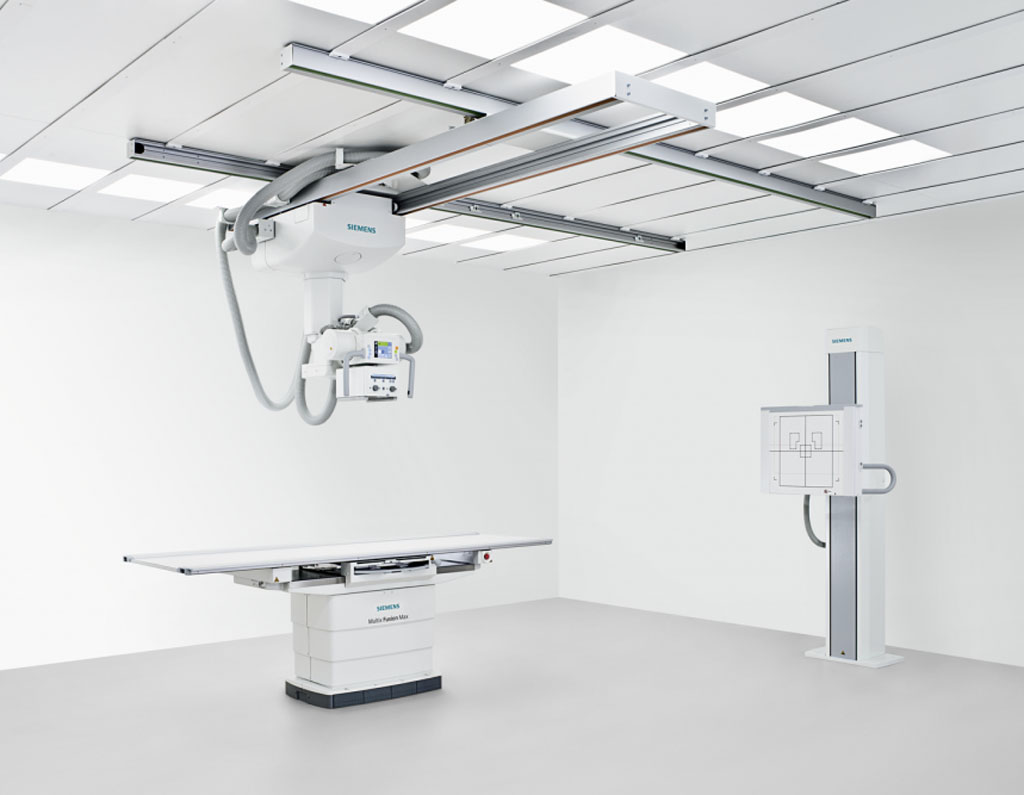
Image: The Multix Fusion Max radiography system (Photo courtesy of Siemens Healthineers).
A new digital radiography (DR) system combines reliability with cost-reduction solutions to support a full range of clinical applications.
The Siemens Healthineers (Erlangen, Germany) Multix Fusion Max radiography system is a midrange, ceiling-suspended x-ray room designed to perform general, trauma and emergency, chest screening, on-table examinations and high-throughput general X-ray scans. An ergonomic Bucky wall stand enables imaging of patients from head to toe while standing, sitting, or on a mobile table. Adjustment of the table or the Bucky wall stand is synchronized automatically with the system’s X-ray tube tracks to retain the correct source-imaging-distance (SID).
The organ programs (OGPs) on the system’s syngo FLC workstation allow users to predefine all important imaging parameters, including kV, mAs and collimation size, so that facilities can cover much of their patient mix without manual adjustments. An innovative MAXcharge feature prevents battery-related workflow interruptions, since the MAX wi-D detector automatically charges whenever it is inside the table or its Bucky wall stand tray, as well as when it is stored inside the mobile detector holder.
As the Multix Fusion Max is a member of the Max family of radiography systems, users can efficiently swap its X-ray detectors with all other Max systems. The ability to share expensive detector technology across the entire Max portfolio can help a facility boost detector uptime and utilization within the department, while having a backup solution available at any time, providing small and medium-sized hospitals with the scalability necessary to obtain the right configuration for their patient mix.
“The digital flat detector makes image acquisition much faster than CR cassettes; it is easy to use and enables flexible patient positioning,” said radiographer Anna Cahalin of Congleton Memorial Hospital (United Kingdom). “The image quality is fabulous – the detail is very sharp, far better than any other equipment I have ever used.”
Related Links:
Siemens Healthineers
Congleton Memorial Hospital





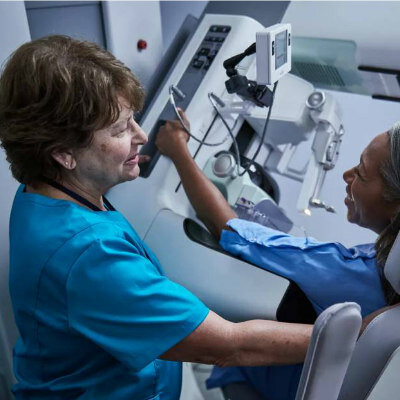

The Siemens Healthineers (Erlangen, Germany) Multix Fusion Max radiography system is a midrange, ceiling-suspended x-ray room designed to perform general, trauma and emergency, chest screening, on-table examinations and high-throughput general X-ray scans. An ergonomic Bucky wall stand enables imaging of patients from head to toe while standing, sitting, or on a mobile table. Adjustment of the table or the Bucky wall stand is synchronized automatically with the system’s X-ray tube tracks to retain the correct source-imaging-distance (SID).
The organ programs (OGPs) on the system’s syngo FLC workstation allow users to predefine all important imaging parameters, including kV, mAs and collimation size, so that facilities can cover much of their patient mix without manual adjustments. An innovative MAXcharge feature prevents battery-related workflow interruptions, since the MAX wi-D detector automatically charges whenever it is inside the table or its Bucky wall stand tray, as well as when it is stored inside the mobile detector holder.
As the Multix Fusion Max is a member of the Max family of radiography systems, users can efficiently swap its X-ray detectors with all other Max systems. The ability to share expensive detector technology across the entire Max portfolio can help a facility boost detector uptime and utilization within the department, while having a backup solution available at any time, providing small and medium-sized hospitals with the scalability necessary to obtain the right configuration for their patient mix.
“The digital flat detector makes image acquisition much faster than CR cassettes; it is easy to use and enables flexible patient positioning,” said radiographer Anna Cahalin of Congleton Memorial Hospital (United Kingdom). “The image quality is fabulous – the detail is very sharp, far better than any other equipment I have ever used.”
Related Links:
Siemens Healthineers
Congleton Memorial Hospital

Multi-Use Ultrasound Table
Clinton
Mobile X-Ray System
K4W
X-Ray Generator
Advantage Plus Generators
Biopsy Software
Affirm® Contrast
Latest Radiography News
- Simple Chest X-Ray Measure Predicts Survival After Lung Cancer Surgery
- AI Detection Tool Improves Identification of Lobular Breast Cancer
- New Contrast Agent Enables Low-Dose X-Ray Joint Imaging
- AI Boosts Breast Cancer Detection and Cuts Screening Workload
- AI Tool Predicts Breast Cancer Risk Years Ahead Using Routine Mammograms
- Routine Mammograms Could Predict Future Cardiovascular Disease in Women
- AI Detects Early Signs of Aging from Chest X-Rays
- X-Ray Breakthrough Captures Three Image-Contrast Types in Single Shot
- AI Generates Future Knee X-Rays to Predict Osteoarthritis Progression Risk
- AI Algorithm Uses Mammograms to Accurately Predict Cardiovascular Risk in Women
- AI Hybrid Strategy Improves Mammogram Interpretation
- AI Technology Predicts Personalized Five-Year Risk of Developing Breast Cancer
- RSNA AI Challenge Models Can Independently Interpret Mammograms
- New Technique Combines X-Ray Imaging and Radar for Safer Cancer Diagnosis
- New AI Tool Helps Doctors Read Chest X‑Rays Better
- Wearable X-Ray Imaging Detecting Fabric to Provide On-The-Go Diagnostic Scanning
Channels
MRI
view channel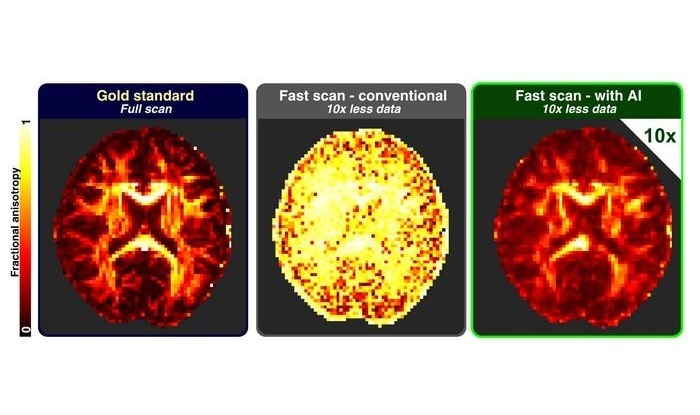
AI Approach Could Shorten Advanced Brain MRI Scans by Up to 90%
Long acquisition times for advanced brain magnetic resonance imaging (MRI) can limit access, extend waiting lists, and disrupt clinical workflows. Reducing data requirements without sacrificing image fidelity... Read more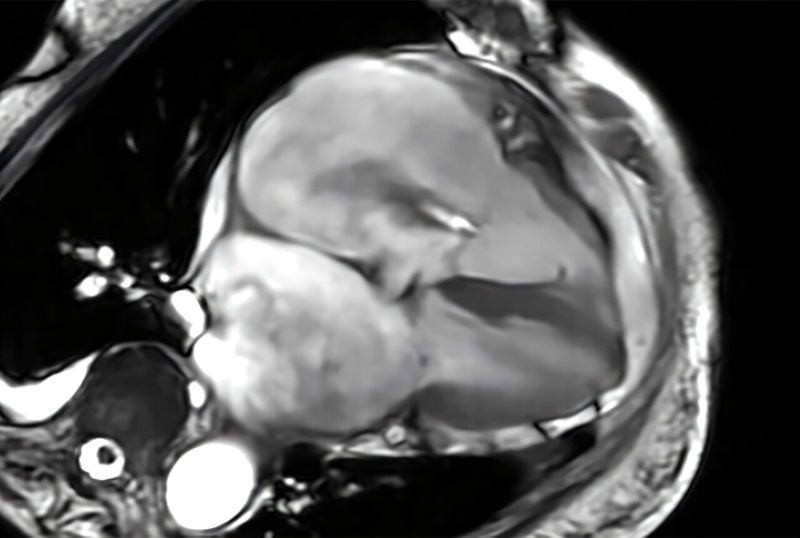
Cardiac MRI Measure Improves Risk Prediction in Tricuspid Regurgitation
Tricuspid regurgitation, in which blood flows back from the right ventricle into the right atrium, can lead to progressive right-sided heart failure. Clinicians need reliable ways to gauge severity and... Read more

Ultrasound
view channel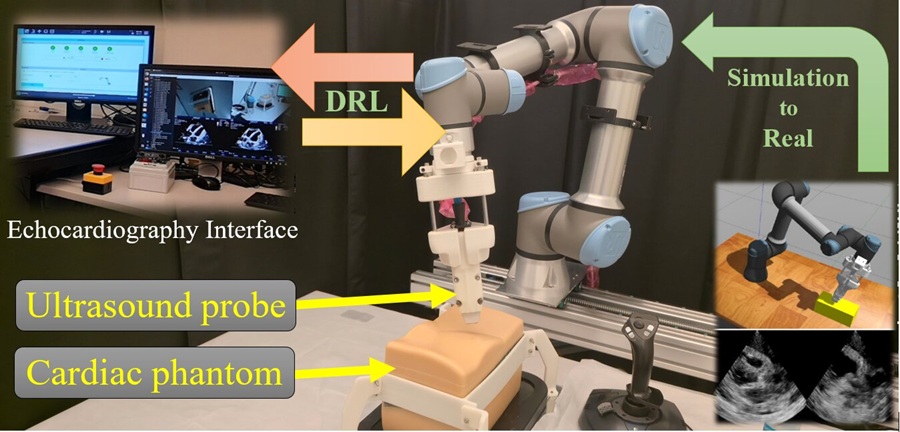
AI Robotic Ultrasound System Automates Echocardiography and Improves Consistency
Echocardiography, an ultrasound examination of the heart, is central to diagnosing and managing cardiovascular disease. Many services struggle with limited availability of skilled sonographers, variable... Read more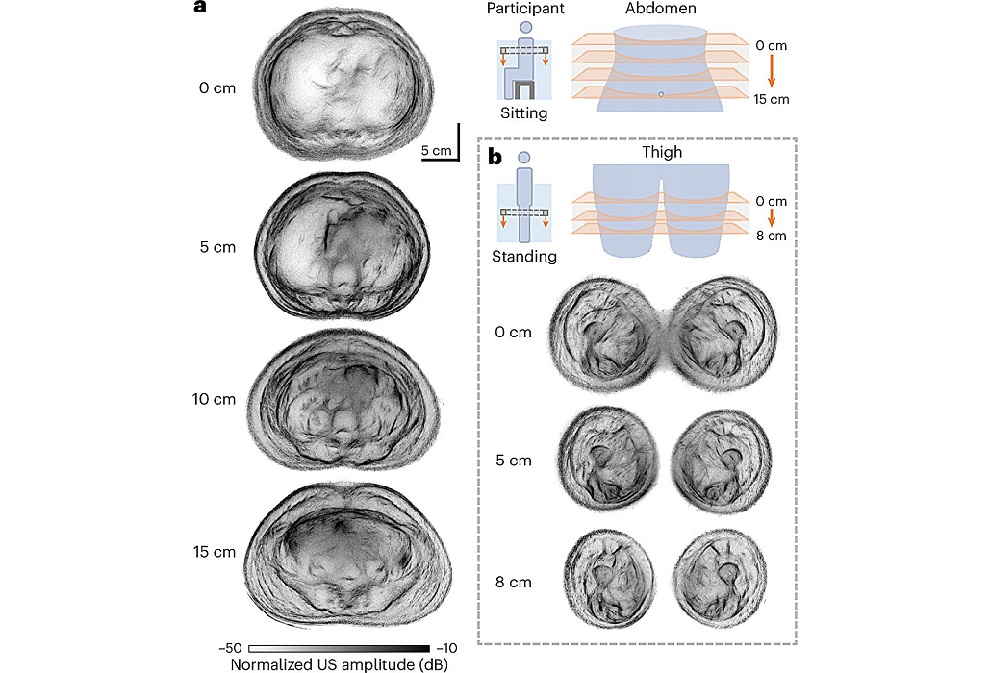
Whole Cross-Section Ultrasound System Enables Operator-Independent Imaging
Conventional ultrasound is central to bedside imaging but is limited by a narrow field of view and operator variability. Comprehensive cross-sectional assessment typically requires computed tomography... Read more
Nuclear Medicine
view channel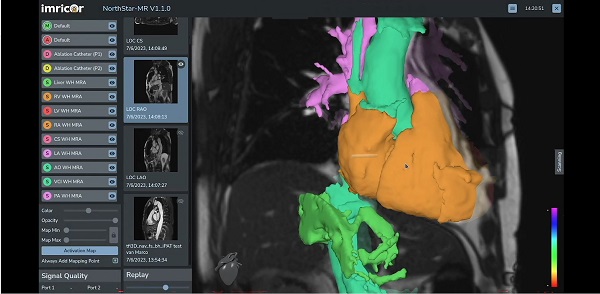
MR-Guided Cardiac Mapping System Enables Radiation-Free Procedures
Cardiac electrophysiology procedures are typically guided by X-ray fluoroscopy, which limits soft-tissue visualization and exposes patients and clinical staff to ionizing radiation. Real-time mapping that... Read more
PET Tracer Enables Noninvasive Measurement of Beta Cell Mass
Type 1 diabetes is an autoimmune disease in which the immune system destroys insulin-producing pancreatic beta cells. Loss of these cells destabilizes glucose control and drives complications.... Read more
New Imaging Tool Sheds Light on Tumor Fat Metabolism
Rapidly growing tumors reprogram metabolism to meet high energy demands. While many cancers preferentially consume glucose, lipid utilization by malignant cells is difficult to measure in living subjects.... Read more
Radiopharmaceutical Molecule Marker to Improve Choice of Bladder Cancer Therapies
Targeted cancer therapies only work when tumor cells express the specific molecular structures they are designed to attack. In urothelial carcinoma, a common form of bladder cancer, the cell surface protein... Read moreGeneral/Advanced Imaging
view channel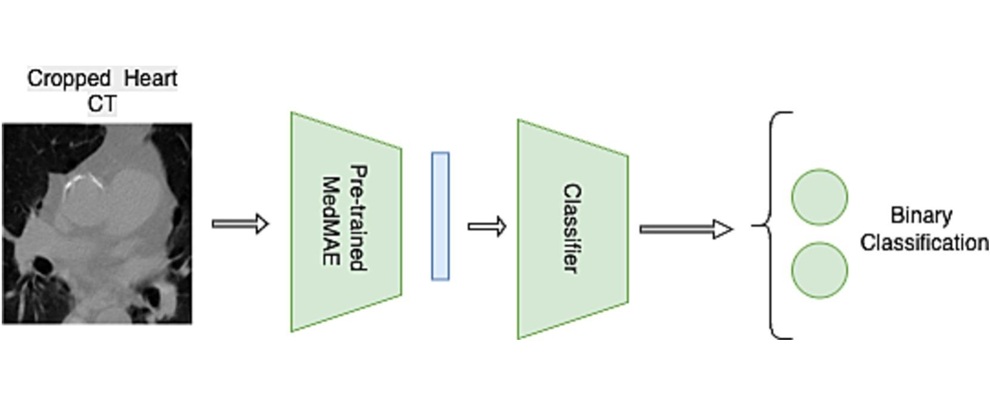
Multimodal AI Tool Combines CT and Health Records to Predict Heart Risk
Cardiovascular disease is a leading cause of death and an underrecognized risk for people treated for breast cancer. Cardiac complications can affect survival and quality of life. Clinicians need tools... Read more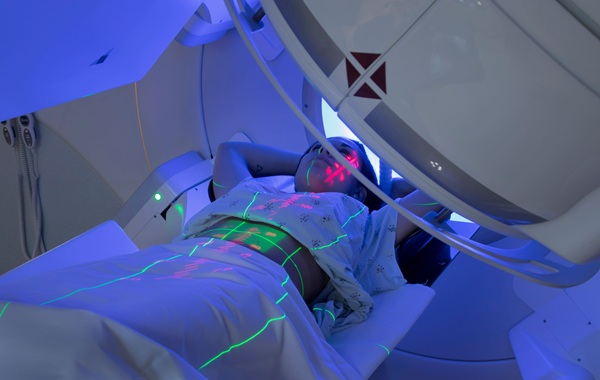
AI Tool Automates Radiotherapy Planning for Cervical and Prostate Cancer
Cervical cancer causes most of its global mortality in low- and middle-income countries, where radiotherapy capacity and specialist staff are limited. Treatment planning is labor-intensive and can delay... Read more
Imaging IT
view channel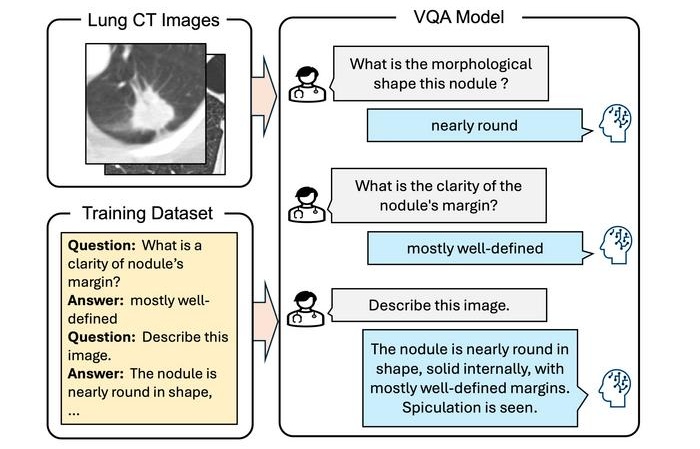
Interactive AI Tool Supports Explainable Lung Nodule Assessment
Lung cancer is a leading cause of cancer mortality, and timely characterization of pulmonary nodules on chest computed tomography (CT) is essential for directing care. Interpreting nodule morphology demands... Read more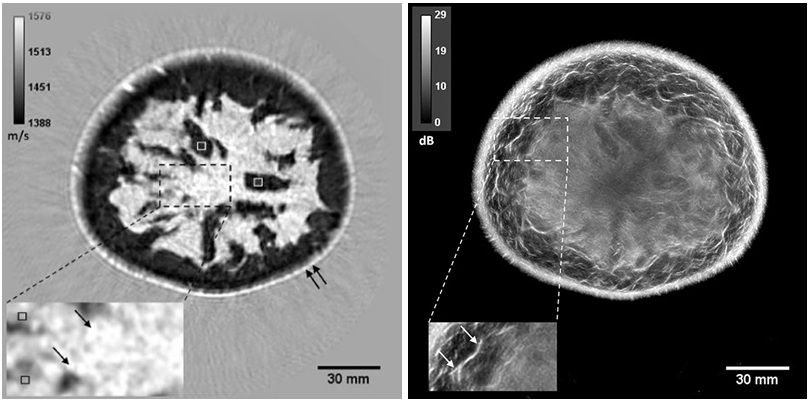
Breast Imaging Software Enhances Visualization and Tissue Characterization in Challenging Cases
Breast imaging can be particularly challenging in cases involving small breasts or implants, where image reconstruction and tissue characterization may be limited. Clinicians also need reproducible analysis... Read more
New Google Cloud Medical Imaging Suite Makes Imaging Healthcare Data More Accessible
Medical imaging is a critical tool used to diagnose patients, and there are billions of medical images scanned globally each year. Imaging data accounts for about 90% of all healthcare data1 and, until... Read more
Global AI in Medical Diagnostics Market to Be Driven by Demand for Image Recognition in Radiology
The global artificial intelligence (AI) in medical diagnostics market is expanding with early disease detection being one of its key applications and image recognition becoming a compelling consumer proposition... Read moreIndustry News
view channel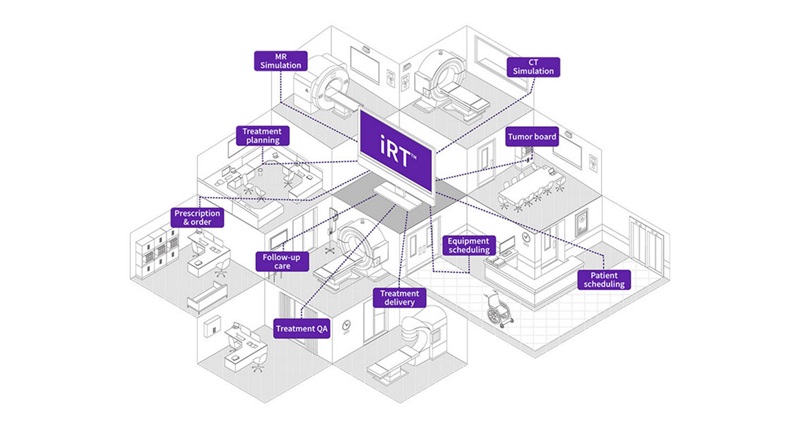
GE HealthCare Highlights AI-Supported Radiation Therapy Tools at ESTRO 2026
At the European Society for Radiotherapy and Oncology (ESTRO) 2026 Congress in Stockholm, GE HealthCare is highlighting Intelligent Radiation Therapy (iRT), MIM Software innovations, and BK Medical surgical... Read more