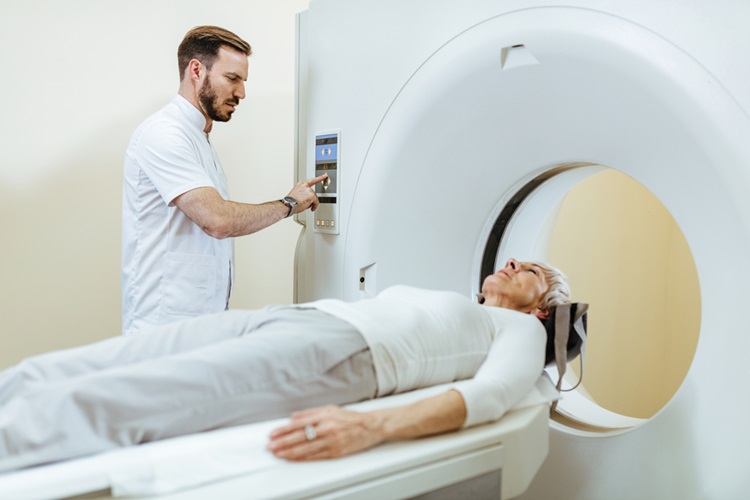



Fast Clinical Adoption of Advanced Radiotherapy and Radiosurgery
|
By MedImaging International staff writers Posted on 26 May 2011 |


|
Hospitals across Europe have been among the earliest global adopters of the cutting-edge TrueBeam system, which was introduced in 2010 for fast and precise radiotherapy and radiosurgery treatments.
Of the first 50 TrueBeam systems to begin treating patients clinically, ten are in Europe, where thousands of patients have already received advanced treatments. "We have seen an unprecedented adoption for a new linear accelerator platform and we are delighted that hospitals globally are using TrueBeam to treat a greater number of patients while pushing back the boundaries of advanced radiotherapy treatments, enabling difficult to treat tumors such as lung and liver to be treated effectively by radiotherapy and radiosurgery," stated Rolf Staehelin, head of international marketing for Varian's (Palo Alto, CA, USA) oncology systems unit.
TrueBeam is the centerpiece of Varian May 2011 at the annual meeting of the European Society for Therapeutic Radiation Oncology (ESTRO) in London, UK, where the UK's first TrueBeam system will enter clinical use at University College Hospital this summer in a joint project between HCA National Health Service (NHS) Ventures and the hospital. Derek D'Souza, head of radiotherapy physics at UCH, said, "TrueBeam will offer patients new treatments using small, high-intensity fields of radiation to treat the tumor. It provides greater efficiency in the steps needed for imaging, positioning, and treating patients and offers a high degree of precision."
Richard Yacob, director of medical physics at HCA-NHS/ Ventures, added, "TrueBeam was selected for this project as we believe it to be the most advanced system of its kind. As well as being able to deliver higher doses faster than other systems, it is also capable of advanced real-time imaging and gated RapidArc. It will be a big step forward in providing higher precision in treatment delivery."
TrueBeam was designed to treat tumors in a quick and precise manner, including tumors that move during treatment as the patient breathes in and out. Designed to advance the treatment of lung, breast, prostate, head and neck, and other types of cancer, TrueBeam features many technical developments that dynamically synchronize imaging, patient positioning, motion management, and treatment delivery. With its high intensity mode, TrueBeam can deliver very high doses quickly and accurately, more than twice as fast as earlier generations of technology.
At Humanitas Institute (Rozzano-Milan, Italy), TrueBeam is routinely used to treat 50 patients a day and treatments focus on hypofractionated stereotactic body radiotherapy (SBRT), in particular for liver and pancreatic cancer, non-small-cell lung cancer and lymph-node metastases, along with total marrow irradiation. "TrueBeam enables us to offer treatments for different kinds of pathologies than have previously been possible with radiosurgery here at Humanitas," said Dr. Marta Scorsetti, head of radiation oncology and radiosurgery at the hospital. "We are impressed by the greater precision and higher quality imaging, higher possible dose rate, the ability to deliver the total dose in fewer fractions and the speed of the treatment, which allows for shorter treatment sessions for patients." To date, Humanitas Institute has treated more than 420 patients using the TrueBeam device, with 25 new patients commencing treatment on the system each week.
Two TrueBeam devices are treating up to 100 patients a day at VU University Medical Center (Amsterdam, Netherlands), and according to department head Dr. Ben Slotman, the devices have become a vital part of their stereotactic body radiotherapy program. "From a clinical perspective, TrueBeam enables better integration between imaging and treatment delivery, much faster dose output using the flattening filter free mode, and a much shorter time is needed for pretreatment setup due to the user-friendly nature of the equipment," he said.
Zurich University Hospital (Switzerland) was the first clinic in the world to commence treatment with TrueBeam in March 2010. "We have found the system technically wonderful, giving us dose distributions that are slightly superior to intensity modulated radiotherapy from conventional systems, with lower doses to surrounding healthy tissues," stated Prof. Urs M. Lütolf, MD, clinical director and chairman of the department of radiation oncology. "I have been astonished and excited to see the degree to which the TrueBeam image isocenter matches the beam isocenter, at a level of precision I have never seen before."
Routine clinical TrueBeam treatments have also begun at the Institut Catala d'Oncologia (ICO) in Barcelona, Spain; Neolife Medical Center in Istanbul, Turkey; Davidoff Center in Petah Tikva, Israel; Casa di Cura San Rossore in Pisa, Italy; Radioonkologie Amsler in Liestal, Switzerland Strahlentherapie-Bonn-Rhein-Sieg/St. Josef Hospital in Troisdorf, Germany; and Azizia Royal Clinic/Azizia Royal Palace in Riyadh, Saudi Arabia.
Related Links:
Varian



 Guided Devices.jpg)



Of the first 50 TrueBeam systems to begin treating patients clinically, ten are in Europe, where thousands of patients have already received advanced treatments. "We have seen an unprecedented adoption for a new linear accelerator platform and we are delighted that hospitals globally are using TrueBeam to treat a greater number of patients while pushing back the boundaries of advanced radiotherapy treatments, enabling difficult to treat tumors such as lung and liver to be treated effectively by radiotherapy and radiosurgery," stated Rolf Staehelin, head of international marketing for Varian's (Palo Alto, CA, USA) oncology systems unit.
TrueBeam is the centerpiece of Varian May 2011 at the annual meeting of the European Society for Therapeutic Radiation Oncology (ESTRO) in London, UK, where the UK's first TrueBeam system will enter clinical use at University College Hospital this summer in a joint project between HCA National Health Service (NHS) Ventures and the hospital. Derek D'Souza, head of radiotherapy physics at UCH, said, "TrueBeam will offer patients new treatments using small, high-intensity fields of radiation to treat the tumor. It provides greater efficiency in the steps needed for imaging, positioning, and treating patients and offers a high degree of precision."
Richard Yacob, director of medical physics at HCA-NHS/ Ventures, added, "TrueBeam was selected for this project as we believe it to be the most advanced system of its kind. As well as being able to deliver higher doses faster than other systems, it is also capable of advanced real-time imaging and gated RapidArc. It will be a big step forward in providing higher precision in treatment delivery."
TrueBeam was designed to treat tumors in a quick and precise manner, including tumors that move during treatment as the patient breathes in and out. Designed to advance the treatment of lung, breast, prostate, head and neck, and other types of cancer, TrueBeam features many technical developments that dynamically synchronize imaging, patient positioning, motion management, and treatment delivery. With its high intensity mode, TrueBeam can deliver very high doses quickly and accurately, more than twice as fast as earlier generations of technology.
At Humanitas Institute (Rozzano-Milan, Italy), TrueBeam is routinely used to treat 50 patients a day and treatments focus on hypofractionated stereotactic body radiotherapy (SBRT), in particular for liver and pancreatic cancer, non-small-cell lung cancer and lymph-node metastases, along with total marrow irradiation. "TrueBeam enables us to offer treatments for different kinds of pathologies than have previously been possible with radiosurgery here at Humanitas," said Dr. Marta Scorsetti, head of radiation oncology and radiosurgery at the hospital. "We are impressed by the greater precision and higher quality imaging, higher possible dose rate, the ability to deliver the total dose in fewer fractions and the speed of the treatment, which allows for shorter treatment sessions for patients." To date, Humanitas Institute has treated more than 420 patients using the TrueBeam device, with 25 new patients commencing treatment on the system each week.
Two TrueBeam devices are treating up to 100 patients a day at VU University Medical Center (Amsterdam, Netherlands), and according to department head Dr. Ben Slotman, the devices have become a vital part of their stereotactic body radiotherapy program. "From a clinical perspective, TrueBeam enables better integration between imaging and treatment delivery, much faster dose output using the flattening filter free mode, and a much shorter time is needed for pretreatment setup due to the user-friendly nature of the equipment," he said.
Zurich University Hospital (Switzerland) was the first clinic in the world to commence treatment with TrueBeam in March 2010. "We have found the system technically wonderful, giving us dose distributions that are slightly superior to intensity modulated radiotherapy from conventional systems, with lower doses to surrounding healthy tissues," stated Prof. Urs M. Lütolf, MD, clinical director and chairman of the department of radiation oncology. "I have been astonished and excited to see the degree to which the TrueBeam image isocenter matches the beam isocenter, at a level of precision I have never seen before."
Routine clinical TrueBeam treatments have also begun at the Institut Catala d'Oncologia (ICO) in Barcelona, Spain; Neolife Medical Center in Istanbul, Turkey; Davidoff Center in Petah Tikva, Israel; Casa di Cura San Rossore in Pisa, Italy; Radioonkologie Amsler in Liestal, Switzerland Strahlentherapie-Bonn-Rhein-Sieg/St. Josef Hospital in Troisdorf, Germany; and Azizia Royal Clinic/Azizia Royal Palace in Riyadh, Saudi Arabia.
Related Links:
Varian

Ultrasound Table
Women’s Ultrasound EA Table
Computed Tomography System
Aquilion ONE / INSIGHT Edition
Ultrasound-Guided Biopsy & Visualization Tools
Endoscopic Ultrasound (EUS) Guided Devices
Ultrasonic Pocket Doppler
SD1
Latest Nuclear Medicine News
- PET Imaging of Inflammation Predicts Recovery and Guides Therapy After Heart Attack
- Radiotheranostic Approach Detects, Kills and Reprograms Aggressive Cancers
- New Imaging Solution Improves Survival for Patients with Recurring Prostate Cancer
- PET Tracer Enables Same-Day Imaging of Triple-Negative Breast and Urothelial Cancers
- New Camera Sees Inside Human Body for Enhanced Scanning and Diagnosis
- Novel Bacteria-Specific PET Imaging Approach Detects Hard-To-Diagnose Lung Infections
- New Imaging Approach Could Reduce Need for Biopsies to Monitor Prostate Cancer
- Novel Radiolabeled Antibody Improves Diagnosis and Treatment of Solid Tumors
- Novel PET Imaging Approach Offers Never-Before-Seen View of Neuroinflammation
- Novel Radiotracer Identifies Biomarker for Triple-Negative Breast Cancer
- Innovative PET Imaging Technique to Help Diagnose Neurodegeneration
- New Molecular Imaging Test to Improve Lung Cancer Diagnosis
- Novel PET Technique Visualizes Spinal Cord Injuries to Predict Recovery
- Next-Gen Tau Radiotracers Outperform FDA-Approved Imaging Agents in Detecting Alzheimer’s
- Breakthrough Method Detects Inflammation in Body Using PET Imaging
- Advanced Imaging Reveals Hidden Metastases in High-Risk Prostate Cancer Patients
Channels
Radiography
view channel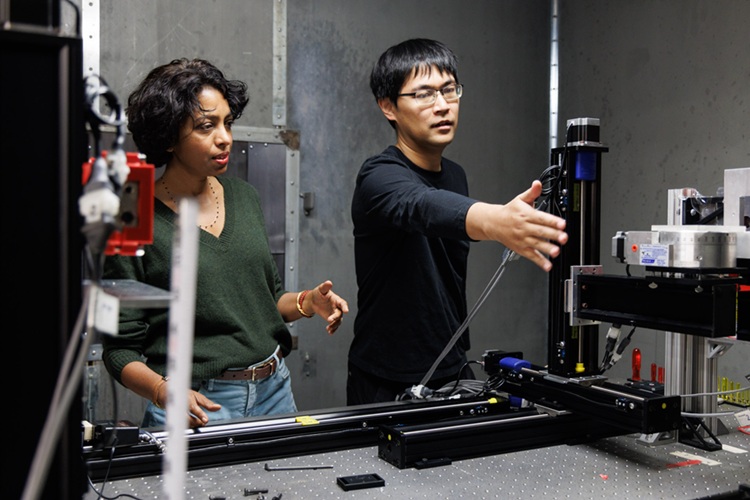
X-Ray Breakthrough Captures Three Image-Contrast Types in Single Shot
Detecting early-stage cancer or subtle changes deep inside tissues has long challenged conventional X-ray systems, which rely only on how structures absorb radiation. This limitation keeps many microstructural... Read more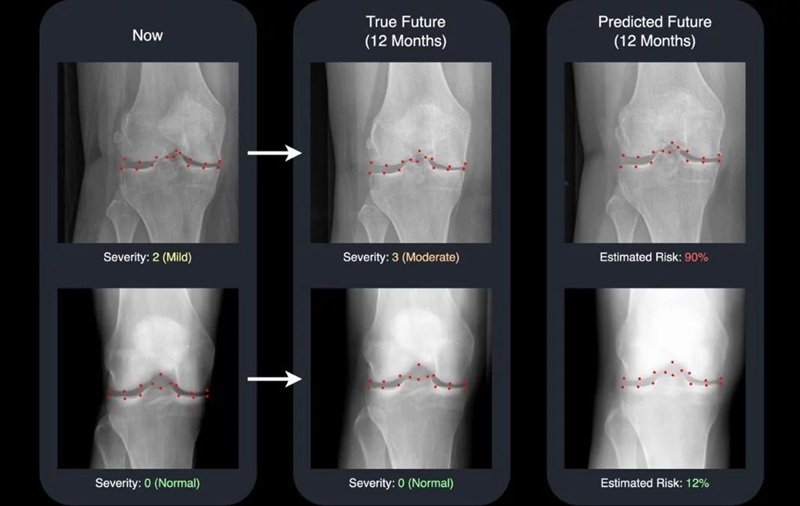
AI Generates Future Knee X-Rays to Predict Osteoarthritis Progression Risk
Osteoarthritis, a degenerative joint disease affecting over 500 million people worldwide, is the leading cause of disability among older adults. Current diagnostic tools allow doctors to assess damage... Read more
MRI
view channel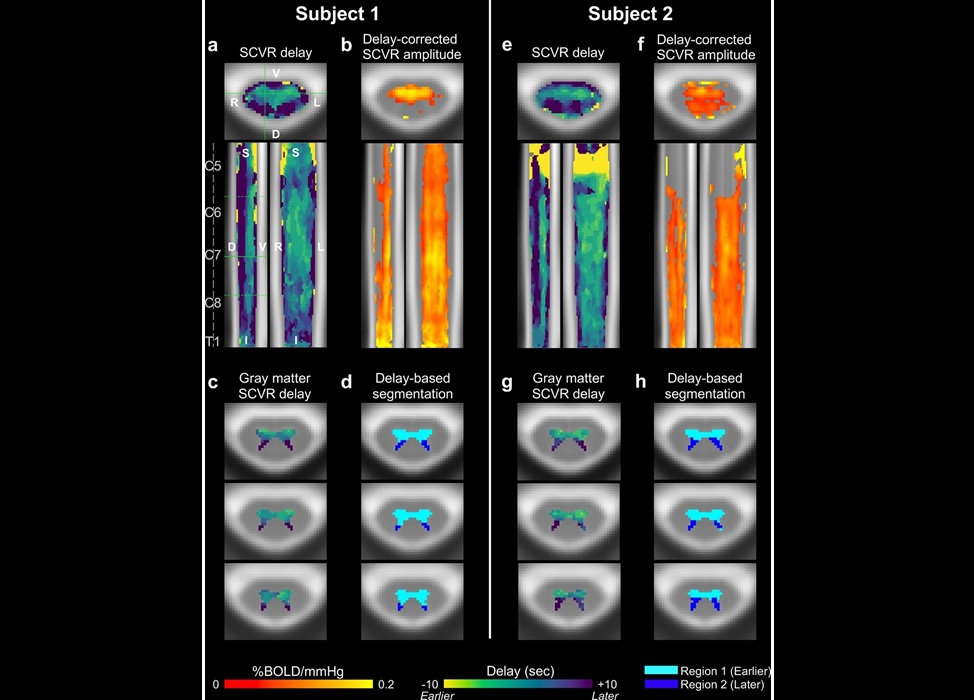
Novel Imaging Approach to Improve Treatment for Spinal Cord Injuries
Vascular dysfunction in the spinal cord contributes to multiple neurological conditions, including traumatic injuries and degenerative cervical myelopathy, where reduced blood flow can lead to progressive... Read more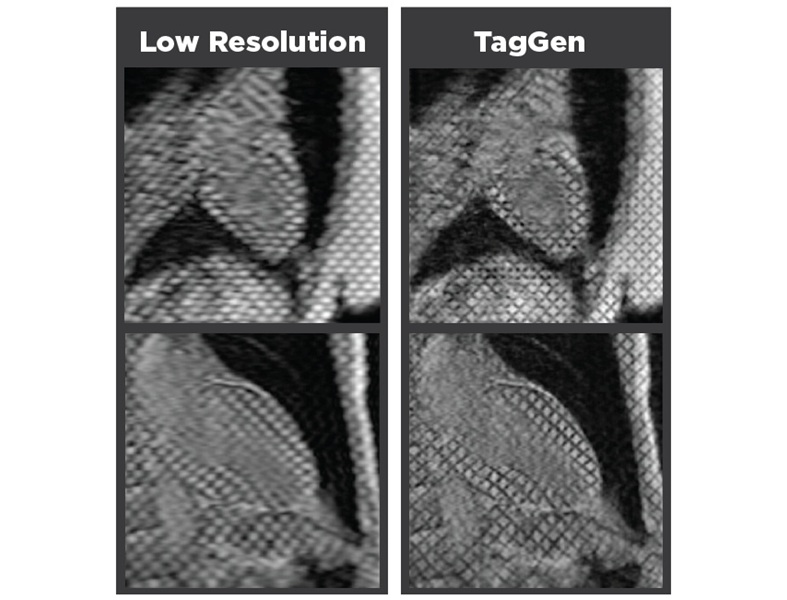
AI-Assisted Model Enhances MRI Heart Scans
A cardiac MRI can reveal critical information about the heart’s function and any abnormalities, but traditional scans take 30 to 90 minutes and often suffer from poor image quality due to patient movement.... Read more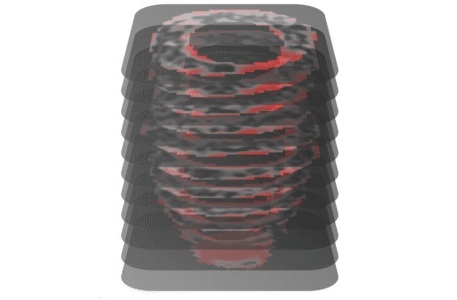
AI Model Outperforms Doctors at Identifying Patients Most At-Risk of Cardiac Arrest
Hypertrophic cardiomyopathy is one of the most common inherited heart conditions and a leading cause of sudden cardiac death in young individuals and athletes. While many patients live normal lives, some... Read more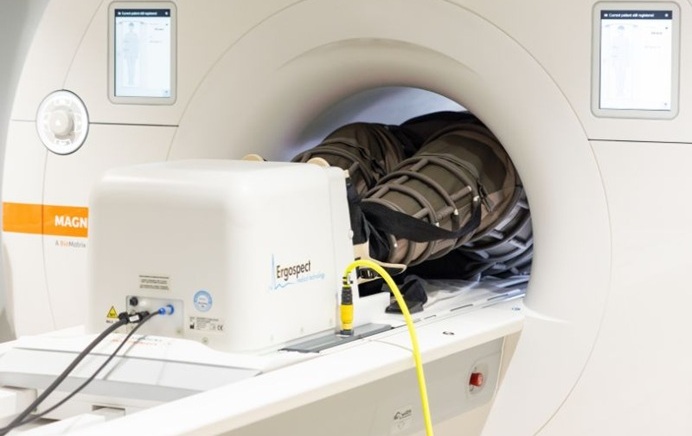
Ultrasound
view channel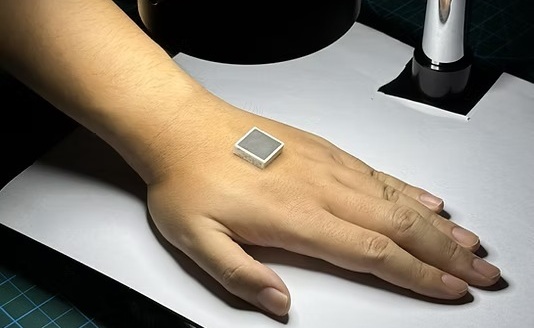
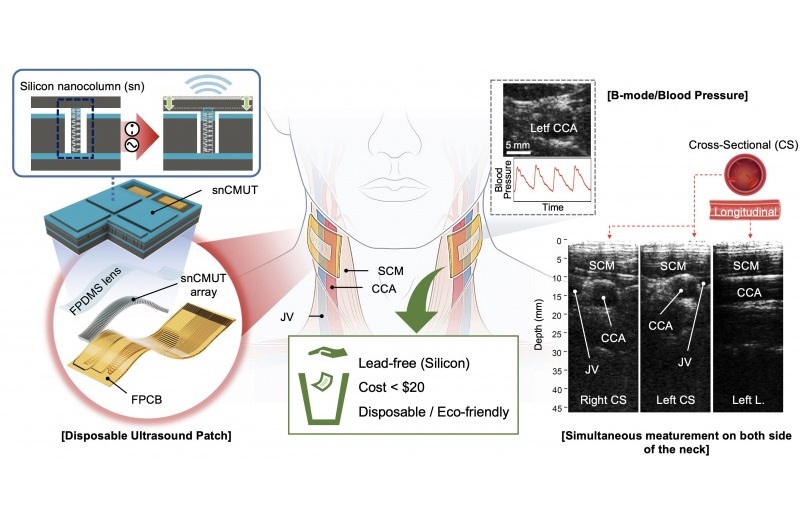
Wearable Ultrasound Imaging System to Enable Real-Time Disease Monitoring
Chronic conditions such as hypertension and heart failure require close monitoring, yet today’s ultrasound imaging is largely confined to hospitals and short, episodic scans. This reactive model limits... Read more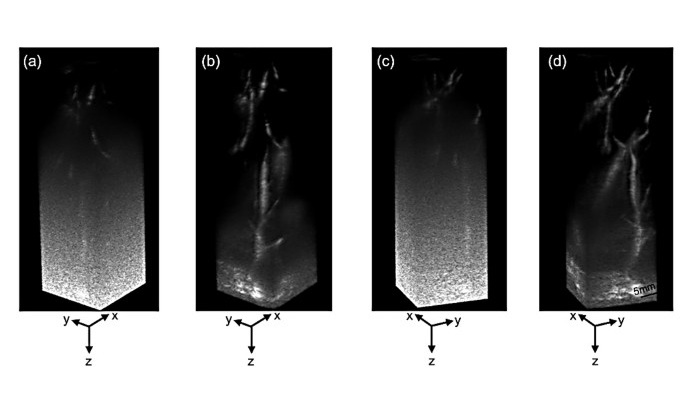
Ultrasound Technique Visualizes Deep Blood Vessels in 3D Without Contrast Agents
Producing clear 3D images of deep blood vessels has long been difficult without relying on contrast agents, CT scans, or MRI. Standard ultrasound typically provides only 2D cross-sections, limiting clinicians’... Read more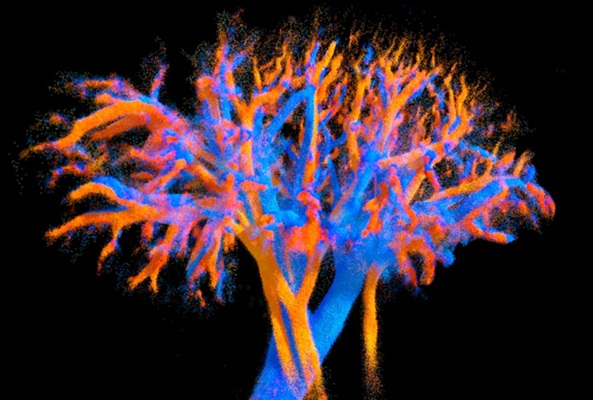
General/Advanced Imaging
view channel
3D Scanning Approach Enables Ultra-Precise Brain Surgery
Precise navigation is critical in neurosurgery, yet even small alignment errors can affect outcomes when operating deep within the brain. A new 3D surface-scanning approach now provides a radiation-free... Read more
AI Tool Improves Medical Imaging Process by 90%
Accurately labeling different regions within medical scans, a process known as medical image segmentation, is critical for diagnosis, surgery planning, and research. Traditionally, this has been a manual... Read more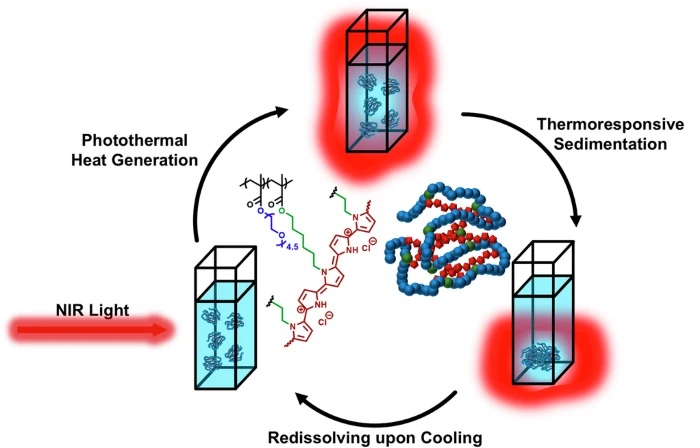
New Ultrasmall, Light-Sensitive Nanoparticles Could Serve as Contrast Agents
Medical imaging technologies face ongoing challenges in capturing accurate, detailed views of internal processes, especially in conditions like cancer, where tracking disease development and treatment... Read more
AI Algorithm Accurately Predicts Pancreatic Cancer Metastasis Using Routine CT Images
In pancreatic cancer, detecting whether the disease has spread to other organs is critical for determining whether surgery is appropriate. If metastasis is present, surgery is not recommended, yet current... Read moreImaging IT
view channel
New Google Cloud Medical Imaging Suite Makes Imaging Healthcare Data More Accessible
Medical imaging is a critical tool used to diagnose patients, and there are billions of medical images scanned globally each year. Imaging data accounts for about 90% of all healthcare data1 and, until... Read more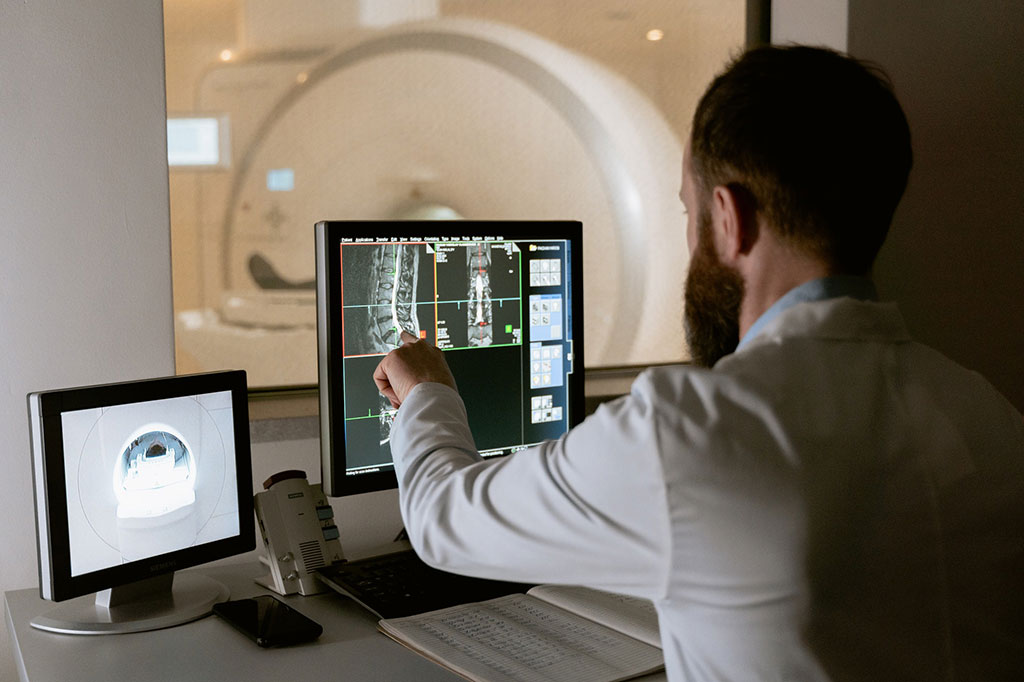
Global AI in Medical Diagnostics Market to Be Driven by Demand for Image Recognition in Radiology
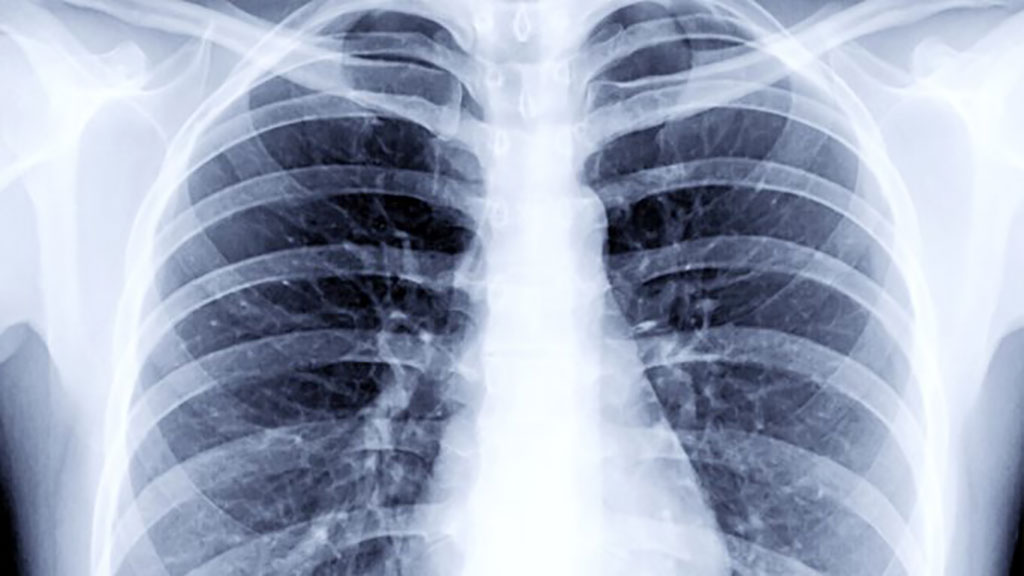
The global artificial intelligence (AI) in medical diagnostics market is expanding with early disease detection being one of its key applications and image recognition becoming a compelling consumer proposition... Read more
Industry News
view channel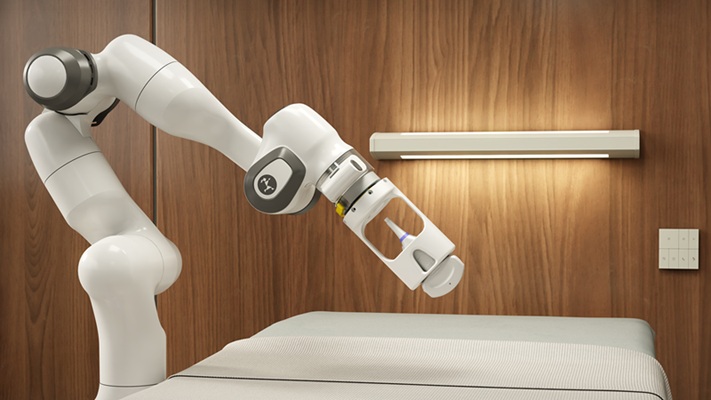
GE HealthCare and NVIDIA Collaboration to Reimagine Diagnostic Imaging
GE HealthCare (Chicago, IL, USA) has entered into a collaboration with NVIDIA (Santa Clara, CA, USA), expanding the existing relationship between the two companies to focus on pioneering innovation in... Read more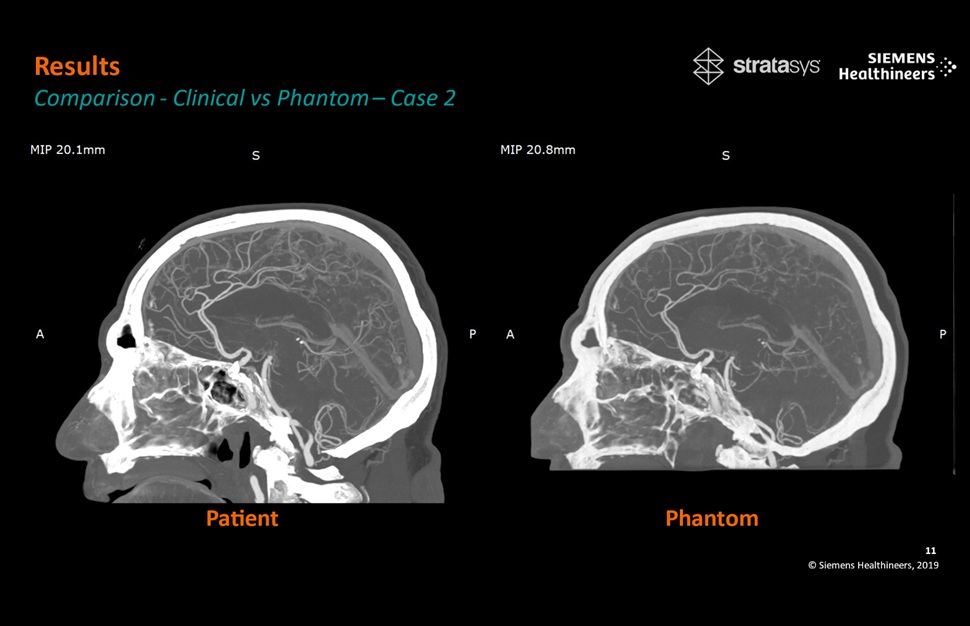
Patient-Specific 3D-Printed Phantoms Transform CT Imaging
New research has highlighted how anatomically precise, patient-specific 3D-printed phantoms are proving to be scalable, cost-effective, and efficient tools in the development of new CT scan algorithms... Read more
Siemens and Sectra Collaborate on Enhancing Radiology Workflows
Siemens Healthineers (Forchheim, Germany) and Sectra (Linköping, Sweden) have entered into a collaboration aimed at enhancing radiologists' diagnostic capabilities and, in turn, improving patient care... Read more