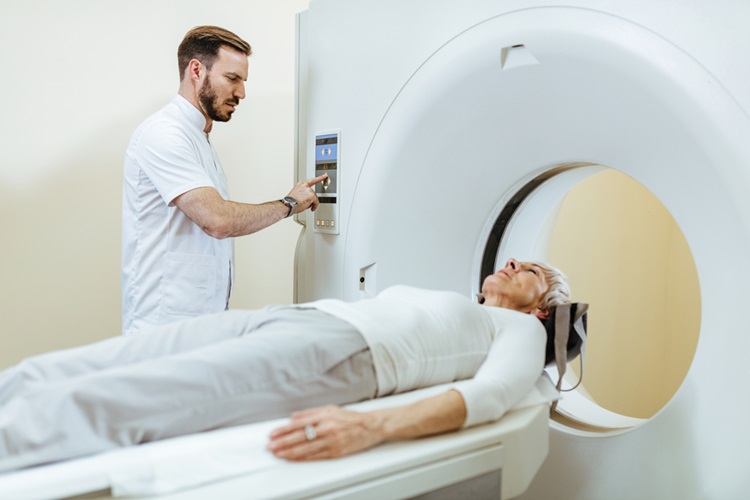



Risks of Medical Imaging Technology Discussed
|
By MedImaging International staff writers Posted on 11 May 2010 |


|
Following the recent studies highlighting potential dangers of ionizing radiation resulting from imaging testing, European medical society experts feel that it is important to voice their support of the technology.
"We want to reassure the public that for individual patients the benefits of receiving an accurate diagnosis are likely to far outweigh the small potential risks involved in having a scan,” said Prof. Juhani Knuuti, of the ESC (European Society of Cardiology; Sophia Antipolis, France) Working Group on Nuclear Cardiology and Cardiac CT, from Turku University Hospital (Turku, Finland). "The most fundamental question that clinicians need to ask themselves is whether a test is appropriate for the individual patient, and whether that patient will derive benefit from it.”
It needs to be remembered, Prof. Knuuti added, that tests such as cardiac computed tomography angiography (CCTA) are used to select patients for invasive procedures that themselves carry risks. "Any procedure is a balance of risks and benefits. What has been overlooked in recent publications is the risk of cardiovascular disease going untreated, which can even result in immediate sudden death. The potential risks of imaging tests are small relative to the diagnostic information obtained,” said Prof. Knuuti. "We have real concerns that following the publicity around the [research], the public may avoid these tests out of fear and that authorities might create unjustified recommendations for imaging use. They need to appreciate that radiation is a single aspect of the risks involved, and that these are really useful tests for cardiologists. Everything needs to be considered in the wider context.”
In 2009, the problems of radiation exposure in patients undergoing medical imaging procedures were raised in three articles in major journals. A Science Advisory statement from the American Heart Association Committee on Cardiac Imaging wrote that between 1980 and 2006 the collective dose from medical uses of radiation received by the US population increased by more than 700%. The study added that in 2006 CTTA accounted for around 50 % of the collective dose.
A study conducted, by Reza Fazel and colleagues, from Emory University School of Medicine (Atlanta, GA, USA), reviewed the radiation exposure of nearly one million US adults aged 18 to 64. The investigators found that 69% of participants had undergone at least one imaging procedure associated with radiation, and that the mean cumulative dose was 2.4 mSv per subject per year. "Our finding, that in some patients worrisome radiation doses from imaging procedures can accumulate over time, underscores the need to improve their use,” reported the investigators, adding that strategies for optimizing and ensuring appropriate use of the procedures in general should be introduced.
A study performed Jorg Hausleiter and colleagues, from Klinik an der Technischen Universitat, (Munich, Germany) reviewed the radiation dose of CCTA from 50 study centers. Results revealed an estimated median radiation dose corresponding to 12 mSv, and furthermore found a six-fold difference in the dose delivered between the highest and lowest centers. "Improved education of physicians and technicians performing CCTA on these dose-saving strategies might be considered to keep the radiation dose 'as low as reasonably achievable' in every patient undergoing CCTA,” concluded the authors.
"It is important,” said Prof. Knuuti, for the public to try to achieve an understanding of exactly what the potential increased cancer risk might involve. "The difficulty involved here is that the risks are so small that you'd never be able to detect them in clinical trials unless you recruited millions of subjects and followed them for the rest of their lifetimes,” he stated, adding that the current risk estimates have been derived from studies of atomic bomb survivors.
One study that helps put the risk of imaging into perspective suggests that living with a smoker (i.e., being a passive smoker) causes a 20 times higher risk of fatal cancer than undergoing one CCTA scan (10 mSv). Another study suggests that the risk of having a fatal pedestrian traffic accident is three times higher than the risk of developing fatal cancer after one CCTA scan.
Cancer risks also need be considered in relation to the patient's age at the time of undergoing the investigation. "For patients with chest pain over the age of 60 years the radiation risks involved are unlikely to have consequences since it takes anyway decades to develop potential adverse events,” stated Prof. Knuuti, adding that the estimated risks would be greater for younger patients.
The next step, according to Prof. Knuuti, is to introduce strategies that reduce the radiation dose received by patients undergoing investigations. The PROTECTION 1 study, for example, showed that reducing the tube voltage from 120 kV to 100 kV resulted in a 53% reduction in the median radiation dose for CCTA. "In the last five years the radiation dose from CCTA has been reduced from 20-30 mSv to 1-5 mSv. So the current dose is much lower than these papers are leading us to believe,” he added.
Furthermore, additional efforts need to be undertaken to ensure appropriate use of imaging tests in different patient populations. "Studies undertaken in the US have suggested that one third of tests are being undertaken in patients where there is not a good indication,” concluded Prof. Knuuti.
Related Links:
European Society of Cardiology




"We want to reassure the public that for individual patients the benefits of receiving an accurate diagnosis are likely to far outweigh the small potential risks involved in having a scan,” said Prof. Juhani Knuuti, of the ESC (European Society of Cardiology; Sophia Antipolis, France) Working Group on Nuclear Cardiology and Cardiac CT, from Turku University Hospital (Turku, Finland). "The most fundamental question that clinicians need to ask themselves is whether a test is appropriate for the individual patient, and whether that patient will derive benefit from it.”
It needs to be remembered, Prof. Knuuti added, that tests such as cardiac computed tomography angiography (CCTA) are used to select patients for invasive procedures that themselves carry risks. "Any procedure is a balance of risks and benefits. What has been overlooked in recent publications is the risk of cardiovascular disease going untreated, which can even result in immediate sudden death. The potential risks of imaging tests are small relative to the diagnostic information obtained,” said Prof. Knuuti. "We have real concerns that following the publicity around the [research], the public may avoid these tests out of fear and that authorities might create unjustified recommendations for imaging use. They need to appreciate that radiation is a single aspect of the risks involved, and that these are really useful tests for cardiologists. Everything needs to be considered in the wider context.”
In 2009, the problems of radiation exposure in patients undergoing medical imaging procedures were raised in three articles in major journals. A Science Advisory statement from the American Heart Association Committee on Cardiac Imaging wrote that between 1980 and 2006 the collective dose from medical uses of radiation received by the US population increased by more than 700%. The study added that in 2006 CTTA accounted for around 50 % of the collective dose.
A study conducted, by Reza Fazel and colleagues, from Emory University School of Medicine (Atlanta, GA, USA), reviewed the radiation exposure of nearly one million US adults aged 18 to 64. The investigators found that 69% of participants had undergone at least one imaging procedure associated with radiation, and that the mean cumulative dose was 2.4 mSv per subject per year. "Our finding, that in some patients worrisome radiation doses from imaging procedures can accumulate over time, underscores the need to improve their use,” reported the investigators, adding that strategies for optimizing and ensuring appropriate use of the procedures in general should be introduced.
A study performed Jorg Hausleiter and colleagues, from Klinik an der Technischen Universitat, (Munich, Germany) reviewed the radiation dose of CCTA from 50 study centers. Results revealed an estimated median radiation dose corresponding to 12 mSv, and furthermore found a six-fold difference in the dose delivered between the highest and lowest centers. "Improved education of physicians and technicians performing CCTA on these dose-saving strategies might be considered to keep the radiation dose 'as low as reasonably achievable' in every patient undergoing CCTA,” concluded the authors.
"It is important,” said Prof. Knuuti, for the public to try to achieve an understanding of exactly what the potential increased cancer risk might involve. "The difficulty involved here is that the risks are so small that you'd never be able to detect them in clinical trials unless you recruited millions of subjects and followed them for the rest of their lifetimes,” he stated, adding that the current risk estimates have been derived from studies of atomic bomb survivors.
One study that helps put the risk of imaging into perspective suggests that living with a smoker (i.e., being a passive smoker) causes a 20 times higher risk of fatal cancer than undergoing one CCTA scan (10 mSv). Another study suggests that the risk of having a fatal pedestrian traffic accident is three times higher than the risk of developing fatal cancer after one CCTA scan.
Cancer risks also need be considered in relation to the patient's age at the time of undergoing the investigation. "For patients with chest pain over the age of 60 years the radiation risks involved are unlikely to have consequences since it takes anyway decades to develop potential adverse events,” stated Prof. Knuuti, adding that the estimated risks would be greater for younger patients.
The next step, according to Prof. Knuuti, is to introduce strategies that reduce the radiation dose received by patients undergoing investigations. The PROTECTION 1 study, for example, showed that reducing the tube voltage from 120 kV to 100 kV resulted in a 53% reduction in the median radiation dose for CCTA. "In the last five years the radiation dose from CCTA has been reduced from 20-30 mSv to 1-5 mSv. So the current dose is much lower than these papers are leading us to believe,” he added.
Furthermore, additional efforts need to be undertaken to ensure appropriate use of imaging tests in different patient populations. "Studies undertaken in the US have suggested that one third of tests are being undertaken in patients where there is not a good indication,” concluded Prof. Knuuti.
Related Links:
European Society of Cardiology

Mammography System (Analog)
MAM VENUS
Half Apron
Demi
Silver Member
X-Ray QA Device
Accu-Gold+ Touch Pro
Diagnostic Ultrasound System
DC-80A
Latest Nuclear Medicine News
- PET Imaging of Inflammation Predicts Recovery and Guides Therapy After Heart Attack
- Radiotheranostic Approach Detects, Kills and Reprograms Aggressive Cancers
- New Imaging Solution Improves Survival for Patients with Recurring Prostate Cancer
- PET Tracer Enables Same-Day Imaging of Triple-Negative Breast and Urothelial Cancers
- New Camera Sees Inside Human Body for Enhanced Scanning and Diagnosis
- Novel Bacteria-Specific PET Imaging Approach Detects Hard-To-Diagnose Lung Infections
- New Imaging Approach Could Reduce Need for Biopsies to Monitor Prostate Cancer
- Novel Radiolabeled Antibody Improves Diagnosis and Treatment of Solid Tumors
- Novel PET Imaging Approach Offers Never-Before-Seen View of Neuroinflammation
- Novel Radiotracer Identifies Biomarker for Triple-Negative Breast Cancer
- Innovative PET Imaging Technique to Help Diagnose Neurodegeneration
- New Molecular Imaging Test to Improve Lung Cancer Diagnosis
- Novel PET Technique Visualizes Spinal Cord Injuries to Predict Recovery
- Next-Gen Tau Radiotracers Outperform FDA-Approved Imaging Agents in Detecting Alzheimer’s
- Breakthrough Method Detects Inflammation in Body Using PET Imaging
- Advanced Imaging Reveals Hidden Metastases in High-Risk Prostate Cancer Patients
Channels
Radiography
view channel
X-Ray Breakthrough Captures Three Image-Contrast Types in Single Shot
Detecting early-stage cancer or subtle changes deep inside tissues has long challenged conventional X-ray systems, which rely only on how structures absorb radiation. This limitation keeps many microstructural... Read more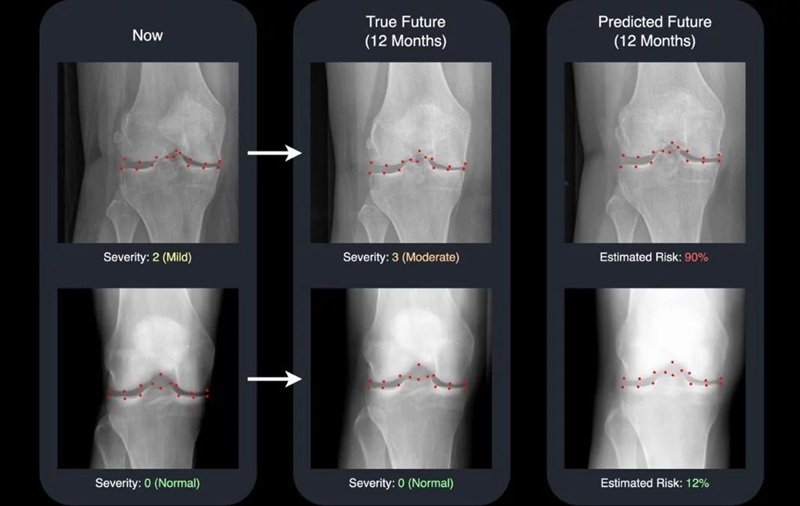
AI Generates Future Knee X-Rays to Predict Osteoarthritis Progression Risk
Osteoarthritis, a degenerative joint disease affecting over 500 million people worldwide, is the leading cause of disability among older adults. Current diagnostic tools allow doctors to assess damage... Read more
MRI
view channel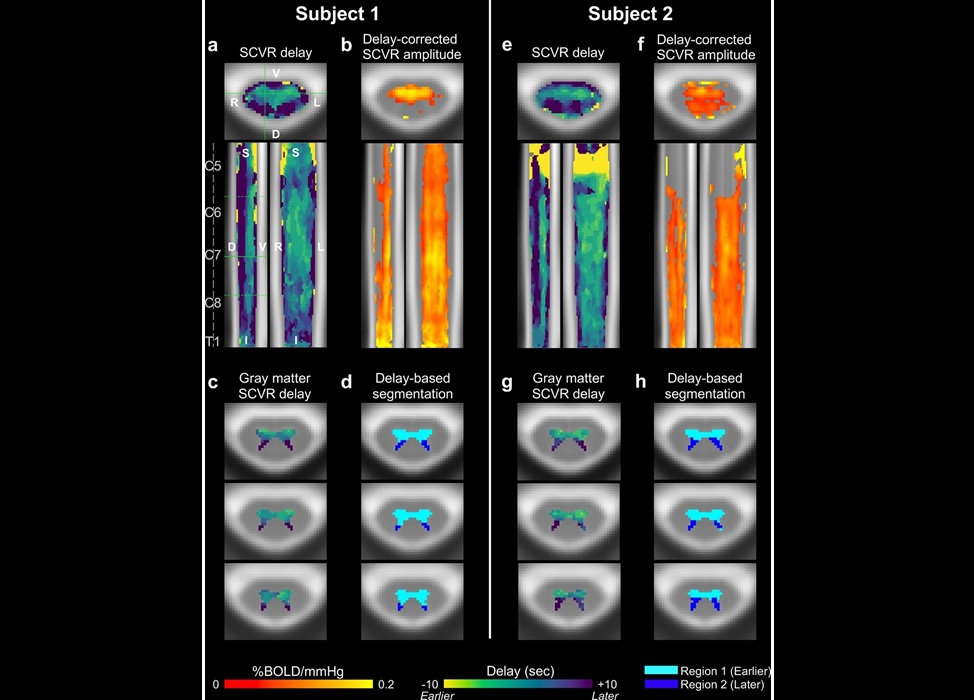
Novel Imaging Approach to Improve Treatment for Spinal Cord Injuries
Vascular dysfunction in the spinal cord contributes to multiple neurological conditions, including traumatic injuries and degenerative cervical myelopathy, where reduced blood flow can lead to progressive... Read more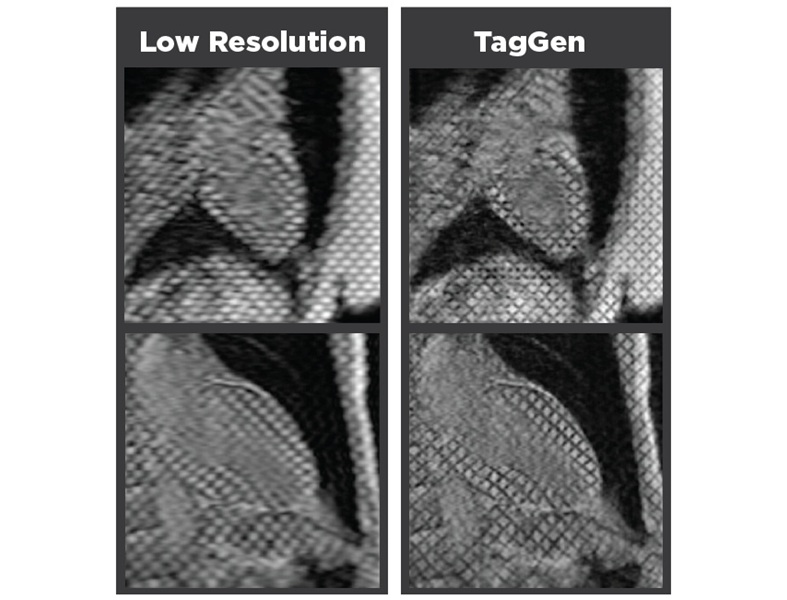
AI-Assisted Model Enhances MRI Heart Scans
A cardiac MRI can reveal critical information about the heart’s function and any abnormalities, but traditional scans take 30 to 90 minutes and often suffer from poor image quality due to patient movement.... Read more
AI Model Outperforms Doctors at Identifying Patients Most At-Risk of Cardiac Arrest
Hypertrophic cardiomyopathy is one of the most common inherited heart conditions and a leading cause of sudden cardiac death in young individuals and athletes. While many patients live normal lives, some... Read more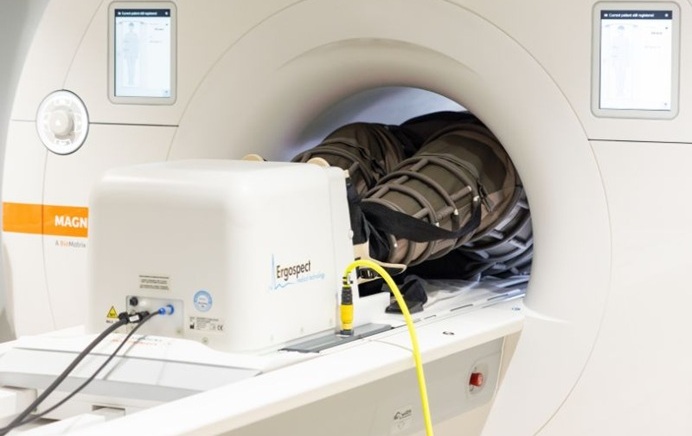
Ultrasound
view channel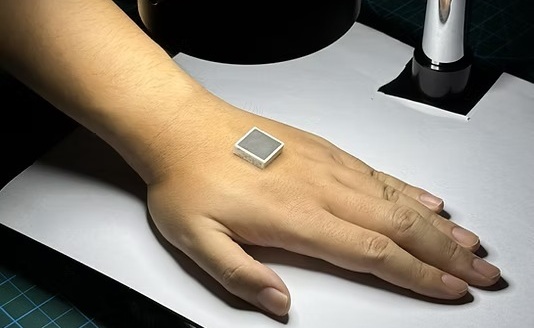
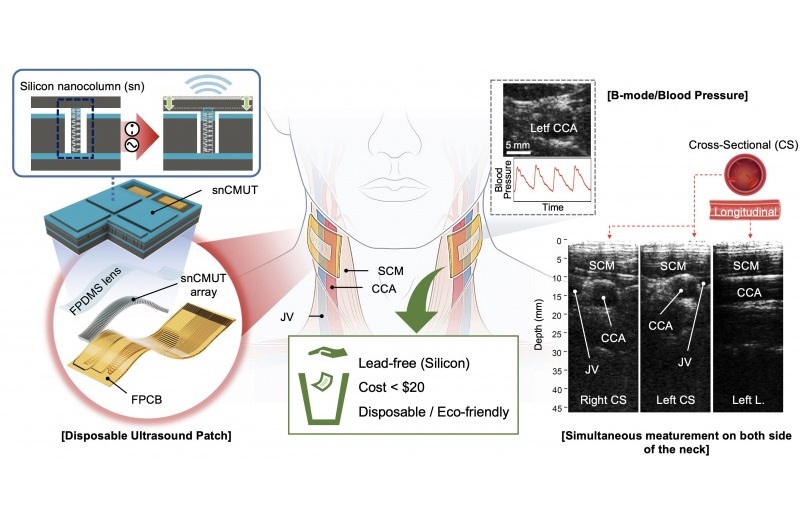
Wearable Ultrasound Imaging System to Enable Real-Time Disease Monitoring
Chronic conditions such as hypertension and heart failure require close monitoring, yet today’s ultrasound imaging is largely confined to hospitals and short, episodic scans. This reactive model limits... Read more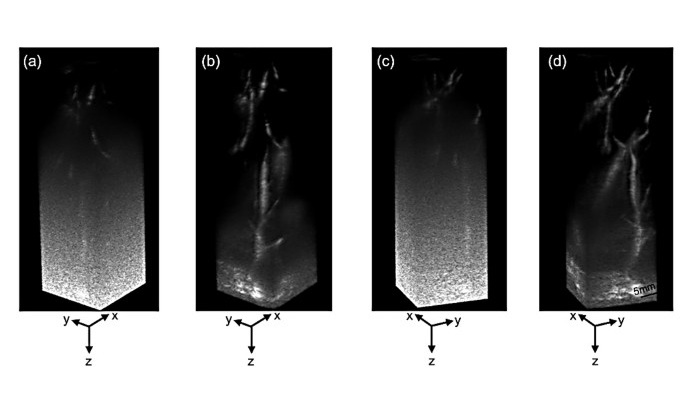
Ultrasound Technique Visualizes Deep Blood Vessels in 3D Without Contrast Agents
Producing clear 3D images of deep blood vessels has long been difficult without relying on contrast agents, CT scans, or MRI. Standard ultrasound typically provides only 2D cross-sections, limiting clinicians’... Read more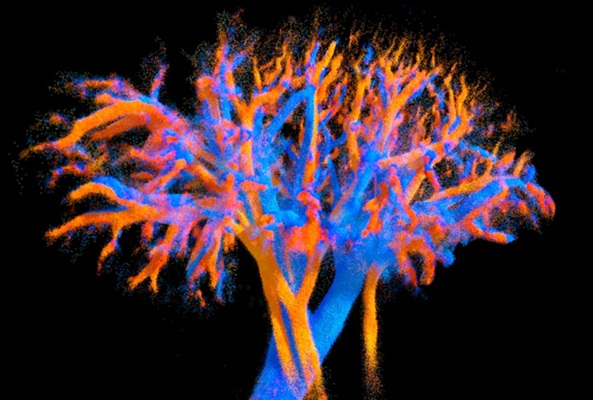
Nuclear Medicine
view channel
PET Imaging of Inflammation Predicts Recovery and Guides Therapy After Heart Attack
Acute myocardial infarction can trigger lasting heart damage, yet clinicians still lack reliable tools to identify which patients will regain function and which may develop heart failure.... Read more
Radiotheranostic Approach Detects, Kills and Reprograms Aggressive Cancers
Aggressive cancers such as osteosarcoma and glioblastoma often resist standard therapies, thrive in hostile tumor environments, and recur despite surgery, radiation, or chemotherapy. These tumors also... Read more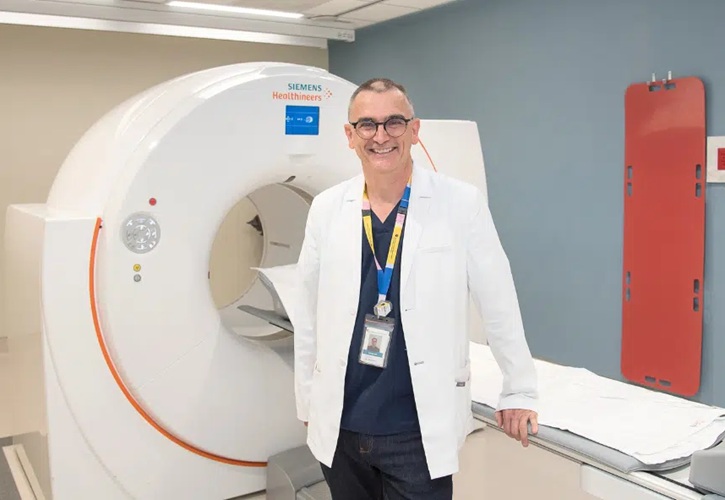
New Imaging Solution Improves Survival for Patients with Recurring Prostate Cancer
Detecting recurrent prostate cancer remains one of the most difficult challenges in oncology, as standard imaging methods such as bone scans and CT scans often fail to accurately locate small or early-stage tumors.... Read more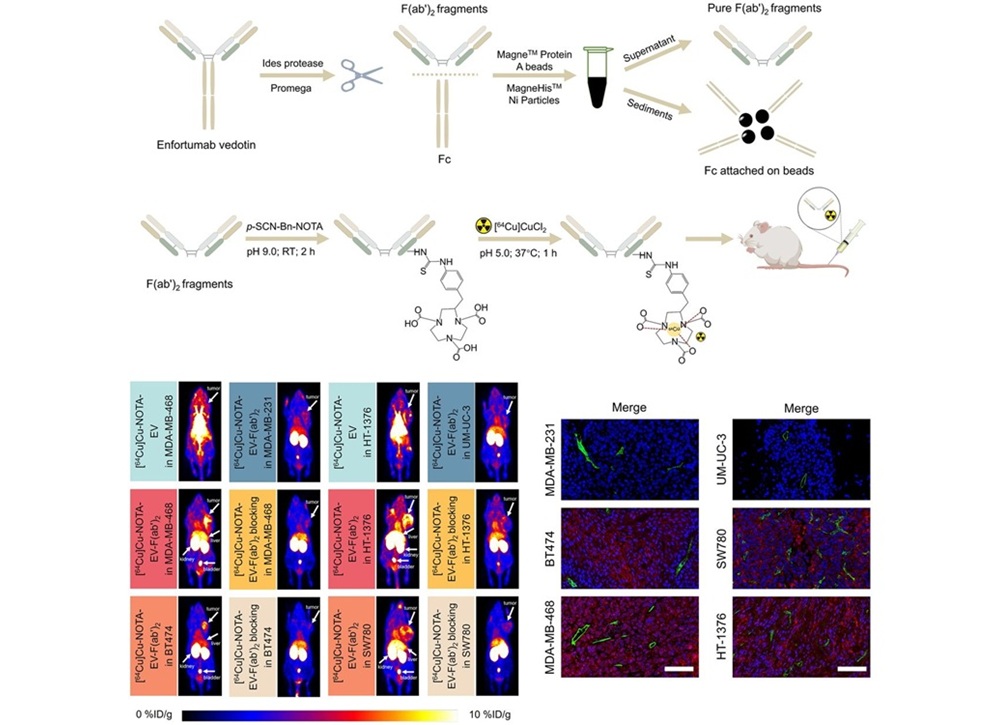
Imaging IT
view channel
New Google Cloud Medical Imaging Suite Makes Imaging Healthcare Data More Accessible
Medical imaging is a critical tool used to diagnose patients, and there are billions of medical images scanned globally each year. Imaging data accounts for about 90% of all healthcare data1 and, until... Read more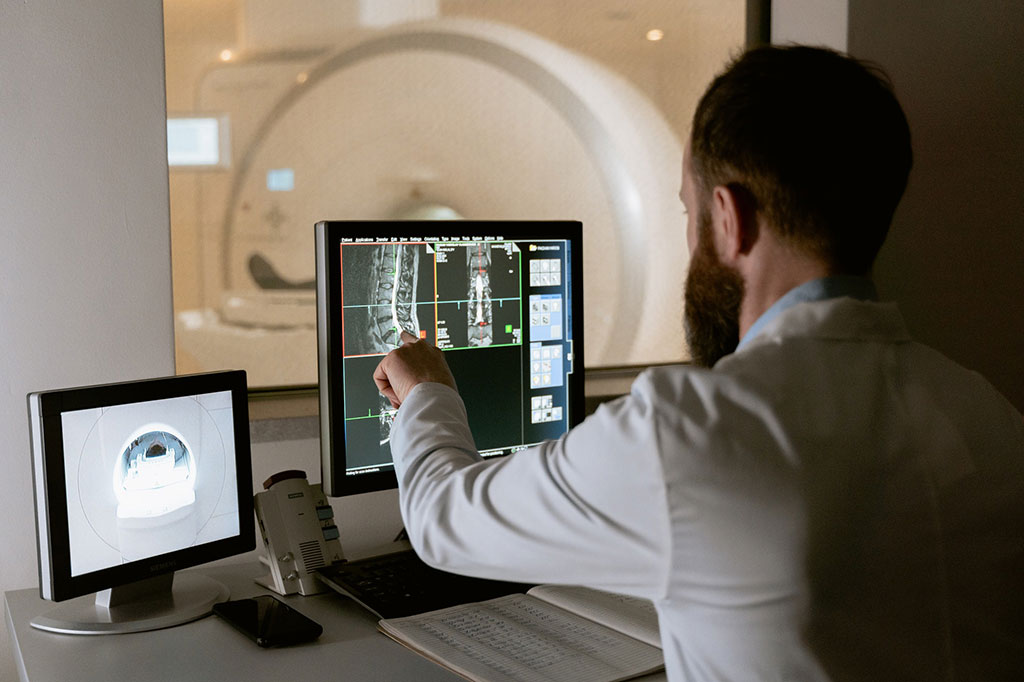
Global AI in Medical Diagnostics Market to Be Driven by Demand for Image Recognition in Radiology
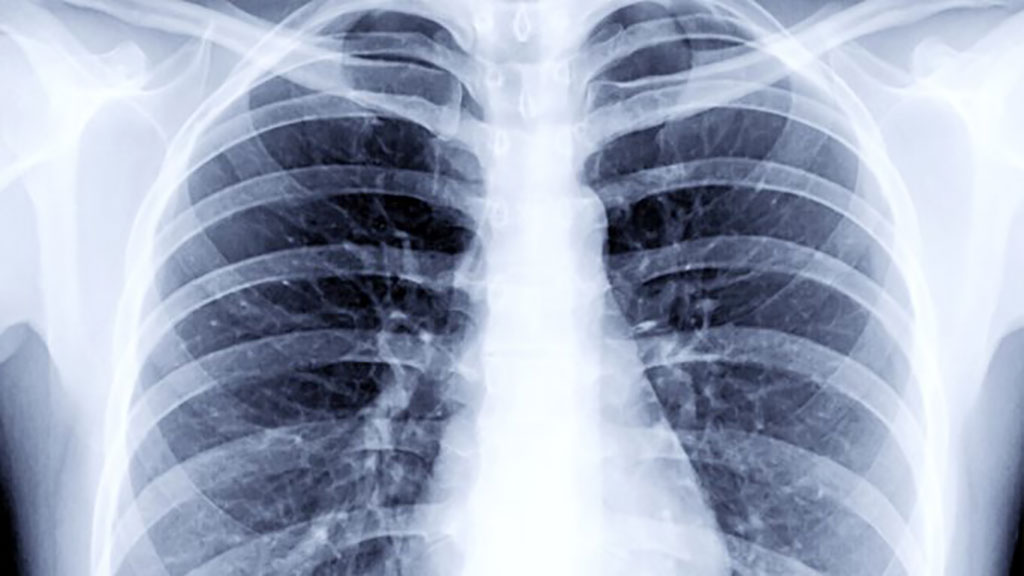
The global artificial intelligence (AI) in medical diagnostics market is expanding with early disease detection being one of its key applications and image recognition becoming a compelling consumer proposition... Read more
Industry News
view channel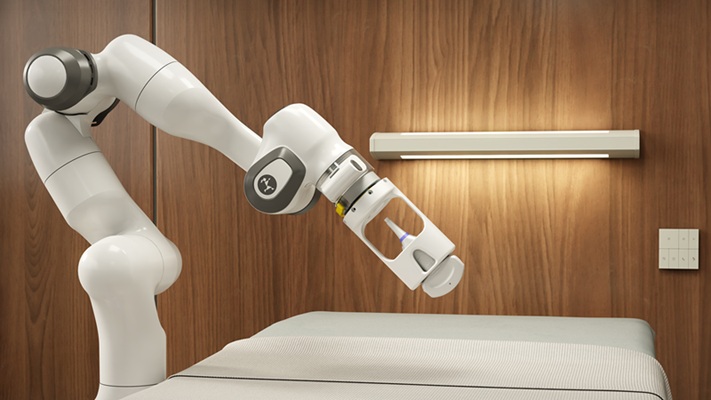
GE HealthCare and NVIDIA Collaboration to Reimagine Diagnostic Imaging
GE HealthCare (Chicago, IL, USA) has entered into a collaboration with NVIDIA (Santa Clara, CA, USA), expanding the existing relationship between the two companies to focus on pioneering innovation in... Read more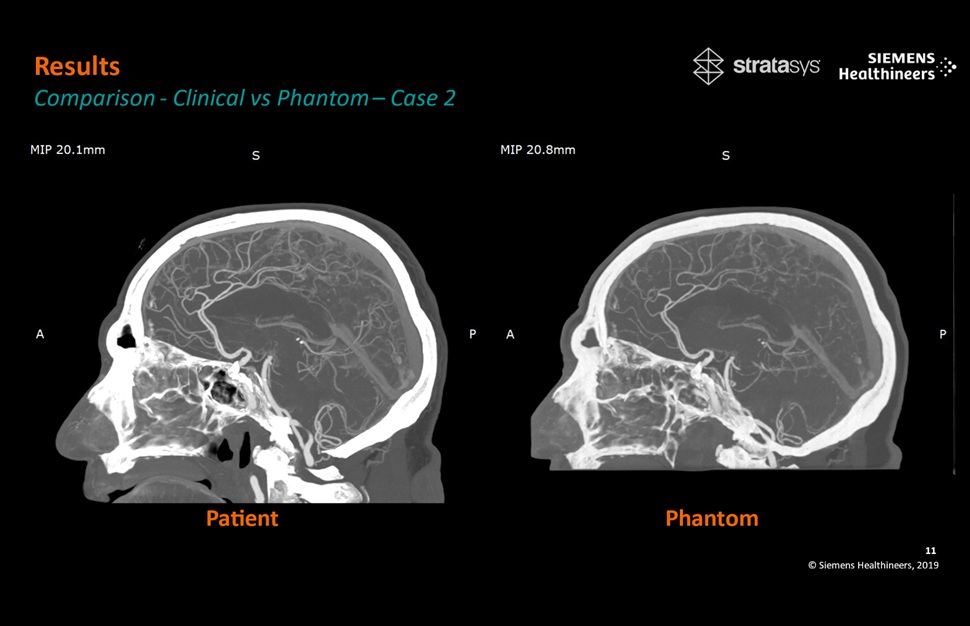
Patient-Specific 3D-Printed Phantoms Transform CT Imaging
New research has highlighted how anatomically precise, patient-specific 3D-printed phantoms are proving to be scalable, cost-effective, and efficient tools in the development of new CT scan algorithms... Read more
Siemens and Sectra Collaborate on Enhancing Radiology Workflows
Siemens Healthineers (Forchheim, Germany) and Sectra (Linköping, Sweden) have entered into a collaboration aimed at enhancing radiologists' diagnostic capabilities and, in turn, improving patient care... Read more