


Maternal History May Explain Higher Risk of Alzheimer's
|
By MedImaging International staff writers Posted on 20 Apr 2010 |


|
A family history of Alzheimer's disease (AD) is one of the most significant risk factors for developing the disease, which is the most common form of senile dementia. Now an international collaboration of researchers has found the likely basis for this increased familial risk--particularly from the maternal side.
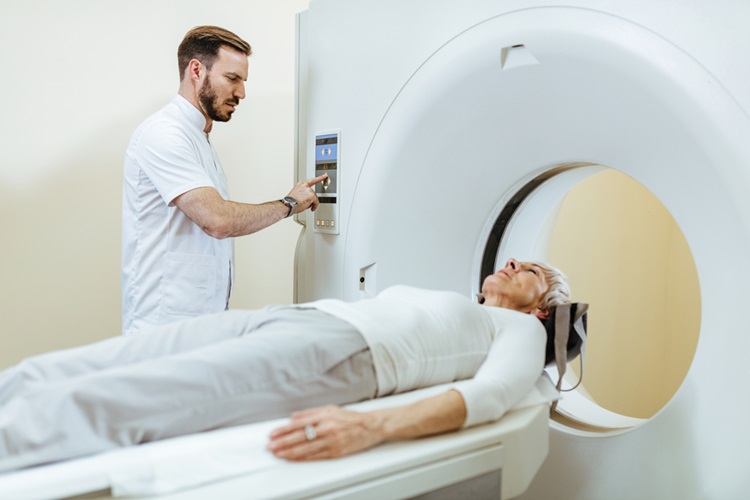
Aided by a new version of a brain scanning technique, the researchers, led by New York University (NYU) Langone Medical Center (New York, NY, USA), discovered a far greater number of protein clumps linked to the disease among healthy adult children of parents with AD compared to counterparts with no family history of dementia. The average increase in these clumps, called amyloid-beta plaques, was especially evident among study volunteers whose mothers had been diagnosed with the disease. The plaques appeared throughout most areas of the brain.
The study examined 42 healthy individuals, including 14 whose mothers had Alzheimer's, 14 whose fathers had Alzheimer's, and 14 counterparts with no family history of the disease. On average, the first group of volunteers showed a 15% higher burden of amyloid-beta deposits than those with a paternal family history, and a 20% higher burden of the protein clumps than those with no familial risk factors.
The new findings published in the March 15, 2010, online early edition of the journal Proceedings of the [U.S.] National Academy of Sciences (PNAS), may help clarify why family history is such a big risk factor for the disease, as individuals with an affected parent have a 4- to 10-fold greater risk than those with no family history for Alzheimer's.
The study was led by Lisa Mosconi, Ph.D., research assistant professor of psychiatry at NYU Langone, and colleagues at NYU Langone who collaborated with researchers at the University of Turku in Finland, and Weill Cornell Medical Center in New York (NY, USA). "Given that brain pathology begins to accumulate years ahead of memory problems in Alzheimer's disease, our findings are intriguing,” said Dr. Mosconi. "There is a great effort underway to find early markers of disease, before symptoms appear, so that therapeutic approaches will one day delay or ultimately prevent this disease.”
Amyloid plaques are one of the hallmarks of AD, although not everyone with plaques develops the disease. For many years, amyloid-beta plaques could only be measured in autopsied brains, but methods have recently emerged that allow the plaques to be observed in living brains.
The new study combines positron emission tomography (PET) imaging with a fluorescent dye called Pittsburgh Compound B (PiB) that highlights brain amyloid plaques, enabling researchers to see the deposits. The dye attaches to plaques and acts like a temporary beacon to highlight their presence during a PET scan. Dr. Mosconi cautioned that her team's imaging technique is a potentially powerful research tool and is not ready for use as a diagnostic tool in the clinic.
Plaques begin forming in the brain when, for unknown reasons, normal amyloid-beta proteins change their shape and structure and begin sticking together. The presence of plaques, however, does not necessarily mean an individual will develop Alzheimer's, and much of the harm may arrive well before the plaques appear--no one can yet say whether they are a cause or a consequence of the disease.
No one yet knows why the deposits were more common among children of parents with the disease in the study, but Dr. Mosconi suspects that a genetic process is involved. "At this point, we can only speculate that genes that are transmitted from parents, particularly mothers, to their children lead to amyloid depositions, which increase risk for developing dementia,” she stated..
Dr. Mosconi and her colleagues hope to follow the study's 42 volunteers and more subjects over time to analyze the link between plaque formation and AD. For those who never develop dementia, she similarly hopes to determine what preventive factors may be neutralizing the bad effects of amyloid on the brain.
The scanning technique used in the new study also provides more evidence supporting a maternal family link to AD, explained Dr. Mosconi; whose previous studies have shown such a link based on reduced glucose metabolism in the brains of healthy adults whose mothers had the disease.
"This imaging study further anchors the risk for Alzheimer's disease associated with having a mother affected by the disease,” noted Mony J. de Leon, Ed.D., professor of psychiatry and director of the Center for Brain Health at NYU Langone Medical Center, and one of the study's authors.
Related Links:
New York University Langone Medical Center






Aided by a new version of a brain scanning technique, the researchers, led by New York University (NYU) Langone Medical Center (New York, NY, USA), discovered a far greater number of protein clumps linked to the disease among healthy adult children of parents with AD compared to counterparts with no family history of dementia. The average increase in these clumps, called amyloid-beta plaques, was especially evident among study volunteers whose mothers had been diagnosed with the disease. The plaques appeared throughout most areas of the brain.
The study examined 42 healthy individuals, including 14 whose mothers had Alzheimer's, 14 whose fathers had Alzheimer's, and 14 counterparts with no family history of the disease. On average, the first group of volunteers showed a 15% higher burden of amyloid-beta deposits than those with a paternal family history, and a 20% higher burden of the protein clumps than those with no familial risk factors.
The new findings published in the March 15, 2010, online early edition of the journal Proceedings of the [U.S.] National Academy of Sciences (PNAS), may help clarify why family history is such a big risk factor for the disease, as individuals with an affected parent have a 4- to 10-fold greater risk than those with no family history for Alzheimer's.
The study was led by Lisa Mosconi, Ph.D., research assistant professor of psychiatry at NYU Langone, and colleagues at NYU Langone who collaborated with researchers at the University of Turku in Finland, and Weill Cornell Medical Center in New York (NY, USA). "Given that brain pathology begins to accumulate years ahead of memory problems in Alzheimer's disease, our findings are intriguing,” said Dr. Mosconi. "There is a great effort underway to find early markers of disease, before symptoms appear, so that therapeutic approaches will one day delay or ultimately prevent this disease.”
Amyloid plaques are one of the hallmarks of AD, although not everyone with plaques develops the disease. For many years, amyloid-beta plaques could only be measured in autopsied brains, but methods have recently emerged that allow the plaques to be observed in living brains.
The new study combines positron emission tomography (PET) imaging with a fluorescent dye called Pittsburgh Compound B (PiB) that highlights brain amyloid plaques, enabling researchers to see the deposits. The dye attaches to plaques and acts like a temporary beacon to highlight their presence during a PET scan. Dr. Mosconi cautioned that her team's imaging technique is a potentially powerful research tool and is not ready for use as a diagnostic tool in the clinic.
Plaques begin forming in the brain when, for unknown reasons, normal amyloid-beta proteins change their shape and structure and begin sticking together. The presence of plaques, however, does not necessarily mean an individual will develop Alzheimer's, and much of the harm may arrive well before the plaques appear--no one can yet say whether they are a cause or a consequence of the disease.
No one yet knows why the deposits were more common among children of parents with the disease in the study, but Dr. Mosconi suspects that a genetic process is involved. "At this point, we can only speculate that genes that are transmitted from parents, particularly mothers, to their children lead to amyloid depositions, which increase risk for developing dementia,” she stated..
Dr. Mosconi and her colleagues hope to follow the study's 42 volunteers and more subjects over time to analyze the link between plaque formation and AD. For those who never develop dementia, she similarly hopes to determine what preventive factors may be neutralizing the bad effects of amyloid on the brain.
The scanning technique used in the new study also provides more evidence supporting a maternal family link to AD, explained Dr. Mosconi; whose previous studies have shown such a link based on reduced glucose metabolism in the brains of healthy adults whose mothers had the disease.
"This imaging study further anchors the risk for Alzheimer's disease associated with having a mother affected by the disease,” noted Mony J. de Leon, Ed.D., professor of psychiatry and director of the Center for Brain Health at NYU Langone Medical Center, and one of the study's authors.
Related Links:
New York University Langone Medical Center

High-Precision QA Tool
DEXA Phantom
Radiation Safety Barrier
RayShield Intensi-Barrier
MRI System
nanoScan MRI 3T/7T
Ultrasound Table
Women’s Ultrasound EA Table
Latest Nuclear Medicine News
- PET Imaging of Inflammation Predicts Recovery and Guides Therapy After Heart Attack
- Radiotheranostic Approach Detects, Kills and Reprograms Aggressive Cancers
- New Imaging Solution Improves Survival for Patients with Recurring Prostate Cancer
- PET Tracer Enables Same-Day Imaging of Triple-Negative Breast and Urothelial Cancers
- New Camera Sees Inside Human Body for Enhanced Scanning and Diagnosis
- Novel Bacteria-Specific PET Imaging Approach Detects Hard-To-Diagnose Lung Infections
- New Imaging Approach Could Reduce Need for Biopsies to Monitor Prostate Cancer
- Novel Radiolabeled Antibody Improves Diagnosis and Treatment of Solid Tumors
- Novel PET Imaging Approach Offers Never-Before-Seen View of Neuroinflammation
- Novel Radiotracer Identifies Biomarker for Triple-Negative Breast Cancer
- Innovative PET Imaging Technique to Help Diagnose Neurodegeneration
- New Molecular Imaging Test to Improve Lung Cancer Diagnosis
- Novel PET Technique Visualizes Spinal Cord Injuries to Predict Recovery
- Next-Gen Tau Radiotracers Outperform FDA-Approved Imaging Agents in Detecting Alzheimer’s
- Breakthrough Method Detects Inflammation in Body Using PET Imaging
- Advanced Imaging Reveals Hidden Metastases in High-Risk Prostate Cancer Patients
Channels
Radiography
view channel
X-Ray Breakthrough Captures Three Image-Contrast Types in Single Shot
Detecting early-stage cancer or subtle changes deep inside tissues has long challenged conventional X-ray systems, which rely only on how structures absorb radiation. This limitation keeps many microstructural... Read more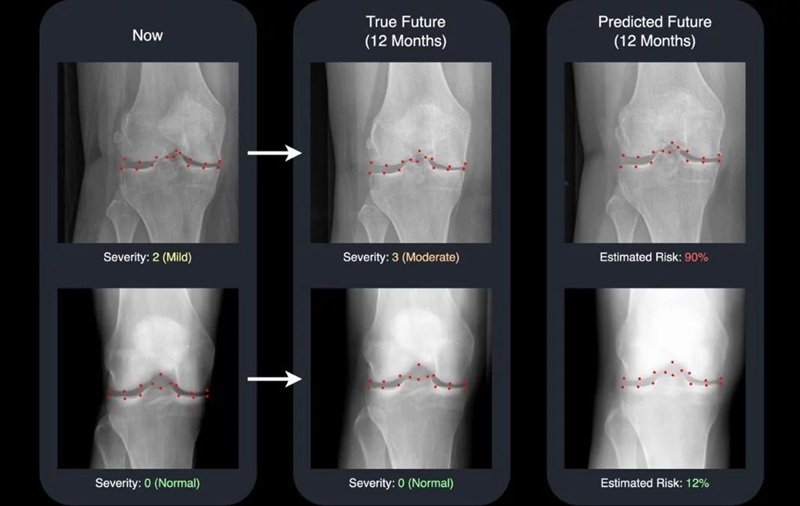
AI Generates Future Knee X-Rays to Predict Osteoarthritis Progression Risk
Osteoarthritis, a degenerative joint disease affecting over 500 million people worldwide, is the leading cause of disability among older adults. Current diagnostic tools allow doctors to assess damage... Read more
MRI
view channel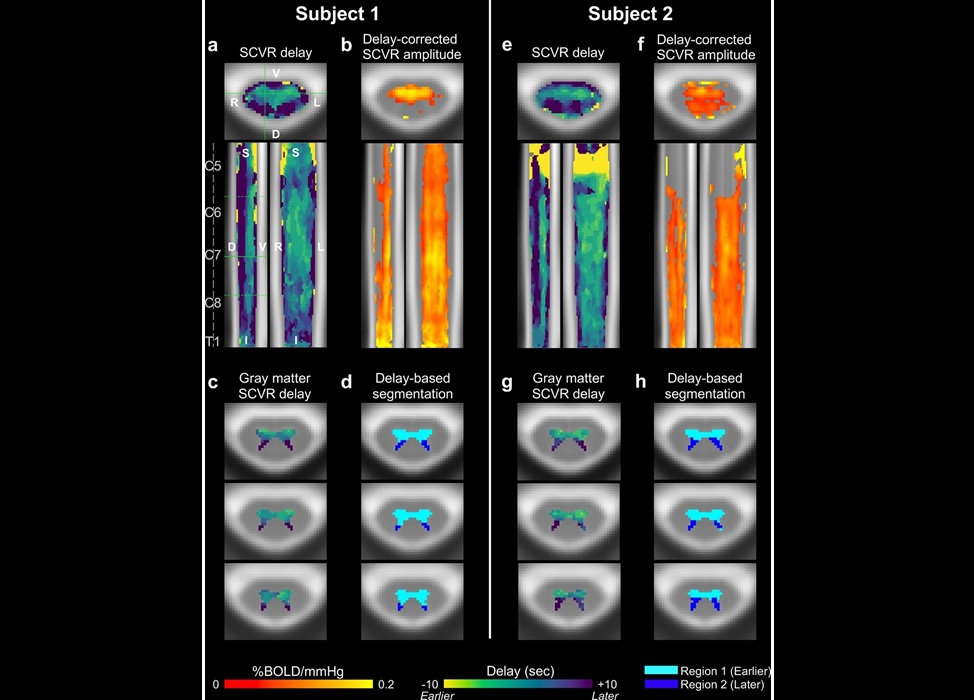
Novel Imaging Approach to Improve Treatment for Spinal Cord Injuries
Vascular dysfunction in the spinal cord contributes to multiple neurological conditions, including traumatic injuries and degenerative cervical myelopathy, where reduced blood flow can lead to progressive... Read more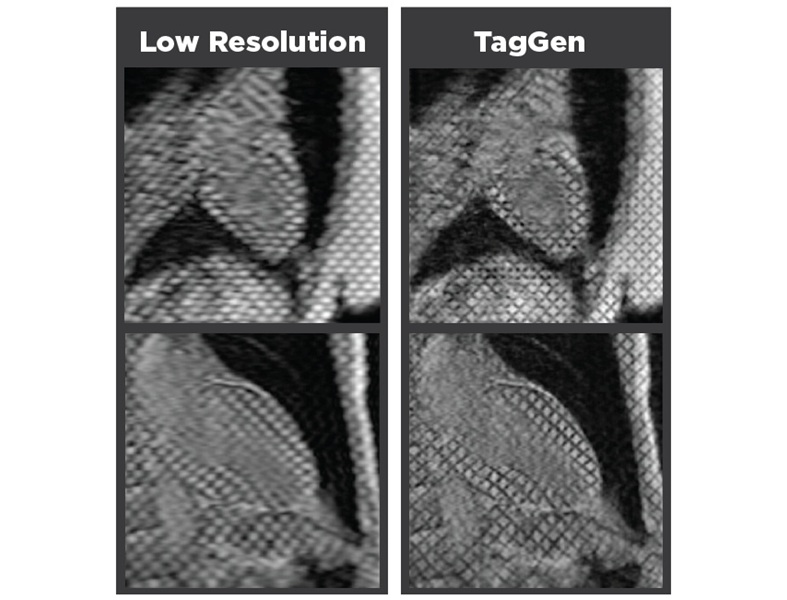
AI-Assisted Model Enhances MRI Heart Scans
A cardiac MRI can reveal critical information about the heart’s function and any abnormalities, but traditional scans take 30 to 90 minutes and often suffer from poor image quality due to patient movement.... Read more
AI Model Outperforms Doctors at Identifying Patients Most At-Risk of Cardiac Arrest
Hypertrophic cardiomyopathy is one of the most common inherited heart conditions and a leading cause of sudden cardiac death in young individuals and athletes. While many patients live normal lives, some... Read more
Ultrasound
view channel
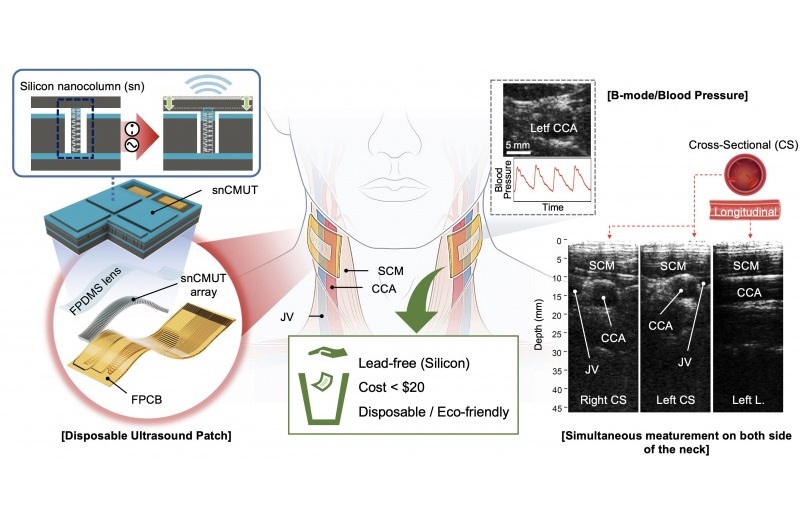
Wearable Ultrasound Imaging System to Enable Real-Time Disease Monitoring
Chronic conditions such as hypertension and heart failure require close monitoring, yet today’s ultrasound imaging is largely confined to hospitals and short, episodic scans. This reactive model limits... Read more
Ultrasound Technique Visualizes Deep Blood Vessels in 3D Without Contrast Agents
Producing clear 3D images of deep blood vessels has long been difficult without relying on contrast agents, CT scans, or MRI. Standard ultrasound typically provides only 2D cross-sections, limiting clinicians’... Read more
General/Advanced Imaging
view channel
3D Scanning Approach Enables Ultra-Precise Brain Surgery
Precise navigation is critical in neurosurgery, yet even small alignment errors can affect outcomes when operating deep within the brain. A new 3D surface-scanning approach now provides a radiation-free... Read more
AI Tool Improves Medical Imaging Process by 90%
Accurately labeling different regions within medical scans, a process known as medical image segmentation, is critical for diagnosis, surgery planning, and research. Traditionally, this has been a manual... Read more
New Ultrasmall, Light-Sensitive Nanoparticles Could Serve as Contrast Agents
Medical imaging technologies face ongoing challenges in capturing accurate, detailed views of internal processes, especially in conditions like cancer, where tracking disease development and treatment... Read more
AI Algorithm Accurately Predicts Pancreatic Cancer Metastasis Using Routine CT Images
In pancreatic cancer, detecting whether the disease has spread to other organs is critical for determining whether surgery is appropriate. If metastasis is present, surgery is not recommended, yet current... Read moreImaging IT
view channel
New Google Cloud Medical Imaging Suite Makes Imaging Healthcare Data More Accessible
Medical imaging is a critical tool used to diagnose patients, and there are billions of medical images scanned globally each year. Imaging data accounts for about 90% of all healthcare data1 and, until... Read more
Global AI in Medical Diagnostics Market to Be Driven by Demand for Image Recognition in Radiology
The global artificial intelligence (AI) in medical diagnostics market is expanding with early disease detection being one of its key applications and image recognition becoming a compelling consumer proposition... Read more
Industry News
view channel
GE HealthCare and NVIDIA Collaboration to Reimagine Diagnostic Imaging
GE HealthCare (Chicago, IL, USA) has entered into a collaboration with NVIDIA (Santa Clara, CA, USA), expanding the existing relationship between the two companies to focus on pioneering innovation in... Read more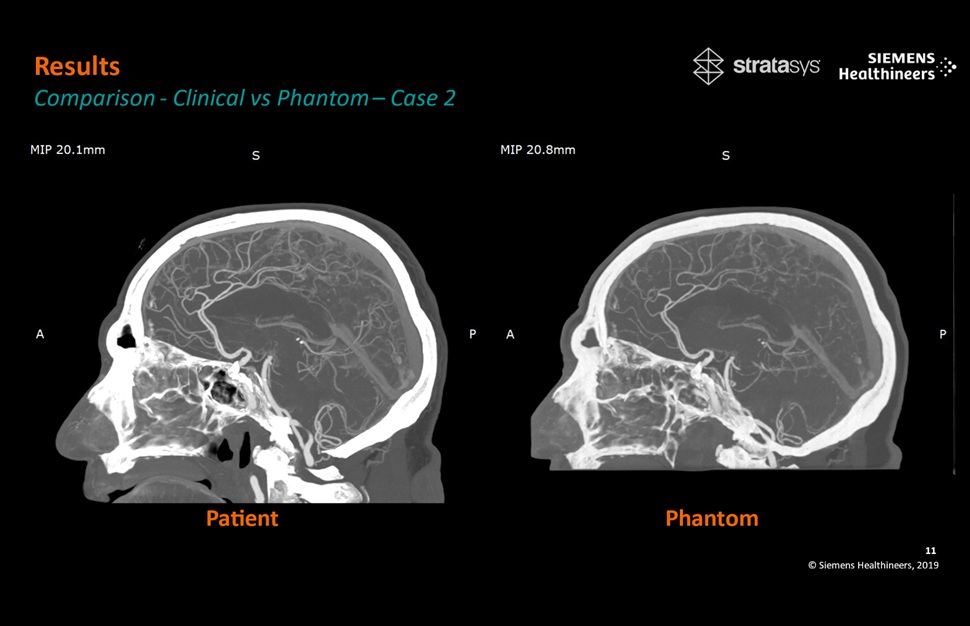
Patient-Specific 3D-Printed Phantoms Transform CT Imaging
New research has highlighted how anatomically precise, patient-specific 3D-printed phantoms are proving to be scalable, cost-effective, and efficient tools in the development of new CT scan algorithms... Read more
Siemens and Sectra Collaborate on Enhancing Radiology Workflows
Siemens Healthineers (Forchheim, Germany) and Sectra (Linköping, Sweden) have entered into a collaboration aimed at enhancing radiologists' diagnostic capabilities and, in turn, improving patient care... Read more