


UK Project Promises Earlier Detection of Brain Tumors
|
By MedImaging International staff writers Posted on 06 Apr 2010 |


|
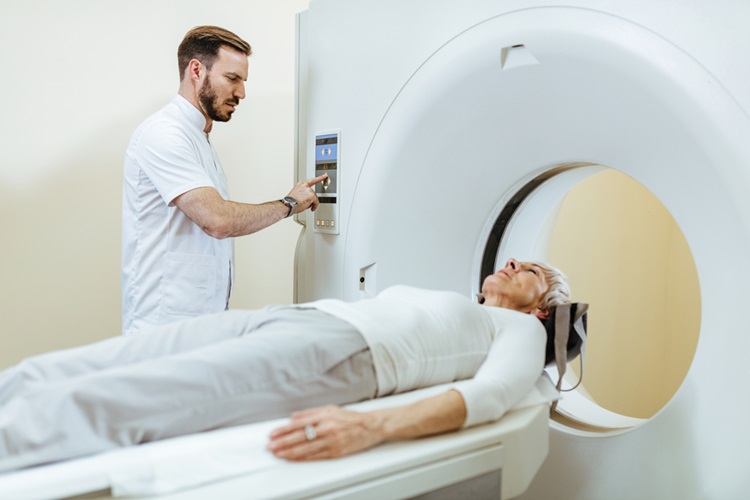
Time taken to detect brain tumors could soon be significantly reduced due to British scientists, who are developing the technology for next-generation single photon emission computed tomography (SPECT) imaging that is set to transform the medical imaging process, improving future diagnosis of cancer and the probability of successful cancer therapy while enabling a higher throughput of patients in hospitals.
The research, called Project ProSPECTus, is an ongoing pioneering project led by the University of Liverpool (UK) with the nuclear physics group and technology departments at the Science and Technology Facilities Council (STFC) at Daresbury Laboratory (Daresbury, Cheshire, UK) Project.
Project ProSPECTus is based on a form of imaging known as SPECT that detects gamma rays emitted by a tiny amount of a radioactive pharmaceutical that is injected into the body. SPECT is a widely used modality of imaging in many areas of medicine providing three-dimensional (3D) functional information about the body, which is typically presented as cross-sectional slices through the patient. It is most commonly used to assess the functioning of the heart or for the detection of tumors. Traditionally, SPECT imaging uses what is known as an Anger camera, which relies on a collimator, a filtering device with many small holes, which lets only some gamma rays through and relies on geometry to identify precisely where they are coming from in order to construct an image of a biologic process happening inside the patient.
However, ProSPECTus has taken a fundamentally different approach and has developed its technology based on what is known as the Compton camera. This identifies the origin of the gamma rays without the use of a collimator, meaning that much less of the radiation used in the process is wasted, so the radiation is used more efficiently. It has not been possible to do this successfully before. However, utilizing new, sophisticated detector systems, ProSPECTus is building a prototype SPECT imaging system, using the Compton camera principle that is 100 times more sensitive than the existing clinical SPECT systems. This increased sensitivity offers two benefits: either the dose of radiation administered to the patient could be reduced or alternatively more patients could be scanned by one machine in a day if the current dose is used.
These new cutting-edge detector systems, designed by the University of Liverpool's nuclear physics research group alongside the nuclear physics group at STFC Daresbury Laboratory, are a direct spin out of AGATA (advanced gamma tracking array), a nuclear physics research and development project with the aim of building the next-generation gamma-ray spectrometer. ProSPECTus is funded from STFC's Particle and Nuclear Physics Applied Systems (PNPAS) program, a scheme aimed at exploiting techniques developed in blue-skies basic research projects such as AGATA to generate knowledge exchange into the areas of health, security, and energy applications.
Dr. Andy Boston, the project spokesperson, at the University of Liverpool, said, "Not only is ProSPECTus' technology a hundred times more sensitive than that of the traditional Compton camera, it is unique in that it will also be possible to operate it simultaneously with MRI [magnetic resonance imaging], which has never been an option due to the MRI's strong magnetic field. In fact, it will be possible to fit this SPECT system retrospectively to the 350 or so existing MRI scanners across the UK. For patients this means fewer appointments, earlier and more effective diagnosis of tumors, which means higher probability of effective treatment. The higher sensitivity camera also offers the scope for shorter imaging time and lower doses of radiation, which is highly beneficial for patients who require frequent scanning. For clinicians, this means that more patients can be seen in a day. This is a truly collaborative effort between the nuclear physics groups both at the University of Liverpool and STFC Daresbury Laboratory, working with STFC's Technology teams who will design and build the detector cryostat and with the essential support from Liverpool's Magnetic Resonance & Image Analysis Research Center [MARIARC] who provide the MRI expertise.”
Ian Lazarus, of STFC's nuclear physics team at Daresbury Laboratory, said, "ProSPECTus has taken the abilities of the Compton imager to a new level. This is a particularly exciting example of how technology emerging from one nuclear physics project, in this case, AGATA, can have a direct and positive impact on the future wellbeing of our society.”
Related Links:
University of Liverpool
Science and Technology Facilities Council
Daresbury Laboratory




The research, called Project ProSPECTus, is an ongoing pioneering project led by the University of Liverpool (UK) with the nuclear physics group and technology departments at the Science and Technology Facilities Council (STFC) at Daresbury Laboratory (Daresbury, Cheshire, UK) Project.
Project ProSPECTus is based on a form of imaging known as SPECT that detects gamma rays emitted by a tiny amount of a radioactive pharmaceutical that is injected into the body. SPECT is a widely used modality of imaging in many areas of medicine providing three-dimensional (3D) functional information about the body, which is typically presented as cross-sectional slices through the patient. It is most commonly used to assess the functioning of the heart or for the detection of tumors. Traditionally, SPECT imaging uses what is known as an Anger camera, which relies on a collimator, a filtering device with many small holes, which lets only some gamma rays through and relies on geometry to identify precisely where they are coming from in order to construct an image of a biologic process happening inside the patient.
However, ProSPECTus has taken a fundamentally different approach and has developed its technology based on what is known as the Compton camera. This identifies the origin of the gamma rays without the use of a collimator, meaning that much less of the radiation used in the process is wasted, so the radiation is used more efficiently. It has not been possible to do this successfully before. However, utilizing new, sophisticated detector systems, ProSPECTus is building a prototype SPECT imaging system, using the Compton camera principle that is 100 times more sensitive than the existing clinical SPECT systems. This increased sensitivity offers two benefits: either the dose of radiation administered to the patient could be reduced or alternatively more patients could be scanned by one machine in a day if the current dose is used.
These new cutting-edge detector systems, designed by the University of Liverpool's nuclear physics research group alongside the nuclear physics group at STFC Daresbury Laboratory, are a direct spin out of AGATA (advanced gamma tracking array), a nuclear physics research and development project with the aim of building the next-generation gamma-ray spectrometer. ProSPECTus is funded from STFC's Particle and Nuclear Physics Applied Systems (PNPAS) program, a scheme aimed at exploiting techniques developed in blue-skies basic research projects such as AGATA to generate knowledge exchange into the areas of health, security, and energy applications.
Dr. Andy Boston, the project spokesperson, at the University of Liverpool, said, "Not only is ProSPECTus' technology a hundred times more sensitive than that of the traditional Compton camera, it is unique in that it will also be possible to operate it simultaneously with MRI [magnetic resonance imaging], which has never been an option due to the MRI's strong magnetic field. In fact, it will be possible to fit this SPECT system retrospectively to the 350 or so existing MRI scanners across the UK. For patients this means fewer appointments, earlier and more effective diagnosis of tumors, which means higher probability of effective treatment. The higher sensitivity camera also offers the scope for shorter imaging time and lower doses of radiation, which is highly beneficial for patients who require frequent scanning. For clinicians, this means that more patients can be seen in a day. This is a truly collaborative effort between the nuclear physics groups both at the University of Liverpool and STFC Daresbury Laboratory, working with STFC's Technology teams who will design and build the detector cryostat and with the essential support from Liverpool's Magnetic Resonance & Image Analysis Research Center [MARIARC] who provide the MRI expertise.”
Ian Lazarus, of STFC's nuclear physics team at Daresbury Laboratory, said, "ProSPECTus has taken the abilities of the Compton imager to a new level. This is a particularly exciting example of how technology emerging from one nuclear physics project, in this case, AGATA, can have a direct and positive impact on the future wellbeing of our society.”
Related Links:
University of Liverpool
Science and Technology Facilities Council
Daresbury Laboratory

Diagnostic Ultrasound System
DC-80A
X-Ray Illuminator
X-Ray Viewbox Illuminators
40/80-Slice CT System
uCT 528
Mammography System (Analog)
MAM VENUS
Latest Nuclear Medicine News
- PET Imaging of Inflammation Predicts Recovery and Guides Therapy After Heart Attack
- Radiotheranostic Approach Detects, Kills and Reprograms Aggressive Cancers
- New Imaging Solution Improves Survival for Patients with Recurring Prostate Cancer
- PET Tracer Enables Same-Day Imaging of Triple-Negative Breast and Urothelial Cancers
- New Camera Sees Inside Human Body for Enhanced Scanning and Diagnosis
- Novel Bacteria-Specific PET Imaging Approach Detects Hard-To-Diagnose Lung Infections
- New Imaging Approach Could Reduce Need for Biopsies to Monitor Prostate Cancer
- Novel Radiolabeled Antibody Improves Diagnosis and Treatment of Solid Tumors
- Novel PET Imaging Approach Offers Never-Before-Seen View of Neuroinflammation
- Novel Radiotracer Identifies Biomarker for Triple-Negative Breast Cancer
- Innovative PET Imaging Technique to Help Diagnose Neurodegeneration
- New Molecular Imaging Test to Improve Lung Cancer Diagnosis
- Novel PET Technique Visualizes Spinal Cord Injuries to Predict Recovery
- Next-Gen Tau Radiotracers Outperform FDA-Approved Imaging Agents in Detecting Alzheimer’s
- Breakthrough Method Detects Inflammation in Body Using PET Imaging
- Advanced Imaging Reveals Hidden Metastases in High-Risk Prostate Cancer Patients
Channels
Radiography
view channel
X-Ray Breakthrough Captures Three Image-Contrast Types in Single Shot
Detecting early-stage cancer or subtle changes deep inside tissues has long challenged conventional X-ray systems, which rely only on how structures absorb radiation. This limitation keeps many microstructural... Read more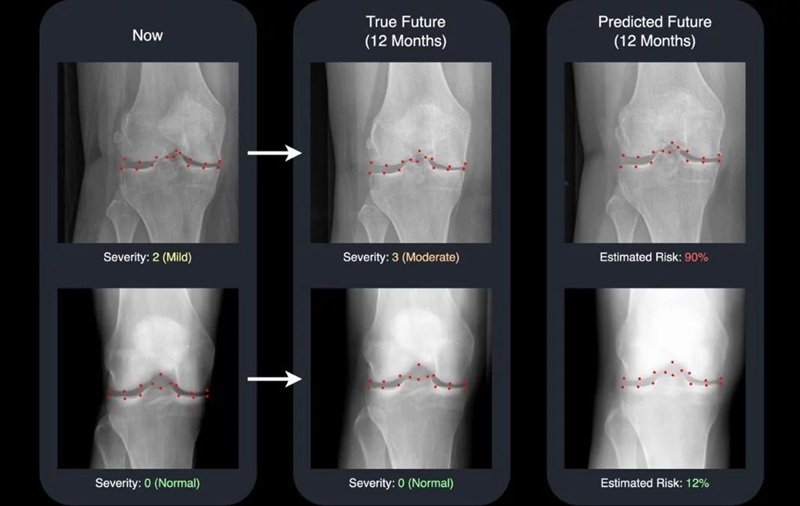
AI Generates Future Knee X-Rays to Predict Osteoarthritis Progression Risk
Osteoarthritis, a degenerative joint disease affecting over 500 million people worldwide, is the leading cause of disability among older adults. Current diagnostic tools allow doctors to assess damage... Read more
MRI
view channel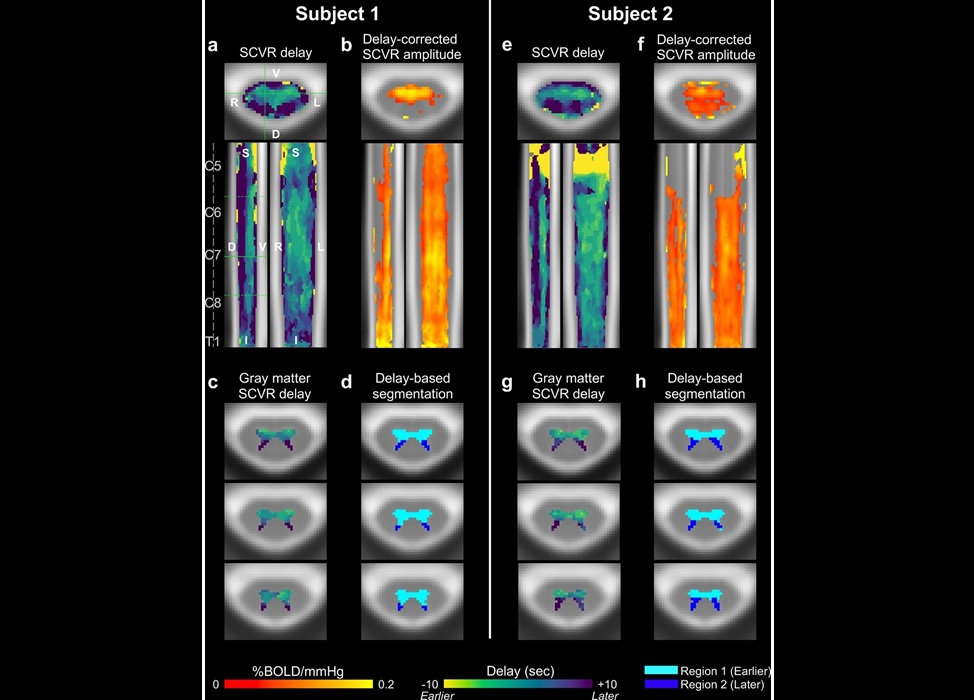
Novel Imaging Approach to Improve Treatment for Spinal Cord Injuries
Vascular dysfunction in the spinal cord contributes to multiple neurological conditions, including traumatic injuries and degenerative cervical myelopathy, where reduced blood flow can lead to progressive... Read more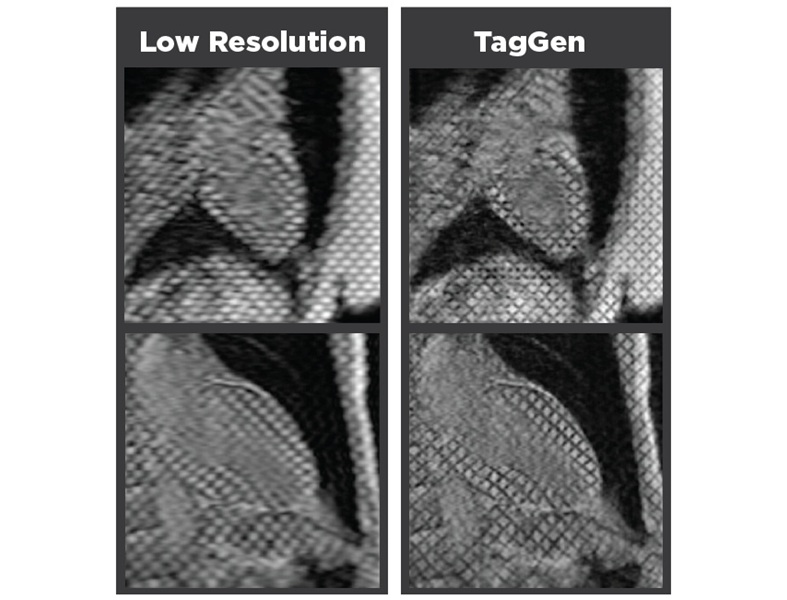
AI-Assisted Model Enhances MRI Heart Scans
A cardiac MRI can reveal critical information about the heart’s function and any abnormalities, but traditional scans take 30 to 90 minutes and often suffer from poor image quality due to patient movement.... Read more
AI Model Outperforms Doctors at Identifying Patients Most At-Risk of Cardiac Arrest
Hypertrophic cardiomyopathy is one of the most common inherited heart conditions and a leading cause of sudden cardiac death in young individuals and athletes. While many patients live normal lives, some... Read more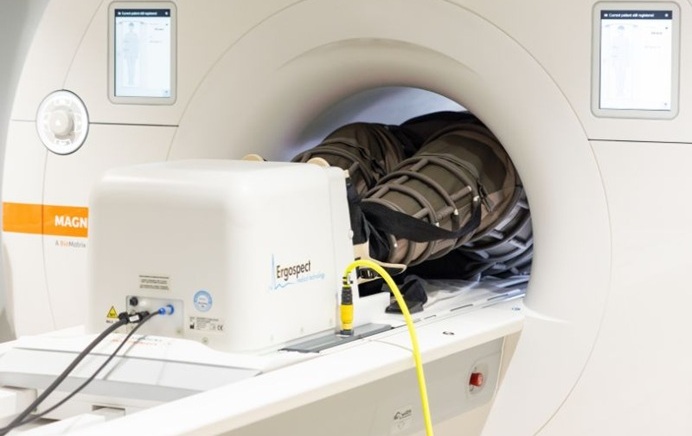
Ultrasound
view channel
Wearable Ultrasound Imaging System to Enable Real-Time Disease Monitoring
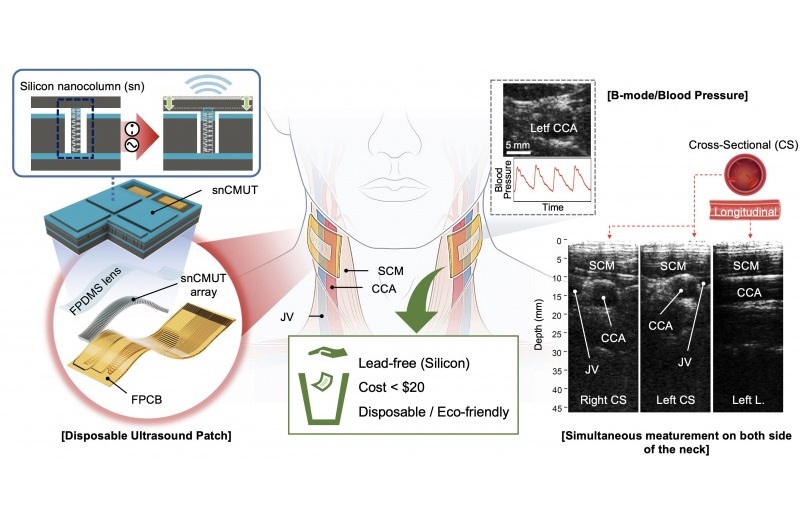
Chronic conditions such as hypertension and heart failure require close monitoring, yet today’s ultrasound imaging is largely confined to hospitals and short, episodic scans. This reactive model limits... Read more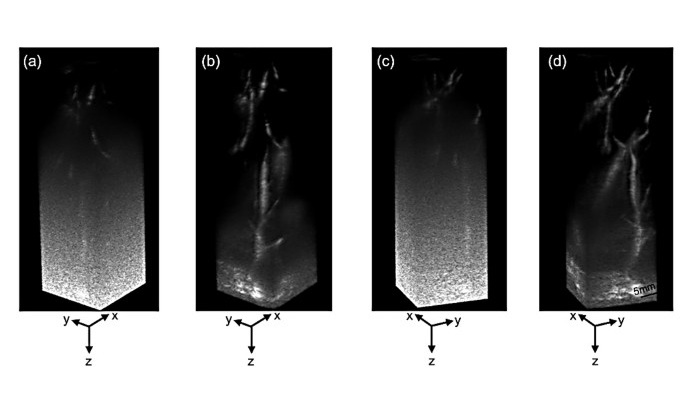
Ultrasound Technique Visualizes Deep Blood Vessels in 3D Without Contrast Agents
Producing clear 3D images of deep blood vessels has long been difficult without relying on contrast agents, CT scans, or MRI. Standard ultrasound typically provides only 2D cross-sections, limiting clinicians’... Read more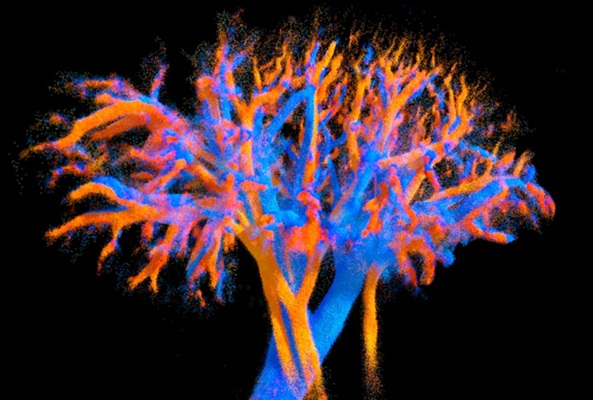
General/Advanced Imaging
view channel
3D Scanning Approach Enables Ultra-Precise Brain Surgery
Precise navigation is critical in neurosurgery, yet even small alignment errors can affect outcomes when operating deep within the brain. A new 3D surface-scanning approach now provides a radiation-free... Read more
AI Tool Improves Medical Imaging Process by 90%
Accurately labeling different regions within medical scans, a process known as medical image segmentation, is critical for diagnosis, surgery planning, and research. Traditionally, this has been a manual... Read more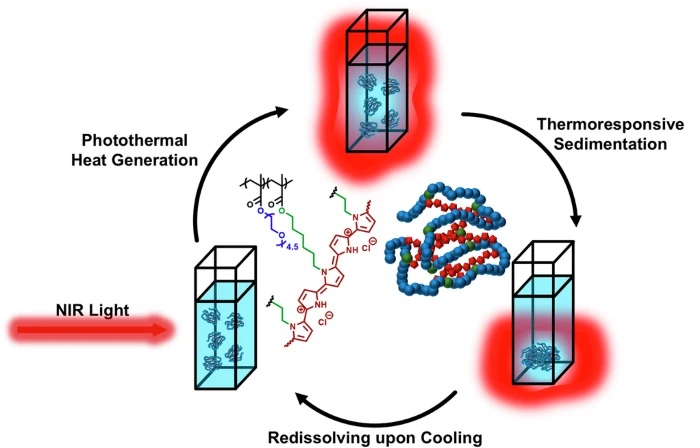
New Ultrasmall, Light-Sensitive Nanoparticles Could Serve as Contrast Agents
Medical imaging technologies face ongoing challenges in capturing accurate, detailed views of internal processes, especially in conditions like cancer, where tracking disease development and treatment... Read more
AI Algorithm Accurately Predicts Pancreatic Cancer Metastasis Using Routine CT Images
In pancreatic cancer, detecting whether the disease has spread to other organs is critical for determining whether surgery is appropriate. If metastasis is present, surgery is not recommended, yet current... Read moreImaging IT
view channel
New Google Cloud Medical Imaging Suite Makes Imaging Healthcare Data More Accessible
Medical imaging is a critical tool used to diagnose patients, and there are billions of medical images scanned globally each year. Imaging data accounts for about 90% of all healthcare data1 and, until... Read more
Global AI in Medical Diagnostics Market to Be Driven by Demand for Image Recognition in Radiology
The global artificial intelligence (AI) in medical diagnostics market is expanding with early disease detection being one of its key applications and image recognition becoming a compelling consumer proposition... Read more
Industry News
view channel
GE HealthCare and NVIDIA Collaboration to Reimagine Diagnostic Imaging
GE HealthCare (Chicago, IL, USA) has entered into a collaboration with NVIDIA (Santa Clara, CA, USA), expanding the existing relationship between the two companies to focus on pioneering innovation in... Read more
Patient-Specific 3D-Printed Phantoms Transform CT Imaging
New research has highlighted how anatomically precise, patient-specific 3D-printed phantoms are proving to be scalable, cost-effective, and efficient tools in the development of new CT scan algorithms... Read more
Siemens and Sectra Collaborate on Enhancing Radiology Workflows
Siemens Healthineers (Forchheim, Germany) and Sectra (Linköping, Sweden) have entered into a collaboration aimed at enhancing radiologists' diagnostic capabilities and, in turn, improving patient care... Read more