Next-Generation 3D Software Applications Developed for SPECT/CT System
|
By MedImaging staff writers Posted on 24 Jul 2008 |


|
A new single photon emission computed tomography/computed tomography (SPECT/CT) application benefits the clinician by providing improved clarity and helping to manage large amounts of data more effectively by providing an accurate, interactive, three-dimensional- (3D)-rendered fused image of an entire nuclear medicine study.
GE Healthcare (Chalfont St. Giles, UK) launched the company's next-generation applications to expand the capabilities of the company's SPECT/CT system called Infinia Hawkeye 4. The new software applications, offered as the Volumetrix Suite, were presented June 14-18, 2008, at the 55th annual meeting of the Society of Nuclear Medicine, held in New Orleans, LA, USA.
"Only GE brings the power of 3C [for clarity, choice, and convenience] imaging to nuclear medicine with Volumetrix Suite. Volumetrix 3D (three-dimensional) produces integrated, three-dimensional fused images within the nuclear medicine workflow, offering more clarity for more intuitive and faster interpretation,” said Gene Saragnese, vice president and general manager of molecular imaging for GE Healthcare. "Volumetrix IR offers clinicians the choice of virtually any CT to view registered to SPECT and PET data, together with automatic registration and easy export options.”
Volumetrix 3D's segmentation tools can help improve diagnostic accuracy by easily removing obstructions surrounding lesions and other areas of interest. Volumetrix 3D also offers a Clip and Cut Planes feature, which allows the anatomy to be "virtually sliced” to show the underlying cross-section of CT, nuclear, or fused slices. The software presents a visual abstract of the exam very quickly and comprehensively for use by the referring physician or surgeon.
Volumetrix IR offers clinicians the choice of registering virtually any CT to the Infinia SPECT data, within the nuclear medicine workflow. This feature eliminates the need for patients to undergo a redundant full-dose CT exam during a SPECT acquisition by using the Hawkeye CT as a guide to register an external CT to the Infinia SPECT data. Volumetrix IR is designed to offer a balanced solution for today's challenging healthcare economic environment. By offering registration of virtually any CT with Infinia Hawkeye 4 data, Volumetrix IR presents the clinician with more choices while minimizing ownership costs.
With the Volumetrix Suite, follow-up scans are made easier as Volumetrix IR aligns two exams, helping to ensure accurate monitoring of the patient's condition. Three-dimensional rendered images created by Volumetrix 3D are easily exported into a variety of formats including .jpg files for easy sharing with referring physicians, surgeons, and the patients themselves.
"Volumetrix is a tremendous step forward in helping our customers prepare for the next frontier in molecular imaging,” said Nathan Hermony, nuclear medicine general manager, GE Healthcare. "We believe that Volumetrix Suite will bring clinicians the power of three C imaging: clarity, choice, and convenience.”
Related Links:
GE Healthcare






GE Healthcare (Chalfont St. Giles, UK) launched the company's next-generation applications to expand the capabilities of the company's SPECT/CT system called Infinia Hawkeye 4. The new software applications, offered as the Volumetrix Suite, were presented June 14-18, 2008, at the 55th annual meeting of the Society of Nuclear Medicine, held in New Orleans, LA, USA.
"Only GE brings the power of 3C [for clarity, choice, and convenience] imaging to nuclear medicine with Volumetrix Suite. Volumetrix 3D (three-dimensional) produces integrated, three-dimensional fused images within the nuclear medicine workflow, offering more clarity for more intuitive and faster interpretation,” said Gene Saragnese, vice president and general manager of molecular imaging for GE Healthcare. "Volumetrix IR offers clinicians the choice of virtually any CT to view registered to SPECT and PET data, together with automatic registration and easy export options.”
Volumetrix 3D's segmentation tools can help improve diagnostic accuracy by easily removing obstructions surrounding lesions and other areas of interest. Volumetrix 3D also offers a Clip and Cut Planes feature, which allows the anatomy to be "virtually sliced” to show the underlying cross-section of CT, nuclear, or fused slices. The software presents a visual abstract of the exam very quickly and comprehensively for use by the referring physician or surgeon.
Volumetrix IR offers clinicians the choice of registering virtually any CT to the Infinia SPECT data, within the nuclear medicine workflow. This feature eliminates the need for patients to undergo a redundant full-dose CT exam during a SPECT acquisition by using the Hawkeye CT as a guide to register an external CT to the Infinia SPECT data. Volumetrix IR is designed to offer a balanced solution for today's challenging healthcare economic environment. By offering registration of virtually any CT with Infinia Hawkeye 4 data, Volumetrix IR presents the clinician with more choices while minimizing ownership costs.
With the Volumetrix Suite, follow-up scans are made easier as Volumetrix IR aligns two exams, helping to ensure accurate monitoring of the patient's condition. Three-dimensional rendered images created by Volumetrix 3D are easily exported into a variety of formats including .jpg files for easy sharing with referring physicians, surgeons, and the patients themselves.
"Volumetrix is a tremendous step forward in helping our customers prepare for the next frontier in molecular imaging,” said Nathan Hermony, nuclear medicine general manager, GE Healthcare. "We believe that Volumetrix Suite will bring clinicians the power of three C imaging: clarity, choice, and convenience.”
Related Links:
GE Healthcare

Ultrasound Table
Women’s Ultrasound EA Table
MRI System
nanoScan MRI 3T/7T
Digital Intelligent Ferromagnetic Detector
Digital Ferromagnetic Detector
Digital Radiographic System
OMNERA 300M
Latest Nuclear Medicine News
- PET Imaging of Inflammation Predicts Recovery and Guides Therapy After Heart Attack
- Radiotheranostic Approach Detects, Kills and Reprograms Aggressive Cancers
- New Imaging Solution Improves Survival for Patients with Recurring Prostate Cancer
- PET Tracer Enables Same-Day Imaging of Triple-Negative Breast and Urothelial Cancers
- New Camera Sees Inside Human Body for Enhanced Scanning and Diagnosis
- Novel Bacteria-Specific PET Imaging Approach Detects Hard-To-Diagnose Lung Infections
- New Imaging Approach Could Reduce Need for Biopsies to Monitor Prostate Cancer
- Novel Radiolabeled Antibody Improves Diagnosis and Treatment of Solid Tumors
- Novel PET Imaging Approach Offers Never-Before-Seen View of Neuroinflammation
- Novel Radiotracer Identifies Biomarker for Triple-Negative Breast Cancer
- Innovative PET Imaging Technique to Help Diagnose Neurodegeneration
- New Molecular Imaging Test to Improve Lung Cancer Diagnosis
- Novel PET Technique Visualizes Spinal Cord Injuries to Predict Recovery
- Next-Gen Tau Radiotracers Outperform FDA-Approved Imaging Agents in Detecting Alzheimer’s
- Breakthrough Method Detects Inflammation in Body Using PET Imaging
- Advanced Imaging Reveals Hidden Metastases in High-Risk Prostate Cancer Patients
Channels
Radiography
view channel
X-Ray Breakthrough Captures Three Image-Contrast Types in Single Shot
Detecting early-stage cancer or subtle changes deep inside tissues has long challenged conventional X-ray systems, which rely only on how structures absorb radiation. This limitation keeps many microstructural... Read more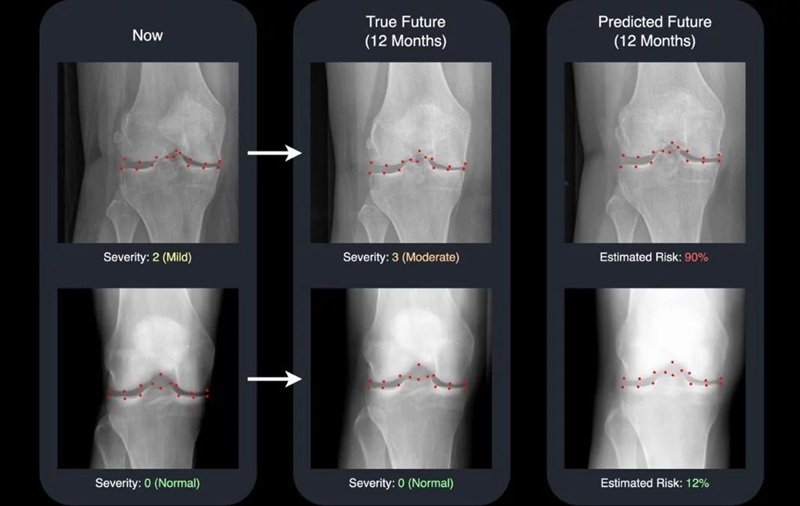
AI Generates Future Knee X-Rays to Predict Osteoarthritis Progression Risk
Osteoarthritis, a degenerative joint disease affecting over 500 million people worldwide, is the leading cause of disability among older adults. Current diagnostic tools allow doctors to assess damage... Read more
MRI
view channel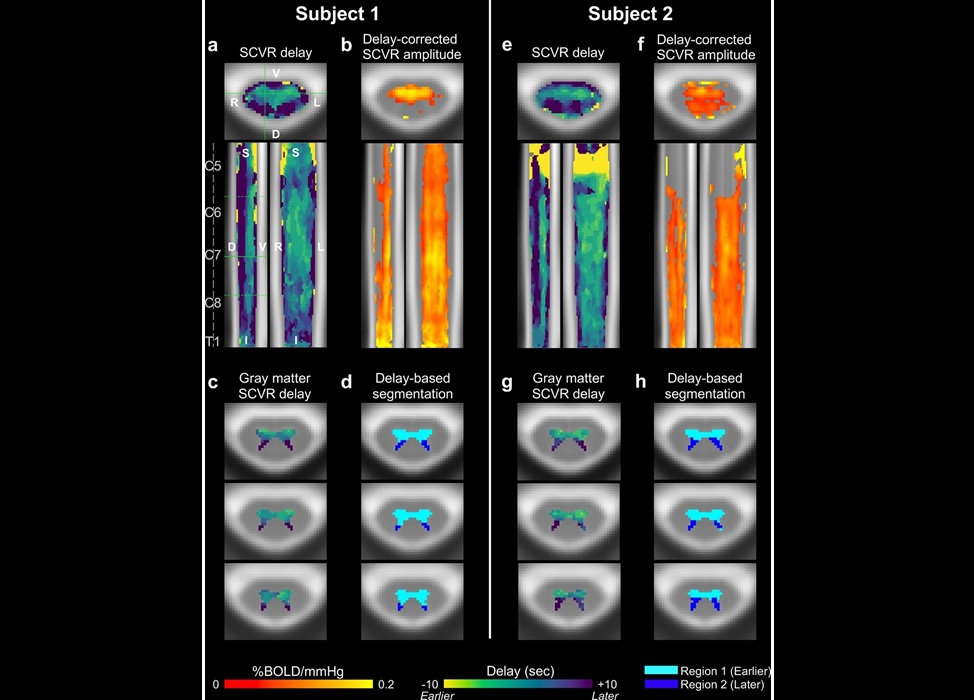
Novel Imaging Approach to Improve Treatment for Spinal Cord Injuries
Vascular dysfunction in the spinal cord contributes to multiple neurological conditions, including traumatic injuries and degenerative cervical myelopathy, where reduced blood flow can lead to progressive... Read more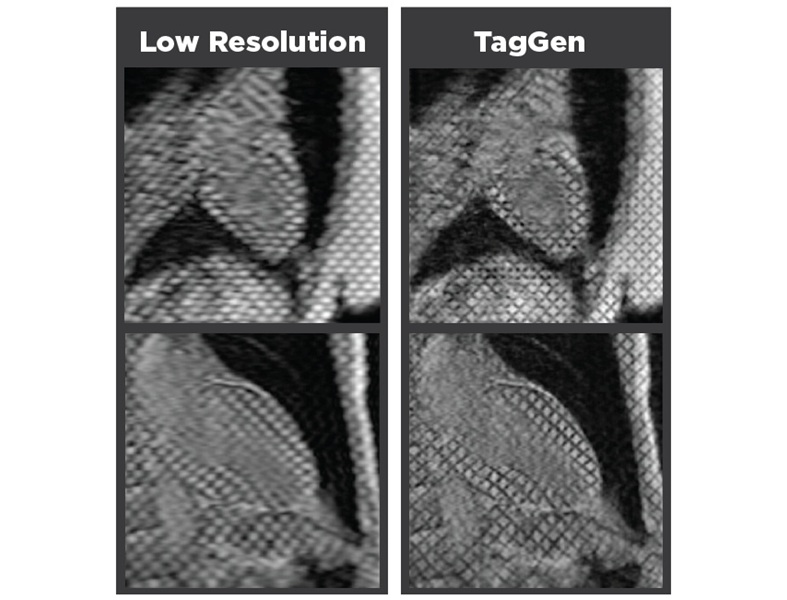
AI-Assisted Model Enhances MRI Heart Scans
A cardiac MRI can reveal critical information about the heart’s function and any abnormalities, but traditional scans take 30 to 90 minutes and often suffer from poor image quality due to patient movement.... Read more
AI Model Outperforms Doctors at Identifying Patients Most At-Risk of Cardiac Arrest
Hypertrophic cardiomyopathy is one of the most common inherited heart conditions and a leading cause of sudden cardiac death in young individuals and athletes. While many patients live normal lives, some... Read more
Ultrasound
view channel
Wearable Ultrasound Imaging System to Enable Real-Time Disease Monitoring
Chronic conditions such as hypertension and heart failure require close monitoring, yet today’s ultrasound imaging is largely confined to hospitals and short, episodic scans. This reactive model limits... Read more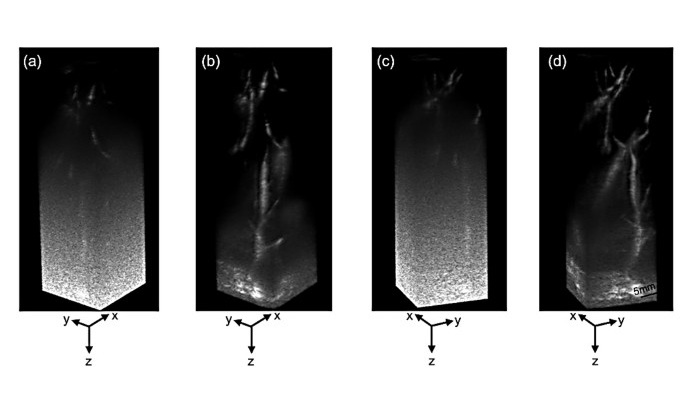
Ultrasound Technique Visualizes Deep Blood Vessels in 3D Without Contrast Agents
Producing clear 3D images of deep blood vessels has long been difficult without relying on contrast agents, CT scans, or MRI. Standard ultrasound typically provides only 2D cross-sections, limiting clinicians’... Read more

General/Advanced Imaging
view channel
3D Scanning Approach Enables Ultra-Precise Brain Surgery
Precise navigation is critical in neurosurgery, yet even small alignment errors can affect outcomes when operating deep within the brain. A new 3D surface-scanning approach now provides a radiation-free... Read more
AI Tool Improves Medical Imaging Process by 90%
Accurately labeling different regions within medical scans, a process known as medical image segmentation, is critical for diagnosis, surgery planning, and research. Traditionally, this has been a manual... Read more
New Ultrasmall, Light-Sensitive Nanoparticles Could Serve as Contrast Agents
Medical imaging technologies face ongoing challenges in capturing accurate, detailed views of internal processes, especially in conditions like cancer, where tracking disease development and treatment... Read more
AI Algorithm Accurately Predicts Pancreatic Cancer Metastasis Using Routine CT Images
In pancreatic cancer, detecting whether the disease has spread to other organs is critical for determining whether surgery is appropriate. If metastasis is present, surgery is not recommended, yet current... Read moreImaging IT
view channel
New Google Cloud Medical Imaging Suite Makes Imaging Healthcare Data More Accessible
Medical imaging is a critical tool used to diagnose patients, and there are billions of medical images scanned globally each year. Imaging data accounts for about 90% of all healthcare data1 and, until... Read more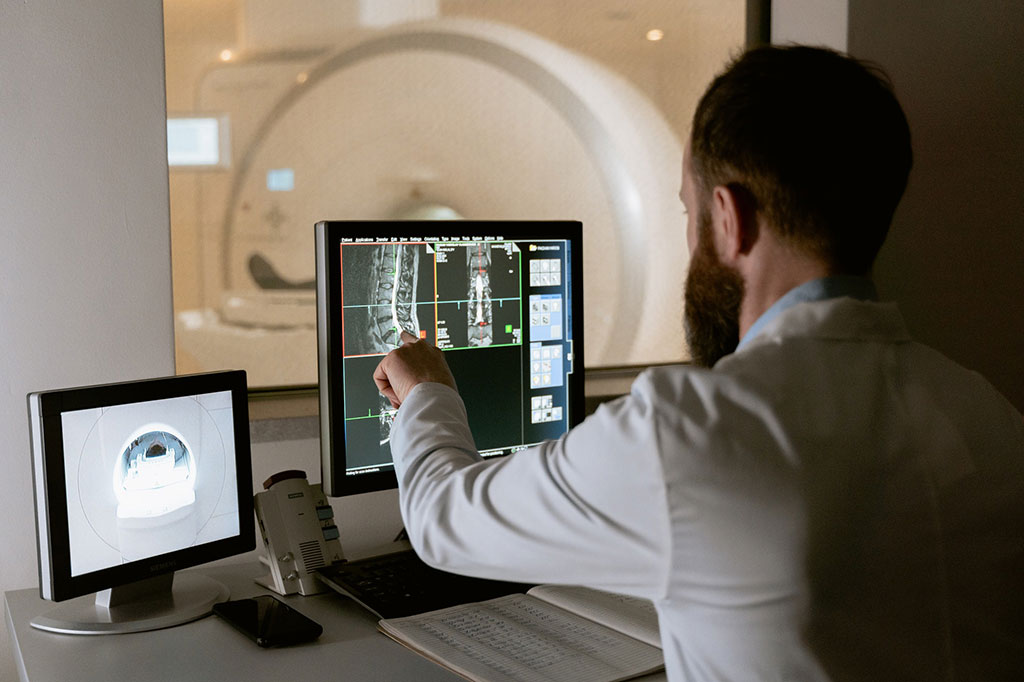
Global AI in Medical Diagnostics Market to Be Driven by Demand for Image Recognition in Radiology
The global artificial intelligence (AI) in medical diagnostics market is expanding with early disease detection being one of its key applications and image recognition becoming a compelling consumer proposition... Read more

Industry News
view channel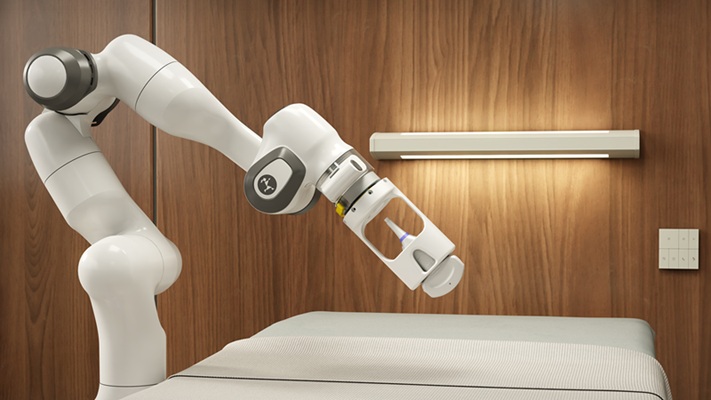
GE HealthCare and NVIDIA Collaboration to Reimagine Diagnostic Imaging
GE HealthCare (Chicago, IL, USA) has entered into a collaboration with NVIDIA (Santa Clara, CA, USA), expanding the existing relationship between the two companies to focus on pioneering innovation in... Read more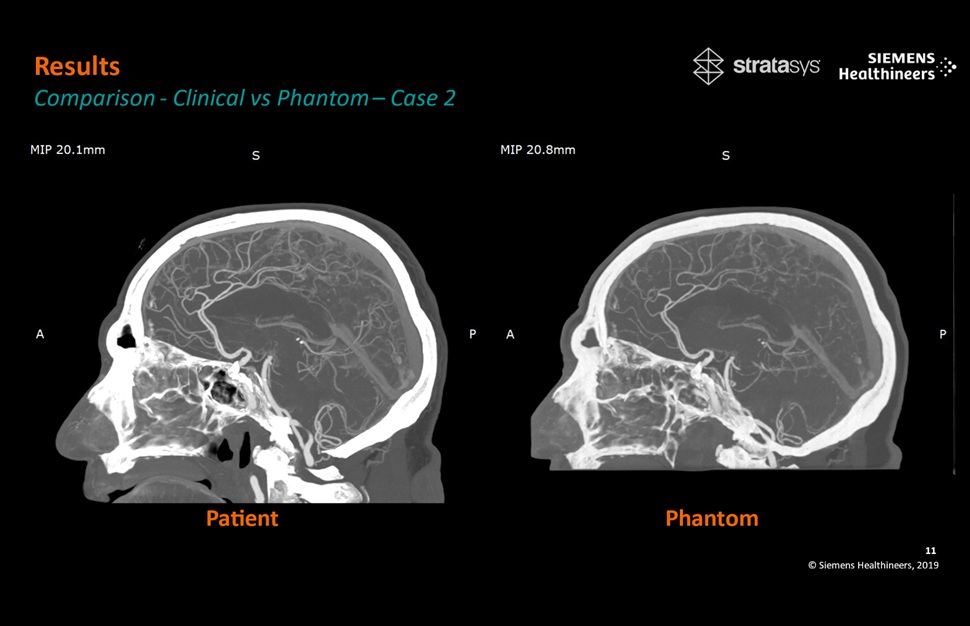
Patient-Specific 3D-Printed Phantoms Transform CT Imaging
New research has highlighted how anatomically precise, patient-specific 3D-printed phantoms are proving to be scalable, cost-effective, and efficient tools in the development of new CT scan algorithms... Read more
Siemens and Sectra Collaborate on Enhancing Radiology Workflows
Siemens Healthineers (Forchheim, Germany) and Sectra (Linköping, Sweden) have entered into a collaboration aimed at enhancing radiologists' diagnostic capabilities and, in turn, improving patient care... Read more