


Super-Powerful MRI Merged With Light-Sheet Microscopy Provides 64 Million Times Sharper Brain Images 
|
By MedImaging International staff writers Posted on 19 Apr 2023 |


|
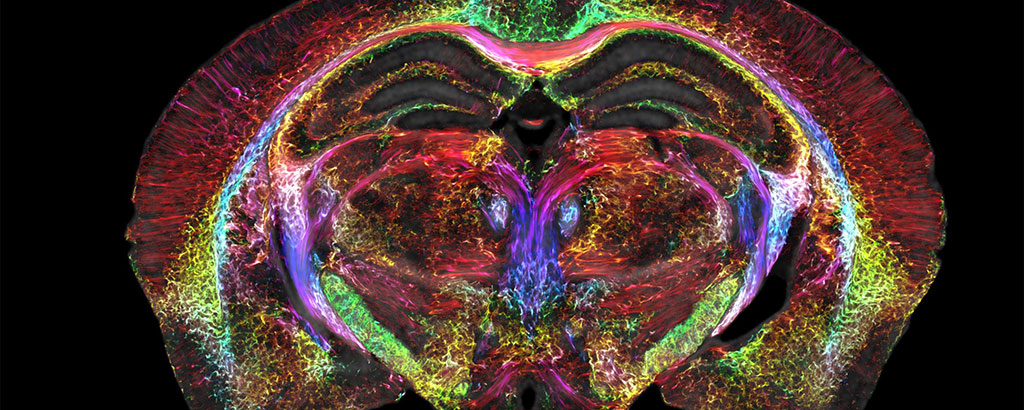
MRI technology is utilized to visualize soft, water-rich tissues that are difficult to image using X-rays. Although conventional MRI can detect brain tumors, higher resolution is required to observe the microscopic details within the brain that reveal its organization. In a groundbreaking achievement coinciding with the first MRI's 50th anniversary, researchers have now significantly enhanced MRI resolution, resulting in the clearest images of a mouse brain ever captured.
In decades-long research efforts led by Duke University (Durham, NC, USA), the investigators have produced scans of a mouse brain that are substantially clearer than those of a standard human clinical MRI, comparable to transitioning from pixelated 8-bit graphics to the hyper-realistic detail of a Chuck Close painting. A single voxel in these new images, which can be thought of as a cubic pixel, is only 5 microns in size - 64 million times smaller than a clinical MRI voxel. While the research focused on mice rather than humans, the improved MRI offers a groundbreaking method to visualize the entire brain's connectivity at unparalleled resolution. The researchers believe that the insights gained from mouse imaging will ultimately contribute to a better understanding of human conditions, such as age-related brain changes, dietary impacts, or neurodegenerative diseases like Alzheimer's.
This groundbreaking achievement is the result of nearly 40 years of research. Over these decades, the researchers have refined numerous elements that, when combined, enable the revolutionary MRI resolution. Key components include an incredibly powerful magnet (9.4 Tesla, compared to 1.5 to 3 Tesla in most clinical MRIs), a set of gradient coils 100 times stronger than those in clinical MRIs for generating brain images, and a high-performance computer with the processing power of nearly 800 laptops working simultaneously to image a single brain. After extensively scanning the tissue, it is then imaged using light sheet microscopy, a complementary technique that allows for labeling specific groups of cells throughout the brain, such as those related to Parkinson's disease progression.
The researchers map the light sheet images, which offer a highly precise view of brain cells, onto the original MRI scan, known for its anatomical accuracy and detailed visualization of cells and circuits across the entire brain. This combined whole-brain data imagery allows scientists to explore the brain's microscopic intricacies in unprecedented ways. One set of MRI images reveals how brain-wide connectivity alters with aging in mice and how specific regions, such as the memory-related subiculum, change more than other parts of the brain. Another set of images displays a spectrum of brain connections that emphasize the significant deterioration of neural networks in a mouse model of Alzheimer's disease. By transforming the MRI into an even more powerful microscope, researchers hope to gain a better understanding of mouse models for human diseases, including Huntington's, Alzheimer's, and others. This knowledge should ultimately lead to a deeper comprehension of how similar processes function or malfunction in humans.
“It is something that is truly enabling. We can start looking at neurodegenerative diseases in an entirely different way,” said G. Allan Johnson, Ph.D., the lead author of the new paper and the Charles E. Putman University Distinguished professor of radiology, physics and biomedical engineering at Duke.
Related Links:
Duke University






Latest MRI News
- Advanced MRI System Detects Impaired Cardiac Oxygen Use in Minutes
- AI-Enhanced MRI Improves Image Quality in Arrhythmia Patients
- Ultra-Detailed Brain Atlas Enhances Early Detection of Neurological Disorders
- Study Finds Advanced Imaging Significantly Reduces Unnecessary Prostate Biopsies
- New Material Boosts MRI Image Quality
- AI Model Reads and Diagnoses Brain MRI in Seconds
- MRI Scan Breakthrough to Help Avoid Risky Invasive Tests for Heart Patients
- MRI Scans Reveal Signature Patterns of Brain Activity to Predict Recovery from TBI
- Novel Imaging Approach to Improve Treatment for Spinal Cord Injuries
- AI-Assisted Model Enhances MRI Heart Scans
- AI Model Outperforms Doctors at Identifying Patients Most At-Risk of Cardiac Arrest
- New MRI Technique Reveals Hidden Heart Issues
- Shorter MRI Exam Effectively Detects Cancer in Dense Breasts
- MRI to Replace Painful Spinal Tap for Faster MS Diagnosis
- MRI Scans Can Identify Cardiovascular Disease Ten Years in Advance
- Simple Brain Scan Diagnoses Parkinson's Disease Years Before It Becomes Untreatable
Channels
Radiography
view channel
AI Boosts Breast Cancer Detection and Cuts Screening Workload
Breast cancer screening programs face rising demand and persistent workforce shortages, straining double-reading workflows and delaying care. Early detection is critical to reduce mortality and minimize... Read more
AI Tool Predicts Breast Cancer Risk Years Ahead Using Routine Mammograms
Breast cancer screening saves lives but still relies largely on uniform schedules despite wide differences in individual risk. This one-size-fits-all approach can miss cancers in higher-risk women while... Read more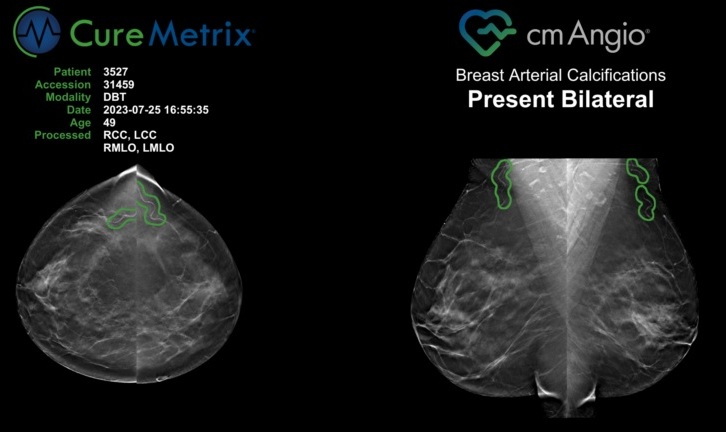

Ultrasound
view channel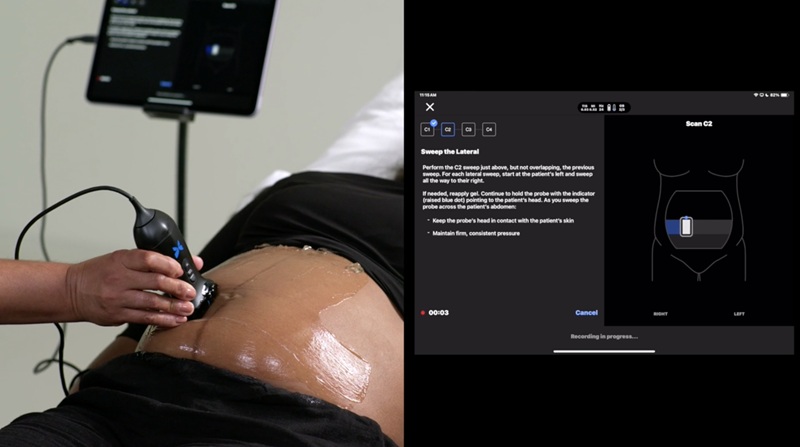
New Ultrasound AI Tool Supports Rapid Prenatal Assessment
Accurate gestational age estimation guides prenatal screening, detection of complications, and timely intervention. Access to ultrasound and trained sonographers is uneven, with nearly half of U.... Read more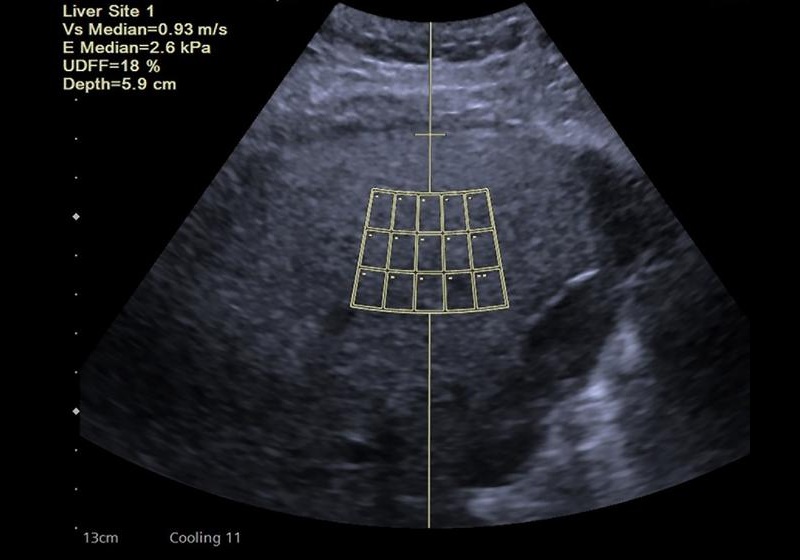
New Consensus Standardizes Ultrasound-Based Fatty Liver Assessment
Metabolic dysfunction-associated steatotic liver disease (MASLD) is rising along with obesity and diabetes, making accurate, scalable measurement of hepatic fat a clinical priority. Biopsy is invasive... Read more

Nuclear Medicine
view channel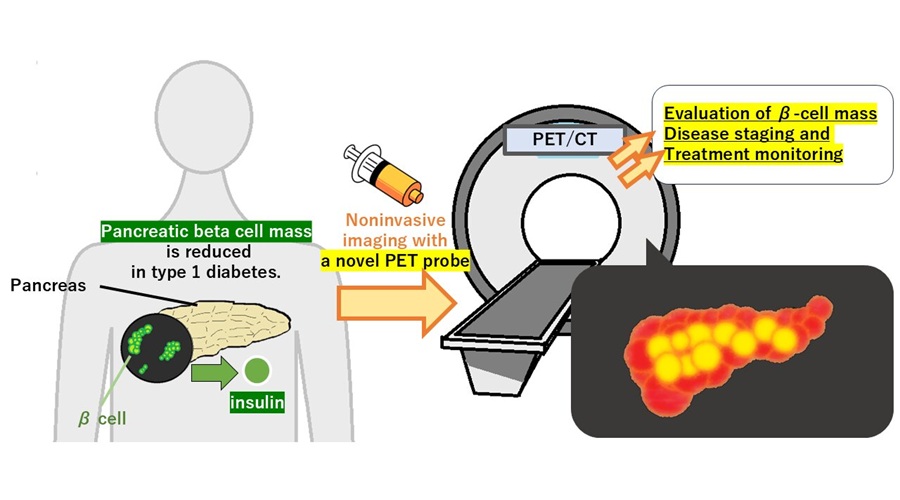
PET Tracer Enables Noninvasive Measurement of Beta Cell Mass
Type 1 diabetes is an autoimmune disease in which the immune system destroys insulin-producing pancreatic beta cells. Loss of these cells destabilizes glucose control and drives complications.... Read more
New Imaging Tool Sheds Light on Tumor Fat Metabolism
Rapidly growing tumors reprogram metabolism to meet high energy demands. While many cancers preferentially consume glucose, lipid utilization by malignant cells is difficult to measure in living subjects.... Read more
Radiopharmaceutical Molecule Marker to Improve Choice of Bladder Cancer Therapies
Targeted cancer therapies only work when tumor cells express the specific molecular structures they are designed to attack. In urothelial carcinoma, a common form of bladder cancer, the cell surface protein... Read more
General/Advanced Imaging
view channel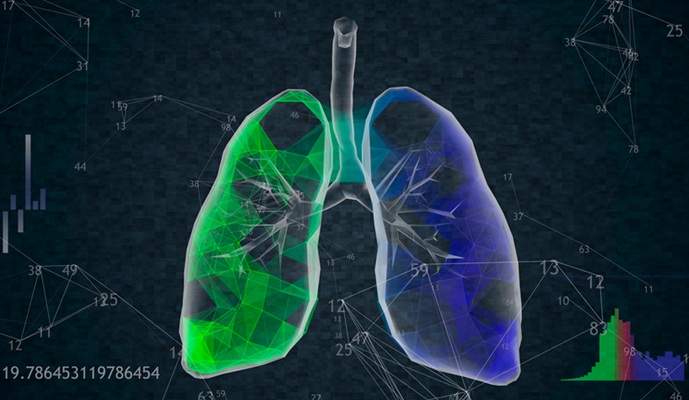
AI Tool Predicts Side Effects from Lung Cancer Treatment
Radiation therapy is a central treatment for lung cancer, but even carefully targeted radiation can affect surrounding healthy tissue. Patients may develop side effects such as lung inflammation, coughing,... Read more
AI Tool Offers Prognosis for Patients with Head and Neck Cancer
Oropharyngeal cancer is a form of head and neck cancer that can spread through lymph nodes, significantly affecting survival and treatment decisions. Current therapies often involve combinations of surgery,... Read more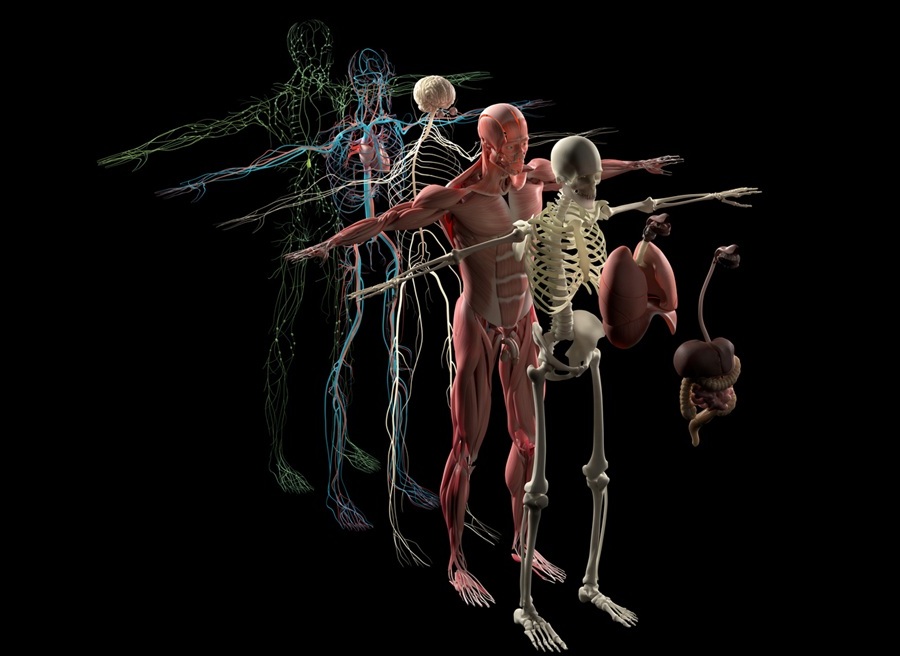
Imaging IT
view channel
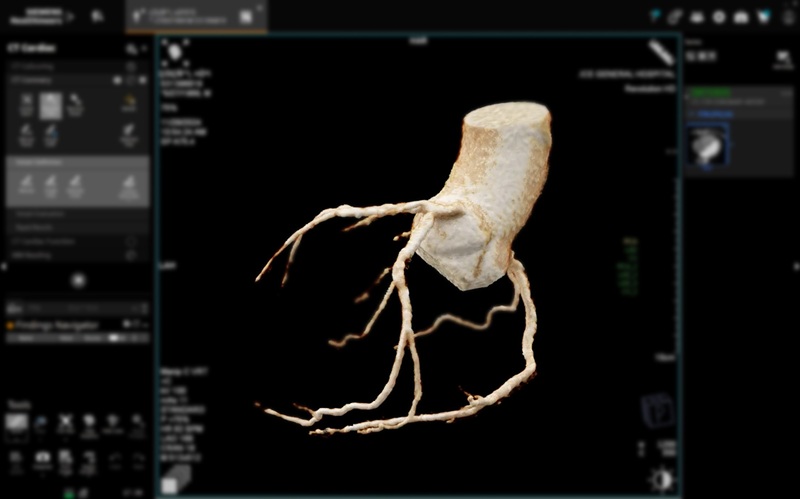
New Google Cloud Medical Imaging Suite Makes Imaging Healthcare Data More Accessible
Medical imaging is a critical tool used to diagnose patients, and there are billions of medical images scanned globally each year. Imaging data accounts for about 90% of all healthcare data1 and, until... Read more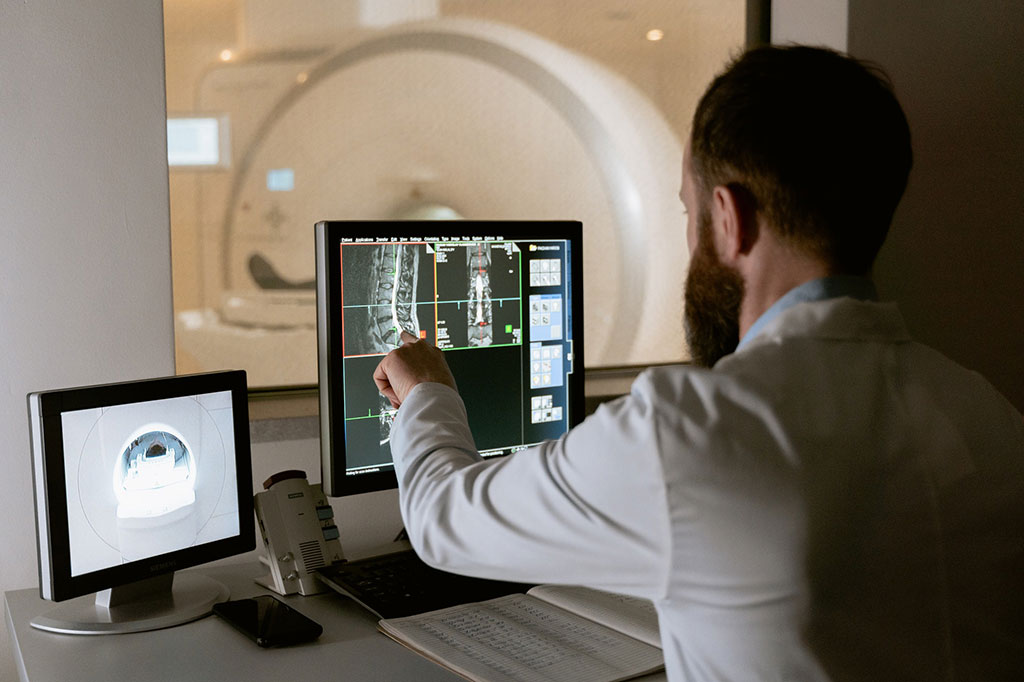
Global AI in Medical Diagnostics Market to Be Driven by Demand for Image Recognition in Radiology
The global artificial intelligence (AI) in medical diagnostics market is expanding with early disease detection being one of its key applications and image recognition becoming a compelling consumer proposition... Read more
Industry News
view channel
Nuclear Medicine Set for Continued Growth Driven by Demand for Precision Diagnostics
Clinical imaging services face rising demand for precise molecular diagnostics and targeted radiopharmaceutical therapy as cancer and chronic disease rates climb. A new market analysis projects rapid expansion... Read more