


AI Algorithm Reads Ultrasound Images from Hand-Held Devices and Smartphone
|
By MedImaging International staff writers Posted on 31 Mar 2022 |


|
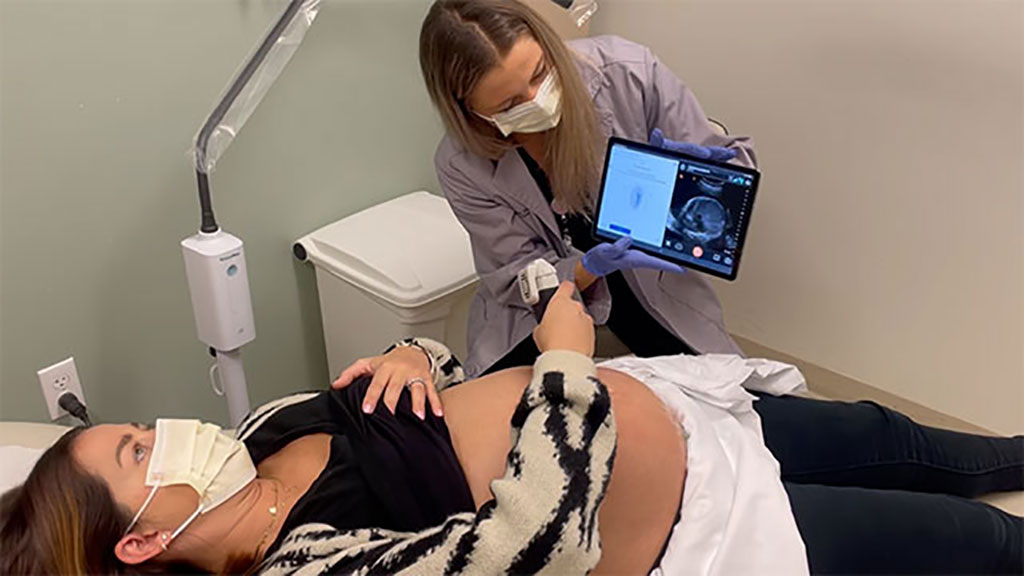
Ultrasound technology is becoming more portable and more affordable. However, up to half of all birthing parents in developing countries are not screened while pregnant because existing hand-held devices require a trained technician to precisely manipulate the ultrasound probe to capture the right images. In addition, the image has to be interpreted by a radiologist or specially trained obstetrician who are limited in many underserved communities and developing countries. That is where artificial intelligence (AI) comes in.
Northwestern University (Evanston, IL, USA) and Google Health (Menlo Park, CA, USA) are collaborating on a project to bring fetal ultrasound to developing countries by combining AI, low-cost hand-held ultrasound devices and a smartphone. The project will develop algorithms enabling AI to read ultrasound images from these devices taken by lightly trained community health workers and even pregnant people at home, with the aim of assessing the wellness of both the birthing parent and baby. Raw ultrasound images will be sent to a smartphone, where AI will distinguish critical features like fetal age and position. The low-cost device will take the image, send it to the smartphone and then the AI will provide a read on factors like fetal age and position. Then Google Health can develop an AI that will do the fetal interpretation.
In the first step to developing the algorithms, the researchers will conduct research with pregnant patients in which they will perform their own ultrasound with a low-cost hand-held device. Northwestern technicians also will perform fetal ultrasounds on patients, and even family members will participate. The patients will then have a regular clinical fetal ultrasound. All the images and other pregnancy-related data will be downloaded into a database.
Study participants will use handheld ultrasound devices that have been pre-installed with Google Health’s custom application to collect, process and deliver the fetal ultrasound “blind sweeps.” “Blind-sweep” ultrasounds consist of six freehand ultrasound sweeps across the abdomen to generate a computer image. The goal is to collect a broad set of data and related information including reports on fetal-growth restriction, placental location, gestational age and other relevant conditions and risk factors. Data will be gathered across all three trimesters and from a diverse representative group of patients. The study will collect ultrasound images from several thousand patients over the next year. The AI will receive professional and amateur images across the many conditions that physicians typically want to monitor such as the age of the fetus and whether it has a heart defect. By having the side-by-side image captures, the AI can adapt to interpret the amateur image capture and learn to interpret them more accurately.
“We want to make high-quality fetal ultrasound as easy as taking your temperature,” said Dr. Mozziyar Etemadi, assistant professor of anesthesiology at Northwestern University Feinberg School of Medicine and leader of the project at Northwestern. “The real power of this AI tool will be to allow for earlier triaging of care, so a lightly trained community health provider can conduct scans of birthing parents. The patients don’t have to go to the city to get it. The AI will help inform what to do next – if the patient is OK or they need to go to a higher level of care. We really believe this will save the lives of a lot of birthing parents and babies.”
Related Links:
Northwestern University
Google Health







Latest Ultrasound News
- Wearable Ultrasound Imaging System to Enable Real-Time Disease Monitoring
- Ultrasound Technique Visualizes Deep Blood Vessels in 3D Without Contrast Agents
- Ultrasound Probe Images Entire Organ in 4D

- Disposable Ultrasound Patch Performs Better Than Existing Devices
- Non-Invasive Ultrasound-Based Tool Accurately Detects Infant Meningitis
- Breakthrough Deep Learning Model Enhances Handheld 3D Medical Imaging
- Pain-Free Breast Imaging System Performs One Minute Cancer Scan
- Wireless Chronic Pain Management Device to Reduce Need for Painkillers and Surgery
- New Medical Ultrasound Imaging Technique Enables ICU Bedside Monitoring
- New Incision-Free Technique Halts Growth of Debilitating Brain Lesions
- AI-Powered Lung Ultrasound Outperforms Human Experts in Tuberculosis Diagnosis
- AI Identifies Heart Valve Disease from Common Imaging Test
- Novel Imaging Method Enables Early Diagnosis and Treatment Monitoring of Type 2 Diabetes
- Ultrasound-Based Microscopy Technique to Help Diagnose Small Vessel Diseases
- Smart Ultrasound-Activated Immune Cells Destroy Cancer Cells for Extended Periods
- Tiny Magnetic Robot Takes 3D Scans from Deep Within Body
Channels
Radiography
view channel
X-Ray Breakthrough Captures Three Image-Contrast Types in Single Shot
Detecting early-stage cancer or subtle changes deep inside tissues has long challenged conventional X-ray systems, which rely only on how structures absorb radiation. This limitation keeps many microstructural... Read more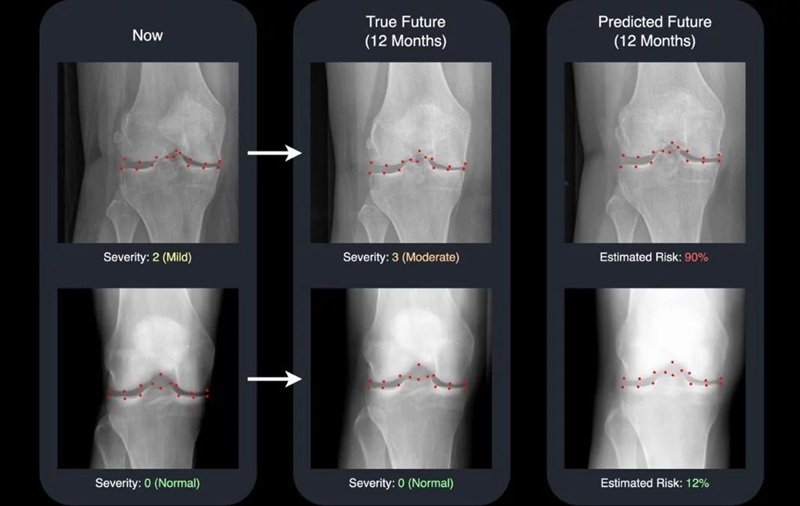
AI Generates Future Knee X-Rays to Predict Osteoarthritis Progression Risk
Osteoarthritis, a degenerative joint disease affecting over 500 million people worldwide, is the leading cause of disability among older adults. Current diagnostic tools allow doctors to assess damage... Read more
MRI
view channel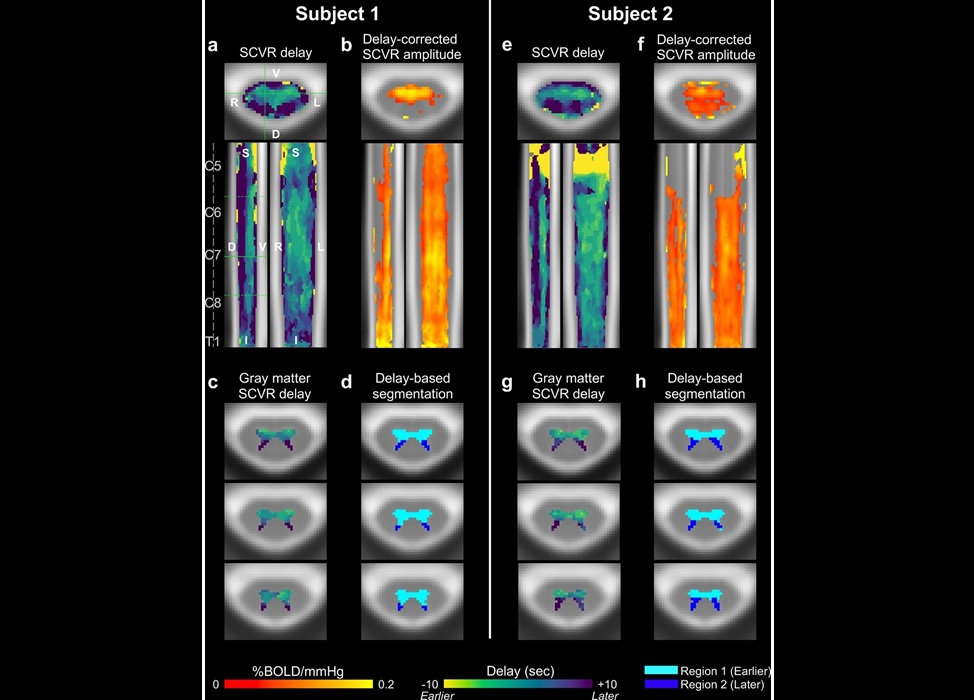
Novel Imaging Approach to Improve Treatment for Spinal Cord Injuries
Vascular dysfunction in the spinal cord contributes to multiple neurological conditions, including traumatic injuries and degenerative cervical myelopathy, where reduced blood flow can lead to progressive... Read more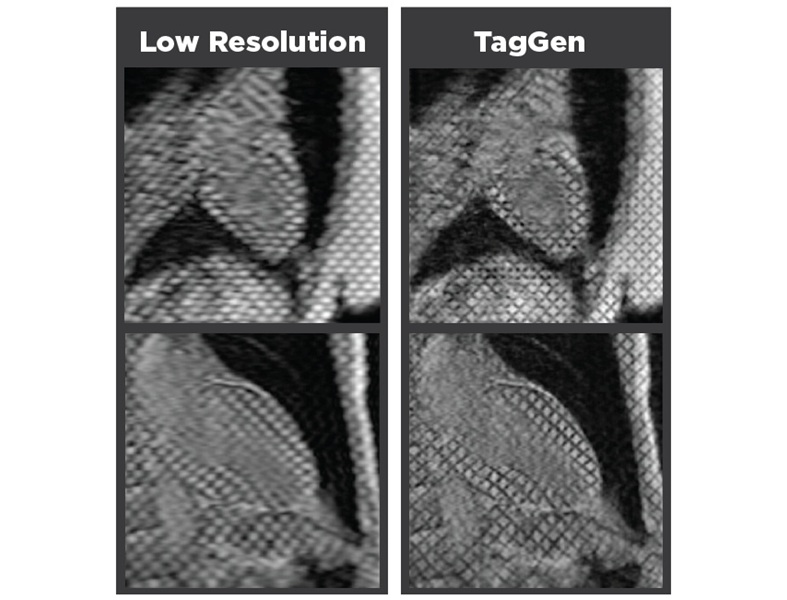
AI-Assisted Model Enhances MRI Heart Scans
A cardiac MRI can reveal critical information about the heart’s function and any abnormalities, but traditional scans take 30 to 90 minutes and often suffer from poor image quality due to patient movement.... Read more
AI Model Outperforms Doctors at Identifying Patients Most At-Risk of Cardiac Arrest
Hypertrophic cardiomyopathy is one of the most common inherited heart conditions and a leading cause of sudden cardiac death in young individuals and athletes. While many patients live normal lives, some... Read more
Nuclear Medicine
view channel
PET Imaging of Inflammation Predicts Recovery and Guides Therapy After Heart Attack
Acute myocardial infarction can trigger lasting heart damage, yet clinicians still lack reliable tools to identify which patients will regain function and which may develop heart failure.... Read more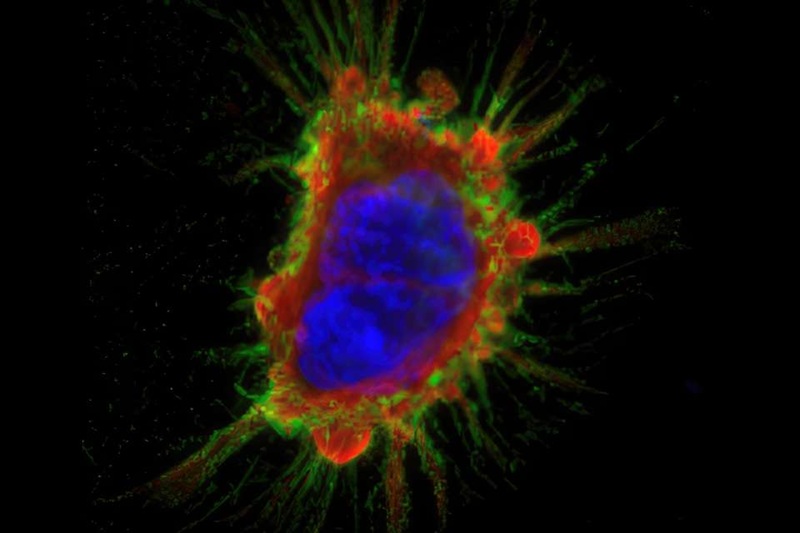
Radiotheranostic Approach Detects, Kills and Reprograms Aggressive Cancers
Aggressive cancers such as osteosarcoma and glioblastoma often resist standard therapies, thrive in hostile tumor environments, and recur despite surgery, radiation, or chemotherapy. These tumors also... Read more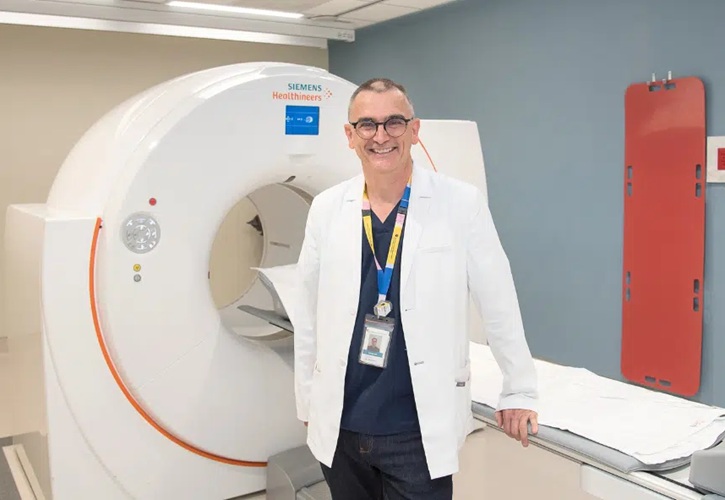
New Imaging Solution Improves Survival for Patients with Recurring Prostate Cancer
Detecting recurrent prostate cancer remains one of the most difficult challenges in oncology, as standard imaging methods such as bone scans and CT scans often fail to accurately locate small or early-stage tumors.... Read more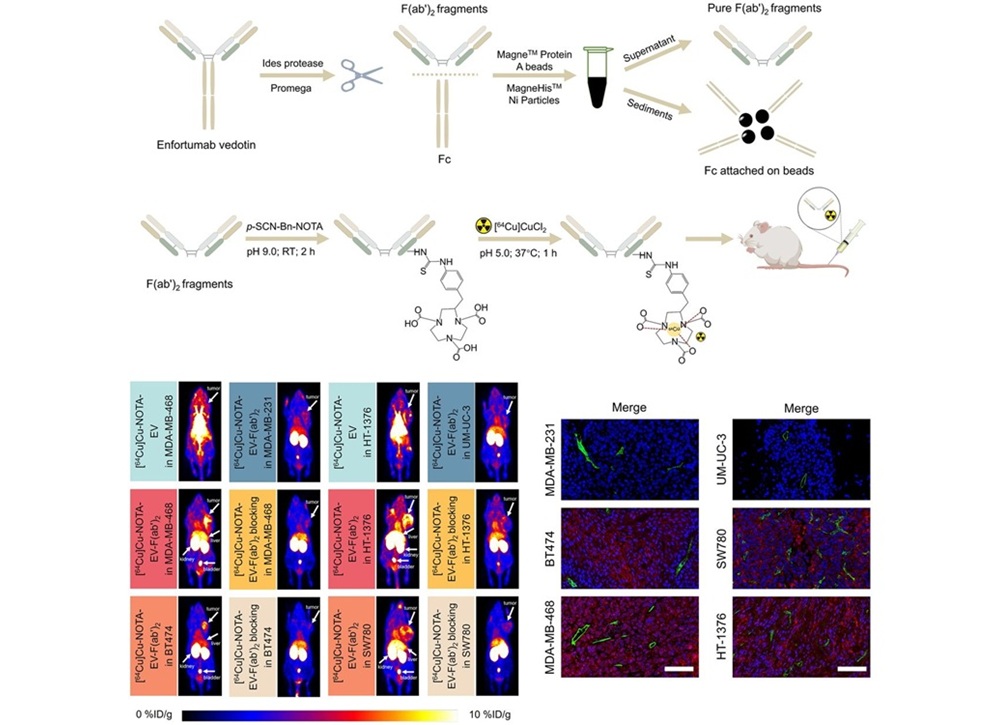
General/Advanced Imaging
view channel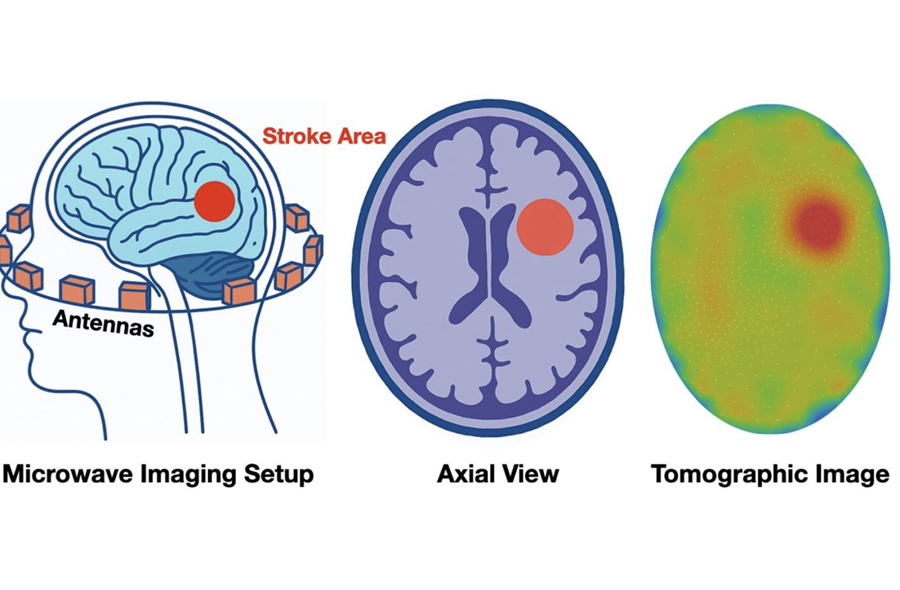
New Algorithm Dramatically Speeds Up Stroke Detection Scans
When patients arrive at emergency rooms with stroke symptoms, clinicians must rapidly determine whether the cause is a blood clot or a brain bleed, as treatment decisions depend on this distinction.... Read more
3D Scanning Approach Enables Ultra-Precise Brain Surgery
Precise navigation is critical in neurosurgery, yet even small alignment errors can affect outcomes when operating deep within the brain. A new 3D surface-scanning approach now provides a radiation-free... Read more

Imaging IT
view channel
New Google Cloud Medical Imaging Suite Makes Imaging Healthcare Data More Accessible
Medical imaging is a critical tool used to diagnose patients, and there are billions of medical images scanned globally each year. Imaging data accounts for about 90% of all healthcare data1 and, until... Read more
Global AI in Medical Diagnostics Market to Be Driven by Demand for Image Recognition in Radiology
The global artificial intelligence (AI) in medical diagnostics market is expanding with early disease detection being one of its key applications and image recognition becoming a compelling consumer proposition... Read more
Industry News
view channel
GE HealthCare and NVIDIA Collaboration to Reimagine Diagnostic Imaging
GE HealthCare (Chicago, IL, USA) has entered into a collaboration with NVIDIA (Santa Clara, CA, USA), expanding the existing relationship between the two companies to focus on pioneering innovation in... Read more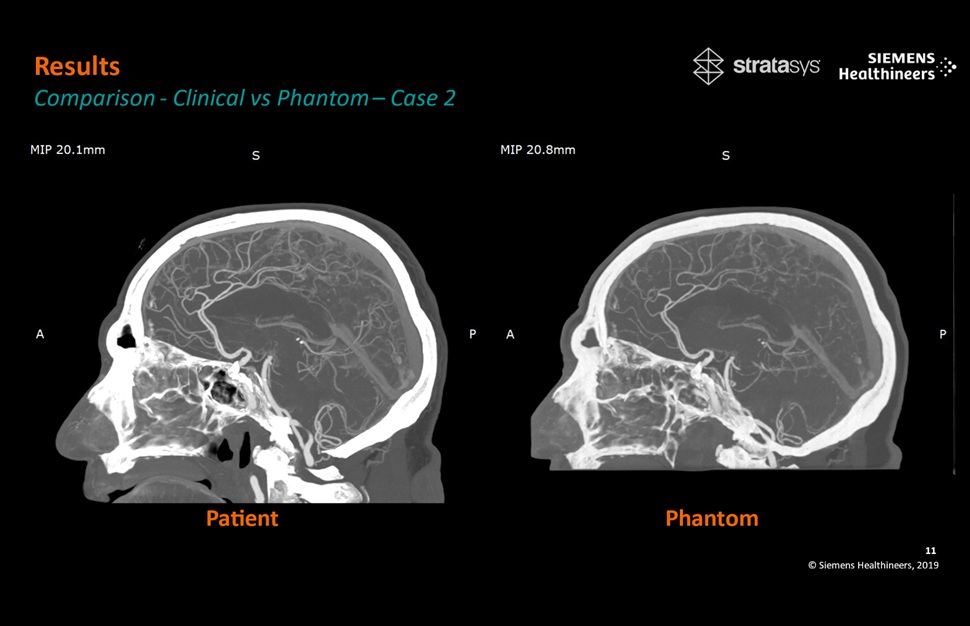
Patient-Specific 3D-Printed Phantoms Transform CT Imaging
New research has highlighted how anatomically precise, patient-specific 3D-printed phantoms are proving to be scalable, cost-effective, and efficient tools in the development of new CT scan algorithms... Read more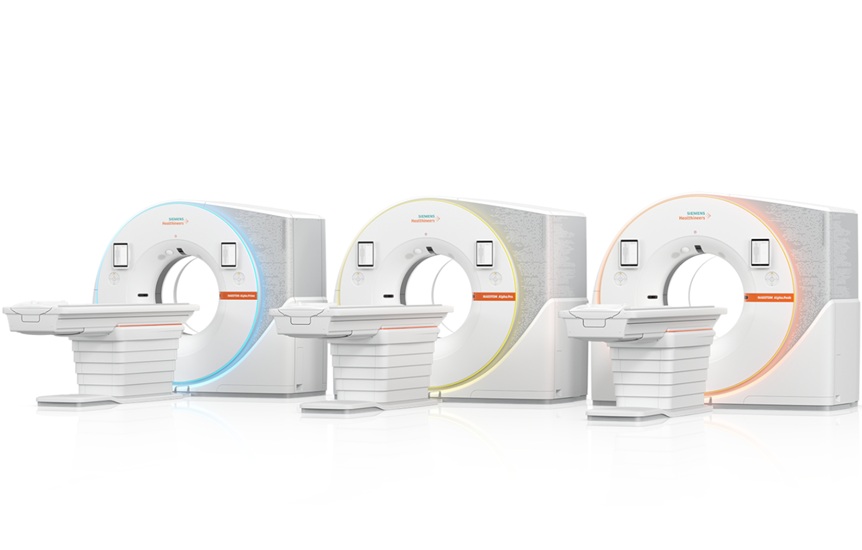
Siemens and Sectra Collaborate on Enhancing Radiology Workflows
Siemens Healthineers (Forchheim, Germany) and Sectra (Linköping, Sweden) have entered into a collaboration aimed at enhancing radiologists' diagnostic capabilities and, in turn, improving patient care... Read more