


Stand-Alone AI Technology Reduces Radiologists’ Screening Mammography Workloads by 90%
|
By MedImaging International staff writers Posted on 20 Dec 2021 |


|
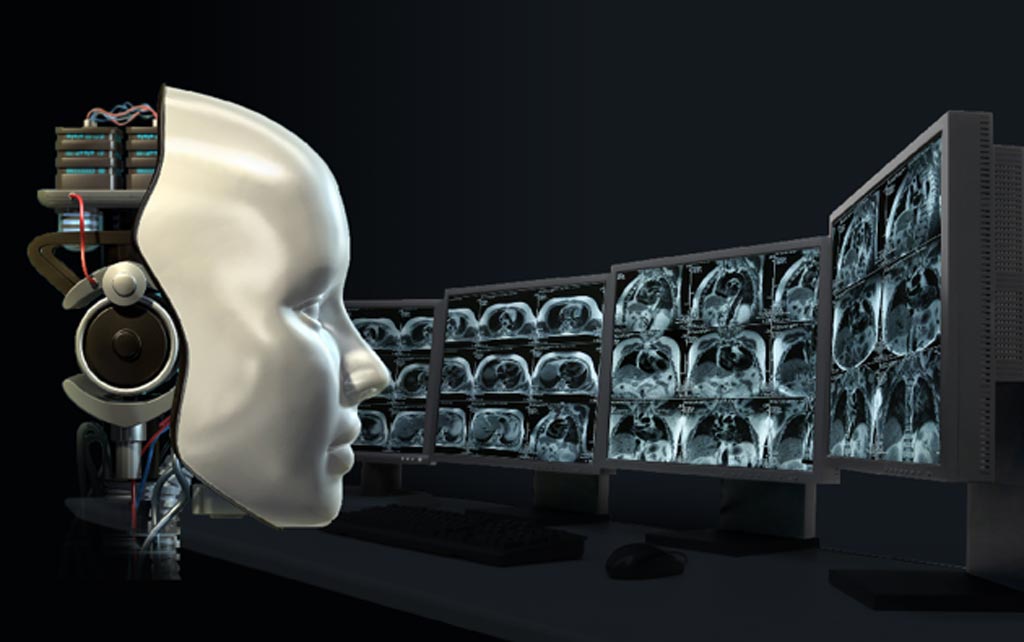
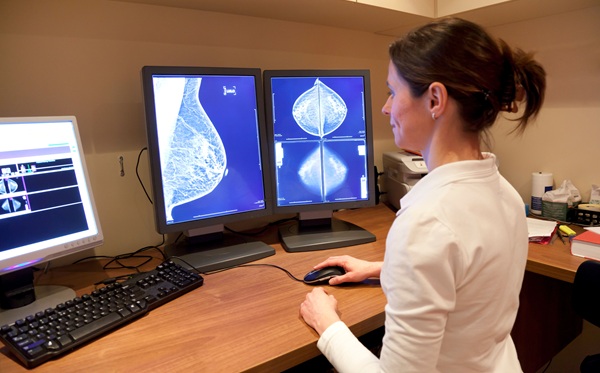
The use of artificial intelligence (AI) as a stand-alone reader for digital mammography (DM) or digital breast tomosynthesis (DBT) breast screening could ease radiologists’ workload while maintaining quality, according to new research.
Researchers from the Hospital Universitario Reina Sofía (Cordova, Spain) conducted a study to retrospectively evaluate the stand-alone performance of an AI system as an independent reader of DM and DBT screening examinations. Consecutive screening-paired and independently read DM and DBT images were collected and an AI system computed a cancer risk score (range, 1–100) for the DM and DBT examinations independently. AI stand-alone performance was measured using the area under the receiver operating characteristic curve (AUC) and sensitivity and recall rate at different operating points selected to have non-inferior sensitivity compared with the human readings (non-inferiority margin, 5%). The recall rate of AI and the human readings were compared using a McNemar test.
A total of 15 999 DM and DBT examinations (113 breast cancers, including 98 screen-detected and 15 interval cancers) from 15 998 women were evaluated. AI achieved an AUC of 0.93 (95% CI: 0.89, 0.96) for DM and 0.94 (95% CI: 0.91, 0.97) for DBT. For DM, AI achieved non-inferior sensitivity as a single (58.4%; 66 of 113; 95% CI: 49.2, 67.1) or double (67.3%; 76 of 113; 95% CI: 58.2, 75.2) reader, with a reduction in recall rate (P < .001) of up to 2% (95% CI: −2.4, −1.6). For DBT, AI achieved non-inferior sensitivity as a single (77%; 87 of 113; 95% CI: 68.4, 83.8) or double (81.4%; 92 of 113; 95% CI: 73.3, 87.5) reader, but with a higher recall rate (P < .001) of up to 12.3% (95% CI: 11.7, 12.9).
The researchers concluded that AI could replace radiologists’ readings in breast screening, achieving a non-inferior sensitivity, with a lower recall rate for DM but a higher recall rate for DBM.
Related Links:
Hospital Universitario Reina Sofía






Latest General/Advanced Imaging News
- 3D-Printed Intraoral Device Enhances Head and Neck Radiotherapy Accuracy
- Molecular Imaging Agent Shows Promise for Endometriosis Detection and Monitoring
- Automated AI Tool Detects Early Pancreatic Cancer on Routine CT
- Routine Cardiac CT Enhanced to Predict Heart Failure Risk
- New Breast Imaging Viewer Unifies Modalities and Enhances Clinical Workflow
- Radiomics Analysis of CT Scans Enhances Evaluation of Sarcoidosis
- Hybrid AI System Improves Early Lung Cancer Detection on CT
- AI Tool Predicts Side Effects from Lung Cancer Treatment
- AI Tool Offers Prognosis for Patients with Head and Neck Cancer
- New 3D Imaging System Addresses MRI, CT and Ultrasound Limitations
- AI-Based Tool Predicts Future Cardiovascular Events in Angina Patients
- AI-Based Tool Accelerates Detection of Kidney Cancer
- New Algorithm Dramatically Speeds Up Stroke Detection Scans
- 3D Scanning Approach Enables Ultra-Precise Brain Surgery
- AI Tool Improves Medical Imaging Process by 90%
- New Ultrasmall, Light-Sensitive Nanoparticles Could Serve as Contrast Agents
Channels
Radiography
view channel
AI Detection Tool Improves Identification of Lobular Breast Cancer
Breast cancer screening seeks early detection, yet some subtypes remain difficult to visualize on mammography, risking delayed diagnosis. On average, 1 in 20 women worldwide will develop breast cancer,... Read more
New Contrast Agent Enables Low-Dose X-Ray Joint Imaging
X-ray imaging offers limited visualization of soft tissues like cartilage, complicating evaluation of joint pain and degenerative disease. Clinicians often rely on joint-space narrowing as a proxy for... Read more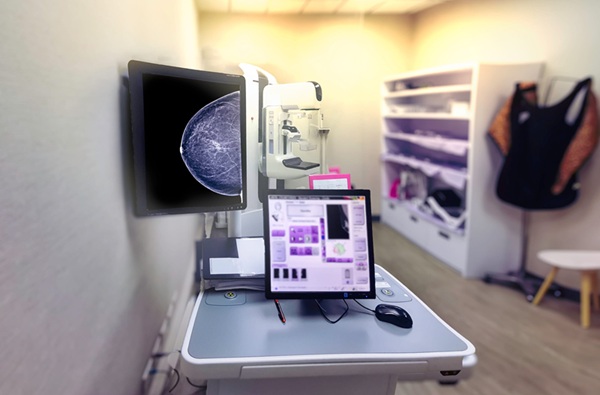
MRI
view channel
AI Body Composition MRI Analysis Predicts Cardiometabolic Disease Risk
Cardiometabolic disease, driven by interactions between cardiovascular and metabolic systems, is a leading cause of morbidity and mortality. Risk assessment often relies on body mass index, which overlooks... Read more
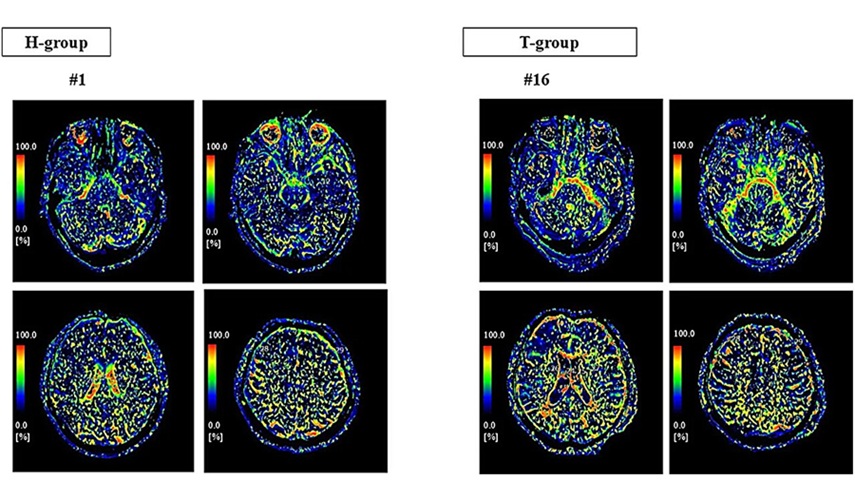
Blood-Brain Barrier Imaging Adds Risk Insight to Standard Stroke MRI
Acute ischemic stroke requires fast, precise decisions on reperfusion and bleeding risk, yet routine imaging gives limited insight into vascular integrity. Clinicians need ways to predict outcomes and... Read more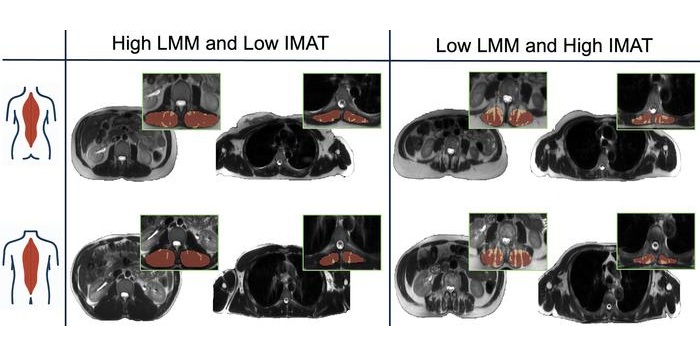
Ultrasound
view channel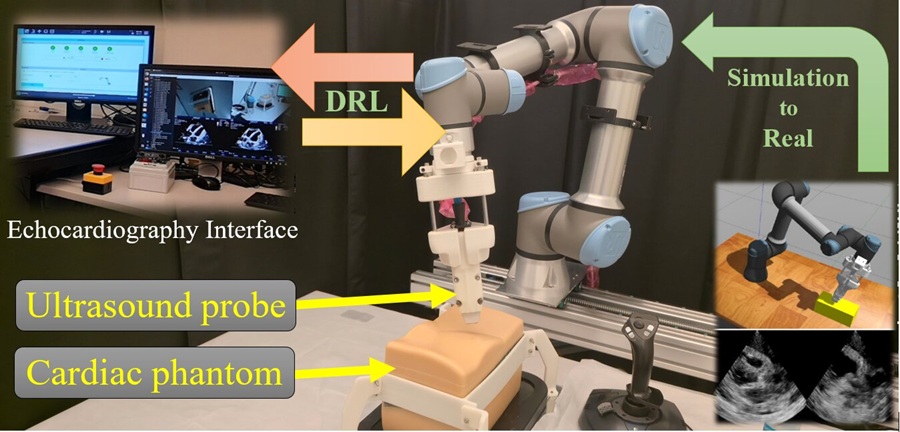
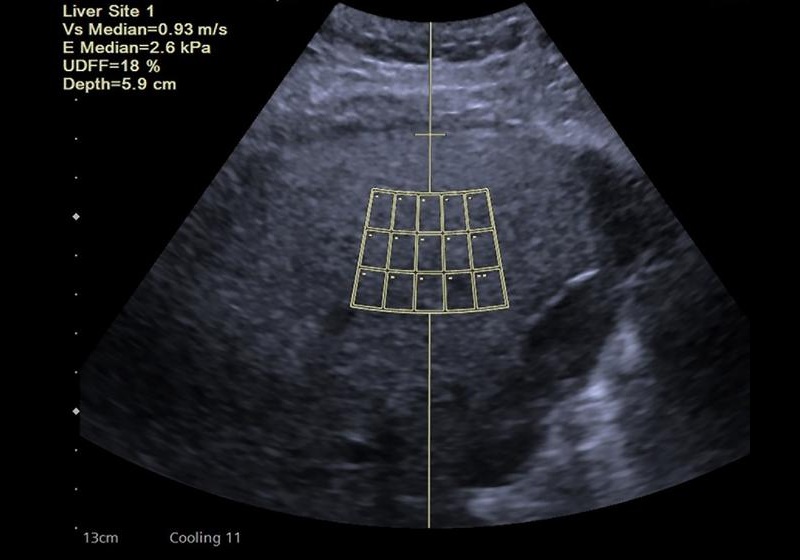
AI Robotic Ultrasound System Automates Echocardiography and Improves Consistency
Echocardiography, an ultrasound examination of the heart, is central to diagnosing and managing cardiovascular disease. Many services struggle with limited availability of skilled sonographers, variable... Read more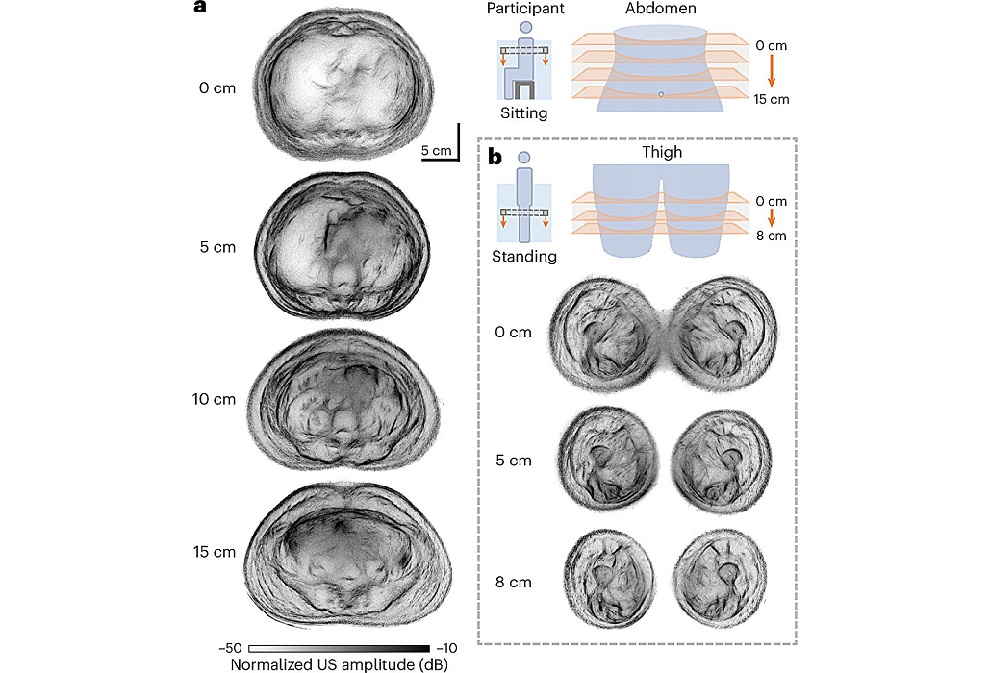
Whole Cross-Section Ultrasound System Enables Operator-Independent Imaging
Conventional ultrasound is central to bedside imaging but is limited by a narrow field of view and operator variability. Comprehensive cross-sectional assessment typically requires computed tomography... Read more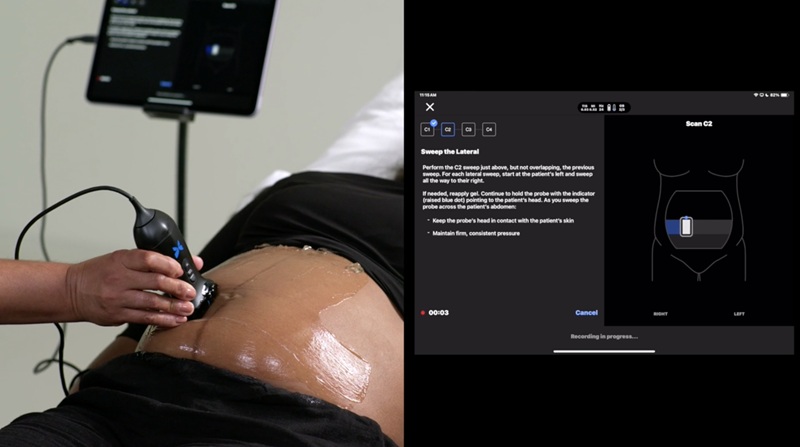
Nuclear Medicine
view channel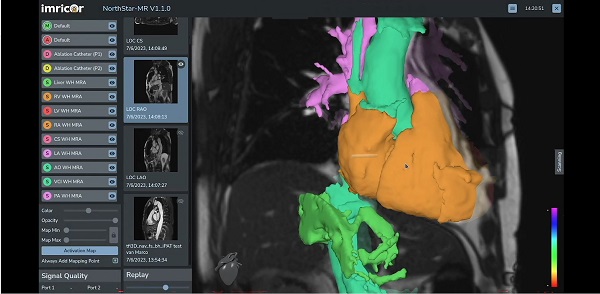
MR-Guided Cardiac Mapping System Enables Radiation-Free Procedures
Cardiac electrophysiology procedures are typically guided by X-ray fluoroscopy, which limits soft-tissue visualization and exposes patients and clinical staff to ionizing radiation. Real-time mapping that... Read more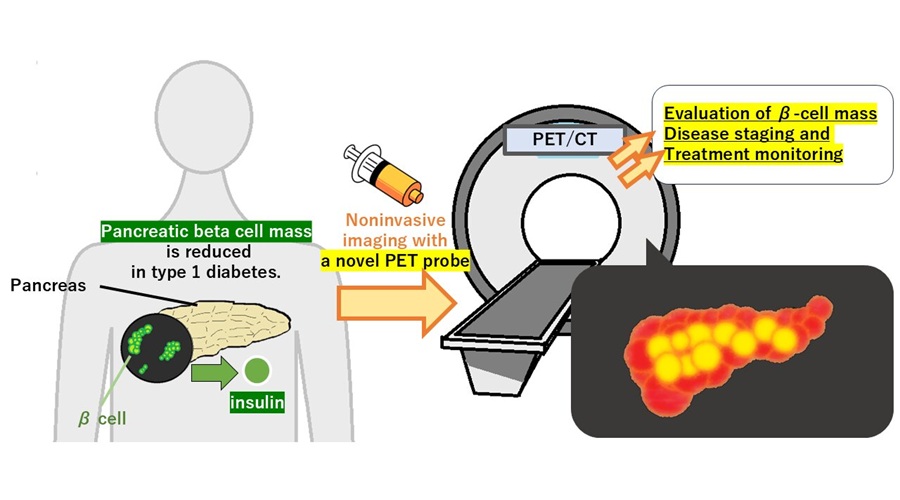
PET Tracer Enables Noninvasive Measurement of Beta Cell Mass
Type 1 diabetes is an autoimmune disease in which the immune system destroys insulin-producing pancreatic beta cells. Loss of these cells destabilizes glucose control and drives complications.... Read more
New Imaging Tool Sheds Light on Tumor Fat Metabolism
Rapidly growing tumors reprogram metabolism to meet high energy demands. While many cancers preferentially consume glucose, lipid utilization by malignant cells is difficult to measure in living subjects.... Read more
Radiopharmaceutical Molecule Marker to Improve Choice of Bladder Cancer Therapies
Targeted cancer therapies only work when tumor cells express the specific molecular structures they are designed to attack. In urothelial carcinoma, a common form of bladder cancer, the cell surface protein... Read moreImaging IT
view channel
Breast Imaging Software Enhances Visualization and Tissue Characterization in Challenging Cases
Breast imaging can be particularly challenging in cases involving small breasts or implants, where image reconstruction and tissue characterization may be limited. Clinicians also need reproducible analysis... Read more
New Google Cloud Medical Imaging Suite Makes Imaging Healthcare Data More Accessible
Medical imaging is a critical tool used to diagnose patients, and there are billions of medical images scanned globally each year. Imaging data accounts for about 90% of all healthcare data1 and, until... Read more
Global AI in Medical Diagnostics Market to Be Driven by Demand for Image Recognition in Radiology
The global artificial intelligence (AI) in medical diagnostics market is expanding with early disease detection being one of its key applications and image recognition becoming a compelling consumer proposition... Read more
Industry News
view channel
Nuclear Medicine Set for Continued Growth Driven by Demand for Precision Diagnostics
Clinical imaging services face rising demand for precise molecular diagnostics and targeted radiopharmaceutical therapy as cancer and chronic disease rates climb. A new market analysis projects rapid expansion... Read more