


Game-Changing AI Software That Helps Diagnose Breast and Thyroid Cancers Receives US FDA Clearance
|
By MedImaging International staff writers Posted on 20 Dec 2021 |


|

A new artificial intelligence (AI) enabled software that improves cancer detection with fewer false positives and avoidable procedures has been cleared for use by physicians interpreting ultrasound exams.
Koios Medical, Inc. (New York, NY, USA) has received FDA clearance for Koios DS, its AI-based software platform used to diagnose thyroid and breast cancer. The new system, built using ultrasound data from a network of 48 sites around the world, aids physicians in accurately diagnosing disease and improves speed to treatment while reducing avoidable surgical procedures.
Breast cancer is the second most diagnosed cancer in women worldwide. An ultrasound exam is the standard of care for women with dense breast tissue. Thyroid disease is one of the most complex and challenging radiological interpretations. Diagnostic uncertainty drives a high level of variability across physicians and results in surgical procedures, downstream cost, risk of complication and physician burn-out.
The company performed studies that proved physicians using Koios DS software dramatically improved accuracy, consistency, and efficiency. Physicians’ thyroid cancer detection rates jumped by up to 14% while simultaneously reducing false positive biopsy orders by over 35%. Interpretation variability was lowered by over 50% and time spent per case dropped by 24%.
The patented AI software aligns Koios DS AI generated findings directly to the American College of Radiology’s BI-RADS and TI-RADS rating systems as well as the American Thyroid Association’s system for tissue classification, scoring and patient management. The AMA recently announced new CPT Category 3 codes for whenever Koios DS software is utilized interpreting, classifying and reporting traditional ultrasound exams.
The rigor of the FDA clearance process required that Koios DS be proven to accurately interpret images from all major ultrasound hardware manufacturers. The software is compatible with major PACS workstation viewers and integrated into GE Healthcare’s LOGIQ E10 ultrasound scanner. The system enables real-time decision-making with results that can be exported directly into a patient's record and all major reporting systems, reducing errors and saving time.
“The typical decision-making paradigm relies on tradeoffs; trading sensitivity for specificity, efficiency for thoroughness, but the only thing enforcing this paradigm is the inability to shift off of these tradeoff curves in place of shifting along them,” said Dr. Lev Barinov, VP of Clinical Excellence. “This novel software demonstrates that using AI for decision support physicians can make clinically meaningful shifts in performance improving interpretation efficacy and diagnostic performance, improving sensitivity and reducing false positives. It is exciting to bring these innovations to physicians and ultimately their patients to elevate the level of care broadly.”
“The ability of physicians and health systems to now code and bill for the use of this innovative and effective technology will most certainly accelerate adoption, putting the software into the hands of physicians for the benefit of patients nationwide,” added Graham Anderson, Koios Medical CFO.
“The loss of life globally to cancers found too late, or misdiagnosed, is tragic. When combined with the millions wasted on avoidable procedures we are compelled to relentlessly innovate, building powerful AI models directly into easy-to-use software,” said Koios Medical CEO Chad McClennan. “This new FDA clearance means physicians are now poised to save tens of thousands of lives while freeing up precious time and resources that can be used more effectively and elevate quality of life.”
Related Links:
Koios Medical, Inc.





Latest General/Advanced Imaging News
- Whole-Body PET/CT Tracks Metabolic Changes After Bariatric Surgery
- PET Tracer Localizes Overactive Adrenal Glands in Primary Aldosteronism
- Multimodal AI Tool Combines CT and Health Records to Predict Heart Risk
- AI Tool Automates Radiotherapy Planning for Cervical and Prostate Cancer
- New Proton Therapy Platform Integrates into Existing Radiotherapy Departments
- 3D-Printed Intraoral Device Enhances Head and Neck Radiotherapy Accuracy
- Molecular Imaging Agent Shows Promise for Endometriosis Detection and Monitoring
- Automated AI Tool Detects Early Pancreatic Cancer on Routine CT
- Routine Cardiac CT Enhanced to Predict Heart Failure Risk
- New Breast Imaging Viewer Unifies Modalities and Enhances Clinical Workflow
- Radiomics Analysis of CT Scans Enhances Evaluation of Sarcoidosis
- Hybrid AI System Improves Early Lung Cancer Detection on CT
- AI Tool Predicts Side Effects from Lung Cancer Treatment
- AI Tool Offers Prognosis for Patients with Head and Neck Cancer
- New 3D Imaging System Addresses MRI, CT and Ultrasound Limitations
- AI-Based Tool Predicts Future Cardiovascular Events in Angina Patients
Channels
Radiography
view channel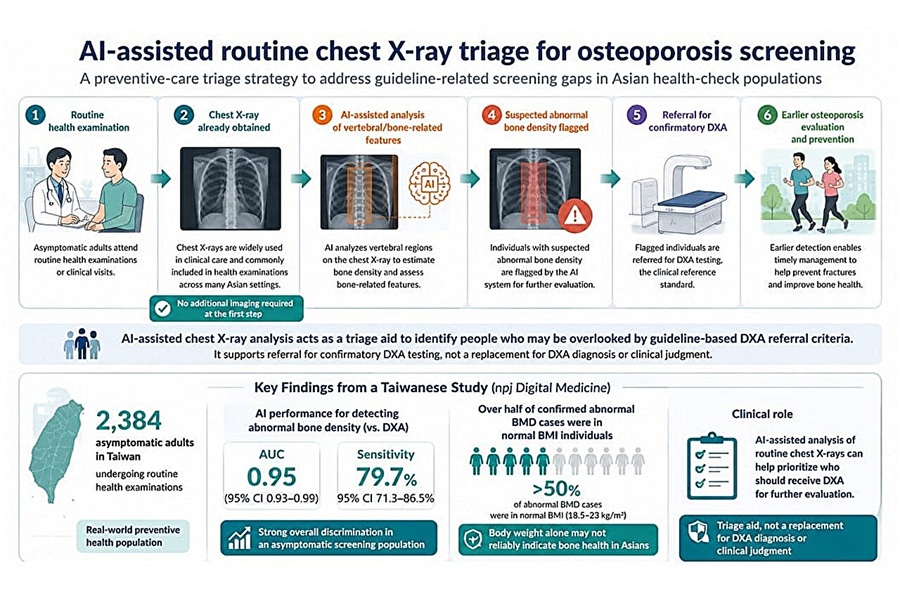
AI Tool Flags Osteoporosis Risk from Routine Chest X-Rays
Osteoporosis is a progressive loss of bone density that is often silent until a fracture occurs. Current screening frameworks concentrate on older women and select high-risk groups. Many men, younger adults,... Read more
Simple Chest X-Ray Measure Predicts Survival After Lung Cancer Surgery
Obstructive ventilatory disorder, marked by airflow limitation that reduces breathing efficiency, increases postoperative risk in patients with lung cancer. Although surgery offers the best chance of cure,... Read more

MRI
view channel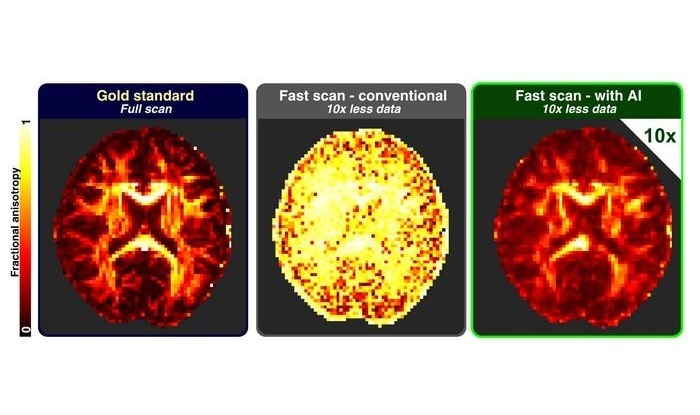
AI Approach Could Shorten Advanced Brain MRI Scans by Up to 90%
Long acquisition times for advanced brain magnetic resonance imaging (MRI) can limit access, extend waiting lists, and disrupt clinical workflows. Reducing data requirements without sacrificing image fidelity... Read more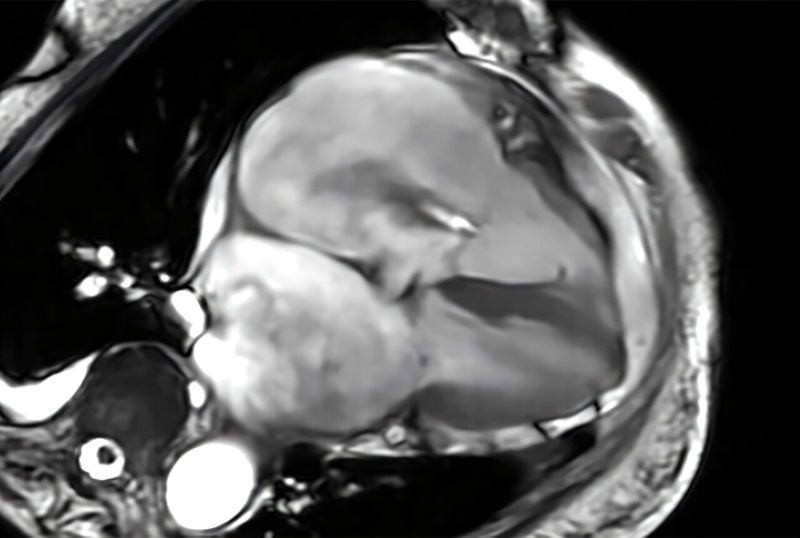
Cardiac MRI Measure Improves Risk Prediction in Tricuspid Regurgitation
Tricuspid regurgitation, in which blood flows back from the right ventricle into the right atrium, can lead to progressive right-sided heart failure. Clinicians need reliable ways to gauge severity and... Read more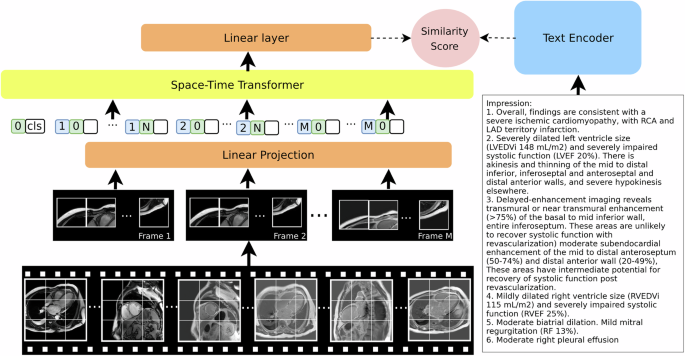
Ultrasound
view channel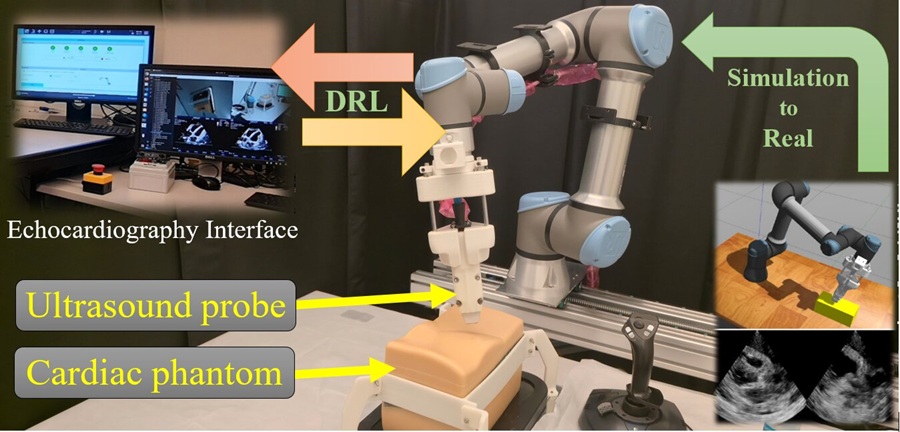
AI Robotic Ultrasound System Automates Echocardiography and Improves Consistency
Echocardiography, an ultrasound examination of the heart, is central to diagnosing and managing cardiovascular disease. Many services struggle with limited availability of skilled sonographers, variable... Read more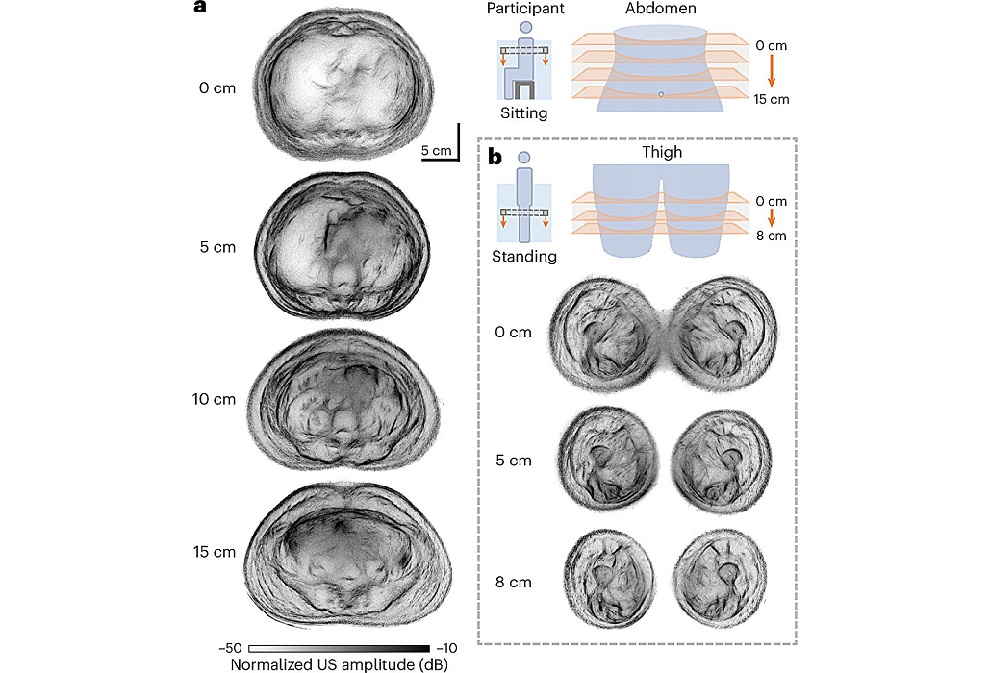
Whole Cross-Section Ultrasound System Enables Operator-Independent Imaging
Conventional ultrasound is central to bedside imaging but is limited by a narrow field of view and operator variability. Comprehensive cross-sectional assessment typically requires computed tomography... Read more
Nuclear Medicine
view channel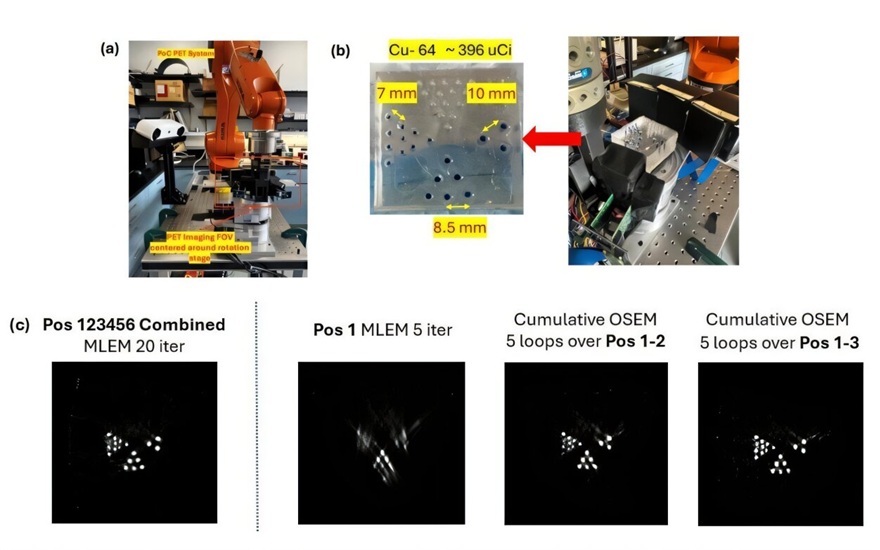
Portable PET System Enables Real-Time Bedside Guidance for Biopsies and Ablations
Interventional radiology procedures typically rely on ultrasound, X-ray fluoroscopy, or computed tomography for image guidance. These modalities visualize anatomy but offer limited molecular information,... Read more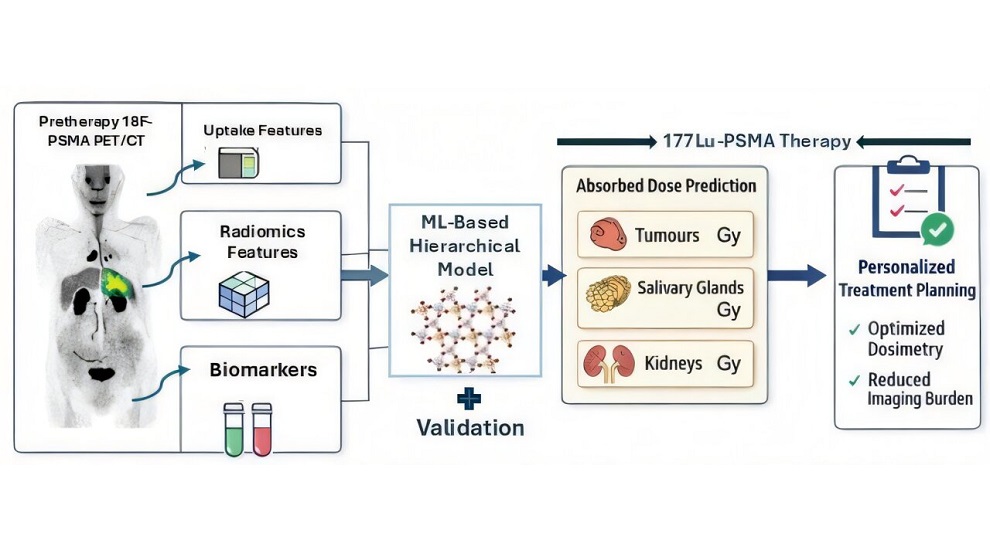
AI Model Predicts Radiation Dose Before Prostate Cancer Therapy
Metastatic castration-resistant prostate cancer (mCRPC) is an advanced form of disease that progresses despite androgen-deprivation therapy and frequently spreads to bone and visceral organs.... Read more
Imaging IT
view channel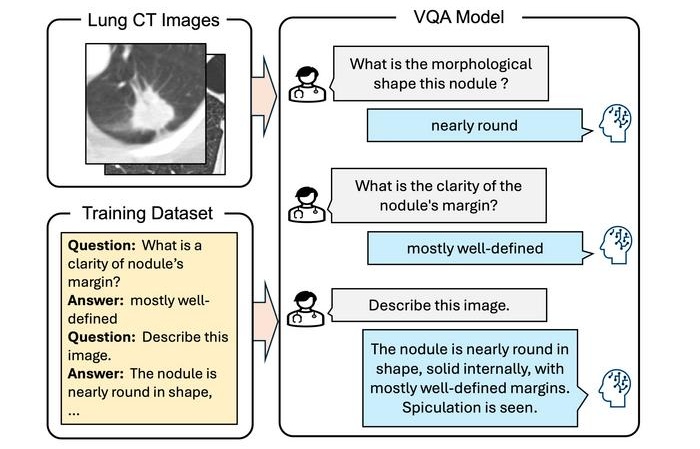
Interactive AI Tool Supports Explainable Lung Nodule Assessment
Lung cancer is a leading cause of cancer mortality, and timely characterization of pulmonary nodules on chest computed tomography (CT) is essential for directing care. Interpreting nodule morphology demands... Read more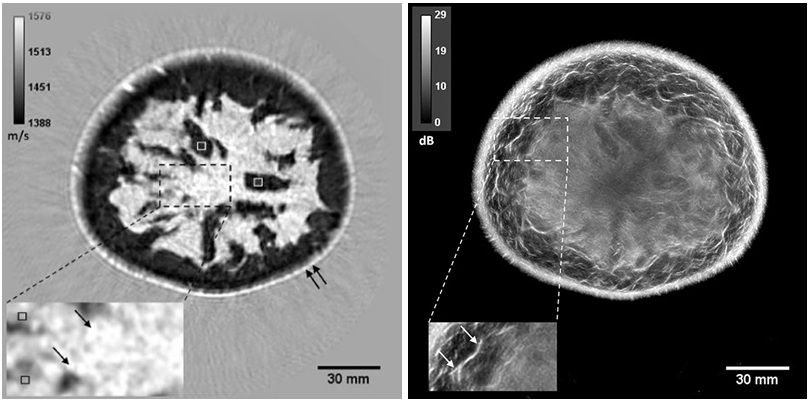
Breast Imaging Software Enhances Visualization and Tissue Characterization in Challenging Cases
Breast imaging can be particularly challenging in cases involving small breasts or implants, where image reconstruction and tissue characterization may be limited. Clinicians also need reproducible analysis... Read more
New Google Cloud Medical Imaging Suite Makes Imaging Healthcare Data More Accessible
Medical imaging is a critical tool used to diagnose patients, and there are billions of medical images scanned globally each year. Imaging data accounts for about 90% of all healthcare data1 and, until... Read more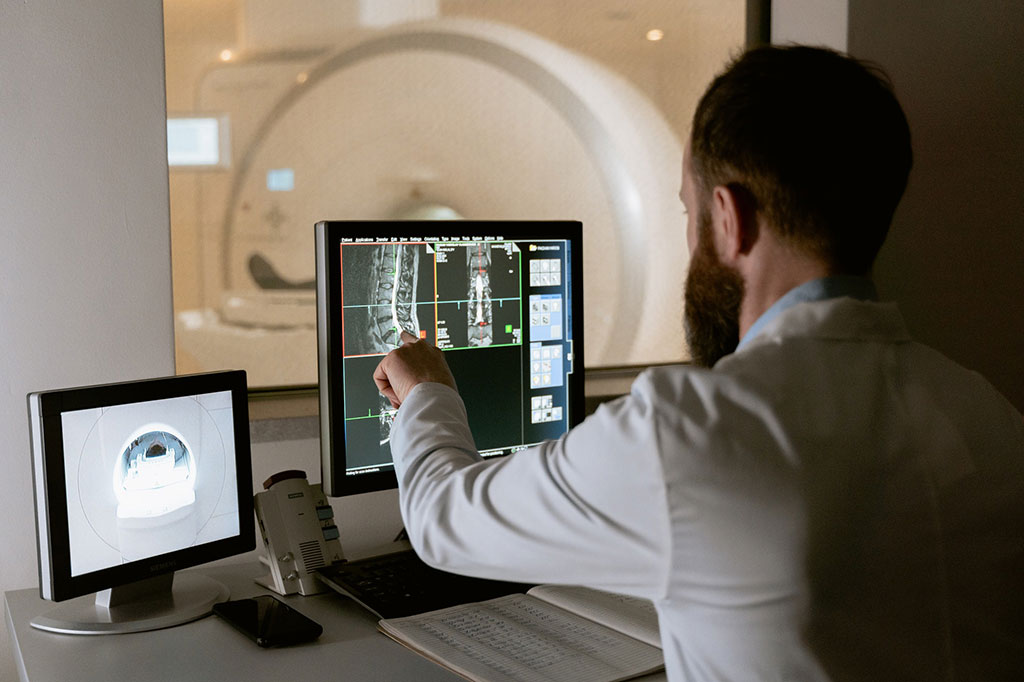
Global AI in Medical Diagnostics Market to Be Driven by Demand for Image Recognition in Radiology
The global artificial intelligence (AI) in medical diagnostics market is expanding with early disease detection being one of its key applications and image recognition becoming a compelling consumer proposition... Read moreIndustry News
view channel
GE HealthCare Showcases AI-Enabled Nuclear Medicine Portfolio at SNMMI 2026
Nuclear medicine is expanding rapidly as health systems adopt theranostics and broaden access to radiopharmaceuticals, increasing demand for scalable operations and consistent diagnostic confidence.... Read more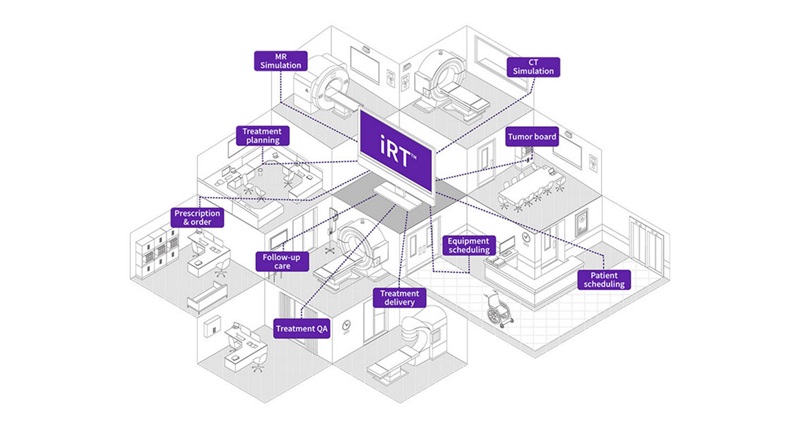
GE HealthCare Highlights AI-Supported Radiation Therapy Tools at ESTRO 2026
At the European Society for Radiotherapy and Oncology (ESTRO) 2026 Congress in Stockholm, GE HealthCare is highlighting Intelligent Radiation Therapy (iRT), MIM Software innovations, and BK Medical surgical... Read more