GE Healthcare Introduces Industry’s First Modular, Scalable Computed Tomography (CT) Platform at RSNA 2021
|
By MedImaging International staff writers Posted on 01 Dec 2021 |


|
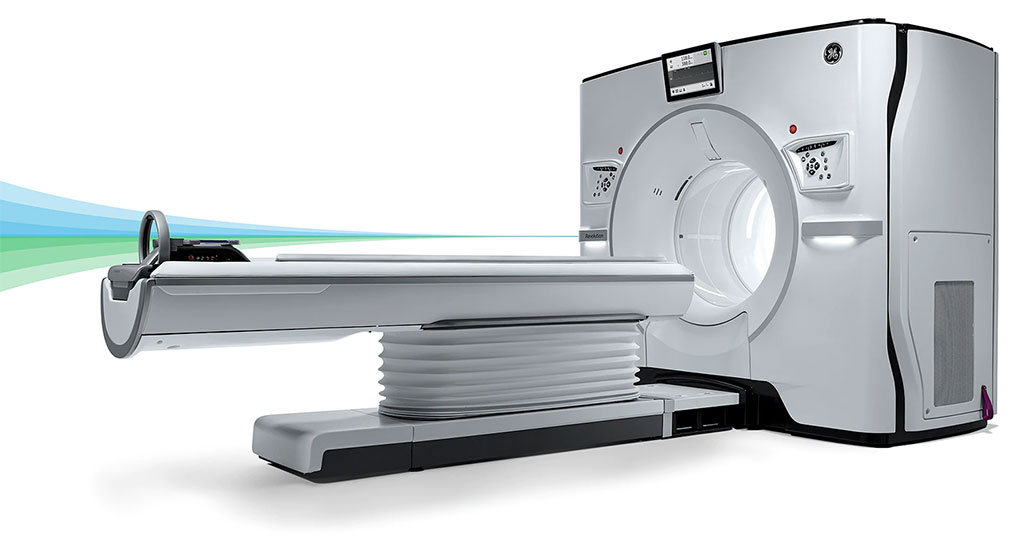
GE Healthcare (Chicago, IL, USA) introduced the industry’s first computed tomography (CT) platform with built-in scalability and upgradability at the Radiological Society of North America’s 2021 Annual Meeting.
AT RSNA 2021, GE introduced its Revolution Apex platform – an industry first CT platform with built-in scalability for onsite CT detector upgrades from 40 mm to 80 mm or 160 mm detector coverage – all without replacing the gantry. Offering uncompromised clinical capabilities, the new Revolution Apex platform helps radiology departments stay ahead of the technology curve with a modular design that offers a seamless path to continuous hardware and software scalability and upgradability that will extend the lives of CT systems into the future.
GE also unveiled SIGNA Hero, a new 3.0T magnetic resonance imaging (MRI) system named in honor of all the healthcare workers who continue caring for the global community amidst today’s COVID-19 pandemic. Offering new workflows and AIR Recon DL enhancements, SIGNA Hero is designed to help those on the frontlines meet today’s most pressing needs. AIR Recon DL is GE’s pioneering deep learning image reconstruction technology that works across all anatomies and offers clinicians a 30-50% reduction in exam times. With better image quality, enhanced workflows, increased productivity, improved patient comfort and greater sustainability, SIGNA Hero aims to make challenging exams simpler, turning “difficult” to “routine.”
At RSNA 2021, GE unveiled around 60 innovative technology solutions spanning the healthcare spectrum including patient screening, diagnostics, therapy planning, guidance, and monitoring. Amidst a global pandemic and mounting pressure on the industry, the company accelerated innovations underpinned by artificial intelligence (AI) and digital solutions to help transform healthcare delivery, making it easier and more efficient for clinicians and health systems, and more personalized and precise for patients. At RSNA 2021, GE showcased several new AI-powered, automated and data-driven solutions to help encourage greater diagnostic confidence, ease the burden of care and improve workflow for healthcare systems around the world.
“Our goal is to make healthcare more human by breaking down barriers so clinicians can work at the top of their game, healthcare systems can operate more efficiently, and patients can get the best and most personalized care possible,” said Kieran Murphy, president & CEO, GE Healthcare. “Healthcare is at a turning point and at GE Healthcare we are using our clinical expertise and know-how to deliver innovative technologies and solutions that help solve healthcare’s most pressing problems, advance precision health and improve patient lives.”
Related Links:
GE Healthcare







Latest MRI News
- Combined Imaging Approach Identifies Cause of Heart Attack without Coronary Blockage
- Advanced MRI System Detects Impaired Cardiac Oxygen Use in Minutes
- AI-Enhanced MRI Improves Image Quality in Arrhythmia Patients
- Ultra-Detailed Brain Atlas Enhances Early Detection of Neurological Disorders
- Study Finds Advanced Imaging Significantly Reduces Unnecessary Prostate Biopsies
- New Material Boosts MRI Image Quality
- AI Model Reads and Diagnoses Brain MRI in Seconds
- MRI Scan Breakthrough to Help Avoid Risky Invasive Tests for Heart Patients
- MRI Scans Reveal Signature Patterns of Brain Activity to Predict Recovery from TBI
- Novel Imaging Approach to Improve Treatment for Spinal Cord Injuries
- AI-Assisted Model Enhances MRI Heart Scans
- AI Model Outperforms Doctors at Identifying Patients Most At-Risk of Cardiac Arrest
- New MRI Technique Reveals Hidden Heart Issues
- Shorter MRI Exam Effectively Detects Cancer in Dense Breasts
- MRI to Replace Painful Spinal Tap for Faster MS Diagnosis
- MRI Scans Can Identify Cardiovascular Disease Ten Years in Advance
Channels
Radiography
view channel
AI Boosts Breast Cancer Detection and Cuts Screening Workload
Breast cancer screening programs face rising demand and persistent workforce shortages, straining double-reading workflows and delaying care. Early detection is critical to reduce mortality and minimize... Read more
AI Tool Predicts Breast Cancer Risk Years Ahead Using Routine Mammograms
Breast cancer screening saves lives but still relies largely on uniform schedules despite wide differences in individual risk. This one-size-fits-all approach can miss cancers in higher-risk women while... Read more

MRI
view channel
Combined Imaging Approach Identifies Cause of Heart Attack without Coronary Blockage
Patients who present with myocardial infarction but show no obstructive coronary disease often leave without a definitive diagnosis. That uncertainty complicates in-hospital decision-making and post-discharge... Read more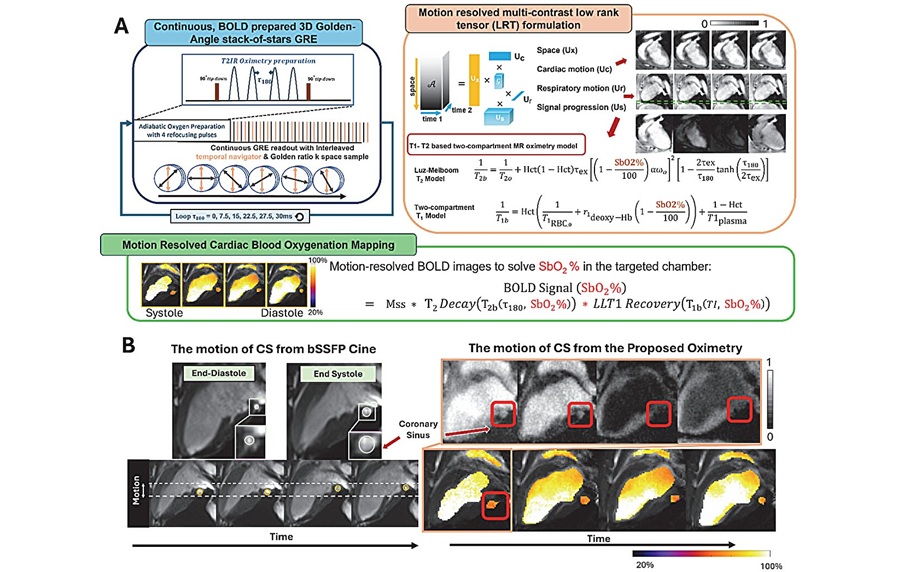
Advanced MRI System Detects Impaired Cardiac Oxygen Use in Minutes
Early identification of cardiac dysfunction remains challenging because current methods to evaluate myocardial oxygen use are invasive or impractical for routine care. Delays in detecting impaired oxygen... Read more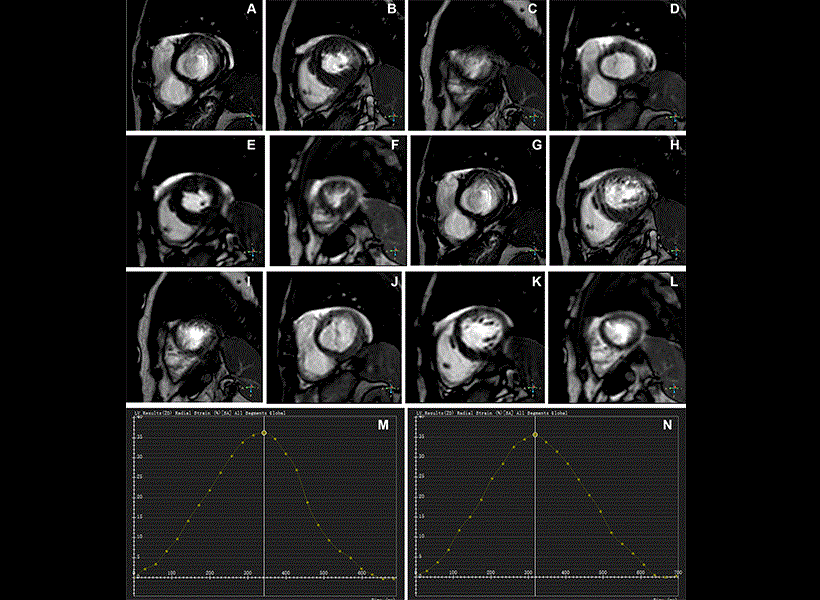
Ultrasound
view channel
New Ultrasound AI Tool Supports Rapid Prenatal Assessment
Accurate gestational age estimation guides prenatal screening, detection of complications, and timely intervention. Access to ultrasound and trained sonographers is uneven, with nearly half of U.... Read more
New Consensus Standardizes Ultrasound-Based Fatty Liver Assessment
Metabolic dysfunction-associated steatotic liver disease (MASLD) is rising along with obesity and diabetes, making accurate, scalable measurement of hepatic fat a clinical priority. Biopsy is invasive... Read more

Nuclear Medicine
view channel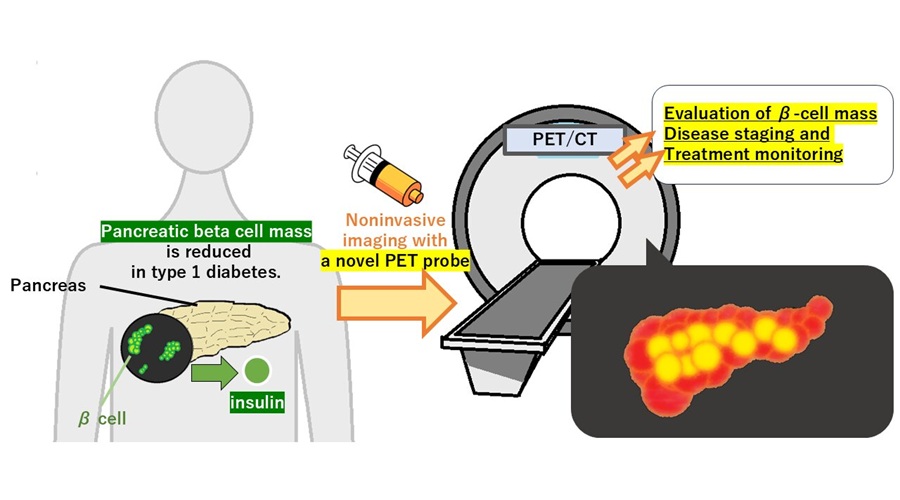
PET Tracer Enables Noninvasive Measurement of Beta Cell Mass
Type 1 diabetes is an autoimmune disease in which the immune system destroys insulin-producing pancreatic beta cells. Loss of these cells destabilizes glucose control and drives complications.... Read more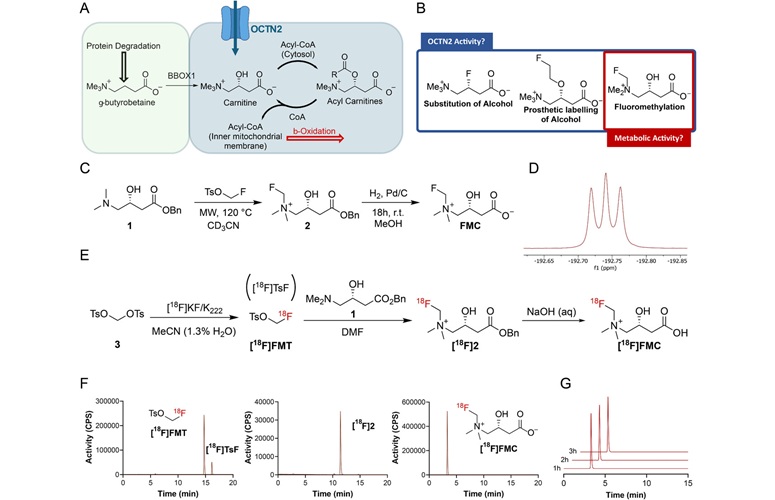
New Imaging Tool Sheds Light on Tumor Fat Metabolism
Rapidly growing tumors reprogram metabolism to meet high energy demands. While many cancers preferentially consume glucose, lipid utilization by malignant cells is difficult to measure in living subjects.... Read more
Radiopharmaceutical Molecule Marker to Improve Choice of Bladder Cancer Therapies
Targeted cancer therapies only work when tumor cells express the specific molecular structures they are designed to attack. In urothelial carcinoma, a common form of bladder cancer, the cell surface protein... Read more
General/Advanced Imaging
view channel
AI Tool Predicts Side Effects from Lung Cancer Treatment
Radiation therapy is a central treatment for lung cancer, but even carefully targeted radiation can affect surrounding healthy tissue. Patients may develop side effects such as lung inflammation, coughing,... Read more
AI Tool Offers Prognosis for Patients with Head and Neck Cancer
Oropharyngeal cancer is a form of head and neck cancer that can spread through lymph nodes, significantly affecting survival and treatment decisions. Current therapies often involve combinations of surgery,... Read more
Imaging IT
view channel
New Google Cloud Medical Imaging Suite Makes Imaging Healthcare Data More Accessible
Medical imaging is a critical tool used to diagnose patients, and there are billions of medical images scanned globally each year. Imaging data accounts for about 90% of all healthcare data1 and, until... Read more
Global AI in Medical Diagnostics Market to Be Driven by Demand for Image Recognition in Radiology
The global artificial intelligence (AI) in medical diagnostics market is expanding with early disease detection being one of its key applications and image recognition becoming a compelling consumer proposition... Read more

Industry News
view channel
Nuclear Medicine Set for Continued Growth Driven by Demand for Precision Diagnostics
Clinical imaging services face rising demand for precise molecular diagnostics and targeted radiopharmaceutical therapy as cancer and chronic disease rates climb. A new market analysis projects rapid expansion... Read more