


Open MRI System Calms Claustrophobic Patients
|
By MedImaging International staff writers Posted on 20 Oct 2021 |


|
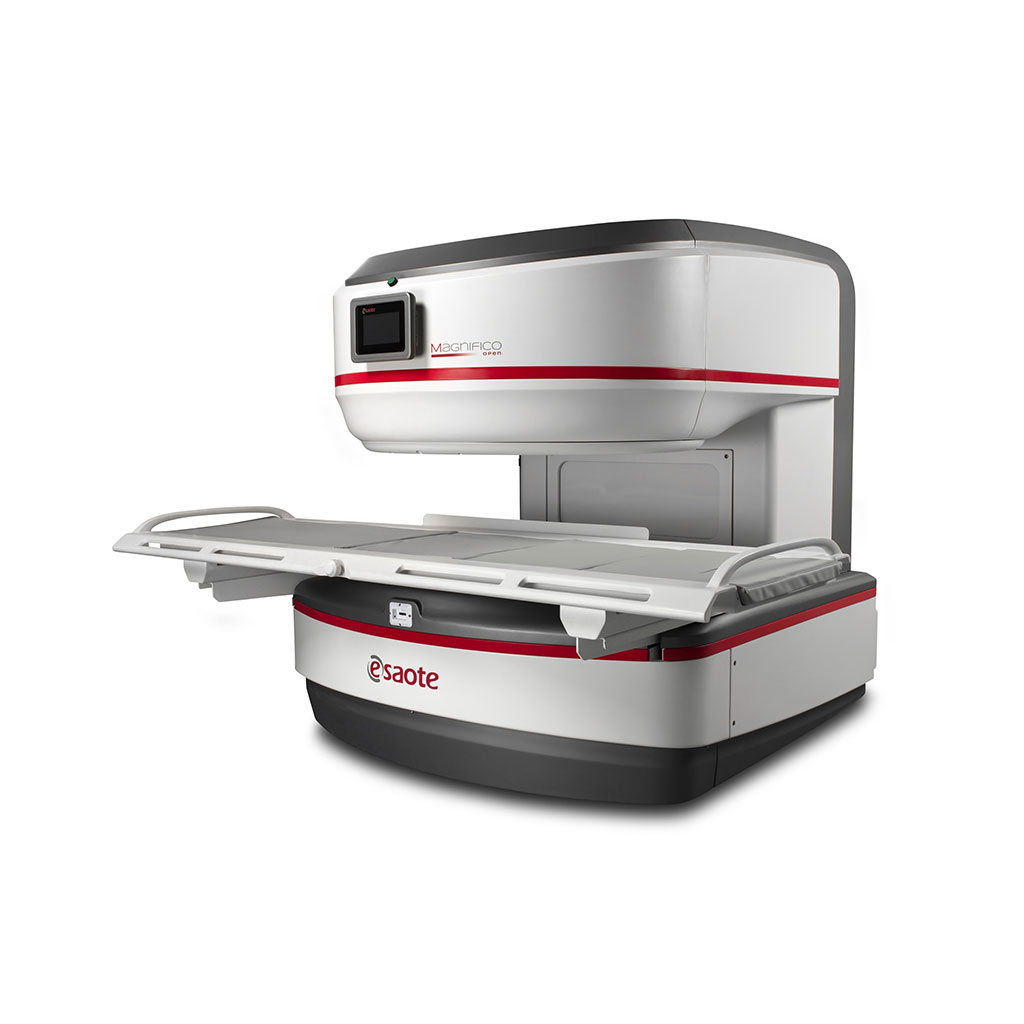
Image: The Magnifico Open MRI System (Photo courtesy of Esaote)
An innovative magnetic resonance imaging (MRI) system with an easy-access bed and a transparent headcoil make patient positioning easy, fast, and comfortable.
The Esaote (Genova, Italy) Magnifico Open MRI System is designed to make the patient’s MRI experience as relaxing as possible for all patients, in particular children. The open design includes free coil positioning, laser alignment, a split coil design with a transparent headcoil, and the easy-access patient bed. Simplified workflows and protocol-driven scanning allow for fast exams and high throughput, without comprising diagnostic quality. A wide range of receiving multi-channel coils and a permanent magnet enable targeted imaging of the knee, spine, shoulder, head, and other organs.
The multichannel design allows for a high signal to noise ratio (SNR), high signal homogeneity, and high spatial resolution, with simple, rapid interchangeability. Magnifico Open also comes with Esaote technologies such as Speed Up, to assure optimal image quality in reduced examination times; True-Motion real-time imaging for a comprehensive clinical and diagnostic picture, particularly in high-level sports medicine; and metal artifact reduction (MAR) for excellent image quality, as well as for post-surgical imaging.
“In recent years, the technological evolution of MRI has seen major developments. Today, with Magnifico Open we are looking even more toward the future,” said Franco Fontana, CEO of Esaote. “With our experience, and thanks to continual cooperation with many medical and scientific partners, we are entering the field of full body magnetic resonance imaging. This is an important achievement, which fills us with pride and opens us to new challenges.”
Low-field systems that feature standard permanent magnets, such as the Magnifico Open, require no cryogenic cooling systems, producing an image using low-power radio waves and magnetic fields instead. With low power consumption (maximum 3 Kw) and minimal radiofrequency (RF) shielding requirements, the Magnifico Open can fit in a space of just 20 m².






The Esaote (Genova, Italy) Magnifico Open MRI System is designed to make the patient’s MRI experience as relaxing as possible for all patients, in particular children. The open design includes free coil positioning, laser alignment, a split coil design with a transparent headcoil, and the easy-access patient bed. Simplified workflows and protocol-driven scanning allow for fast exams and high throughput, without comprising diagnostic quality. A wide range of receiving multi-channel coils and a permanent magnet enable targeted imaging of the knee, spine, shoulder, head, and other organs.
The multichannel design allows for a high signal to noise ratio (SNR), high signal homogeneity, and high spatial resolution, with simple, rapid interchangeability. Magnifico Open also comes with Esaote technologies such as Speed Up, to assure optimal image quality in reduced examination times; True-Motion real-time imaging for a comprehensive clinical and diagnostic picture, particularly in high-level sports medicine; and metal artifact reduction (MAR) for excellent image quality, as well as for post-surgical imaging.
“In recent years, the technological evolution of MRI has seen major developments. Today, with Magnifico Open we are looking even more toward the future,” said Franco Fontana, CEO of Esaote. “With our experience, and thanks to continual cooperation with many medical and scientific partners, we are entering the field of full body magnetic resonance imaging. This is an important achievement, which fills us with pride and opens us to new challenges.”
Low-field systems that feature standard permanent magnets, such as the Magnifico Open, require no cryogenic cooling systems, producing an image using low-power radio waves and magnetic fields instead. With low power consumption (maximum 3 Kw) and minimal radiofrequency (RF) shielding requirements, the Magnifico Open can fit in a space of just 20 m².

Biopsy Software
Affirm® Contrast
X-Ray Illuminator
X-Ray Viewbox Illuminators
Half Apron
Demi
Digital Radiography System
DR-300
Latest MRI News
- Cardiac MRI Detects Hidden Heart Dysfunction After Heart Attack
- AI Tool Reveals Cortical Lesions on Standard MRI in Multiple Sclerosis
- AI Reconstruction Tool Speeds Dynamic Breast MRI and Improves Cancer Detection
- International Study Assesses AI for Prostate Cancer MRI Interpretation
- AI Approach Could Shorten Advanced Brain MRI Scans by Up to 90%
- Cardiac MRI Measure Improves Risk Prediction in Tricuspid Regurgitation
- AI System Improves Accuracy of Cardiac MRI Interpretation
- Deep Learning Model Predicts Alzheimer’s Disease Outcomes from Baseline MRI
- Blood-Brain Barrier Imaging Adds Risk Insight to Standard Stroke MRI
- AI Body Composition MRI Analysis Predicts Cardiometabolic Disease Risk
- AI MRI Tool Quantifies Muscle Fat to Assess Cardiometabolic Risk
- Advanced MRI Visualizes CSF Motion Changes After Mild Traumatic Brain Injury
- MRI Tool Enables Long-Term Tracking of Transplanted Cardiac Cells
- MRI-Based AI Tool Supports Differentiation of Parkinsonian Syndromes
- MRI-Derived Biomarker Improves Risk Stratification in Glioblastoma
- Combined Imaging Approach Identifies Cause of Heart Attack without Coronary Blockage
Channels
Radiography
view channel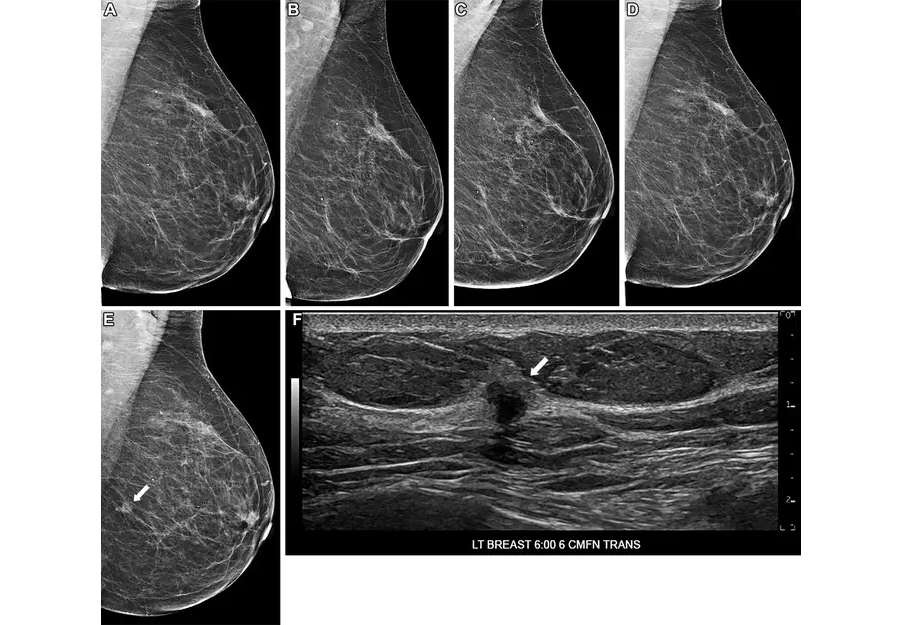
AI Tool Predicts Five-Year Breast Cancer Risk from Mammograms
Breast cancer risk assessment during routine screening is difficult because many women who develop the disease have no known genetic mutations or family history. Static risk tools provide limited discrimination... Read more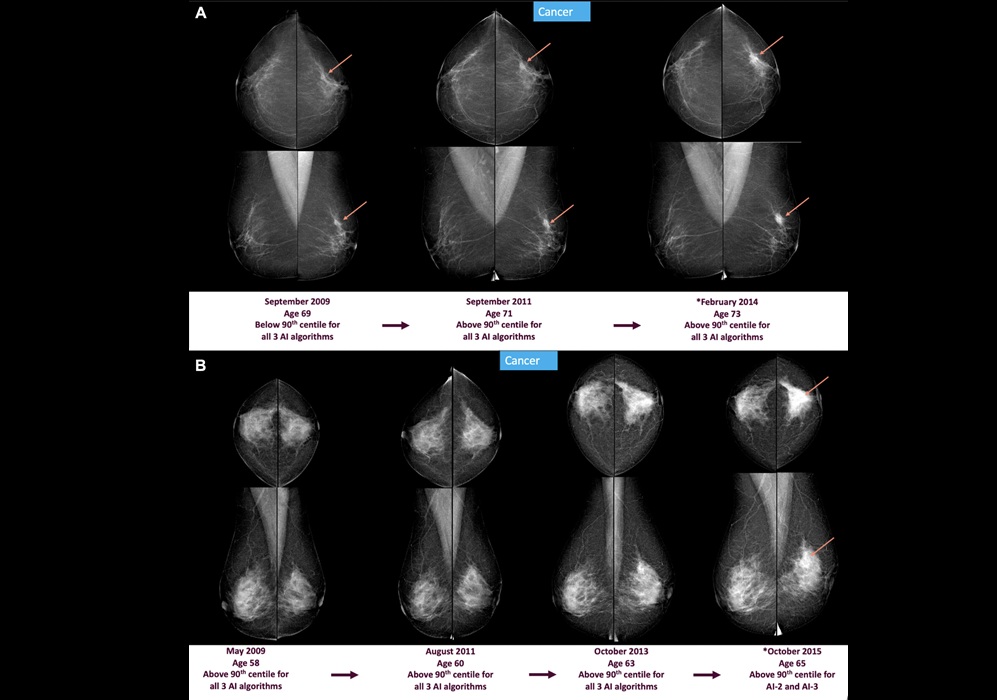
AI Mammography Tools Detect Early Breast Cancer Signs Years Before Diagnosis
Breast cancer screening aims to detect tumors before symptoms develop, but subtle mammographic changes can appear years before diagnosis and may be missed during routine reads. Delayed detection can lead... Read more
Ultrasound
view channel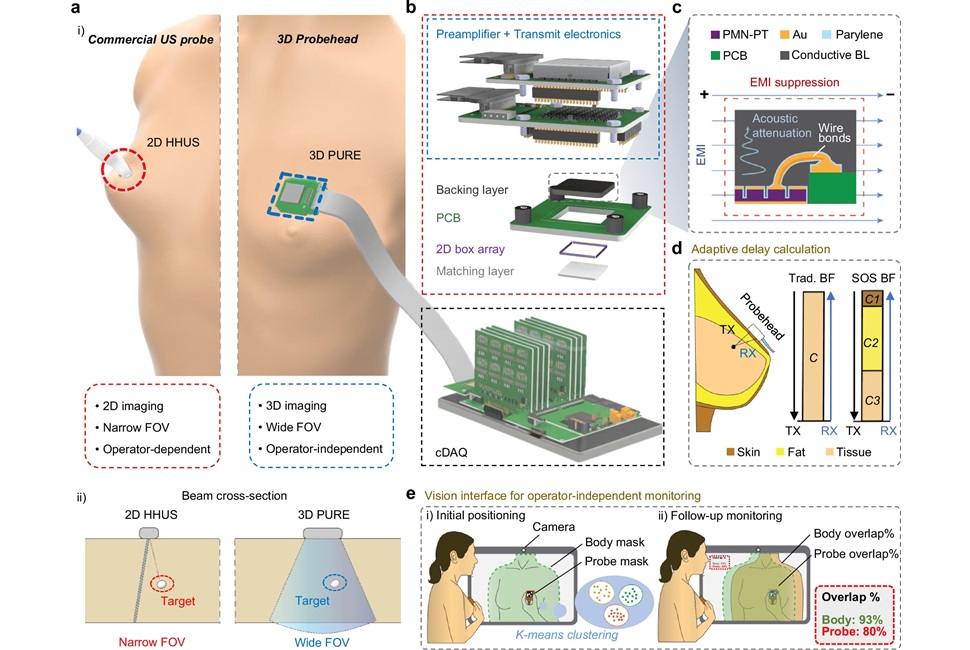
Portable 3D Ultrasound System Enables Reproducible Breast Cancer Monitoring
Breast cancer can develop between annual mammograms, and these interval cancers account for 20% to 30% of cases and tend to be more aggressive. The challenge is pronounced in people with dense breast tissue.... Read more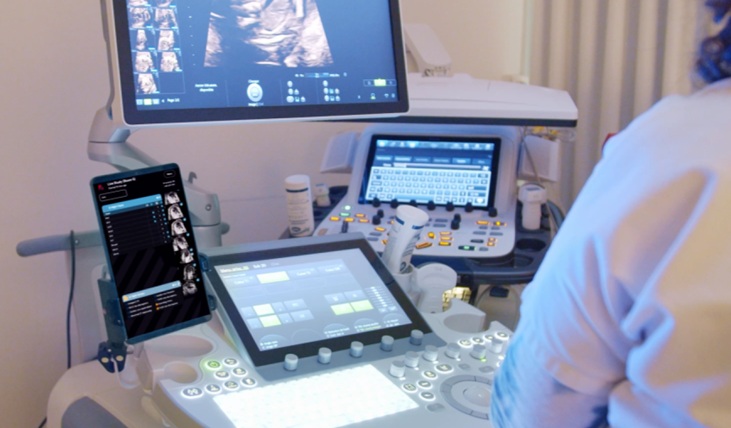
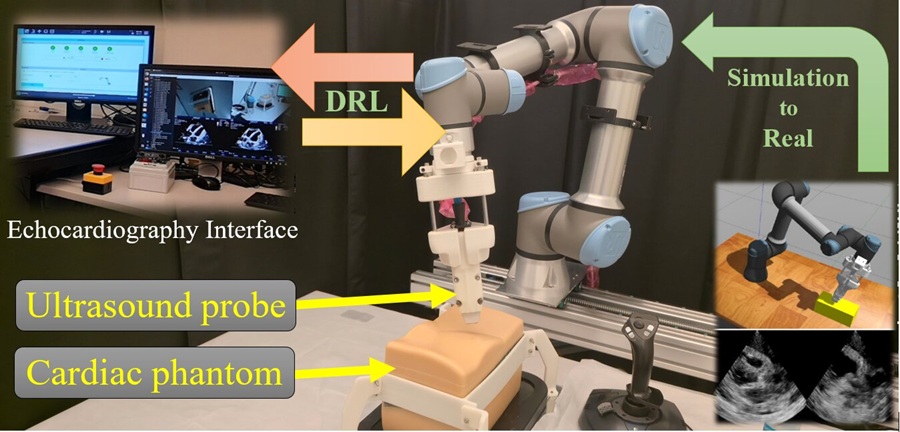
AI Ultrasound Platform Receives CE Mark for Prenatal Screening
Prenatal ultrasound is central to fetal anomaly screening, yet it remains one of the most technically demanding examinations in routine care. Because both image acquisition and interpretation are highly... Read more
Nuclear Medicine
view channel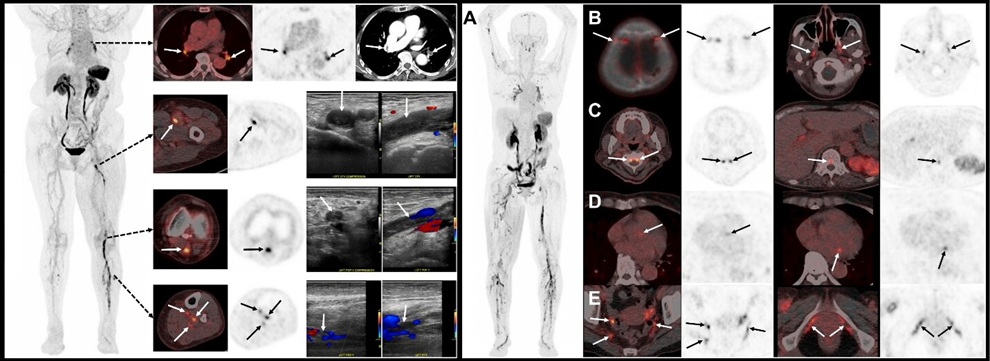
New PET Tracer Detects DVT and Pulmonary Embolism in One Scan
Deep vein thrombosis is the formation of clots in deep leg veins that can migrate to the lungs as pulmonary embolism. Rapid confirmation across both regions often requires multiple tests and can delay treatment.... Read more![Image: (A-C) Representative whole-body maximum-intensity projection images and regional fused PET/CT images from three histologically confirmed osteosarcoma patients who underwent paired [68Ga]Ga-B7-H3-BCH PET/CT and 18F-FDGE PET/CT within 7 days. (D) Multimodal imaging evaluation of patient 3, including X-ray, MRI (T2-weighted imaging, T2WI), CT, and B7-H3 PET/CT. (Photo courtesy of SNMMI)](https://globetechcdn.com/mobile_medicalimaging/images/stories/articles/article_images/2026-06-07/294811110_image_1.jpg "Image: (A-C) Representative whole-body maximum-intensity projection images and regional fused PET/CT images from three histologically confirmed osteosarcoma patients who underwent paired [68Ga]Ga-B7-H3-BCH PET/CT and 18F-FDGE PET/CT within 7 days. (D) Multimodal imaging evaluation of patient 3, including X-ray, MRI (T2-weighted imaging, T2WI), CT, and B7-H3 PET/CT. (Photo courtesy of SNMMI)")
Targeted PET Platform Guides Osteosarcoma Resection and Margin Verification
Osteosarcoma, an aggressive primary bone cancer that mainly affects children and adolescents, demands wide excision to prevent local recurrence. Surgeons must achieve negative margins while preserving... Read more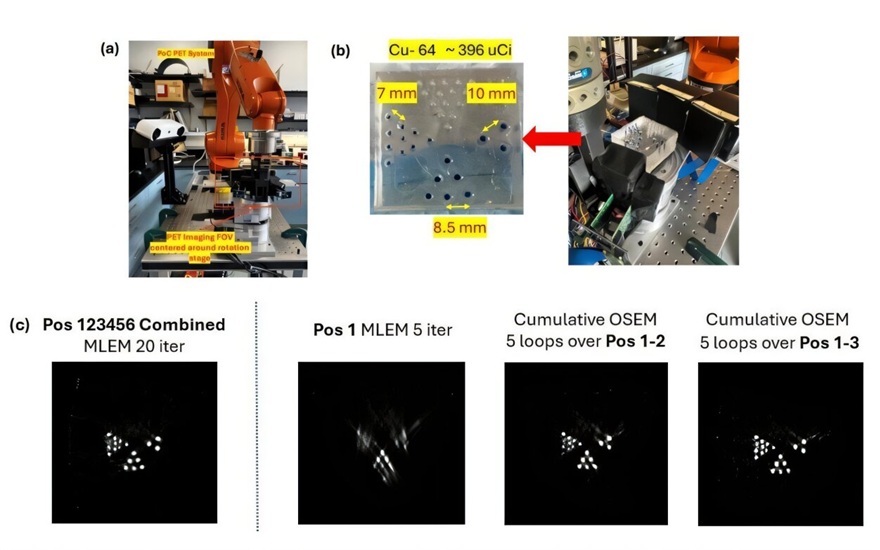
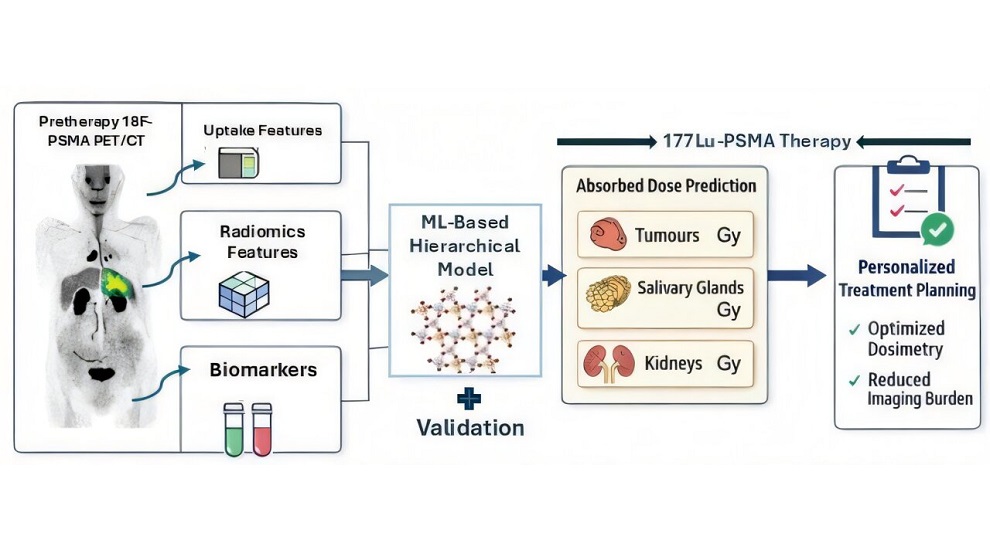
General/Advanced Imaging
view channel
Virtual Staining Technique Creates Histology Images from CT Data
Pulmonary hypertension, a disorder marked by pathological remodeling of the pulmonary vessels, often requires detailed histologic assessment. Yet routine pathology remains anchored in labor‑intensive,... Read more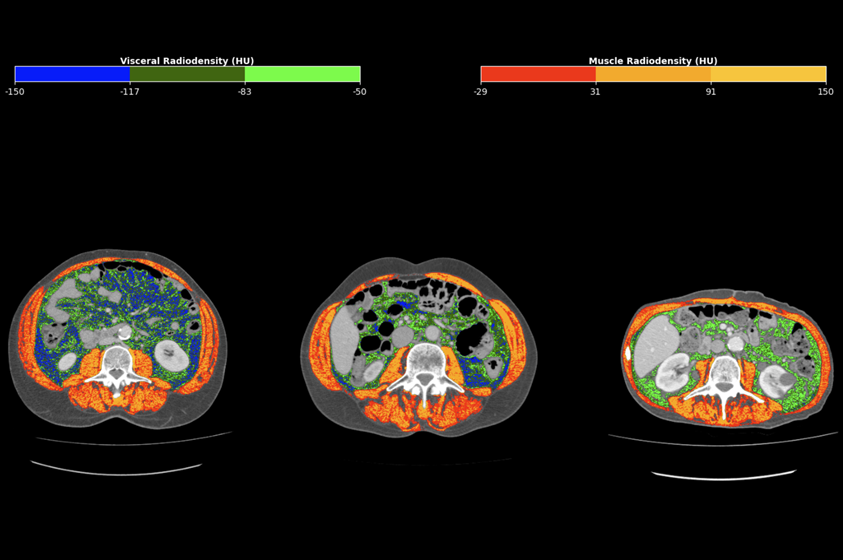
CT-Derived Biomarker Predicts Outcomes in Gastric Cancer
Gastric cancer, also known as stomach cancer, is the fifth most common malignancy worldwide and often shows heterogeneous outcomes even within the same stage. Prognostic estimates typically rely on tumor-centric... Read more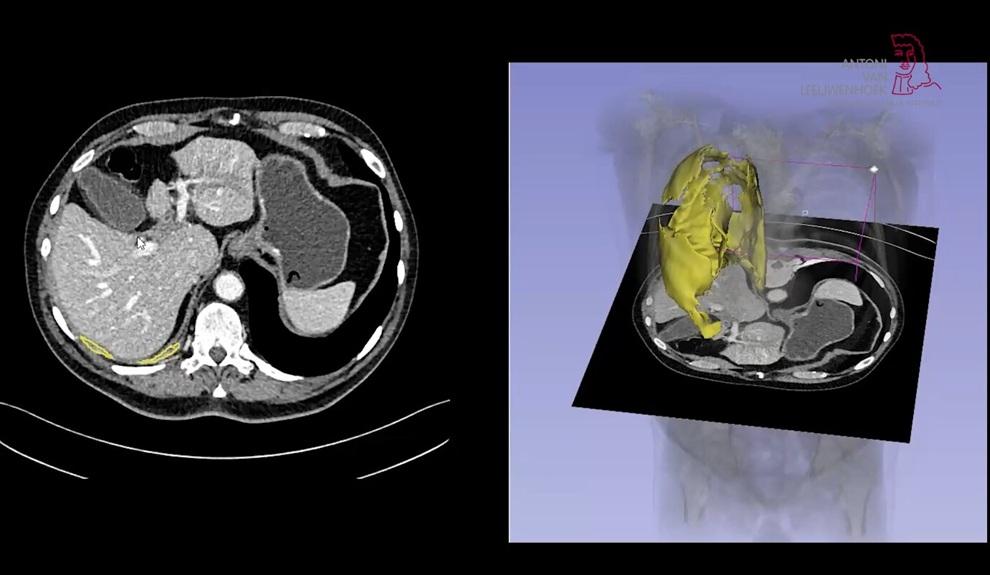
AI Tool Enhances Response Assessment and Survival Prediction in Pleural Mesothelioma
Pleural mesothelioma, a cancer that grows as a thin, irregular layer along the lung wall, is difficult to measure on imaging. Clinicians rely on diameter-based Response Evaluation Criteria in Solid Tumors... Read more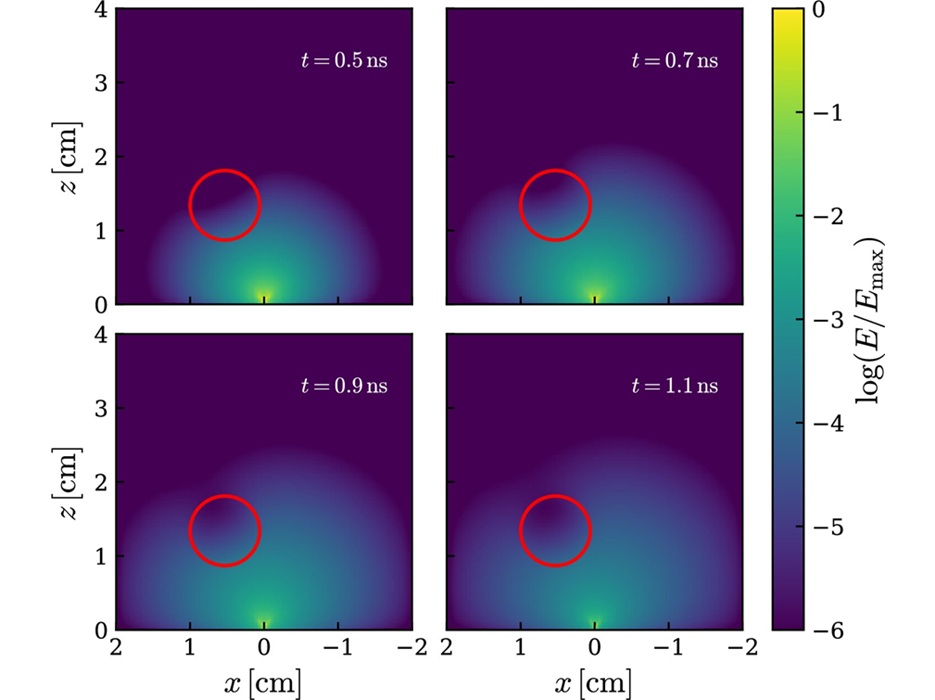
Imaging IT
view channel
Ambient AI Reporting Platform Streamlines Radiology Reporting
Radiology departments face growing imaging volumes and staffing shortages, creating reporting bottlenecks and pressure to maintain turnaround times. Conventional dictation tools document findings after... Read more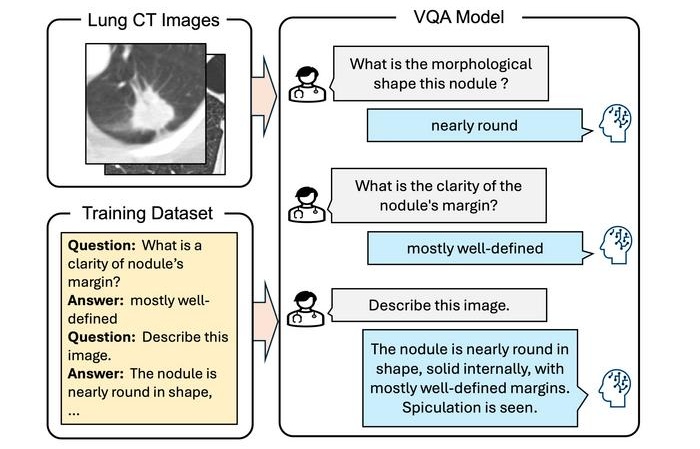
Interactive AI Tool Supports Explainable Lung Nodule Assessment
Lung cancer is a leading cause of cancer mortality, and timely characterization of pulmonary nodules on chest computed tomography (CT) is essential for directing care. Interpreting nodule morphology demands... Read more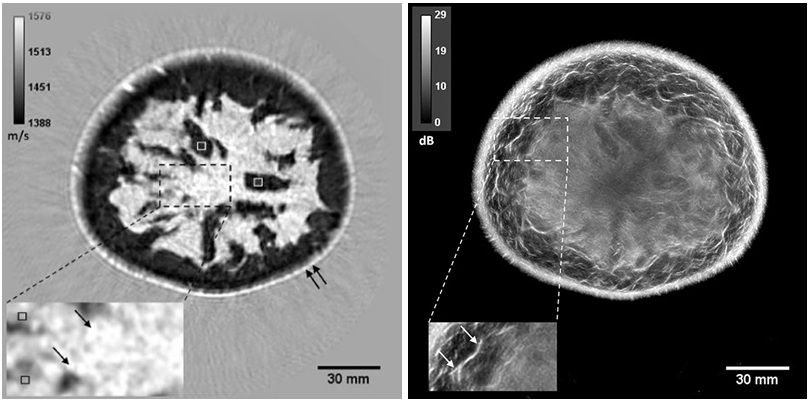
Breast Imaging Software Enhances Visualization and Tissue Characterization in Challenging Cases
Breast imaging can be particularly challenging in cases involving small breasts or implants, where image reconstruction and tissue characterization may be limited. Clinicians also need reproducible analysis... Read more
Industry News
view channel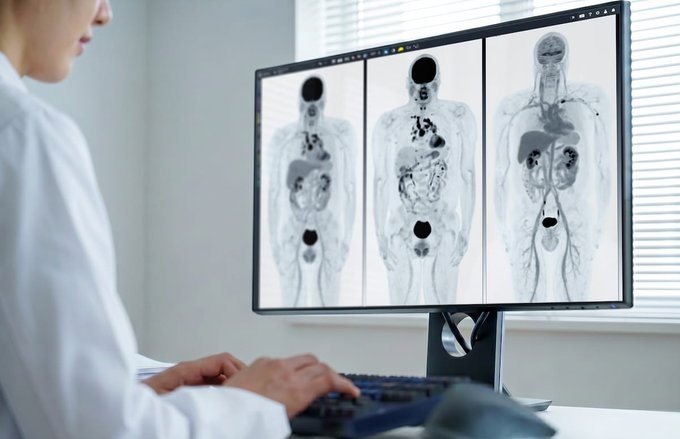
GE HealthCare Showcases AI-Enabled Nuclear Medicine Portfolio at SNMMI 2026
Nuclear medicine is expanding rapidly as health systems adopt theranostics and broaden access to radiopharmaceuticals, increasing demand for scalable operations and consistent diagnostic confidence.... Read more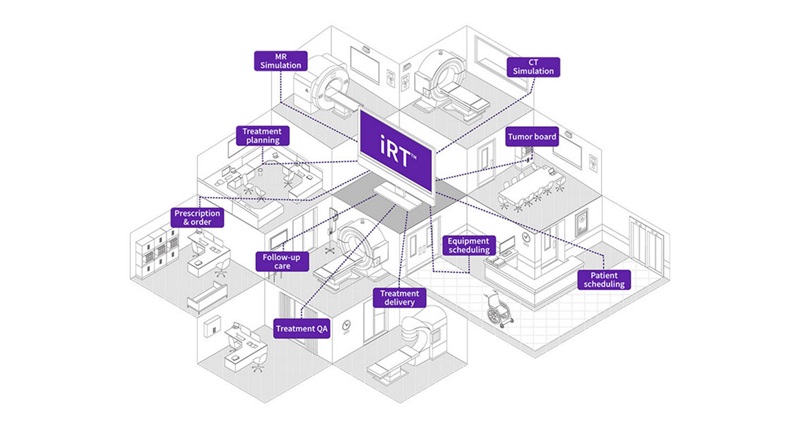
GE HealthCare Highlights AI-Supported Radiation Therapy Tools at ESTRO 2026
At the European Society for Radiotherapy and Oncology (ESTRO) 2026 Congress in Stockholm, GE HealthCare is highlighting Intelligent Radiation Therapy (iRT), MIM Software innovations, and BK Medical surgical... Read more