


AI Tool Predicts Five-Year Breast Cancer Risk from Mammograms
Posted on 24 Jun 2026
Breast cancer risk assessment during routine screening is difficult because many women who develop the disease have no known genetic mutations or family history. Static risk tools provide limited discrimination in population screening, which can hinder timely, risk-adapted imaging and prevention. A new study shows that artificial intelligence (AI) can extract evolving, image-only risk information from mammograms. Researchers have now demonstrated that tracking these changes over time helps predict future breast cancer.
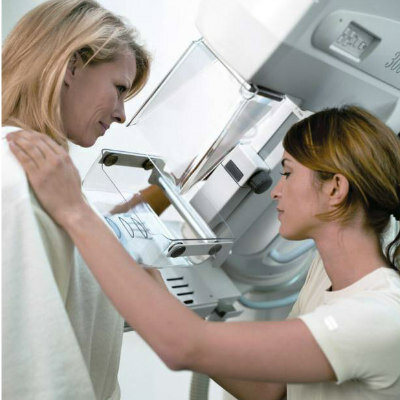
Investigators at Harvard Medical School and Weill Cornell Medicine evaluated a deep learning, image-only method that calculates five-year breast cancer risk directly from screening mammograms. The approach analyzes the entire mammographic image rather than relying on predetermined features such as density, and it does not require demographic or clinical inputs. According to the study, these models have shown better performance than traditional risk calculators and density alone in estimating five-year risk, and the new analysis was published in Radiology, a journal of Radiological Society of North America (RSNA), on June 23, 2026.
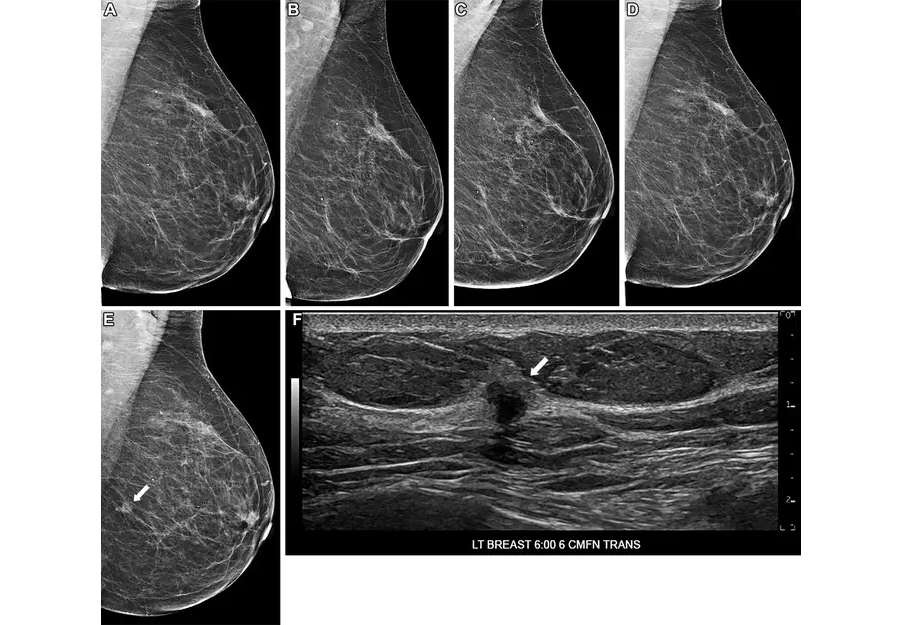
The longitudinal study drew on screening exams from 2009 to 2019 across six imaging sites representing urban tertiary, community-based, and rural practice settings. Researchers initially identified 239,703 2D screening mammograms from 89,882 patients; after exclusions, the final cohort comprised 54,014 women (median age 61), including 817 cancer cases and 53,197 cancer-free controls. Each participant contributed one index exam and up to six prior annual mammograms, yielding 158,807 studies for analysis.
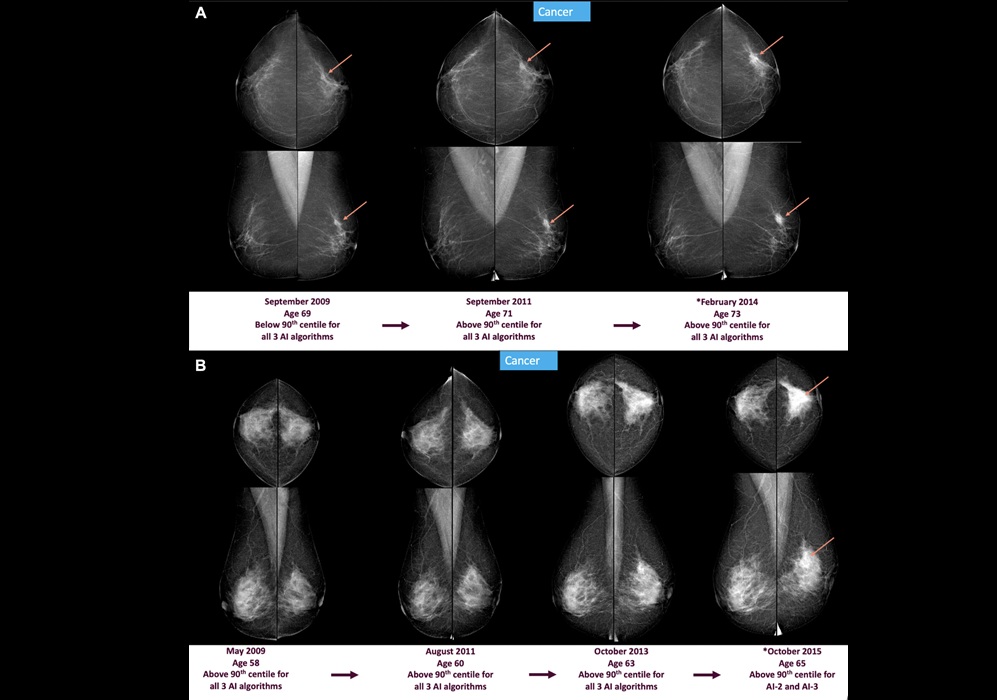
A validated, open-source deep learning model generated continuous five-year risk scores from each mammogram without auxiliary data. Among cancer patients, median scores rose from 2.1 five to six years before diagnosis to 6.6 at the index exam, with the steepest increase in the two years preceding diagnosis. In contrast, cancer-free participants sustained stable medians between 1.8 and 2.2 across time points, and these trends were consistent across subgroups defined by age and breast density.
The findings support image-based risk scores as dynamic imaging biomarkers that could inform personalized screening and prevention. In 2026, the National Comprehensive Cancer Network incorporated AI image-based risk scores into its guidelines, advising that beginning at age 35, women with an elevated five-year risk score greater than 1.7% consider breast MRI in addition to annual mammography. An FDA-approved image-based, five-year risk-scoring model is in clinical use at select U.S. institutions.
“These trends remained robust across subgroups defined by age and breast density, further supporting the generalizability of our findings. This is particularly relevant given persistent disparities in screening performance across patient populations. A dynamic biomarker approach grounded in the imaging data could mitigate some of these disparities by enabling risk-based personalization that does not rely on self-reported or inconsistent clinical data,” said Constance D. Lehman, M.D., Ph.D., professor of radiology at Harvard Medical School and CEO of Clairity Inc.
Related Links
RSNA
Harvard Medical School
Weill Cornell Medicine