


MRI Tool Enables Long-Term Tracking of Transplanted Cardiac Cells
Posted on 10 Apr 2026
Cell therapies for myocardial injury face a persistent hurdle: clinicians cannot easily monitor whether transplanted cells survive and where they persist in the heart. This limits optimization of dosing, delivery routes, and safety monitoring. Researchers now report an imaging approach that noninvasively tracks stem-cell-derived cardiomyocytes over extended periods in vivo. The technique could inform development of regenerative strategies after heart attacks.
The platform, termed bright ferritin magnetic resonance imaging (MRI), was demonstrated by investigators at the Institute of Biomedical Engineering at the University of Toronto. It is designed to visualize the location of surviving transplanted human pluripotent stem-cell-derived cardiomyocytes over time. The approach enables long-term cell tracking within the heart using clinically familiar MRI workflows.
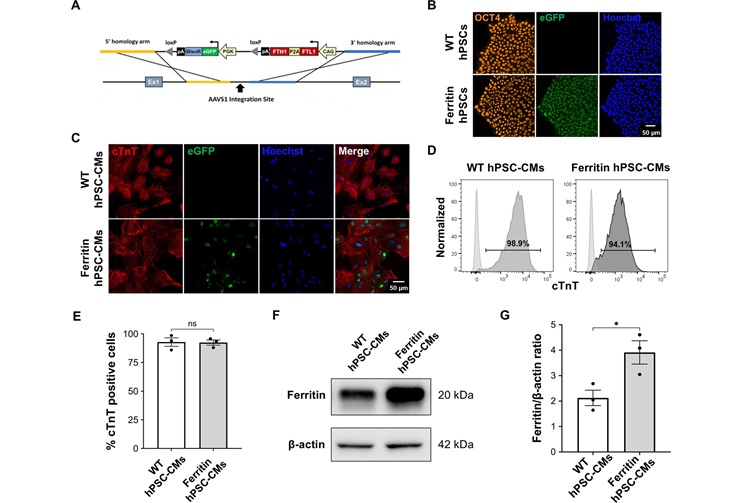
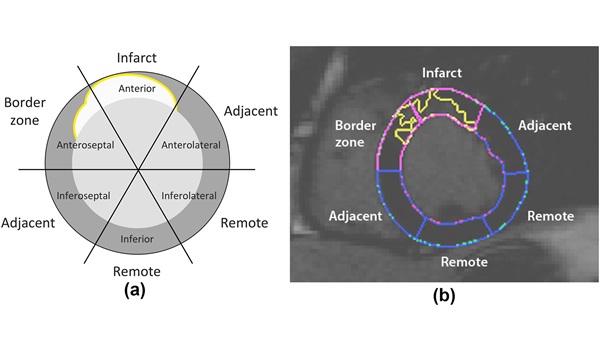
The method engineers stem cells to overexpress ferritin, a protein that stores iron, before differentiating them into cardiomyocytes. After transplantation, administration of manganese chloride triggers a bright MRI signal specifically from ferritin-expressing cells, allowing three-dimensional mapping of cell survival. This strategy aims to provide durable signal without the label decay or misleading readouts seen with other imaging agents.
In preclinical testing, the engineered cardiomyocytes were transplanted into the left ventricular myocardium of immunodeficient rats, including animals with heart injury, and were tracked for up to eight weeks by MRI. Laboratory assessments confirmed that the modified cells maintained normal cell structure, contractile proteins, and electrical properties. The MRI readouts were corroborated by tissue analysis, and echocardiography showed that manganese administration did not impair overall heart function.
The findings, published in Magnetic Resonance in Medicine, address a longstanding gap in monitoring survival of therapeutic cells in vivo. The authors note that existing imaging approaches either are limited to small-animal applications or rely on labels that fade as cells divide or generate confounding signals during immune interactions. By enabling durable visualization, bright ferritin MRI could help investigators evaluate and refine stem cell therapies for heart damage such as that caused by heart attacks.
“Tracking therapeutic cells inside the living body has been a scientific endeavor for decades. The gap in the field, however, has been a failure to visualize surviving cells without losing signal beyond a few days or weeks, and with sufficient signal. Our goal is to address these critical gaps. We want to visualize and spatially map therapeutic cells as long as they are alive, wherever they are in the body,” said Hai-Ling Margaret Cheng, professor at the Institute of Biomedical Engineering, University of Toronto.
“The next step is to use the information garnered from the bright-ferritin cell tracking technology to optimize stem cell research directly. Now that we can reliably pinpoint when and where stem cells are surviving, stem cell scientists are better equipped to develop strategies for increasing cell survival,” said Cheng.
Related Links
Biomedical Engineering, University of Toronto