


Workflow-Oriented Ultrasound System Improves Clinical Efficiency
|
By MedImaging International staff writers Posted on 04 Feb 2021 |


|
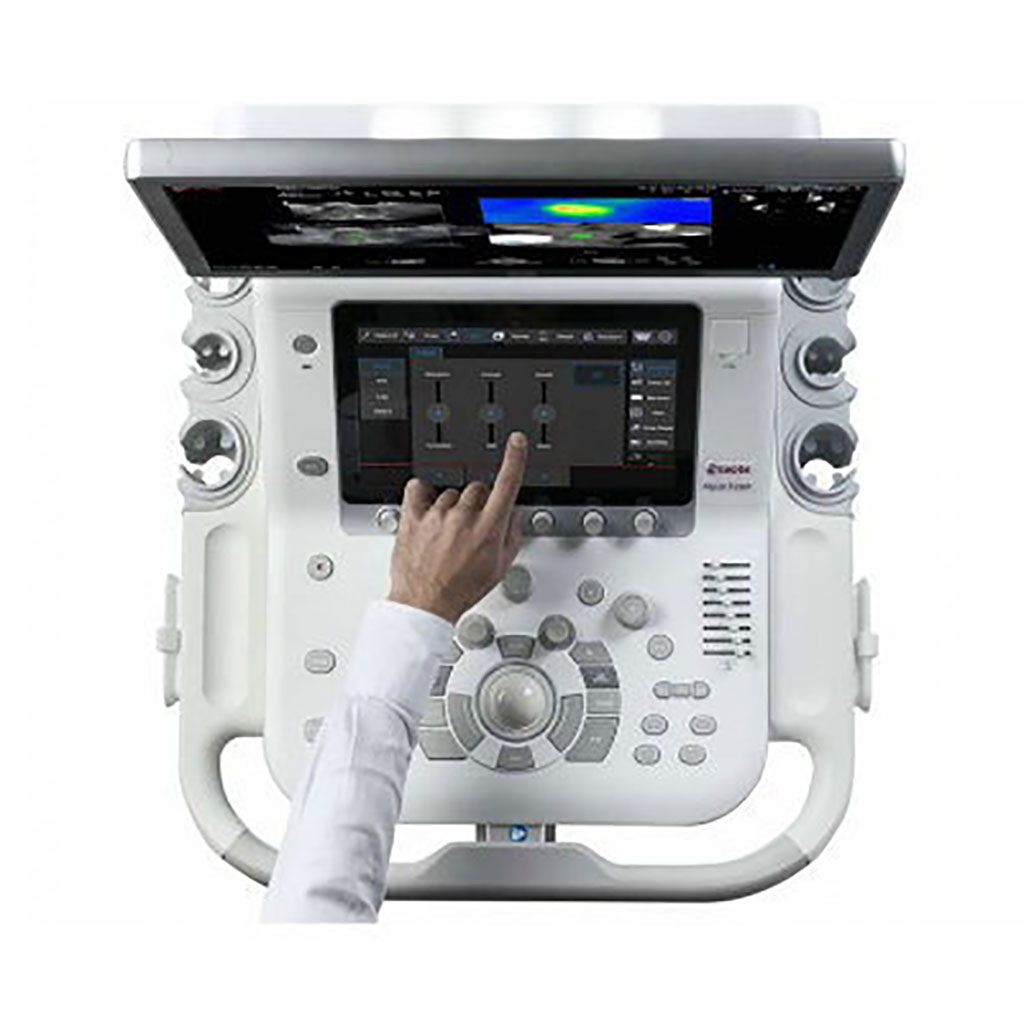
Image: The MyLab X8 Ultrasound System (Photo courtesy of Esaote)
A fully featured premium ultrasound imaging system integrates technologies to deliver superior image quality without compromising workflow or efficiency.
The Esaote (Genova, Italy) MyLab X8 Ultrasound System is powered by Microsoft Windows 10, with a widescreen multi-function tablet-like touchscreen that includes a liquid crystal display (LCD) monitor and zero-click automation functions that provide very fast interface usage and simplify complex procedures. A large portfolio of iQProbe extended wideband convex, linear, phased array, volumetric, intraoperative and special transducer shapes are available, all featuring active matrix composite materials, single crystal, multiple adaptive layers, and a bi-con geometric lens.
Features include five transducer connectors for fast probe switching to adapt to demanding clinical environments; fast boot time and smart stand-by function; one touch image optimization through intelligent real-time algorithms; and two exclusive solutions, easyMode and easyColor, which simplify the number of parameters to be adjusted by the users and drive ultrasound image optimization in just three swipes. Options include Virtual Navigator for fusion imaging, QElaXto shearwave elastography, and automation tools such as eScan and eDoppler.
“The MyLab X8 Ultrasound System is uniquely suited for the demands of a myriad of applications, whether in the hospital or in the office,” said Robert Lewis, President and General Manager at Esaote North America. “Esaote has a legacy of producing high quality imaging solutions that are accessible and incorporate advanced technologies. We are committed to developing fully featured and versatile imaging systems with unmatched efficiency and scalability.”




The Esaote (Genova, Italy) MyLab X8 Ultrasound System is powered by Microsoft Windows 10, with a widescreen multi-function tablet-like touchscreen that includes a liquid crystal display (LCD) monitor and zero-click automation functions that provide very fast interface usage and simplify complex procedures. A large portfolio of iQProbe extended wideband convex, linear, phased array, volumetric, intraoperative and special transducer shapes are available, all featuring active matrix composite materials, single crystal, multiple adaptive layers, and a bi-con geometric lens.
Features include five transducer connectors for fast probe switching to adapt to demanding clinical environments; fast boot time and smart stand-by function; one touch image optimization through intelligent real-time algorithms; and two exclusive solutions, easyMode and easyColor, which simplify the number of parameters to be adjusted by the users and drive ultrasound image optimization in just three swipes. Options include Virtual Navigator for fusion imaging, QElaXto shearwave elastography, and automation tools such as eScan and eDoppler.
“The MyLab X8 Ultrasound System is uniquely suited for the demands of a myriad of applications, whether in the hospital or in the office,” said Robert Lewis, President and General Manager at Esaote North America. “Esaote has a legacy of producing high quality imaging solutions that are accessible and incorporate advanced technologies. We are committed to developing fully featured and versatile imaging systems with unmatched efficiency and scalability.”

Silver Member
X-Ray QA Device
Accu-Gold+ Touch Pro
X-Ray Generator
Advantage Plus Generators
Digital Radiography System
DR-300
Floor‑Mounted Digital X‑Ray System
MasteRad MX30+
Latest Ultrasound News
- Hybrid Imaging Platform Reveals How Sleep Supports Brain Waste Removal
- AI Robotic Ultrasound System Automates Echocardiography and Improves Consistency
- Whole Cross-Section Ultrasound System Enables Operator-Independent Imaging
- New Ultrasound AI Tool Supports Rapid Prenatal Assessment
- New Consensus Standardizes Ultrasound-Based Fatty Liver Assessment
- Groundbreaking Technology to Enhance Precision in Emergency and Critical Care
- Reusable Gel Pad Made from Tamarind Seed Could Transform Ultrasound Examinations
- AI Model Accurately Detects Placenta Accreta in Pregnancy Before Delivery
- Portable Ultrasound Sensor to Enable Earlier Breast Cancer Detection
- Portable Imaging Scanner to Diagnose Lymphatic Disease in Real Time
- Imaging Technique Generates Simultaneous 3D Color Images of Soft-Tissue Structure and Vasculature
- Wearable Ultrasound Imaging System to Enable Real-Time Disease Monitoring
- Ultrasound Technique Visualizes Deep Blood Vessels in 3D Without Contrast Agents
- Ultrasound Probe Images Entire Organ in 4D

- Disposable Ultrasound Patch Performs Better Than Existing Devices
- Non-Invasive Ultrasound-Based Tool Accurately Detects Infant Meningitis
Channels
Radiography
view channel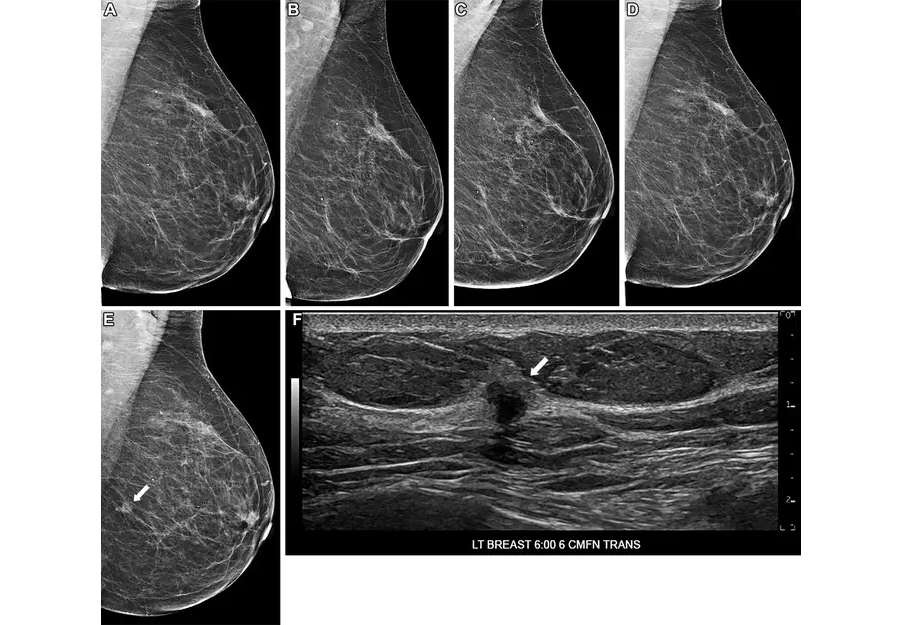
AI Tool Predicts Five-Year Breast Cancer Risk from Mammograms
Breast cancer risk assessment during routine screening is difficult because many women who develop the disease have no known genetic mutations or family history. Static risk tools provide limited discrimination... Read more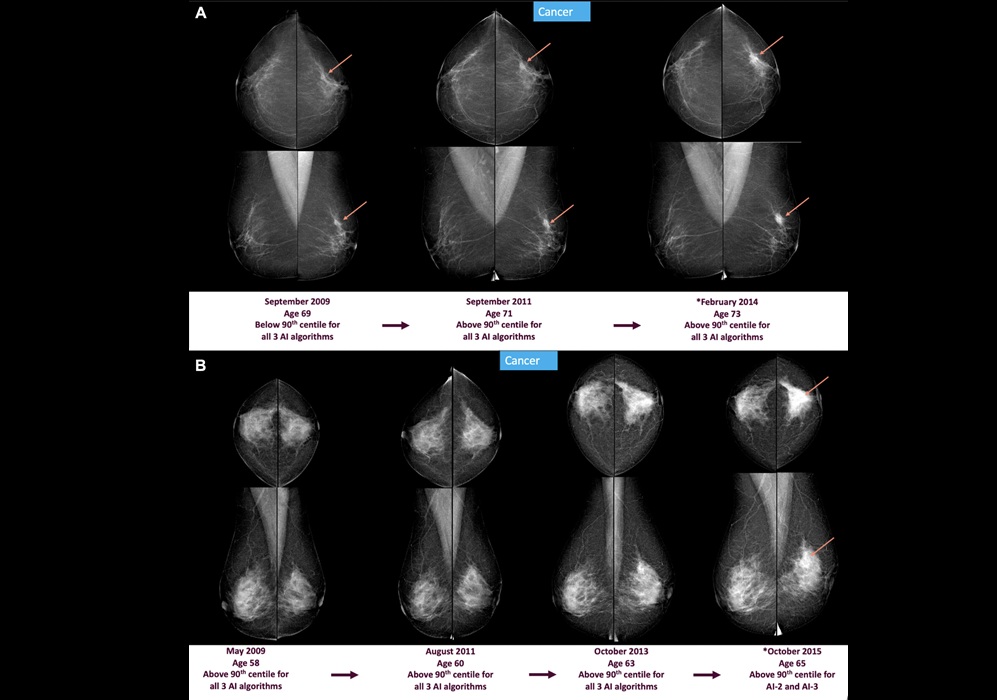
AI Mammography Tools Detect Early Breast Cancer Signs Years Before Diagnosis
Breast cancer screening aims to detect tumors before symptoms develop, but subtle mammographic changes can appear years before diagnosis and may be missed during routine reads. Delayed detection can lead... Read more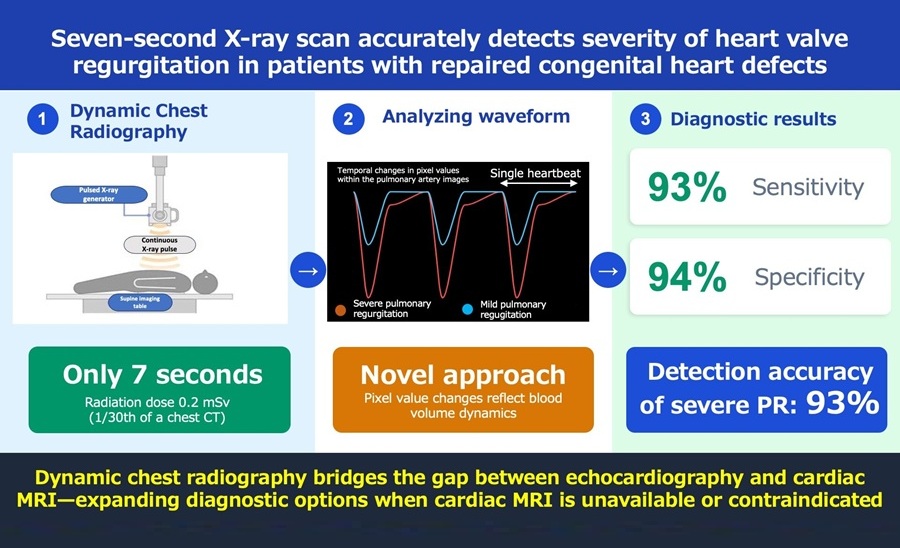
MRI
view channel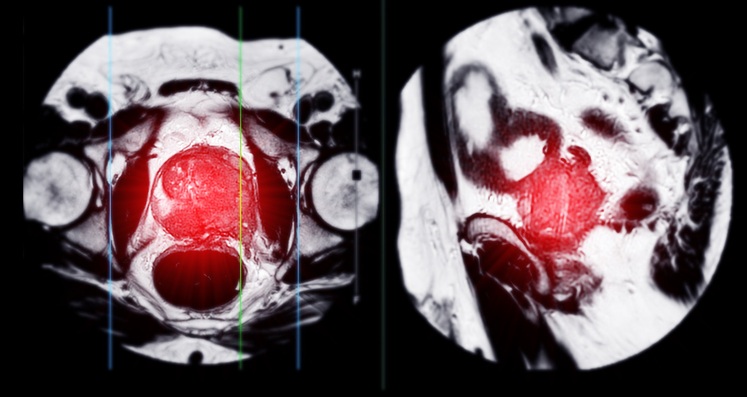
International Study Assesses AI for Prostate Cancer MRI Interpretation
Prostate cancer is a leading cause of cancer morbidity in men, and accurate early diagnosis hinges on expert interpretation of prostate magnetic resonance imaging (MRI). Rapid adoption of MRI-first pathways... Read more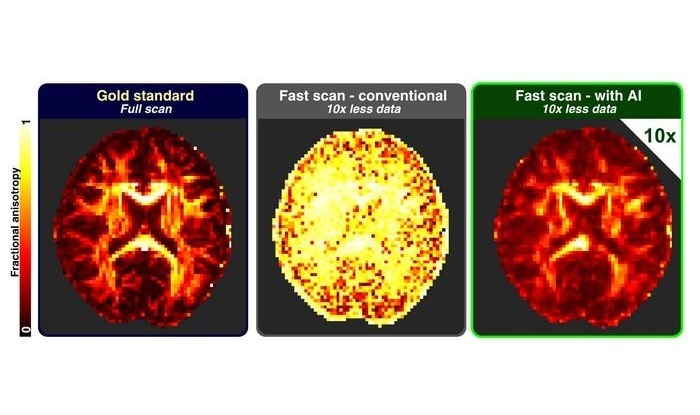
AI Approach Could Shorten Advanced Brain MRI Scans by Up to 90%
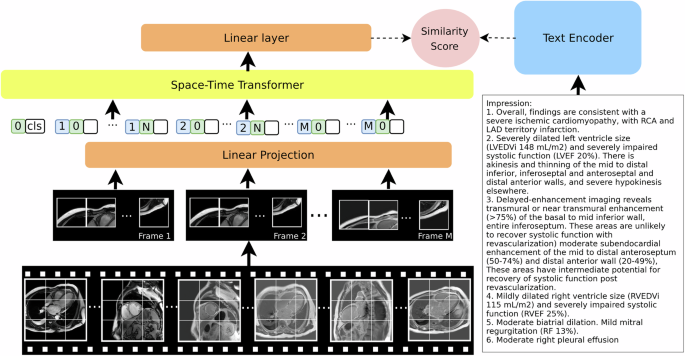
Long acquisition times for advanced brain magnetic resonance imaging (MRI) can limit access, extend waiting lists, and disrupt clinical workflows. Reducing data requirements without sacrificing image fidelity... Read more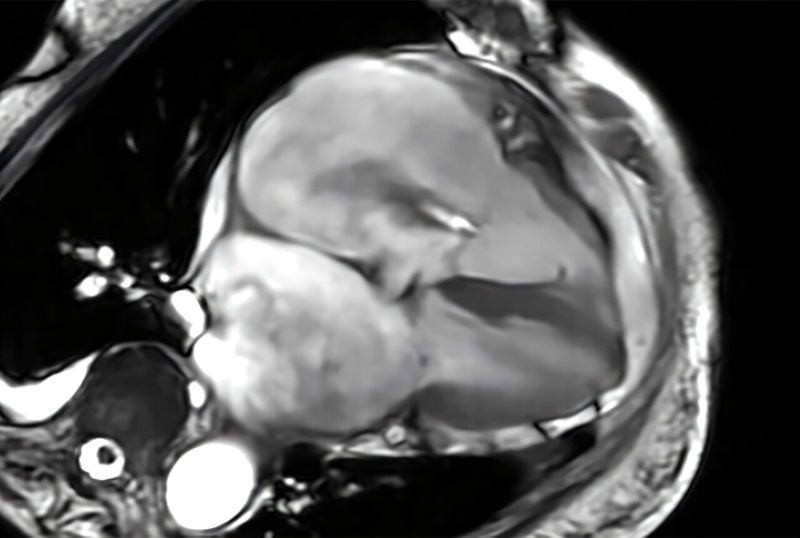
Nuclear Medicine
view channel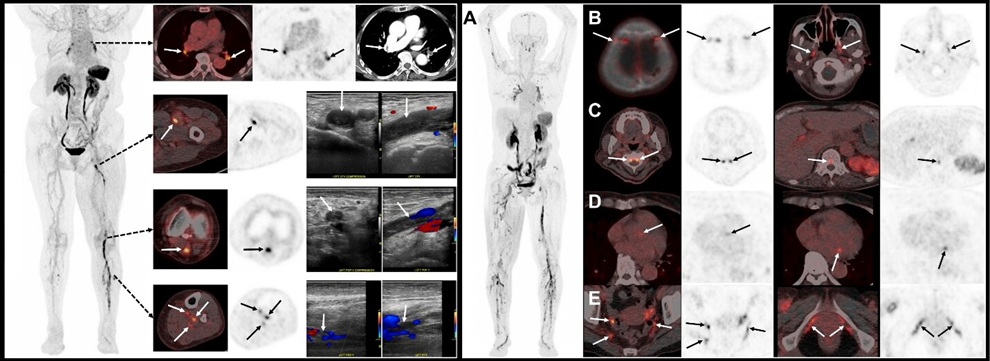
New PET Tracer Detects DVT and Pulmonary Embolism in One Scan
Deep vein thrombosis is the formation of clots in deep leg veins that can migrate to the lungs as pulmonary embolism. Rapid confirmation across both regions often requires multiple tests and can delay treatment.... Read more![Image: (A-C) Representative whole-body maximum-intensity projection images and regional fused PET/CT images from three histologically confirmed osteosarcoma patients who underwent paired [68Ga]Ga-B7-H3-BCH PET/CT and 18F-FDGE PET/CT within 7 days. (D) Multimodal imaging evaluation of patient 3, including X-ray, MRI (T2-weighted imaging, T2WI), CT, and B7-H3 PET/CT. (Photo courtesy of SNMMI)](https://globetechcdn.com/mobile_medicalimaging/images/stories/articles/article_images/2026-06-07/294811110_image_1.jpg "Image: (A-C) Representative whole-body maximum-intensity projection images and regional fused PET/CT images from three histologically confirmed osteosarcoma patients who underwent paired [68Ga]Ga-B7-H3-BCH PET/CT and 18F-FDGE PET/CT within 7 days. (D) Multimodal imaging evaluation of patient 3, including X-ray, MRI (T2-weighted imaging, T2WI), CT, and B7-H3 PET/CT. (Photo courtesy of SNMMI)")
Targeted PET Platform Guides Osteosarcoma Resection and Margin Verification
Osteosarcoma, an aggressive primary bone cancer that mainly affects children and adolescents, demands wide excision to prevent local recurrence. Surgeons must achieve negative margins while preserving... Read more
General/Advanced Imaging
view channel
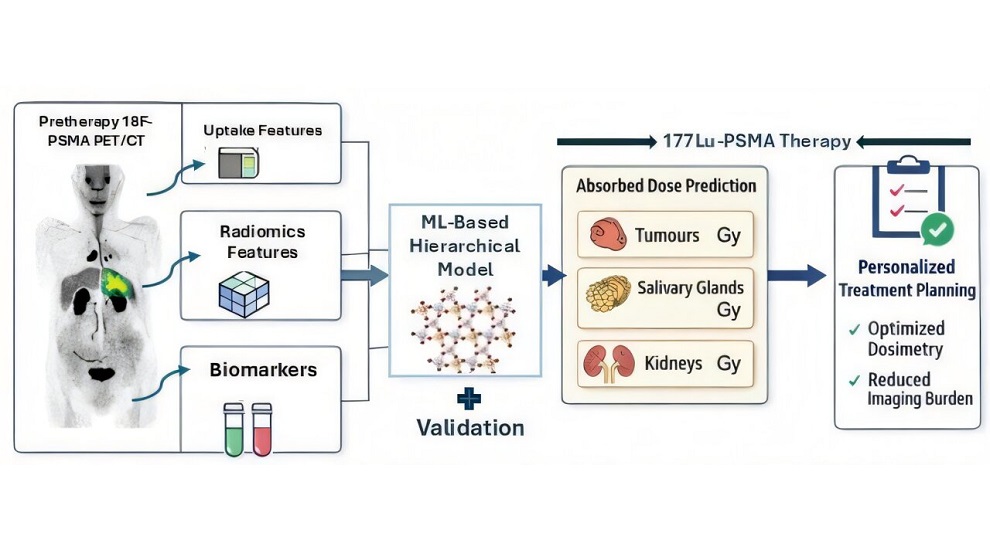
Virtual Staining Technique Creates Histology Images from CT Data
Pulmonary hypertension, a disorder marked by pathological remodeling of the pulmonary vessels, often requires detailed histologic assessment. Yet routine pathology remains anchored in labor‑intensive,... Read more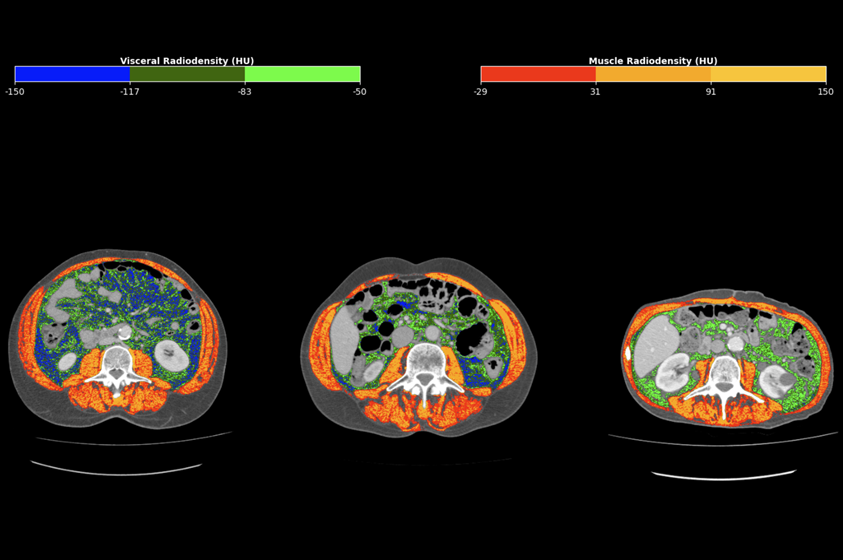
CT-Derived Biomarker Predicts Outcomes in Gastric Cancer
Gastric cancer, also known as stomach cancer, is the fifth most common malignancy worldwide and often shows heterogeneous outcomes even within the same stage. Prognostic estimates typically rely on tumor-centric... Read more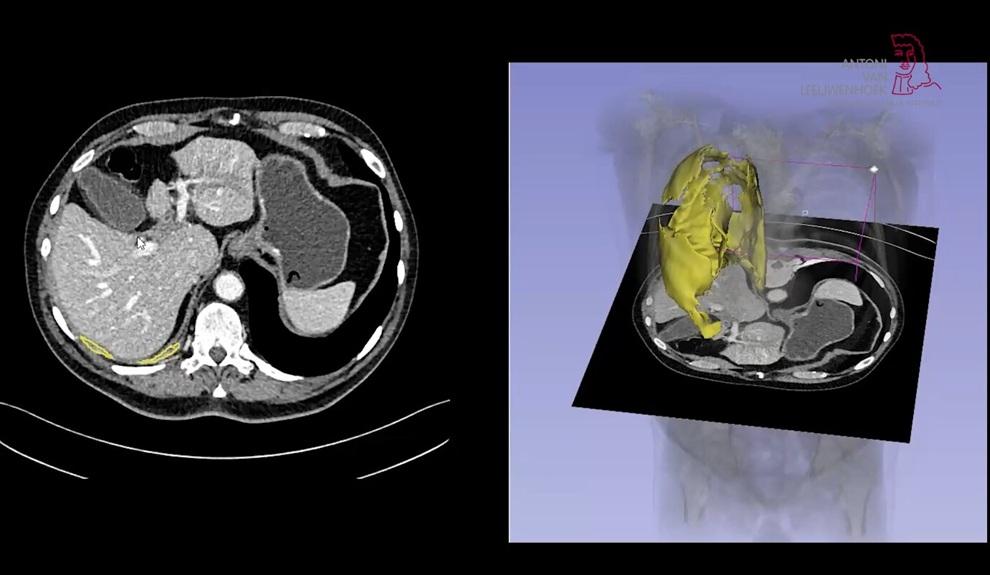
AI Tool Enhances Response Assessment and Survival Prediction in Pleural Mesothelioma
Pleural mesothelioma, a cancer that grows as a thin, irregular layer along the lung wall, is difficult to measure on imaging. Clinicians rely on diameter-based Response Evaluation Criteria in Solid Tumors... Read more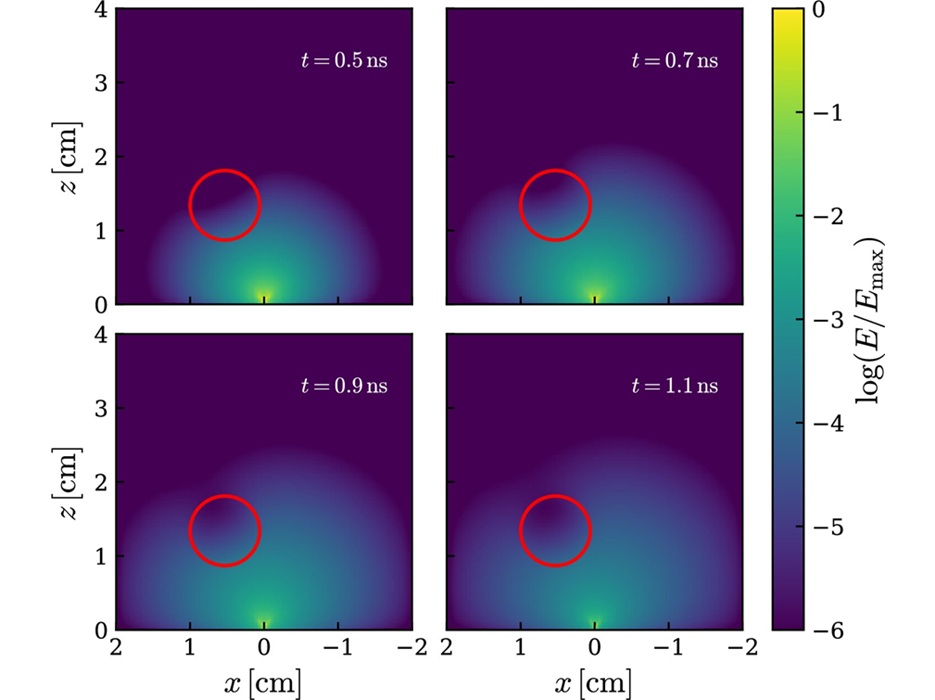
Imaging IT
view channel
Ambient AI Reporting Platform Streamlines Radiology Reporting
Radiology departments face growing imaging volumes and staffing shortages, creating reporting bottlenecks and pressure to maintain turnaround times. Conventional dictation tools document findings after... Read more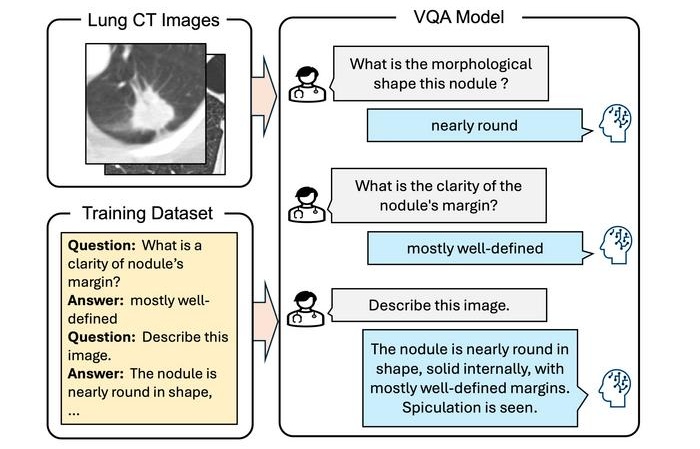
Interactive AI Tool Supports Explainable Lung Nodule Assessment
Lung cancer is a leading cause of cancer mortality, and timely characterization of pulmonary nodules on chest computed tomography (CT) is essential for directing care. Interpreting nodule morphology demands... Read more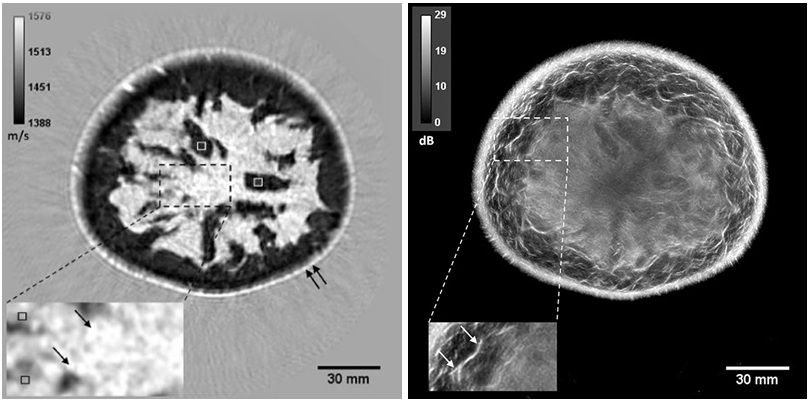
Breast Imaging Software Enhances Visualization and Tissue Characterization in Challenging Cases
Breast imaging can be particularly challenging in cases involving small breasts or implants, where image reconstruction and tissue characterization may be limited. Clinicians also need reproducible analysis... Read more
Industry News
view channel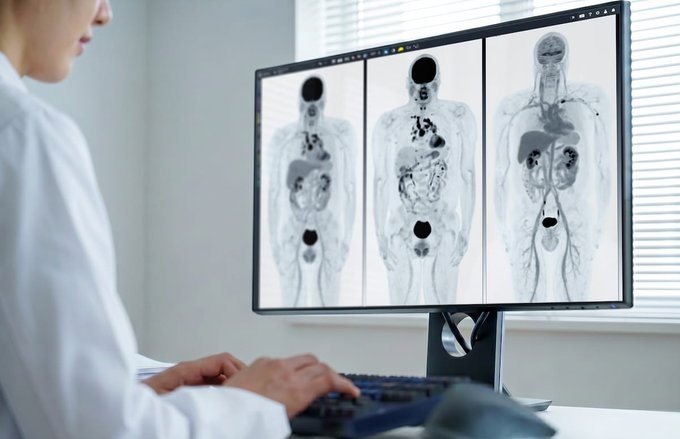
GE HealthCare Showcases AI-Enabled Nuclear Medicine Portfolio at SNMMI 2026
Nuclear medicine is expanding rapidly as health systems adopt theranostics and broaden access to radiopharmaceuticals, increasing demand for scalable operations and consistent diagnostic confidence.... Read more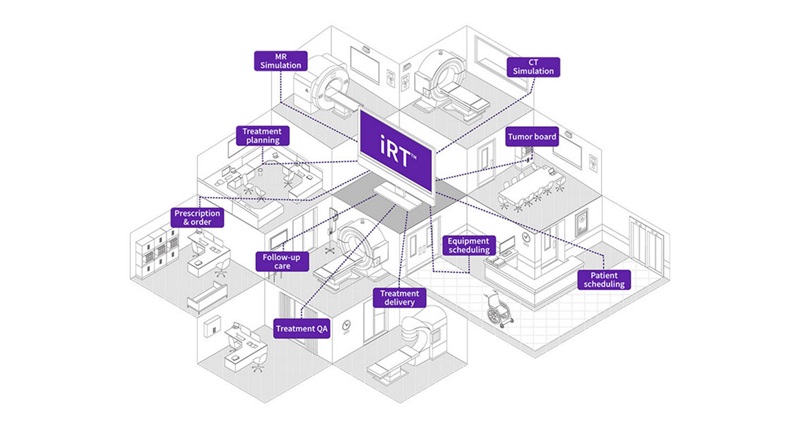
GE HealthCare Highlights AI-Supported Radiation Therapy Tools at ESTRO 2026
At the European Society for Radiotherapy and Oncology (ESTRO) 2026 Congress in Stockholm, GE HealthCare is highlighting Intelligent Radiation Therapy (iRT), MIM Software innovations, and BK Medical surgical... Read more