


SuperSonic Imagine Showcases New Ultrasound System at RSNA 2018
|
By MedImaging International staff writers Posted on 23 Nov 2018 |


|
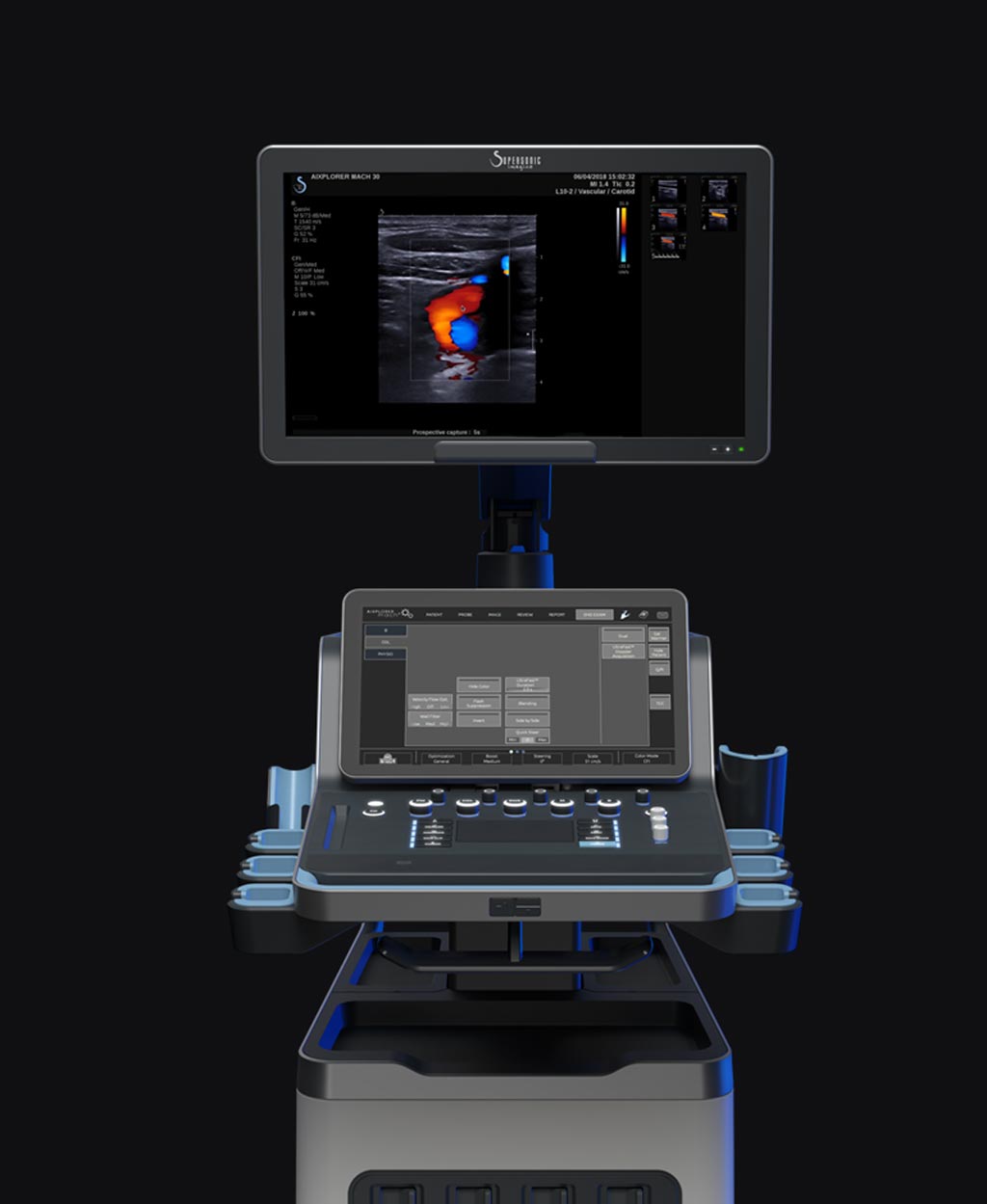
Image: The Aixplorer MACH 30 ultrasound system (Photo courtesy of SuperSonic Imagine).
SuperSonic Imagine (Aix-en-Provence, France) featured its new Aixplorer MACH 30 ultrasound system at the Radiological Society of North America (RSNA) Annual Meeting held in Chicago, Ill., USA, from November 25 - 30. The Aixplorer MACH 30 platform is ready for AI where massive amounts of data can be analyzed with speed, improving detection and quantification to support decision-making.
SuperSonic Imagine manufactures the Aixplorer series of ultrasound medical imaging products, with the Aixplorer MACH 30 ultrasound platform being the latest addition to the Aixplorer range. The Aixplorer MACH 30 features SonicPad, a new concept in ultrasound that is designed to enhance the user’s intuitive control of the functions needed during an examination. SonicPad has been found to reduce the number of hand gestures for an exam by up to 77%, which represents up to 32% reduction of time per exam. This allows physicians to focus on the clinical information displayed on the screen instead of the controls used to optimize image acquisition.
The Aixplorer MACH 30 also includes the next generation of UltraFast imaging technology that enables acquisition rates 200 times faster than conventional ultrasound systems and optimizes the system’s innovative imaging modes: ShearWave PLUS, Doppler UltraFast, Angio PL.U.S, and TriVu.
“SuperSonic Imagine is pushing the boundaries of ultrasound imaging with the new Aixplorer MACH 30 platform, and we’re thrilled to bring the technology to radiologists at RSNA 2018,” said SuperSonic Imagine CEO MicheÌle Lesieur. “Our company has been breaking new ground in ultrasound since we introduced the Aixplorer in 2009. The Aixplorer MACH 30 is a continuation of that innovation. It combines advanced imaging and diagnostic technologies with unparalleled power and ease of use.”
“We’ve been receiving very positive feedback on the Aixplorer MACH 30 from our physicians. All users have been extremely enthusiastic about the innovative modes and exceptional image quality. They especially appreciated the new user interface and the innovative SonicPad, which improves workflow and greatly reduces the number of hand gestures resulting in reduced exam times and increased user comfort. The importance of AI capabilities for future applications was also a consideration when purchasing a new ultrasound system,” said Alex Exposito, North America Director of SuperSonic Imagine.





SuperSonic Imagine manufactures the Aixplorer series of ultrasound medical imaging products, with the Aixplorer MACH 30 ultrasound platform being the latest addition to the Aixplorer range. The Aixplorer MACH 30 features SonicPad, a new concept in ultrasound that is designed to enhance the user’s intuitive control of the functions needed during an examination. SonicPad has been found to reduce the number of hand gestures for an exam by up to 77%, which represents up to 32% reduction of time per exam. This allows physicians to focus on the clinical information displayed on the screen instead of the controls used to optimize image acquisition.
The Aixplorer MACH 30 also includes the next generation of UltraFast imaging technology that enables acquisition rates 200 times faster than conventional ultrasound systems and optimizes the system’s innovative imaging modes: ShearWave PLUS, Doppler UltraFast, Angio PL.U.S, and TriVu.
“SuperSonic Imagine is pushing the boundaries of ultrasound imaging with the new Aixplorer MACH 30 platform, and we’re thrilled to bring the technology to radiologists at RSNA 2018,” said SuperSonic Imagine CEO MicheÌle Lesieur. “Our company has been breaking new ground in ultrasound since we introduced the Aixplorer in 2009. The Aixplorer MACH 30 is a continuation of that innovation. It combines advanced imaging and diagnostic technologies with unparalleled power and ease of use.”
“We’ve been receiving very positive feedback on the Aixplorer MACH 30 from our physicians. All users have been extremely enthusiastic about the innovative modes and exceptional image quality. They especially appreciated the new user interface and the innovative SonicPad, which improves workflow and greatly reduces the number of hand gestures resulting in reduced exam times and increased user comfort. The importance of AI capabilities for future applications was also a consideration when purchasing a new ultrasound system,” said Alex Exposito, North America Director of SuperSonic Imagine.

Floor‑Mounted Digital X‑Ray System
MasteRad MX30+
Digital Radiography System
DR-300
Medical Radiographic X-Ray Machine
TR30N HF
MRI System
nanoScan MRI 3T/7T
Latest RSNA 2018 News
- New AI-Powered Lung Imaging Solution Launched at RSNA 2018
- Agfa Brings Intelligent Radiography to RSNA 2018
- Carestream Displays Several IT Offerings at Radiology Congress
- Double Black Imaging Announces Expanded Clinical LCD Line at Trade Show
- Lunit Unveils AI-Based Mammography Solution at RSNA 2018
- Guerbet Showcases Ongoing Collaboration with IBM Watson at Radiology Trade Fair
- Fujifilm Showcases New DR Detectors and AI Initiative in Chicago
- M*Modal Launches Cloud-Based Version of AI-Powered Reporting Solution
- MDW Unveils First Radiology Blockchain Platform at RSNA 2018
- Teledyne DALSA Displays Xineos Family of CMOS X-ray Detectors
- CIVCO Medical Solutions Introduces Next-Generation of Ultrasound Accessories
- Subtle Medical Showcases Al for PET and MRI Scans at RSNA 2018
- Philips Launches New Platform to Enable Development of AI Assets
Channels
Radiography
view channel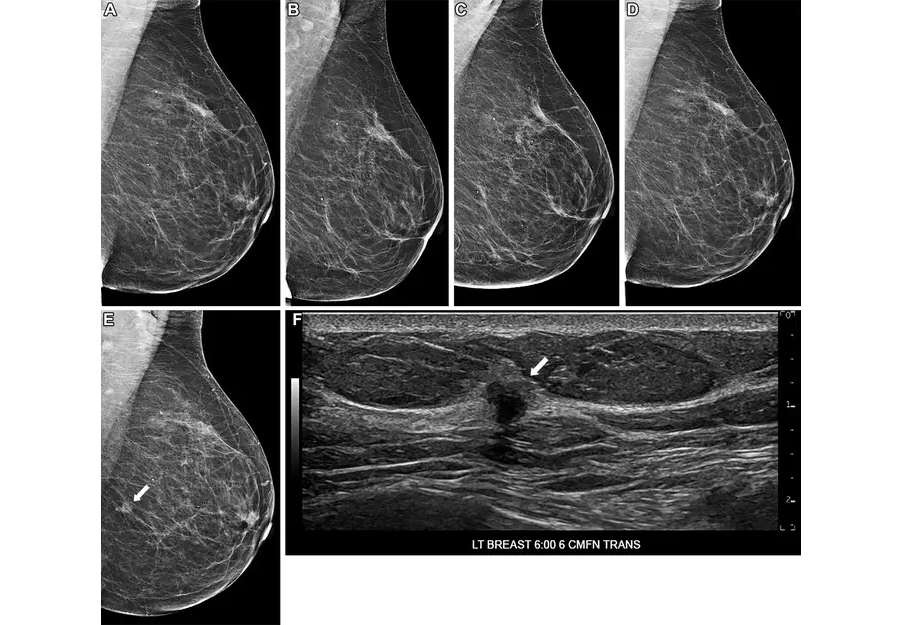
AI Tool Predicts Five-Year Breast Cancer Risk from Mammograms
Breast cancer risk assessment during routine screening is difficult because many women who develop the disease have no known genetic mutations or family history. Static risk tools provide limited discrimination... Read more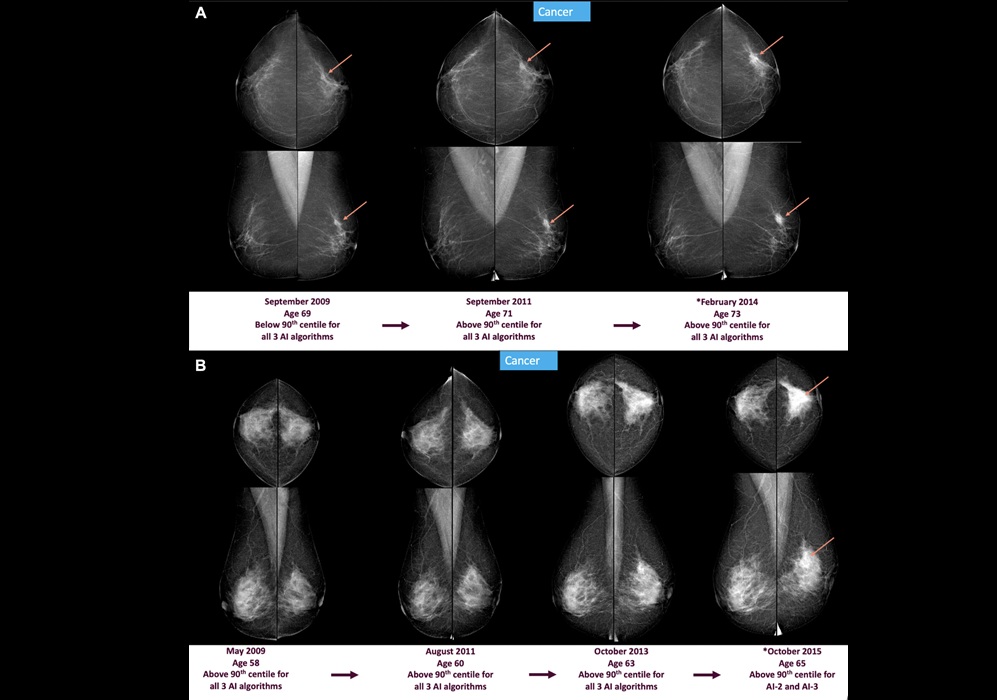
AI Mammography Tools Detect Early Breast Cancer Signs Years Before Diagnosis
Breast cancer screening aims to detect tumors before symptoms develop, but subtle mammographic changes can appear years before diagnosis and may be missed during routine reads. Delayed detection can lead... Read more
MRI
view channel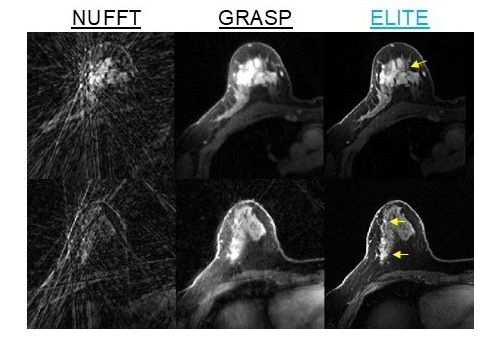
AI Reconstruction Tool Speeds Dynamic Breast MRI and Improves Cancer Detection
Breast cancer affects about 2.3 million people each year, creating sustained demand for precise imaging. Dynamic magnetic resonance imaging (MRI) is highly sensitive, yet slow acquisitions hinder real-time... Read more
International Study Assesses AI for Prostate Cancer MRI Interpretation
Prostate cancer is a leading cause of cancer morbidity in men, and accurate early diagnosis hinges on expert interpretation of prostate magnetic resonance imaging (MRI). Rapid adoption of MRI-first pathways... Read more
Ultrasound
view channel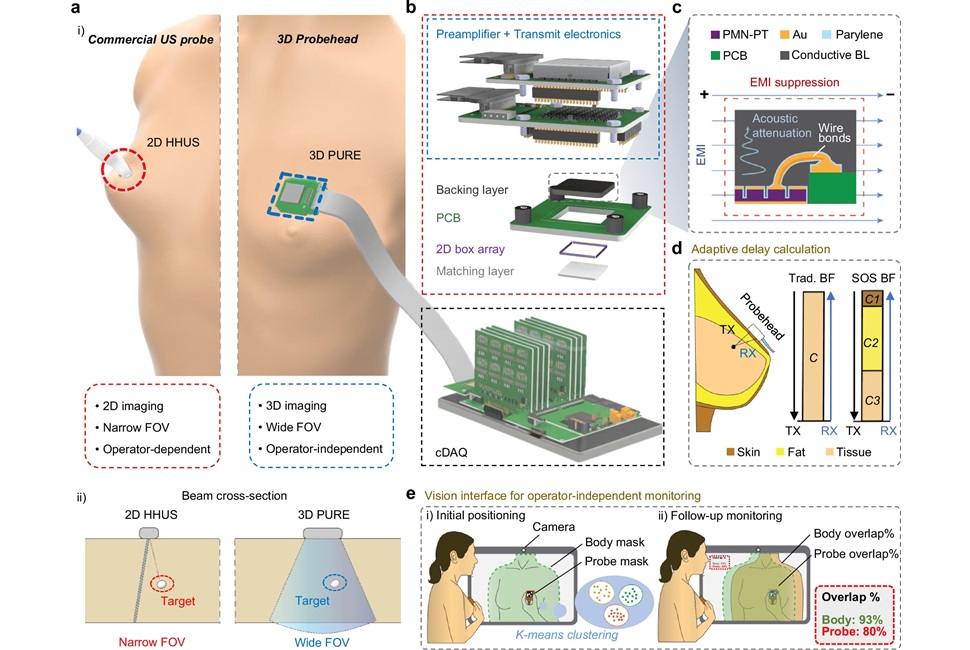
Portable 3D Ultrasound System Enables Reproducible Breast Cancer Monitoring
Breast cancer can develop between annual mammograms, and these interval cancers account for 20% to 30% of cases and tend to be more aggressive. The challenge is pronounced in people with dense breast tissue.... Read more
AI Ultrasound Platform Receives CE Mark for Prenatal Screening
Prenatal ultrasound is central to fetal anomaly screening, yet it remains one of the most technically demanding examinations in routine care. Because both image acquisition and interpretation are highly... Read more
Nuclear Medicine
view channel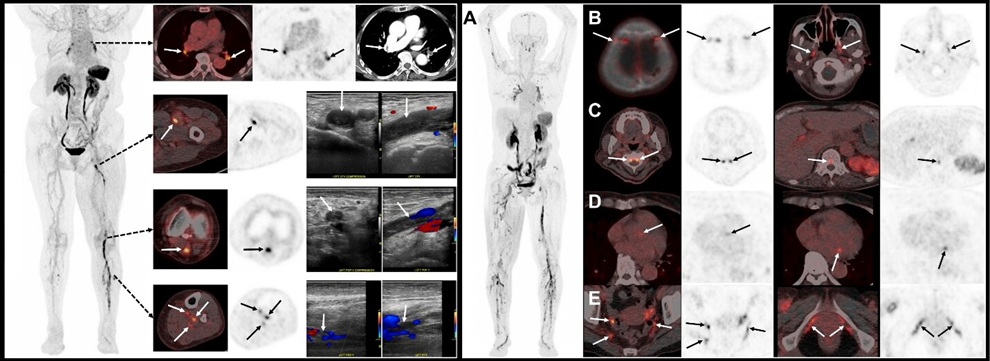
New PET Tracer Detects DVT and Pulmonary Embolism in One Scan
Deep vein thrombosis is the formation of clots in deep leg veins that can migrate to the lungs as pulmonary embolism. Rapid confirmation across both regions often requires multiple tests and can delay treatment.... Read more![Image: (A-C) Representative whole-body maximum-intensity projection images and regional fused PET/CT images from three histologically confirmed osteosarcoma patients who underwent paired [68Ga]Ga-B7-H3-BCH PET/CT and 18F-FDGE PET/CT within 7 days. (D) Multimodal imaging evaluation of patient 3, including X-ray, MRI (T2-weighted imaging, T2WI), CT, and B7-H3 PET/CT. (Photo courtesy of SNMMI)](https://globetechcdn.com/mobile_medicalimaging/images/stories/articles/article_images/2026-06-07/294811110_image_1.jpg "Image: (A-C) Representative whole-body maximum-intensity projection images and regional fused PET/CT images from three histologically confirmed osteosarcoma patients who underwent paired [68Ga]Ga-B7-H3-BCH PET/CT and 18F-FDGE PET/CT within 7 days. (D) Multimodal imaging evaluation of patient 3, including X-ray, MRI (T2-weighted imaging, T2WI), CT, and B7-H3 PET/CT. (Photo courtesy of SNMMI)")
Targeted PET Platform Guides Osteosarcoma Resection and Margin Verification
Osteosarcoma, an aggressive primary bone cancer that mainly affects children and adolescents, demands wide excision to prevent local recurrence. Surgeons must achieve negative margins while preserving... Read more
General/Advanced Imaging
view channel
Virtual Staining Technique Creates Histology Images from CT Data
Pulmonary hypertension, a disorder marked by pathological remodeling of the pulmonary vessels, often requires detailed histologic assessment. Yet routine pathology remains anchored in labor‑intensive,... Read more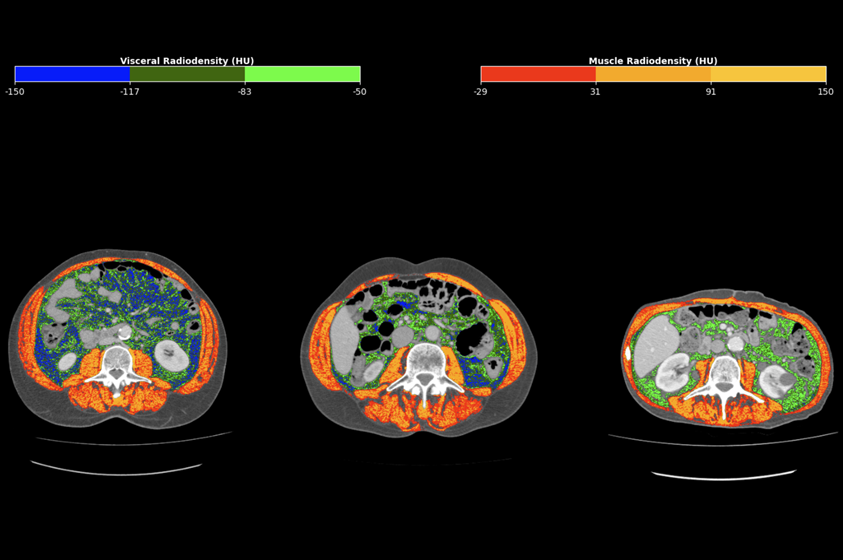
CT-Derived Biomarker Predicts Outcomes in Gastric Cancer
Gastric cancer, also known as stomach cancer, is the fifth most common malignancy worldwide and often shows heterogeneous outcomes even within the same stage. Prognostic estimates typically rely on tumor-centric... Read more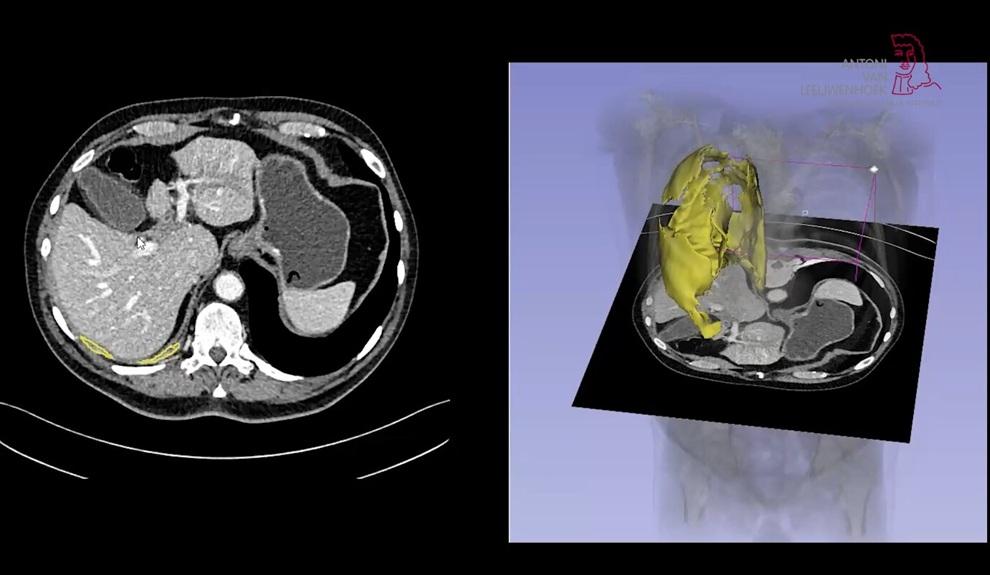
AI Tool Enhances Response Assessment and Survival Prediction in Pleural Mesothelioma
Pleural mesothelioma, a cancer that grows as a thin, irregular layer along the lung wall, is difficult to measure on imaging. Clinicians rely on diameter-based Response Evaluation Criteria in Solid Tumors... Read more
Imaging IT
view channel
Ambient AI Reporting Platform Streamlines Radiology Reporting
Radiology departments face growing imaging volumes and staffing shortages, creating reporting bottlenecks and pressure to maintain turnaround times. Conventional dictation tools document findings after... Read more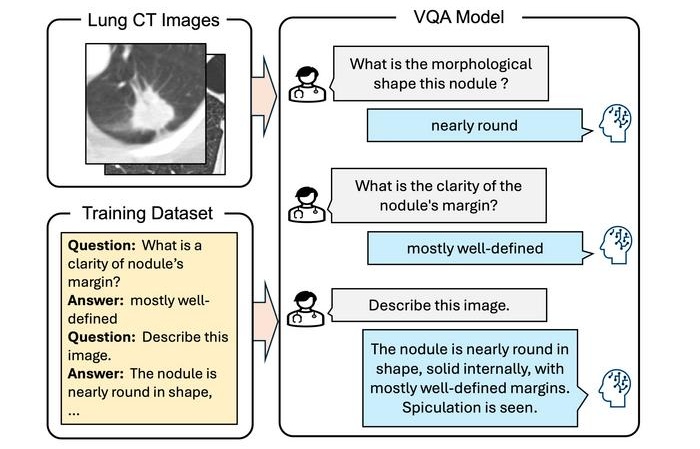
Interactive AI Tool Supports Explainable Lung Nodule Assessment
Lung cancer is a leading cause of cancer mortality, and timely characterization of pulmonary nodules on chest computed tomography (CT) is essential for directing care. Interpreting nodule morphology demands... Read more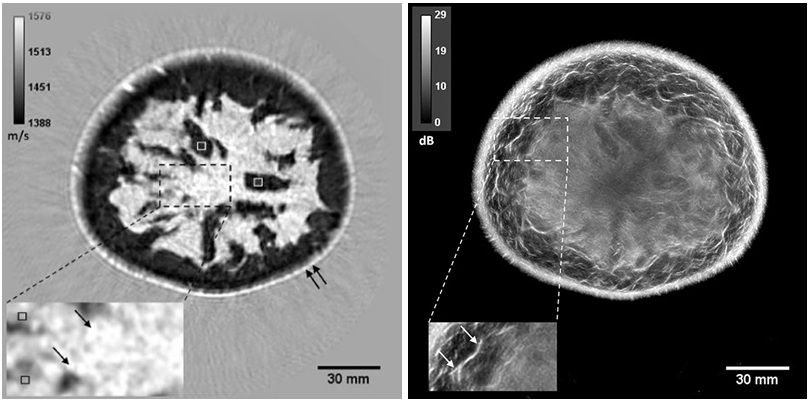
Breast Imaging Software Enhances Visualization and Tissue Characterization in Challenging Cases
Breast imaging can be particularly challenging in cases involving small breasts or implants, where image reconstruction and tissue characterization may be limited. Clinicians also need reproducible analysis... Read more
Industry News
view channel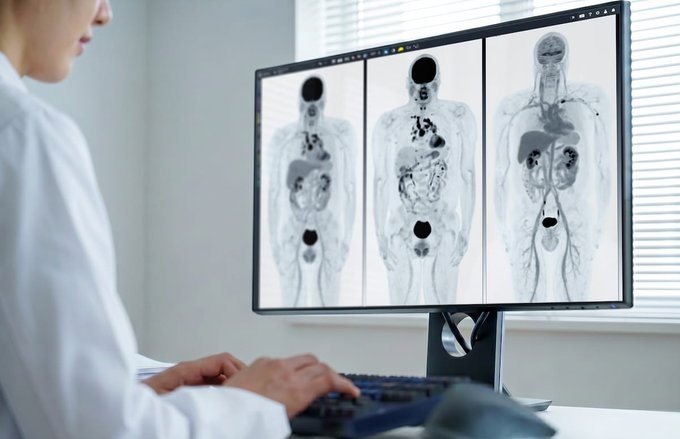
GE HealthCare Showcases AI-Enabled Nuclear Medicine Portfolio at SNMMI 2026
Nuclear medicine is expanding rapidly as health systems adopt theranostics and broaden access to radiopharmaceuticals, increasing demand for scalable operations and consistent diagnostic confidence.... Read more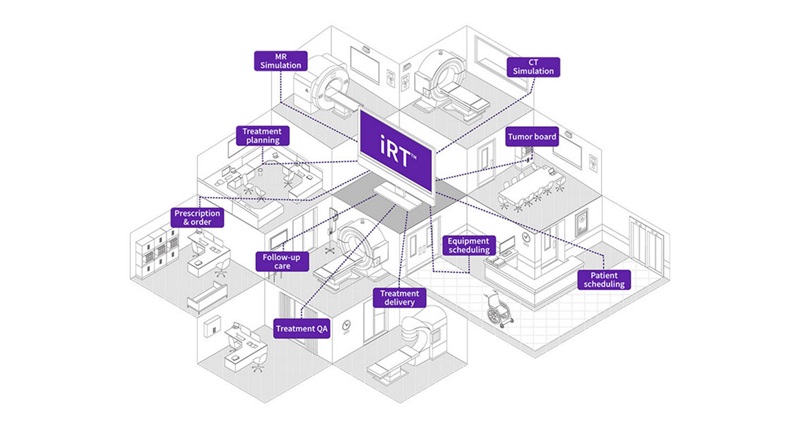
GE HealthCare Highlights AI-Supported Radiation Therapy Tools at ESTRO 2026
At the European Society for Radiotherapy and Oncology (ESTRO) 2026 Congress in Stockholm, GE HealthCare is highlighting Intelligent Radiation Therapy (iRT), MIM Software innovations, and BK Medical surgical... Read more