


AI Oncology Imaging Suite Gains FDA Clearance
|
By MedImaging International staff writers Posted on 27 Feb 2018 |


|
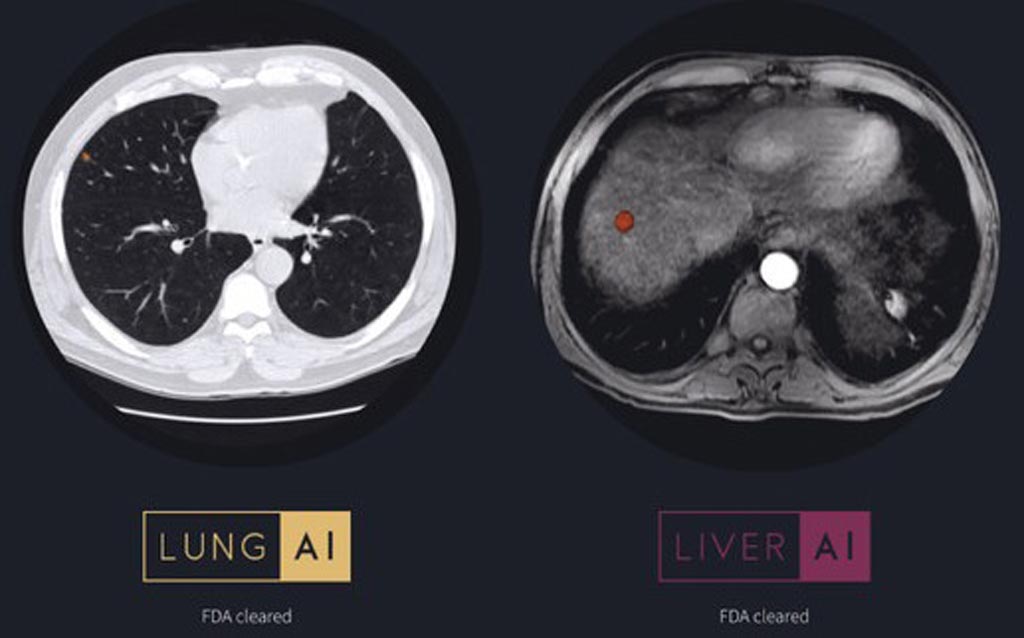
Image: When Oncology AI is used in combination with the company’s web-based offering, clinicians can measure and track tumors or potential cancers and apply radiological standards (Photo courtesy of Arterys).
Arterys Inc. (San Francisco, CA, USA), a provider of intelligent cloud-based medical imaging software solutions, has received its fifth 510(k) clearance from the U.S. Food and Drug Administration (FDA) for its Arterys Oncology AI suite.
Arterys offers a suite of applications for clinicians on the Arterys network via MICA, its web-based AI platform. MICA enables use and interaction with deep learning algorithms in real-time, augmenting the clinician and expediting image interpretation. The company focuses on reducing variability and subjectivity in the clinical diagnoses, and alleviating the enormous workloads of radiologists.
The new oncology software complements Arterys' existing web-based offering, and helps clinicians measure and track tumors or potential cancers, and easily apply radiological standards. The initial deep learning workflows will be for liver MRI and CT scans as well as for lung CT scans. With this new technology, radiologists can now easily confirm, evaluate, quantify, and report on the absence or presence of lung nodules and liver lesions along with their key characteristics using a simple web browser. The company plans additional deep learning workflows for solid tumors in other organs.
"The evaluation of primary and metastatic disease in the lung and liver are among the most valuable contributions of radiologists to the care of patients with cancer," said radiologist and Arterys co-founder Albert Hsiao. "We desperately need more efficient technology to automatically track lung and liver lesions to further improve diagnosis, assess response to treatment, and automate reporting with standardized terminology including Lung-RADS and LI-RADS. The Oncology Lung AI and Liver AI products are designed to maximize efficiency and accuracy of the radiologist read and will power next-generation radiology interpretation."
"Cancer is one of the leading causes of morbidity and mortality worldwide, with about 14 million new cases in 2012, and about 8.8 million deaths in 2015, according to the World Health Organization," said Arterys CEO Fabien Beckers. "A core Arterys mission is to help the medical community identify cancer earlier, so that patients can receive optimal treatment and improved prognosis. FDA clearance of our Oncology AI suite will help clinicians to quickly measure and track tumors over time. Additionally, our software enables seamless collaboration for clinicians, so second opinions can be easily gathered from within the hospital, or from outside experts."








Arterys offers a suite of applications for clinicians on the Arterys network via MICA, its web-based AI platform. MICA enables use and interaction with deep learning algorithms in real-time, augmenting the clinician and expediting image interpretation. The company focuses on reducing variability and subjectivity in the clinical diagnoses, and alleviating the enormous workloads of radiologists.
The new oncology software complements Arterys' existing web-based offering, and helps clinicians measure and track tumors or potential cancers, and easily apply radiological standards. The initial deep learning workflows will be for liver MRI and CT scans as well as for lung CT scans. With this new technology, radiologists can now easily confirm, evaluate, quantify, and report on the absence or presence of lung nodules and liver lesions along with their key characteristics using a simple web browser. The company plans additional deep learning workflows for solid tumors in other organs.
"The evaluation of primary and metastatic disease in the lung and liver are among the most valuable contributions of radiologists to the care of patients with cancer," said radiologist and Arterys co-founder Albert Hsiao. "We desperately need more efficient technology to automatically track lung and liver lesions to further improve diagnosis, assess response to treatment, and automate reporting with standardized terminology including Lung-RADS and LI-RADS. The Oncology Lung AI and Liver AI products are designed to maximize efficiency and accuracy of the radiologist read and will power next-generation radiology interpretation."
"Cancer is one of the leading causes of morbidity and mortality worldwide, with about 14 million new cases in 2012, and about 8.8 million deaths in 2015, according to the World Health Organization," said Arterys CEO Fabien Beckers. "A core Arterys mission is to help the medical community identify cancer earlier, so that patients can receive optimal treatment and improved prognosis. FDA clearance of our Oncology AI suite will help clinicians to quickly measure and track tumors over time. Additionally, our software enables seamless collaboration for clinicians, so second opinions can be easily gathered from within the hospital, or from outside experts."

Radiation Safety Barrier
RayShield Intensi-Barrier
Half Apron
Demi
Ultrasonic Pocket Doppler
SD1
Portable X-ray Unit
AJEX140H
Latest Industry News News
- GE HealthCare and NVIDIA Collaboration to Reimagine Diagnostic Imaging
- Patient-Specific 3D-Printed Phantoms Transform CT Imaging
- Siemens and Sectra Collaborate on Enhancing Radiology Workflows
- Bracco Diagnostics and ColoWatch Partner to Expand Availability CRC Screening Tests Using Virtual Colonoscopy
- Mindray Partners with TeleRay to Streamline Ultrasound Delivery
- Philips and Medtronic Partner on Stroke Care
- Siemens and Medtronic Enter into Global Partnership for Advancing Spine Care Imaging Technologies
- RSNA 2024 Technical Exhibits to Showcase Latest Advances in Radiology
- Bracco Collaborates with Arrayus on Microbubble-Assisted Focused Ultrasound Therapy for Pancreatic Cancer
- Innovative Collaboration to Enhance Ischemic Stroke Detection and Elevate Standards in Diagnostic Imaging
- RSNA 2024 Registration Opens
- Microsoft collaborates with Leading Academic Medical Systems to Advance AI in Medical Imaging
- GE HealthCare Acquires Intelligent Ultrasound Group’s Clinical Artificial Intelligence Business
- Bayer and Rad AI Collaborate on Expanding Use of Cutting Edge AI Radiology Operational Solutions
- Polish Med-Tech Company BrainScan to Expand Extensively into Foreign Markets
- Hologic Acquires UK-Based Breast Surgical Guidance Company Endomagnetics Ltd.
Channels
Radiography
view channel
X-Ray Breakthrough Captures Three Image-Contrast Types in Single Shot
Detecting early-stage cancer or subtle changes deep inside tissues has long challenged conventional X-ray systems, which rely only on how structures absorb radiation. This limitation keeps many microstructural... Read more
AI Generates Future Knee X-Rays to Predict Osteoarthritis Progression Risk
Osteoarthritis, a degenerative joint disease affecting over 500 million people worldwide, is the leading cause of disability among older adults. Current diagnostic tools allow doctors to assess damage... Read more
MRI
view channel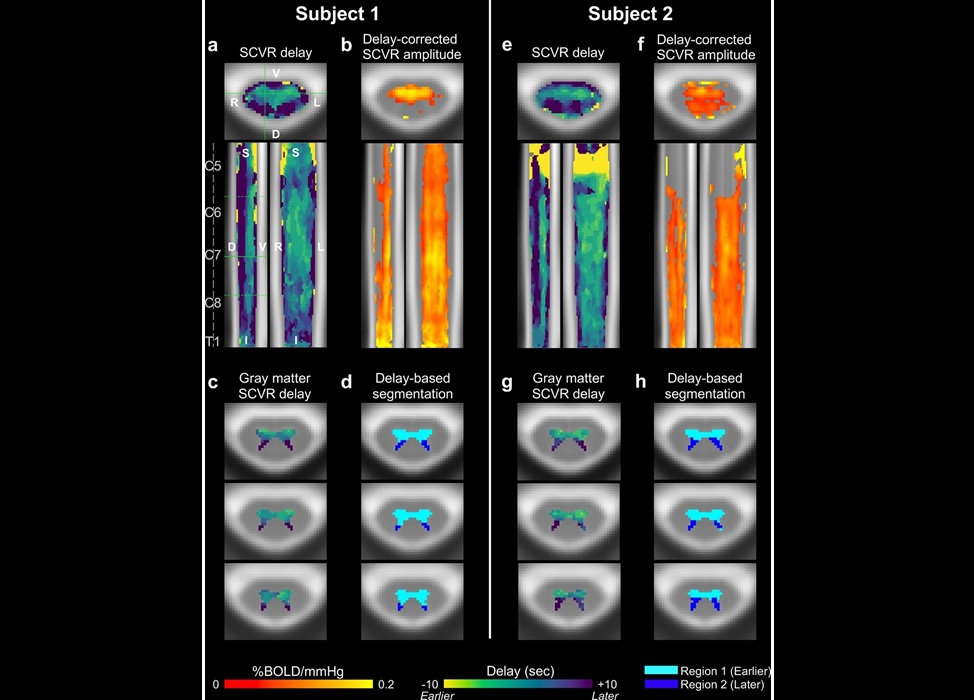
Novel Imaging Approach to Improve Treatment for Spinal Cord Injuries
Vascular dysfunction in the spinal cord contributes to multiple neurological conditions, including traumatic injuries and degenerative cervical myelopathy, where reduced blood flow can lead to progressive... Read more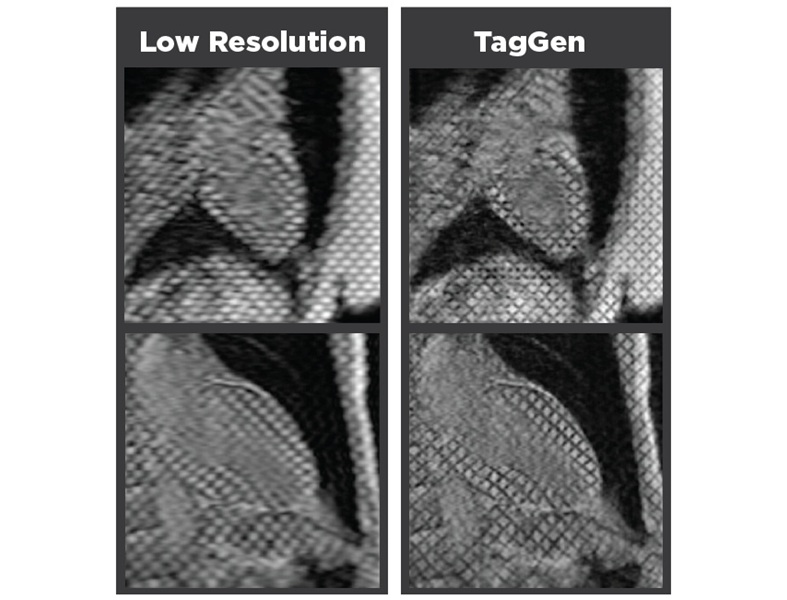
AI-Assisted Model Enhances MRI Heart Scans
A cardiac MRI can reveal critical information about the heart’s function and any abnormalities, but traditional scans take 30 to 90 minutes and often suffer from poor image quality due to patient movement.... Read more
AI Model Outperforms Doctors at Identifying Patients Most At-Risk of Cardiac Arrest
Hypertrophic cardiomyopathy is one of the most common inherited heart conditions and a leading cause of sudden cardiac death in young individuals and athletes. While many patients live normal lives, some... Read more
Ultrasound
view channel
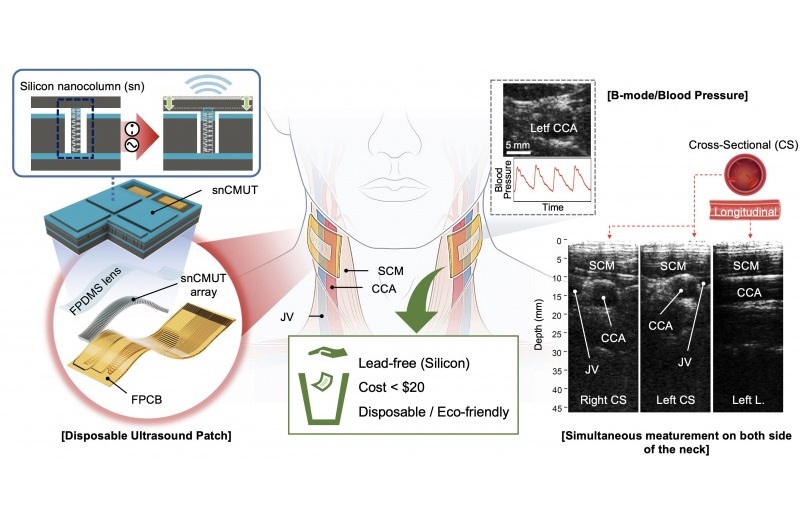
Wearable Ultrasound Imaging System to Enable Real-Time Disease Monitoring
Chronic conditions such as hypertension and heart failure require close monitoring, yet today’s ultrasound imaging is largely confined to hospitals and short, episodic scans. This reactive model limits... Read more
Ultrasound Technique Visualizes Deep Blood Vessels in 3D Without Contrast Agents
Producing clear 3D images of deep blood vessels has long been difficult without relying on contrast agents, CT scans, or MRI. Standard ultrasound typically provides only 2D cross-sections, limiting clinicians’... Read more
Nuclear Medicine
view channel
PET Imaging of Inflammation Predicts Recovery and Guides Therapy After Heart Attack
Acute myocardial infarction can trigger lasting heart damage, yet clinicians still lack reliable tools to identify which patients will regain function and which may develop heart failure.... Read more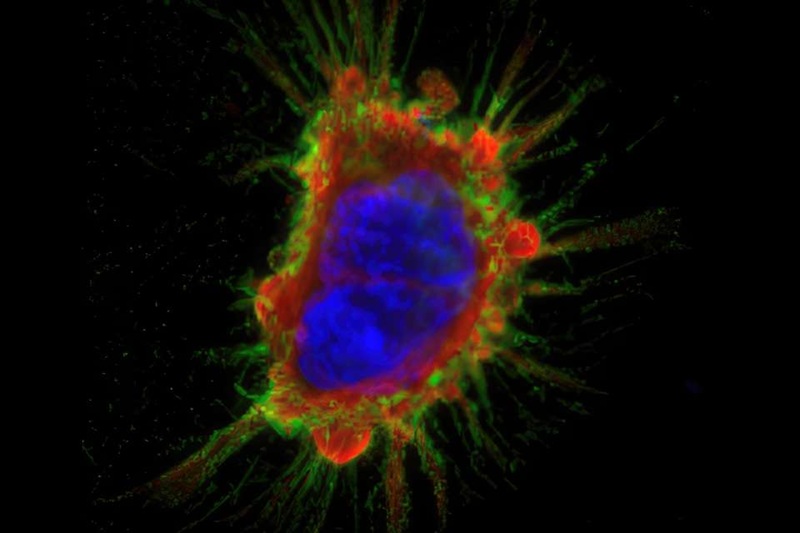
Radiotheranostic Approach Detects, Kills and Reprograms Aggressive Cancers
Aggressive cancers such as osteosarcoma and glioblastoma often resist standard therapies, thrive in hostile tumor environments, and recur despite surgery, radiation, or chemotherapy. These tumors also... Read more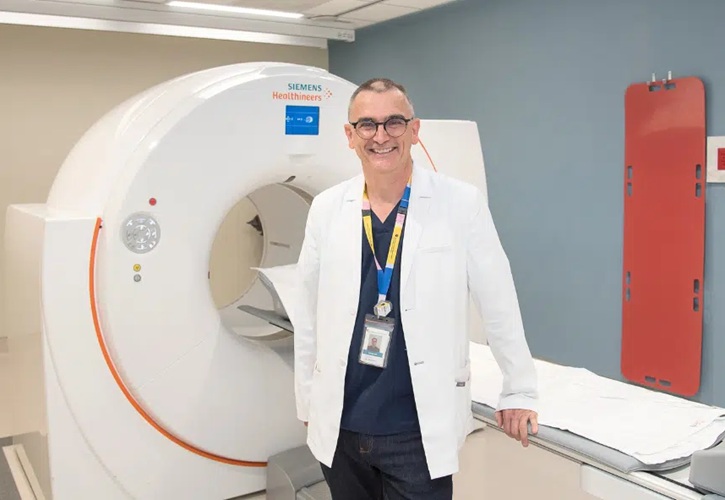
New Imaging Solution Improves Survival for Patients with Recurring Prostate Cancer
Detecting recurrent prostate cancer remains one of the most difficult challenges in oncology, as standard imaging methods such as bone scans and CT scans often fail to accurately locate small or early-stage tumors.... Read more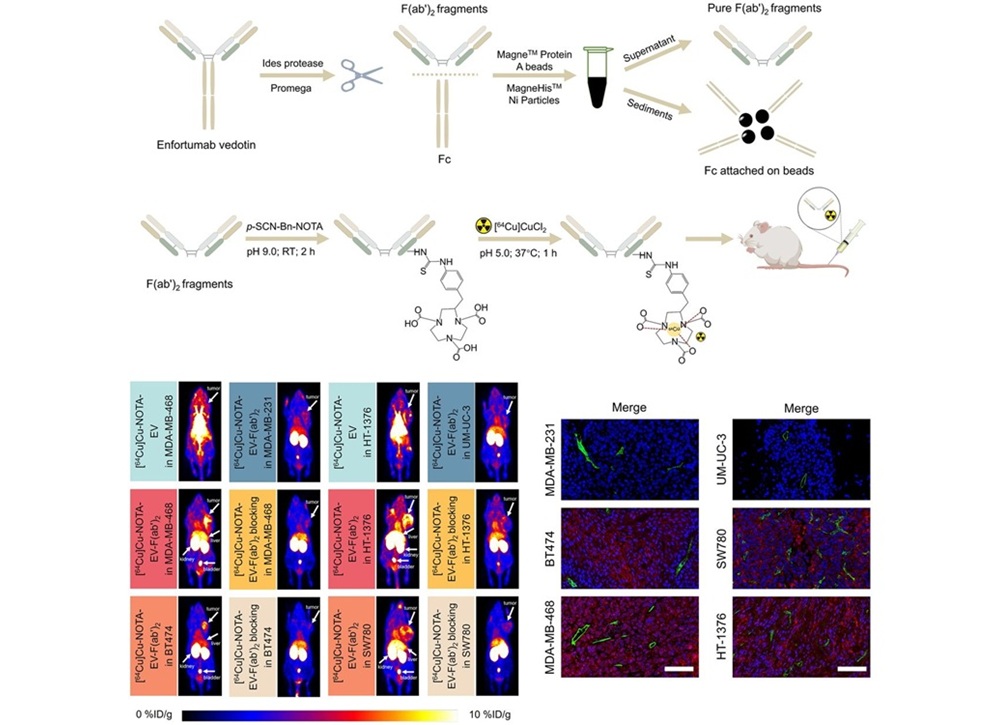
General/Advanced Imaging
view channel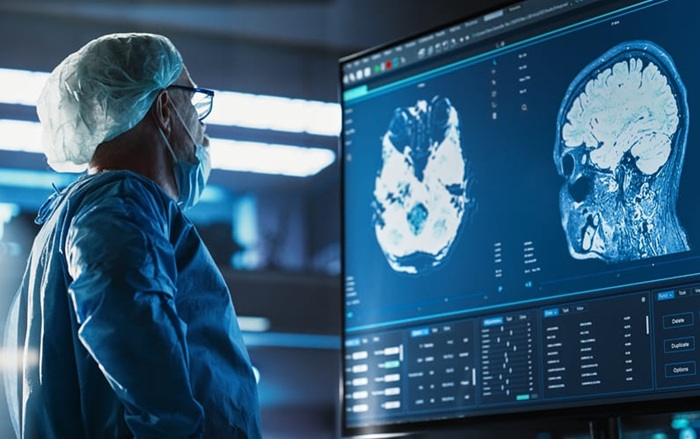
3D Scanning Approach Enables Ultra-Precise Brain Surgery
Precise navigation is critical in neurosurgery, yet even small alignment errors can affect outcomes when operating deep within the brain. A new 3D surface-scanning approach now provides a radiation-free... Read more
AI Tool Improves Medical Imaging Process by 90%
Accurately labeling different regions within medical scans, a process known as medical image segmentation, is critical for diagnosis, surgery planning, and research. Traditionally, this has been a manual... Read more
New Ultrasmall, Light-Sensitive Nanoparticles Could Serve as Contrast Agents
Medical imaging technologies face ongoing challenges in capturing accurate, detailed views of internal processes, especially in conditions like cancer, where tracking disease development and treatment... Read more
AI Algorithm Accurately Predicts Pancreatic Cancer Metastasis Using Routine CT Images
In pancreatic cancer, detecting whether the disease has spread to other organs is critical for determining whether surgery is appropriate. If metastasis is present, surgery is not recommended, yet current... Read moreImaging IT
view channel
New Google Cloud Medical Imaging Suite Makes Imaging Healthcare Data More Accessible
Medical imaging is a critical tool used to diagnose patients, and there are billions of medical images scanned globally each year. Imaging data accounts for about 90% of all healthcare data1 and, until... Read more