


Optical Coherence Tomography Used to Image Pain Management in Labor and Diabetic Retinopathy and Glaucoma
|
By MedImaging International staff writers Posted on 19 Jun 2014 |


|
Researchers are using established imaging technology called optical coherence tomography (OCT) and integrating it with other devices for cutting-edge imaging of women in labor and individuals with diabetic retinopathy and glaucoma.
The research was presented at CLEO 2014, the Conference on Lasers and Electro-Optics, which was held June 8–13, 2014, in San Jose (CA, USA). OCT uses scattered “echoes” or reflections of light waves to create high-resolution images of biologic tissues, similar to ultrasound imaging but with one order of magnitude improvement in the resolution. Ophthalmologists have long been using OCT to study the retina. More recently, OCT has been applied to a range of other clinical specialties, including cardiology, where it is used to examine the formation of plaques in coronary arteries in situ, and oncology for early cancer detection and staging in the gastrointestinal and urogenital tract.
Bioengineer Dr. Yu Chen, from the University of Maryland (College Park, USA), and his colleagues have developed a way to integrate an OCT device with an 18-gauge epidural needle. Epidural administration, Dr. Chen noted, is traditionally performed blindly, using anatomic landmarks. However, the investigators newly miniaturized handheld device lets anesthesiologists see tissue from the perspective of the tip of the epidural needle, which could help doctors to deliver spinal anesthetic to patients with less pain and fewer complications.
“Due to lack of visual feedback, failure rates are often high, leading to multiple needle insertions,” Dr. Chen said. Side effects of these failures can include trauma to blood vessels and punctures in the dura, the outermost membrane surrounding the brain and spinal cord. “An OCT forward-imaging probe can provide anesthesiologists with real-time visualization of the microarchitecture of tissues and important landmarks, and thus could significantly improve the accuracy and the safety of the needle-based procedure,” Dr. Chen said.
The researchers have been successful in testing needle-guidance research on pig swine samples and hope to conduct a preclinical study of the device by 2015.
In another study presented at the conference June 12, investigators from the University of California, Davis (UC Davis; USA), led by biomedical engineer Dr. Vivek Srinivasan, have shown how OCT can simultaneously measure blood flow and blood oxygenation in vessels, without the need for contrast agents.
OCT, similar to ultrasound, can provide structural information, but it can also be used to determine flow rates and for angiography, visualizing the interior of blood vessels, according to Shau Poh Chong, a postdoctoral researcher in the Srinivasan lab. “Conventional pulse oximetry measures oxygen saturation using transmitted light,” Dr. Chong stated. “Performing these measurements quantitatively with reflected light has traditionally been difficult due to the unknown distance traveled by the light through scattering tissue.”
OCT directly determines the distance that light travels. Until now, however, it was challenging to use OCT to gauge oxygen saturation in blood, due to additional modeling errors introduced by light scattering. At visible wavelengths, scattering is much lower relative to blood absorption than at infrared wavelengths, where OCT is typically performed. The OCT system developed in the Srinivasan lab uses broadband visible light to measure the amounts of both oxygenated and deoxygenated hemoglobin, the oxygen-carrying protein of blood, thus revealing oxygen saturation levels. In addition, the team developed new methods to further reduce modeling errors caused by light scattering.
“The broad set of measurements provided by the system, including angiography, oximetry, and red blood cell flow rates enables the direct assessment of tissue oxygen metabolism, which is essential for understanding the evolution of oxygen supply and demand in numerous disease models,” Dr. Chong concluded. “In the future, these techniques could be applied to study metabolic changes in diseases that affect the human retina, such as diabetic retinopathy and glaucoma.”
Related Links:
University of Maryland
University of California, Davis






The research was presented at CLEO 2014, the Conference on Lasers and Electro-Optics, which was held June 8–13, 2014, in San Jose (CA, USA). OCT uses scattered “echoes” or reflections of light waves to create high-resolution images of biologic tissues, similar to ultrasound imaging but with one order of magnitude improvement in the resolution. Ophthalmologists have long been using OCT to study the retina. More recently, OCT has been applied to a range of other clinical specialties, including cardiology, where it is used to examine the formation of plaques in coronary arteries in situ, and oncology for early cancer detection and staging in the gastrointestinal and urogenital tract.
Bioengineer Dr. Yu Chen, from the University of Maryland (College Park, USA), and his colleagues have developed a way to integrate an OCT device with an 18-gauge epidural needle. Epidural administration, Dr. Chen noted, is traditionally performed blindly, using anatomic landmarks. However, the investigators newly miniaturized handheld device lets anesthesiologists see tissue from the perspective of the tip of the epidural needle, which could help doctors to deliver spinal anesthetic to patients with less pain and fewer complications.
“Due to lack of visual feedback, failure rates are often high, leading to multiple needle insertions,” Dr. Chen said. Side effects of these failures can include trauma to blood vessels and punctures in the dura, the outermost membrane surrounding the brain and spinal cord. “An OCT forward-imaging probe can provide anesthesiologists with real-time visualization of the microarchitecture of tissues and important landmarks, and thus could significantly improve the accuracy and the safety of the needle-based procedure,” Dr. Chen said.
The researchers have been successful in testing needle-guidance research on pig swine samples and hope to conduct a preclinical study of the device by 2015.
In another study presented at the conference June 12, investigators from the University of California, Davis (UC Davis; USA), led by biomedical engineer Dr. Vivek Srinivasan, have shown how OCT can simultaneously measure blood flow and blood oxygenation in vessels, without the need for contrast agents.
OCT, similar to ultrasound, can provide structural information, but it can also be used to determine flow rates and for angiography, visualizing the interior of blood vessels, according to Shau Poh Chong, a postdoctoral researcher in the Srinivasan lab. “Conventional pulse oximetry measures oxygen saturation using transmitted light,” Dr. Chong stated. “Performing these measurements quantitatively with reflected light has traditionally been difficult due to the unknown distance traveled by the light through scattering tissue.”
OCT directly determines the distance that light travels. Until now, however, it was challenging to use OCT to gauge oxygen saturation in blood, due to additional modeling errors introduced by light scattering. At visible wavelengths, scattering is much lower relative to blood absorption than at infrared wavelengths, where OCT is typically performed. The OCT system developed in the Srinivasan lab uses broadband visible light to measure the amounts of both oxygenated and deoxygenated hemoglobin, the oxygen-carrying protein of blood, thus revealing oxygen saturation levels. In addition, the team developed new methods to further reduce modeling errors caused by light scattering.
“The broad set of measurements provided by the system, including angiography, oximetry, and red blood cell flow rates enables the direct assessment of tissue oxygen metabolism, which is essential for understanding the evolution of oxygen supply and demand in numerous disease models,” Dr. Chong concluded. “In the future, these techniques could be applied to study metabolic changes in diseases that affect the human retina, such as diabetic retinopathy and glaucoma.”
Related Links:
University of Maryland
University of California, Davis

Digital Intelligent Ferromagnetic Detector
Digital Ferromagnetic Detector
Ultrasonic Pocket Doppler
SD1
X-Ray Generator
Advantage Plus Generators
Computed Tomography System
Aquilion ONE / INSIGHT Edition
Latest General/Advanced Imaging News
- Virtual Staining Technique Creates Histology Images from CT Data
- CT-Derived Biomarker Predicts Outcomes in Gastric Cancer
- AI Tool Enhances Response Assessment and Survival Prediction in Pleural Mesothelioma
- AI Tool Enables Real-Time Diffuse Optical Tomography for Brain Lesion Detection
- New SPECT/CT Method Differentiates Inflammation from Fibrosis in Interstitial Lung Disease
- Whole-Body PET/CT Tracks Metabolic Changes After Bariatric Surgery
- PET Tracer Localizes Overactive Adrenal Glands in Primary Aldosteronism
- Multimodal AI Tool Combines CT and Health Records to Predict Heart Risk
- AI Tool Automates Radiotherapy Planning for Cervical and Prostate Cancer
- New Proton Therapy Platform Integrates into Existing Radiotherapy Departments
- 3D-Printed Intraoral Device Enhances Head and Neck Radiotherapy Accuracy
- Molecular Imaging Agent Shows Promise for Endometriosis Detection and Monitoring
- Automated AI Tool Detects Early Pancreatic Cancer on Routine CT
- Routine Cardiac CT Enhanced to Predict Heart Failure Risk
- New Breast Imaging Viewer Unifies Modalities and Enhances Clinical Workflow
- Radiomics Analysis of CT Scans Enhances Evaluation of Sarcoidosis
Channels
Radiography
view channel
AI Tool Predicts Five-Year Breast Cancer Risk from Mammograms
Breast cancer risk assessment during routine screening is difficult because many women who develop the disease have no known genetic mutations or family history. Static risk tools provide limited discrimination... Read more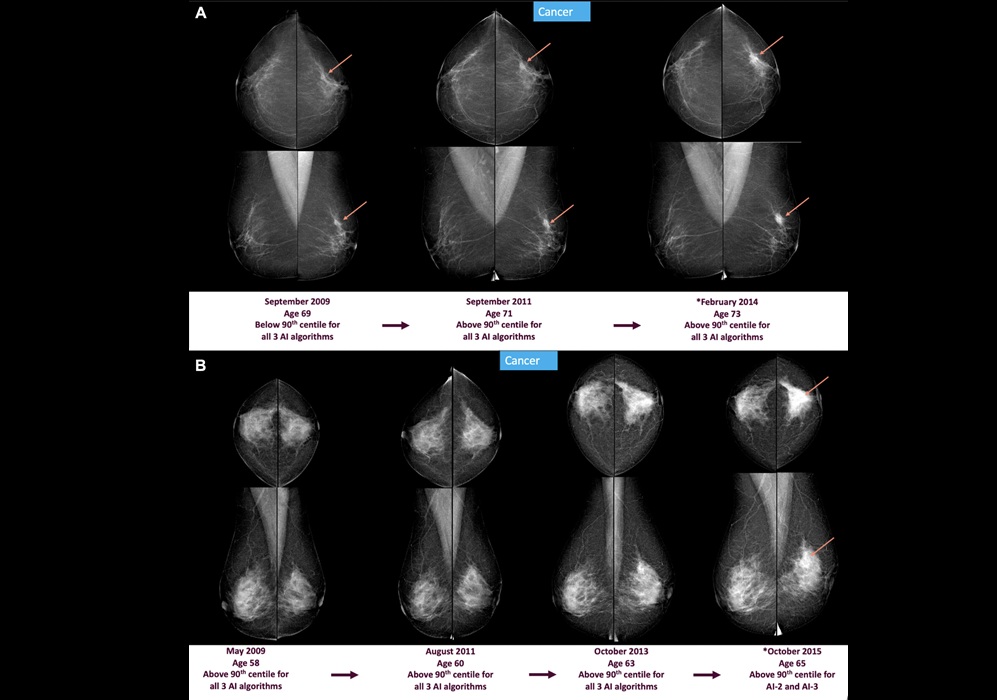
AI Mammography Tools Detect Early Breast Cancer Signs Years Before Diagnosis
Breast cancer screening aims to detect tumors before symptoms develop, but subtle mammographic changes can appear years before diagnosis and may be missed during routine reads. Delayed detection can lead... Read more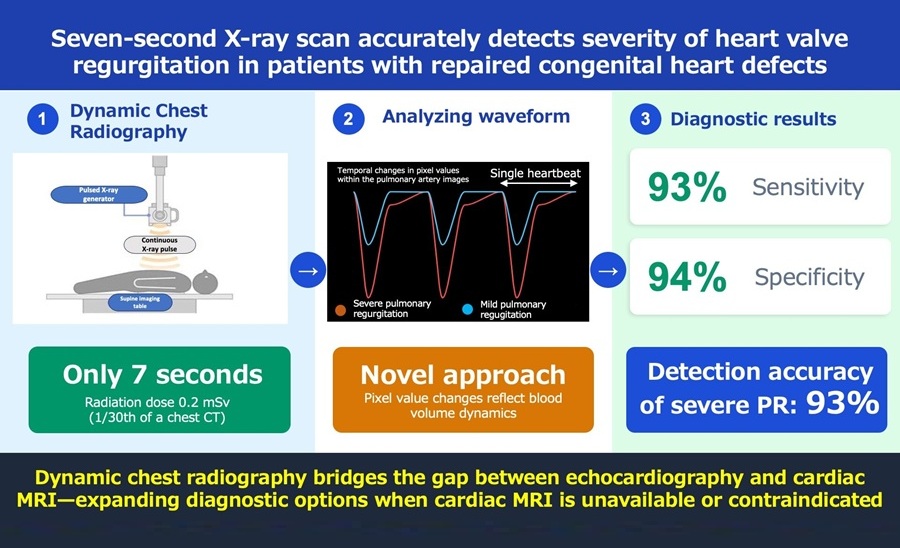
MRI
view channel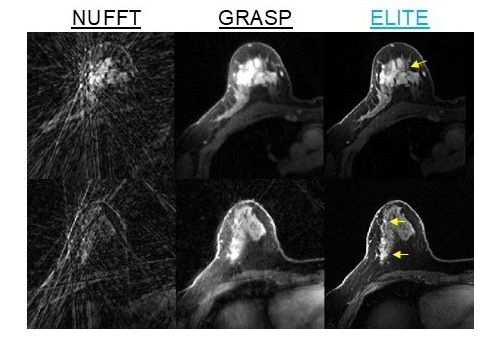
AI Reconstruction Tool Speeds Dynamic Breast MRI and Improves Cancer Detection
Breast cancer affects about 2.3 million people each year, creating sustained demand for precise imaging. Dynamic magnetic resonance imaging (MRI) is highly sensitive, yet slow acquisitions hinder real-time... Read more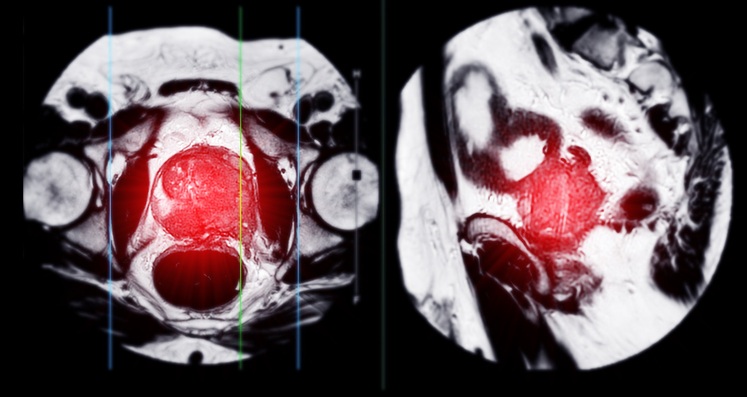
International Study Assesses AI for Prostate Cancer MRI Interpretation
Prostate cancer is a leading cause of cancer morbidity in men, and accurate early diagnosis hinges on expert interpretation of prostate magnetic resonance imaging (MRI). Rapid adoption of MRI-first pathways... Read more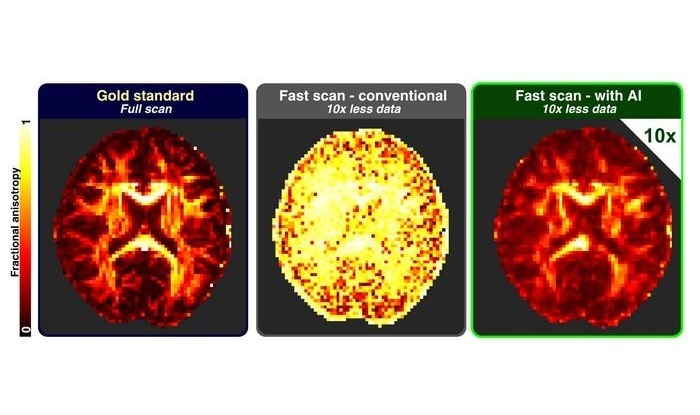
Ultrasound
view channel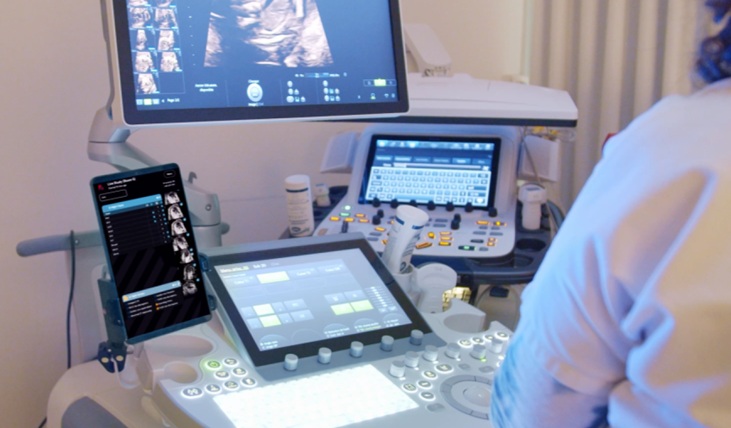
AI Ultrasound Platform Receives CE Mark for Prenatal Screening
Prenatal ultrasound is central to fetal anomaly screening, yet it remains one of the most technically demanding examinations in routine care. Because both image acquisition and interpretation are highly... Read more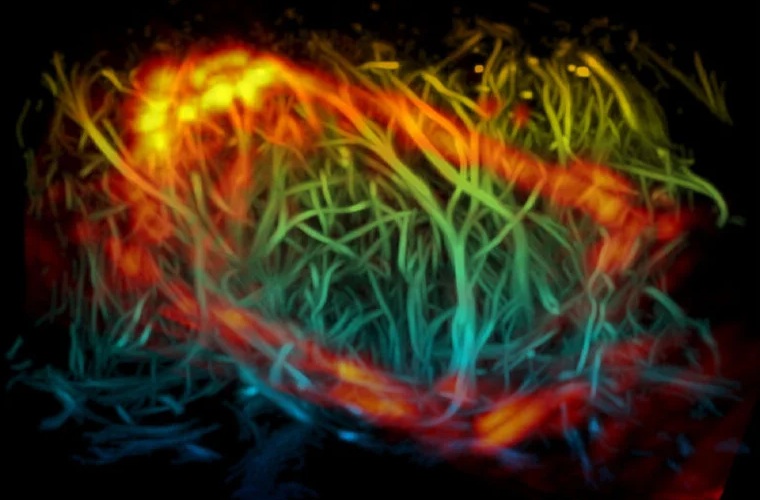
Hybrid Imaging Platform Reveals How Sleep Supports Brain Waste Removal
The brain’s glymphatic system clears metabolic waste via cerebrospinal fluid and is thought to support neural health during sleep. Yet clinicians and researchers have struggled to observe its whole‑brain... Read more
Nuclear Medicine
view channel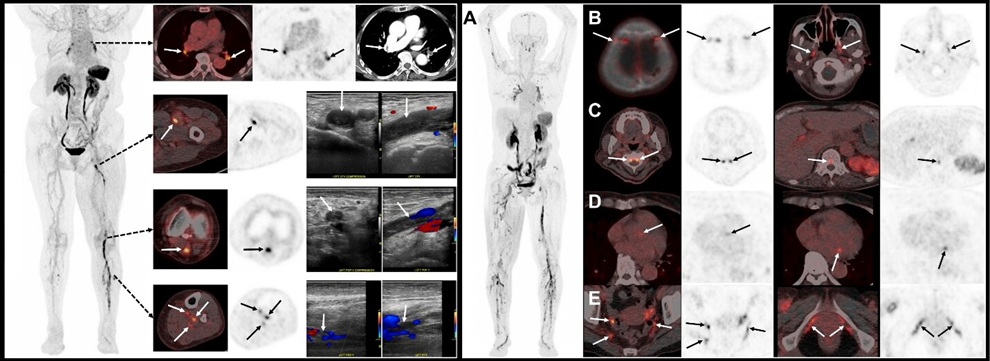
New PET Tracer Detects DVT and Pulmonary Embolism in One Scan
Deep vein thrombosis is the formation of clots in deep leg veins that can migrate to the lungs as pulmonary embolism. Rapid confirmation across both regions often requires multiple tests and can delay treatment.... Read more![Image: (A-C) Representative whole-body maximum-intensity projection images and regional fused PET/CT images from three histologically confirmed osteosarcoma patients who underwent paired [68Ga]Ga-B7-H3-BCH PET/CT and 18F-FDGE PET/CT within 7 days. (D) Multimodal imaging evaluation of patient 3, including X-ray, MRI (T2-weighted imaging, T2WI), CT, and B7-H3 PET/CT. (Photo courtesy of SNMMI)](https://globetechcdn.com/mobile_medicalimaging/images/stories/articles/article_images/2026-06-07/294811110_image_1.jpg "Image: (A-C) Representative whole-body maximum-intensity projection images and regional fused PET/CT images from three histologically confirmed osteosarcoma patients who underwent paired [68Ga]Ga-B7-H3-BCH PET/CT and 18F-FDGE PET/CT within 7 days. (D) Multimodal imaging evaluation of patient 3, including X-ray, MRI (T2-weighted imaging, T2WI), CT, and B7-H3 PET/CT. (Photo courtesy of SNMMI)")
Targeted PET Platform Guides Osteosarcoma Resection and Margin Verification
Osteosarcoma, an aggressive primary bone cancer that mainly affects children and adolescents, demands wide excision to prevent local recurrence. Surgeons must achieve negative margins while preserving... Read more
Imaging IT
view channel
Ambient AI Reporting Platform Streamlines Radiology Reporting
Radiology departments face growing imaging volumes and staffing shortages, creating reporting bottlenecks and pressure to maintain turnaround times. Conventional dictation tools document findings after... Read more
Interactive AI Tool Supports Explainable Lung Nodule Assessment
Lung cancer is a leading cause of cancer mortality, and timely characterization of pulmonary nodules on chest computed tomography (CT) is essential for directing care. Interpreting nodule morphology demands... Read more
Breast Imaging Software Enhances Visualization and Tissue Characterization in Challenging Cases
Breast imaging can be particularly challenging in cases involving small breasts or implants, where image reconstruction and tissue characterization may be limited. Clinicians also need reproducible analysis... Read more
Industry News
view channel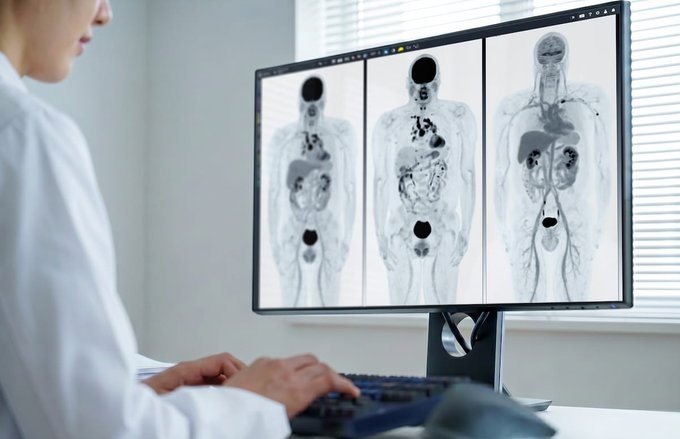
GE HealthCare Showcases AI-Enabled Nuclear Medicine Portfolio at SNMMI 2026
Nuclear medicine is expanding rapidly as health systems adopt theranostics and broaden access to radiopharmaceuticals, increasing demand for scalable operations and consistent diagnostic confidence.... Read more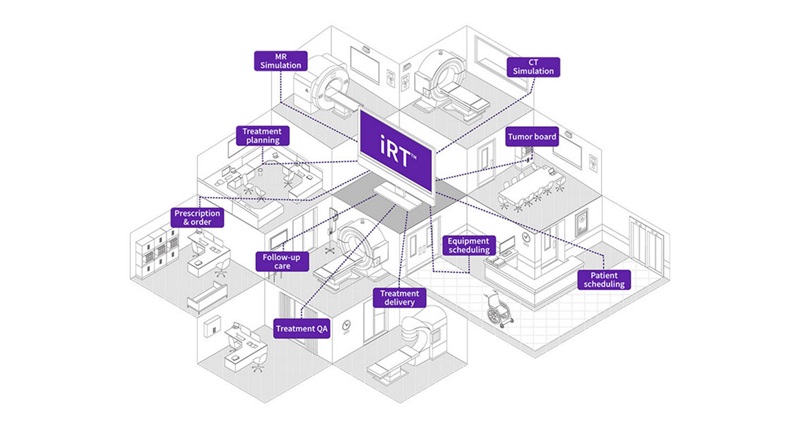
GE HealthCare Highlights AI-Supported Radiation Therapy Tools at ESTRO 2026
At the European Society for Radiotherapy and Oncology (ESTRO) 2026 Congress in Stockholm, GE HealthCare is highlighting Intelligent Radiation Therapy (iRT), MIM Software innovations, and BK Medical surgical... Read more