Tomosynthesis Application More Sensitive Than Chest X-Ray Detecting Lung Nodules
|
By MedImaging International staff writers Posted on 16 Jan 2014 |


|
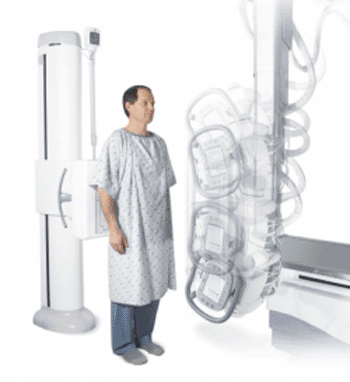
Image: VolumeRAD offers improved detection and management of patients with lung nodules compared to conventional X-ray imaging of the chest (Photo courtesy of GE Healthcare).
A new tomosynthesis tool provides enhanced detection and management of lung cancer patients and is 7.5 times more sensitive than chest X-ray without decreased specificity in identifying patients who require follow-up.
GE Healthcare’s (Chalfont St. Giles, UK) new clinical application for its fixed radiographic system, VolumeRAD, offers improved detection and management of patients with lung nodules compared to conventional X-ray imaging of the chest. As the first thoracic radiographic tomosynthesis product with a specific indication, this application is designed to improve the detection of lung nodules and the subsequent management of patients.
VolumeRAD provides physicians with multiple high-resolution slice images of the anatomy of interest, including the chest, abdomen, extremities, and spine. This clinical feature is a method of acquiring a series of low-dose projection images during a single sweep of the X-ray tube over a limited angle.
“We are very excited by these results that clearly show the benefit of radiographic tomosynthesis vs conventional X-ray,” said Michelle Edler, general manager of radiology and fluoroscopy for GE’s detection and guidance solutions business. “Customers who use this technology will be able to detect more, and will benefit 360% greater sensitivity without any reduction in specificity, for lung nodules 3–20 mm in diameter. The potential of VolumeRAD as a high-quality, cost-effective, and low dose imaging alternative for lung nodule detection is massive.”
Dr Gautham Reddy, professor of radiology and vice chair for education and director of thoracic imaging in the department of radiology at the University of Washington (Seattle, USA) believes VolumeRAD can offer an intermediate solution for patient care. “Rather than simply getting a CT, we can do a VolumeRAD to verify whether it’s a nodule or not. [For] something that has low likelihood of being a nodule, VolumeRAD will probably exclude the possibility of a nodule and there won’t be as much radiation,” said Dr. Reddy. “That is one of the reasons why VolumeRAD would be helpful. We could get more information than with a [radiograph and] without as much radiation as a CT.”
VolumeRAD generates diagnostic chest images that enable radiologists to detect small lung nodules with superior sensitivity vs. posterior-anterior (PA) and left lateral views of the chest at minimal relative radiation level (< 0.1 mSv). This clinical feature is a way of acquiring a series of low-dose projection images during a single sweep of the X-ray tube over a limited angle.
As many as 60 images can be captured in approximately 10 seconds. These data are then used to generate images at the desired slice interval defined by the user, a huge dose and patient throughput benefit compared to linear tomography, which provides only one image from a similar tube sweep. Using CT-like algorithms, high-resolution thin slices are reconstructed and can be reviewed by the radiologist at a computer workstation as individual images or in a cine mode.
Related Links:
GE Healthcare





GE Healthcare’s (Chalfont St. Giles, UK) new clinical application for its fixed radiographic system, VolumeRAD, offers improved detection and management of patients with lung nodules compared to conventional X-ray imaging of the chest. As the first thoracic radiographic tomosynthesis product with a specific indication, this application is designed to improve the detection of lung nodules and the subsequent management of patients.
VolumeRAD provides physicians with multiple high-resolution slice images of the anatomy of interest, including the chest, abdomen, extremities, and spine. This clinical feature is a method of acquiring a series of low-dose projection images during a single sweep of the X-ray tube over a limited angle.
“We are very excited by these results that clearly show the benefit of radiographic tomosynthesis vs conventional X-ray,” said Michelle Edler, general manager of radiology and fluoroscopy for GE’s detection and guidance solutions business. “Customers who use this technology will be able to detect more, and will benefit 360% greater sensitivity without any reduction in specificity, for lung nodules 3–20 mm in diameter. The potential of VolumeRAD as a high-quality, cost-effective, and low dose imaging alternative for lung nodule detection is massive.”
Dr Gautham Reddy, professor of radiology and vice chair for education and director of thoracic imaging in the department of radiology at the University of Washington (Seattle, USA) believes VolumeRAD can offer an intermediate solution for patient care. “Rather than simply getting a CT, we can do a VolumeRAD to verify whether it’s a nodule or not. [For] something that has low likelihood of being a nodule, VolumeRAD will probably exclude the possibility of a nodule and there won’t be as much radiation,” said Dr. Reddy. “That is one of the reasons why VolumeRAD would be helpful. We could get more information than with a [radiograph and] without as much radiation as a CT.”
VolumeRAD generates diagnostic chest images that enable radiologists to detect small lung nodules with superior sensitivity vs. posterior-anterior (PA) and left lateral views of the chest at minimal relative radiation level (< 0.1 mSv). This clinical feature is a way of acquiring a series of low-dose projection images during a single sweep of the X-ray tube over a limited angle.
As many as 60 images can be captured in approximately 10 seconds. These data are then used to generate images at the desired slice interval defined by the user, a huge dose and patient throughput benefit compared to linear tomography, which provides only one image from a similar tube sweep. Using CT-like algorithms, high-resolution thin slices are reconstructed and can be reviewed by the radiologist at a computer workstation as individual images or in a cine mode.
Related Links:
GE Healthcare

Half Apron
Demi
Biopsy Software
Affirm® Contrast
X-ray Diagnostic System
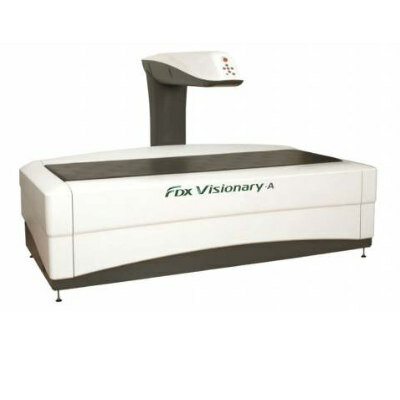
FDX Visionary-A
Multi-Use Ultrasound Table
Clinton
Latest Radiography News
- AI Boosts Breast Cancer Detection and Cuts Screening Workload
- AI Tool Predicts Breast Cancer Risk Years Ahead Using Routine Mammograms
- Routine Mammograms Could Predict Future Cardiovascular Disease in Women
- AI Detects Early Signs of Aging from Chest X-Rays
- X-Ray Breakthrough Captures Three Image-Contrast Types in Single Shot
- AI Generates Future Knee X-Rays to Predict Osteoarthritis Progression Risk
- AI Algorithm Uses Mammograms to Accurately Predict Cardiovascular Risk in Women
- AI Hybrid Strategy Improves Mammogram Interpretation
- AI Technology Predicts Personalized Five-Year Risk of Developing Breast Cancer
- RSNA AI Challenge Models Can Independently Interpret Mammograms
- New Technique Combines X-Ray Imaging and Radar for Safer Cancer Diagnosis
- New AI Tool Helps Doctors Read Chest X‑Rays Better
- Wearable X-Ray Imaging Detecting Fabric to Provide On-The-Go Diagnostic Scanning
- AI Helps Radiologists Spot More Lesions in Mammograms
- AI Detects Fatty Liver Disease from Chest X-Rays
- AI Detects Hidden Heart Disease in Existing CT Chest Scans
Channels
MRI
view channel
Combined Imaging Approach Identifies Cause of Heart Attack without Coronary Blockage
Patients who present with myocardial infarction but show no obstructive coronary disease often leave without a definitive diagnosis. That uncertainty complicates in-hospital decision-making and post-discharge... Read more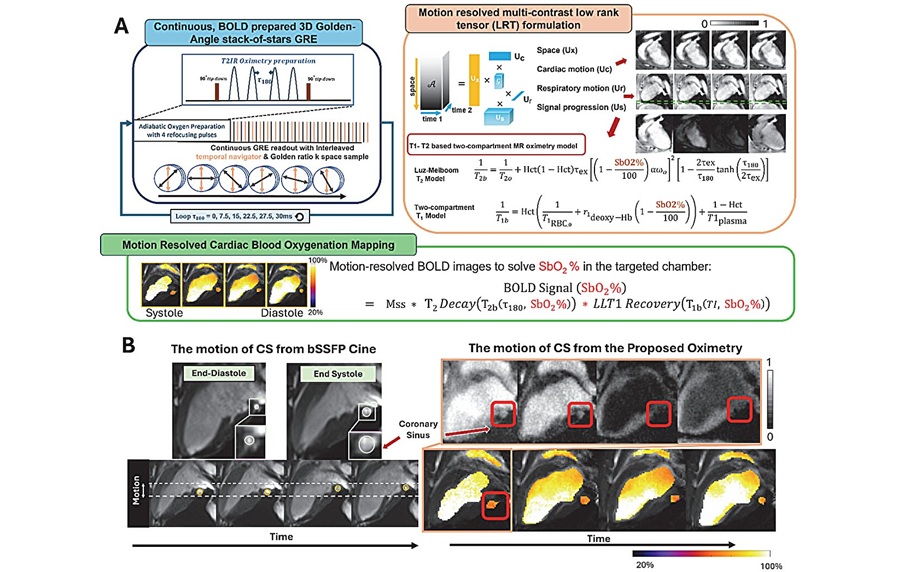
Advanced MRI System Detects Impaired Cardiac Oxygen Use in Minutes
Early identification of cardiac dysfunction remains challenging because current methods to evaluate myocardial oxygen use are invasive or impractical for routine care. Delays in detecting impaired oxygen... Read more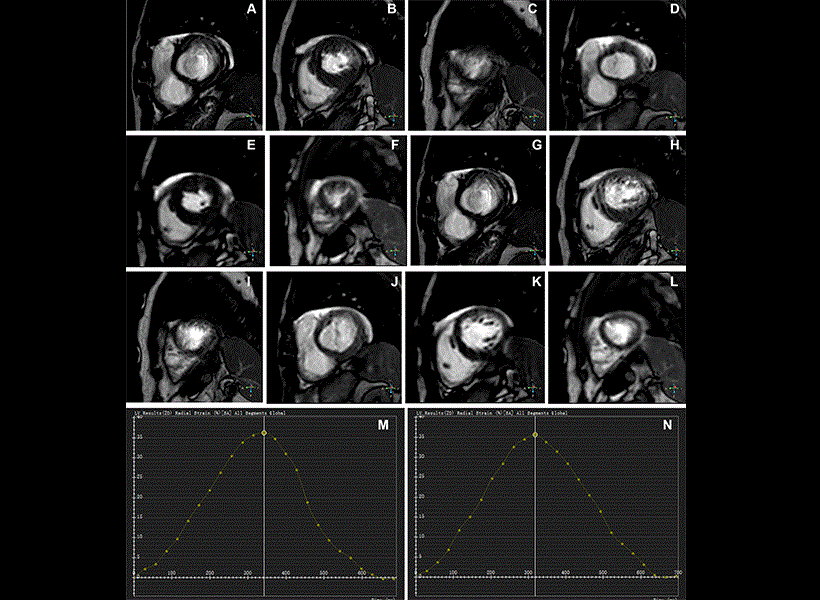
Ultrasound
view channel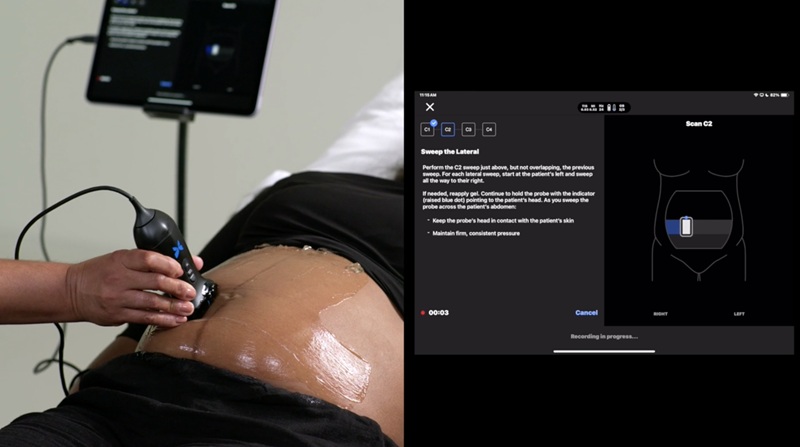
New Ultrasound AI Tool Supports Rapid Prenatal Assessment
Accurate gestational age estimation guides prenatal screening, detection of complications, and timely intervention. Access to ultrasound and trained sonographers is uneven, with nearly half of U.... Read more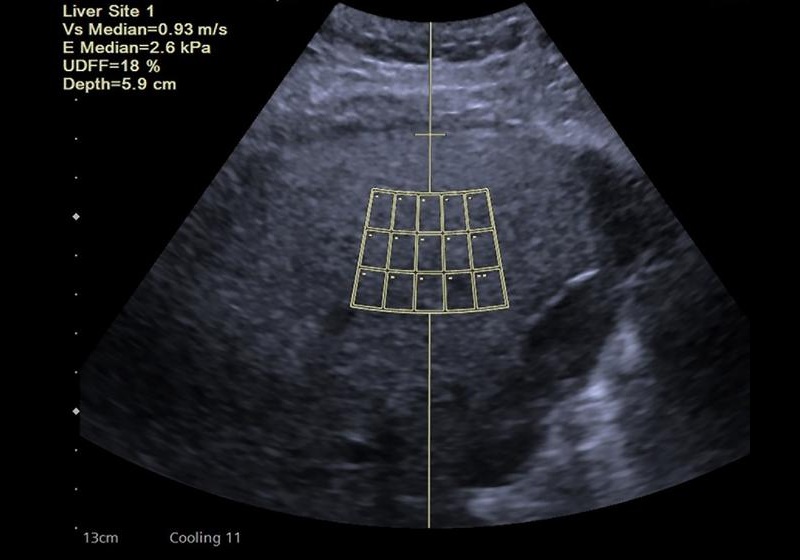
New Consensus Standardizes Ultrasound-Based Fatty Liver Assessment
Metabolic dysfunction-associated steatotic liver disease (MASLD) is rising along with obesity and diabetes, making accurate, scalable measurement of hepatic fat a clinical priority. Biopsy is invasive... Read more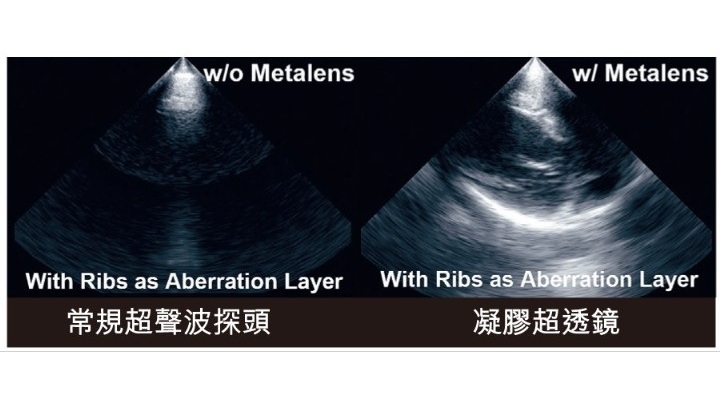

Nuclear Medicine
view channel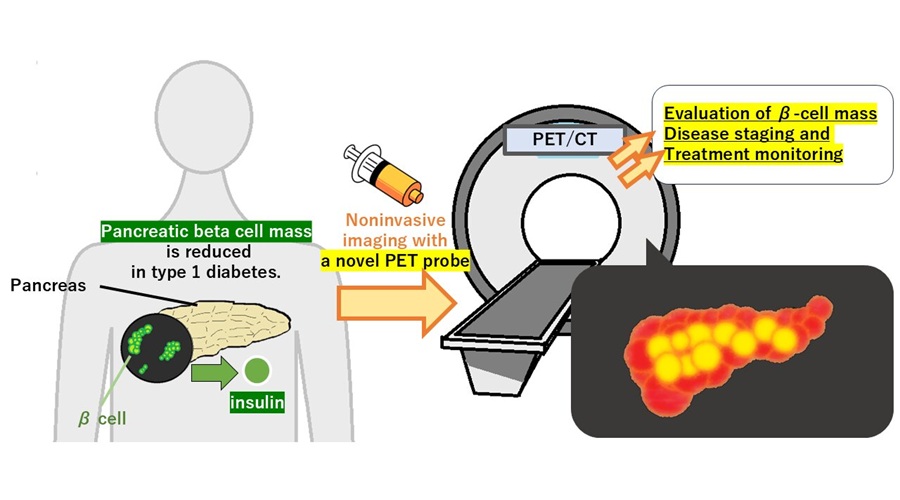
PET Tracer Enables Noninvasive Measurement of Beta Cell Mass
Type 1 diabetes is an autoimmune disease in which the immune system destroys insulin-producing pancreatic beta cells. Loss of these cells destabilizes glucose control and drives complications.... Read more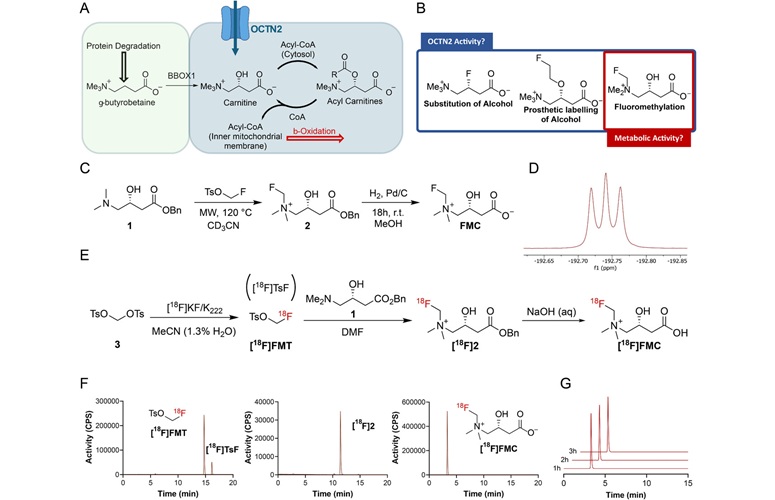
New Imaging Tool Sheds Light on Tumor Fat Metabolism
Rapidly growing tumors reprogram metabolism to meet high energy demands. While many cancers preferentially consume glucose, lipid utilization by malignant cells is difficult to measure in living subjects.... Read more
Radiopharmaceutical Molecule Marker to Improve Choice of Bladder Cancer Therapies
Targeted cancer therapies only work when tumor cells express the specific molecular structures they are designed to attack. In urothelial carcinoma, a common form of bladder cancer, the cell surface protein... Read more
General/Advanced Imaging
view channel
AI Tool Predicts Side Effects from Lung Cancer Treatment
Radiation therapy is a central treatment for lung cancer, but even carefully targeted radiation can affect surrounding healthy tissue. Patients may develop side effects such as lung inflammation, coughing,... Read more
AI Tool Offers Prognosis for Patients with Head and Neck Cancer
Oropharyngeal cancer is a form of head and neck cancer that can spread through lymph nodes, significantly affecting survival and treatment decisions. Current therapies often involve combinations of surgery,... Read more
Imaging IT
view channel
New Google Cloud Medical Imaging Suite Makes Imaging Healthcare Data More Accessible
Medical imaging is a critical tool used to diagnose patients, and there are billions of medical images scanned globally each year. Imaging data accounts for about 90% of all healthcare data1 and, until... Read more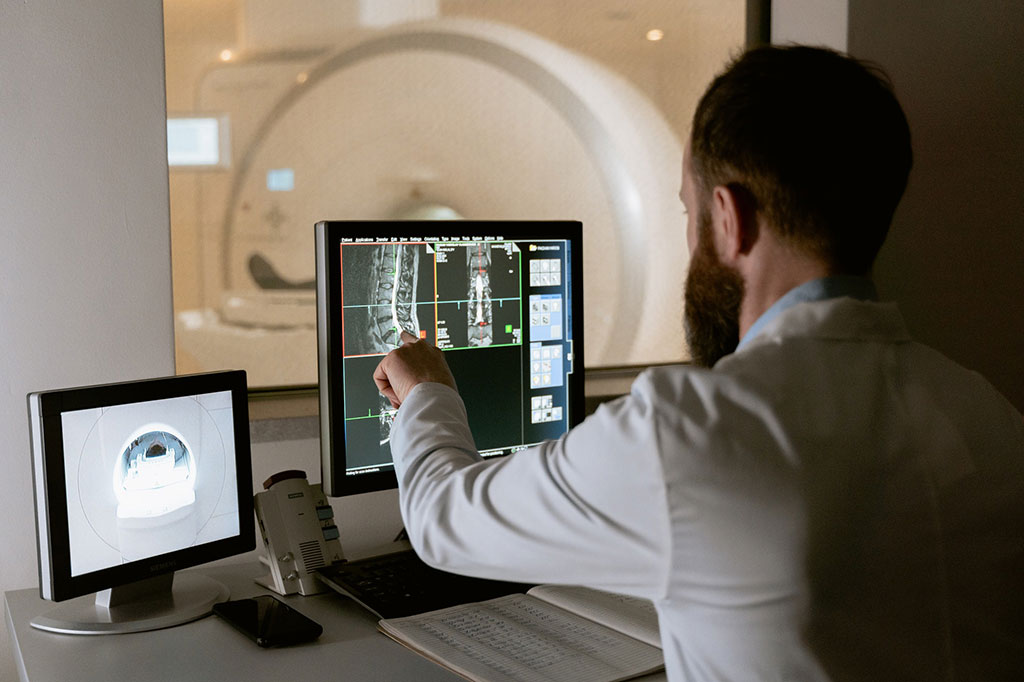
Global AI in Medical Diagnostics Market to Be Driven by Demand for Image Recognition in Radiology
The global artificial intelligence (AI) in medical diagnostics market is expanding with early disease detection being one of its key applications and image recognition becoming a compelling consumer proposition... Read more
Industry News
view channel
Nuclear Medicine Set for Continued Growth Driven by Demand for Precision Diagnostics
Clinical imaging services face rising demand for precise molecular diagnostics and targeted radiopharmaceutical therapy as cancer and chronic disease rates climb. A new market analysis projects rapid expansion... Read more