


Cutting-Edge Head and Neck Imaging Optimizes Healthcare in Clinical Practice
|
By MedImaging International staff writers Posted on 27 Mar 2013 |


|
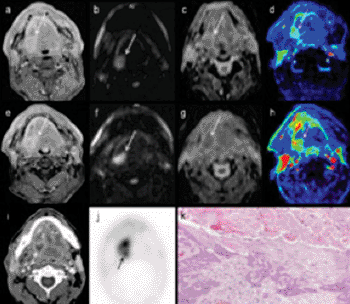
Image: Multiparametric MRI for early treatment prediction of chemoradiation in oropharyngeal cancer: Upper row is pretreatment MRI of right base of tongue cancer (a = contrast enhanced T1 as anatomic correlate; b = native b1000 diffusion-weighted image; c = ADC-map; d = perfusion-map of IUAC). Middle row is two weeks during chemoradiation: same imaging sets, tumor volume will not help. No significant change in b1000, ADC nor perfusion-MRI indicate nonresponse and thus high risk of tumor relapse after end of treatment. Tumor relapse at PET-CT eight months after end of treatment, proven by histology (k) (Photo courtesy of Prof. Vincent Vandecaveye, University Hospital Leuven, Belgium).
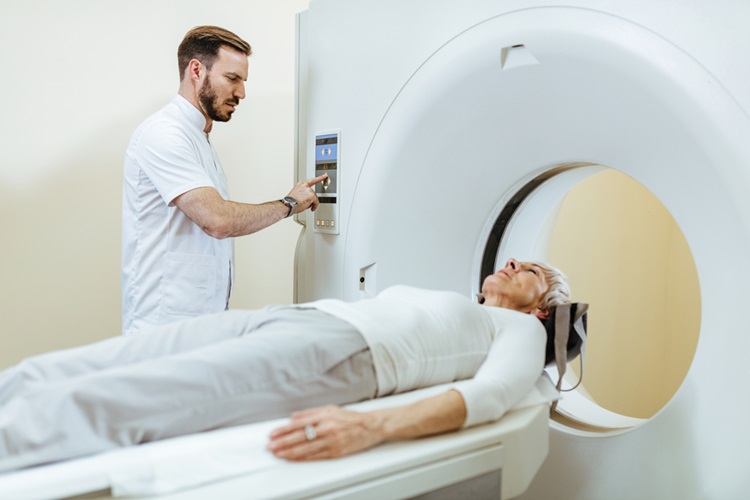
Radiation treatment such as intensity-modulated radiotherapy (IMRT) and organ-sparing surgery—frequently combined with chemotherapy—have increased the need for cutting-edge imaging applications in the head and neck during pre- and post-treatment stages. The increasing capability of magnetic resonance imaging (MRI) to provide functional imaging evaluation of head and neck cancers for primary staging, recurrence imaging, or treatment prediction has been shown to have great potential.
Prof. Vincent Vandecaveye, from the department of radiology at the University Hospital Leuven (Belgium), presented his findings March 11, 2013, at the European Congress of Radiology (ECR), held in Vienna (Austria). “I believe functional MRI techniques can provide a better correlate to metabolic imaging than the classic anatomical imaging sequences. The latter are of major interest in the development of hybrid PET [positron emission tomography]-MRI systems. Functional MRI [fMRI] is quite difficult to perform in the head and neck, from a technical point of view, but the vast progress made in MRI technology, including hardware and software developments, and the gradual increase in knowledge and experience in several centers will improve it,” said Prof. Vandecaveye, who chaired the session.
In the fight against cancer, physicians have a tendency to look only at the approaches offered by technology and science, which have unquestionably become very sophisticated and effective in modern medicine. However, modern clinical practice also depends on a multidisciplinary approach, which is only possible through the establishment of clear communication strategies and teamwork within a hospital or department, Prof. Vandecaveye explained.
“I think the single most important component is direct communication with your clinician. Although there are clear guidelines for diagnosis and treatment, techniques and habits may vary depending on the individual surgeon, oncologist, or radiation oncologist. Your report should of course primarily contain what we usually do in the majority of cases, such as describing the extent of lesions. In addition to that, it is useful to indicate abnormalities that are decisive for treatment and highlight them,” Prof. Vandecaveye recommended, adding that radiologists should join tumor boards to discuss cases and become more involved in diagnostic management and treatment planning.
Radiologists must also realize the need for cost efficiency and its influence on the quality of diagnosis. It is important to combine knowledge of the different imaging modalities’ abilities with clinical guidelines, which are quite well defined for head and neck cancer. For instance, the risk of distant metastases increases substantially with nodal metastases at the lower neck levels, and for these patients more stringent staging should be conducted to rule out distant metastases before beginning local therapy, which should be done with PET-computed tomography (CT). However, there is no need to carry out advanced imaging for distant staging in patients with low-risk locoregional disease, and in these cases, costs can be safely decreased by just using chest X-ray and ultrasound of the liver for distant staging.
“Sometimes these discussions about cost-effectiveness worry me as they create a false idea of a so-called one-stop-shop imaging modality that can solve all diagnostic problems. Of course, this would be the Holy Grail, but I have rarely seen this happen in clinical reality. Radiologists should combine their knowledge of guidelines with their common sense, clinical abilities, and reasoning. We should be aware, however, to what extent advanced imaging truly helps the patient and clinician. We probably have a better chance of reducing costs by trying to avoid overdiagnosis,” Prof. Vandecaveye concluded.
Related Links:
University Hospital Leuven






Prof. Vincent Vandecaveye, from the department of radiology at the University Hospital Leuven (Belgium), presented his findings March 11, 2013, at the European Congress of Radiology (ECR), held in Vienna (Austria). “I believe functional MRI techniques can provide a better correlate to metabolic imaging than the classic anatomical imaging sequences. The latter are of major interest in the development of hybrid PET [positron emission tomography]-MRI systems. Functional MRI [fMRI] is quite difficult to perform in the head and neck, from a technical point of view, but the vast progress made in MRI technology, including hardware and software developments, and the gradual increase in knowledge and experience in several centers will improve it,” said Prof. Vandecaveye, who chaired the session.
In the fight against cancer, physicians have a tendency to look only at the approaches offered by technology and science, which have unquestionably become very sophisticated and effective in modern medicine. However, modern clinical practice also depends on a multidisciplinary approach, which is only possible through the establishment of clear communication strategies and teamwork within a hospital or department, Prof. Vandecaveye explained.
“I think the single most important component is direct communication with your clinician. Although there are clear guidelines for diagnosis and treatment, techniques and habits may vary depending on the individual surgeon, oncologist, or radiation oncologist. Your report should of course primarily contain what we usually do in the majority of cases, such as describing the extent of lesions. In addition to that, it is useful to indicate abnormalities that are decisive for treatment and highlight them,” Prof. Vandecaveye recommended, adding that radiologists should join tumor boards to discuss cases and become more involved in diagnostic management and treatment planning.
Radiologists must also realize the need for cost efficiency and its influence on the quality of diagnosis. It is important to combine knowledge of the different imaging modalities’ abilities with clinical guidelines, which are quite well defined for head and neck cancer. For instance, the risk of distant metastases increases substantially with nodal metastases at the lower neck levels, and for these patients more stringent staging should be conducted to rule out distant metastases before beginning local therapy, which should be done with PET-computed tomography (CT). However, there is no need to carry out advanced imaging for distant staging in patients with low-risk locoregional disease, and in these cases, costs can be safely decreased by just using chest X-ray and ultrasound of the liver for distant staging.
“Sometimes these discussions about cost-effectiveness worry me as they create a false idea of a so-called one-stop-shop imaging modality that can solve all diagnostic problems. Of course, this would be the Holy Grail, but I have rarely seen this happen in clinical reality. Radiologists should combine their knowledge of guidelines with their common sense, clinical abilities, and reasoning. We should be aware, however, to what extent advanced imaging truly helps the patient and clinician. We probably have a better chance of reducing costs by trying to avoid overdiagnosis,” Prof. Vandecaveye concluded.
Related Links:
University Hospital Leuven

Digital X-Ray Detector Panel
Acuity G4
Adjustable Mobile Barrier
M-458
MRI System
nanoScan MRI 3T/7T
Mobile X-Ray System
K4W
Latest Nuclear Medicine News
- PET Imaging of Inflammation Predicts Recovery and Guides Therapy After Heart Attack
- Radiotheranostic Approach Detects, Kills and Reprograms Aggressive Cancers
- New Imaging Solution Improves Survival for Patients with Recurring Prostate Cancer
- PET Tracer Enables Same-Day Imaging of Triple-Negative Breast and Urothelial Cancers
- New Camera Sees Inside Human Body for Enhanced Scanning and Diagnosis
- Novel Bacteria-Specific PET Imaging Approach Detects Hard-To-Diagnose Lung Infections
- New Imaging Approach Could Reduce Need for Biopsies to Monitor Prostate Cancer
- Novel Radiolabeled Antibody Improves Diagnosis and Treatment of Solid Tumors
- Novel PET Imaging Approach Offers Never-Before-Seen View of Neuroinflammation
- Novel Radiotracer Identifies Biomarker for Triple-Negative Breast Cancer
- Innovative PET Imaging Technique to Help Diagnose Neurodegeneration
- New Molecular Imaging Test to Improve Lung Cancer Diagnosis
- Novel PET Technique Visualizes Spinal Cord Injuries to Predict Recovery
- Next-Gen Tau Radiotracers Outperform FDA-Approved Imaging Agents in Detecting Alzheimer’s
- Breakthrough Method Detects Inflammation in Body Using PET Imaging
- Advanced Imaging Reveals Hidden Metastases in High-Risk Prostate Cancer Patients
Channels
Radiography
view channel
X-Ray Breakthrough Captures Three Image-Contrast Types in Single Shot
Detecting early-stage cancer or subtle changes deep inside tissues has long challenged conventional X-ray systems, which rely only on how structures absorb radiation. This limitation keeps many microstructural... Read more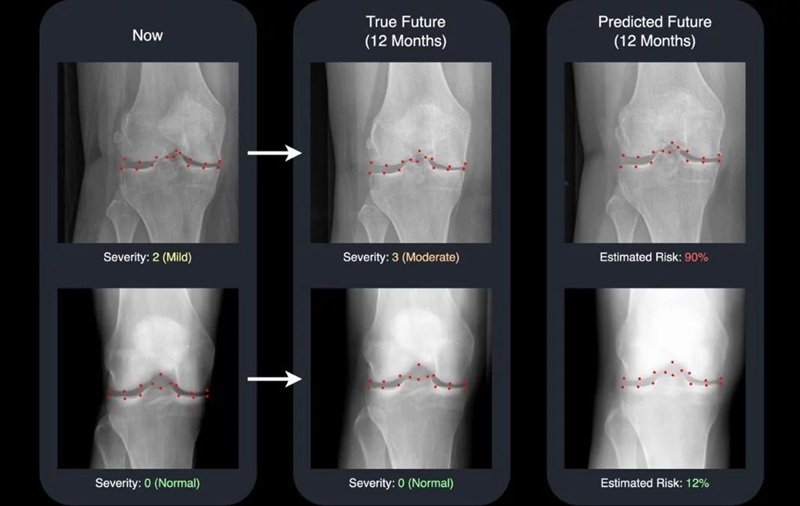
AI Generates Future Knee X-Rays to Predict Osteoarthritis Progression Risk
Osteoarthritis, a degenerative joint disease affecting over 500 million people worldwide, is the leading cause of disability among older adults. Current diagnostic tools allow doctors to assess damage... Read more
Ultrasound
view channel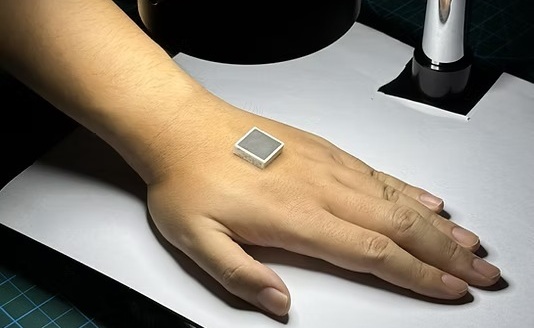
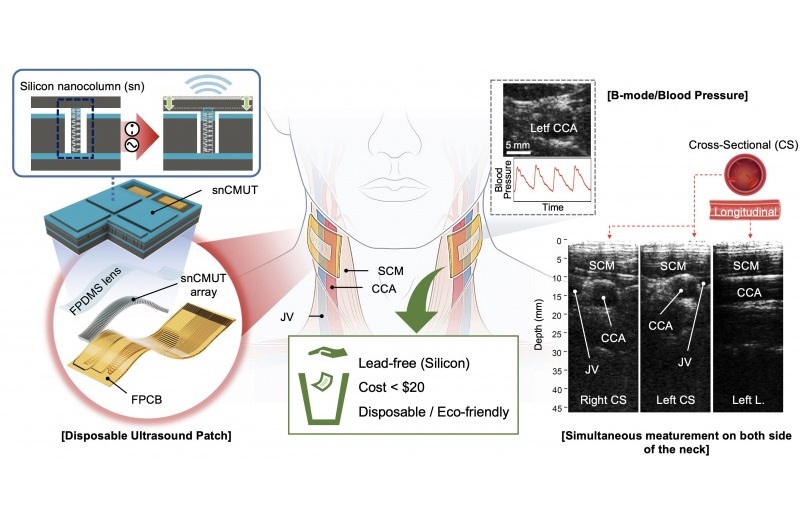
Wearable Ultrasound Imaging System to Enable Real-Time Disease Monitoring
Chronic conditions such as hypertension and heart failure require close monitoring, yet today’s ultrasound imaging is largely confined to hospitals and short, episodic scans. This reactive model limits... Read more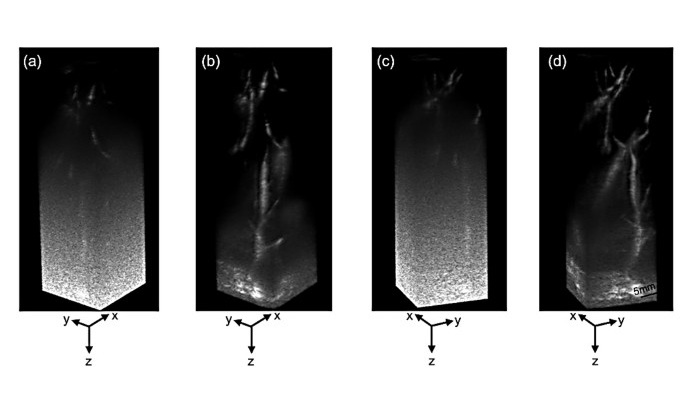
Ultrasound Technique Visualizes Deep Blood Vessels in 3D Without Contrast Agents
Producing clear 3D images of deep blood vessels has long been difficult without relying on contrast agents, CT scans, or MRI. Standard ultrasound typically provides only 2D cross-sections, limiting clinicians’... Read more
Nuclear Medicine
view channel
PET Imaging of Inflammation Predicts Recovery and Guides Therapy After Heart Attack
Acute myocardial infarction can trigger lasting heart damage, yet clinicians still lack reliable tools to identify which patients will regain function and which may develop heart failure.... Read more
Radiotheranostic Approach Detects, Kills and Reprograms Aggressive Cancers
Aggressive cancers such as osteosarcoma and glioblastoma often resist standard therapies, thrive in hostile tumor environments, and recur despite surgery, radiation, or chemotherapy. These tumors also... Read more
New Imaging Solution Improves Survival for Patients with Recurring Prostate Cancer
Detecting recurrent prostate cancer remains one of the most difficult challenges in oncology, as standard imaging methods such as bone scans and CT scans often fail to accurately locate small or early-stage tumors.... Read more
General/Advanced Imaging
view channel
3D Scanning Approach Enables Ultra-Precise Brain Surgery
Precise navigation is critical in neurosurgery, yet even small alignment errors can affect outcomes when operating deep within the brain. A new 3D surface-scanning approach now provides a radiation-free... Read more
AI Tool Improves Medical Imaging Process by 90%
Accurately labeling different regions within medical scans, a process known as medical image segmentation, is critical for diagnosis, surgery planning, and research. Traditionally, this has been a manual... Read more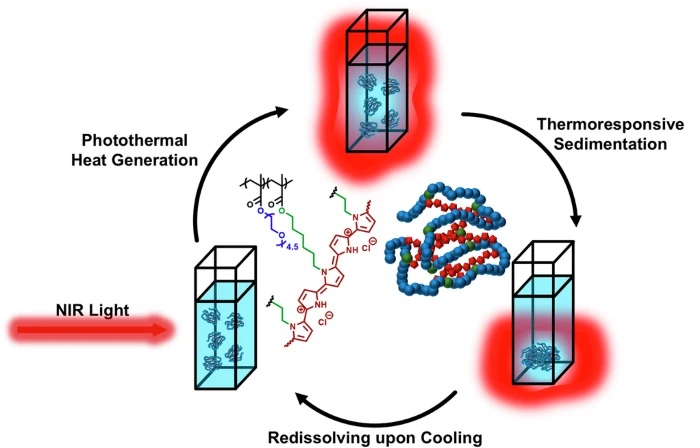
New Ultrasmall, Light-Sensitive Nanoparticles Could Serve as Contrast Agents
Medical imaging technologies face ongoing challenges in capturing accurate, detailed views of internal processes, especially in conditions like cancer, where tracking disease development and treatment... Read more
AI Algorithm Accurately Predicts Pancreatic Cancer Metastasis Using Routine CT Images
In pancreatic cancer, detecting whether the disease has spread to other organs is critical for determining whether surgery is appropriate. If metastasis is present, surgery is not recommended, yet current... Read moreImaging IT
view channel
New Google Cloud Medical Imaging Suite Makes Imaging Healthcare Data More Accessible
Medical imaging is a critical tool used to diagnose patients, and there are billions of medical images scanned globally each year. Imaging data accounts for about 90% of all healthcare data1 and, until... Read more
Global AI in Medical Diagnostics Market to Be Driven by Demand for Image Recognition in Radiology
The global artificial intelligence (AI) in medical diagnostics market is expanding with early disease detection being one of its key applications and image recognition becoming a compelling consumer proposition... Read more
Industry News
view channel
GE HealthCare and NVIDIA Collaboration to Reimagine Diagnostic Imaging
GE HealthCare (Chicago, IL, USA) has entered into a collaboration with NVIDIA (Santa Clara, CA, USA), expanding the existing relationship between the two companies to focus on pioneering innovation in... Read more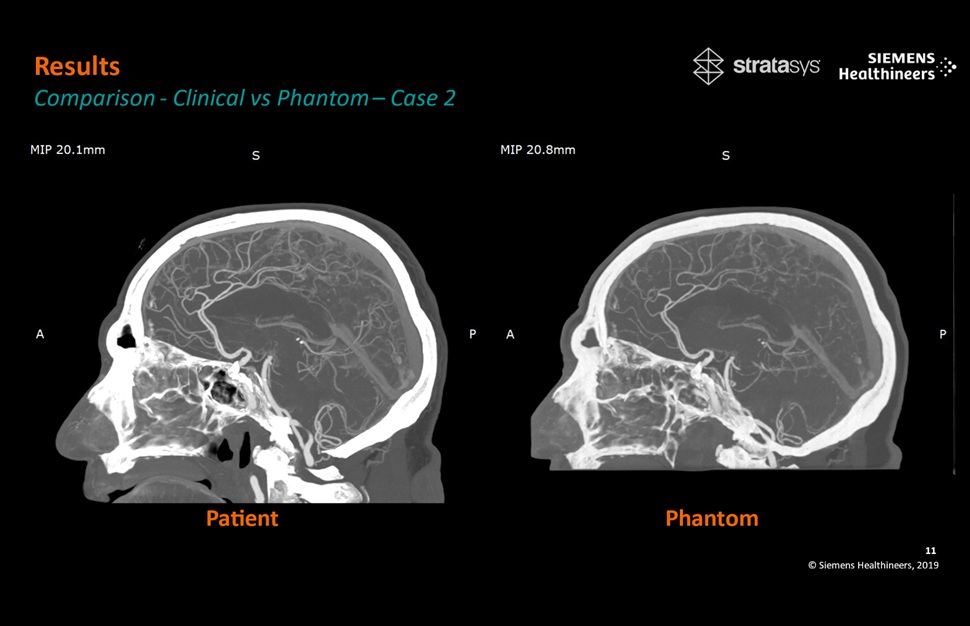
Patient-Specific 3D-Printed Phantoms Transform CT Imaging
New research has highlighted how anatomically precise, patient-specific 3D-printed phantoms are proving to be scalable, cost-effective, and efficient tools in the development of new CT scan algorithms... Read more
Siemens and Sectra Collaborate on Enhancing Radiology Workflows
Siemens Healthineers (Forchheim, Germany) and Sectra (Linköping, Sweden) have entered into a collaboration aimed at enhancing radiologists' diagnostic capabilities and, in turn, improving patient care... Read more