


US Army Hospital Physicians Create Way to Detect Stress Fractures Faster
|
By MedImaging International staff writers Posted on 03 Mar 2013 |


|
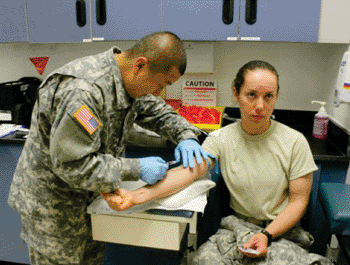
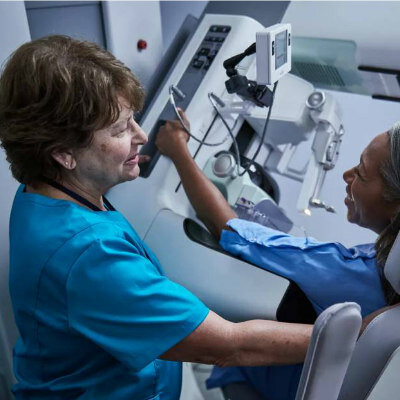
Image: Sgt. Christopher Funke, noncommissioned officer-in-charge of Nuclear Medicine at General Leonard Wood Army Community Hospital, injects Pfc. Sara Reagers, C Company, 84th Chemical Battalion, with a radiopharmaceutical agent (Photo courtesy of John Brooks).
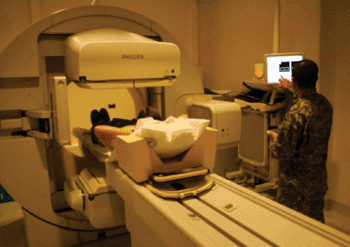
Image: Three to four hours later after the substance has worked its way through the body, the single photon emission computed tomography (SPECT) system can detect the low-level radiation absorbed by stress-injured bone (Photo courtesy of John Brooks).
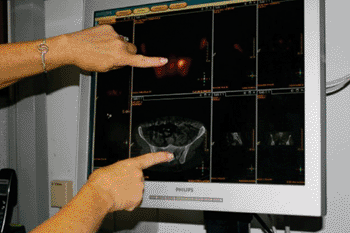
Image: Evaluating the scan (Photo courtesy of John Brooks).
A new imaging protocol developed by the US Army radiologists can now find stress fractures in soldiers much earlier than traditional X-rays.
Single photon emission computed tomography (SPECT) is typically used for nonmusculoskeletal imaging studies, such as cardiac, parathyroid, and adrenal gland imaging. But this ground breaking use of SPECT imaging, in conjunction with a low-dose computed tomography scan, allows General Leonard Wood Army Community Hospital (GLWACH; Lenard Wood, MO, USA) radiologists to optimally rank stress injuries for severity.
With this information, providers return about two thirds more Soldiers back to training after rehabilitation, long before injuries would normally progress to career-ending injuries and incurring large training losses. “SPECT-CT fusion forms a more anatomically-precise image to allow radiologists to pinpoint the exact location of a stress change,” explained Maj. Mustafa Ali-Khan, GLWACH radiology chief. “SPECT-CT is typically not employed in the manner it is here at Fort Leonard Wood. The use of SPECT fusion imaging, although not unique to Army medicine, is unique to its application in its dedicated capacity in musculoskeletal imaging at a Training and Doctrine Command facility, in the manner employed here at Fort Leonard Wood.”
This innovative imaging process was developed in 2010 by the GLWACH radiology department as the result of needs identified through the combined effort of GLWACH staff members in the Musculoskeletal Athletic Team, Orthopedics, Podiatry, and Combined Troop Medical Clinic. “After looking at our training population and our basic training missions, we realized that we could use this technology to our advantage,” Maj. Ali-Khan said.
The technology worked effectively and the numbers are incredible, according to Maj. Ali-Khan. GLWACH’s radiology department used their SPECT-CT fusion imaging technique about 300 times in 2011. “We expect to top 500 studies this year,” Maj. Ali-Khan said.
Typically, injured soldiers in training are given an X-ray and sent back to continue training if an injury is not visible. Missed stress injuries then progress and are discovered at a later date as a more serious insufficiency fracture, or stress fracture. “We have seen a dramatic increase in identification of early stress injuries here at GLWACH, which has led to better outcomes for our Soldier population and less patients who have progressed to more advanced stress injuries and [Medical Evaluation Board] cases,” Maj. Ali-Khan said. “Fewer patients end up with serious stress fractures due to the early intervention. SPECT-CT fusion imaging has worked well in the training environment to mitigate the overall number of bad outcomes with respect to evolving stress injuries. We have every reason to believe that other installations with SPECT equipment, as well as other branches of the military with high training populations subject to bone stress injuries could use our SPECT-CT fusion imaging protocol with a high success rate as well.”
Dr. Ali-Khan reported that the GLWACH medical department activity is fortunate to have this technology, which is typically only available at the Medical Center level at facilities such as Madigan Army Medical Center at Joint Base Lewis-McChord (WA, USA), Walter Reed National Military Medical Center (Bethesda, MD, USA), or Brooke Army Medical Center (San Antonio, TX, USA). “We all feel great to be a part of something so big at such a comparatively small facility,” he said.
It is hard to determine how many training losses will be prevented at GLWACH with SPECT-CT fusion imaging this year, according to Dr. Ali-Khan said. “But we can determine how many stress injuries the technology allows radiologists to catch, and then treat early,” he concluded.
Related Links:
General Leonard Wood Army Community Hospital




Single photon emission computed tomography (SPECT) is typically used for nonmusculoskeletal imaging studies, such as cardiac, parathyroid, and adrenal gland imaging. But this ground breaking use of SPECT imaging, in conjunction with a low-dose computed tomography scan, allows General Leonard Wood Army Community Hospital (GLWACH; Lenard Wood, MO, USA) radiologists to optimally rank stress injuries for severity.
With this information, providers return about two thirds more Soldiers back to training after rehabilitation, long before injuries would normally progress to career-ending injuries and incurring large training losses. “SPECT-CT fusion forms a more anatomically-precise image to allow radiologists to pinpoint the exact location of a stress change,” explained Maj. Mustafa Ali-Khan, GLWACH radiology chief. “SPECT-CT is typically not employed in the manner it is here at Fort Leonard Wood. The use of SPECT fusion imaging, although not unique to Army medicine, is unique to its application in its dedicated capacity in musculoskeletal imaging at a Training and Doctrine Command facility, in the manner employed here at Fort Leonard Wood.”
This innovative imaging process was developed in 2010 by the GLWACH radiology department as the result of needs identified through the combined effort of GLWACH staff members in the Musculoskeletal Athletic Team, Orthopedics, Podiatry, and Combined Troop Medical Clinic. “After looking at our training population and our basic training missions, we realized that we could use this technology to our advantage,” Maj. Ali-Khan said.
The technology worked effectively and the numbers are incredible, according to Maj. Ali-Khan. GLWACH’s radiology department used their SPECT-CT fusion imaging technique about 300 times in 2011. “We expect to top 500 studies this year,” Maj. Ali-Khan said.
Typically, injured soldiers in training are given an X-ray and sent back to continue training if an injury is not visible. Missed stress injuries then progress and are discovered at a later date as a more serious insufficiency fracture, or stress fracture. “We have seen a dramatic increase in identification of early stress injuries here at GLWACH, which has led to better outcomes for our Soldier population and less patients who have progressed to more advanced stress injuries and [Medical Evaluation Board] cases,” Maj. Ali-Khan said. “Fewer patients end up with serious stress fractures due to the early intervention. SPECT-CT fusion imaging has worked well in the training environment to mitigate the overall number of bad outcomes with respect to evolving stress injuries. We have every reason to believe that other installations with SPECT equipment, as well as other branches of the military with high training populations subject to bone stress injuries could use our SPECT-CT fusion imaging protocol with a high success rate as well.”
Dr. Ali-Khan reported that the GLWACH medical department activity is fortunate to have this technology, which is typically only available at the Medical Center level at facilities such as Madigan Army Medical Center at Joint Base Lewis-McChord (WA, USA), Walter Reed National Military Medical Center (Bethesda, MD, USA), or Brooke Army Medical Center (San Antonio, TX, USA). “We all feel great to be a part of something so big at such a comparatively small facility,” he said.
It is hard to determine how many training losses will be prevented at GLWACH with SPECT-CT fusion imaging this year, according to Dr. Ali-Khan said. “But we can determine how many stress injuries the technology allows radiologists to catch, and then treat early,” he concluded.
Related Links:
General Leonard Wood Army Community Hospital

Biopsy Software
Affirm® Contrast
Digital Color Doppler Ultrasound System
MS22Plus
Diagnostic Ultrasound System
DC-80A
Ultrasound Table
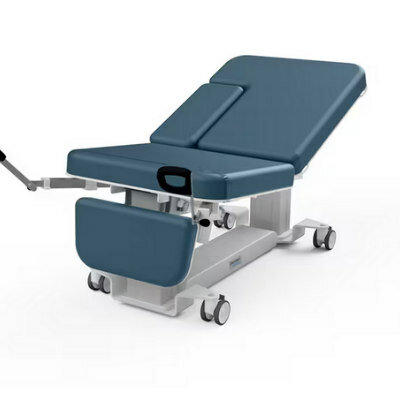
Women’s Ultrasound EA Table
Latest MRI News
- International Study Assesses AI for Prostate Cancer MRI Interpretation
- AI Approach Could Shorten Advanced Brain MRI Scans by Up to 90%
- Cardiac MRI Measure Improves Risk Prediction in Tricuspid Regurgitation
- AI System Improves Accuracy of Cardiac MRI Interpretation
- Deep Learning Model Predicts Alzheimer’s Disease Outcomes from Baseline MRI
- Blood-Brain Barrier Imaging Adds Risk Insight to Standard Stroke MRI
- AI Body Composition MRI Analysis Predicts Cardiometabolic Disease Risk
- AI MRI Tool Quantifies Muscle Fat to Assess Cardiometabolic Risk
- Advanced MRI Visualizes CSF Motion Changes After Mild Traumatic Brain Injury
- MRI Tool Enables Long-Term Tracking of Transplanted Cardiac Cells
- MRI-Based AI Tool Supports Differentiation of Parkinsonian Syndromes
- MRI-Derived Biomarker Improves Risk Stratification in Glioblastoma
- Combined Imaging Approach Identifies Cause of Heart Attack without Coronary Blockage
- Advanced MRI System Detects Impaired Cardiac Oxygen Use in Minutes
- AI-Enhanced MRI Improves Image Quality in Arrhythmia Patients
- Ultra-Detailed Brain Atlas Enhances Early Detection of Neurological Disorders
Channels
Radiography
view channel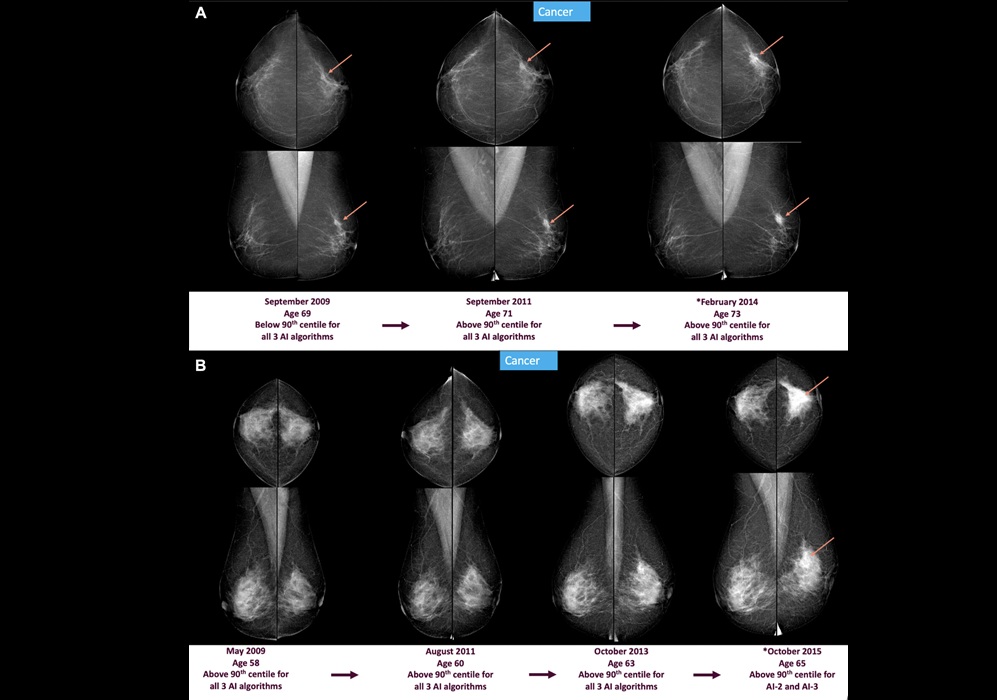
AI Mammography Tools Detect Early Breast Cancer Signs Years Before Diagnosis
Breast cancer screening aims to detect tumors before symptoms develop, but subtle mammographic changes can appear years before diagnosis and may be missed during routine reads. Delayed detection can lead... Read more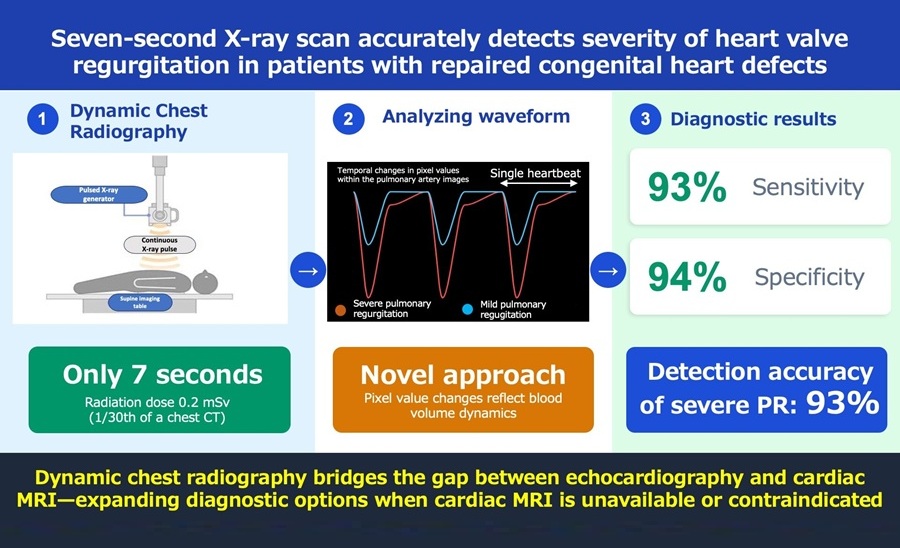
Rapid X-Ray Test Quantifies Pulmonary Regurgitation After Tetralogy of Fallot Repair
Tetralogy of Fallot is the most common cyanotic congenital heart defect and can leave patients with pulmonary valve regurgitation, a backward flow of blood into the right ventricle after repair.... Read more
Ultrasound
view channel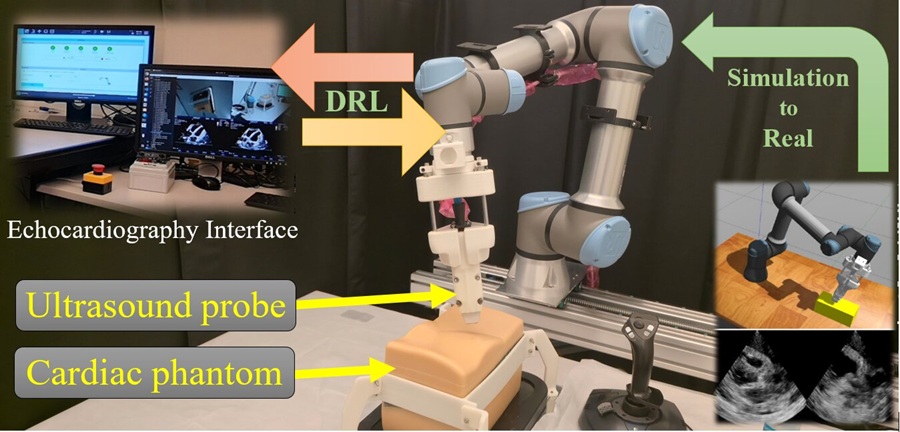
AI Robotic Ultrasound System Automates Echocardiography and Improves Consistency
Echocardiography, an ultrasound examination of the heart, is central to diagnosing and managing cardiovascular disease. Many services struggle with limited availability of skilled sonographers, variable... Read more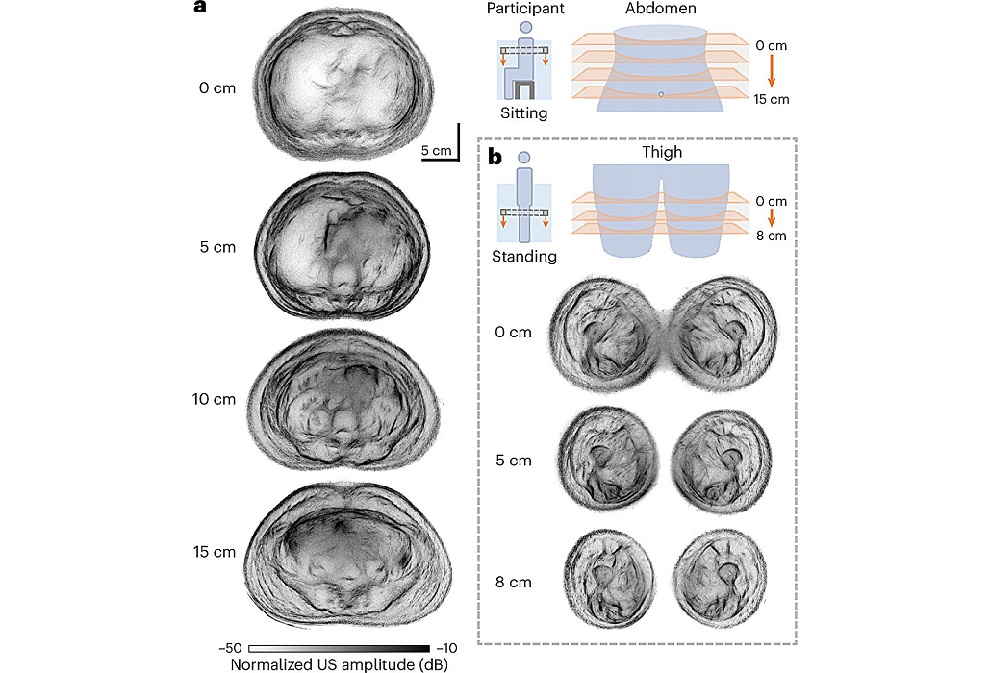
Whole Cross-Section Ultrasound System Enables Operator-Independent Imaging
Conventional ultrasound is central to bedside imaging but is limited by a narrow field of view and operator variability. Comprehensive cross-sectional assessment typically requires computed tomography... Read more
Nuclear Medicine
view channel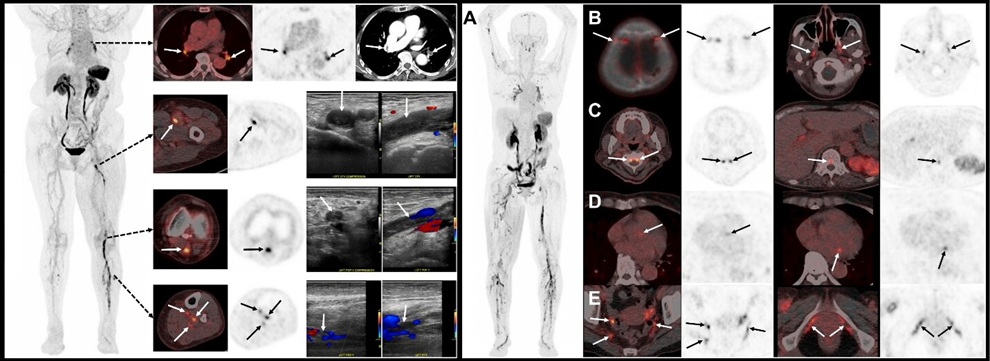
New PET Tracer Detects DVT and Pulmonary Embolism in One Scan
Deep vein thrombosis is the formation of clots in deep leg veins that can migrate to the lungs as pulmonary embolism. Rapid confirmation across both regions often requires multiple tests and can delay treatment.... Read more![Image: (A-C) Representative whole-body maximum-intensity projection images and regional fused PET/CT images from three histologically confirmed osteosarcoma patients who underwent paired [68Ga]Ga-B7-H3-BCH PET/CT and 18F-FDGE PET/CT within 7 days. (D) Multimodal imaging evaluation of patient 3, including X-ray, MRI (T2-weighted imaging, T2WI), CT, and B7-H3 PET/CT. (Photo courtesy of SNMMI)](https://globetechcdn.com/mobile_medicalimaging/images/stories/articles/article_images/2026-06-07/294811110_image_1.jpg "Image: (A-C) Representative whole-body maximum-intensity projection images and regional fused PET/CT images from three histologically confirmed osteosarcoma patients who underwent paired [68Ga]Ga-B7-H3-BCH PET/CT and 18F-FDGE PET/CT within 7 days. (D) Multimodal imaging evaluation of patient 3, including X-ray, MRI (T2-weighted imaging, T2WI), CT, and B7-H3 PET/CT. (Photo courtesy of SNMMI)")
Targeted PET Platform Guides Osteosarcoma Resection and Margin Verification
Osteosarcoma, an aggressive primary bone cancer that mainly affects children and adolescents, demands wide excision to prevent local recurrence. Surgeons must achieve negative margins while preserving... Read more
General/Advanced Imaging
view channel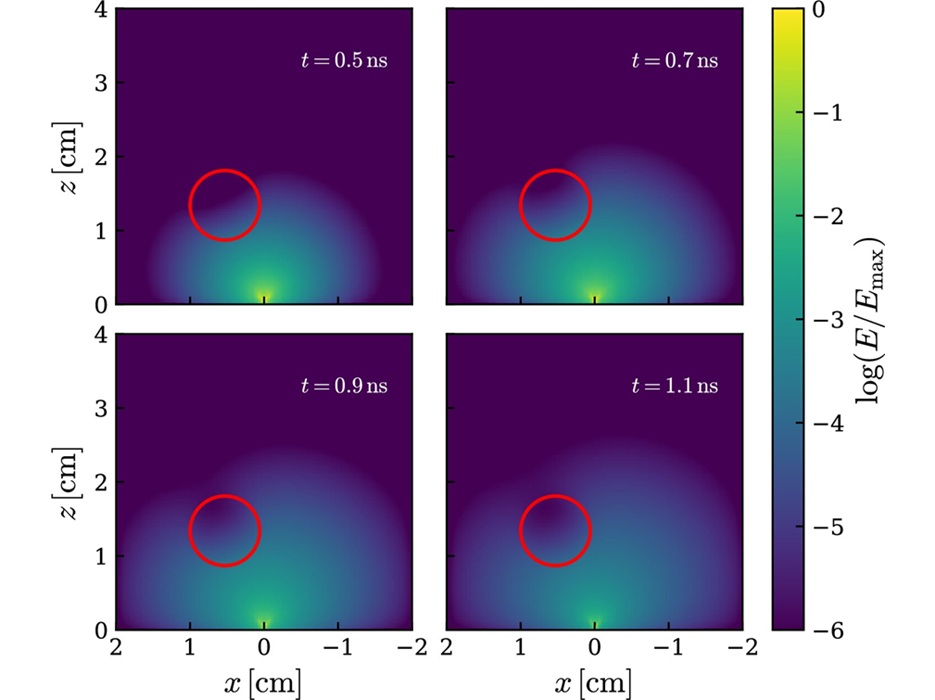
AI Tool Enables Real-Time Diffuse Optical Tomography for Brain Lesion Detection
Diffuse optical tomography is a noninvasive imaging technique that uses near-infrared light to detect internal abnormalities such as cerebral hemorrhage and tumors. Its clinical utility for real-time ... Read more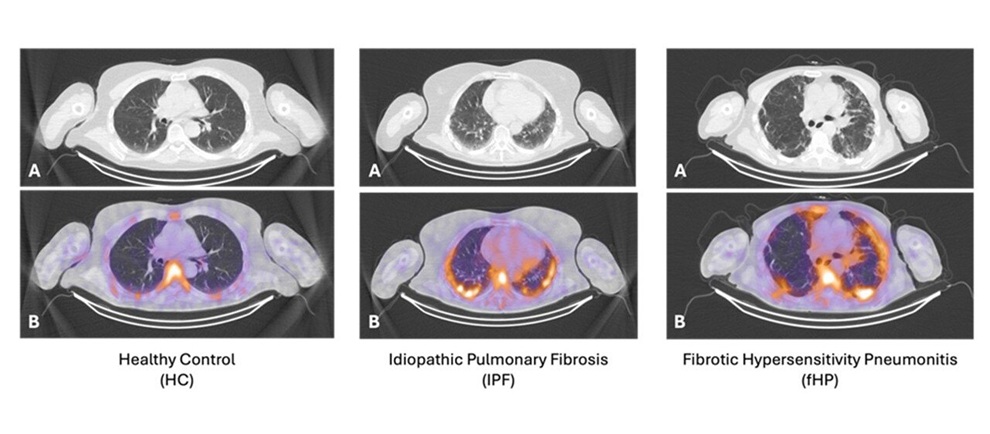
New SPECT/CT Method Differentiates Inflammation from Fibrosis in Interstitial Lung Disease
Interstitial lung disease (ILD) encompasses more than 200 disorders that inflame or scar the lung interstitium and can lead to progressive respiratory failure. Determining whether active inflammation is... Read more
Imaging IT
view channel
Ambient AI Reporting Platform Streamlines Radiology Reporting
Radiology departments face growing imaging volumes and staffing shortages, creating reporting bottlenecks and pressure to maintain turnaround times. Conventional dictation tools document findings after... Read more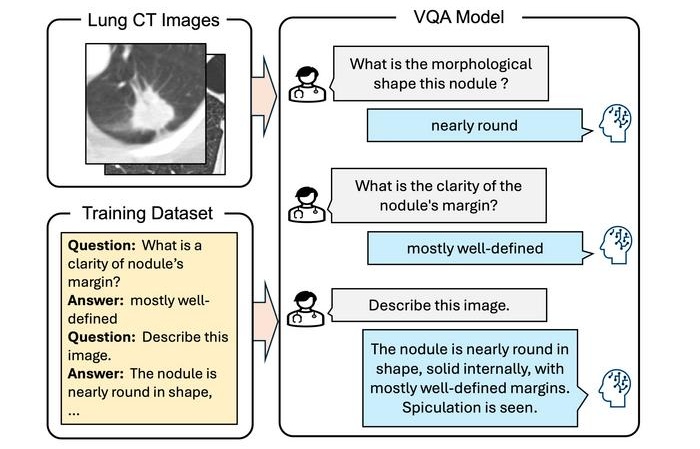
Interactive AI Tool Supports Explainable Lung Nodule Assessment
Lung cancer is a leading cause of cancer mortality, and timely characterization of pulmonary nodules on chest computed tomography (CT) is essential for directing care. Interpreting nodule morphology demands... Read more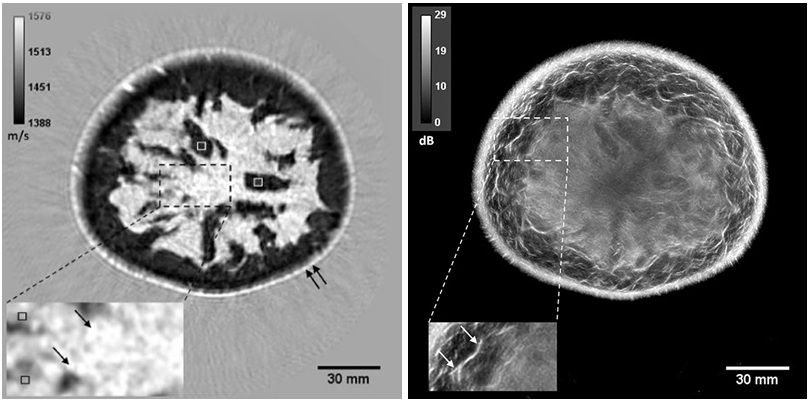
Breast Imaging Software Enhances Visualization and Tissue Characterization in Challenging Cases
Breast imaging can be particularly challenging in cases involving small breasts or implants, where image reconstruction and tissue characterization may be limited. Clinicians also need reproducible analysis... Read more
Industry News
view channel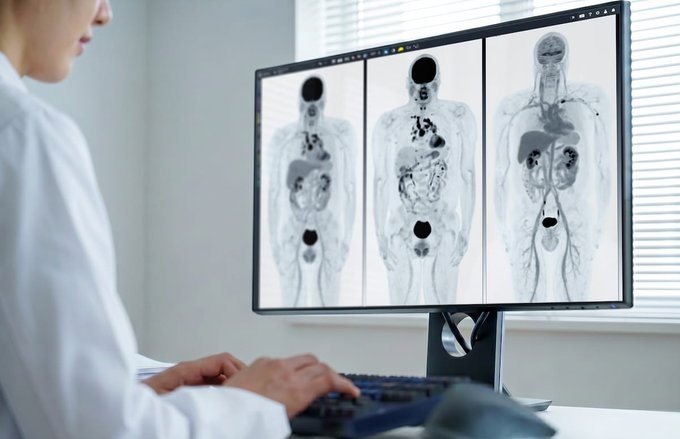
GE HealthCare Showcases AI-Enabled Nuclear Medicine Portfolio at SNMMI 2026
Nuclear medicine is expanding rapidly as health systems adopt theranostics and broaden access to radiopharmaceuticals, increasing demand for scalable operations and consistent diagnostic confidence.... Read more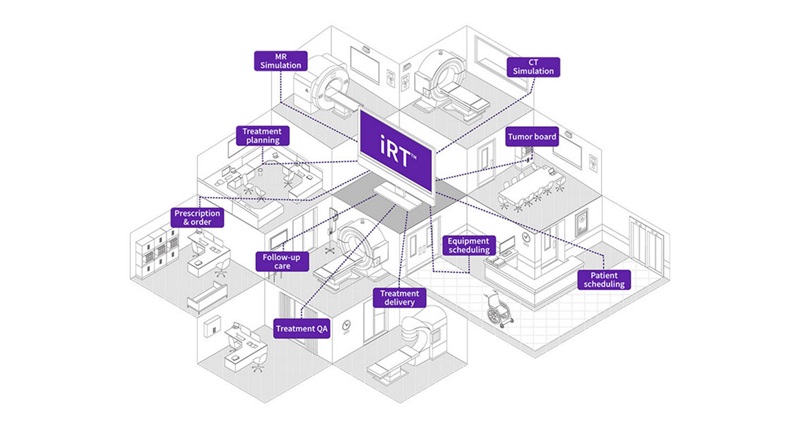
GE HealthCare Highlights AI-Supported Radiation Therapy Tools at ESTRO 2026
At the European Society for Radiotherapy and Oncology (ESTRO) 2026 Congress in Stockholm, GE HealthCare is highlighting Intelligent Radiation Therapy (iRT), MIM Software innovations, and BK Medical surgical... Read more