


GE to Invest $1 Billion in Cancer R&D Over Five Years
|
By MedImaging International staff writers Posted on 26 Sep 2011 |


|
General Electric Company (GE; Fairfield, CT, USA) and leading healthcare and financial partners have launched a new healthymagination initiative aimed at accelerating cancer research and innovation, and improving care for 10 million cancer patients worldwide by 2020. The campaign is founded on GE’s integrated portfolio, which is positioned to fuel a game-changing impact in oncology and a push forward for individualized cancer care.
GE CEO and Chairman Jeff Immelt and several venture capital partners announced a healthymagination open innovation Challenge to fund promising approaches to improve breast cancer diagnostics. Mr. Immelt also reported that GE will invest US$1 billion over the next five years on R&D programs to expand its suite of advanced technologies and solutions for cancer detection and treatment, beginning with breast cancer. “We envision a day when cancer is no longer a deadly disease,” said Mr. Immelt. “When you add our cutting-edge cancer detection technologies to the innovative ideas of our new partners, it’s a powerful formula for tackling cancer and helping doctors and researchers improve care.”
Nancy Brinker, founder and CEO, Susan G. Komen for the Cure (Dallas, TX, USA), said, “Extraordinary things can happen when you apply imagination to solve big problems. This initiative brings new innovation, commitment, and significant resources to the table, and we’re very excited about its potential to help us end suffering and death, on a global scale, from the most commonly diagnosed cancer in women.”
GE announced a $100 million global open innovation Challenge that seeks to identify and bring to market strategies that advance breast cancer diagnostics. The goal is to help healthcare professionals better understand tumors associated with triple negative cancer, a type of cancer that is less responsive to standard treatments and is typically more aggressive, as well as the molecular similarities between breast cancer and other solid tumors, improving early detection, allowing for more accurate diagnoses and ultimately helping clinicians make the best possible treatment decisions based on each patient’s unique cancer.
The Challenge is open immediately for entries online (Please see Related Links below). Challenge entrants will be evaluated by a committee of representatives from GE and venture capital partner firms. A separate, independent judging panel that includes GE executives, venture capital partners, and several leading healthcare luminaries will select the recipients of the $100,000 innovation seed grants. Winners will be announced in the first quarter of 2012.
Andrew von Eschenbach, GE healthymagination Challenge judge and healthymagination advisory board member said, “Scientific discovery and advances in technology have induced a tipping point in our understanding of cancer. To design and deliver integrated solutions for individual patients, we can no longer work in silos. We must combine our assets for diagnosis and therapy working in concert with partners across the private sector, government, NGOs [non-governmental organizations], and academia to create the right treatment for the right patient to achieve the right outcome, eliminating suffering and death from cancer.”
GE is also investing in the development of a first-in-kind “super database,” which will consolidate clinical, pathology, therapy, and outcomes data in one place to enable analysis and further accelerate innovation. This super database will be available in collaboration with leading cancer research, NGO, and government organizations, starting with relevant cancer data from GE’s Medical Quality Improvement Consortium; Clarient (Aliso Viejo, CA, USA), a GE Healthcare Company; the Premier healthcare alliance (Charlotte, NC, USA); and the US Department of Health & Human Services.
GE will launch new innovations that improve screening and breast cancer diagnosis, and help doctors ensure patients receive the right therapy for their tumor type.
John Dineen, president and CEO, GE Healthcare (Chalfont St. Giles, UK), said, “Cancer is a complex disease and because every patient’s cancer is different, oncologists need advanced tools to ‘fingerprint’ individual cancerous tumors. GE Healthcare continually breaks new ground in advanced diagnostic and molecular imaging equipment, partnering with hospitals and physicians to better manage patients throughout the cancer journey. We will continue to help doctors characterize cancer at the cellular level. This empowers them with the targeted information they need to prescribe the most accurate and effective therapy for their patient the first time.”
GE’s SenoCase is a breakthrough new ultraportable mammography device concept that will take a conventional digital mammography system and miniaturize it into an affordable portable unit the size of a large suitcase. This concept has the potential to transform access to breast health screenings for millions of women around the world, bringing life-saving technology to women where they live.
GE’s SenoBright, contrast-enhanced spectral mammography (CESM) is a breast screening technique that will enable more precise identification of breast cancer incidence for over one million women by 2020. SenoBright’s imaging technique, which combines digital mammography, low-and high-level X-rays and a common contrast agent, better identifies incidence of cancer, and helps to better select patients requiring biopsy. SenoBright will result in lower costs by reducing unneeded procedures and improving a doctor's ability to treat patients appropriately. SenoBright is currently 510k clearance pending at the US Food and Drug Administration (FDA), and not available for sale in the United States. Outside the United States, SenoBright has been installed in 17 care centers across Europe and Asia.
Among the advanced technologies that GE scientists are working on is a new positron emission tomography (PET) tracer. The goal of this tracer is to help physicians assess whether particular cancer treatments are working very early in the course of therapy, by measuring new blood vessel formation in tumors.
GE announced a three-year partnership with Susan. G Komen for the Cure to forge first-in-kind programs that bring the latest breast cancer technologies to more women in the United States and around the world. Initially, these programs will run in Wyoming, Saudi Arabia, and China.
By taking an innovative approach to mobile mammography and applying a digital twist to appointment bookings, GE is partnering with a number of in-state organizations to help Wyoming address the challenges associated with being one of the most rural states in the United States.
GE and the Kingdom of Saudi Arabia’s Ministry of Health established a mutual partnership aimed at increasing access to breast cancer screening. GE will develop and deploy two mobile screening units in Riyadh City with the goal of screening 10,000 women within the first 12 months with a plan to start in October 2011. It is also reaching out to leading universities to launch an open innovation challenge for Saudi women in an effort to identify sustainable methods for improving breast cancer screening in the country.
GE and partners will launch a broad outreach program later in 2011 in the Guangdong Province, China, aimed at raising awareness of and compliance with breast cancer screening procedures. The program will develop a local model to improve education and breast screening in rural areas.
GE Healthcare’s wide expertise in medical imaging and information technologies, medical diagnostics, patient monitoring systems, drug discovery, biopharmaceutical manufacturing technologies, performance improvement and performance solutions services helps to deliver better care to more people around the world at a lower cost. Moreover, GE partners with healthcare leaders, striving to leverage the global policy change necessary to implement a successful shift to sustainable healthcare systems, according to company spokespersons.
Related Links:
GE Healthcare
Healthymagination Initiative
Healthymagination Challenge







GE CEO and Chairman Jeff Immelt and several venture capital partners announced a healthymagination open innovation Challenge to fund promising approaches to improve breast cancer diagnostics. Mr. Immelt also reported that GE will invest US$1 billion over the next five years on R&D programs to expand its suite of advanced technologies and solutions for cancer detection and treatment, beginning with breast cancer. “We envision a day when cancer is no longer a deadly disease,” said Mr. Immelt. “When you add our cutting-edge cancer detection technologies to the innovative ideas of our new partners, it’s a powerful formula for tackling cancer and helping doctors and researchers improve care.”
Nancy Brinker, founder and CEO, Susan G. Komen for the Cure (Dallas, TX, USA), said, “Extraordinary things can happen when you apply imagination to solve big problems. This initiative brings new innovation, commitment, and significant resources to the table, and we’re very excited about its potential to help us end suffering and death, on a global scale, from the most commonly diagnosed cancer in women.”
GE announced a $100 million global open innovation Challenge that seeks to identify and bring to market strategies that advance breast cancer diagnostics. The goal is to help healthcare professionals better understand tumors associated with triple negative cancer, a type of cancer that is less responsive to standard treatments and is typically more aggressive, as well as the molecular similarities between breast cancer and other solid tumors, improving early detection, allowing for more accurate diagnoses and ultimately helping clinicians make the best possible treatment decisions based on each patient’s unique cancer.
The Challenge is open immediately for entries online (Please see Related Links below). Challenge entrants will be evaluated by a committee of representatives from GE and venture capital partner firms. A separate, independent judging panel that includes GE executives, venture capital partners, and several leading healthcare luminaries will select the recipients of the $100,000 innovation seed grants. Winners will be announced in the first quarter of 2012.
Andrew von Eschenbach, GE healthymagination Challenge judge and healthymagination advisory board member said, “Scientific discovery and advances in technology have induced a tipping point in our understanding of cancer. To design and deliver integrated solutions for individual patients, we can no longer work in silos. We must combine our assets for diagnosis and therapy working in concert with partners across the private sector, government, NGOs [non-governmental organizations], and academia to create the right treatment for the right patient to achieve the right outcome, eliminating suffering and death from cancer.”
GE is also investing in the development of a first-in-kind “super database,” which will consolidate clinical, pathology, therapy, and outcomes data in one place to enable analysis and further accelerate innovation. This super database will be available in collaboration with leading cancer research, NGO, and government organizations, starting with relevant cancer data from GE’s Medical Quality Improvement Consortium; Clarient (Aliso Viejo, CA, USA), a GE Healthcare Company; the Premier healthcare alliance (Charlotte, NC, USA); and the US Department of Health & Human Services.
GE will launch new innovations that improve screening and breast cancer diagnosis, and help doctors ensure patients receive the right therapy for their tumor type.
John Dineen, president and CEO, GE Healthcare (Chalfont St. Giles, UK), said, “Cancer is a complex disease and because every patient’s cancer is different, oncologists need advanced tools to ‘fingerprint’ individual cancerous tumors. GE Healthcare continually breaks new ground in advanced diagnostic and molecular imaging equipment, partnering with hospitals and physicians to better manage patients throughout the cancer journey. We will continue to help doctors characterize cancer at the cellular level. This empowers them with the targeted information they need to prescribe the most accurate and effective therapy for their patient the first time.”
GE’s SenoCase is a breakthrough new ultraportable mammography device concept that will take a conventional digital mammography system and miniaturize it into an affordable portable unit the size of a large suitcase. This concept has the potential to transform access to breast health screenings for millions of women around the world, bringing life-saving technology to women where they live.
GE’s SenoBright, contrast-enhanced spectral mammography (CESM) is a breast screening technique that will enable more precise identification of breast cancer incidence for over one million women by 2020. SenoBright’s imaging technique, which combines digital mammography, low-and high-level X-rays and a common contrast agent, better identifies incidence of cancer, and helps to better select patients requiring biopsy. SenoBright will result in lower costs by reducing unneeded procedures and improving a doctor's ability to treat patients appropriately. SenoBright is currently 510k clearance pending at the US Food and Drug Administration (FDA), and not available for sale in the United States. Outside the United States, SenoBright has been installed in 17 care centers across Europe and Asia.
Among the advanced technologies that GE scientists are working on is a new positron emission tomography (PET) tracer. The goal of this tracer is to help physicians assess whether particular cancer treatments are working very early in the course of therapy, by measuring new blood vessel formation in tumors.
GE announced a three-year partnership with Susan. G Komen for the Cure to forge first-in-kind programs that bring the latest breast cancer technologies to more women in the United States and around the world. Initially, these programs will run in Wyoming, Saudi Arabia, and China.
By taking an innovative approach to mobile mammography and applying a digital twist to appointment bookings, GE is partnering with a number of in-state organizations to help Wyoming address the challenges associated with being one of the most rural states in the United States.
GE and the Kingdom of Saudi Arabia’s Ministry of Health established a mutual partnership aimed at increasing access to breast cancer screening. GE will develop and deploy two mobile screening units in Riyadh City with the goal of screening 10,000 women within the first 12 months with a plan to start in October 2011. It is also reaching out to leading universities to launch an open innovation challenge for Saudi women in an effort to identify sustainable methods for improving breast cancer screening in the country.
GE and partners will launch a broad outreach program later in 2011 in the Guangdong Province, China, aimed at raising awareness of and compliance with breast cancer screening procedures. The program will develop a local model to improve education and breast screening in rural areas.
GE Healthcare’s wide expertise in medical imaging and information technologies, medical diagnostics, patient monitoring systems, drug discovery, biopharmaceutical manufacturing technologies, performance improvement and performance solutions services helps to deliver better care to more people around the world at a lower cost. Moreover, GE partners with healthcare leaders, striving to leverage the global policy change necessary to implement a successful shift to sustainable healthcare systems, according to company spokespersons.
Related Links:
GE Healthcare
Healthymagination Initiative
Healthymagination Challenge

Pocket Fetal Doppler
CONTEC10C/CL
Radiation Safety Barrier
RayShield Intensi-Barrier
Digital X-Ray Detector Panel
Acuity G4
Ultrasound Table
Women’s Ultrasound EA Table
Latest Industry News News
- GE HealthCare and NVIDIA Collaboration to Reimagine Diagnostic Imaging
- Patient-Specific 3D-Printed Phantoms Transform CT Imaging
- Siemens and Sectra Collaborate on Enhancing Radiology Workflows
- Bracco Diagnostics and ColoWatch Partner to Expand Availability CRC Screening Tests Using Virtual Colonoscopy
- Mindray Partners with TeleRay to Streamline Ultrasound Delivery
- Philips and Medtronic Partner on Stroke Care
- Siemens and Medtronic Enter into Global Partnership for Advancing Spine Care Imaging Technologies
- RSNA 2024 Technical Exhibits to Showcase Latest Advances in Radiology
- Bracco Collaborates with Arrayus on Microbubble-Assisted Focused Ultrasound Therapy for Pancreatic Cancer
- Innovative Collaboration to Enhance Ischemic Stroke Detection and Elevate Standards in Diagnostic Imaging
- RSNA 2024 Registration Opens
- Microsoft collaborates with Leading Academic Medical Systems to Advance AI in Medical Imaging
- GE HealthCare Acquires Intelligent Ultrasound Group’s Clinical Artificial Intelligence Business
- Bayer and Rad AI Collaborate on Expanding Use of Cutting Edge AI Radiology Operational Solutions
- Polish Med-Tech Company BrainScan to Expand Extensively into Foreign Markets
- Hologic Acquires UK-Based Breast Surgical Guidance Company Endomagnetics Ltd.
Channels
Radiography
view channel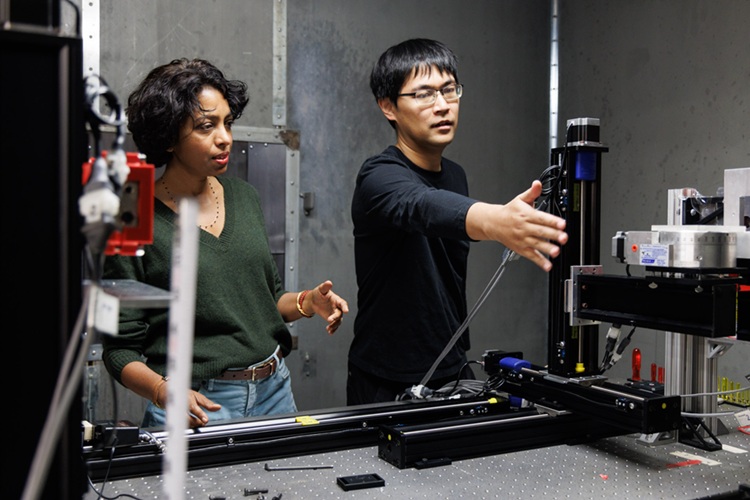
X-Ray Breakthrough Captures Three Image-Contrast Types in Single Shot
Detecting early-stage cancer or subtle changes deep inside tissues has long challenged conventional X-ray systems, which rely only on how structures absorb radiation. This limitation keeps many microstructural... Read more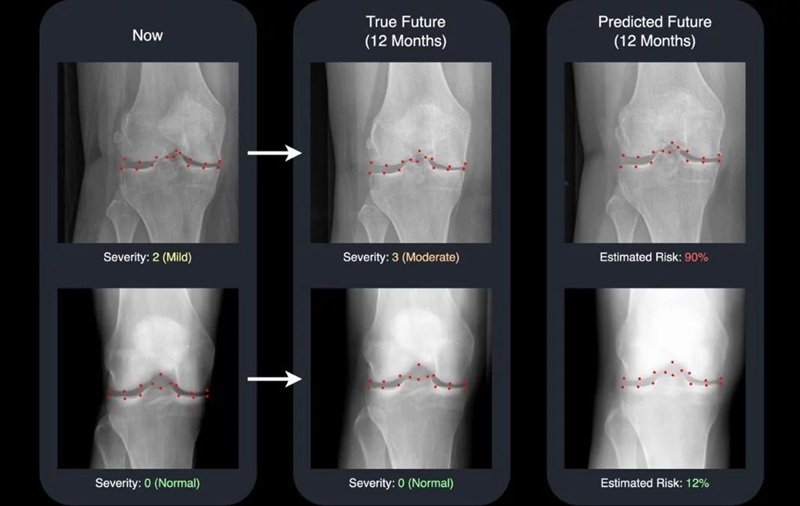
AI Generates Future Knee X-Rays to Predict Osteoarthritis Progression Risk
Osteoarthritis, a degenerative joint disease affecting over 500 million people worldwide, is the leading cause of disability among older adults. Current diagnostic tools allow doctors to assess damage... Read more
MRI
view channel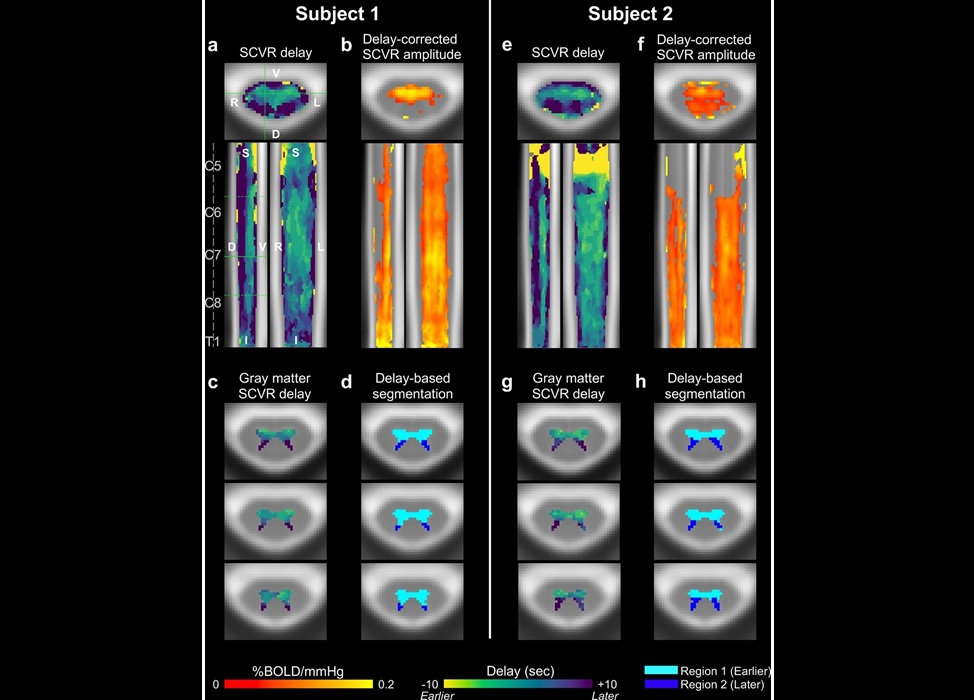
Novel Imaging Approach to Improve Treatment for Spinal Cord Injuries
Vascular dysfunction in the spinal cord contributes to multiple neurological conditions, including traumatic injuries and degenerative cervical myelopathy, where reduced blood flow can lead to progressive... Read more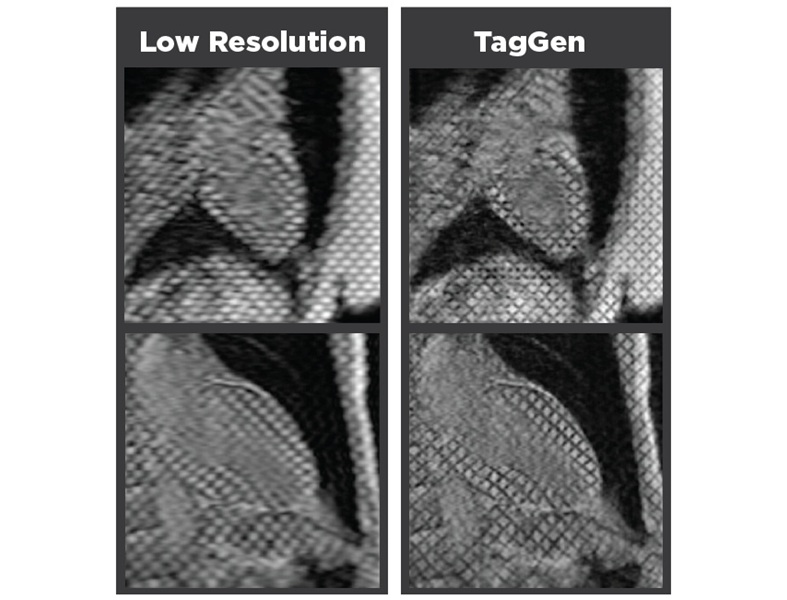
AI-Assisted Model Enhances MRI Heart Scans
A cardiac MRI can reveal critical information about the heart’s function and any abnormalities, but traditional scans take 30 to 90 minutes and often suffer from poor image quality due to patient movement.... Read more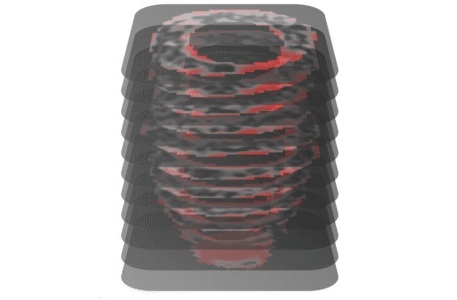
AI Model Outperforms Doctors at Identifying Patients Most At-Risk of Cardiac Arrest
Hypertrophic cardiomyopathy is one of the most common inherited heart conditions and a leading cause of sudden cardiac death in young individuals and athletes. While many patients live normal lives, some... Read more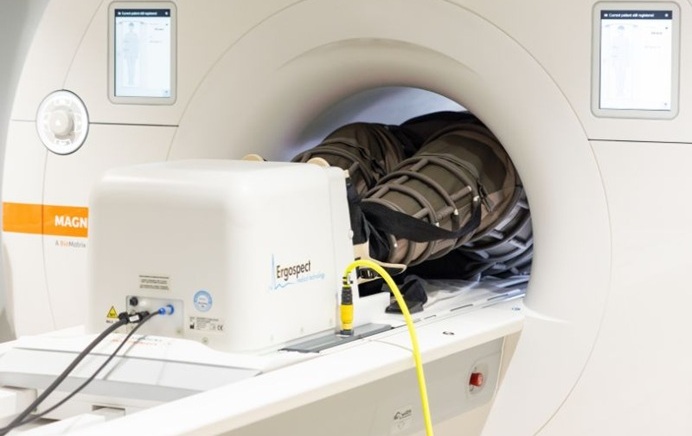
Ultrasound
view channel
Wearable Ultrasound Imaging System to Enable Real-Time Disease Monitoring
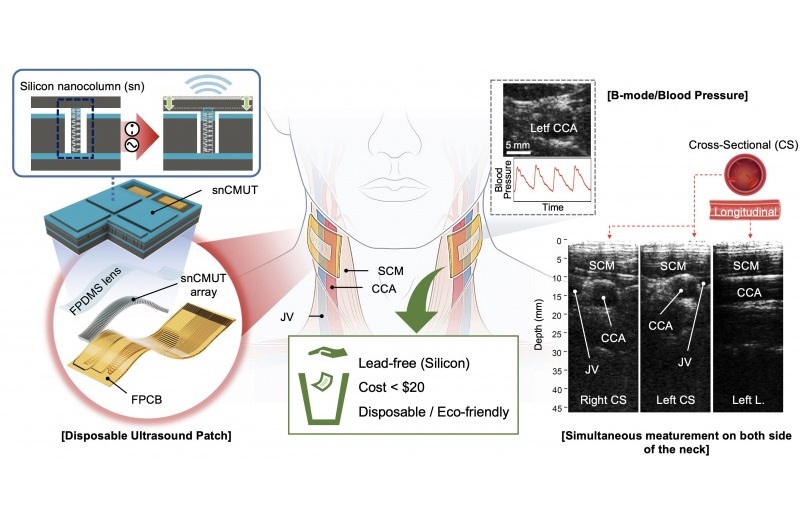
Chronic conditions such as hypertension and heart failure require close monitoring, yet today’s ultrasound imaging is largely confined to hospitals and short, episodic scans. This reactive model limits... Read more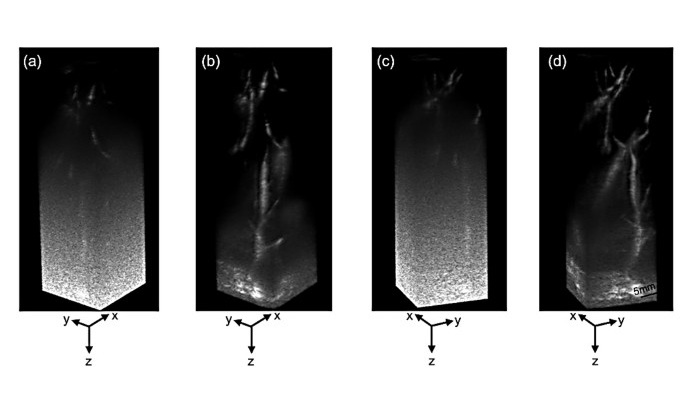
Ultrasound Technique Visualizes Deep Blood Vessels in 3D Without Contrast Agents
Producing clear 3D images of deep blood vessels has long been difficult without relying on contrast agents, CT scans, or MRI. Standard ultrasound typically provides only 2D cross-sections, limiting clinicians’... Read more
Nuclear Medicine
view channel
PET Imaging of Inflammation Predicts Recovery and Guides Therapy After Heart Attack
Acute myocardial infarction can trigger lasting heart damage, yet clinicians still lack reliable tools to identify which patients will regain function and which may develop heart failure.... Read more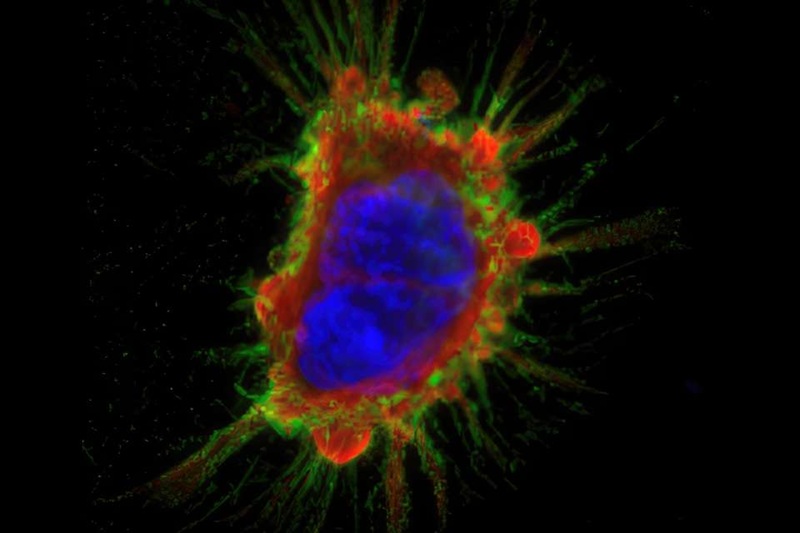
Radiotheranostic Approach Detects, Kills and Reprograms Aggressive Cancers
Aggressive cancers such as osteosarcoma and glioblastoma often resist standard therapies, thrive in hostile tumor environments, and recur despite surgery, radiation, or chemotherapy. These tumors also... Read more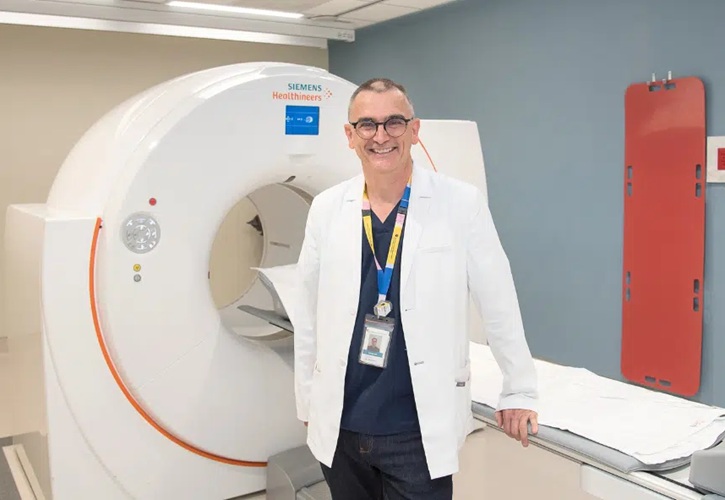
New Imaging Solution Improves Survival for Patients with Recurring Prostate Cancer
Detecting recurrent prostate cancer remains one of the most difficult challenges in oncology, as standard imaging methods such as bone scans and CT scans often fail to accurately locate small or early-stage tumors.... Read more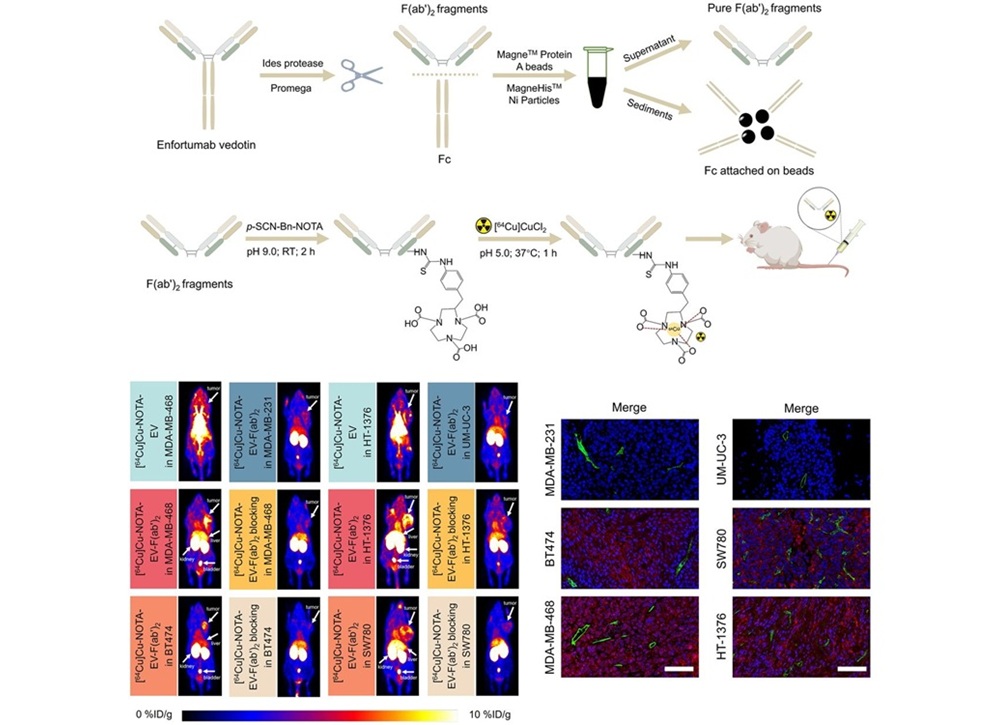
General/Advanced Imaging
view channel
3D Scanning Approach Enables Ultra-Precise Brain Surgery
Precise navigation is critical in neurosurgery, yet even small alignment errors can affect outcomes when operating deep within the brain. A new 3D surface-scanning approach now provides a radiation-free... Read more
AI Tool Improves Medical Imaging Process by 90%
Accurately labeling different regions within medical scans, a process known as medical image segmentation, is critical for diagnosis, surgery planning, and research. Traditionally, this has been a manual... Read more
New Ultrasmall, Light-Sensitive Nanoparticles Could Serve as Contrast Agents
Medical imaging technologies face ongoing challenges in capturing accurate, detailed views of internal processes, especially in conditions like cancer, where tracking disease development and treatment... Read more
AI Algorithm Accurately Predicts Pancreatic Cancer Metastasis Using Routine CT Images
In pancreatic cancer, detecting whether the disease has spread to other organs is critical for determining whether surgery is appropriate. If metastasis is present, surgery is not recommended, yet current... Read moreImaging IT
view channel
New Google Cloud Medical Imaging Suite Makes Imaging Healthcare Data More Accessible
Medical imaging is a critical tool used to diagnose patients, and there are billions of medical images scanned globally each year. Imaging data accounts for about 90% of all healthcare data1 and, until... Read more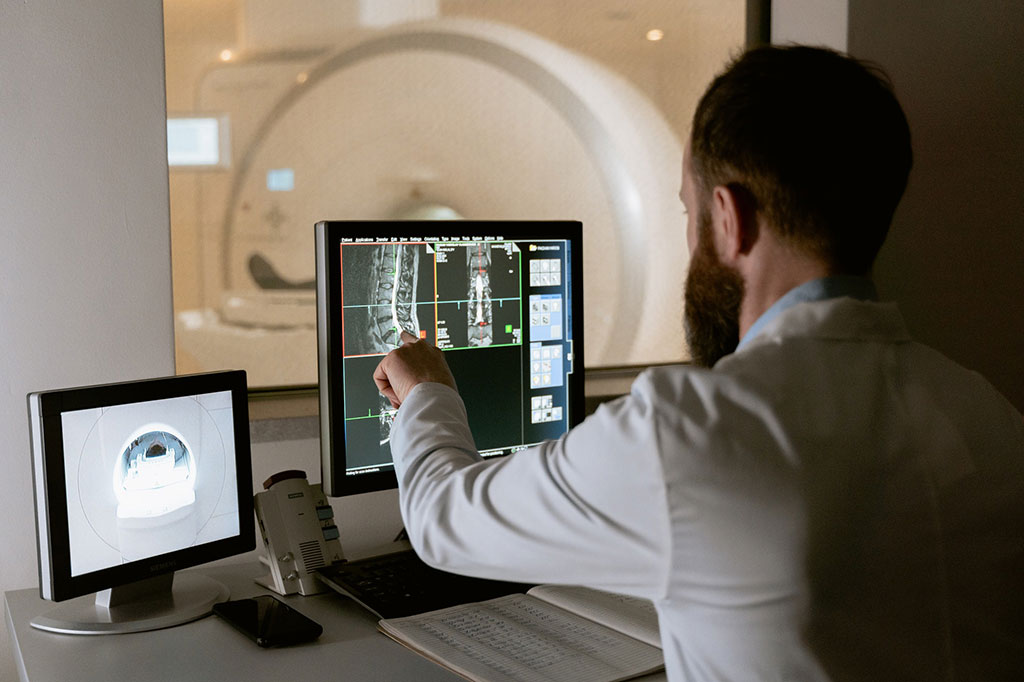
Global AI in Medical Diagnostics Market to Be Driven by Demand for Image Recognition in Radiology
The global artificial intelligence (AI) in medical diagnostics market is expanding with early disease detection being one of its key applications and image recognition becoming a compelling consumer proposition... Read more

Industry News
view channel
GE HealthCare and NVIDIA Collaboration to Reimagine Diagnostic Imaging
GE HealthCare (Chicago, IL, USA) has entered into a collaboration with NVIDIA (Santa Clara, CA, USA), expanding the existing relationship between the two companies to focus on pioneering innovation in... Read more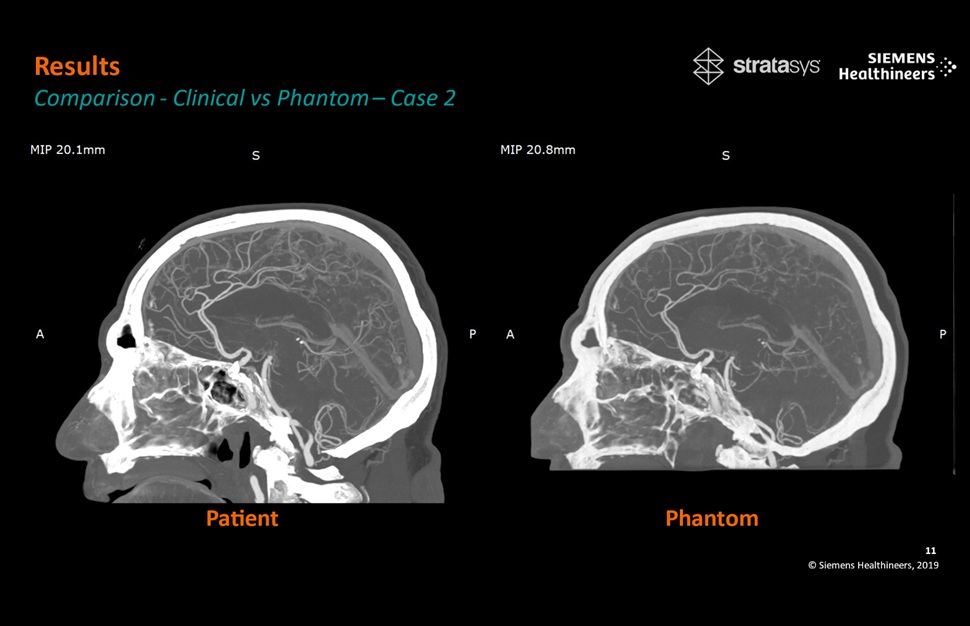
Patient-Specific 3D-Printed Phantoms Transform CT Imaging
New research has highlighted how anatomically precise, patient-specific 3D-printed phantoms are proving to be scalable, cost-effective, and efficient tools in the development of new CT scan algorithms... Read more
Siemens and Sectra Collaborate on Enhancing Radiology Workflows
Siemens Healthineers (Forchheim, Germany) and Sectra (Linköping, Sweden) have entered into a collaboration aimed at enhancing radiologists' diagnostic capabilities and, in turn, improving patient care... Read more