


MRI Techniques Can Detect Key Markers of Early Osteoarthritis
|
By MedImaging International staff writers Posted on 22 Aug 2011 |


|
Researchers have found that sophisticated magnetic resonance imaging (MRI) techniques can be used to detect slight changes in joint cartilage microstructure and provide physicians a diagnostic tool for finding key markers of early osteoarthritis (OA). By using these methods during patient exams to identify OA earlier, clinicians can shift the management of the disease from eventual joint reconstruction to long-term preservation.
The study’s findings were published in the July 2011 issue of the Journal of the American Academy of Orthopaedic Surgeons. “Imaging technology is now sensitive and powerful enough to enable detection of subtle changes in the intricate balance of water, chondrocytes and the collagen fibers and protein molecules that make up our joint cartilage which we now know can point to future osteoarthritis,” stated Laith Jazrawi, MD, associate professor of orthopedic surgery from New York University (NYU) Langone Medical Center (New York, NY, USA) and lead author of the study. “With an active and aging baby boomer population beginning to experience joint pain associated with age, we think there is great potential for bringing these imaging techniques from the lab to the benefit of patients.”
The clinical practice standard is to use traditional MRI imaging to evaluate the quality of cartilage in patients with joint pain, or known arthritis, which focuses on the morphologic integrity of the cartilage. In the laboratory, however, radiologists, orthopedic surgeons, and rheumatologists working as a team have used advances in MRI technology and biochemical imaging techniques to assess cartilage damaged by osteoarthritis. Damaged cartilage revealed distinct alterations in the concentration of water and collagen molecules, the micro- and macrostructure of collagen, and the concentrations of particular proteins, glycosoaminoglycans. The findings validate the use of these MRI techniques in the evaluation of younger patients with joint pain to identify the beginnings of OA allowing for earlier treatment to halt the progression of the disease.
“The development and optimization of these innovative MR techniques has opened up a new window into the understanding and possible treatment of arthritis before irreversible structural and morphological changes has occurred,” said Michael P. Recht, MD, a professor of radiology and chairman of the department of radiology.
Related Links:
New York University Langone Medical Center






The study’s findings were published in the July 2011 issue of the Journal of the American Academy of Orthopaedic Surgeons. “Imaging technology is now sensitive and powerful enough to enable detection of subtle changes in the intricate balance of water, chondrocytes and the collagen fibers and protein molecules that make up our joint cartilage which we now know can point to future osteoarthritis,” stated Laith Jazrawi, MD, associate professor of orthopedic surgery from New York University (NYU) Langone Medical Center (New York, NY, USA) and lead author of the study. “With an active and aging baby boomer population beginning to experience joint pain associated with age, we think there is great potential for bringing these imaging techniques from the lab to the benefit of patients.”
The clinical practice standard is to use traditional MRI imaging to evaluate the quality of cartilage in patients with joint pain, or known arthritis, which focuses on the morphologic integrity of the cartilage. In the laboratory, however, radiologists, orthopedic surgeons, and rheumatologists working as a team have used advances in MRI technology and biochemical imaging techniques to assess cartilage damaged by osteoarthritis. Damaged cartilage revealed distinct alterations in the concentration of water and collagen molecules, the micro- and macrostructure of collagen, and the concentrations of particular proteins, glycosoaminoglycans. The findings validate the use of these MRI techniques in the evaluation of younger patients with joint pain to identify the beginnings of OA allowing for earlier treatment to halt the progression of the disease.
“The development and optimization of these innovative MR techniques has opened up a new window into the understanding and possible treatment of arthritis before irreversible structural and morphological changes has occurred,” said Michael P. Recht, MD, a professor of radiology and chairman of the department of radiology.
Related Links:
New York University Langone Medical Center

Digital X-Ray Detector Panel
Acuity G4
High-Precision QA Tool
DEXA Phantom
Mobile X-Ray System
K4W
X-Ray Generator
Advantage Plus Generators
Latest MRI News
- International Study Assesses AI for Prostate Cancer MRI Interpretation
- AI Approach Could Shorten Advanced Brain MRI Scans by Up to 90%
- Cardiac MRI Measure Improves Risk Prediction in Tricuspid Regurgitation
- AI System Improves Accuracy of Cardiac MRI Interpretation
- Deep Learning Model Predicts Alzheimer’s Disease Outcomes from Baseline MRI
- Blood-Brain Barrier Imaging Adds Risk Insight to Standard Stroke MRI
- AI Body Composition MRI Analysis Predicts Cardiometabolic Disease Risk
- AI MRI Tool Quantifies Muscle Fat to Assess Cardiometabolic Risk
- Advanced MRI Visualizes CSF Motion Changes After Mild Traumatic Brain Injury
- MRI Tool Enables Long-Term Tracking of Transplanted Cardiac Cells
- MRI-Based AI Tool Supports Differentiation of Parkinsonian Syndromes
- MRI-Derived Biomarker Improves Risk Stratification in Glioblastoma
- Combined Imaging Approach Identifies Cause of Heart Attack without Coronary Blockage
- Advanced MRI System Detects Impaired Cardiac Oxygen Use in Minutes
- AI-Enhanced MRI Improves Image Quality in Arrhythmia Patients
- Ultra-Detailed Brain Atlas Enhances Early Detection of Neurological Disorders
Channels
Radiography
view channel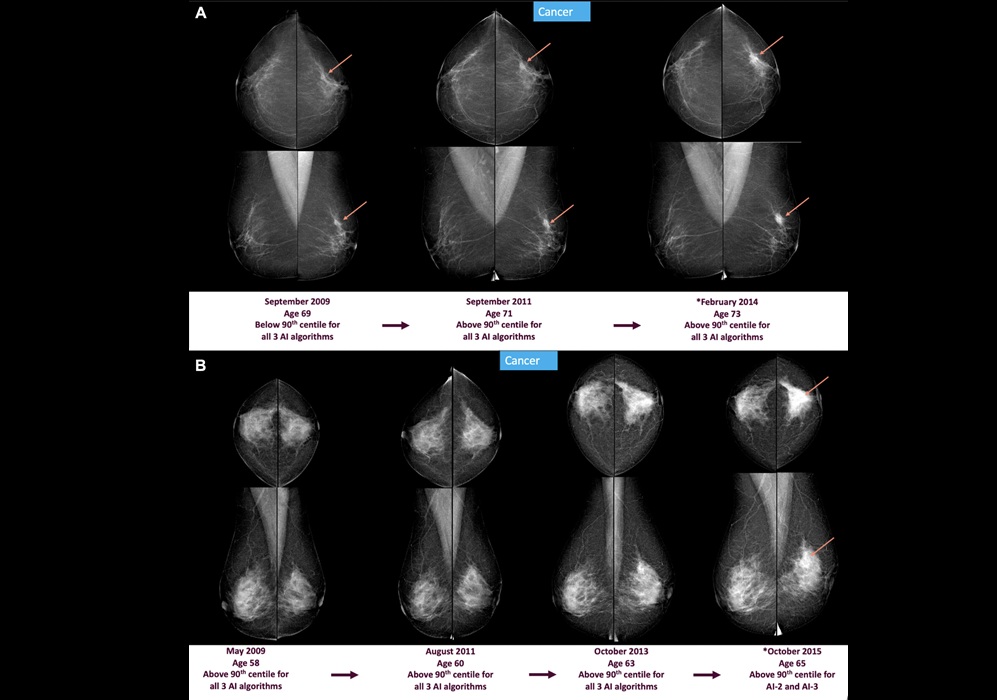
AI Mammography Tools Detect Early Breast Cancer Signs Years Before Diagnosis
Breast cancer screening aims to detect tumors before symptoms develop, but subtle mammographic changes can appear years before diagnosis and may be missed during routine reads. Delayed detection can lead... Read more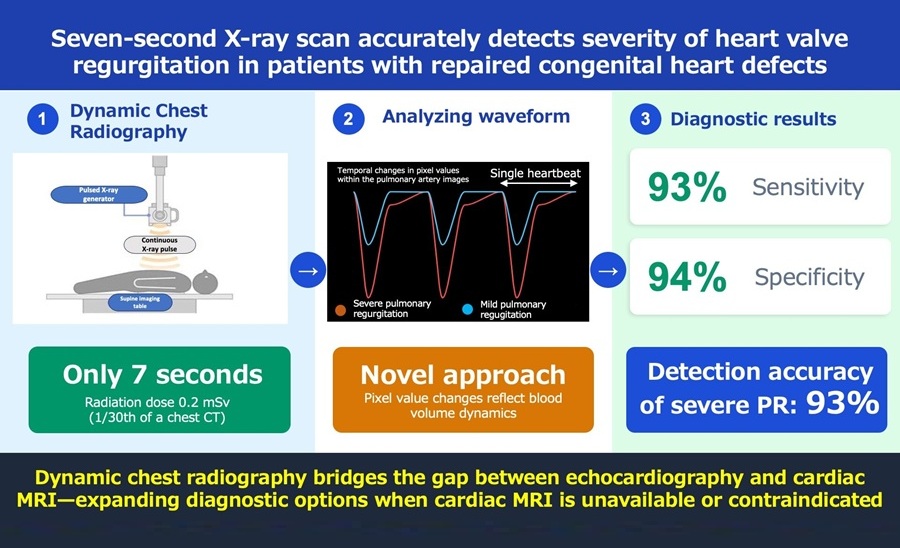
Rapid X-Ray Test Quantifies Pulmonary Regurgitation After Tetralogy of Fallot Repair
Tetralogy of Fallot is the most common cyanotic congenital heart defect and can leave patients with pulmonary valve regurgitation, a backward flow of blood into the right ventricle after repair.... Read more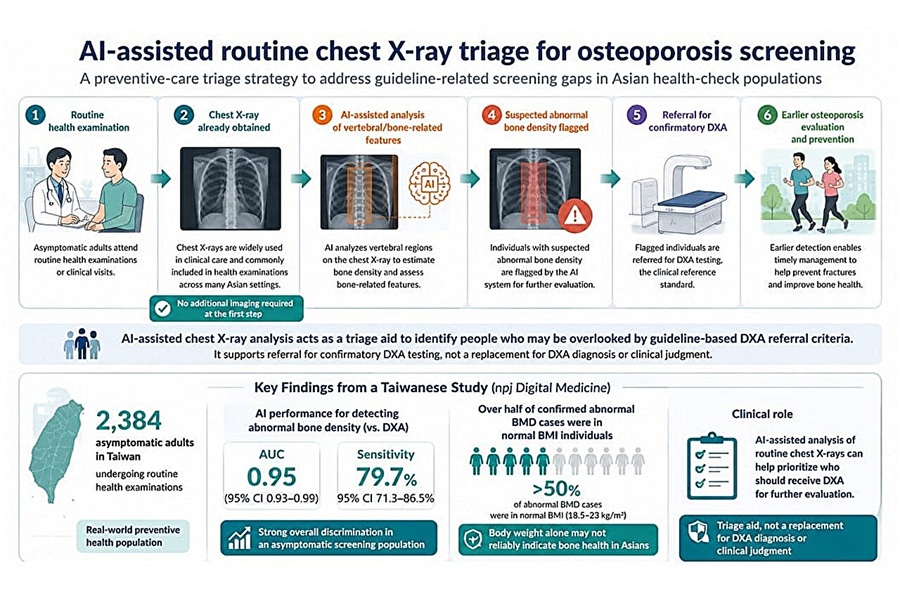
Ultrasound
view channel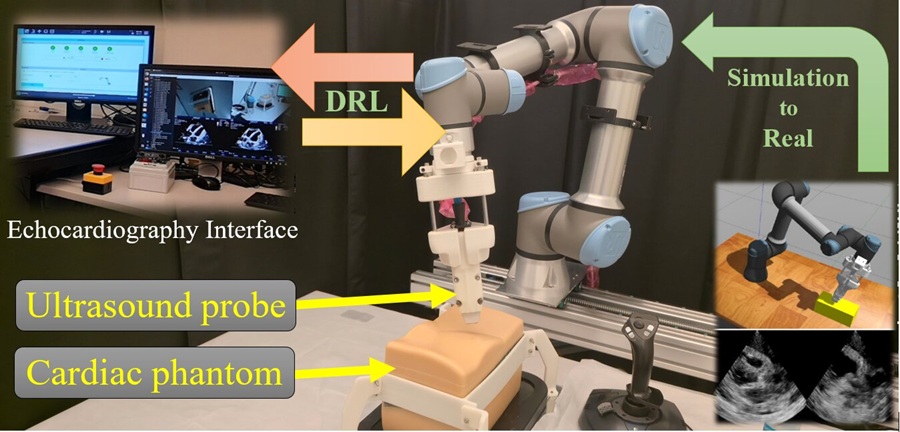
AI Robotic Ultrasound System Automates Echocardiography and Improves Consistency
Echocardiography, an ultrasound examination of the heart, is central to diagnosing and managing cardiovascular disease. Many services struggle with limited availability of skilled sonographers, variable... Read more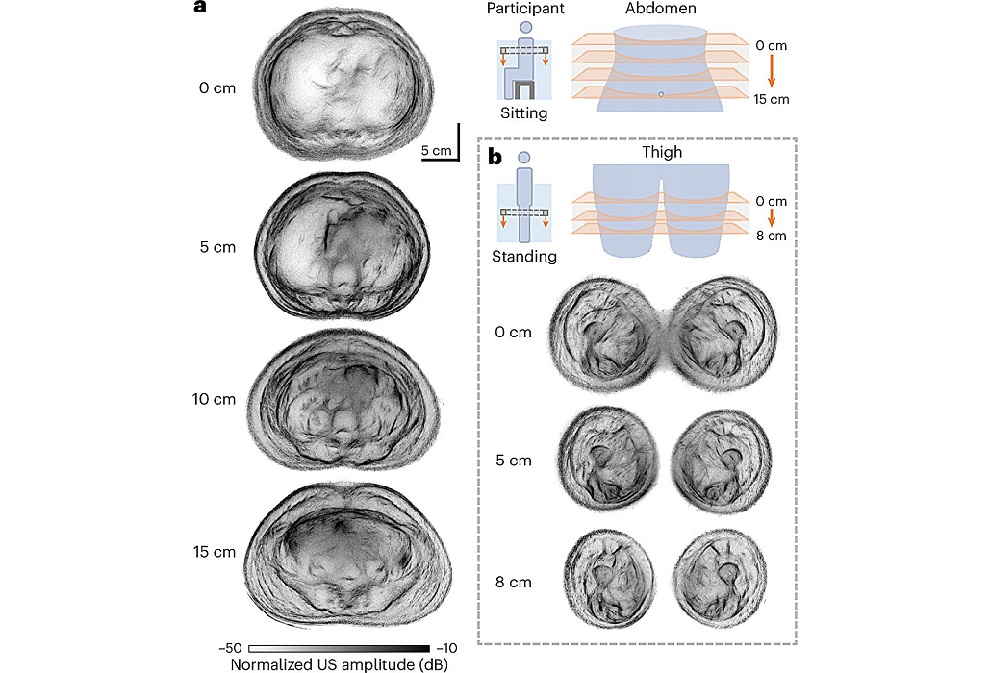
Whole Cross-Section Ultrasound System Enables Operator-Independent Imaging
Conventional ultrasound is central to bedside imaging but is limited by a narrow field of view and operator variability. Comprehensive cross-sectional assessment typically requires computed tomography... Read more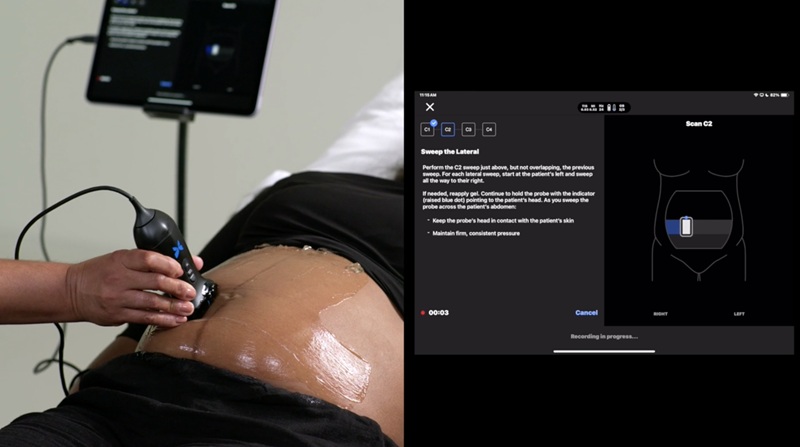
Nuclear Medicine
view channel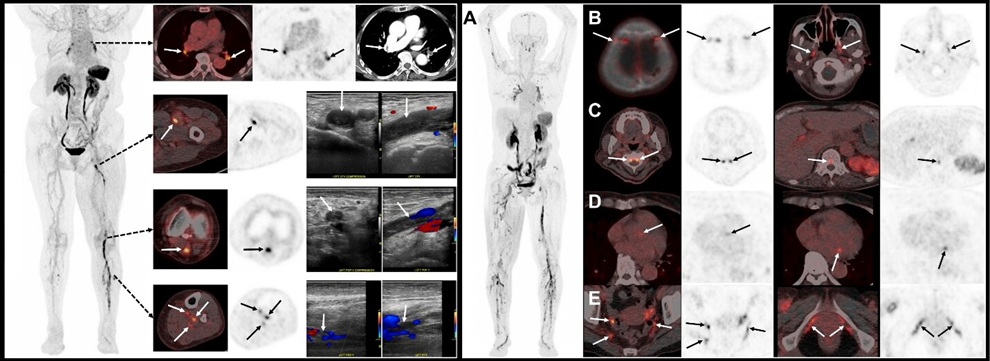
New PET Tracer Detects DVT and Pulmonary Embolism in One Scan
Deep vein thrombosis is the formation of clots in deep leg veins that can migrate to the lungs as pulmonary embolism. Rapid confirmation across both regions often requires multiple tests and can delay treatment.... Read more![Image: (A-C) Representative whole-body maximum-intensity projection images and regional fused PET/CT images from three histologically confirmed osteosarcoma patients who underwent paired [68Ga]Ga-B7-H3-BCH PET/CT and 18F-FDGE PET/CT within 7 days. (D) Multimodal imaging evaluation of patient 3, including X-ray, MRI (T2-weighted imaging, T2WI), CT, and B7-H3 PET/CT. (Photo courtesy of SNMMI)](https://globetechcdn.com/mobile_medicalimaging/images/stories/articles/article_images/2026-06-07/294811110_image_1.jpg "Image: (A-C) Representative whole-body maximum-intensity projection images and regional fused PET/CT images from three histologically confirmed osteosarcoma patients who underwent paired [68Ga]Ga-B7-H3-BCH PET/CT and 18F-FDGE PET/CT within 7 days. (D) Multimodal imaging evaluation of patient 3, including X-ray, MRI (T2-weighted imaging, T2WI), CT, and B7-H3 PET/CT. (Photo courtesy of SNMMI)")
Targeted PET Platform Guides Osteosarcoma Resection and Margin Verification
Osteosarcoma, an aggressive primary bone cancer that mainly affects children and adolescents, demands wide excision to prevent local recurrence. Surgeons must achieve negative margins while preserving... Read more
General/Advanced Imaging
view channel
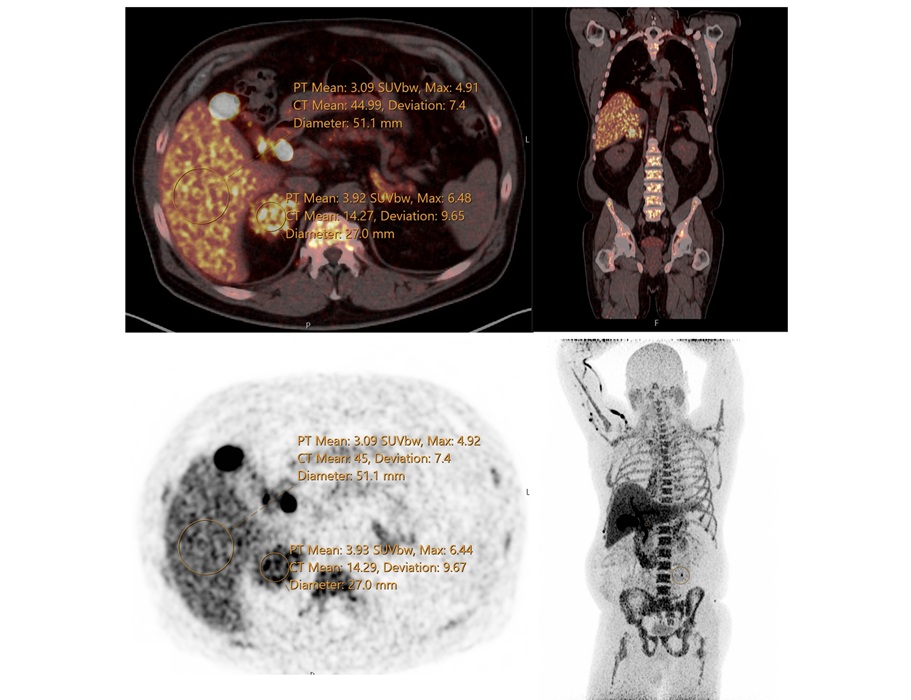
AI Tool Enables Real-Time Diffuse Optical Tomography for Brain Lesion Detection
Diffuse optical tomography is a noninvasive imaging technique that uses near-infrared light to detect internal abnormalities such as cerebral hemorrhage and tumors. Its clinical utility for real-time ... Read more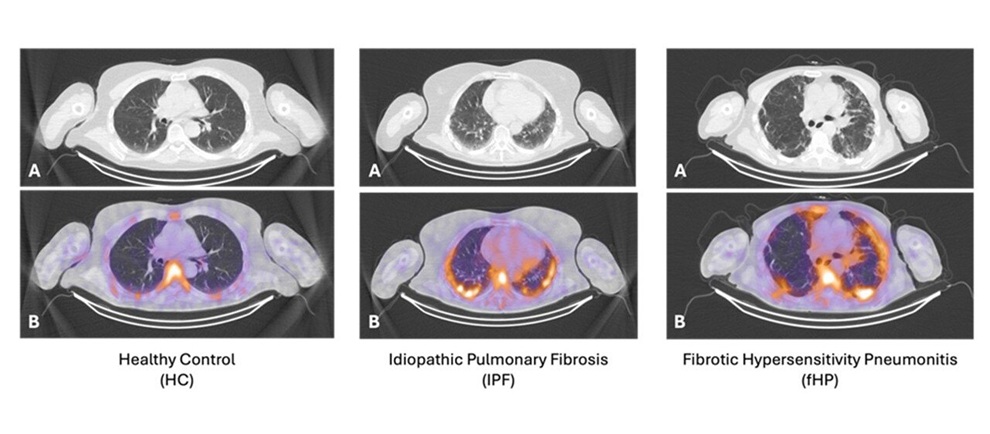
New SPECT/CT Method Differentiates Inflammation from Fibrosis in Interstitial Lung Disease
Interstitial lung disease (ILD) encompasses more than 200 disorders that inflame or scar the lung interstitium and can lead to progressive respiratory failure. Determining whether active inflammation is... Read more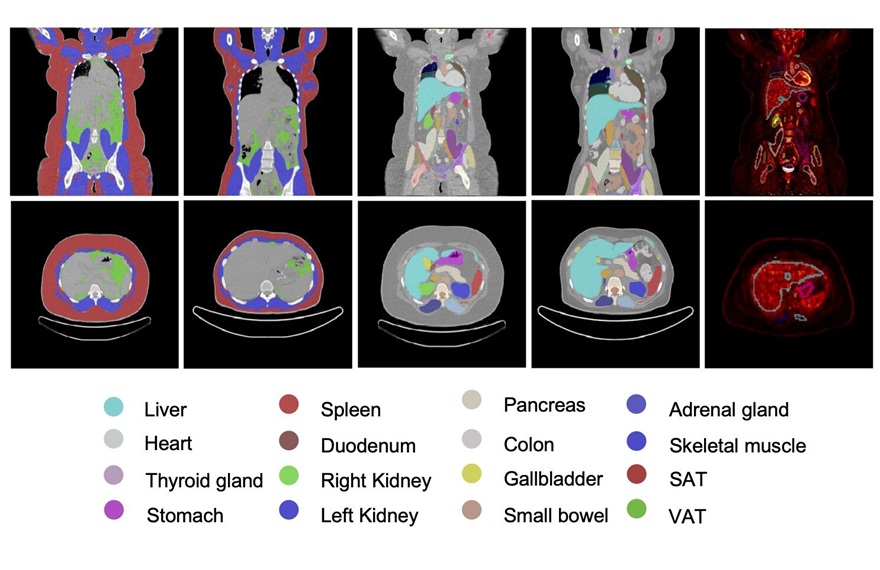
Imaging IT
view channel
Ambient AI Reporting Platform Streamlines Radiology Reporting
Radiology departments face growing imaging volumes and staffing shortages, creating reporting bottlenecks and pressure to maintain turnaround times. Conventional dictation tools document findings after... Read more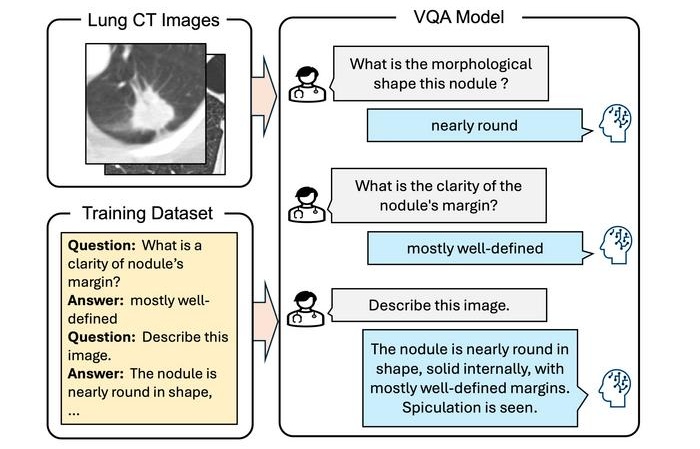
Interactive AI Tool Supports Explainable Lung Nodule Assessment
Lung cancer is a leading cause of cancer mortality, and timely characterization of pulmonary nodules on chest computed tomography (CT) is essential for directing care. Interpreting nodule morphology demands... Read more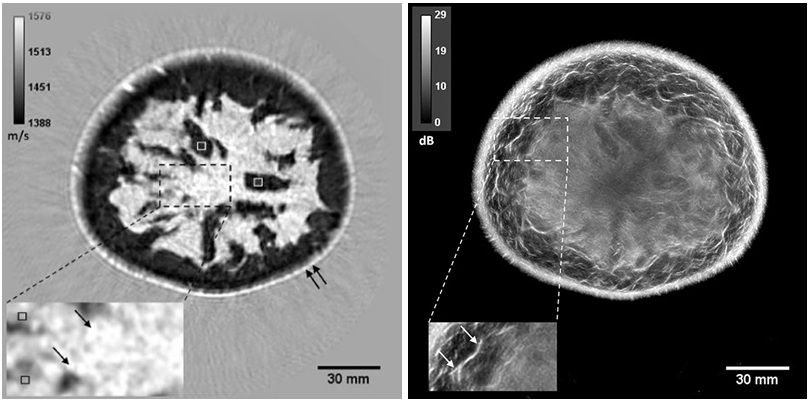
Breast Imaging Software Enhances Visualization and Tissue Characterization in Challenging Cases
Breast imaging can be particularly challenging in cases involving small breasts or implants, where image reconstruction and tissue characterization may be limited. Clinicians also need reproducible analysis... Read more
Industry News
view channel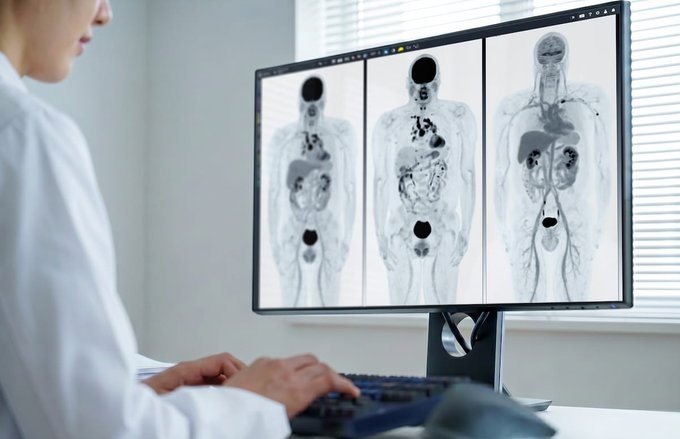
GE HealthCare Showcases AI-Enabled Nuclear Medicine Portfolio at SNMMI 2026
Nuclear medicine is expanding rapidly as health systems adopt theranostics and broaden access to radiopharmaceuticals, increasing demand for scalable operations and consistent diagnostic confidence.... Read more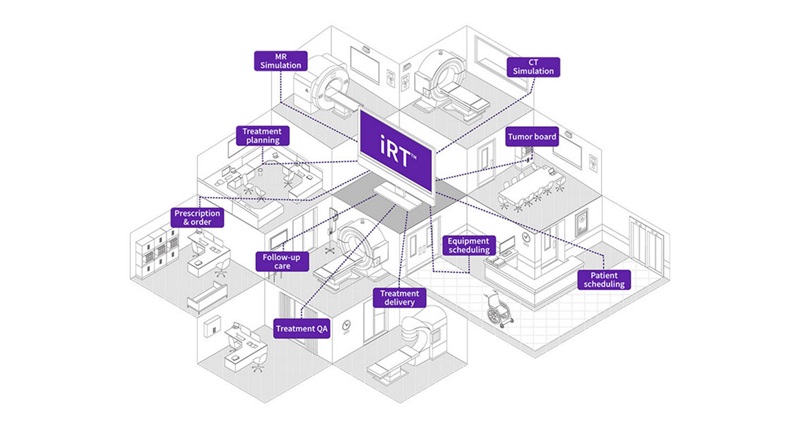
GE HealthCare Highlights AI-Supported Radiation Therapy Tools at ESTRO 2026
At the European Society for Radiotherapy and Oncology (ESTRO) 2026 Congress in Stockholm, GE HealthCare is highlighting Intelligent Radiation Therapy (iRT), MIM Software innovations, and BK Medical surgical... Read more