Brain Scans Show Distinctive Patterns in Generalized Anxiety Disorder Patients
|
By MedImaging International staff writers Posted on 14 Jan 2010 |


|
Scrambled connections between the region of the brain that processes fear and emotion and other brain regions could be the hallmark of a common anxiety disorder, according to a new study. The findings could help researchers identify biologic differences between types of anxiety disorders as well as such disorders as depression.
The study, which was published December 7, 2009, in the journal Archives of General Psychiatry, studied the brains of people with generalized anxiety disorder (GAD), a psychiatric disorder in which patients spend their days in a haze of worry over everyday concerns. Researchers have known that the amygdala, a couple of almond-sized bundles of nerve fibers in the middle of the brain that help process emotion, memory, and fear, are involved in anxiety conditions such as GAD. However, this study is the first to look close enough to detect neural pathways going to and from subsections of this tiny brain region.
Such small-scale observations are important for understanding the brains of people with psychiatric disorders, said Duke University (Durham, NC, USA) neuroscientist Kevin LaBar, Ph.D., who was not involved in the research. "If we want to distinguish GAD from other anxiety disorders, we might have to look at these subregions instead of the general signal from this area,” he said. "It's methodologically really impressive.”
To get close enough to discern one region of the amygdala from another, Stanford University School of Medicine (Stanford, CA, USA) psychiatry resident Amit Etkin, MD, PhD, and his colleagues focused on regions of interest defined by detailed anatomic studies of human brains. They recruited 16 people with GAD and 17 psychologically healthy participants and scanned their brains using functional magnetic resonance imaging (fMRI), which measures blood-flow fluctuations caused by changes in activity in different regions of the brain. Each person spent eight minutes in the fMRI scanner, letting his or her mind wander.
The researchers analyzed the resulting data to determine which areas were connected--that is, which regions were likely to activate in tandem. They first looked at one subregion, the basolateral amygdala, which is situated at the base of the amygdala. In healthy participants, they found that the subregion was linked to the occipital lobe at the back of the brain, the temporal lobes beneath the ears and the prefrontal cortex just behind the forehead. These regions are associated with visual and auditory processing, as well as with memory and high-level emotional and cognitive functions.
The other subregion, known as the centromedial amygdala, found at the top of the amygdala, was associated with subcortical, or deeper, areas of the brain. These connections included the thalamus, which controls information flow throughout the brain and helps regulate alertness from its perch in the midbrain; the brain stem, which regulates heart rate, breathing, and release of neurotransmitters such as serotonin and dopamine; and the densely wrinkled cerebellum, which sits behind the brain stem and controls motor coordination. The associations confirmed what anatomic studies in animals have found, according to Dr. Etkin, the lead author of the study. The team also analyzed resting fMRI data from 31 more healthy people and found similar results.
But in people with GAD, the scans revealed another pattern. The two regions still sent emissaries to their separate targets, but the lines of communication were muddled. "The basolateral amygdala was less connected with all of its targets and more connected with centromedial targets,” Dr. Etkin said. "And the centromedial was less connected with its normal targets and more connected with the basolateral targets.”
The investigators also found that both amygdala regions had less connectivity to the region of the brain responsible for determining the importance of stimuli. This could mean that individuals with the disorder have a more difficult time perceiving truly worrisome situations from mild annoyances. At the same time, the amygdala was more connected to a cortical executive-control network previously found to exert cognitive control over emotion.
The cognitive control connection might explain why GAD is characterized by obsessive worry, according to Dr. Etkin. Individuals with the disorder feel overwhelmed by emotion and do not believe they can feel sad or upset without coming completely undone. Therefore, in an attempt to avoid facing their unpleasant feelings, they distract themselves by worrying. Such overthinking may work in the short term but becomes problematic over time.
Researchers cannot be sure whether the connectivity abnormalities came first or whether excessive worrying shaped the brain by reinforcing specific neural pathways. Still, the patterns uncovered by neurologic scans could one day help psychiatrists diagnose and treat the disease. "This is a nice example of neurology and psychiatry joining forces,” said Michael Greicius, M.D., assistant professor of neurology and neurological sciences at Stanford and senior author of the article.
The next phase of the research, reported Dr. Etkin, is to study patients with other anxiety disorders and with depression. That will allow researchers to see if patterns of amygdala connectivity differ between disorders. If they do, brain scans could one day become additional diagnostic tools for disorders with symptoms that often overlap.
Related Links:
Stanford University School of Medicine






The study, which was published December 7, 2009, in the journal Archives of General Psychiatry, studied the brains of people with generalized anxiety disorder (GAD), a psychiatric disorder in which patients spend their days in a haze of worry over everyday concerns. Researchers have known that the amygdala, a couple of almond-sized bundles of nerve fibers in the middle of the brain that help process emotion, memory, and fear, are involved in anxiety conditions such as GAD. However, this study is the first to look close enough to detect neural pathways going to and from subsections of this tiny brain region.
Such small-scale observations are important for understanding the brains of people with psychiatric disorders, said Duke University (Durham, NC, USA) neuroscientist Kevin LaBar, Ph.D., who was not involved in the research. "If we want to distinguish GAD from other anxiety disorders, we might have to look at these subregions instead of the general signal from this area,” he said. "It's methodologically really impressive.”
To get close enough to discern one region of the amygdala from another, Stanford University School of Medicine (Stanford, CA, USA) psychiatry resident Amit Etkin, MD, PhD, and his colleagues focused on regions of interest defined by detailed anatomic studies of human brains. They recruited 16 people with GAD and 17 psychologically healthy participants and scanned their brains using functional magnetic resonance imaging (fMRI), which measures blood-flow fluctuations caused by changes in activity in different regions of the brain. Each person spent eight minutes in the fMRI scanner, letting his or her mind wander.
The researchers analyzed the resulting data to determine which areas were connected--that is, which regions were likely to activate in tandem. They first looked at one subregion, the basolateral amygdala, which is situated at the base of the amygdala. In healthy participants, they found that the subregion was linked to the occipital lobe at the back of the brain, the temporal lobes beneath the ears and the prefrontal cortex just behind the forehead. These regions are associated with visual and auditory processing, as well as with memory and high-level emotional and cognitive functions.
The other subregion, known as the centromedial amygdala, found at the top of the amygdala, was associated with subcortical, or deeper, areas of the brain. These connections included the thalamus, which controls information flow throughout the brain and helps regulate alertness from its perch in the midbrain; the brain stem, which regulates heart rate, breathing, and release of neurotransmitters such as serotonin and dopamine; and the densely wrinkled cerebellum, which sits behind the brain stem and controls motor coordination. The associations confirmed what anatomic studies in animals have found, according to Dr. Etkin, the lead author of the study. The team also analyzed resting fMRI data from 31 more healthy people and found similar results.
But in people with GAD, the scans revealed another pattern. The two regions still sent emissaries to their separate targets, but the lines of communication were muddled. "The basolateral amygdala was less connected with all of its targets and more connected with centromedial targets,” Dr. Etkin said. "And the centromedial was less connected with its normal targets and more connected with the basolateral targets.”
The investigators also found that both amygdala regions had less connectivity to the region of the brain responsible for determining the importance of stimuli. This could mean that individuals with the disorder have a more difficult time perceiving truly worrisome situations from mild annoyances. At the same time, the amygdala was more connected to a cortical executive-control network previously found to exert cognitive control over emotion.
The cognitive control connection might explain why GAD is characterized by obsessive worry, according to Dr. Etkin. Individuals with the disorder feel overwhelmed by emotion and do not believe they can feel sad or upset without coming completely undone. Therefore, in an attempt to avoid facing their unpleasant feelings, they distract themselves by worrying. Such overthinking may work in the short term but becomes problematic over time.
Researchers cannot be sure whether the connectivity abnormalities came first or whether excessive worrying shaped the brain by reinforcing specific neural pathways. Still, the patterns uncovered by neurologic scans could one day help psychiatrists diagnose and treat the disease. "This is a nice example of neurology and psychiatry joining forces,” said Michael Greicius, M.D., assistant professor of neurology and neurological sciences at Stanford and senior author of the article.
The next phase of the research, reported Dr. Etkin, is to study patients with other anxiety disorders and with depression. That will allow researchers to see if patterns of amygdala connectivity differ between disorders. If they do, brain scans could one day become additional diagnostic tools for disorders with symptoms that often overlap.
Related Links:
Stanford University School of Medicine

Multi-Use Ultrasound Table
Clinton
Digital X-Ray Detector Panel
Acuity G4
Half Apron
Demi
Digital Radiography System (Ceiling Free)
Digix CF Series
Latest MRI News
- AI Approach Could Shorten Advanced Brain MRI Scans by Up to 90%
- Cardiac MRI Measure Improves Risk Prediction in Tricuspid Regurgitation
- AI System Improves Accuracy of Cardiac MRI Interpretation
- Deep Learning Model Predicts Alzheimer’s Disease Outcomes from Baseline MRI
- Blood-Brain Barrier Imaging Adds Risk Insight to Standard Stroke MRI
- AI Body Composition MRI Analysis Predicts Cardiometabolic Disease Risk
- AI MRI Tool Quantifies Muscle Fat to Assess Cardiometabolic Risk
- Advanced MRI Visualizes CSF Motion Changes After Mild Traumatic Brain Injury
- MRI Tool Enables Long-Term Tracking of Transplanted Cardiac Cells
- MRI-Based AI Tool Supports Differentiation of Parkinsonian Syndromes
- MRI-Derived Biomarker Improves Risk Stratification in Glioblastoma
- Combined Imaging Approach Identifies Cause of Heart Attack without Coronary Blockage
- Advanced MRI System Detects Impaired Cardiac Oxygen Use in Minutes
- AI-Enhanced MRI Improves Image Quality in Arrhythmia Patients
- Ultra-Detailed Brain Atlas Enhances Early Detection of Neurological Disorders
- Study Finds Advanced Imaging Significantly Reduces Unnecessary Prostate Biopsies
Channels
Radiography
view channel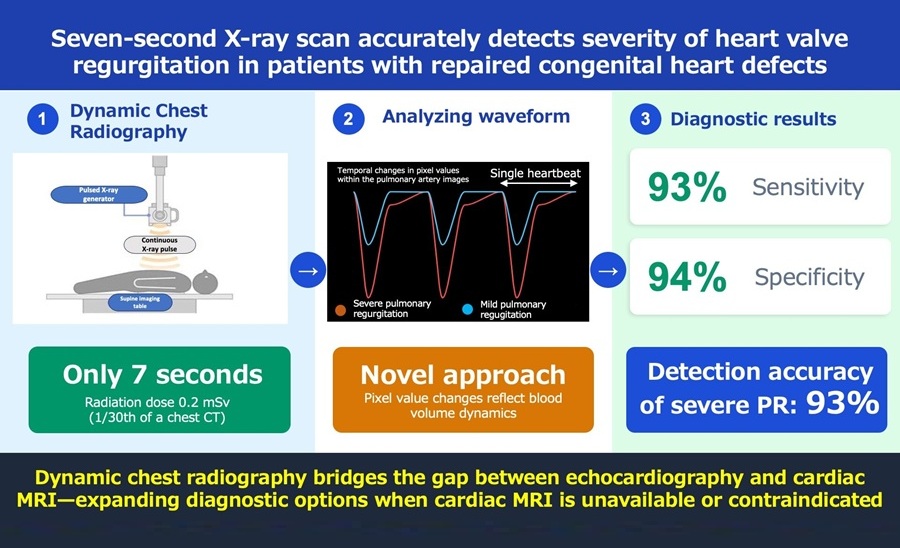
Rapid X-Ray Test Quantifies Pulmonary Regurgitation After Tetralogy of Fallot Repair
Tetralogy of Fallot is the most common cyanotic congenital heart defect and can leave patients with pulmonary valve regurgitation, a backward flow of blood into the right ventricle after repair.... Read more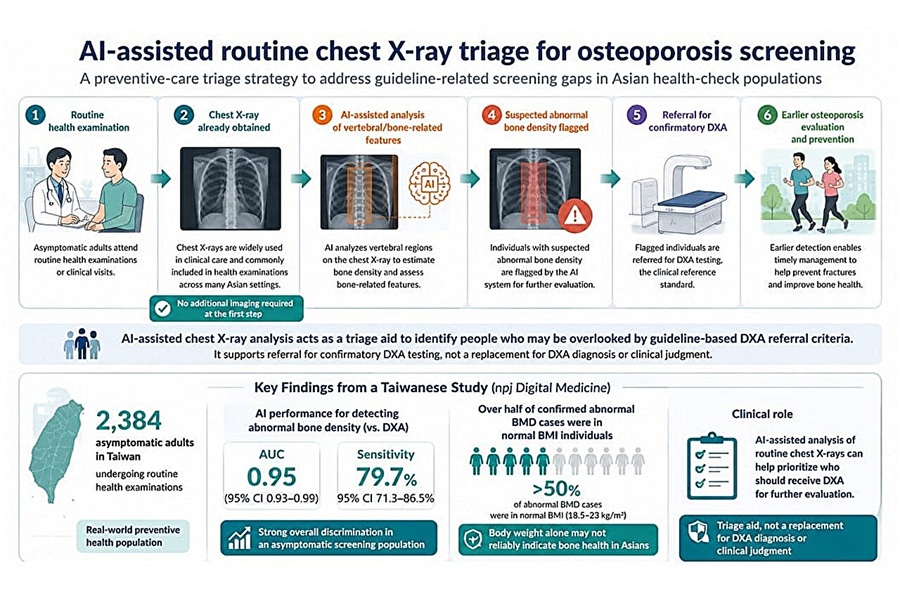
AI Tool Flags Osteoporosis Risk from Routine Chest X-Rays
Osteoporosis is a progressive loss of bone density that is often silent until a fracture occurs. Current screening frameworks concentrate on older women and select high-risk groups. Many men, younger adults,... Read more
Ultrasound
view channel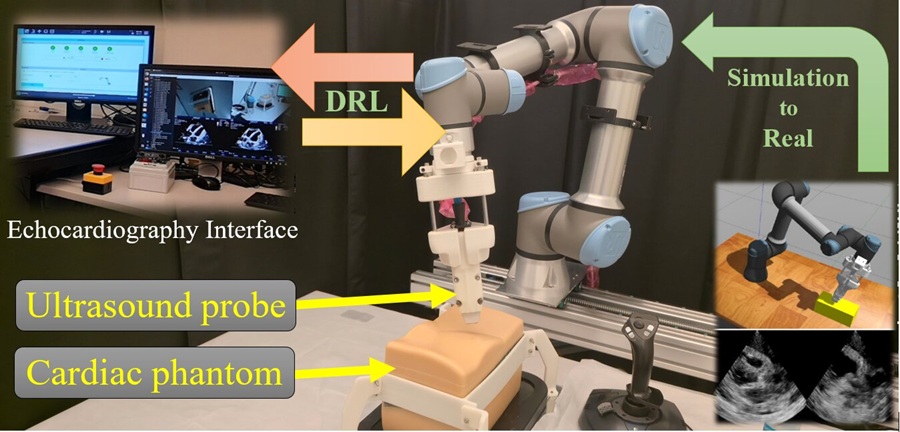
AI Robotic Ultrasound System Automates Echocardiography and Improves Consistency
Echocardiography, an ultrasound examination of the heart, is central to diagnosing and managing cardiovascular disease. Many services struggle with limited availability of skilled sonographers, variable... Read more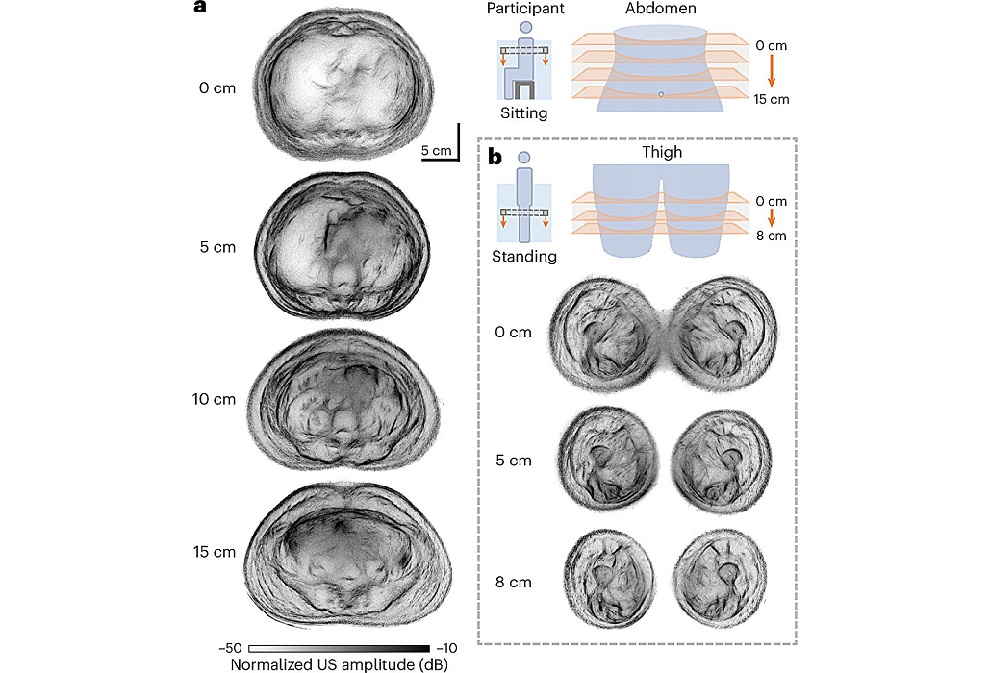
Whole Cross-Section Ultrasound System Enables Operator-Independent Imaging
Conventional ultrasound is central to bedside imaging but is limited by a narrow field of view and operator variability. Comprehensive cross-sectional assessment typically requires computed tomography... Read more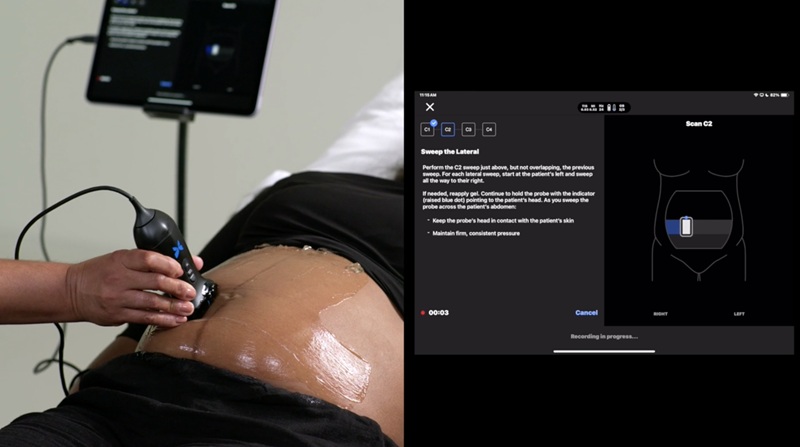
Nuclear Medicine
view channel![Image: (A-C) Representative whole-body maximum-intensity projection images and regional fused PET/CT images from three histologically confirmed osteosarcoma patients who underwent paired [68Ga]Ga-B7-H3-BCH PET/CT and 18F-FDGE PET/CT within 7 days. (D) Multimodal imaging evaluation of patient 3, including X-ray, MRI (T2-weighted imaging, T2WI), CT, and B7-H3 PET/CT. (Photo courtesy of SNMMI)](https://globetechcdn.com/mobile_medicalimaging/images/stories/articles/article_images/2026-06-07/294811110_image_1.jpg "Image: (A-C) Representative whole-body maximum-intensity projection images and regional fused PET/CT images from three histologically confirmed osteosarcoma patients who underwent paired [68Ga]Ga-B7-H3-BCH PET/CT and 18F-FDGE PET/CT within 7 days. (D) Multimodal imaging evaluation of patient 3, including X-ray, MRI (T2-weighted imaging, T2WI), CT, and B7-H3 PET/CT. (Photo courtesy of SNMMI)")
Targeted PET Platform Guides Osteosarcoma Resection and Margin Verification
Osteosarcoma, an aggressive primary bone cancer that mainly affects children and adolescents, demands wide excision to prevent local recurrence. Surgeons must achieve negative margins while preserving... Read more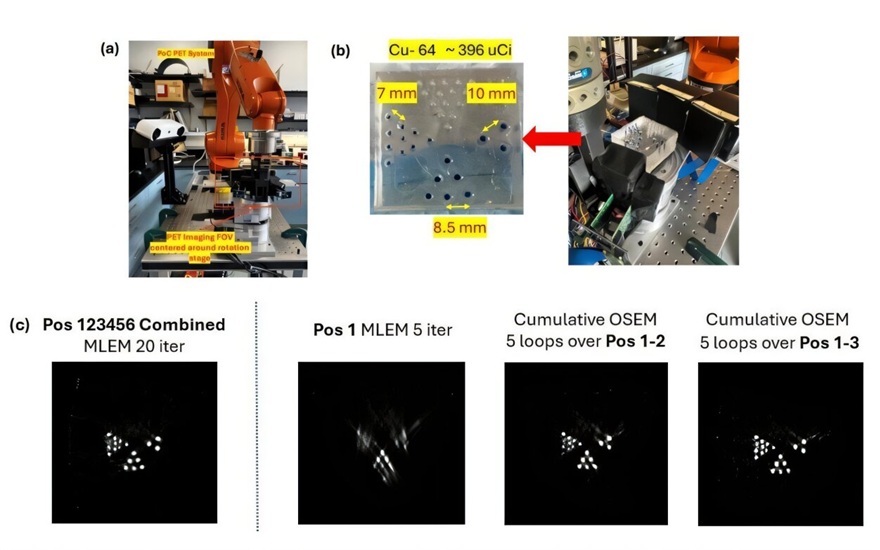
Portable PET System Enables Real-Time Bedside Guidance for Biopsies and Ablations
Interventional radiology procedures typically rely on ultrasound, X-ray fluoroscopy, or computed tomography for image guidance. These modalities visualize anatomy but offer limited molecular information,... Read more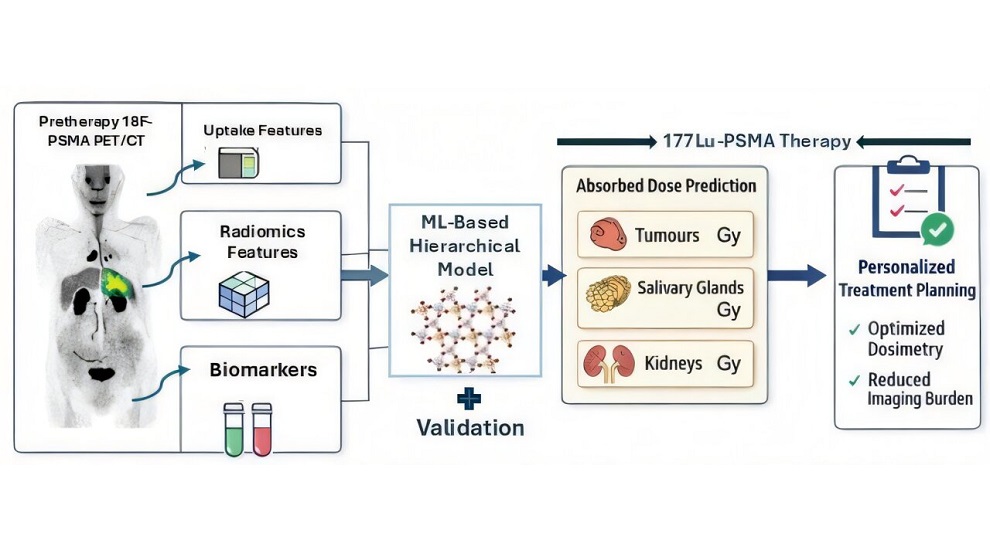

General/Advanced Imaging
view channel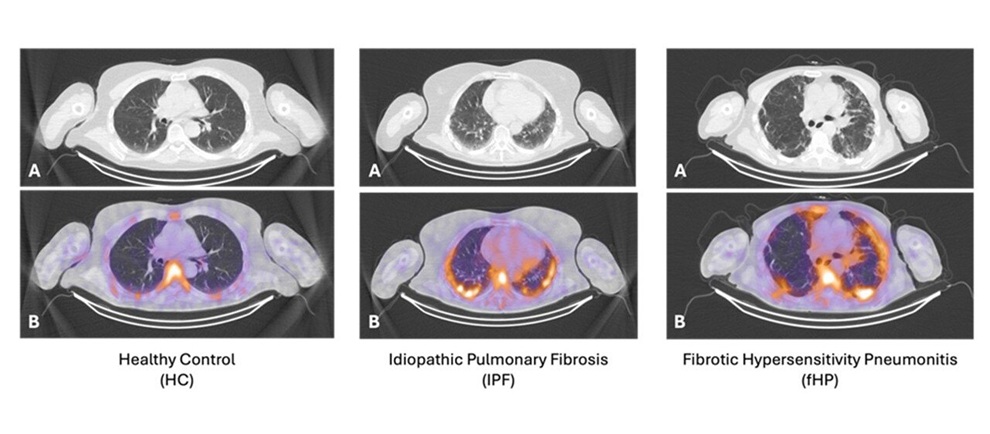
New SPECT/CT Method Differentiates Inflammation from Fibrosis in Interstitial Lung Disease
Interstitial lung disease (ILD) encompasses more than 200 disorders that inflame or scar the lung interstitium and can lead to progressive respiratory failure. Determining whether active inflammation is... Read more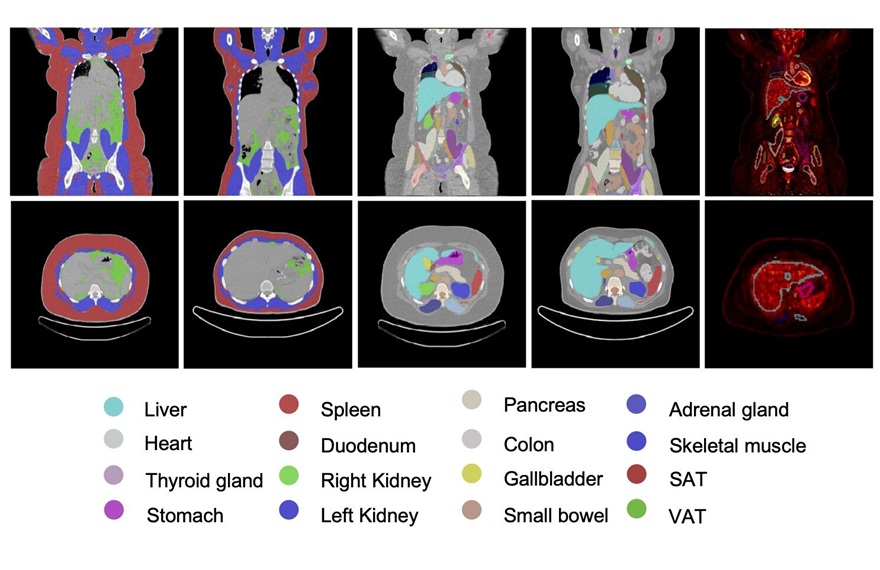
Whole-Body PET/CT Tracks Metabolic Changes After Bariatric Surgery
Obesity surgery improves weight and comorbidity profiles, yet clinicians lack tools to monitor organ-level metabolic recovery after the procedure. A clear view of systemic changes could refine follow-up... Read more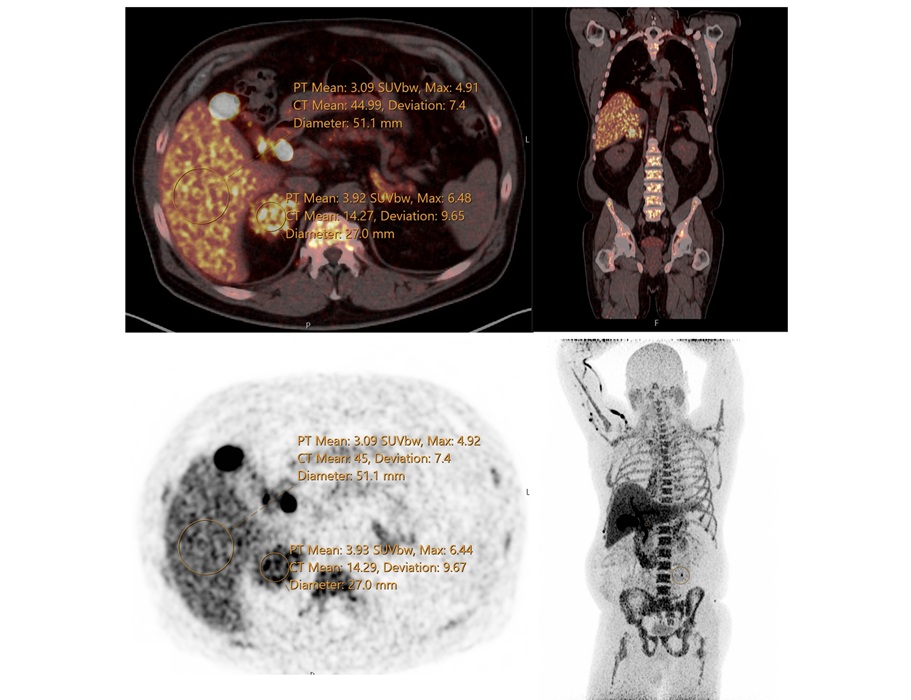
Imaging IT
view channel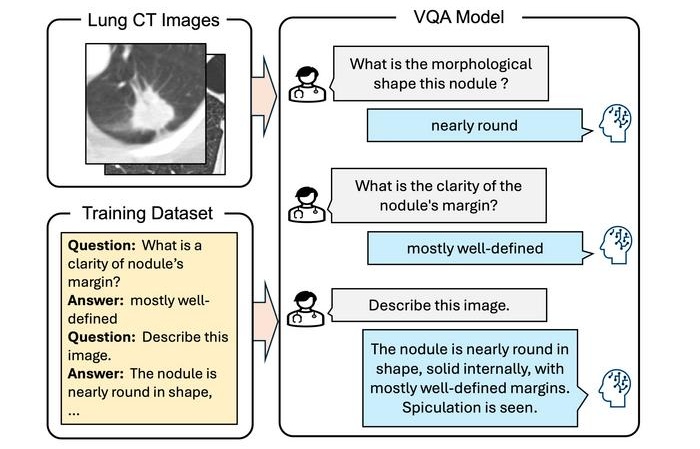
Interactive AI Tool Supports Explainable Lung Nodule Assessment
Lung cancer is a leading cause of cancer mortality, and timely characterization of pulmonary nodules on chest computed tomography (CT) is essential for directing care. Interpreting nodule morphology demands... Read more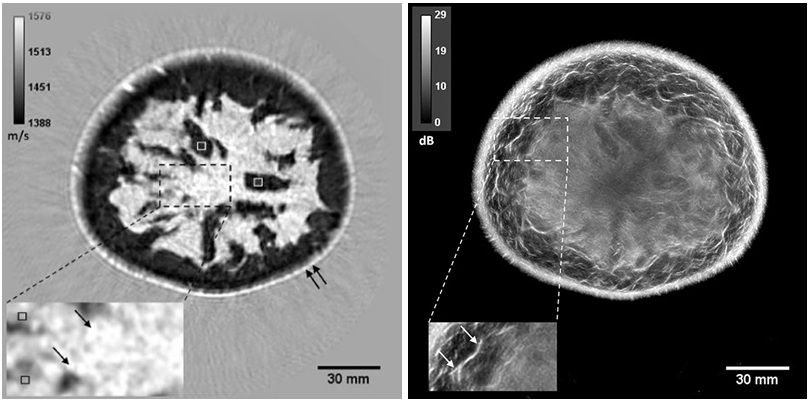
Breast Imaging Software Enhances Visualization and Tissue Characterization in Challenging Cases
Breast imaging can be particularly challenging in cases involving small breasts or implants, where image reconstruction and tissue characterization may be limited. Clinicians also need reproducible analysis... Read more
New Google Cloud Medical Imaging Suite Makes Imaging Healthcare Data More Accessible
Medical imaging is a critical tool used to diagnose patients, and there are billions of medical images scanned globally each year. Imaging data accounts for about 90% of all healthcare data1 and, until... Read more
Global AI in Medical Diagnostics Market to Be Driven by Demand for Image Recognition in Radiology
The global artificial intelligence (AI) in medical diagnostics market is expanding with early disease detection being one of its key applications and image recognition becoming a compelling consumer proposition... Read moreIndustry News
view channel
GE HealthCare Showcases AI-Enabled Nuclear Medicine Portfolio at SNMMI 2026
Nuclear medicine is expanding rapidly as health systems adopt theranostics and broaden access to radiopharmaceuticals, increasing demand for scalable operations and consistent diagnostic confidence.... Read more
GE HealthCare Highlights AI-Supported Radiation Therapy Tools at ESTRO 2026
At the European Society for Radiotherapy and Oncology (ESTRO) 2026 Congress in Stockholm, GE HealthCare is highlighting Intelligent Radiation Therapy (iRT), MIM Software innovations, and BK Medical surgical... Read more