


Diamonds May Become the Ultimate MRI Probe
|
By MedImaging International staff writers Posted on 13 Oct 2009 |


|
A research team's project has the long-term goal of developing quantum computers, but it has provided results that may have more immediate application in medical science. Their finding that a candidate "quantum bit” has great sensitivity to magnetic fields hints that magnetic resonance imaging (MRI)-like devices that can probe individual drug molecules and living cells may be possible.
The candidate system, formed from a nitrogen atom lodged within a diamond crystal, has potential not only because it can sense atomic-scale variations in magnetism, but also because it functions at room temperature. Most other such devices used either in quantum computation or for magnetic sensing must be cooled to nearly absolute zero to operate, making it hard to position them near live tissue. However, using the nitrogen as a sensor or switch could sidestep that limitation.
Diamond, which is formed of pure carbon, occasionally has tiny imperfections within its crystalline lattice. A common impurity is a "nitrogen vacancy,” in which two carbon atoms are replaced by a single atom of nitrogen, leaving the other carbon atom's space vacant. Nitrogen vacancies are in part responsible for diamond's luster, for they are actually fluorescent: when green light strikes them, the nitrogen atom's two excitable unpaired electrons glow a brilliant red.
The team of scientists, including a physicist from the U.S. National Institute of Standards and Technology (NIST; Gaithersburg, MD, USA), reported that they could use slight variations in this fluorescence to determine the magnetic spin of a single electron in the nitrogen. Spin is a quantum property that has a value of either "up” or "down,” and therefore, could represent one or zero in binary computation. The investigators' recent accomplishment was to transfer this quantum information repeatedly between the nitrogen electron and the nuclei of adjacent carbon atoms, forming a small circuit capable of logic operations. Reading a quantum bit's spin information--an essential task for a quantum computer--has been quite a challenge, according to the researchers, but they demonstrated that by transferring the data back and forth between the electron and the nuclei, the information could be amplified, making it much easier to read.
Nonetheless, NIST theoretical physicist Dr. Jacob Taylor reported that the study's findings are "evolutionary, not revolutionary” for the quantum computing field and that the medical world may reap practical benefits from the discovery long before a working quantum computer is constructed. He foresees diamond-tipped sensors performing MRI tests on individual cells within the body, or on single molecules drug companies want to investigate--a type of MRI scanner for the microscopic. "That's commonly thought not to be possible because in both of these cases the magnetic fields are so small,” Taylor said. "But this technique has very low toxicity and can be done at room temperature. It could potentially look inside a single cell and allow us to visualize what's happening in different spots.”
The Harvard University (Cambridge, MA, USA)-based team also includes scientists from the Joint Quantum Institute (a partnership of NIST and the University of Maryland [College Park, USA]), the Massachusetts Institute of Technology (MIT; Cambridge, MA, USA), and Texas A&M University (College Station, USA).
The study was published online September 10, 2009, in the journal Science.
Related Links:
Harvard University
Joint Quantum
Massachusetts Institute of Technology
Texas A&M University






The candidate system, formed from a nitrogen atom lodged within a diamond crystal, has potential not only because it can sense atomic-scale variations in magnetism, but also because it functions at room temperature. Most other such devices used either in quantum computation or for magnetic sensing must be cooled to nearly absolute zero to operate, making it hard to position them near live tissue. However, using the nitrogen as a sensor or switch could sidestep that limitation.
Diamond, which is formed of pure carbon, occasionally has tiny imperfections within its crystalline lattice. A common impurity is a "nitrogen vacancy,” in which two carbon atoms are replaced by a single atom of nitrogen, leaving the other carbon atom's space vacant. Nitrogen vacancies are in part responsible for diamond's luster, for they are actually fluorescent: when green light strikes them, the nitrogen atom's two excitable unpaired electrons glow a brilliant red.
The team of scientists, including a physicist from the U.S. National Institute of Standards and Technology (NIST; Gaithersburg, MD, USA), reported that they could use slight variations in this fluorescence to determine the magnetic spin of a single electron in the nitrogen. Spin is a quantum property that has a value of either "up” or "down,” and therefore, could represent one or zero in binary computation. The investigators' recent accomplishment was to transfer this quantum information repeatedly between the nitrogen electron and the nuclei of adjacent carbon atoms, forming a small circuit capable of logic operations. Reading a quantum bit's spin information--an essential task for a quantum computer--has been quite a challenge, according to the researchers, but they demonstrated that by transferring the data back and forth between the electron and the nuclei, the information could be amplified, making it much easier to read.
Nonetheless, NIST theoretical physicist Dr. Jacob Taylor reported that the study's findings are "evolutionary, not revolutionary” for the quantum computing field and that the medical world may reap practical benefits from the discovery long before a working quantum computer is constructed. He foresees diamond-tipped sensors performing MRI tests on individual cells within the body, or on single molecules drug companies want to investigate--a type of MRI scanner for the microscopic. "That's commonly thought not to be possible because in both of these cases the magnetic fields are so small,” Taylor said. "But this technique has very low toxicity and can be done at room temperature. It could potentially look inside a single cell and allow us to visualize what's happening in different spots.”
The Harvard University (Cambridge, MA, USA)-based team also includes scientists from the Joint Quantum Institute (a partnership of NIST and the University of Maryland [College Park, USA]), the Massachusetts Institute of Technology (MIT; Cambridge, MA, USA), and Texas A&M University (College Station, USA).
The study was published online September 10, 2009, in the journal Science.
Related Links:
Harvard University
Joint Quantum
Massachusetts Institute of Technology
Texas A&M University

Digital Radiographic System
OMNERA 300M
Floor‑Mounted Digital X‑Ray System
MasteRad MX30+
Adjustable Mobile Barrier
M-458
X-ray Diagnostic System
FDX Visionary-A
Latest MRI News
- AI Approach Could Shorten Advanced Brain MRI Scans by Up to 90%
- Cardiac MRI Measure Improves Risk Prediction in Tricuspid Regurgitation
- AI System Improves Accuracy of Cardiac MRI Interpretation
- Deep Learning Model Predicts Alzheimer’s Disease Outcomes from Baseline MRI
- Blood-Brain Barrier Imaging Adds Risk Insight to Standard Stroke MRI
- AI Body Composition MRI Analysis Predicts Cardiometabolic Disease Risk
- AI MRI Tool Quantifies Muscle Fat to Assess Cardiometabolic Risk
- Advanced MRI Visualizes CSF Motion Changes After Mild Traumatic Brain Injury
- MRI Tool Enables Long-Term Tracking of Transplanted Cardiac Cells
- MRI-Based AI Tool Supports Differentiation of Parkinsonian Syndromes
- MRI-Derived Biomarker Improves Risk Stratification in Glioblastoma
- Combined Imaging Approach Identifies Cause of Heart Attack without Coronary Blockage
- Advanced MRI System Detects Impaired Cardiac Oxygen Use in Minutes
- AI-Enhanced MRI Improves Image Quality in Arrhythmia Patients
- Ultra-Detailed Brain Atlas Enhances Early Detection of Neurological Disorders
- Study Finds Advanced Imaging Significantly Reduces Unnecessary Prostate Biopsies
Channels
Radiography
view channel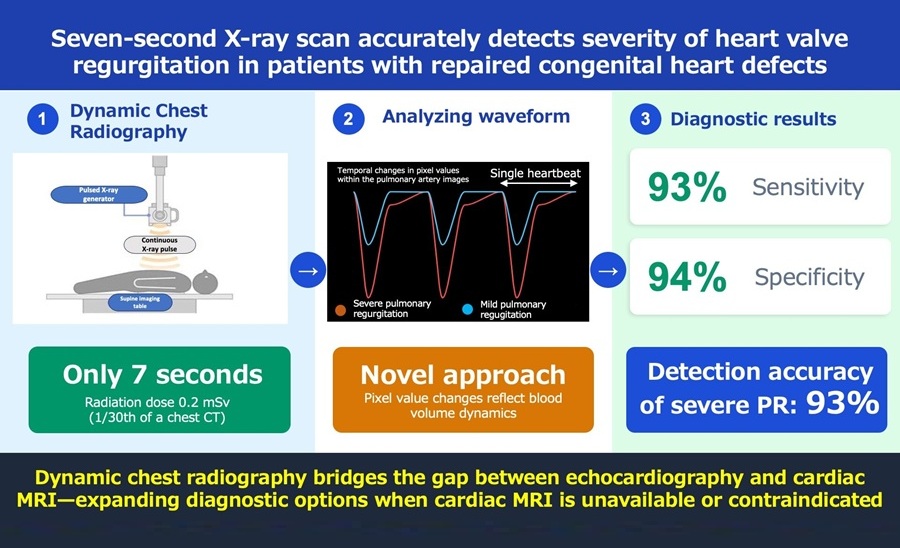
Rapid X-Ray Test Quantifies Pulmonary Regurgitation After Tetralogy of Fallot Repair
Tetralogy of Fallot is the most common cyanotic congenital heart defect and can leave patients with pulmonary valve regurgitation, a backward flow of blood into the right ventricle after repair.... Read more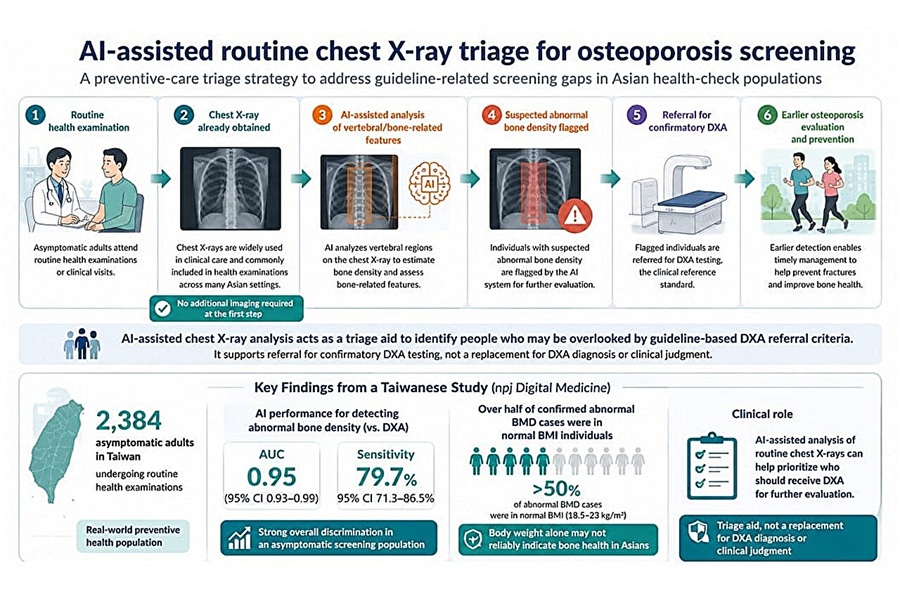
AI Tool Flags Osteoporosis Risk from Routine Chest X-Rays
Osteoporosis is a progressive loss of bone density that is often silent until a fracture occurs. Current screening frameworks concentrate on older women and select high-risk groups. Many men, younger adults,... Read more
Ultrasound
view channel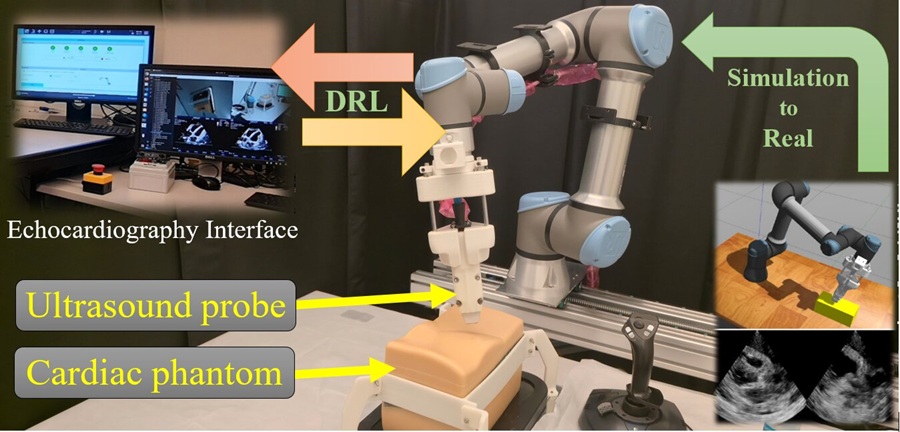
AI Robotic Ultrasound System Automates Echocardiography and Improves Consistency
Echocardiography, an ultrasound examination of the heart, is central to diagnosing and managing cardiovascular disease. Many services struggle with limited availability of skilled sonographers, variable... Read more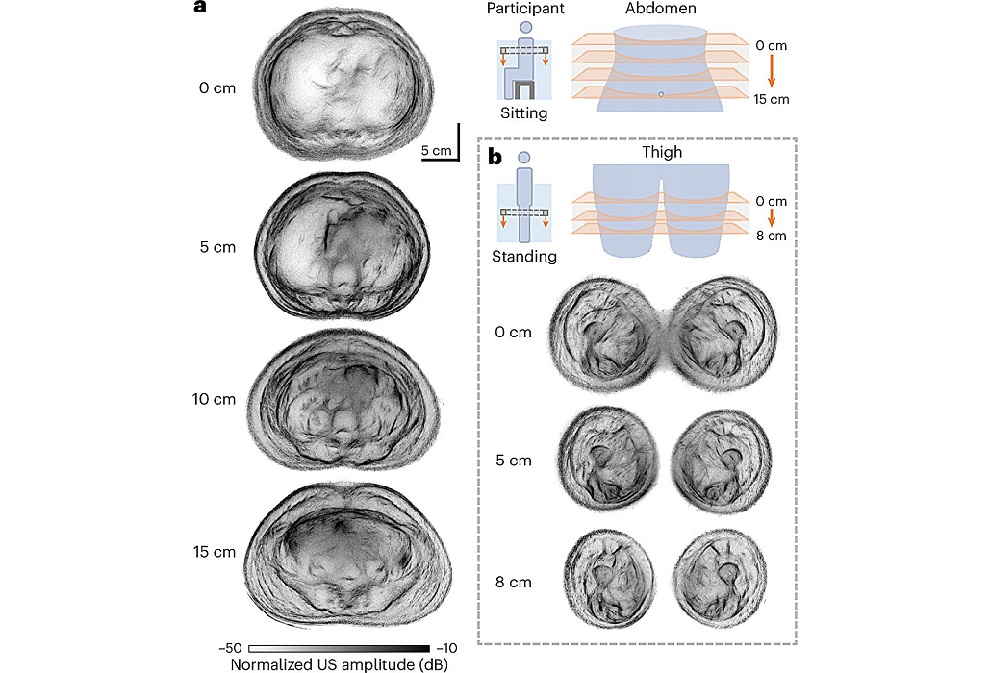
Whole Cross-Section Ultrasound System Enables Operator-Independent Imaging
Conventional ultrasound is central to bedside imaging but is limited by a narrow field of view and operator variability. Comprehensive cross-sectional assessment typically requires computed tomography... Read more
Nuclear Medicine
view channel![Image: (A-C) Representative whole-body maximum-intensity projection images and regional fused PET/CT images from three histologically confirmed osteosarcoma patients who underwent paired [68Ga]Ga-B7-H3-BCH PET/CT and 18F-FDGE PET/CT within 7 days. (D) Multimodal imaging evaluation of patient 3, including X-ray, MRI (T2-weighted imaging, T2WI), CT, and B7-H3 PET/CT. (Photo courtesy of SNMMI)](https://globetechcdn.com/mobile_medicalimaging/images/stories/articles/article_images/2026-06-07/294811110_image_1.jpg "Image: (A-C) Representative whole-body maximum-intensity projection images and regional fused PET/CT images from three histologically confirmed osteosarcoma patients who underwent paired [68Ga]Ga-B7-H3-BCH PET/CT and 18F-FDGE PET/CT within 7 days. (D) Multimodal imaging evaluation of patient 3, including X-ray, MRI (T2-weighted imaging, T2WI), CT, and B7-H3 PET/CT. (Photo courtesy of SNMMI)")
Targeted PET Platform Guides Osteosarcoma Resection and Margin Verification
Osteosarcoma, an aggressive primary bone cancer that mainly affects children and adolescents, demands wide excision to prevent local recurrence. Surgeons must achieve negative margins while preserving... Read more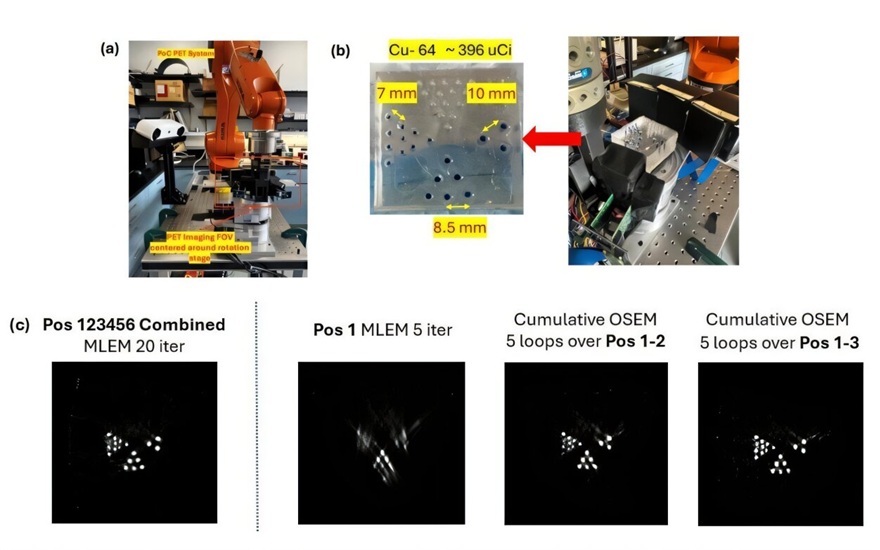
Portable PET System Enables Real-Time Bedside Guidance for Biopsies and Ablations
Interventional radiology procedures typically rely on ultrasound, X-ray fluoroscopy, or computed tomography for image guidance. These modalities visualize anatomy but offer limited molecular information,... Read more
General/Advanced Imaging
view channel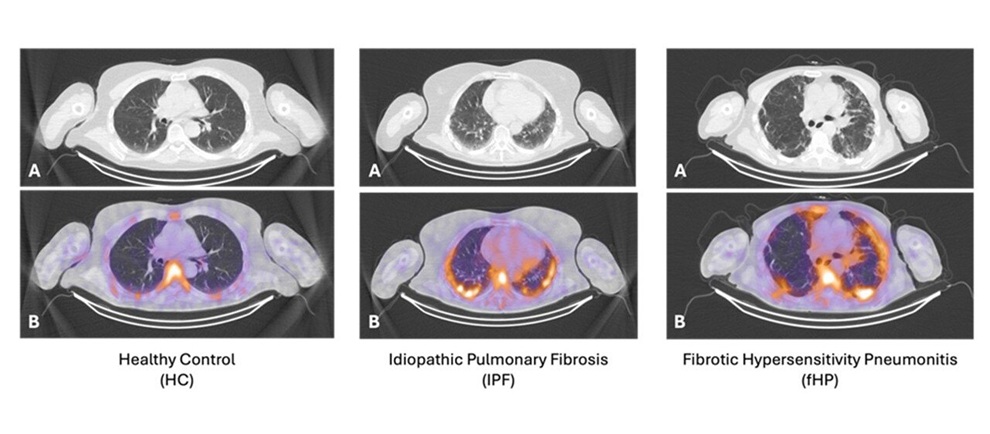
New SPECT/CT Method Differentiates Inflammation from Fibrosis in Interstitial Lung Disease
Interstitial lung disease (ILD) encompasses more than 200 disorders that inflame or scar the lung interstitium and can lead to progressive respiratory failure. Determining whether active inflammation is... Read more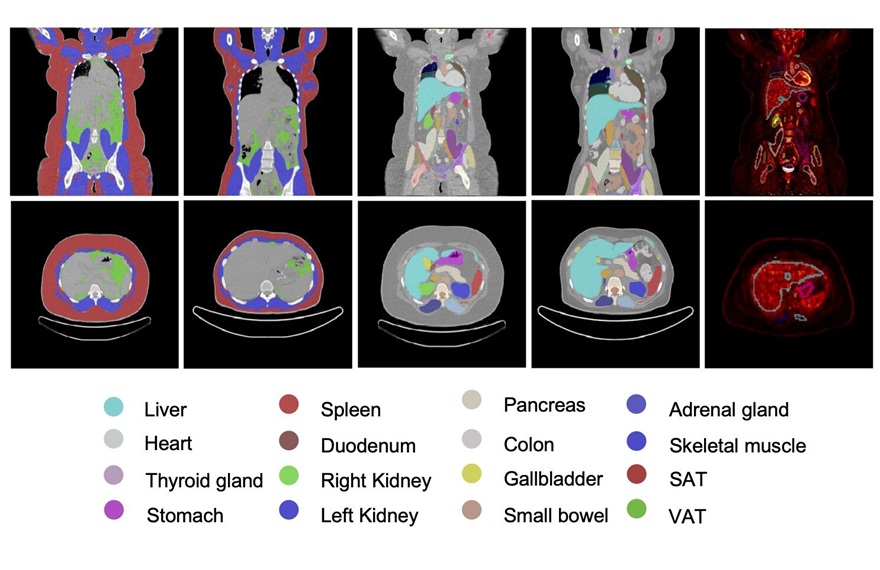
Whole-Body PET/CT Tracks Metabolic Changes After Bariatric Surgery
Obesity surgery improves weight and comorbidity profiles, yet clinicians lack tools to monitor organ-level metabolic recovery after the procedure. A clear view of systemic changes could refine follow-up... Read more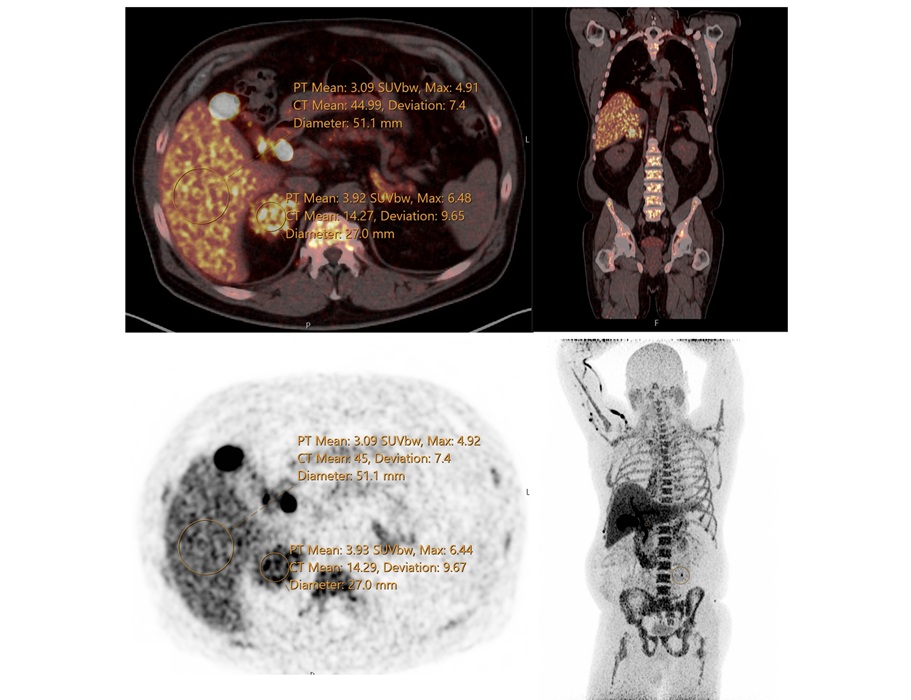
Imaging IT
view channel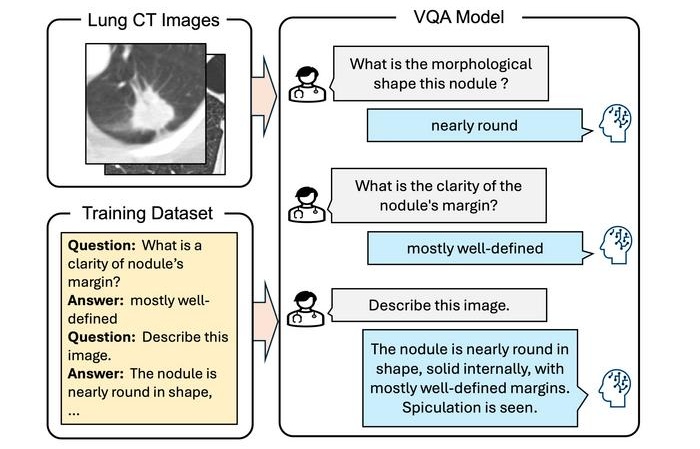
Interactive AI Tool Supports Explainable Lung Nodule Assessment
Lung cancer is a leading cause of cancer mortality, and timely characterization of pulmonary nodules on chest computed tomography (CT) is essential for directing care. Interpreting nodule morphology demands... Read more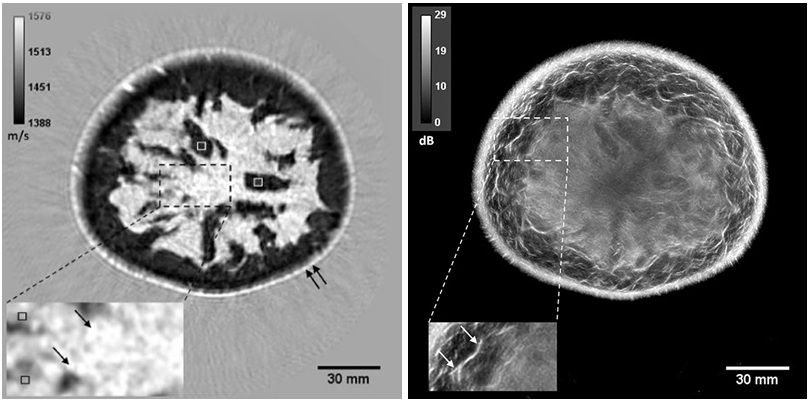
Breast Imaging Software Enhances Visualization and Tissue Characterization in Challenging Cases
Breast imaging can be particularly challenging in cases involving small breasts or implants, where image reconstruction and tissue characterization may be limited. Clinicians also need reproducible analysis... Read more
New Google Cloud Medical Imaging Suite Makes Imaging Healthcare Data More Accessible
Medical imaging is a critical tool used to diagnose patients, and there are billions of medical images scanned globally each year. Imaging data accounts for about 90% of all healthcare data1 and, until... Read more
Global AI in Medical Diagnostics Market to Be Driven by Demand for Image Recognition in Radiology
The global artificial intelligence (AI) in medical diagnostics market is expanding with early disease detection being one of its key applications and image recognition becoming a compelling consumer proposition... Read moreIndustry News
view channel
GE HealthCare Showcases AI-Enabled Nuclear Medicine Portfolio at SNMMI 2026
Nuclear medicine is expanding rapidly as health systems adopt theranostics and broaden access to radiopharmaceuticals, increasing demand for scalable operations and consistent diagnostic confidence.... Read more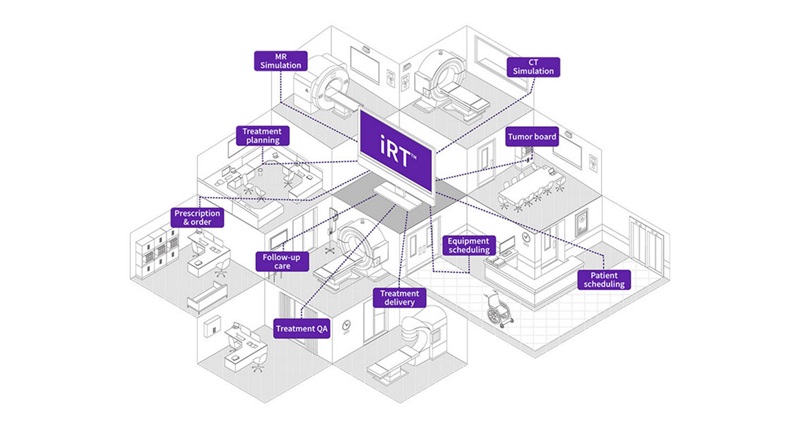
GE HealthCare Highlights AI-Supported Radiation Therapy Tools at ESTRO 2026
At the European Society for Radiotherapy and Oncology (ESTRO) 2026 Congress in Stockholm, GE HealthCare is highlighting Intelligent Radiation Therapy (iRT), MIM Software innovations, and BK Medical surgical... Read more