


Dual-Purpose Imaging Agents for PET and MRI Scanners Could Diagnose Neurodegenerative Diseases Earlier
|
By MedImaging International staff writers Posted on 07 Feb 2024 |


|

Alzheimer's disease, a neurodegenerative condition, impairs brain function and cognitive abilities. It is classified along with Parkinson's disease, amyotrophic lateral sclerosis, and other disorders as an amyloid disease. Amyloids, comprising small groups of abnormally fibrous or misfolded proteins, typically serve no functional purpose in the body. A hallmark of Alzheimer’s is the formation of amyloid plaques, which are accumulations of beta-amyloid peptide aggregates. These peptides, short chains of amino acids, are precursors to proteins. Neuroinflammation and oxidative stress in the brain are also significant indicators of Alzheimer's. The diagnosis and treatment of such neurodegenerative diseases are challenging due to the blood-brain barrier, a semipermeable system of blood vessels and capillaries that controls the flow of ions, molecules, and cells between the blood and the brain. For imaging and therapeutic agents, composed of molecules or antibodies, to be effective, they must be able to pass through this barrier.
Currently, diagnosing Alzheimer’s disease with high accuracy is possible only post-mortem by identifying amyloid aggregates. This necessitates the development of diagnostic tools capable of detecting soluble beta-amyloid peptide aggregates and larger amyloid plaques in living patients. PET and MRI are two non-invasive imaging techniques frequently used clinically. Yet, there are no MRI contrast agents targeting amyloid aggregates, and existing FDA-approved PET imaging agents either fail to detect small-scale amyloid abnormalities or sometimes result in false-positive test results for Alzheimer’s. Thus, it is vital to create diagnostic tools targeting smaller beta-amyloid peptides and other signs of neuroinflammation and oxidative stress.
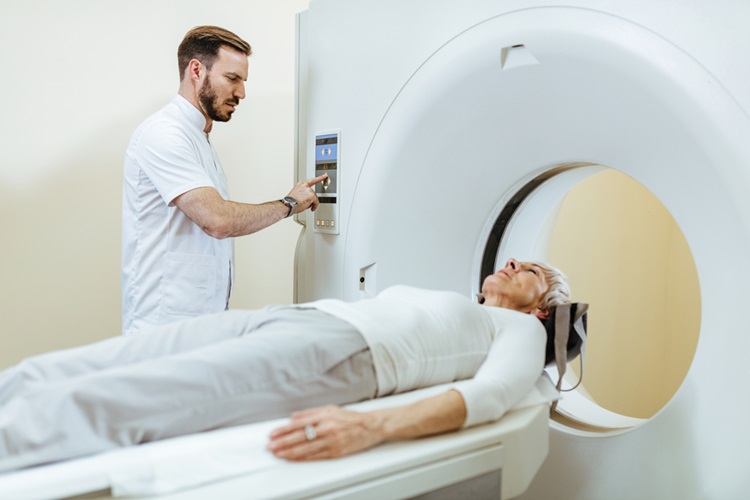
Now, a research team from Beckman Institute (Urbana, IL, USA) comprising a synthetic chemist, medical imaging expert, and neurologist are developing enhanced diagnostic tools and imaging agents for early-stage Alzheimer’s detection and other neurodegenerative diseases. Supported by a USD 3 million grant from the U.S. National Institute on Aging of the National Institutes of Health, the team aims to create and test multi-modal imaging agents for Alzheimer’s and related dementias over five years. These agents, designed to penetrate the blood-brain barrier and be compatible with both PET and MRI scanners, will facilitate earlier detection of neurodegenerative diseases and significantly aid in advancing therapeutic approaches.
Developing multi-modal tools for use in both PET and MRI will provide deeper insights into Alzheimer's risk, diagnosis, and progression. The researchers have already synthesized specialized molecules that can cross the blood-brain barrier and detect both small soluble beta-amyloid peptides and larger insoluble amyloids. They have also developed a copper-based PET imaging agent, which successfully visualized amyloid plaques in transgenic Alzheimer’s mice. Going forward, the team anticipates that these agents can be adapted for human use, enabling earlier detection of multiple markers of Alzheimer’s and other neurodegenerative diseases.
Related Links:
Beckman Institute



 Guided Devices.jpg)


Latest General/Advanced Imaging News
- 3D Scanning Approach Enables Ultra-Precise Brain Surgery
- AI Tool Improves Medical Imaging Process by 90%
- New Ultrasmall, Light-Sensitive Nanoparticles Could Serve as Contrast Agents
- AI Algorithm Accurately Predicts Pancreatic Cancer Metastasis Using Routine CT Images
- Cutting-Edge Angio-CT Solution Offers New Therapeutic Possibilities
- Extending CT Imaging Detects Hidden Blood Clots in Stroke Patients
- Groundbreaking AI Model Accurately Segments Liver Tumors from CT Scans
- New CT-Based Indicator Helps Predict Life-Threatening Postpartum Bleeding Cases
- CT Colonography Beats Stool DNA Testing for Colon Cancer Screening
- First-Of-Its-Kind Wearable Device Offers Revolutionary Alternative to CT Scans
- AI-Based CT Scan Analysis Predicts Early-Stage Kidney Damage Due to Cancer Treatments
- CT-Based Deep Learning-Driven Tool to Enhance Liver Cancer Diagnosis
- AI-Powered Imaging System Improves Lung Cancer Diagnosis
- AI Model Significantly Enhances Low-Dose CT Capabilities
- Ultra-Low Dose CT Aids Pneumonia Diagnosis in Immunocompromised Patients
- AI Reduces CT Lung Cancer Screening Workload by Almost 80%
Channels
Radiography
view channel
X-Ray Breakthrough Captures Three Image-Contrast Types in Single Shot
Detecting early-stage cancer or subtle changes deep inside tissues has long challenged conventional X-ray systems, which rely only on how structures absorb radiation. This limitation keeps many microstructural... Read more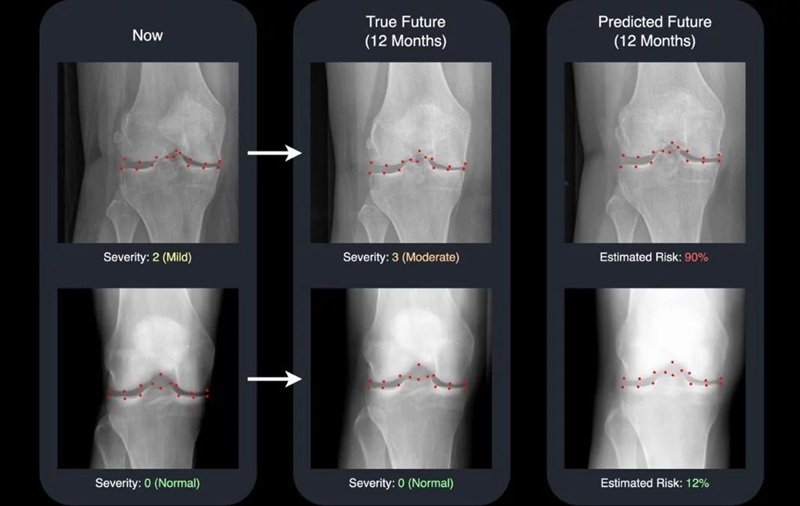
AI Generates Future Knee X-Rays to Predict Osteoarthritis Progression Risk
Osteoarthritis, a degenerative joint disease affecting over 500 million people worldwide, is the leading cause of disability among older adults. Current diagnostic tools allow doctors to assess damage... Read more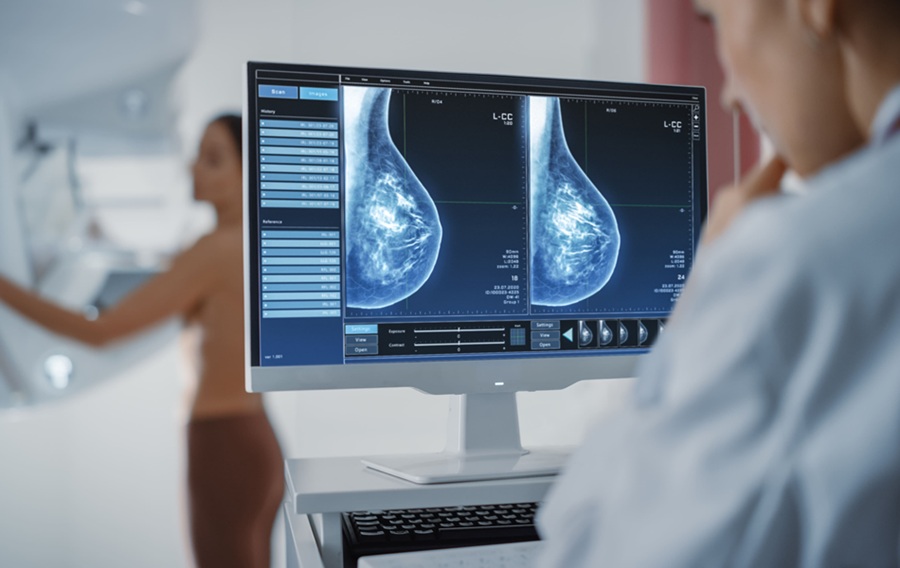
Ultrasound
view channel
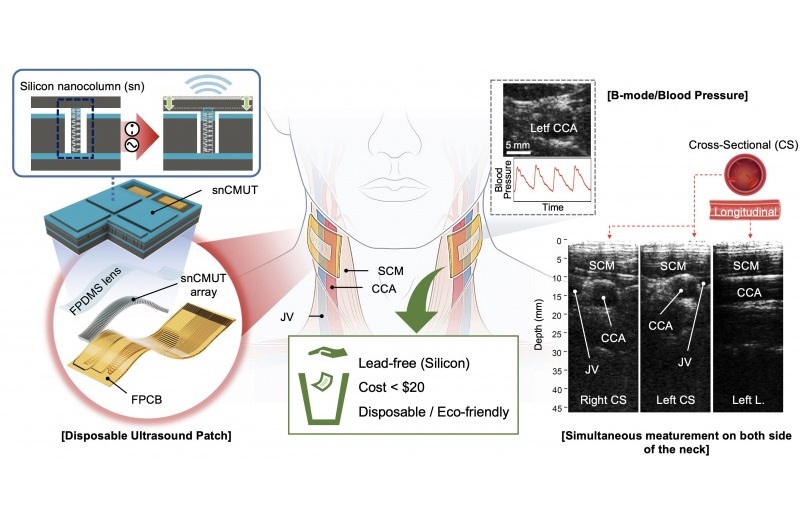
Wearable Ultrasound Imaging System to Enable Real-Time Disease Monitoring
Chronic conditions such as hypertension and heart failure require close monitoring, yet today’s ultrasound imaging is largely confined to hospitals and short, episodic scans. This reactive model limits... Read more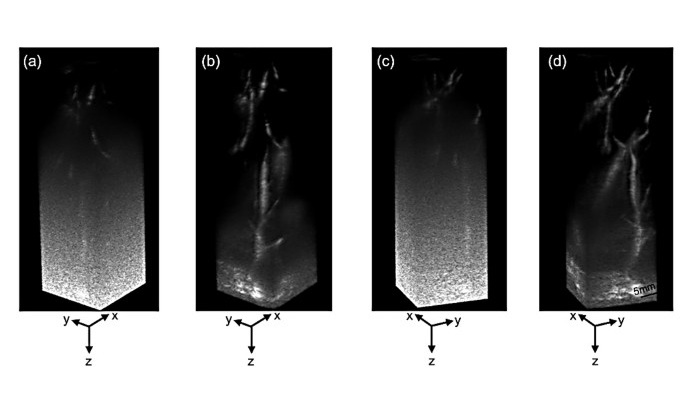
Ultrasound Technique Visualizes Deep Blood Vessels in 3D Without Contrast Agents
Producing clear 3D images of deep blood vessels has long been difficult without relying on contrast agents, CT scans, or MRI. Standard ultrasound typically provides only 2D cross-sections, limiting clinicians’... Read more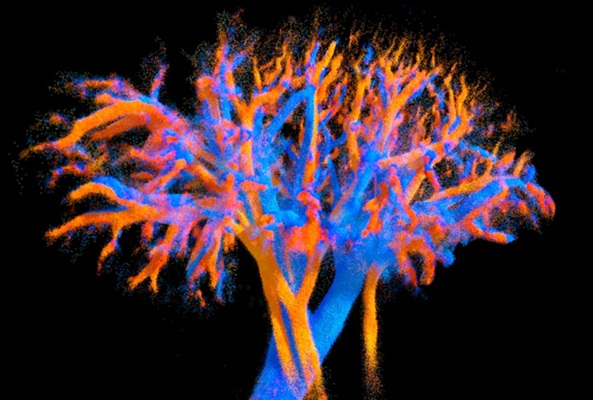
Nuclear Medicine
view channel
PET Imaging of Inflammation Predicts Recovery and Guides Therapy After Heart Attack
Acute myocardial infarction can trigger lasting heart damage, yet clinicians still lack reliable tools to identify which patients will regain function and which may develop heart failure.... Read more
Radiotheranostic Approach Detects, Kills and Reprograms Aggressive Cancers
Aggressive cancers such as osteosarcoma and glioblastoma often resist standard therapies, thrive in hostile tumor environments, and recur despite surgery, radiation, or chemotherapy. These tumors also... Read more
New Imaging Solution Improves Survival for Patients with Recurring Prostate Cancer
Detecting recurrent prostate cancer remains one of the most difficult challenges in oncology, as standard imaging methods such as bone scans and CT scans often fail to accurately locate small or early-stage tumors.... Read more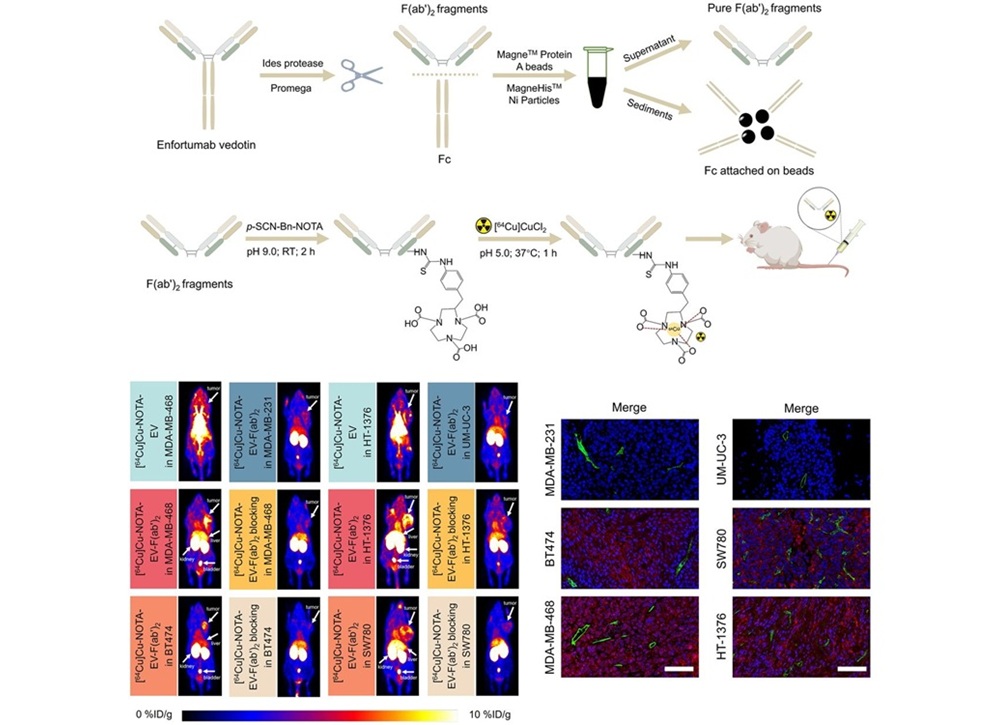
General/Advanced Imaging
view channel
3D Scanning Approach Enables Ultra-Precise Brain Surgery
Precise navigation is critical in neurosurgery, yet even small alignment errors can affect outcomes when operating deep within the brain. A new 3D surface-scanning approach now provides a radiation-free... Read more
AI Tool Improves Medical Imaging Process by 90%
Accurately labeling different regions within medical scans, a process known as medical image segmentation, is critical for diagnosis, surgery planning, and research. Traditionally, this has been a manual... Read more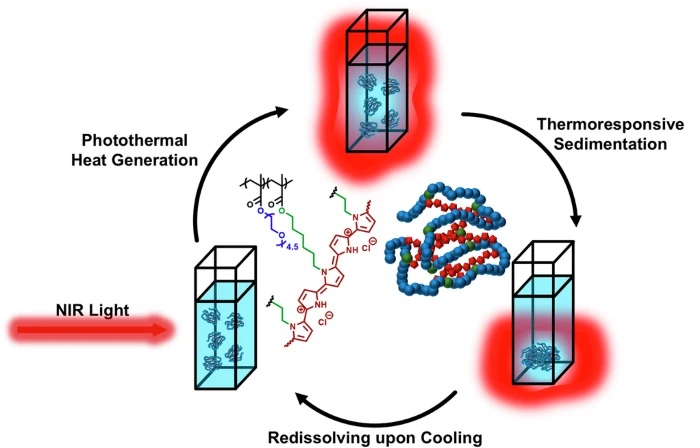
New Ultrasmall, Light-Sensitive Nanoparticles Could Serve as Contrast Agents
Medical imaging technologies face ongoing challenges in capturing accurate, detailed views of internal processes, especially in conditions like cancer, where tracking disease development and treatment... Read more
AI Algorithm Accurately Predicts Pancreatic Cancer Metastasis Using Routine CT Images
In pancreatic cancer, detecting whether the disease has spread to other organs is critical for determining whether surgery is appropriate. If metastasis is present, surgery is not recommended, yet current... Read moreImaging IT
view channel
New Google Cloud Medical Imaging Suite Makes Imaging Healthcare Data More Accessible
Medical imaging is a critical tool used to diagnose patients, and there are billions of medical images scanned globally each year. Imaging data accounts for about 90% of all healthcare data1 and, until... Read more
Global AI in Medical Diagnostics Market to Be Driven by Demand for Image Recognition in Radiology
The global artificial intelligence (AI) in medical diagnostics market is expanding with early disease detection being one of its key applications and image recognition becoming a compelling consumer proposition... Read more
Industry News
view channel
GE HealthCare and NVIDIA Collaboration to Reimagine Diagnostic Imaging
GE HealthCare (Chicago, IL, USA) has entered into a collaboration with NVIDIA (Santa Clara, CA, USA), expanding the existing relationship between the two companies to focus on pioneering innovation in... Read more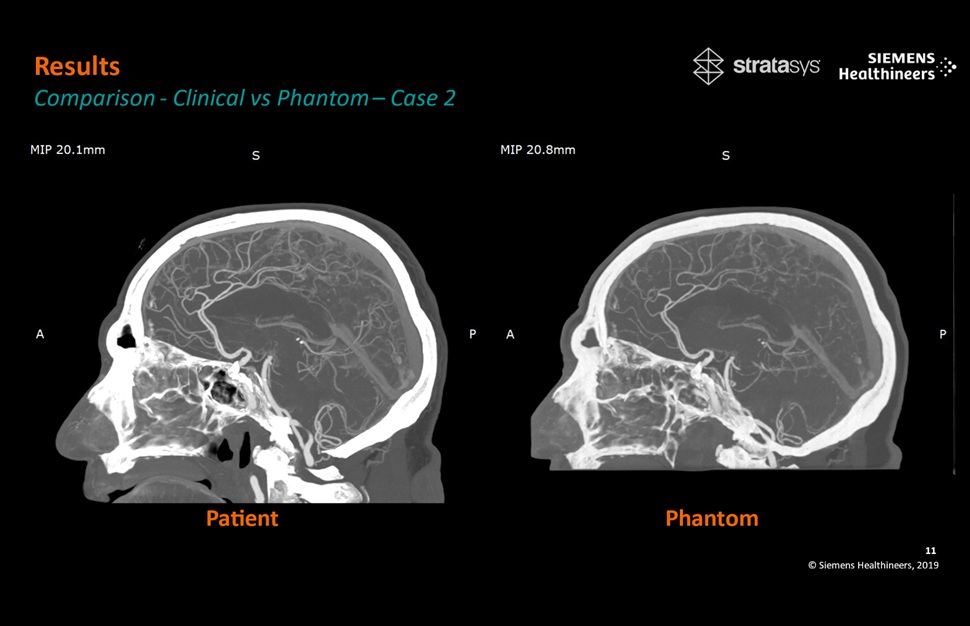
Patient-Specific 3D-Printed Phantoms Transform CT Imaging
New research has highlighted how anatomically precise, patient-specific 3D-printed phantoms are proving to be scalable, cost-effective, and efficient tools in the development of new CT scan algorithms... Read more
Siemens and Sectra Collaborate on Enhancing Radiology Workflows
Siemens Healthineers (Forchheim, Germany) and Sectra (Linköping, Sweden) have entered into a collaboration aimed at enhancing radiologists' diagnostic capabilities and, in turn, improving patient care... Read more