


GE HealthCare Acquires AI Imaging Analysis Company MIM Software
|
By MedImaging International staff writers Posted on 15 Jan 2024 |


|
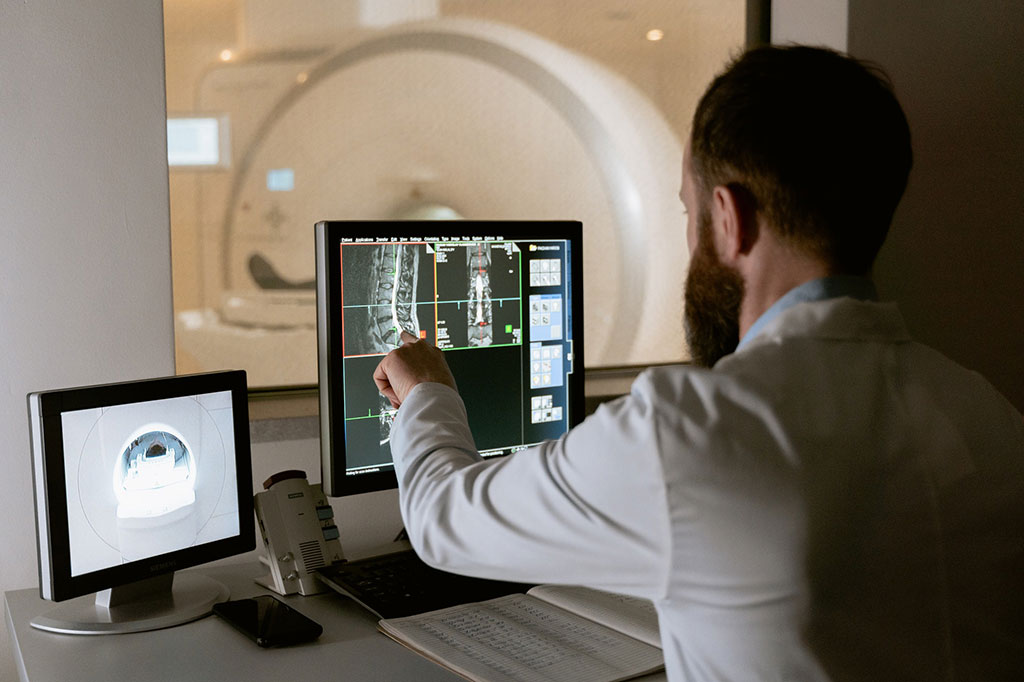
GE HealthCare (Chicago, IL, USA) has entered into an agreement to acquire MIM Software (Cleveland, OH, USA), a global provider of medical imaging analysis and artificial intelligence (AI) solutions for the practice of radiation oncology, molecular radiotherapy, diagnostic imaging, and urology at imaging centers, hospitals, specialty clinics, and research organizations worldwide. GE HealthCare aims to leverage MIM Software’s imaging analytics and digital workflow capabilities across various care areas to speed up innovation and differentiate its solutions for benefitting patients and healthcare systems across the world.
MIM Software has a portfolio of innovative imaging solutions that provide various beneficial features, such as the integration of diagnostic images from multiple modalities into treatment plans, automation to reduce repetitive tasks and manual interventions, quantitation and advanced processing in diagnostic imaging and nuclear medicine to determine therapy response and a platform to assist with Theranostics imaging and dosimetry. GE HealthCare plans to integrate MIM Software solutions into its advanced visualization offerings to aid AI-based segmentation and contouring as well as dosimetry analysis for patients during their treatment journeys and in the expanding areas of radiology, molecular imaging, and radiation oncology.
With novel therapies becoming more widely available, providers are depending on advanced imaging, workflow, and digital solutions to gain critical information and help develop faster, more effective treatment plans. With the acquisition of MIM Software, GE HealthCare aims to strengthen its focus and offerings to support the broad practice of precision care across various disease states and imaging practices, including Theranostics in oncology for the treatment of advanced prostate cancer, streamlined workflow solutions in radiation oncology to simplify complex cancer treatment plans, beta-amyloid imaging in neurology for the diagnosis and monitoring of Alzheimer’s patients, and myocardial perfusion to diagnose coronary artery disease (CAD).
“We are committed to providing comprehensive, connected devices and digital solutions that enable providers to improve patient care across multiple specialties,” said Peter Arduini, President & CEO of GE HealthCare. “We expect our efforts to bring these two complementary organizations and innovative product portfolios together to strengthen our capabilities as a leading provider of integrated imaging systems, analytics, and advanced digital workflows across several care areas and pathways – including Theranostics, radiation oncology, urology, neurology and cardiology. Now and in the future, we are working to transform patient care.”
“Our anticipated acquisition of MIM Software will mark a key moment in the evolution of our technology. By integrating MIM Software’s cutting-edge imaging analytics and AI-driven solutions with GE HealthCare’s advanced medical technology, we are not just expanding our capabilities, but joining together to embrace the possibilities of precision care. This intended merger is a fusion of innovative visions, aimed at evolving the way we detect, treat, and manage disease,” added Taha Kass-Hout, MD, MS, Chief Technology Officer of GE HealthCare. "GE HealthCare is committed to developing smart, AI-powered devices that cater to specific disease states, thereby enabling clinicians to deliver more personalized care. We expect the integration of MIM Software will also advance our efforts in connecting data across care pathways. It is a leap towards a future where healthcare is more precise, connected, and efficient, with the goal of benefitting providers and patients worldwide.”
“We are excited by the prospect of joining GE HealthCare and thrilled to share this exciting news,” said Andrew Nelson, CEO of MIM Software. “Over the past two decades, we have worked to develop innovative vendor agnostic products and deliver quality services to earn the trust of our customers – this will not change. As a part of GE HealthCare, we anticipate developing new and increasingly integrated digital solutions to meet our customers’ most complex and pressing needs, today and into the future. Together, we will build upon our shared legacies of enhancing patient care.”







Latest Industry News News
- Nuclear Medicine Set for Continued Growth Driven by Demand for Precision Diagnostics
- GE HealthCare and NVIDIA Collaboration to Reimagine Diagnostic Imaging
- Patient-Specific 3D-Printed Phantoms Transform CT Imaging
- Siemens and Sectra Collaborate on Enhancing Radiology Workflows
- Bracco Diagnostics and ColoWatch Partner to Expand Availability CRC Screening Tests Using Virtual Colonoscopy
- Mindray Partners with TeleRay to Streamline Ultrasound Delivery
- Philips and Medtronic Partner on Stroke Care
- Siemens and Medtronic Enter into Global Partnership for Advancing Spine Care Imaging Technologies
- RSNA 2024 Technical Exhibits to Showcase Latest Advances in Radiology
- Bracco Collaborates with Arrayus on Microbubble-Assisted Focused Ultrasound Therapy for Pancreatic Cancer
- Innovative Collaboration to Enhance Ischemic Stroke Detection and Elevate Standards in Diagnostic Imaging
- RSNA 2024 Registration Opens
- Microsoft collaborates with Leading Academic Medical Systems to Advance AI in Medical Imaging
- GE HealthCare Acquires Intelligent Ultrasound Group’s Clinical Artificial Intelligence Business
- Bayer and Rad AI Collaborate on Expanding Use of Cutting Edge AI Radiology Operational Solutions
- Polish Med-Tech Company BrainScan to Expand Extensively into Foreign Markets
Channels
Radiography
view channel
AI Boosts Breast Cancer Detection and Cuts Screening Workload
Breast cancer screening programs face rising demand and persistent workforce shortages, straining double-reading workflows and delaying care. Early detection is critical to reduce mortality and minimize... Read more
AI Tool Predicts Breast Cancer Risk Years Ahead Using Routine Mammograms
Breast cancer screening saves lives but still relies largely on uniform schedules despite wide differences in individual risk. This one-size-fits-all approach can miss cancers in higher-risk women while... Read more

MRI
view channel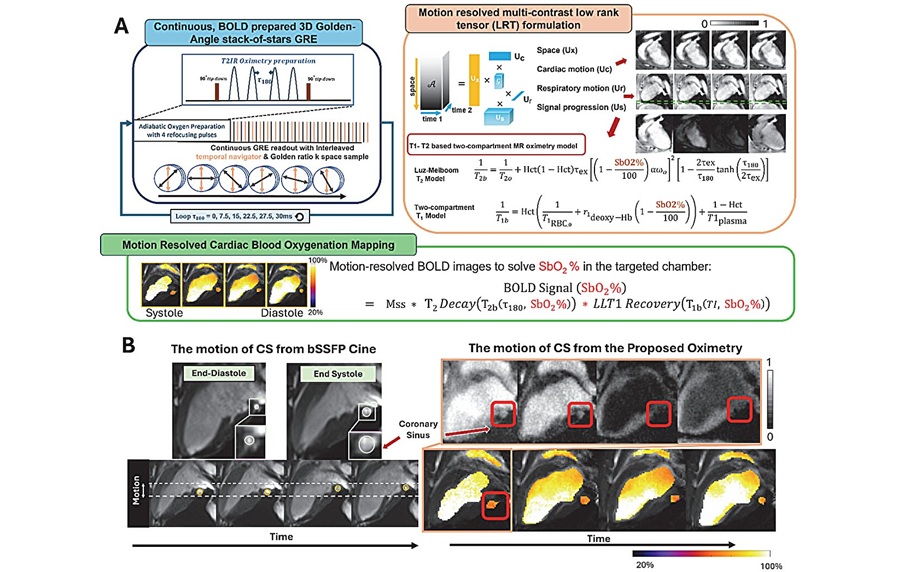
Advanced MRI System Detects Impaired Cardiac Oxygen Use in Minutes
Early identification of cardiac dysfunction remains challenging because current methods to evaluate myocardial oxygen use are invasive or impractical for routine care. Delays in detecting impaired oxygen... Read more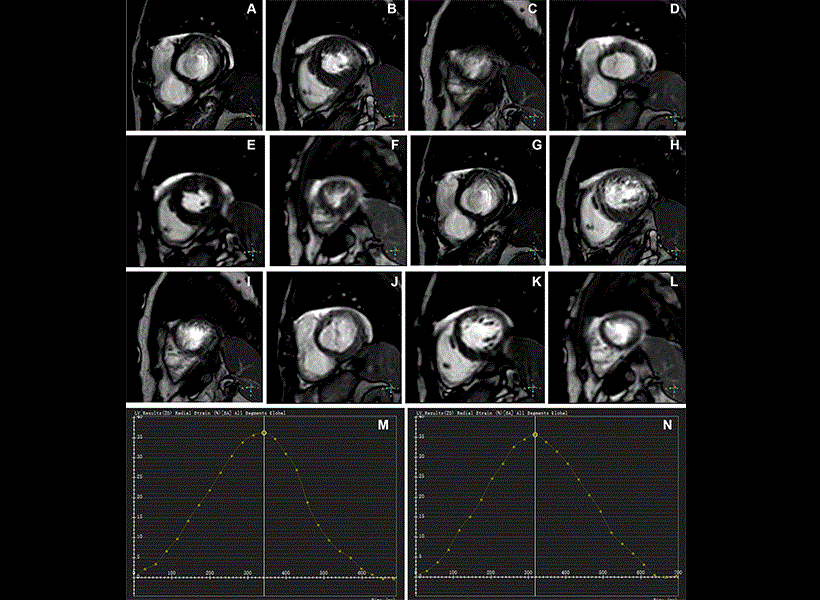
AI-Enhanced MRI Improves Image Quality in Arrhythmia Patients
Arrhythmia, an irregular heartbeat, can degrade cardiac magnetic resonance imaging by inducing motion and mistriggering. Accurate, repeatable assessment of left ventricular function is essential for treatment... Read more
Ultrasound
view channel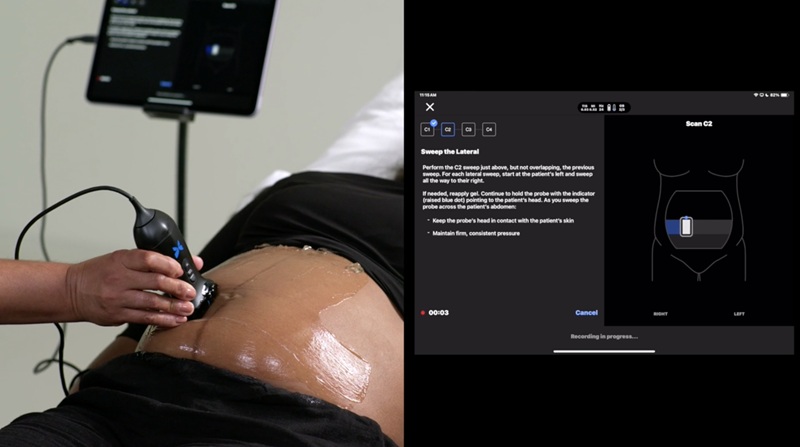
New Ultrasound AI Tool Supports Rapid Prenatal Assessment
Accurate gestational age estimation guides prenatal screening, detection of complications, and timely intervention. Access to ultrasound and trained sonographers is uneven, with nearly half of U.... Read more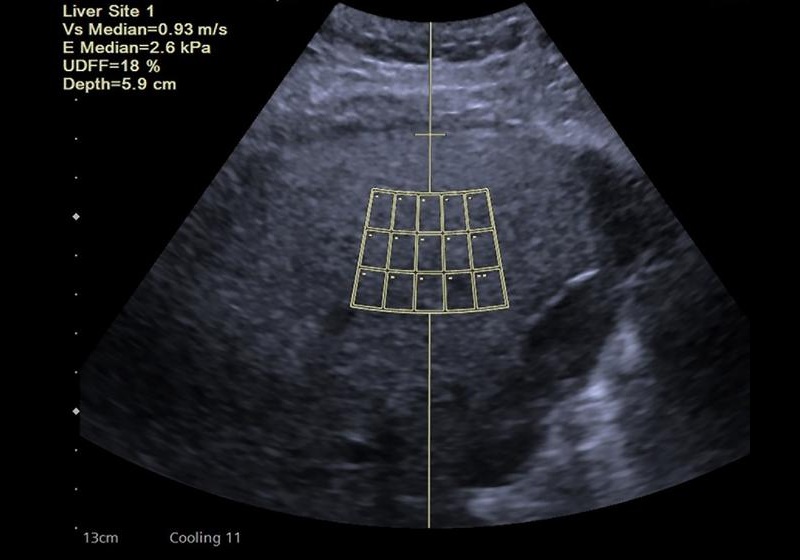
New Consensus Standardizes Ultrasound-Based Fatty Liver Assessment
Metabolic dysfunction-associated steatotic liver disease (MASLD) is rising along with obesity and diabetes, making accurate, scalable measurement of hepatic fat a clinical priority. Biopsy is invasive... Read more

Nuclear Medicine
view channel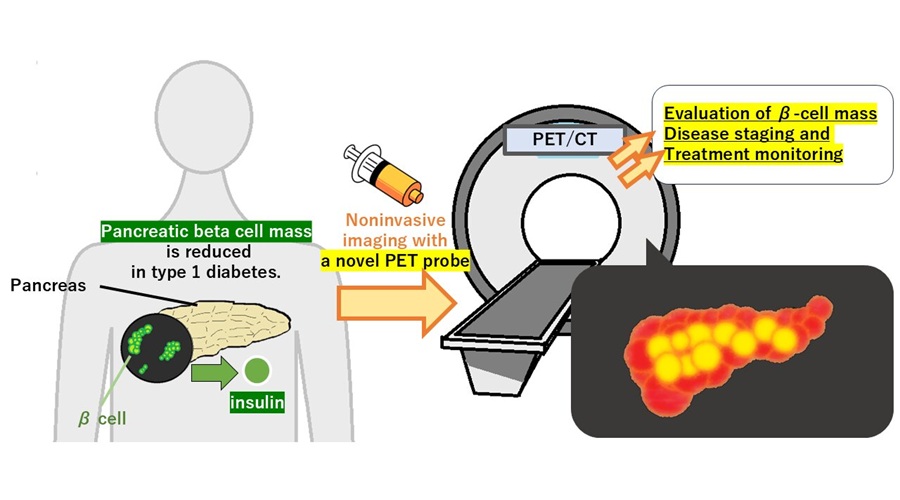
PET Tracer Enables Noninvasive Measurement of Beta Cell Mass
Type 1 diabetes is an autoimmune disease in which the immune system destroys insulin-producing pancreatic beta cells. Loss of these cells destabilizes glucose control and drives complications.... Read more
New Imaging Tool Sheds Light on Tumor Fat Metabolism
Rapidly growing tumors reprogram metabolism to meet high energy demands. While many cancers preferentially consume glucose, lipid utilization by malignant cells is difficult to measure in living subjects.... Read more
Radiopharmaceutical Molecule Marker to Improve Choice of Bladder Cancer Therapies
Targeted cancer therapies only work when tumor cells express the specific molecular structures they are designed to attack. In urothelial carcinoma, a common form of bladder cancer, the cell surface protein... Read more
General/Advanced Imaging
view channel
AI Tool Predicts Side Effects from Lung Cancer Treatment
Radiation therapy is a central treatment for lung cancer, but even carefully targeted radiation can affect surrounding healthy tissue. Patients may develop side effects such as lung inflammation, coughing,... Read more
AI Tool Offers Prognosis for Patients with Head and Neck Cancer
Oropharyngeal cancer is a form of head and neck cancer that can spread through lymph nodes, significantly affecting survival and treatment decisions. Current therapies often involve combinations of surgery,... Read more
Imaging IT
view channel
New Google Cloud Medical Imaging Suite Makes Imaging Healthcare Data More Accessible
Medical imaging is a critical tool used to diagnose patients, and there are billions of medical images scanned globally each year. Imaging data accounts for about 90% of all healthcare data1 and, until... Read more