


Mobile CT Scanner with Photon Counting Detector Expands Diagnostic Possibilities at Patient’s Bedside
|
By MedImaging International staff writers Posted on 11 Mar 2022 |


|
The world of medical imaging is no longer just black and white. Photon counting is a next-generation computed tomography (CT) technology that sorts the different energies of X-rays after they have passed through the scan field. A single X-ray source paired with Photon Counting Detector (PCD) generates multiple sets of CT data acquired at the same time with configurable energy thresholds without any cross talk between images. PCD provides the ability to capture CT data in multiple energy bands leading to potentially more accurate visualization and segmentation of bone, blood clots, plaque, hemorrhage, and intracranial tumors. There is also potential with PCD to lower the dose requirements, and fundamentally change the use of injected contrast.
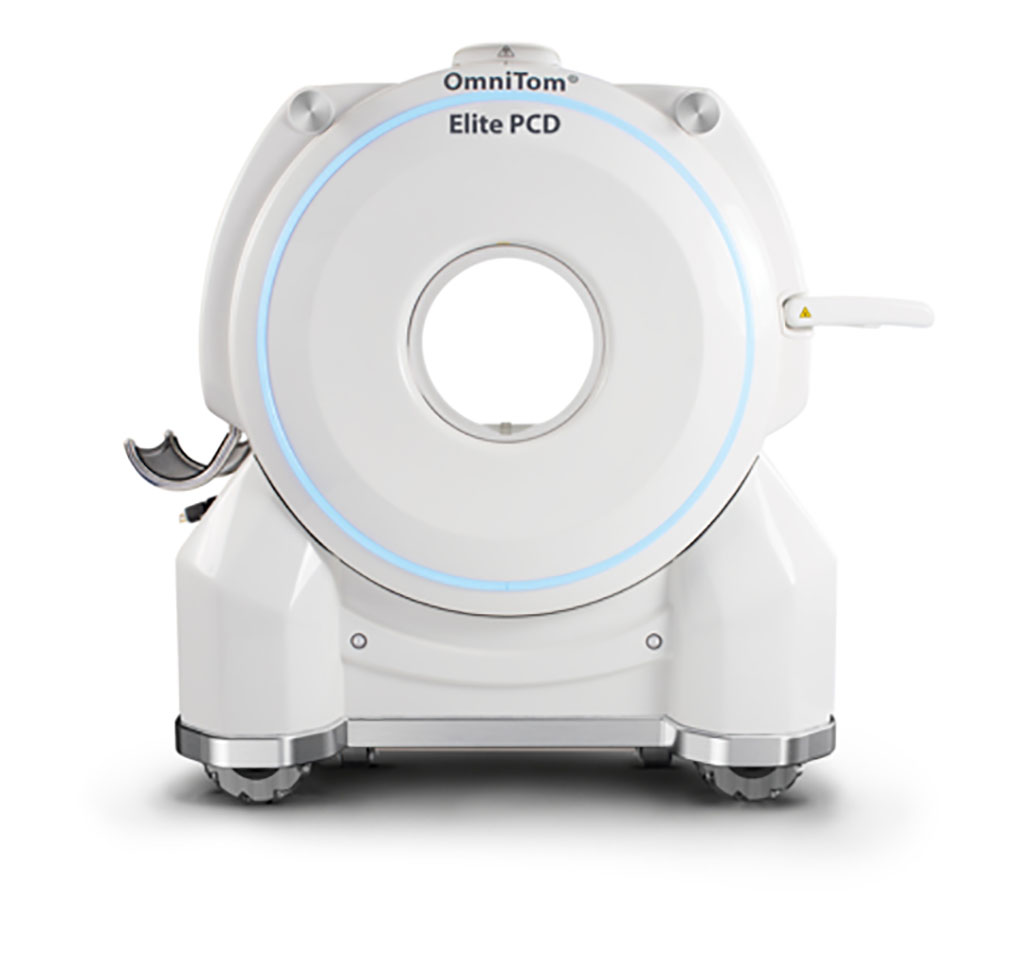
NeuroLogica Corp. (Danvers, MA, USA), the U.S. healthcare subsidiary of Samsung (Suwon-si, South Korea), has received 510(k) clearance for the addition of PCD technology to its state-of-the-art OmniTom Elite. With this, NeuroLogica delivers the first FDA 510(k) cleared, single-source photon counting CT scanner with single detector on a mobile system. OmniTom Elite with PCD can generate spectral CT images at multiple energy levels.
The OmniTom Elite has the ability to provide versatile, real-time mobile imaging to administer point-of-care CT to critical patients without the need to transport them to a separate imaging department. The mobile unit will decrease the time it takes to diagnose and initiate treatment for these critical patients. In the near term, all current OmniTom users will have the opportunity to upgrade their scanners with PCD technology.
“NeuroLogica is driven by innovation. Since the advent of the world’s first multi-slice mobile CT in 2004, we have always known that point-of-care imaging can improve patient outcomes and increase the likelihood of a better quality of life after a traumatic event,” said David Webster, Chief Operating Officer of NeuroLogica. “With the introduction of PCD technology to the OmniTom Elite platform, we look to expand the diagnostic possibilities of CT at the patient’s bedside.”
Related Links:
NeuroLogica Corp.
Samsung





Latest General/Advanced Imaging News
- AI Tool Predicts Side Effects from Lung Cancer Treatment
- AI Tool Offers Prognosis for Patients with Head and Neck Cancer
- New 3D Imaging System Addresses MRI, CT and Ultrasound Limitations
- AI-Based Tool Predicts Future Cardiovascular Events in Angina Patients
- AI-Based Tool Accelerates Detection of Kidney Cancer
- New Algorithm Dramatically Speeds Up Stroke Detection Scans
- 3D Scanning Approach Enables Ultra-Precise Brain Surgery
- AI Tool Improves Medical Imaging Process by 90%
- New Ultrasmall, Light-Sensitive Nanoparticles Could Serve as Contrast Agents
- AI Algorithm Accurately Predicts Pancreatic Cancer Metastasis Using Routine CT Images
- Cutting-Edge Angio-CT Solution Offers New Therapeutic Possibilities
- Extending CT Imaging Detects Hidden Blood Clots in Stroke Patients
- Groundbreaking AI Model Accurately Segments Liver Tumors from CT Scans
- New CT-Based Indicator Helps Predict Life-Threatening Postpartum Bleeding Cases
- CT Colonography Beats Stool DNA Testing for Colon Cancer Screening
- First-Of-Its-Kind Wearable Device Offers Revolutionary Alternative to CT Scans
Channels
Radiography
view channel
AI Tool Predicts Breast Cancer Risk Years Ahead Using Routine Mammograms
Breast cancer screening saves lives but still relies largely on uniform schedules despite wide differences in individual risk. This one-size-fits-all approach can miss cancers in higher-risk women while... Read more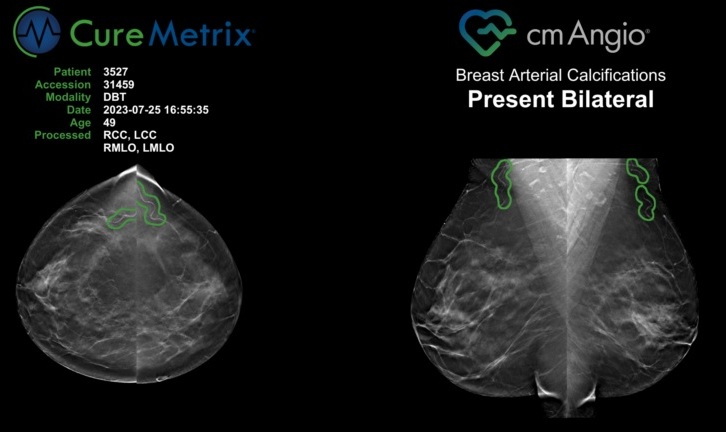
Routine Mammograms Could Predict Future Cardiovascular Disease in Women
Mammograms are widely used to screen for breast cancer, but they may also contain overlooked clues about cardiovascular health. Calcium deposits in the arteries of the breast signal stiffening blood vessels,... Read more

MRI
view channel
Study Finds Advanced Imaging Significantly Reduces Unnecessary Prostate Biopsies
Many men with suspected prostate cancer face an invasive biopsy when magnetic resonance imaging (MRI) is inconclusive. Biopsies can be uncomfortable, carry risks, and may contribute to overdiagnosis and... Read more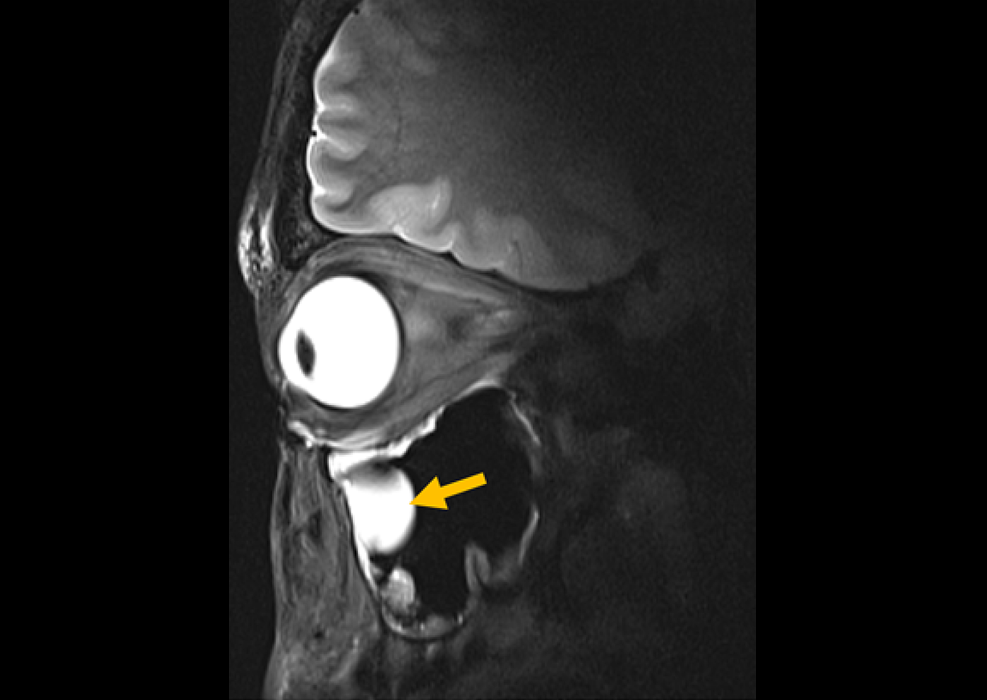
New Material Boosts MRI Image Quality
Magnetic resonance imaging (MRI) is a cornerstone of modern diagnostics, yet certain deep or anatomically complex tissues, including delicate structures of the eye and orbit, remain difficult to visualize clearly.... Read more
Ultrasound
view channel
Groundbreaking Technology to Enhance Precision in Emergency and Critical Care
Rapid and accurate imaging is essential for diagnosing life-threatening conditions such as myocardial infarction, heart failure, and pulmonary embolism. However, conventional ultrasound imaging of the... Read more
Reusable Gel Pad Made from Tamarind Seed Could Transform Ultrasound Examinations
Ultrasound imaging depends on a conductive gel to eliminate air between the probe and the skin so sound waves can pass clearly into the body. While the imaging technology is fast, safe, and noninvasive,... Read more
Nuclear Medicine
view channel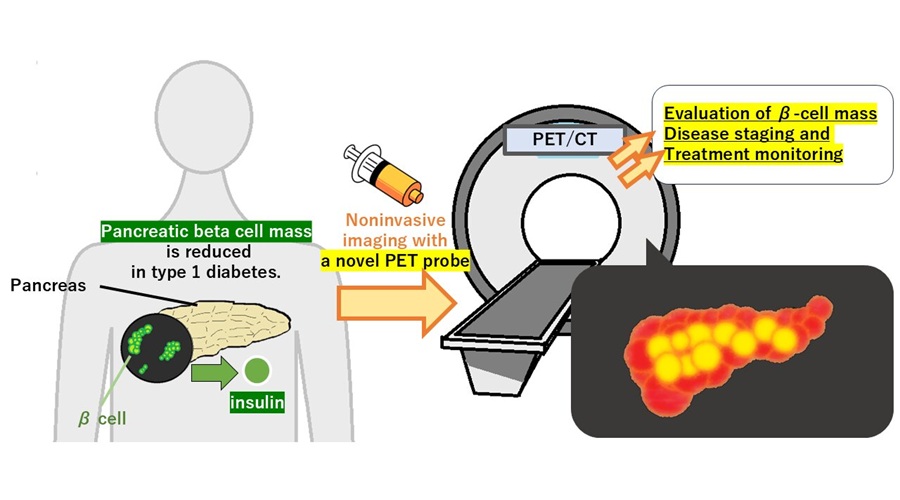
PET Tracer Enables Noninvasive Measurement of Beta Cell Mass
Type 1 diabetes is an autoimmune disease in which the immune system destroys insulin-producing pancreatic beta cells. Loss of these cells destabilizes glucose control and drives complications.... Read more
New Imaging Tool Sheds Light on Tumor Fat Metabolism
Rapidly growing tumors reprogram metabolism to meet high energy demands. While many cancers preferentially consume glucose, lipid utilization by malignant cells is difficult to measure in living subjects.... Read more
Radiopharmaceutical Molecule Marker to Improve Choice of Bladder Cancer Therapies
Targeted cancer therapies only work when tumor cells express the specific molecular structures they are designed to attack. In urothelial carcinoma, a common form of bladder cancer, the cell surface protein... Read more
Imaging IT
view channel
New Google Cloud Medical Imaging Suite Makes Imaging Healthcare Data More Accessible
Medical imaging is a critical tool used to diagnose patients, and there are billions of medical images scanned globally each year. Imaging data accounts for about 90% of all healthcare data1 and, until... Read more
Global AI in Medical Diagnostics Market to Be Driven by Demand for Image Recognition in Radiology
The global artificial intelligence (AI) in medical diagnostics market is expanding with early disease detection being one of its key applications and image recognition becoming a compelling consumer proposition... Read more
Industry News
view channel
Nuclear Medicine Set for Continued Growth Driven by Demand for Precision Diagnostics
Clinical imaging services face rising demand for precise molecular diagnostics and targeted radiopharmaceutical therapy as cancer and chronic disease rates climb. A new market analysis projects rapid expansion... Read more