


Radiographic AI Helps Assess Endotracheal Tube Placement
|
By MedImaging International staff writers Posted on 02 Dec 2021 |


|
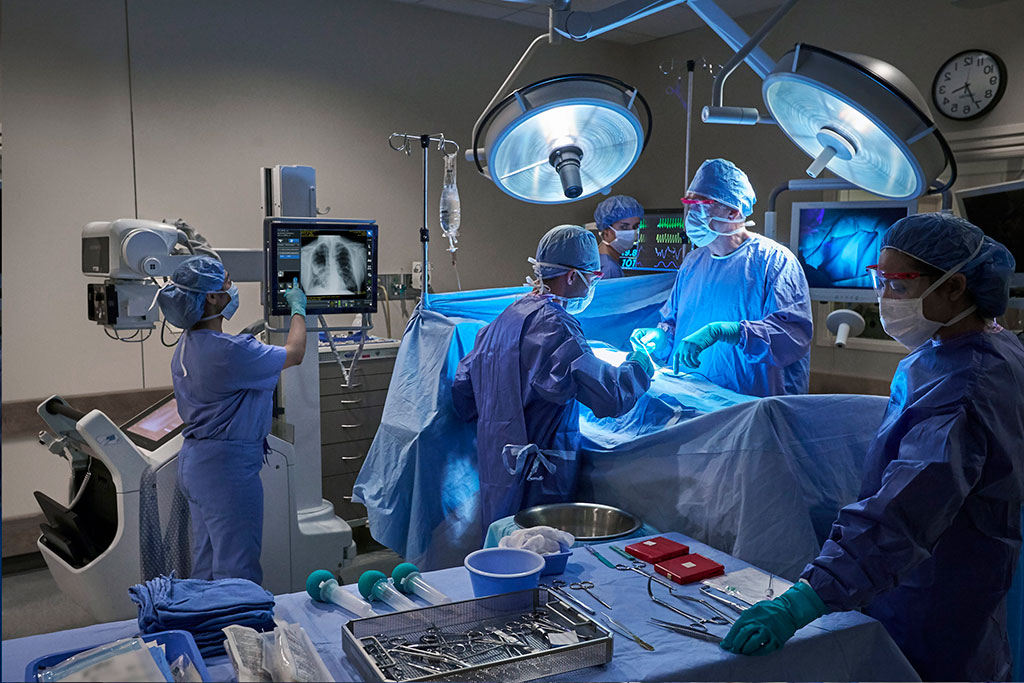
Image: An AI radiographic tool helps assess endotracheal tube placement (Photo courtesy of GE Healthcare)
A novel artificial intelligence (AI) algorithm helps clinicians assess endotracheal tube (ETT) placement on a chest x-ray (CXR), including in critical COVID-19 patients.
The ETT algorithm is part the GE Healthcare (Chicago, IL, USA) Critical Care Suite 2.0, a collection of five AI algorithms embedded onto mobile x-ray devices to provide a host of automated measurements, case prioritization, and quality control. The AI algorithm automatically detects ETTs in CXR images and generates accurate measurements--along with an image overlay--with an average error of less than one mm, when calculating the ETT tip-to-carina vertical distance.
The measurements are displayed on the monitor of the x-ray system, and are also accessible in the picture archiving and communication system (PACS) within seconds of image acquisition. With the aid of these measurements, clinicians can determine if the ETT is placed correctly, or if additional attention is required for proper placement. Several quality-focused AI algorithms automatically run checks on-device, enabling technologist actions, such as rejections or reprocessing at the patient’s bedside, and before the images are sent to PACS.
“At GE Healthcare, we saw the potential role of Critical Care Suite 2.0 in helping hospitals manage the crisis caused by the number of patients who needed ETT placements during the pandemic,” said Jan Makela, president and CEO of Imaging at GE Healthcare. “The pandemic has proven what we already knew – that data, AI, and connectivity are central to helping front line clinicians deliver intelligently efficient care.”
“Seconds and minutes matter when dealing with a collapsed lung or assessing ETT positioning in a critically ill patient,” said Amit Gupta, MD, modality director of diagnostic radiography at University Hospital Cleveland Medical Center (OH, USA). “In several COVID-19 patient cases, the pneumothorax AI algorithm has proved prophetic, accurately identifying pneumothoraces/barotrauma in intubated COVID-19 patients, flagging them to radiologist and radiology residents, and enabling expedited patient treatment.”
Studies have shown that up to 25% of patients intubated outside of the operating room (OR) have misplaced ETTs, which can lead to severe complications such as hyperinflation, pneumothorax, cardiac arrest, and death. Moreover, up to 45% of ICU patients, including 5-15% of COVID-19 patients, require intensive care surveillance and intubation for ventilatory support.
Related Links:
GE Healthcare



 Guided Devices.jpg)



The ETT algorithm is part the GE Healthcare (Chicago, IL, USA) Critical Care Suite 2.0, a collection of five AI algorithms embedded onto mobile x-ray devices to provide a host of automated measurements, case prioritization, and quality control. The AI algorithm automatically detects ETTs in CXR images and generates accurate measurements--along with an image overlay--with an average error of less than one mm, when calculating the ETT tip-to-carina vertical distance.
The measurements are displayed on the monitor of the x-ray system, and are also accessible in the picture archiving and communication system (PACS) within seconds of image acquisition. With the aid of these measurements, clinicians can determine if the ETT is placed correctly, or if additional attention is required for proper placement. Several quality-focused AI algorithms automatically run checks on-device, enabling technologist actions, such as rejections or reprocessing at the patient’s bedside, and before the images are sent to PACS.
“At GE Healthcare, we saw the potential role of Critical Care Suite 2.0 in helping hospitals manage the crisis caused by the number of patients who needed ETT placements during the pandemic,” said Jan Makela, president and CEO of Imaging at GE Healthcare. “The pandemic has proven what we already knew – that data, AI, and connectivity are central to helping front line clinicians deliver intelligently efficient care.”
“Seconds and minutes matter when dealing with a collapsed lung or assessing ETT positioning in a critically ill patient,” said Amit Gupta, MD, modality director of diagnostic radiography at University Hospital Cleveland Medical Center (OH, USA). “In several COVID-19 patient cases, the pneumothorax AI algorithm has proved prophetic, accurately identifying pneumothoraces/barotrauma in intubated COVID-19 patients, flagging them to radiologist and radiology residents, and enabling expedited patient treatment.”
Studies have shown that up to 25% of patients intubated outside of the operating room (OR) have misplaced ETTs, which can lead to severe complications such as hyperinflation, pneumothorax, cardiac arrest, and death. Moreover, up to 45% of ICU patients, including 5-15% of COVID-19 patients, require intensive care surveillance and intubation for ventilatory support.
Related Links:
GE Healthcare

Half Apron
Demi
Mammo DR Retrofit Solution
DR Retrofit Mammography
Ultrasound-Guided Biopsy & Visualization Tools
Endoscopic Ultrasound (EUS) Guided Devices
Digital X-Ray Detector Panel
Acuity G4
Latest Radiography News
- AI Detection Tool Improves Identification of Lobular Breast Cancer
- New Contrast Agent Enables Low-Dose X-Ray Joint Imaging
- AI Boosts Breast Cancer Detection and Cuts Screening Workload
- AI Tool Predicts Breast Cancer Risk Years Ahead Using Routine Mammograms
- Routine Mammograms Could Predict Future Cardiovascular Disease in Women
- AI Detects Early Signs of Aging from Chest X-Rays
- X-Ray Breakthrough Captures Three Image-Contrast Types in Single Shot
- AI Generates Future Knee X-Rays to Predict Osteoarthritis Progression Risk
- AI Algorithm Uses Mammograms to Accurately Predict Cardiovascular Risk in Women
- AI Hybrid Strategy Improves Mammogram Interpretation
- AI Technology Predicts Personalized Five-Year Risk of Developing Breast Cancer
- RSNA AI Challenge Models Can Independently Interpret Mammograms
- New Technique Combines X-Ray Imaging and Radar for Safer Cancer Diagnosis
- New AI Tool Helps Doctors Read Chest X‑Rays Better
- Wearable X-Ray Imaging Detecting Fabric to Provide On-The-Go Diagnostic Scanning
- AI Helps Radiologists Spot More Lesions in Mammograms
Channels
MRI
view channel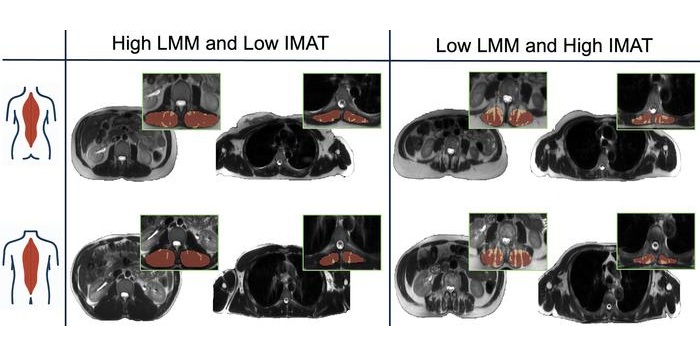
AI MRI Tool Quantifies Muscle Fat to Assess Cardiometabolic Risk
Intermuscular adipose tissue is fat that accumulates between muscle fibers and around muscle groups. It can be difficult to quantify in routine practice, yet it is linked to cardiometabolic disease that... Read more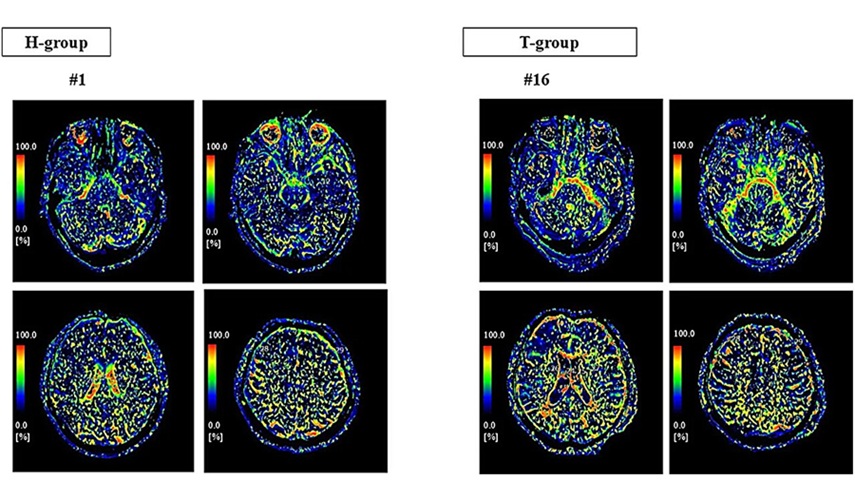
Advanced MRI Visualizes CSF Motion Changes After Mild Traumatic Brain Injury
Mild traumatic brain injury (TBI) can disrupt brain function yet often eludes objective assessment with standard imaging. Clinicians lack tools that capture subtle neurofluid changes that may follow a... Read more
Ultrasound
view channel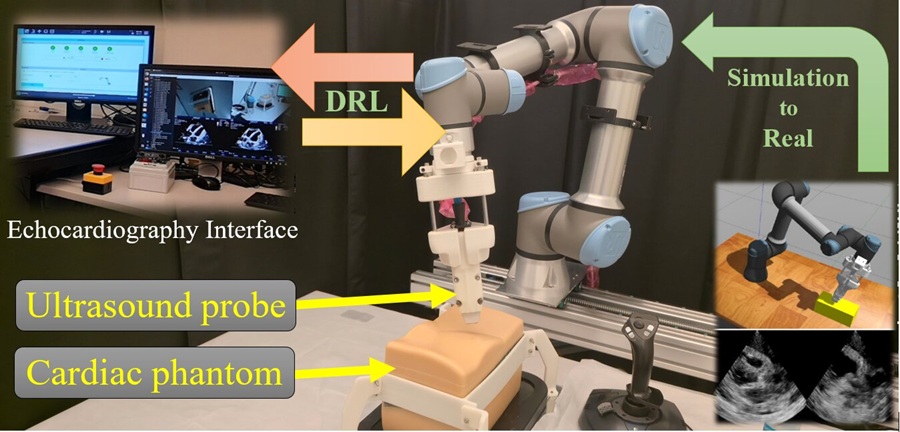
AI Robotic Ultrasound System Automates Echocardiography and Improves Consistency
Echocardiography, an ultrasound examination of the heart, is central to diagnosing and managing cardiovascular disease. Many services struggle with limited availability of skilled sonographers, variable... Read more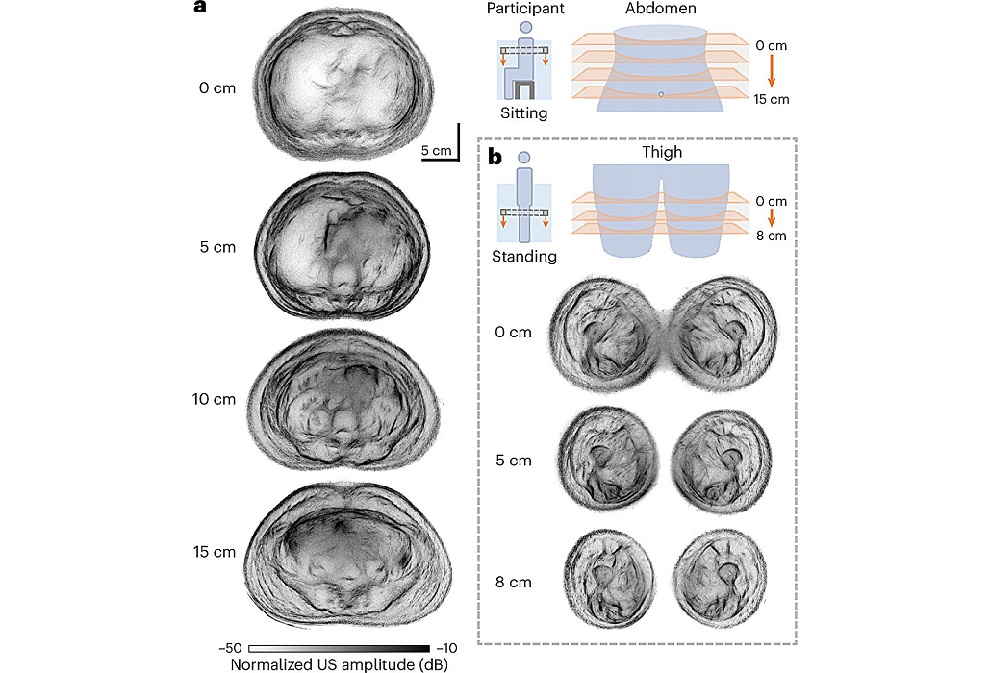
Whole Cross-Section Ultrasound System Enables Operator-Independent Imaging
Conventional ultrasound is central to bedside imaging but is limited by a narrow field of view and operator variability. Comprehensive cross-sectional assessment typically requires computed tomography... Read more
Nuclear Medicine
view channel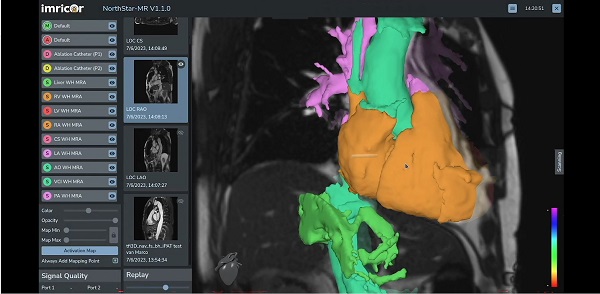
MR-Guided Cardiac Mapping System Enables Radiation-Free Procedures
Cardiac electrophysiology procedures are typically guided by X-ray fluoroscopy, which limits soft-tissue visualization and exposes patients and clinical staff to ionizing radiation. Real-time mapping that... Read more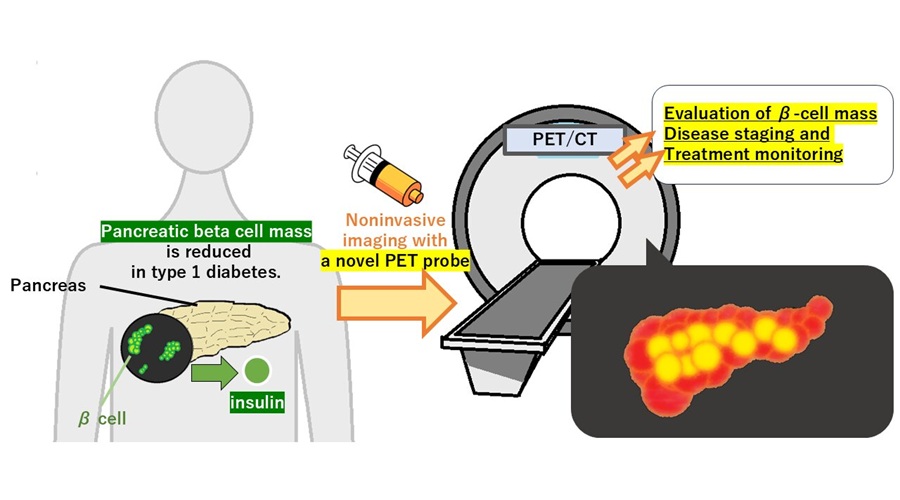
PET Tracer Enables Noninvasive Measurement of Beta Cell Mass
Type 1 diabetes is an autoimmune disease in which the immune system destroys insulin-producing pancreatic beta cells. Loss of these cells destabilizes glucose control and drives complications.... Read more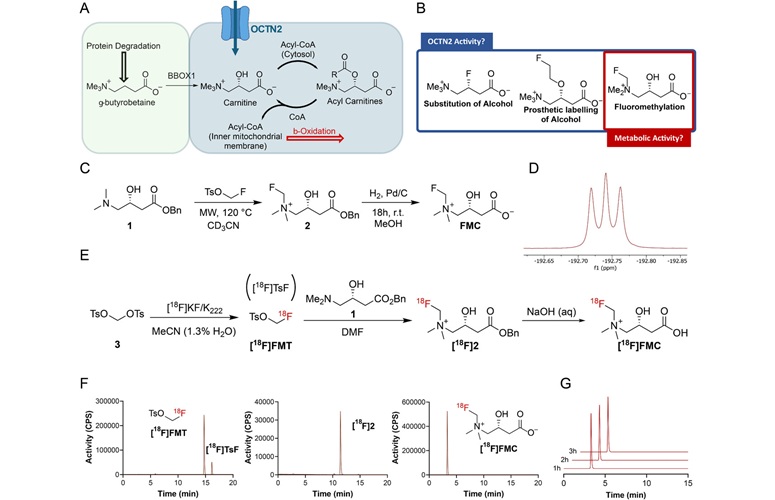
New Imaging Tool Sheds Light on Tumor Fat Metabolism
Rapidly growing tumors reprogram metabolism to meet high energy demands. While many cancers preferentially consume glucose, lipid utilization by malignant cells is difficult to measure in living subjects.... Read more
Radiopharmaceutical Molecule Marker to Improve Choice of Bladder Cancer Therapies
Targeted cancer therapies only work when tumor cells express the specific molecular structures they are designed to attack. In urothelial carcinoma, a common form of bladder cancer, the cell surface protein... Read moreGeneral/Advanced Imaging
view channel
Molecular Imaging Agent Shows Promise for Endometriosis Detection and Monitoring
Diagnosing endometriosis remains challenging, particularly for superficial peritoneal endometriosis, the most common subtype, which is often missed on conventional imaging and typically requires laparoscopic... Read more
Automated AI Tool Detects Early Pancreatic Cancer on Routine CT
Pancreatic ductal adenocarcinoma, the most common form of pancreatic cancer, is often diagnosed at a late stage and carries poor survival because early disease produces few symptoms and subtle tissue changes... Read more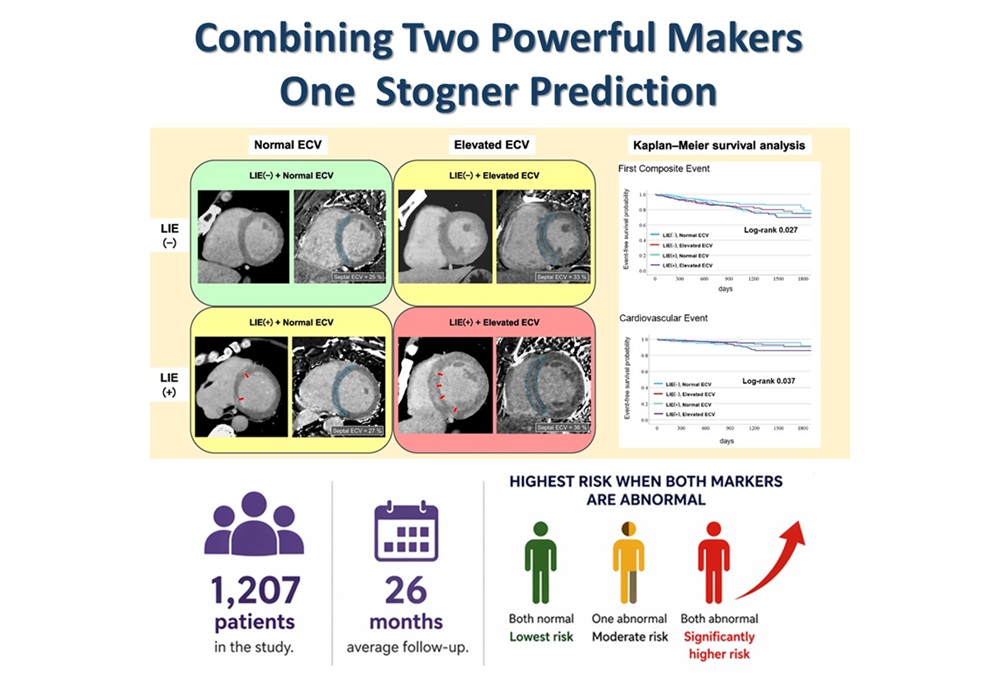
Imaging IT
view channel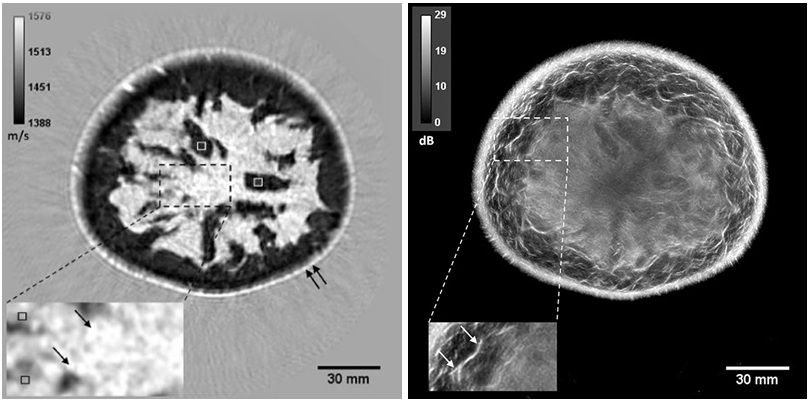
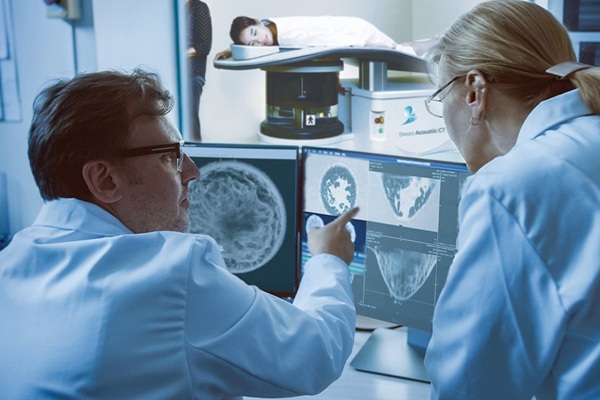
Breast Imaging Software Enhances Visualization and Tissue Characterization in Challenging Cases
Breast imaging can be particularly challenging in cases involving small breasts or implants, where image reconstruction and tissue characterization may be limited. Clinicians also need reproducible analysis... Read more
New Google Cloud Medical Imaging Suite Makes Imaging Healthcare Data More Accessible
Medical imaging is a critical tool used to diagnose patients, and there are billions of medical images scanned globally each year. Imaging data accounts for about 90% of all healthcare data1 and, until... Read more
Global AI in Medical Diagnostics Market to Be Driven by Demand for Image Recognition in Radiology
The global artificial intelligence (AI) in medical diagnostics market is expanding with early disease detection being one of its key applications and image recognition becoming a compelling consumer proposition... Read more
Industry News
view channel
Nuclear Medicine Set for Continued Growth Driven by Demand for Precision Diagnostics
Clinical imaging services face rising demand for precise molecular diagnostics and targeted radiopharmaceutical therapy as cancer and chronic disease rates climb. A new market analysis projects rapid expansion... Read more