


Fujifilm Launches New High Performance Velocity MRI System at RSNA 2021
|
By MedImaging International staff writers Posted on 01 Dec 2021 |


|
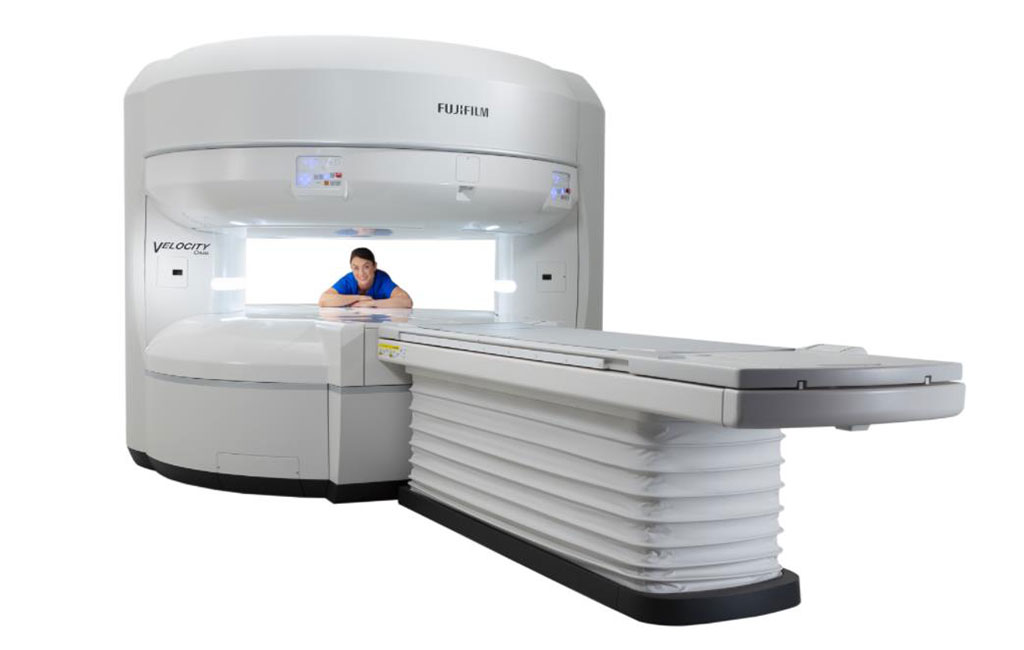
FUJIFILM Healthcare Americas Corporation (Valhalla, NY, USA) unveiled the Velocity MRI System, its advanced, high-field open MRI system during the 2021 Radiological Society of North America (RSNA) conference from November 28 - December 2, 2021 at McCormick Place in Chicago.
This was the company’s first RSNA exhibition since integrating FUJIFILM Medical Systems U.S.A., Inc. and Hitachi Healthcare Americas on October 1, 2021. For the first time at RSNA, attendees experienced Fujifilm’s latest advancements in digital radiography, computed tomography (CT), magnetic resonance imaging (MRI), and ultrasound technologies.
The Velocity MRI system is Fujifilm’s newest MRI scanner, designed to streamline workflow and enhance the patient experience with its unique open gantry, integrated radiofrequency (RF) coils and reconstruction technologies. The system’s anatomy-conformable Synergy Flex coil is the first of its kind for an open, vertical field MRI scanner, promoting fast abdominal and orthopedic imaging. The scanner’s unique, open gantry creates a spacious feeling for claustrophobic, bariatric, geriatric and pediatric patients. Additionally, the Velocity’s open-sided gantry provides easy patient access for real-time interventional procedures. The Velocity’s extra-wide patient table can accommodate patients up to 660 pounds, and offers in-gantry left and right movement with multiple coil connectors for easy patient positioning.
Fujifilm also highlighted the FDR D-EVO III G80i, its newest long length detector suited for supine, OR spine, leg exams and traditional upright long length exams. The company announced the availability of the FDR D-EVO III cesium detectors in the U.S., and released the FDR Visionary Suite with new power assist, which makes manual tube movements ultra-light and easy. Fujifilm showcased its latest advancement in CT Cardiac Motion Correction, Cardio StillShot, which can dramatically reduce artifacts resulting from rapid and irregular patient heart rates to produce clearer images.
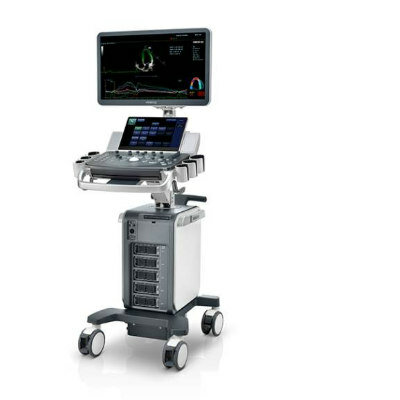
Among its advancements in fluoroscopy, Fujifilm launched the Persona CS, a compact C-arm designed for operating room procedures and the FDR CROSS, a unique two-in-one fluoroscopy and portable X-ray system. The FDR CROSS is battery powered and available with multiple detector sizes, perfect for the ER, ICU and other mobile uses. Also on display were Fujifilm’s ultrasound systems for guidance and diagnostics, including the ARIETTA 750, ARIETTA 65 and ARIETTA Precision models, showcasing the company’s latest advancements in ultrasound technologies geared for women’s health, cardiology and radiology, as well as surgery.
New to the Fujifilm booth this year among many other highlights were Synapse 7x for clients who leverage the company’s decades of PACS experience in radiology to cardiology that expand into enhanced cardiology reporting capabilities; Synapse 3D advanced visualization native to radiology and cardiology PACS workflows; Synapse VNA point-of-care workflow solutions across enterprise, and Synapse Enterprise Information System (EIS) for its clients and their patients designed to improve patient engagement capabilities for scheduling, document/information sharing, patient/provider communications and more.
Related Links:
FUJIFILM Healthcare Americas Corporation





Latest MRI News
- Advanced MRI Reveals Structural Brain Changes Linked to Better Cognitive Health
- Cardiac MRI Detects Hidden Heart Dysfunction After Heart Attack
- AI Tool Reveals Cortical Lesions on Standard MRI in Multiple Sclerosis
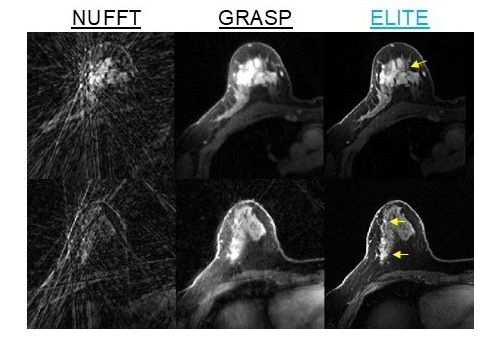
- AI Reconstruction Tool Speeds Dynamic Breast MRI and Improves Cancer Detection
- International Study Assesses AI for Prostate Cancer MRI Interpretation
- AI Approach Could Shorten Advanced Brain MRI Scans by Up to 90%
- Cardiac MRI Measure Improves Risk Prediction in Tricuspid Regurgitation
- AI System Improves Accuracy of Cardiac MRI Interpretation
- Deep Learning Model Predicts Alzheimer’s Disease Outcomes from Baseline MRI
- Blood-Brain Barrier Imaging Adds Risk Insight to Standard Stroke MRI
- AI Body Composition MRI Analysis Predicts Cardiometabolic Disease Risk
- AI MRI Tool Quantifies Muscle Fat to Assess Cardiometabolic Risk
- Advanced MRI Visualizes CSF Motion Changes After Mild Traumatic Brain Injury
- MRI Tool Enables Long-Term Tracking of Transplanted Cardiac Cells
- MRI-Based AI Tool Supports Differentiation of Parkinsonian Syndromes
- MRI-Derived Biomarker Improves Risk Stratification in Glioblastoma
Channels
Radiography
view channel
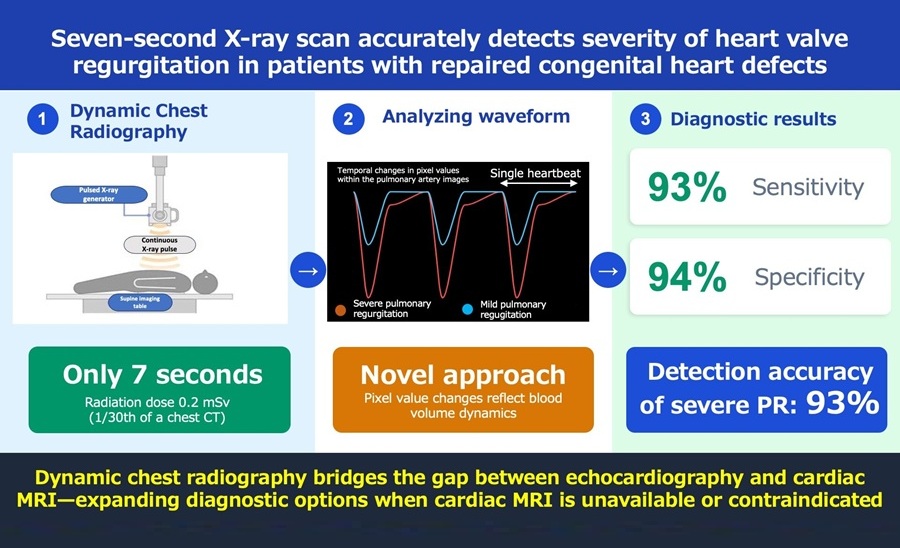
Computational X-Ray Technique Enables High-Resolution, Low-Dose Radiography
Reducing radiation in medical X-ray imaging remains a persistent challenge because dose reductions often degrade spatial resolution and diagnostic confidence. This is especially critical in pediatrics,... Read more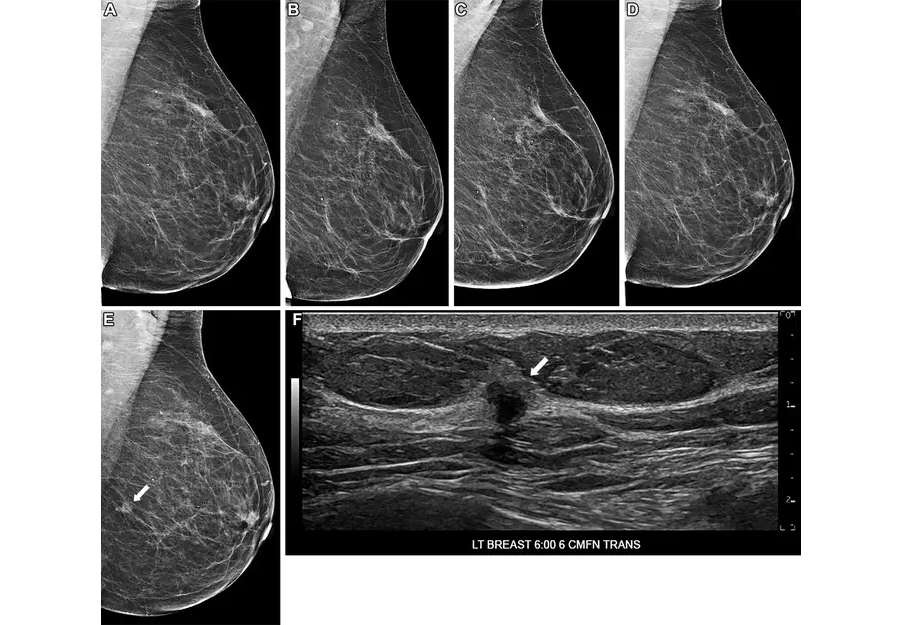
AI Tool Predicts Five-Year Breast Cancer Risk from Mammograms
Breast cancer risk assessment during routine screening is difficult because many women who develop the disease have no known genetic mutations or family history. Static risk tools provide limited discrimination... Read more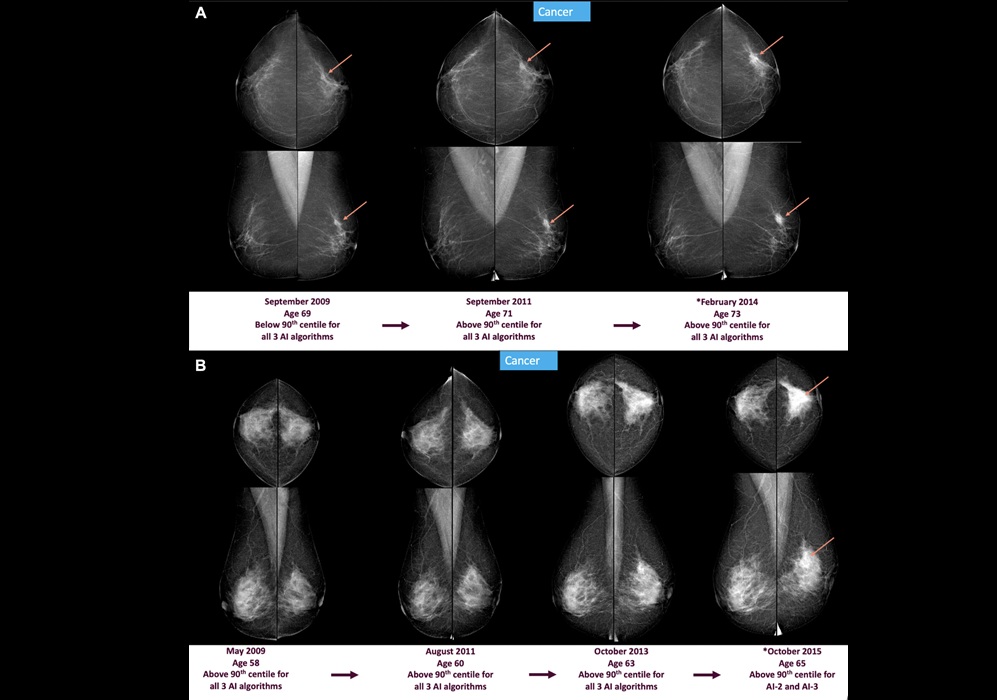
MRI
view channel
Advanced MRI Reveals Structural Brain Changes Linked to Better Cognitive Health
Objective, noninvasive measures that capture subtle, training-related changes in adult brain structure remain limited in routine clinical practice. Quantifying neuroplasticity with precision is especially... Read more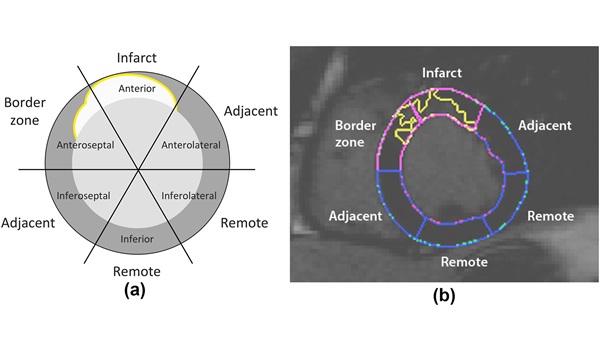
Cardiac MRI Detects Hidden Heart Dysfunction After Heart Attack
Myocardial infarction often leaves patients with persistent ventricular dysfunction that can progress without obvious signs. Detecting early decline remains difficult because standard measures may miss... Read more
Ultrasound
view channel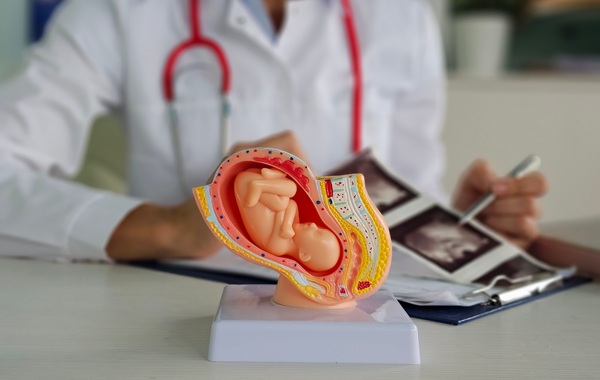
Simple 2D Ultrasound Tool Accurately Estimates Placental Volume
Stillbirth remains a major cause of perinatal loss, with about 21,000 cases annually in the United States. Although placental abnormalities are linked to adverse pregnancy outcomes, routine monitoring... Read more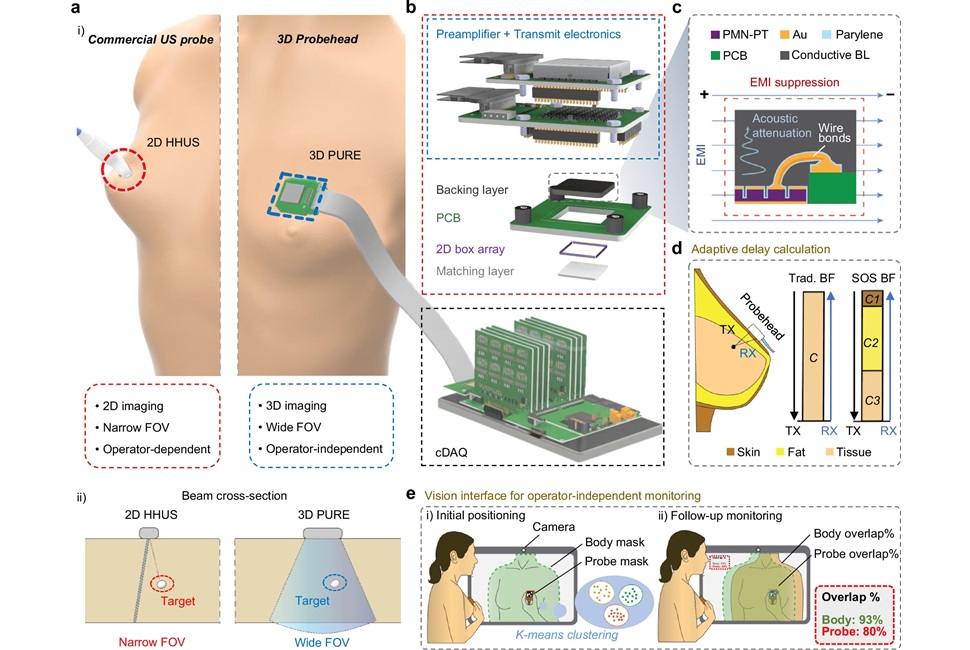
Portable 3D Ultrasound System Enables Reproducible Breast Cancer Monitoring
Breast cancer can develop between annual mammograms, and these interval cancers account for 20% to 30% of cases and tend to be more aggressive. The challenge is pronounced in people with dense breast tissue.... Read more

Nuclear Medicine
view channel
Radiotherapy Professionals Embrace AI as a Clinical Support Tool
Radiotherapy planning requires precise identification of organs at risk near a tumor, but manual contouring is repetitive and time-consuming, often delaying plan completion and straining specialist capacity.... Read more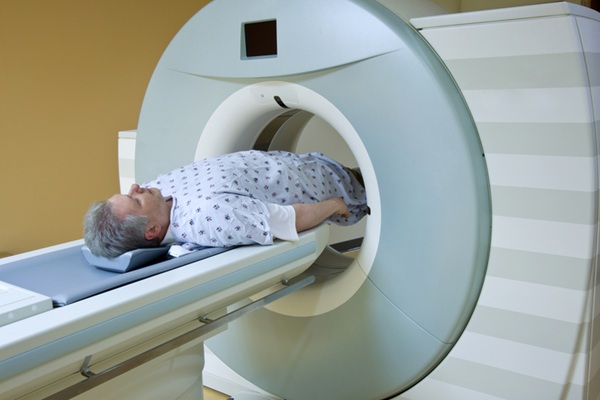
Second PSMA PET Identifies Disease in More Than Half of Negative Cases
Biochemical recurrence of prostate cancer after prostatectomy or radiation can be difficult to localize when imaging is negative. Uncertain disease sites may delay salvage therapy and expose patients to... Read more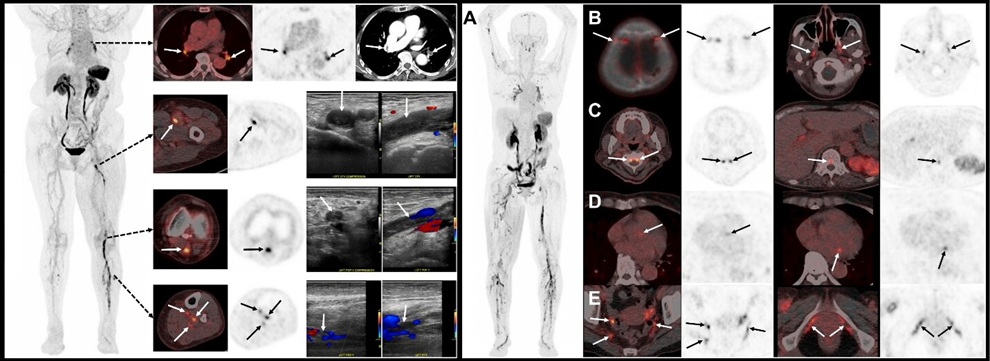
![Image: (A-C) Representative whole-body maximum-intensity projection images and regional fused PET/CT images from three histologically confirmed osteosarcoma patients who underwent paired [68Ga]Ga-B7-H3-BCH PET/CT and 18F-FDGE PET/CT within 7 days. (D) Multimodal imaging evaluation of patient 3, including X-ray, MRI (T2-weighted imaging, T2WI), CT, and B7-H3 PET/CT. (Photo courtesy of SNMMI)](https://globetechcdn.com/mobile_medicalimaging/images/stories/articles/article_images/2026-06-07/294811110_image_1.jpg "Image: (A-C) Representative whole-body maximum-intensity projection images and regional fused PET/CT images from three histologically confirmed osteosarcoma patients who underwent paired [68Ga]Ga-B7-H3-BCH PET/CT and 18F-FDGE PET/CT within 7 days. (D) Multimodal imaging evaluation of patient 3, including X-ray, MRI (T2-weighted imaging, T2WI), CT, and B7-H3 PET/CT. (Photo courtesy of SNMMI)")
General/Advanced Imaging
view channel
New PE-RADS Framework Standardizes Pulmonary Embolism Imaging Reports
Pulmonary embolism is a sudden blockage of the lung’s blood vessels that reduces pulmonary blood flow, can strain the right hear,t and may be fatal if untreated. Patients often present with shortness of... Read more
Virtual Staining Technique Creates Histology Images from CT Data
Pulmonary hypertension, a disorder marked by pathological remodeling of the pulmonary vessels, often requires detailed histologic assessment. Yet routine pathology remains anchored in labor‑intensive,... Read more
CT-Derived Biomarker Predicts Outcomes in Gastric Cancer
Gastric cancer, also known as stomach cancer, is the fifth most common malignancy worldwide and often shows heterogeneous outcomes even within the same stage. Prognostic estimates typically rely on tumor-centric... Read more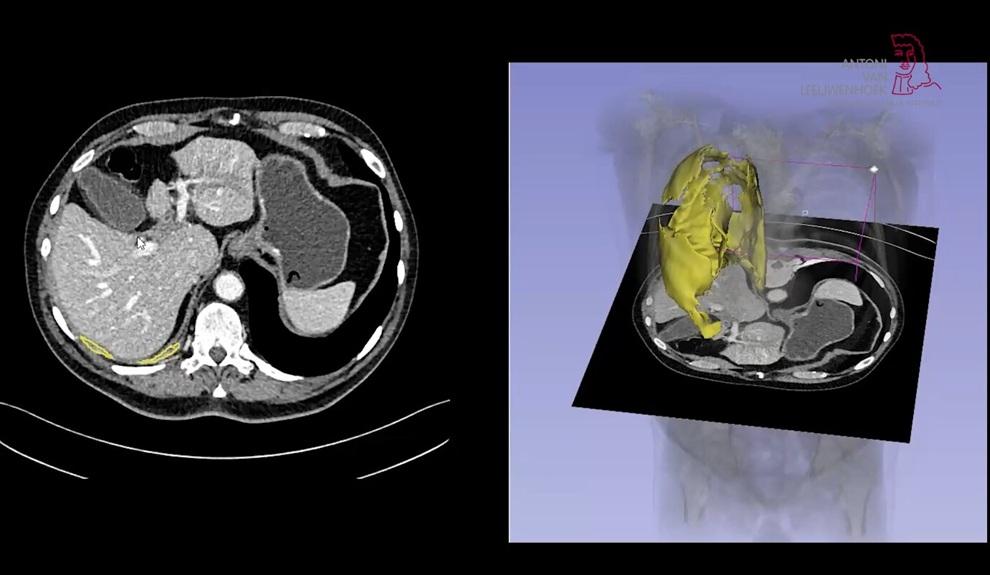
AI Tool Enhances Response Assessment and Survival Prediction in Pleural Mesothelioma
Pleural mesothelioma, a cancer that grows as a thin, irregular layer along the lung wall, is difficult to measure on imaging. Clinicians rely on diameter-based Response Evaluation Criteria in Solid Tumors... Read moreImaging IT
view channel
Ambient AI Reporting Platform Streamlines Radiology Reporting
Radiology departments face growing imaging volumes and staffing shortages, creating reporting bottlenecks and pressure to maintain turnaround times. Conventional dictation tools document findings after... Read more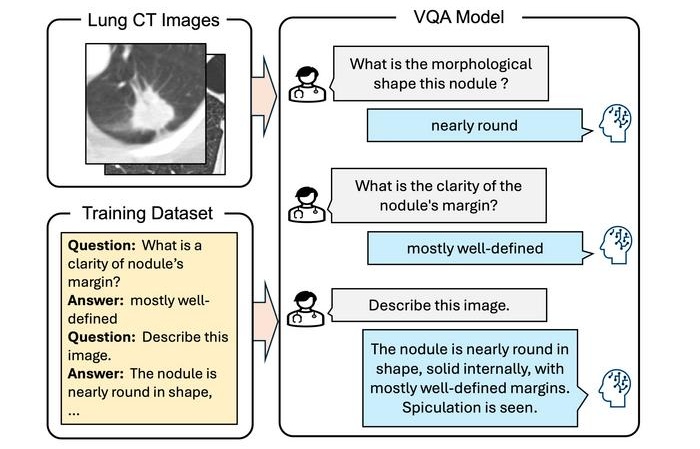
Interactive AI Tool Supports Explainable Lung Nodule Assessment
Lung cancer is a leading cause of cancer mortality, and timely characterization of pulmonary nodules on chest computed tomography (CT) is essential for directing care. Interpreting nodule morphology demands... Read more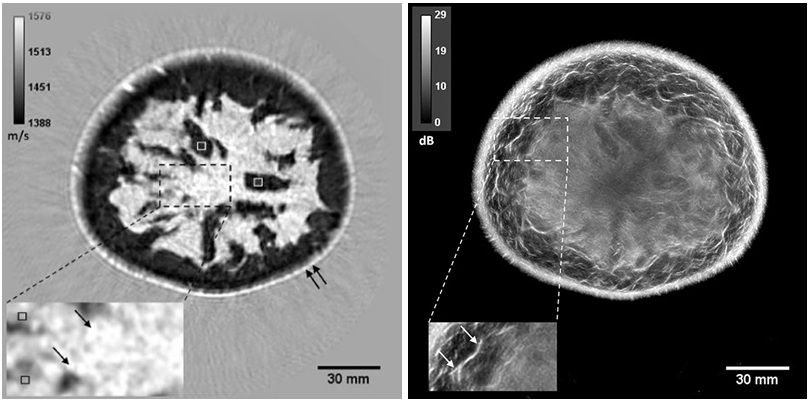
Breast Imaging Software Enhances Visualization and Tissue Characterization in Challenging Cases
Breast imaging can be particularly challenging in cases involving small breasts or implants, where image reconstruction and tissue characterization may be limited. Clinicians also need reproducible analysis... Read more
Industry News
view channel
GE HealthCare Showcases AI-Enabled Nuclear Medicine Portfolio at SNMMI 2026
Nuclear medicine is expanding rapidly as health systems adopt theranostics and broaden access to radiopharmaceuticals, increasing demand for scalable operations and consistent diagnostic confidence.... Read more
GE HealthCare Highlights AI-Supported Radiation Therapy Tools at ESTRO 2026
At the European Society for Radiotherapy and Oncology (ESTRO) 2026 Congress in Stockholm, GE HealthCare is highlighting Intelligent Radiation Therapy (iRT), MIM Software innovations, and BK Medical surgical... Read more