


Samsung Introduces New High-End Ultrasound System 'V8' with Artificial Intelligence (AI) Functions
|
By MedImaging International staff writers Posted on 15 Oct 2021 |


|
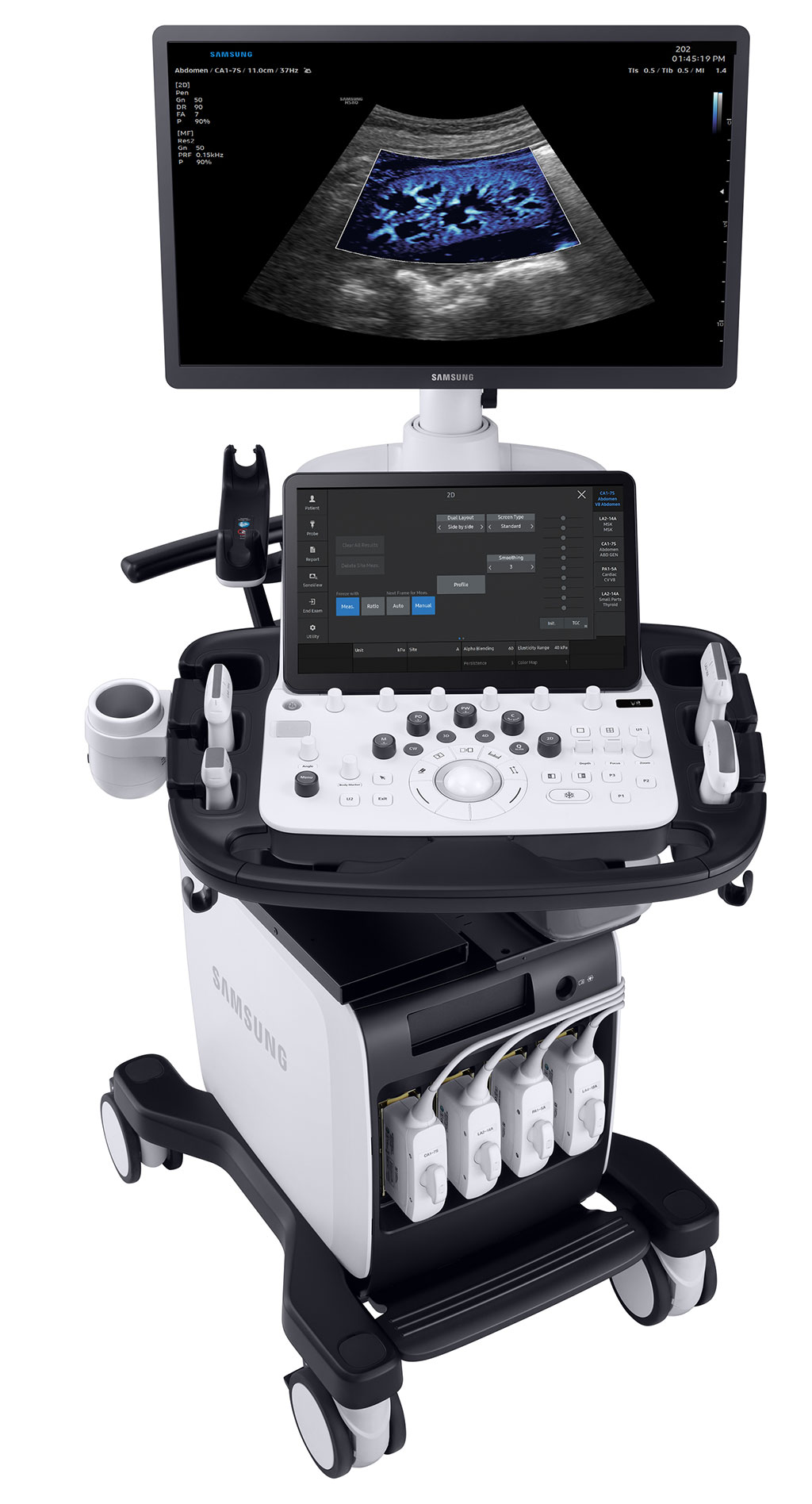
NeuroLogica Corp., (Danvers, MA, USA), the US healthcare subsidiary of Samsung Electronics Co., Ltd. (Suwon-si, South Korea), has launched the V8, a high-end ultrasound system that provides enhanced image quality, usability and convenience for ultrasound professionals.
The V8 was recently cleared by the US Food and Drug Administration for commercial use in the US. The feature-packed device includes two new artificial intelligence (AI) functions. The first is "NerveTrack", an exciting AI technology that detects the location of nerves during live scanning. The second is “UterineAssist”, which detects tissue changes and assists the user with measurements of the uterus.
Samsung’s Crystal Architecture is the core of the V8’s exceptional image clarity and penetration and is built upon the combination of innovative beamforming (CrystalBeam), sophisticated image processing (CrystalLive) and advanced S-Vue Single Crystal Transducers to produce clear, uniform and high-resolution images. The V8 is equipped with many premium technologies such as ShadowHDR, designed to suppress shadows and enhance the clarity of displayed grayscale images; S-Shearwave Imaging, which provides information about tissue stiffness as a result of disease using ultrasonic transverse elasticity; S-Fusion technology, which allows synchronous alignment of medical images of ultrasound with one or more cross-sectional studies such as MRI, which are instantly reconstructed in the corresponding plane; and MV-Flow, which enhances the visualization of low-flow blood flow states.
The V8 also has various 3D, 4D and 5D technologies that allow the user to view anatomy with exceptional detail. One tool, 5D CNS+, simplifies fetal brain assessment by automatically providing nine planes simultaneously with biometric measurements. The V8 will deliver a new level of versatility and value to a wide range of diagnostic medical ultrasound departments.
“We are pleased to launch the V8. We designed it with the user in mind, from its premium imaging engine to its ergonomic design,” said David Legg, Vice President, Ultrasound and Digital Radiography, NeuroLogica. “The “V” in “V8” stands for “versatile” because a wide range of departments from obstetrics to radiology and orthopedics to cardiology can make use of its complex functions. We anticipate the V8 to become a flagship product within the high-end ultrasound category.”
Related Links:
NeuroLogica Corp.
Samsung Electronics Co., Ltd.







Latest Ultrasound News
- Simple 2D Ultrasound Tool Accurately Estimates Placental Volume
- Portable 3D Ultrasound System Enables Reproducible Breast Cancer Monitoring
- AI Ultrasound Platform Receives CE Mark for Prenatal Screening
- Hybrid Imaging Platform Reveals How Sleep Supports Brain Waste Removal
- AI Robotic Ultrasound System Automates Echocardiography and Improves Consistency
- Whole Cross-Section Ultrasound System Enables Operator-Independent Imaging
- New Ultrasound AI Tool Supports Rapid Prenatal Assessment
- New Consensus Standardizes Ultrasound-Based Fatty Liver Assessment
- Groundbreaking Technology to Enhance Precision in Emergency and Critical Care
- Reusable Gel Pad Made from Tamarind Seed Could Transform Ultrasound Examinations
- AI Model Accurately Detects Placenta Accreta in Pregnancy Before Delivery
- Portable Ultrasound Sensor to Enable Earlier Breast Cancer Detection
- Portable Imaging Scanner to Diagnose Lymphatic Disease in Real Time
- Imaging Technique Generates Simultaneous 3D Color Images of Soft-Tissue Structure and Vasculature
- Wearable Ultrasound Imaging System to Enable Real-Time Disease Monitoring
- Ultrasound Technique Visualizes Deep Blood Vessels in 3D Without Contrast Agents
Channels
Radiography
view channel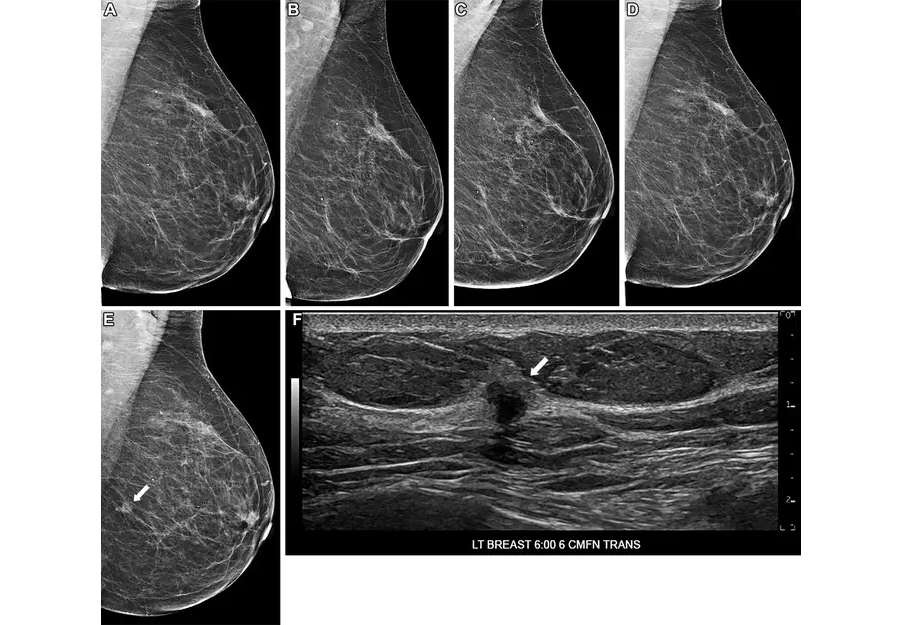
AI Tool Predicts Five-Year Breast Cancer Risk from Mammograms
Breast cancer risk assessment during routine screening is difficult because many women who develop the disease have no known genetic mutations or family history. Static risk tools provide limited discrimination... Read more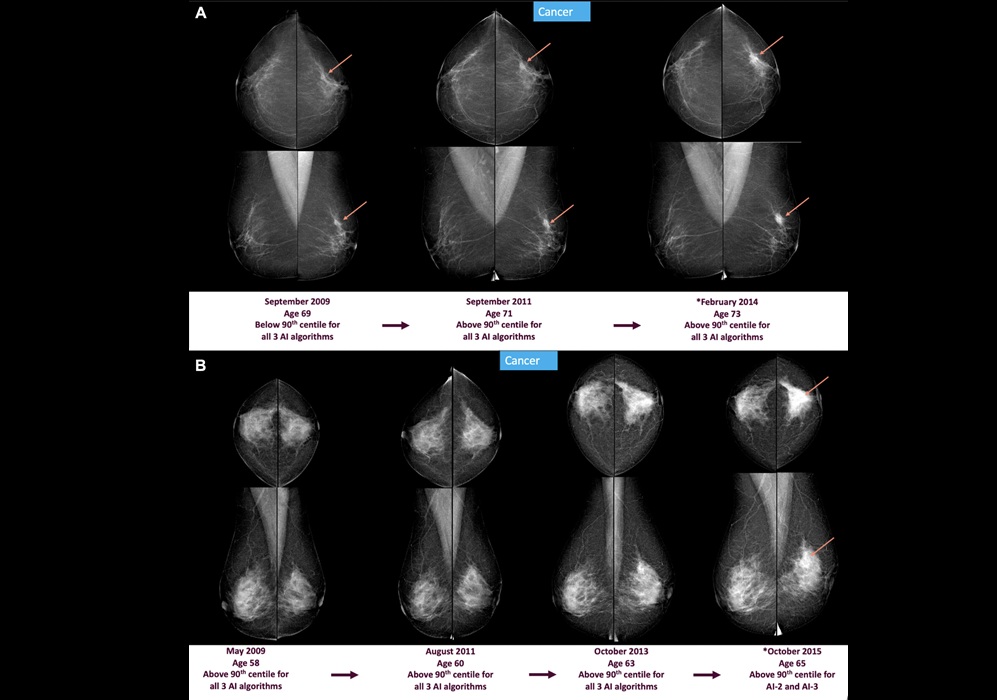
AI Mammography Tools Detect Early Breast Cancer Signs Years Before Diagnosis
Breast cancer screening aims to detect tumors before symptoms develop, but subtle mammographic changes can appear years before diagnosis and may be missed during routine reads. Delayed detection can lead... Read more
MRI
view channel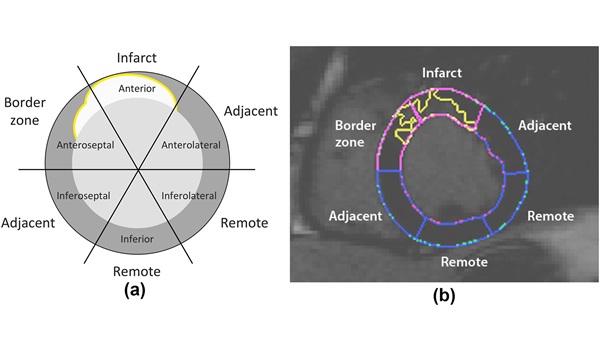
Cardiac MRI Detects Hidden Heart Dysfunction After Heart Attack
Myocardial infarction often leaves patients with persistent ventricular dysfunction that can progress without obvious signs. Detecting early decline remains difficult because standard measures may miss... Read more
AI Tool Reveals Cortical Lesions on Standard MRI in Multiple Sclerosis
Multiple sclerosis (MS) causes immune-mediated damage in the brain that leads to disability and cognitive decline. Clinicians have long recognized that lesions in the brain’s gray matter, or cortex, are... Read more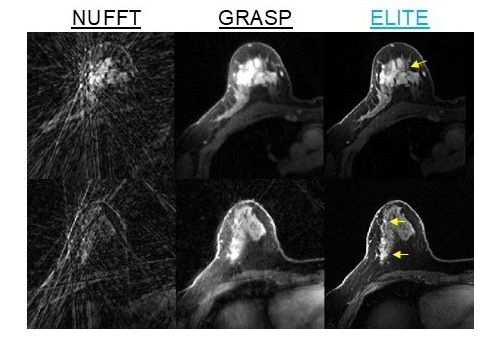
Nuclear Medicine
view channel
Radiotherapy Professionals Embrace AI as a Clinical Support Tool
Radiotherapy planning requires precise identification of organs at risk near a tumor, but manual contouring is repetitive and time-consuming, often delaying plan completion and straining specialist capacity.... Read more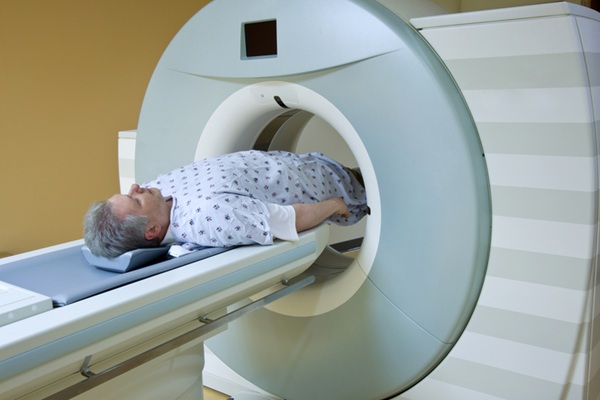
Second PSMA PET Identifies Disease in More Than Half of Negative Cases
Biochemical recurrence of prostate cancer after prostatectomy or radiation can be difficult to localize when imaging is negative. Uncertain disease sites may delay salvage therapy and expose patients to... Read more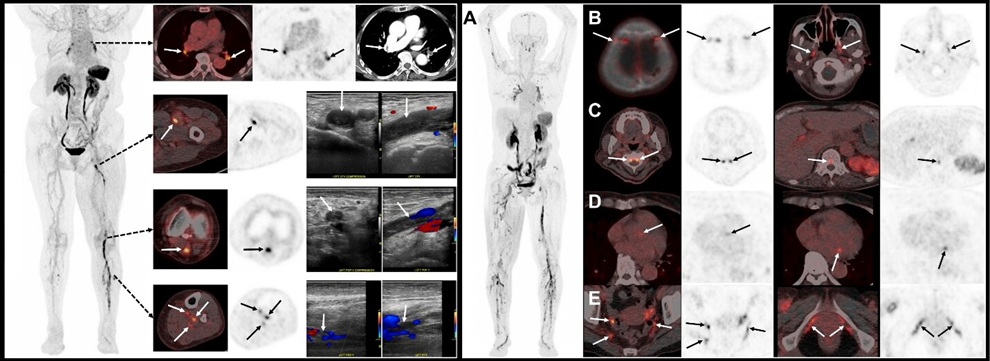
![Image: (A-C) Representative whole-body maximum-intensity projection images and regional fused PET/CT images from three histologically confirmed osteosarcoma patients who underwent paired [68Ga]Ga-B7-H3-BCH PET/CT and 18F-FDGE PET/CT within 7 days. (D) Multimodal imaging evaluation of patient 3, including X-ray, MRI (T2-weighted imaging, T2WI), CT, and B7-H3 PET/CT. (Photo courtesy of SNMMI)](https://globetechcdn.com/mobile_medicalimaging/images/stories/articles/article_images/2026-06-07/294811110_image_1.jpg "Image: (A-C) Representative whole-body maximum-intensity projection images and regional fused PET/CT images from three histologically confirmed osteosarcoma patients who underwent paired [68Ga]Ga-B7-H3-BCH PET/CT and 18F-FDGE PET/CT within 7 days. (D) Multimodal imaging evaluation of patient 3, including X-ray, MRI (T2-weighted imaging, T2WI), CT, and B7-H3 PET/CT. (Photo courtesy of SNMMI)")
General/Advanced Imaging
view channel
Virtual Staining Technique Creates Histology Images from CT Data
Pulmonary hypertension, a disorder marked by pathological remodeling of the pulmonary vessels, often requires detailed histologic assessment. Yet routine pathology remains anchored in labor‑intensive,... Read more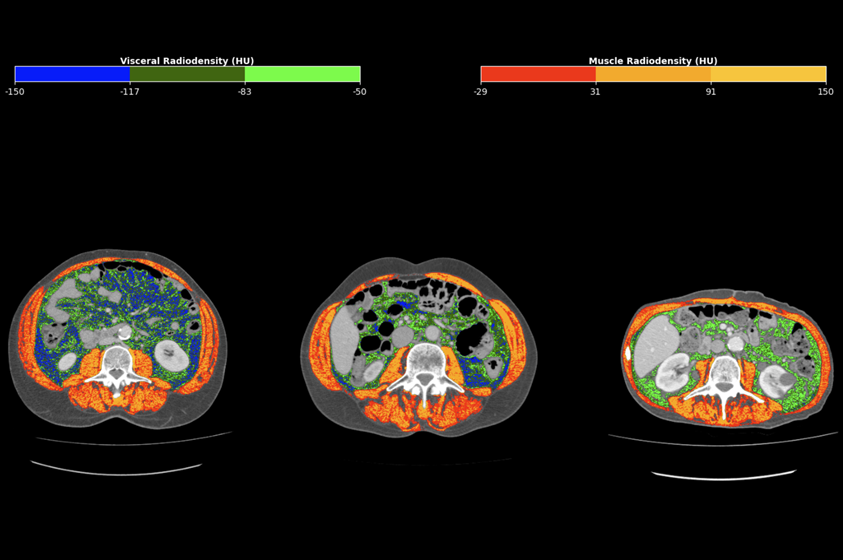
CT-Derived Biomarker Predicts Outcomes in Gastric Cancer
Gastric cancer, also known as stomach cancer, is the fifth most common malignancy worldwide and often shows heterogeneous outcomes even within the same stage. Prognostic estimates typically rely on tumor-centric... Read more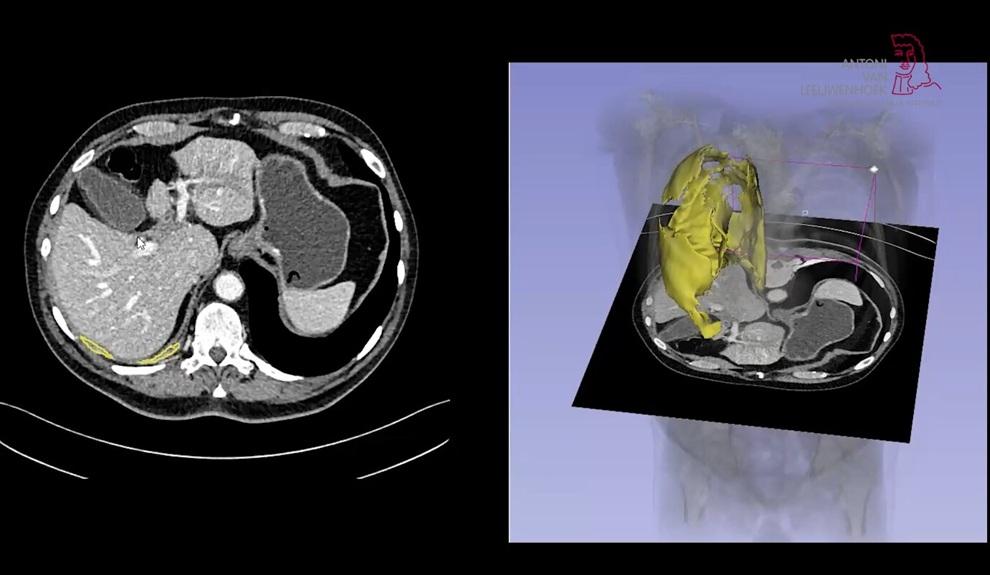
AI Tool Enhances Response Assessment and Survival Prediction in Pleural Mesothelioma
Pleural mesothelioma, a cancer that grows as a thin, irregular layer along the lung wall, is difficult to measure on imaging. Clinicians rely on diameter-based Response Evaluation Criteria in Solid Tumors... Read more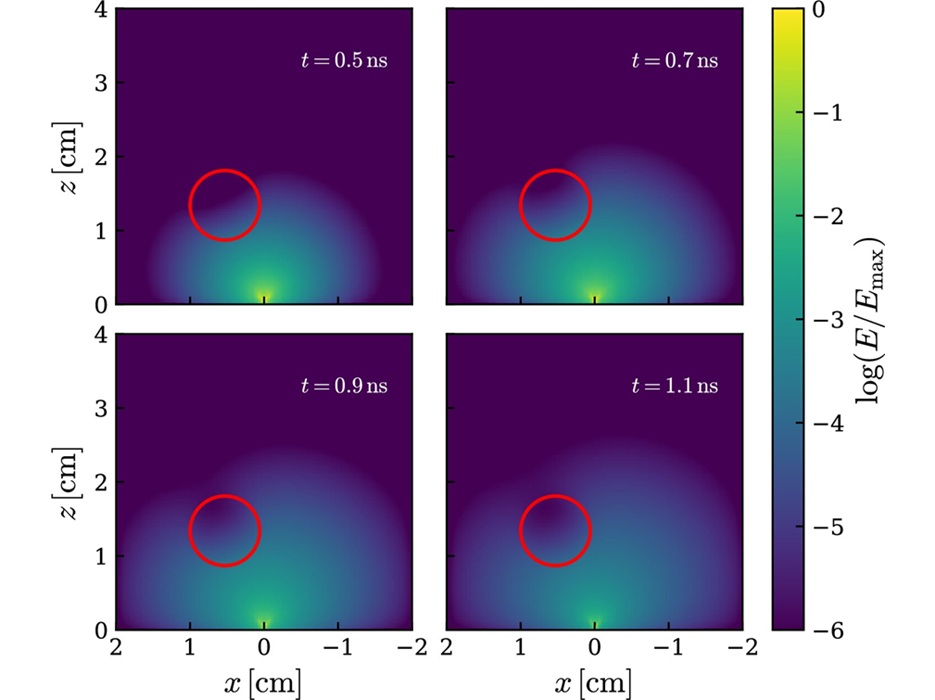
Imaging IT
view channel
Ambient AI Reporting Platform Streamlines Radiology Reporting
Radiology departments face growing imaging volumes and staffing shortages, creating reporting bottlenecks and pressure to maintain turnaround times. Conventional dictation tools document findings after... Read more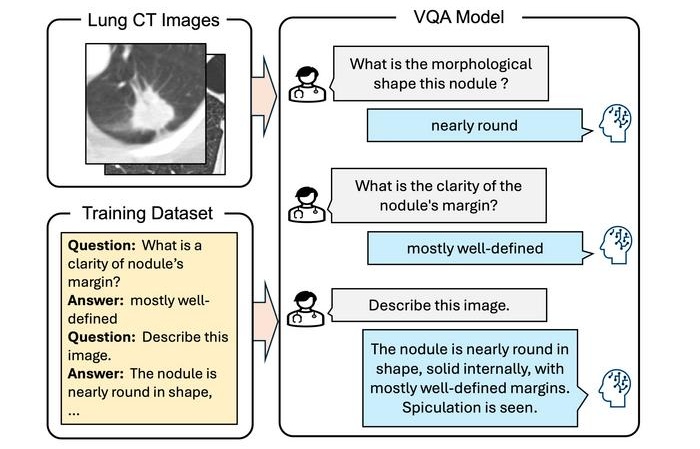
Interactive AI Tool Supports Explainable Lung Nodule Assessment
Lung cancer is a leading cause of cancer mortality, and timely characterization of pulmonary nodules on chest computed tomography (CT) is essential for directing care. Interpreting nodule morphology demands... Read more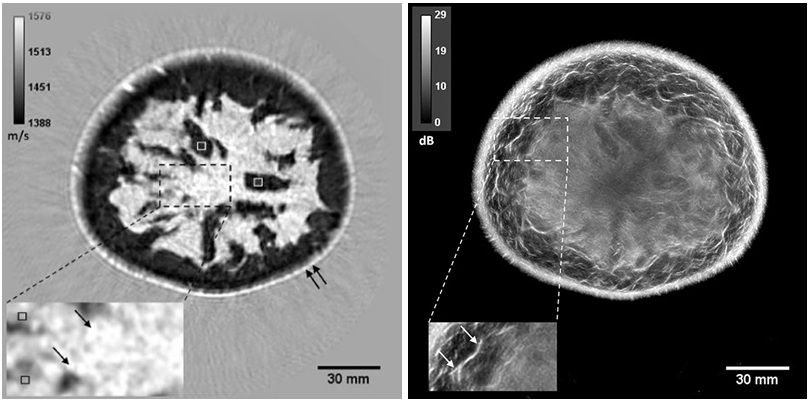
Breast Imaging Software Enhances Visualization and Tissue Characterization in Challenging Cases
Breast imaging can be particularly challenging in cases involving small breasts or implants, where image reconstruction and tissue characterization may be limited. Clinicians also need reproducible analysis... Read more
Industry News
view channel
GE HealthCare Showcases AI-Enabled Nuclear Medicine Portfolio at SNMMI 2026
Nuclear medicine is expanding rapidly as health systems adopt theranostics and broaden access to radiopharmaceuticals, increasing demand for scalable operations and consistent diagnostic confidence.... Read more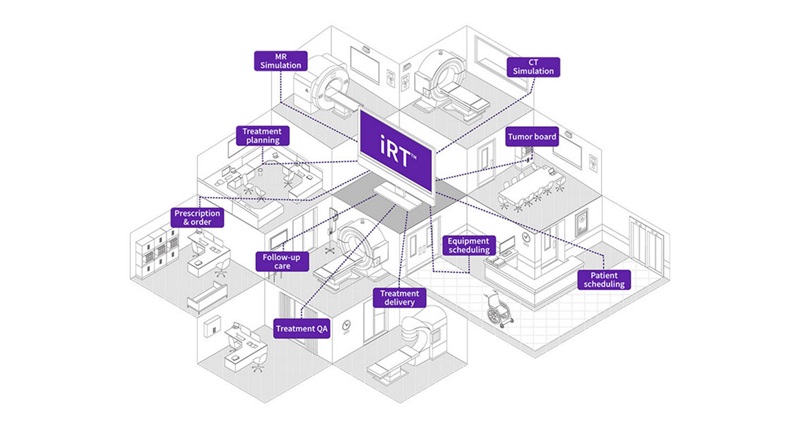
GE HealthCare Highlights AI-Supported Radiation Therapy Tools at ESTRO 2026
At the European Society for Radiotherapy and Oncology (ESTRO) 2026 Congress in Stockholm, GE HealthCare is highlighting Intelligent Radiation Therapy (iRT), MIM Software innovations, and BK Medical surgical... Read more