CT in a Box Boosts Imaging Capability at COVID-19 Surge Hospitals
|
By MedImaging International staff writers Posted on 15 Dec 2020 |


|

Image: The `CT in a box` in the Henri-Mondor parking lot (Photo courtesy of GE Healthcare)
A prefabricated container that houses a computerized tomography (CT) system helps assess COVID-19 disease progression and complications, while also smoothing patient flow.
Located at Henri Mondor University Hospital (Créteil Cede, France), the “CT in a box”, developed by GE Healthcare (GE, Little Chalfont, United Kingdom), is a 36 sqm transportable structure dedicated to COVID-19 patients. The concept was conceived following the rapid spread of the infection in France during March 2020, which motivated hospital authorities to nearly double the facility’s intensive care unit (ICU) capacity from 90 to 175 beds, requiring an additional CT unit. The Henri Mondor system hold a GE Healthcare Optima CT.
The design consists of two small, prefabricated cabins that are joined into a single, square module, with a lead-lined, shielded partition wall between the exam and control rooms. To replicate the controlled, easily accessible environment of a hospital CT room, the walls have no windows; instead, technicians in the control room observe the patient and perform the imaging process by monitoring webcam images. Each room has a separate door at opposite ends of the module, while a heating, ventilation, and air conditioning (HVAC) unit maintains temperature at around 22 degrees Celsius.
“While the scan itself can be completed in a matter of minutes, technicians can accommodate around one patient per hour, due to the time needed to prep the patient and fully sanitize the exam room,” said François Meignan, the GE Healthcare project manager who designed the project. “But the new module is not just about boosting the number of scans, but smoothing patient flow across the entire hospital. That is because the module will relieve pressure on the facility’s three existing CT machines and because it is located near the hospital’s ICUs, where it treats its COVID-19 patients.”
“At the beginning of the outbreak, China’s clinicians in remote or pop-up hospitals quickly called for the precise images CT scans provide to help them spot complications earlier,” said Kieran Murphy, CEO of GE Healthcare. “To address this need, our engineers quickly developed CT-in-a-box, an easy to install modular machine that captures the same robust imagery of traditionally installed CT scanners. Learning from our experience there, GE Healthcare teams in France developed a similar solution to address the urgent need for additional imaging capacity.”






Located at Henri Mondor University Hospital (Créteil Cede, France), the “CT in a box”, developed by GE Healthcare (GE, Little Chalfont, United Kingdom), is a 36 sqm transportable structure dedicated to COVID-19 patients. The concept was conceived following the rapid spread of the infection in France during March 2020, which motivated hospital authorities to nearly double the facility’s intensive care unit (ICU) capacity from 90 to 175 beds, requiring an additional CT unit. The Henri Mondor system hold a GE Healthcare Optima CT.
The design consists of two small, prefabricated cabins that are joined into a single, square module, with a lead-lined, shielded partition wall between the exam and control rooms. To replicate the controlled, easily accessible environment of a hospital CT room, the walls have no windows; instead, technicians in the control room observe the patient and perform the imaging process by monitoring webcam images. Each room has a separate door at opposite ends of the module, while a heating, ventilation, and air conditioning (HVAC) unit maintains temperature at around 22 degrees Celsius.
“While the scan itself can be completed in a matter of minutes, technicians can accommodate around one patient per hour, due to the time needed to prep the patient and fully sanitize the exam room,” said François Meignan, the GE Healthcare project manager who designed the project. “But the new module is not just about boosting the number of scans, but smoothing patient flow across the entire hospital. That is because the module will relieve pressure on the facility’s three existing CT machines and because it is located near the hospital’s ICUs, where it treats its COVID-19 patients.”
“At the beginning of the outbreak, China’s clinicians in remote or pop-up hospitals quickly called for the precise images CT scans provide to help them spot complications earlier,” said Kieran Murphy, CEO of GE Healthcare. “To address this need, our engineers quickly developed CT-in-a-box, an easy to install modular machine that captures the same robust imagery of traditionally installed CT scanners. Learning from our experience there, GE Healthcare teams in France developed a similar solution to address the urgent need for additional imaging capacity.”

Digital Radiographic System
OMNERA 300M
Mobile X-Ray System
K4W
New
Digital Radiography System (Ceiling Free)
Digix CF Series
X-ray Diagnostic System
FDX Visionary-A
Latest Radiography News
- AI Detection Tool Improves Identification of Lobular Breast Cancer
- New Contrast Agent Enables Low-Dose X-Ray Joint Imaging
- AI Boosts Breast Cancer Detection and Cuts Screening Workload
- AI Tool Predicts Breast Cancer Risk Years Ahead Using Routine Mammograms
- Routine Mammograms Could Predict Future Cardiovascular Disease in Women
- AI Detects Early Signs of Aging from Chest X-Rays
- X-Ray Breakthrough Captures Three Image-Contrast Types in Single Shot
- AI Generates Future Knee X-Rays to Predict Osteoarthritis Progression Risk
- AI Algorithm Uses Mammograms to Accurately Predict Cardiovascular Risk in Women
- AI Hybrid Strategy Improves Mammogram Interpretation
- AI Technology Predicts Personalized Five-Year Risk of Developing Breast Cancer
- RSNA AI Challenge Models Can Independently Interpret Mammograms
- New Technique Combines X-Ray Imaging and Radar for Safer Cancer Diagnosis
- New AI Tool Helps Doctors Read Chest X‑Rays Better
- Wearable X-Ray Imaging Detecting Fabric to Provide On-The-Go Diagnostic Scanning
- AI Helps Radiologists Spot More Lesions in Mammograms
Channels
MRI
view channel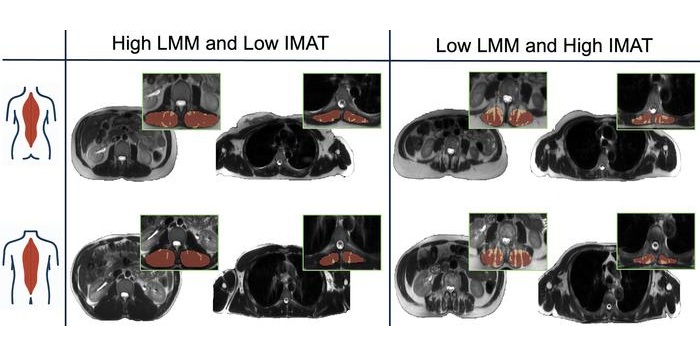
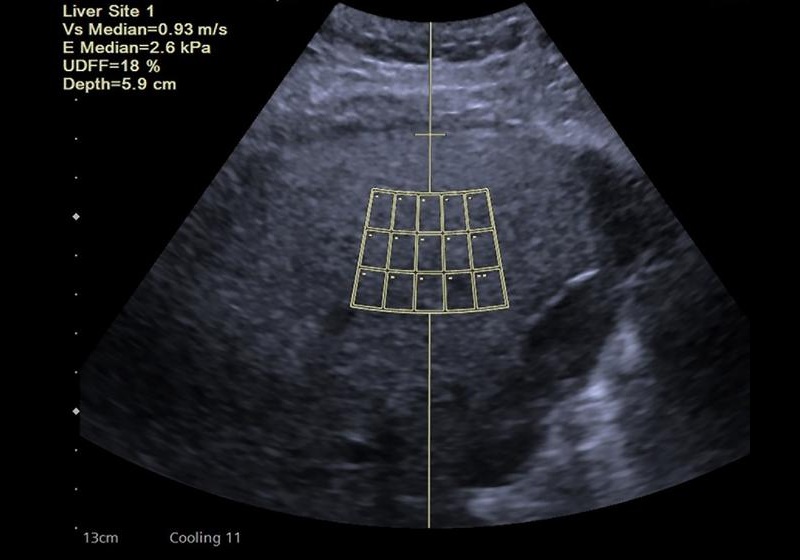
AI MRI Tool Quantifies Muscle Fat to Assess Cardiometabolic Risk
Intermuscular adipose tissue is fat that accumulates between muscle fibers and around muscle groups. It can be difficult to quantify in routine practice, yet it is linked to cardiometabolic disease that... Read more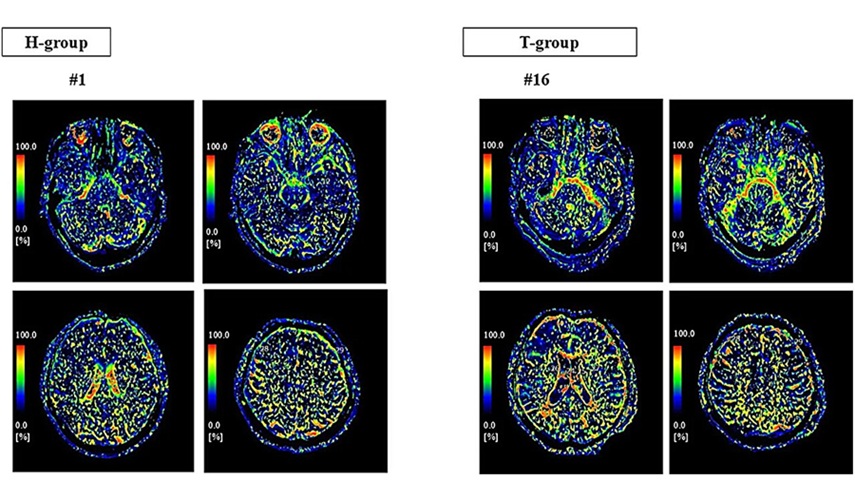
Advanced MRI Visualizes CSF Motion Changes After Mild Traumatic Brain Injury
Mild traumatic brain injury (TBI) can disrupt brain function yet often eludes objective assessment with standard imaging. Clinicians lack tools that capture subtle neurofluid changes that may follow a... Read more
Ultrasound
view channel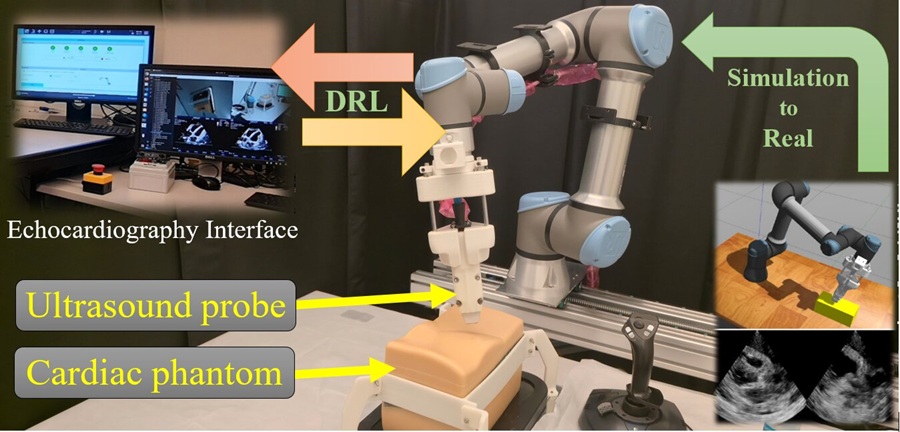
AI Robotic Ultrasound System Automates Echocardiography and Improves Consistency
Echocardiography, an ultrasound examination of the heart, is central to diagnosing and managing cardiovascular disease. Many services struggle with limited availability of skilled sonographers, variable... Read more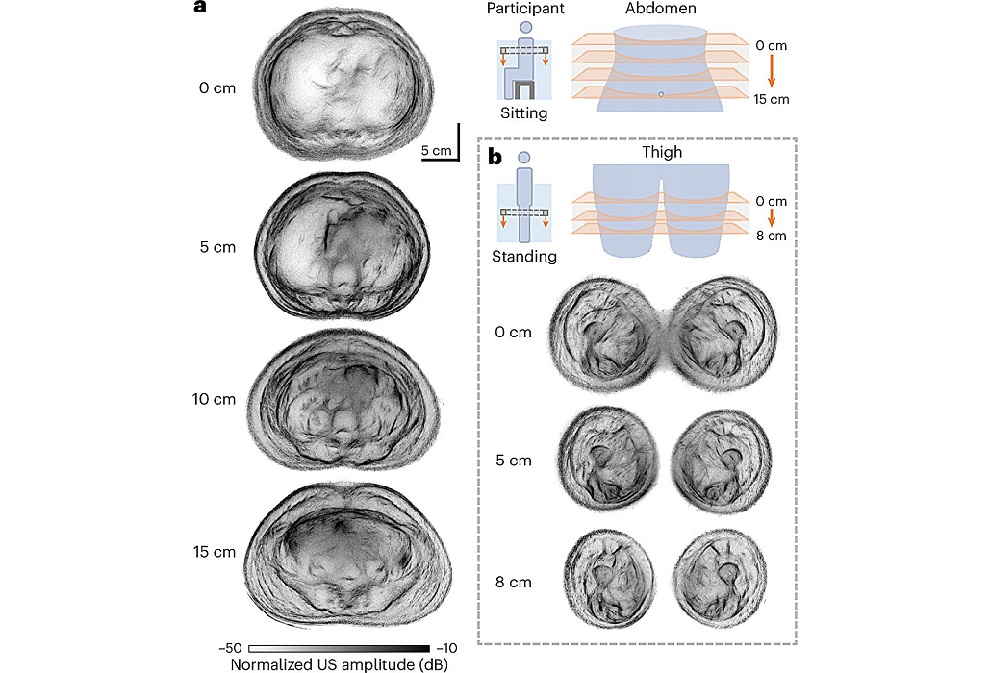
Whole Cross-Section Ultrasound System Enables Operator-Independent Imaging
Conventional ultrasound is central to bedside imaging but is limited by a narrow field of view and operator variability. Comprehensive cross-sectional assessment typically requires computed tomography... Read more
Nuclear Medicine
view channel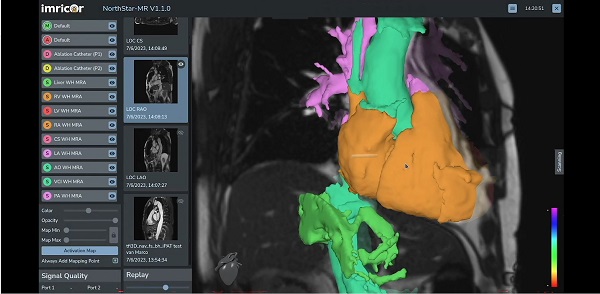
MR-Guided Cardiac Mapping System Enables Radiation-Free Procedures
Cardiac electrophysiology procedures are typically guided by X-ray fluoroscopy, which limits soft-tissue visualization and exposes patients and clinical staff to ionizing radiation. Real-time mapping that... Read more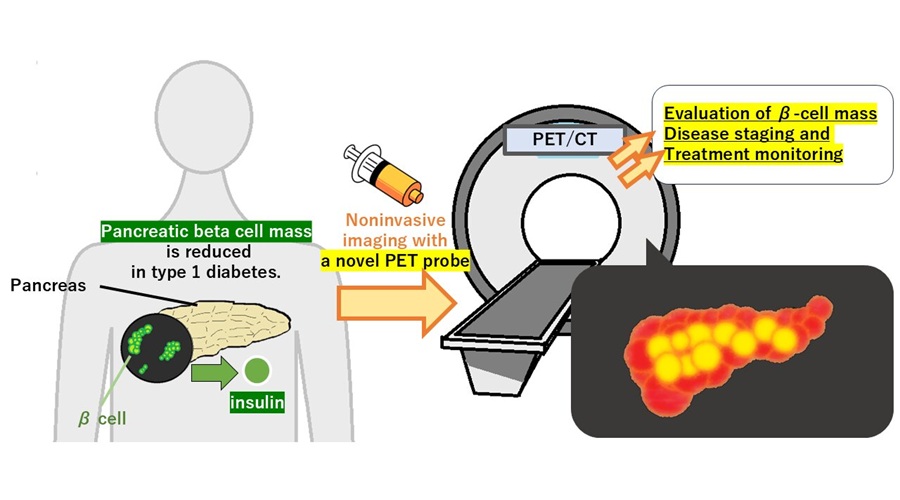
PET Tracer Enables Noninvasive Measurement of Beta Cell Mass
Type 1 diabetes is an autoimmune disease in which the immune system destroys insulin-producing pancreatic beta cells. Loss of these cells destabilizes glucose control and drives complications.... Read more
New Imaging Tool Sheds Light on Tumor Fat Metabolism
Rapidly growing tumors reprogram metabolism to meet high energy demands. While many cancers preferentially consume glucose, lipid utilization by malignant cells is difficult to measure in living subjects.... Read more
Radiopharmaceutical Molecule Marker to Improve Choice of Bladder Cancer Therapies
Targeted cancer therapies only work when tumor cells express the specific molecular structures they are designed to attack. In urothelial carcinoma, a common form of bladder cancer, the cell surface protein... Read moreGeneral/Advanced Imaging
view channel
Molecular Imaging Agent Shows Promise for Endometriosis Detection and Monitoring
Diagnosing endometriosis remains challenging, particularly for superficial peritoneal endometriosis, the most common subtype, which is often missed on conventional imaging and typically requires laparoscopic... Read more
Automated AI Tool Detects Early Pancreatic Cancer on Routine CT
Pancreatic ductal adenocarcinoma, the most common form of pancreatic cancer, is often diagnosed at a late stage and carries poor survival because early disease produces few symptoms and subtle tissue changes... Read more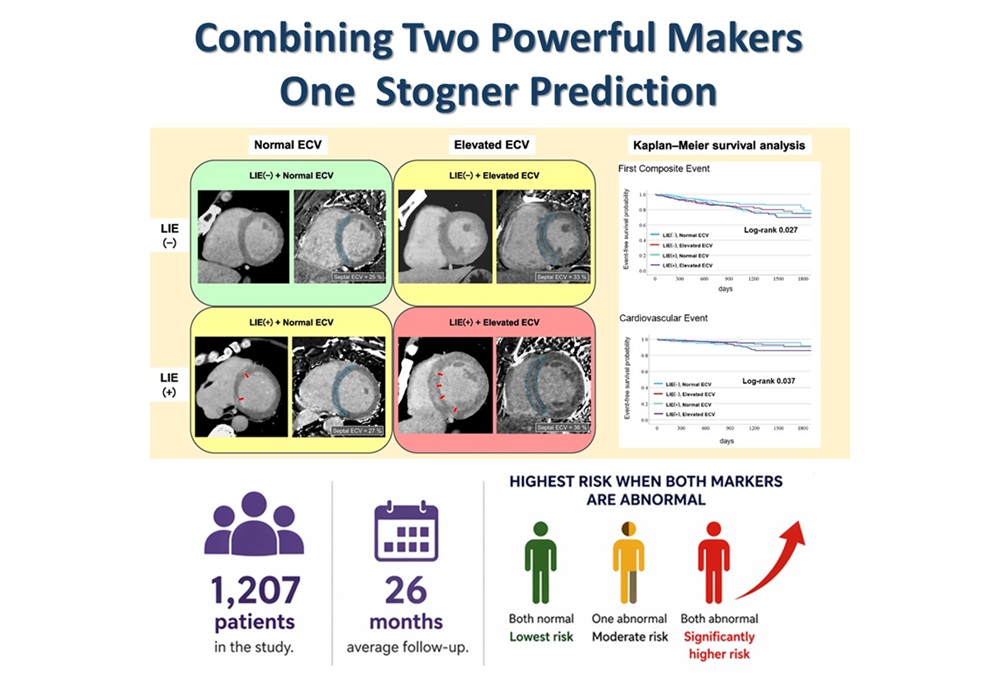
Imaging IT
view channel
Breast Imaging Software Enhances Visualization and Tissue Characterization in Challenging Cases
Breast imaging can be particularly challenging in cases involving small breasts or implants, where image reconstruction and tissue characterization may be limited. Clinicians also need reproducible analysis... Read more
New Google Cloud Medical Imaging Suite Makes Imaging Healthcare Data More Accessible
Medical imaging is a critical tool used to diagnose patients, and there are billions of medical images scanned globally each year. Imaging data accounts for about 90% of all healthcare data1 and, until... Read more
Global AI in Medical Diagnostics Market to Be Driven by Demand for Image Recognition in Radiology
The global artificial intelligence (AI) in medical diagnostics market is expanding with early disease detection being one of its key applications and image recognition becoming a compelling consumer proposition... Read more
Industry News
view channel
Nuclear Medicine Set for Continued Growth Driven by Demand for Precision Diagnostics
Clinical imaging services face rising demand for precise molecular diagnostics and targeted radiopharmaceutical therapy as cancer and chronic disease rates climb. A new market analysis projects rapid expansion... Read more