


New Workstation Supports Customer-Driven Imaging Workflow
|
By MedImaging International staff writers Posted on 25 Oct 2018 |


|
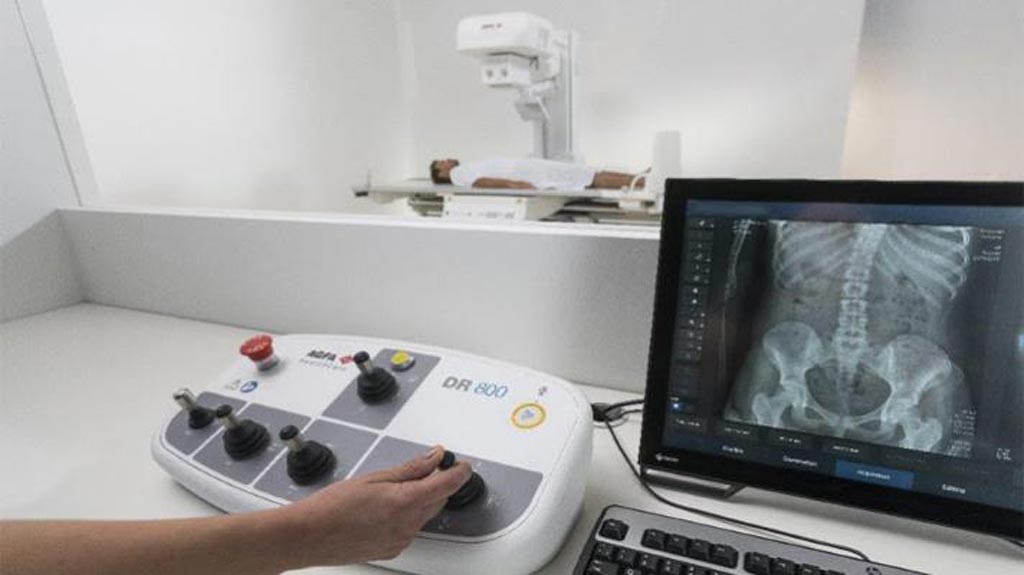
Image: The MUSICA Acquisition Workstation together with the DR800 system (Photo courtesy of Agfa HealthCare).
A new imaging workstation offers a single, intuitive interface for efficient radiography, fluoroscopy, mammography, and full leg/full spine (FLFS) imaging.
The Agfa Healthcare (Mortsel, Belgium) MUSICA Acquisition Workstation was designed to meet the needs and tasks of technologists, radiologists, and imaging facilities, incorporating multiple innovations that facilitate flexibility and customization. Workflows can be easily tailored to users, so that frequent tasks are the most easiest to complete, using just a few taps on the touch screen to identify a patient, initiate an exam, control image quality, and more. The user interface keeps the amount of distracting visual clutter to a minimum, providing a smooth patient and user experience.
All MUSICA Workstation workflows are intuitive and efficient, providing dedicated exam protocols that are available for dynamic imaging, including both fluoroscopy and rapid sequence imaging. Dedicated tools have been optimized for specific mammography screening or diagnostic workflows. The MUSICA Acquisition Workstation provides image processing for all Agfa digital radiology (DR) and computed general radiography (CR) systems, offering diagnostic confidence, and excellent and consistent images that meet user preferences, including body part or patient position, and for any collimation.
“We are focused on enabling intelligent radiography at the modality level, building in quality, safety and productivity features to improve the imaging experience of patients and staff,” said VP of imaging at Agfa Louis Kuitenbrouwer. “The name 'MUSICA' has been synonymous with quality imaging for decades, thanks to our 'gold-standard' image processing software. And while the software is the 'brains' of the imaging workflow, the Acquisition Workstation is the nerve center.”
The MUSICA Acquisition Workstation meets Exposure Index and integrating healthcare enterprise (IHE) guidelines and is digital imaging and communications in medicine (DICOM) compliant. It also supports the IHE Radiation Exposure Monitoring (REM) profile, enabling structured dose reports to be sent directly to the picture archiving and communication system (PACS) or to dose monitoring systems. It can also be connected to the hospital radiology information system (RIS) and PACS, providing radiologists with fast access to images and comfortable and quick reading with consistent image presentation.





The Agfa Healthcare (Mortsel, Belgium) MUSICA Acquisition Workstation was designed to meet the needs and tasks of technologists, radiologists, and imaging facilities, incorporating multiple innovations that facilitate flexibility and customization. Workflows can be easily tailored to users, so that frequent tasks are the most easiest to complete, using just a few taps on the touch screen to identify a patient, initiate an exam, control image quality, and more. The user interface keeps the amount of distracting visual clutter to a minimum, providing a smooth patient and user experience.
All MUSICA Workstation workflows are intuitive and efficient, providing dedicated exam protocols that are available for dynamic imaging, including both fluoroscopy and rapid sequence imaging. Dedicated tools have been optimized for specific mammography screening or diagnostic workflows. The MUSICA Acquisition Workstation provides image processing for all Agfa digital radiology (DR) and computed general radiography (CR) systems, offering diagnostic confidence, and excellent and consistent images that meet user preferences, including body part or patient position, and for any collimation.
“We are focused on enabling intelligent radiography at the modality level, building in quality, safety and productivity features to improve the imaging experience of patients and staff,” said VP of imaging at Agfa Louis Kuitenbrouwer. “The name 'MUSICA' has been synonymous with quality imaging for decades, thanks to our 'gold-standard' image processing software. And while the software is the 'brains' of the imaging workflow, the Acquisition Workstation is the nerve center.”
The MUSICA Acquisition Workstation meets Exposure Index and integrating healthcare enterprise (IHE) guidelines and is digital imaging and communications in medicine (DICOM) compliant. It also supports the IHE Radiation Exposure Monitoring (REM) profile, enabling structured dose reports to be sent directly to the picture archiving and communication system (PACS) or to dose monitoring systems. It can also be connected to the hospital radiology information system (RIS) and PACS, providing radiologists with fast access to images and comfortable and quick reading with consistent image presentation.

Biopsy Software
Affirm® Contrast
Mammo DR Retrofit Solution
DR Retrofit Mammography
X-Ray Illuminator
X-Ray Viewbox Illuminators
Digital Radiographic System
OMNERA 300M
Latest Imaging IT News
- Ambient AI Reporting Platform Streamlines Radiology Reporting
- Interactive AI Tool Supports Explainable Lung Nodule Assessment
- Breast Imaging Software Enhances Visualization and Tissue Characterization in Challenging Cases
- New Google Cloud Medical Imaging Suite Makes Imaging Healthcare Data More Accessible
- Global AI in Medical Diagnostics Market to Be Driven by Demand for Image Recognition in Radiology
- AI-Based Mammography Triage Software Helps Dramatically Improve Interpretation Process
- Artificial Intelligence (AI) Program Accurately Predicts Lung Cancer Risk from CT Images
- Image Management Platform Streamlines Treatment Plans
- AI-Based Technology for Ultrasound Image Analysis Receives FDA Approval
- AI Technology for Detecting Breast Cancer Receives CE Mark Approval
Channels
Radiography
view channel
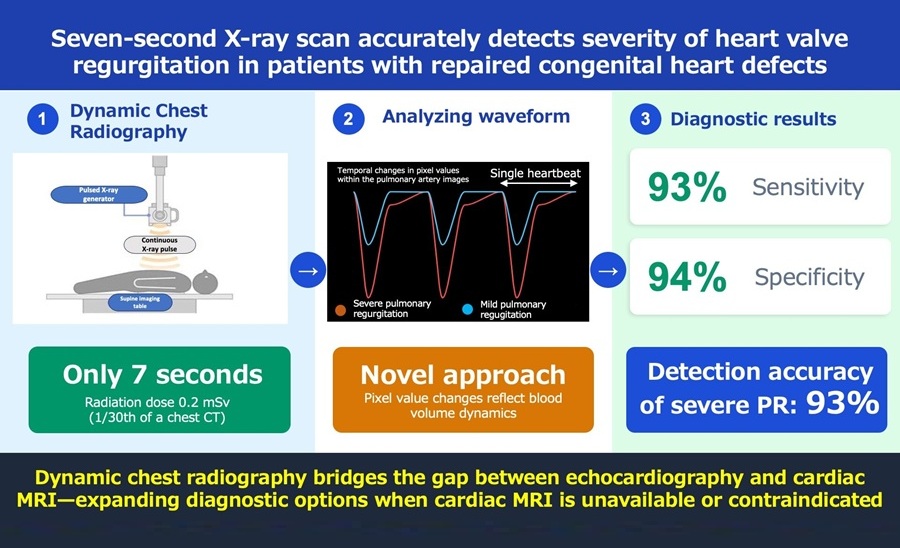
Computational X-Ray Technique Enables High-Resolution, Low-Dose Radiography
Reducing radiation in medical X-ray imaging remains a persistent challenge because dose reductions often degrade spatial resolution and diagnostic confidence. This is especially critical in pediatrics,... Read more
AI Tool Predicts Five-Year Breast Cancer Risk from Mammograms
Breast cancer risk assessment during routine screening is difficult because many women who develop the disease have no known genetic mutations or family history. Static risk tools provide limited discrimination... Read more
MRI
view channel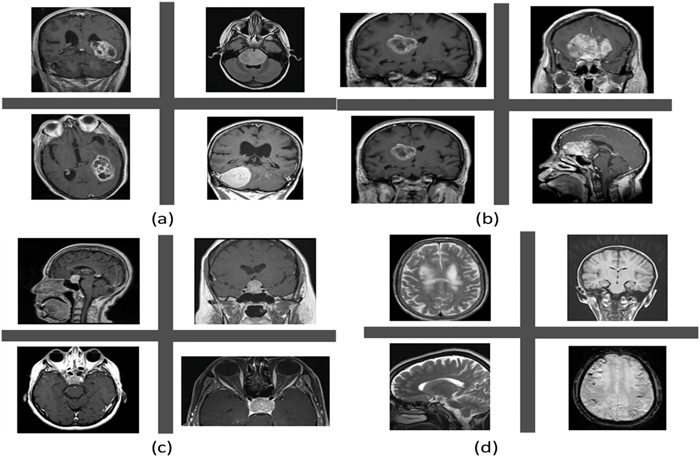
Rapid AI System Detects and Classifies Brain Tumor Subtypes on MRI
Brain tumors are a major cause of cancer mortality worldwide, with roughly a quarter of a million deaths each year. Early detection and accurate subtype classification on magnetic resonance imaging are... Read more
Advanced MRI Reveals Structural Brain Changes Linked to Better Cognitive Health
Objective, noninvasive measures that capture subtle, training-related changes in adult brain structure remain limited in routine clinical practice. Quantifying neuroplasticity with precision is especially... Read more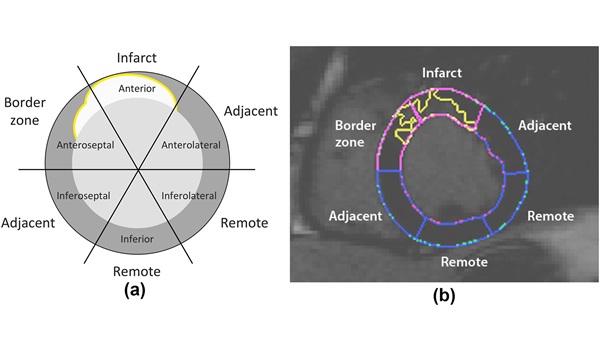

Ultrasound
view channel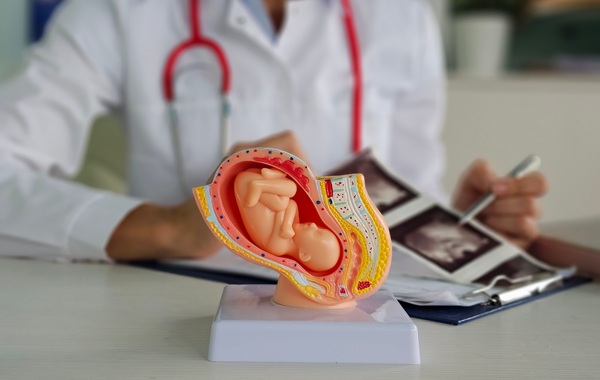
Simple 2D Ultrasound Tool Accurately Estimates Placental Volume
Stillbirth remains a major cause of perinatal loss, with about 21,000 cases annually in the United States. Although placental abnormalities are linked to adverse pregnancy outcomes, routine monitoring... Read more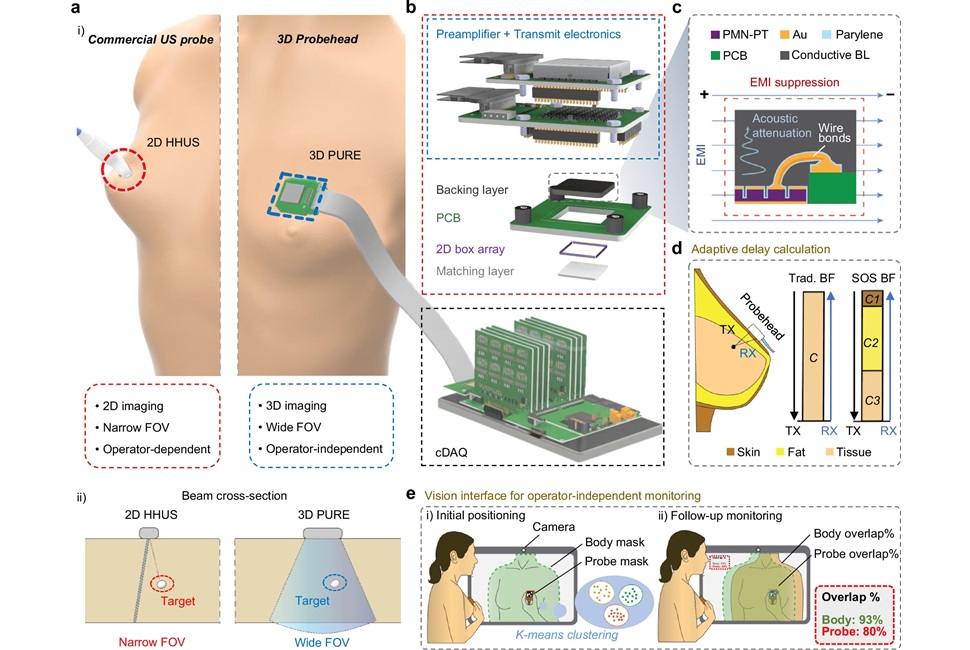
Portable 3D Ultrasound System Enables Reproducible Breast Cancer Monitoring
Breast cancer can develop between annual mammograms, and these interval cancers account for 20% to 30% of cases and tend to be more aggressive. The challenge is pronounced in people with dense breast tissue.... Read more
Nuclear Medicine
view channel
Radiotherapy Professionals Embrace AI as a Clinical Support Tool
Radiotherapy planning requires precise identification of organs at risk near a tumor, but manual contouring is repetitive and time-consuming, often delaying plan completion and straining specialist capacity.... Read more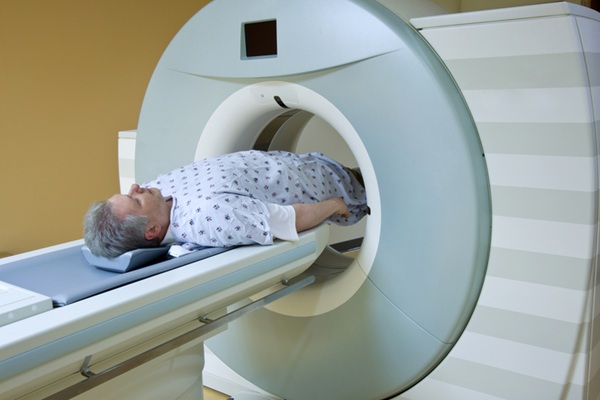
Second PSMA PET Identifies Disease in More Than Half of Negative Cases
Biochemical recurrence of prostate cancer after prostatectomy or radiation can be difficult to localize when imaging is negative. Uncertain disease sites may delay salvage therapy and expose patients to... Read more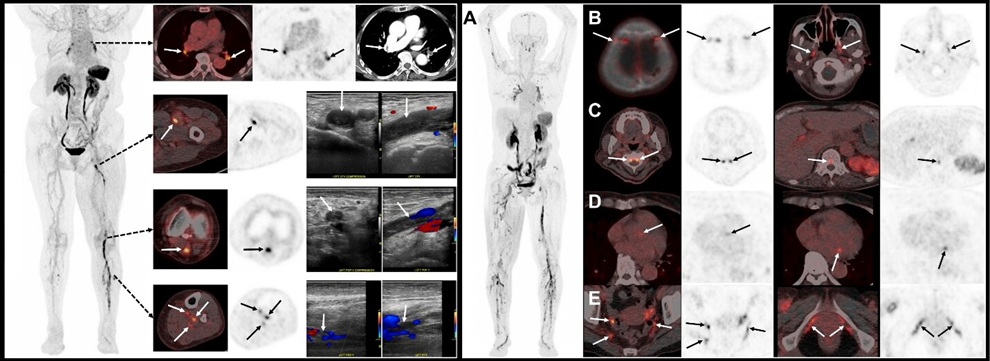
![Image: (A-C) Representative whole-body maximum-intensity projection images and regional fused PET/CT images from three histologically confirmed osteosarcoma patients who underwent paired [68Ga]Ga-B7-H3-BCH PET/CT and 18F-FDGE PET/CT within 7 days. (D) Multimodal imaging evaluation of patient 3, including X-ray, MRI (T2-weighted imaging, T2WI), CT, and B7-H3 PET/CT. (Photo courtesy of SNMMI)](https://globetechcdn.com/mobile_medicalimaging/images/stories/articles/article_images/2026-06-07/294811110_image_1.jpg "Image: (A-C) Representative whole-body maximum-intensity projection images and regional fused PET/CT images from three histologically confirmed osteosarcoma patients who underwent paired [68Ga]Ga-B7-H3-BCH PET/CT and 18F-FDGE PET/CT within 7 days. (D) Multimodal imaging evaluation of patient 3, including X-ray, MRI (T2-weighted imaging, T2WI), CT, and B7-H3 PET/CT. (Photo courtesy of SNMMI)")
General/Advanced Imaging
view channel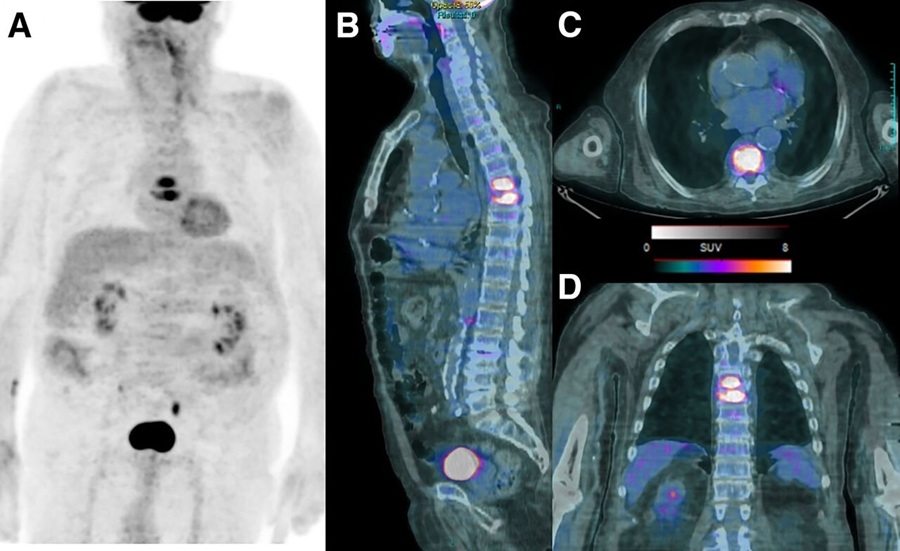
PET/CT Improves Diagnosis and Management of Fever of Unknown Origin
Fever of unknown origin (FUO) is persistent fever without an identifiable cause and remains difficult to diagnose because potential etiologies are broad and no single gold-standard pathway exists.... Read more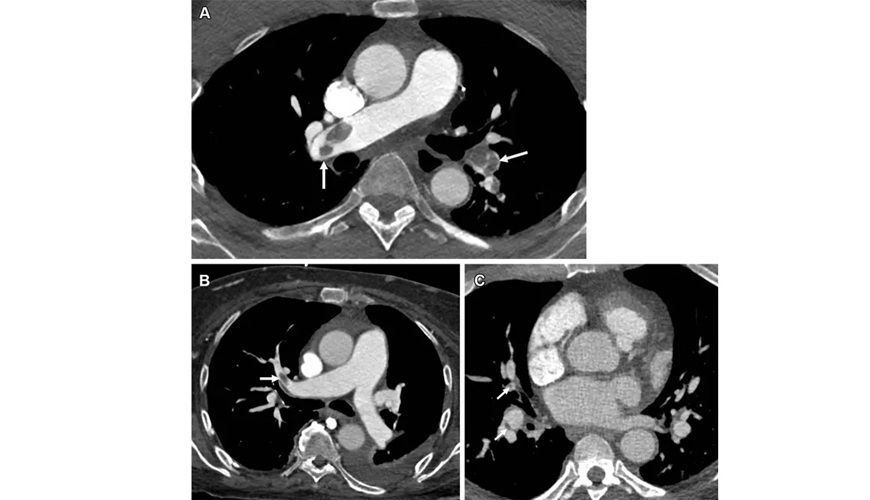
New PE-RADS Framework Standardizes Pulmonary Embolism Imaging Reports
Pulmonary embolism is a sudden blockage of the lung’s blood vessels that reduces pulmonary blood flow, can strain the right hear,t and may be fatal if untreated. Patients often present with shortness of... Read more
Industry News
view channel
GE HealthCare Showcases AI-Enabled Nuclear Medicine Portfolio at SNMMI 2026
Nuclear medicine is expanding rapidly as health systems adopt theranostics and broaden access to radiopharmaceuticals, increasing demand for scalable operations and consistent diagnostic confidence.... Read more
GE HealthCare Highlights AI-Supported Radiation Therapy Tools at ESTRO 2026
At the European Society for Radiotherapy and Oncology (ESTRO) 2026 Congress in Stockholm, GE HealthCare is highlighting Intelligent Radiation Therapy (iRT), MIM Software innovations, and BK Medical surgical... Read more