Parker Laboratories Launches World’s First Barrier and Securement Dressing
|
By MedImaging International staff writers Posted on 25 Jun 2018 |


|
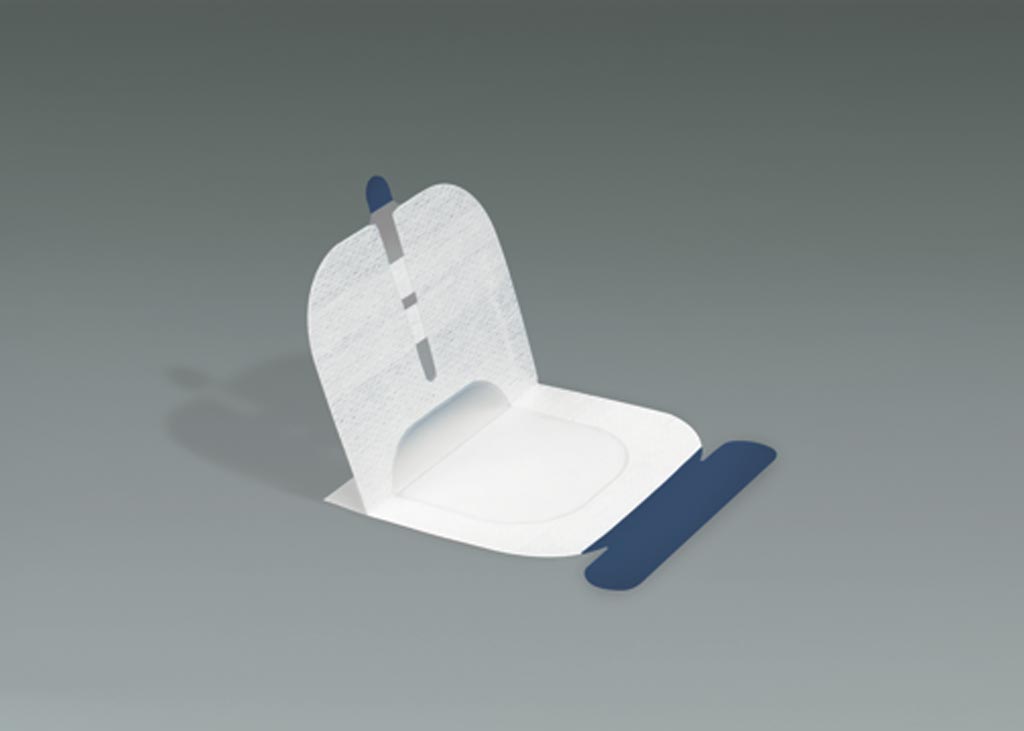
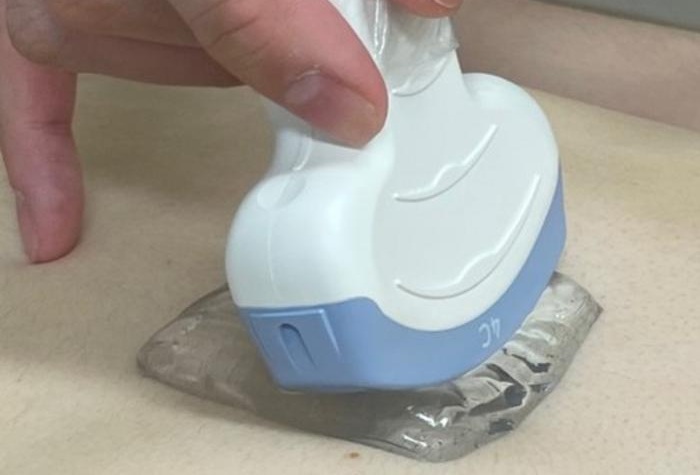
Image: The UltraDrape UGPIV Barrier and Securement dressing is designed for use during Ultrasound-Guided Peripheral Intravenous (UGPIV) procedures (Photo courtesy of Parker Laboratories).
Parker Laboratories, Inc. (Fairfield, NJ, USA), a manufacturer of accessories and supplies for the ultrasound and electromedical markets, has launched UltraDrape UGPIV Barrier and Securement, the first-of-its-kind, uniquely designed dressing for use during Ultrasound-Guided Peripheral Intravenous (UGPIV) procedures.
Parker Laboratories manufactures and markets ultrasound and electromedical contact media, as well as institutional cleaners and disinfectants. The company also engages in special contract manufacturing projects to meet the special circumstances of its customers and provides assistance in the development of customized formulations and/or packaging to meet the most stringent special requirements of the industry.
Parker Laboratories’ new UltraDrape features dual-action dressing to address the challenges that often arise with UGPIV such as extended procedure times, securement failure as a result of inadequate gel removal, and increased risk of infection. UltraDrape is designed to be user-friendly and facilitate a no-touch aseptic procedure without compromising efficacy or impeding visualization. The film layer used during ultrasound guidance is easily discarded, eliminating the need to clean transmission gel from the skin. In addition to minimizing post-IV procedure cleanup time, UltraDrape helps reduce procedure cost when compared with sterile gels and covers.
“UltraDrape represents an unprecedented advancement enabling UGPIV practitioners to perform procedures efficiently, effectively, and at a significant cost savings when compared with use of sterile gels and covers,” said Neal Buchalter, president of Parker Laboratories.






Parker Laboratories manufactures and markets ultrasound and electromedical contact media, as well as institutional cleaners and disinfectants. The company also engages in special contract manufacturing projects to meet the special circumstances of its customers and provides assistance in the development of customized formulations and/or packaging to meet the most stringent special requirements of the industry.
Parker Laboratories’ new UltraDrape features dual-action dressing to address the challenges that often arise with UGPIV such as extended procedure times, securement failure as a result of inadequate gel removal, and increased risk of infection. UltraDrape is designed to be user-friendly and facilitate a no-touch aseptic procedure without compromising efficacy or impeding visualization. The film layer used during ultrasound guidance is easily discarded, eliminating the need to clean transmission gel from the skin. In addition to minimizing post-IV procedure cleanup time, UltraDrape helps reduce procedure cost when compared with sterile gels and covers.
“UltraDrape represents an unprecedented advancement enabling UGPIV practitioners to perform procedures efficiently, effectively, and at a significant cost savings when compared with use of sterile gels and covers,” said Neal Buchalter, president of Parker Laboratories.

MRI System
nanoScan MRI 3T/7T
Digital X-Ray Detector Panel
Acuity G4
X-Ray Illuminator
X-Ray Viewbox Illuminators
Digital Radiographic System
OMNERA 300M
Latest Industry News News
- Nuclear Medicine Set for Continued Growth Driven by Demand for Precision Diagnostics
- GE HealthCare and NVIDIA Collaboration to Reimagine Diagnostic Imaging
- Patient-Specific 3D-Printed Phantoms Transform CT Imaging
- Siemens and Sectra Collaborate on Enhancing Radiology Workflows
- Bracco Diagnostics and ColoWatch Partner to Expand Availability CRC Screening Tests Using Virtual Colonoscopy
- Mindray Partners with TeleRay to Streamline Ultrasound Delivery
- Philips and Medtronic Partner on Stroke Care
- Siemens and Medtronic Enter into Global Partnership for Advancing Spine Care Imaging Technologies
- RSNA 2024 Technical Exhibits to Showcase Latest Advances in Radiology
- Bracco Collaborates with Arrayus on Microbubble-Assisted Focused Ultrasound Therapy for Pancreatic Cancer
- Innovative Collaboration to Enhance Ischemic Stroke Detection and Elevate Standards in Diagnostic Imaging
- RSNA 2024 Registration Opens
- Microsoft collaborates with Leading Academic Medical Systems to Advance AI in Medical Imaging
- GE HealthCare Acquires Intelligent Ultrasound Group’s Clinical Artificial Intelligence Business
- Bayer and Rad AI Collaborate on Expanding Use of Cutting Edge AI Radiology Operational Solutions
- Polish Med-Tech Company BrainScan to Expand Extensively into Foreign Markets
Channels
Radiography
view channel
AI Boosts Breast Cancer Detection and Cuts Screening Workload
Breast cancer screening programs face rising demand and persistent workforce shortages, straining double-reading workflows and delaying care. Early detection is critical to reduce mortality and minimize... Read more
AI Tool Predicts Breast Cancer Risk Years Ahead Using Routine Mammograms
Breast cancer screening saves lives but still relies largely on uniform schedules despite wide differences in individual risk. This one-size-fits-all approach can miss cancers in higher-risk women while... Read more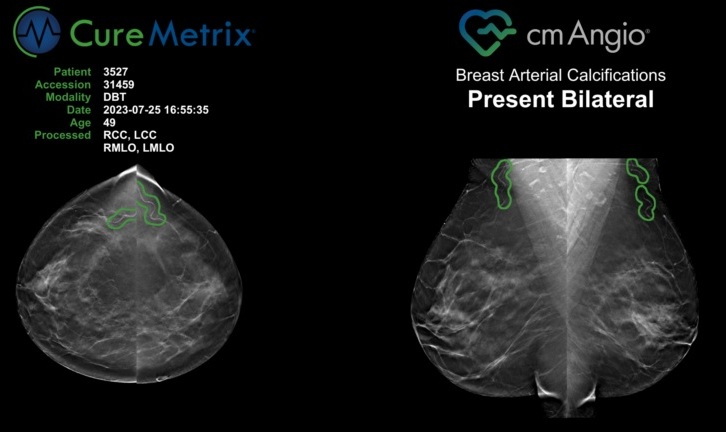

MRI
view channel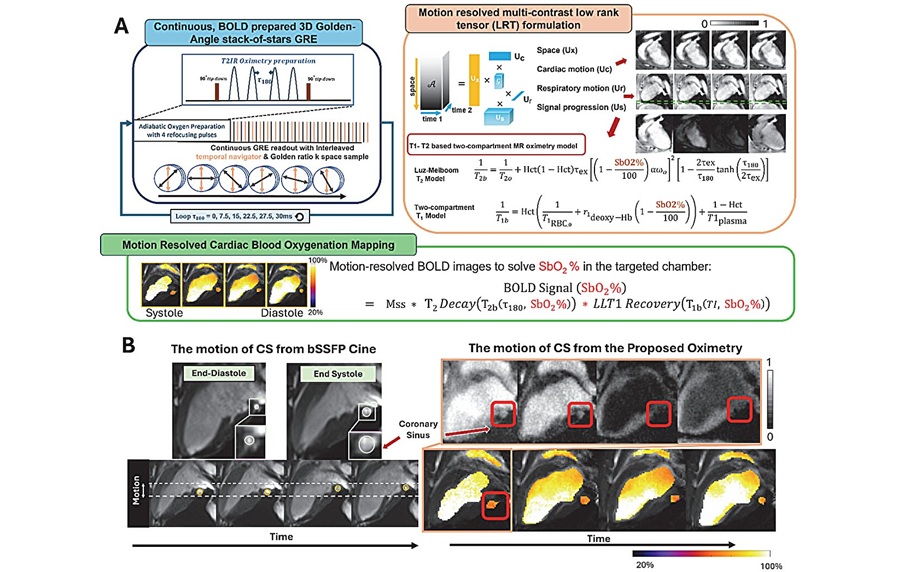
Advanced MRI System Detects Impaired Cardiac Oxygen Use in Minutes
Early identification of cardiac dysfunction remains challenging because current methods to evaluate myocardial oxygen use are invasive or impractical for routine care. Delays in detecting impaired oxygen... Read more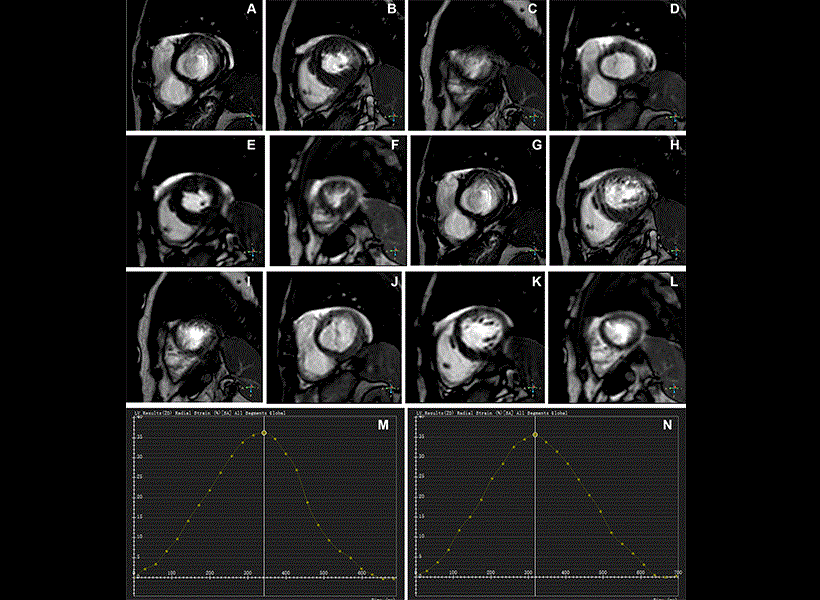
AI-Enhanced MRI Improves Image Quality in Arrhythmia Patients
Arrhythmia, an irregular heartbeat, can degrade cardiac magnetic resonance imaging by inducing motion and mistriggering. Accurate, repeatable assessment of left ventricular function is essential for treatment... Read more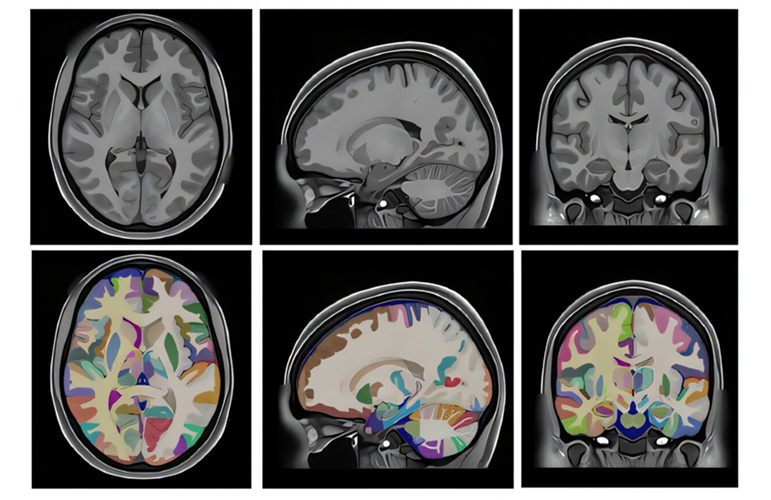
Ultrasound
view channel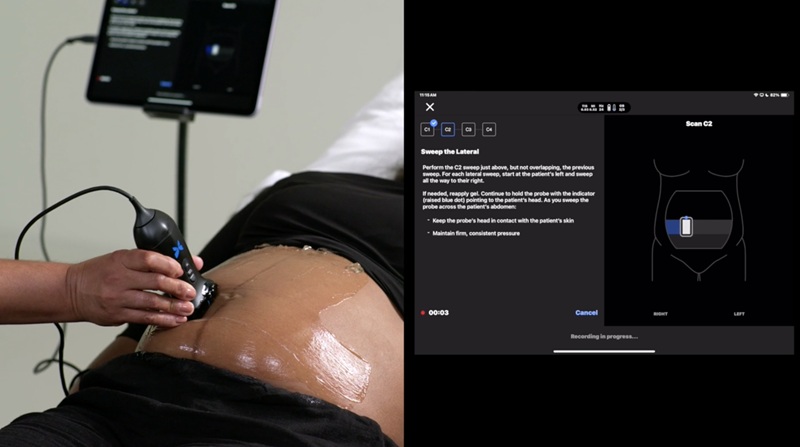
New Ultrasound AI Tool Supports Rapid Prenatal Assessment
Accurate gestational age estimation guides prenatal screening, detection of complications, and timely intervention. Access to ultrasound and trained sonographers is uneven, with nearly half of U.... Read more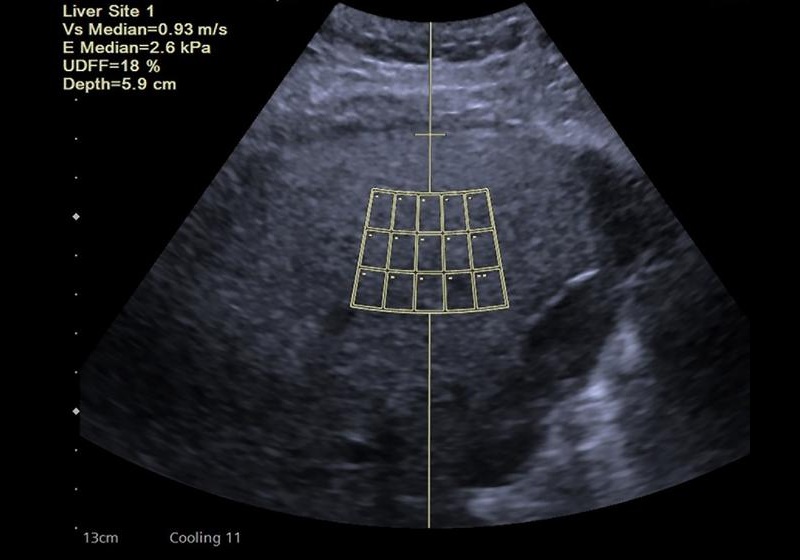
New Consensus Standardizes Ultrasound-Based Fatty Liver Assessment
Metabolic dysfunction-associated steatotic liver disease (MASLD) is rising along with obesity and diabetes, making accurate, scalable measurement of hepatic fat a clinical priority. Biopsy is invasive... Read more
Nuclear Medicine
view channel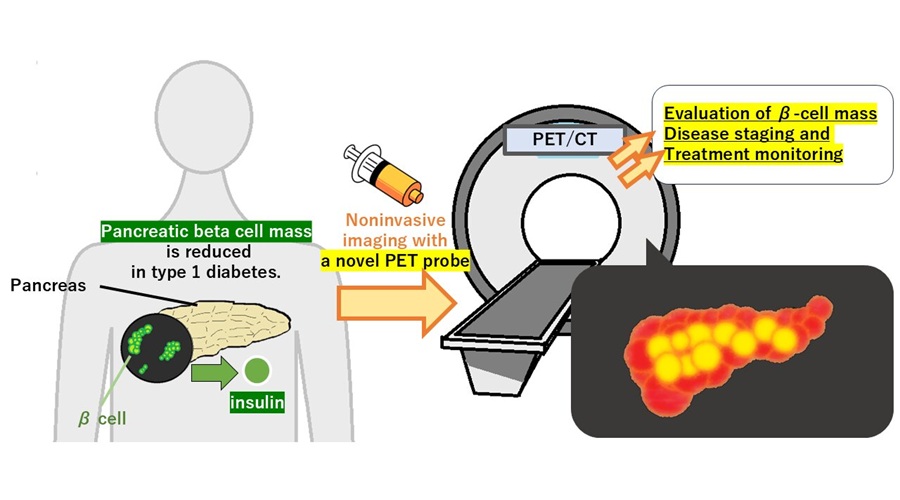
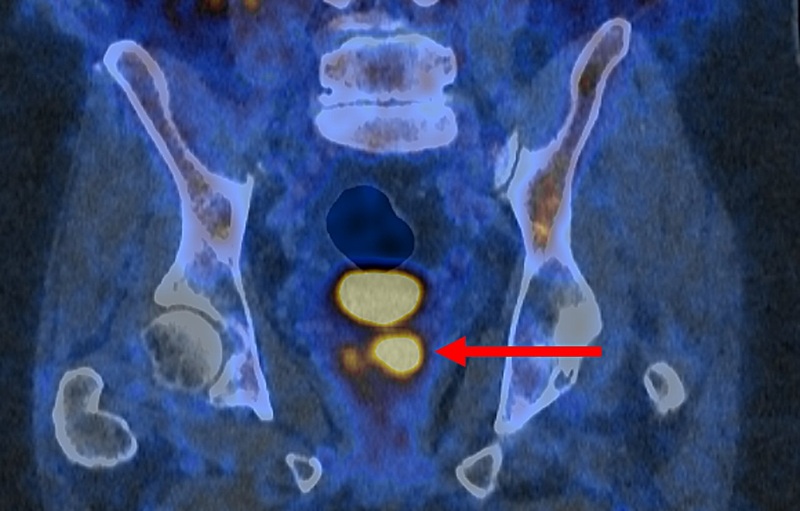
PET Tracer Enables Noninvasive Measurement of Beta Cell Mass
Type 1 diabetes is an autoimmune disease in which the immune system destroys insulin-producing pancreatic beta cells. Loss of these cells destabilizes glucose control and drives complications.... Read more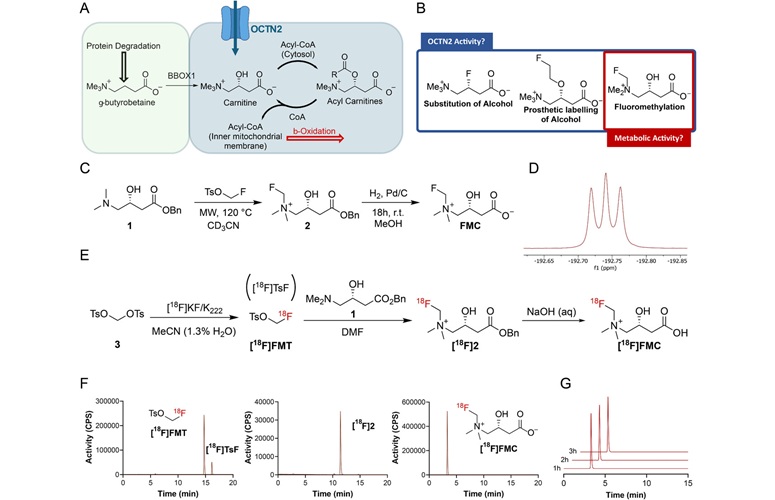
New Imaging Tool Sheds Light on Tumor Fat Metabolism
Rapidly growing tumors reprogram metabolism to meet high energy demands. While many cancers preferentially consume glucose, lipid utilization by malignant cells is difficult to measure in living subjects.... Read more
Radiopharmaceutical Molecule Marker to Improve Choice of Bladder Cancer Therapies
Targeted cancer therapies only work when tumor cells express the specific molecular structures they are designed to attack. In urothelial carcinoma, a common form of bladder cancer, the cell surface protein... Read more
General/Advanced Imaging
view channel
AI Tool Predicts Side Effects from Lung Cancer Treatment
Radiation therapy is a central treatment for lung cancer, but even carefully targeted radiation can affect surrounding healthy tissue. Patients may develop side effects such as lung inflammation, coughing,... Read more
AI Tool Offers Prognosis for Patients with Head and Neck Cancer
Oropharyngeal cancer is a form of head and neck cancer that can spread through lymph nodes, significantly affecting survival and treatment decisions. Current therapies often involve combinations of surgery,... Read more
Imaging IT
view channel
New Google Cloud Medical Imaging Suite Makes Imaging Healthcare Data More Accessible
Medical imaging is a critical tool used to diagnose patients, and there are billions of medical images scanned globally each year. Imaging data accounts for about 90% of all healthcare data1 and, until... Read more