


Dissecting AI to Better Understand the Human Brain
|
By MedImaging International staff writers Posted on 04 Apr 2018 |


|
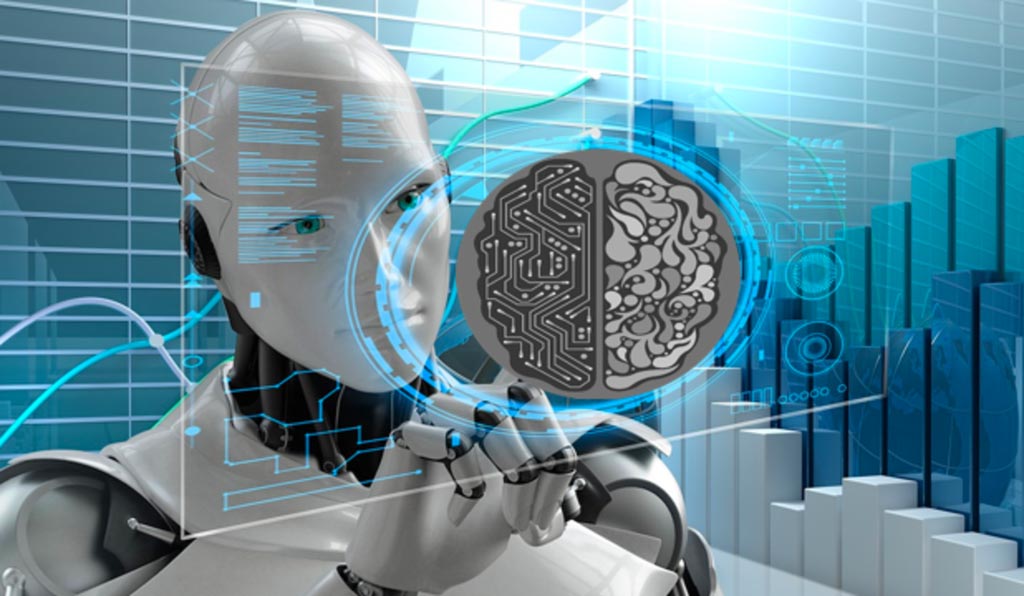
Image: Cognitive neuroscientists are using the newly developed AI networks to enhance the understanding of the human brain (Photo courtesy of TechSource).
At the 25th annual meeting of the Cognitive Neuroscience Society (CNS) (Davis, CA, USA), researchers presented their work in which cognitive neuroscientists are increasingly using emerging artificial networks to enhance their understanding of one of the most elusive intelligence systems, the human brain. Among the work presented at the symposium at the CNS annual meeting held in Boston from March 24-27, 2018, was “Human and machine cognition: The deep learning challenge” by Aude Oliva of MIT. In Oliva’s work, neuroscientists are learning much about the role of contextual clues in human image recognition. By using “artificial neurons” – essentially lines of code, software – with neural network models, they can parse out the various elements that go into recognizing a specific place or object.
In a recent study of more than 10 million images, Oliva and colleagues taught an artificial network to recognize 350 different places, such as a kitchen, bedroom, park, living room, etc. While, they expected the network to learn objects such as a bed associated with a bedroom, they hardly expected the network to learn to recognize people and animals, such as dogs at parks and cats in the living rooms.
When given lots of data, machine intelligence programs learn very quickly, enabling them to parse contextual learning at such a fine level, according to Oliva. It is not possible to dissect human neurons at such a level, although the computer model performing a similar task is entirely transparent. The artificial neural networks serve as “mini-brains that can be studied, changed, evaluated, and compared against responses given by human neural networks, so the cognitive neuroscientists have some sort of sketch of how a real brain may function.”
“The fundamental questions cognitive neuroscientists and computer scientists seek to answer are similar. They have a complex system made of components – for one, it’s called neurons and for the other, it’s called units – and we are doing experiments to try to determine what those components calculate,” said Oliva. “Human cognitive and computational neuroscience is a fast-growing area of research, and knowledge about how the human brain is able to see, hear, feel, think, remember, and predict is mandatory to develop better diagnostic tools, to repair the brain, and to make sure it develops well.”
“The brain is a deep and complex neural network,” says Nikolaus Kriegeskorte of Columbia University, who is chairing the symposium. “Neural network models are brain-inspired models that are now state-of-the-art in many artificial intelligence applications, such as computer vision.”
According to Kriegeskorte, these models have helped neuroscientists understand how people can recognize the objects around them in the blink of an eye. “This involves millions of signals emanating from the retina, that sweep through a sequence of layers of neurons, extracting semantic information, for example that we’re looking at a street scene with several people and a dog,” he says. “Current neural network models can perform this kind of task using only computations that biological neurons can perform. Moreover, these neural network models can predict to some extent how a neuron deep in the brain will respond to any image.”
Using computer science to understand the human brain is a relatively new field that is expanding rapidly thanks to advancements in computing speed and power, along with neuroscience imaging tools. The artificial networks cannot yet replicate human visual abilities, according to Kriegeskorte, but by modeling the human brain, they are furthering understanding of both cognition and artificial intelligence. “It’s a uniquely exciting time to be working at the intersection of neuroscience, cognitive science, and AI,” added Kriegeskorte.
Related Links:
Cognitive Neuroscience Society
 Guided Devices.jpg)





In a recent study of more than 10 million images, Oliva and colleagues taught an artificial network to recognize 350 different places, such as a kitchen, bedroom, park, living room, etc. While, they expected the network to learn objects such as a bed associated with a bedroom, they hardly expected the network to learn to recognize people and animals, such as dogs at parks and cats in the living rooms.
When given lots of data, machine intelligence programs learn very quickly, enabling them to parse contextual learning at such a fine level, according to Oliva. It is not possible to dissect human neurons at such a level, although the computer model performing a similar task is entirely transparent. The artificial neural networks serve as “mini-brains that can be studied, changed, evaluated, and compared against responses given by human neural networks, so the cognitive neuroscientists have some sort of sketch of how a real brain may function.”
“The fundamental questions cognitive neuroscientists and computer scientists seek to answer are similar. They have a complex system made of components – for one, it’s called neurons and for the other, it’s called units – and we are doing experiments to try to determine what those components calculate,” said Oliva. “Human cognitive and computational neuroscience is a fast-growing area of research, and knowledge about how the human brain is able to see, hear, feel, think, remember, and predict is mandatory to develop better diagnostic tools, to repair the brain, and to make sure it develops well.”
“The brain is a deep and complex neural network,” says Nikolaus Kriegeskorte of Columbia University, who is chairing the symposium. “Neural network models are brain-inspired models that are now state-of-the-art in many artificial intelligence applications, such as computer vision.”
According to Kriegeskorte, these models have helped neuroscientists understand how people can recognize the objects around them in the blink of an eye. “This involves millions of signals emanating from the retina, that sweep through a sequence of layers of neurons, extracting semantic information, for example that we’re looking at a street scene with several people and a dog,” he says. “Current neural network models can perform this kind of task using only computations that biological neurons can perform. Moreover, these neural network models can predict to some extent how a neuron deep in the brain will respond to any image.”
Using computer science to understand the human brain is a relatively new field that is expanding rapidly thanks to advancements in computing speed and power, along with neuroscience imaging tools. The artificial networks cannot yet replicate human visual abilities, according to Kriegeskorte, but by modeling the human brain, they are furthering understanding of both cognition and artificial intelligence. “It’s a uniquely exciting time to be working at the intersection of neuroscience, cognitive science, and AI,” added Kriegeskorte.
Related Links:
Cognitive Neuroscience Society

Ultrasound-Guided Biopsy & Visualization Tools
Endoscopic Ultrasound (EUS) Guided Devices
X-Ray Illuminator
X-Ray Viewbox Illuminators
Digital X-Ray Detector Panel
Acuity G4
New
Digital Radiography System (Ceiling Free)
Digix CF Series
Latest Industry News News
- Nuclear Medicine Set for Continued Growth Driven by Demand for Precision Diagnostics
- GE HealthCare and NVIDIA Collaboration to Reimagine Diagnostic Imaging
- Patient-Specific 3D-Printed Phantoms Transform CT Imaging
- Siemens and Sectra Collaborate on Enhancing Radiology Workflows
- Bracco Diagnostics and ColoWatch Partner to Expand Availability CRC Screening Tests Using Virtual Colonoscopy
- Mindray Partners with TeleRay to Streamline Ultrasound Delivery
- Philips and Medtronic Partner on Stroke Care
- Siemens and Medtronic Enter into Global Partnership for Advancing Spine Care Imaging Technologies
- RSNA 2024 Technical Exhibits to Showcase Latest Advances in Radiology
- Bracco Collaborates with Arrayus on Microbubble-Assisted Focused Ultrasound Therapy for Pancreatic Cancer
- Innovative Collaboration to Enhance Ischemic Stroke Detection and Elevate Standards in Diagnostic Imaging
- RSNA 2024 Registration Opens
- Microsoft collaborates with Leading Academic Medical Systems to Advance AI in Medical Imaging
- GE HealthCare Acquires Intelligent Ultrasound Group’s Clinical Artificial Intelligence Business
- Bayer and Rad AI Collaborate on Expanding Use of Cutting Edge AI Radiology Operational Solutions
- Polish Med-Tech Company BrainScan to Expand Extensively into Foreign Markets
Channels
Radiography
view channel
AI Boosts Breast Cancer Detection and Cuts Screening Workload
Breast cancer screening programs face rising demand and persistent workforce shortages, straining double-reading workflows and delaying care. Early detection is critical to reduce mortality and minimize... Read more
AI Tool Predicts Breast Cancer Risk Years Ahead Using Routine Mammograms
Breast cancer screening saves lives but still relies largely on uniform schedules despite wide differences in individual risk. This one-size-fits-all approach can miss cancers in higher-risk women while... Read more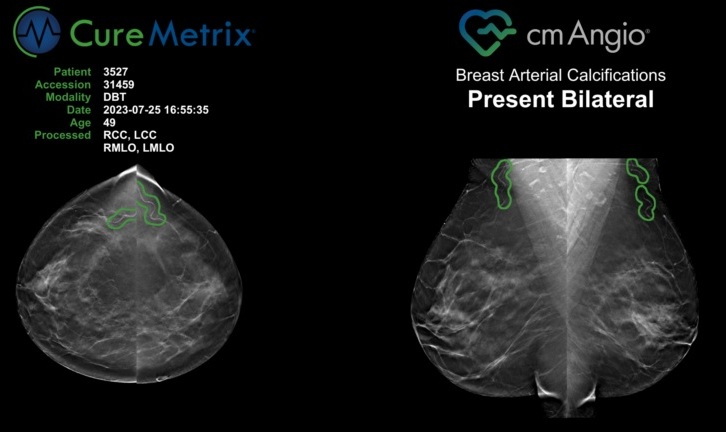

MRI
view channel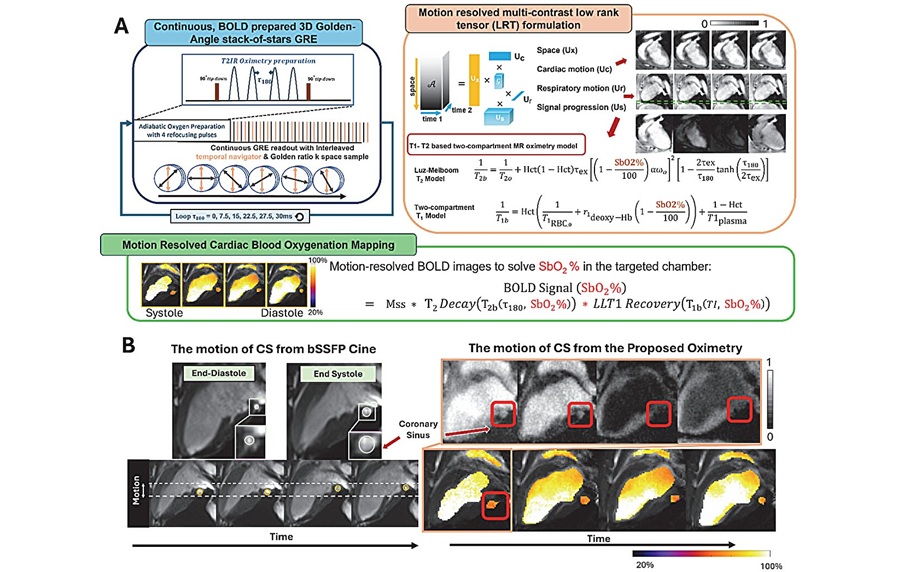
Advanced MRI System Detects Impaired Cardiac Oxygen Use in Minutes
Early identification of cardiac dysfunction remains challenging because current methods to evaluate myocardial oxygen use are invasive or impractical for routine care. Delays in detecting impaired oxygen... Read more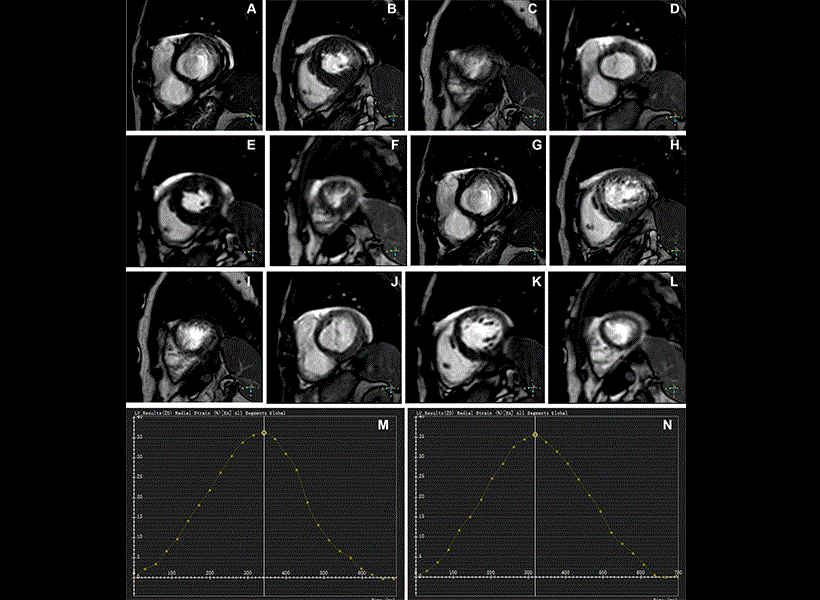
AI-Enhanced MRI Improves Image Quality in Arrhythmia Patients
Arrhythmia, an irregular heartbeat, can degrade cardiac magnetic resonance imaging by inducing motion and mistriggering. Accurate, repeatable assessment of left ventricular function is essential for treatment... Read more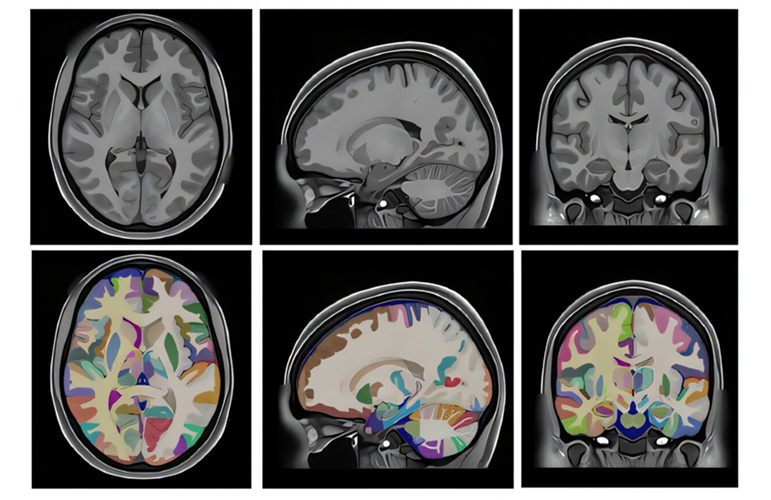
Ultrasound
view channel
New Ultrasound AI Tool Supports Rapid Prenatal Assessment
Accurate gestational age estimation guides prenatal screening, detection of complications, and timely intervention. Access to ultrasound and trained sonographers is uneven, with nearly half of U.... Read more
New Consensus Standardizes Ultrasound-Based Fatty Liver Assessment
Metabolic dysfunction-associated steatotic liver disease (MASLD) is rising along with obesity and diabetes, making accurate, scalable measurement of hepatic fat a clinical priority. Biopsy is invasive... Read more
Nuclear Medicine
view channel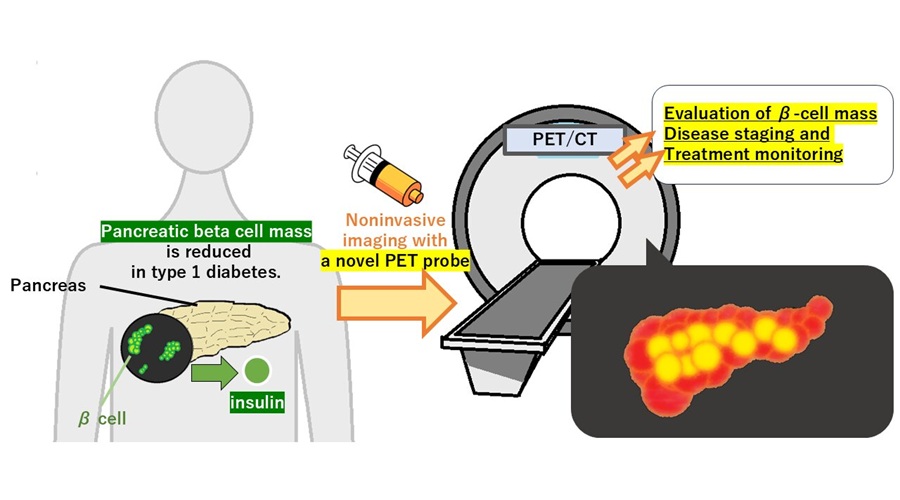
PET Tracer Enables Noninvasive Measurement of Beta Cell Mass
Type 1 diabetes is an autoimmune disease in which the immune system destroys insulin-producing pancreatic beta cells. Loss of these cells destabilizes glucose control and drives complications.... Read more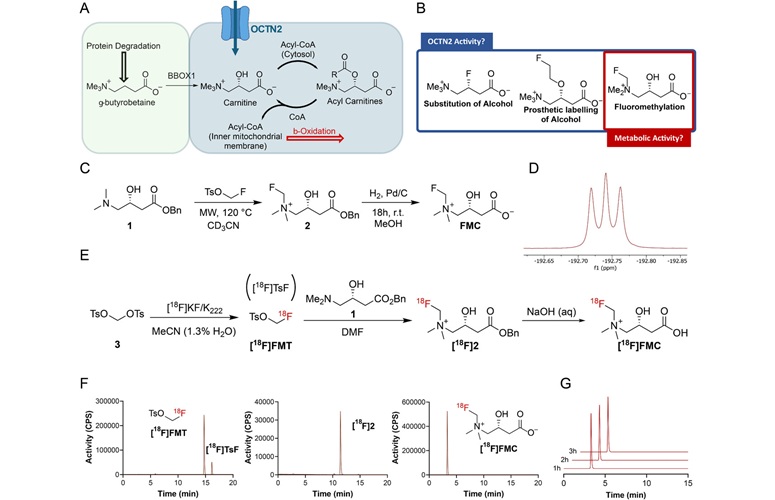
New Imaging Tool Sheds Light on Tumor Fat Metabolism
Rapidly growing tumors reprogram metabolism to meet high energy demands. While many cancers preferentially consume glucose, lipid utilization by malignant cells is difficult to measure in living subjects.... Read more
Radiopharmaceutical Molecule Marker to Improve Choice of Bladder Cancer Therapies
Targeted cancer therapies only work when tumor cells express the specific molecular structures they are designed to attack. In urothelial carcinoma, a common form of bladder cancer, the cell surface protein... Read more
General/Advanced Imaging
view channel
AI Tool Predicts Side Effects from Lung Cancer Treatment
Radiation therapy is a central treatment for lung cancer, but even carefully targeted radiation can affect surrounding healthy tissue. Patients may develop side effects such as lung inflammation, coughing,... Read more
AI Tool Offers Prognosis for Patients with Head and Neck Cancer
Oropharyngeal cancer is a form of head and neck cancer that can spread through lymph nodes, significantly affecting survival and treatment decisions. Current therapies often involve combinations of surgery,... Read more
Imaging IT
view channel
New Google Cloud Medical Imaging Suite Makes Imaging Healthcare Data More Accessible
Medical imaging is a critical tool used to diagnose patients, and there are billions of medical images scanned globally each year. Imaging data accounts for about 90% of all healthcare data1 and, until... Read more