


Visage Imaging Debuts AI Offerings at Chicago Show
|
By MedImaging International staff writers Posted on 27 Nov 2017 |


|
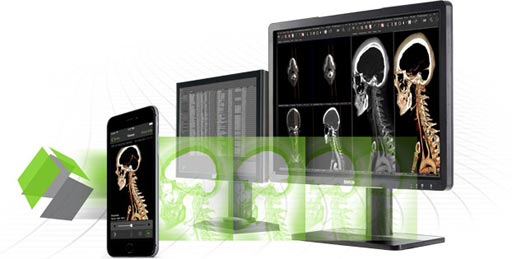
Image: The Visage 7 is the first and only system to combine both AI research and AI-assisted diagnostic interpretation in the same Enterprise Imaging platform (Photo courtesy of Visage Imaging).
Visage Imaging, Inc. (Richmond, VIC, Australia) debuted its artificial intelligence (AI) offerings at the Radiological Society of North America (RSNA) 2017 annual meeting as part of the inaugural RSNA Machine Learning Showcase (November 26-30, Chicago, Illinois).
Visage aims to utilize its R&D capability and market leading technology to deliver cutting-edge AI offerings to optimize Enterprise Imaging worldwide. At RSNA 2017, the company showcased Visage 7 and the technology, which makes it the first and only system to combine both AI research and AI-assisted diagnostic interpretation in the same Enterprise Imaging platform.
“Historically, imaging platforms for research and diagnostic purposes have been totally separate. Visage’s GPU-based architecture is ideal for AI and, combined with our open APIs, will enable us to unify research and diagnostic imaging in ways not available before,” said Malte Westerhoff, PhD, co-founder and global CTO of Visage Imaging. “This will enable AI breakthroughs to advance patient care by giving radiologists faster access to new tools that help increase productivity and improve clinical accuracy.”
The company will also show algorithms working on the ultrafast and highly scalable Visage 7 Enterprise Imaging Platform. Both internally developed algorithms as well as third party algorithms from academic institutions and other companies will be demonstrated.
“AI is evolving rapidly and has the potential to transform Enterprise Imaging in ways previously not imagined,” said Dr. Sam Hupert, CEO of Visage Imaging. “We are well placed to capitalize on this transformation as we look to leverage our three key assets, namely our R&D capability, our technology platform and our growing base of blue chip clients.”
The company’s first AI innovations for Visage 7 are works-in-progress and are scheduled to be released in the first half of 2018.






Visage aims to utilize its R&D capability and market leading technology to deliver cutting-edge AI offerings to optimize Enterprise Imaging worldwide. At RSNA 2017, the company showcased Visage 7 and the technology, which makes it the first and only system to combine both AI research and AI-assisted diagnostic interpretation in the same Enterprise Imaging platform.
“Historically, imaging platforms for research and diagnostic purposes have been totally separate. Visage’s GPU-based architecture is ideal for AI and, combined with our open APIs, will enable us to unify research and diagnostic imaging in ways not available before,” said Malte Westerhoff, PhD, co-founder and global CTO of Visage Imaging. “This will enable AI breakthroughs to advance patient care by giving radiologists faster access to new tools that help increase productivity and improve clinical accuracy.”
The company will also show algorithms working on the ultrafast and highly scalable Visage 7 Enterprise Imaging Platform. Both internally developed algorithms as well as third party algorithms from academic institutions and other companies will be demonstrated.
“AI is evolving rapidly and has the potential to transform Enterprise Imaging in ways previously not imagined,” said Dr. Sam Hupert, CEO of Visage Imaging. “We are well placed to capitalize on this transformation as we look to leverage our three key assets, namely our R&D capability, our technology platform and our growing base of blue chip clients.”
The company’s first AI innovations for Visage 7 are works-in-progress and are scheduled to be released in the first half of 2018.

Medical Radiographic X-Ray Machine
TR30N HF
Digital Intelligent Ferromagnetic Detector
Digital Ferromagnetic Detector
Ultrasonic Pocket Doppler
SD1
Pocket Fetal Doppler
CONTEC10C/CL
Latest RSNA 2017 News
- Siemens Healthineers Launches New Mammography System at RSNA
- New Real-Time Imaging AI Platform Unveiled
- Bracco Diagnostics Highlights Advancement in Diagnostic Imaging Portfolio
- Varex Imaging Showcases New X-ray Components at Trade Fair
- Samsung Unveils New Mobile CT at RSNA 2017
- Thales Unveils World’s First Portable Detector with Embedded Patient ID
- PACSHealth Showcases DoseMonitor Upgrade at Chicago Trade Show
- Carestream Exhibits New Diagnostic Imaging Solutions in Chicago
- Siemens Healthineers Spotlights Advances in Breast Imaging
- Agfa HealthCare Presents Advances in AI and Machine Learning at RSNA 2017
- Philips Showcases New Imaging Systems and Informatics Portfolio at RSNA
- Fujifilm Debuts New FDR Go PLUS Version Portable System
- Canon Showcases New DR Systems at Medical Imaging Fair
- Aspect Imaging Presents Neonatal MRI System at RSNA 2017
- Carestream Joins Zebra Medical Vision to Provide Access to AI Algorithms
Channels
Radiography
view channel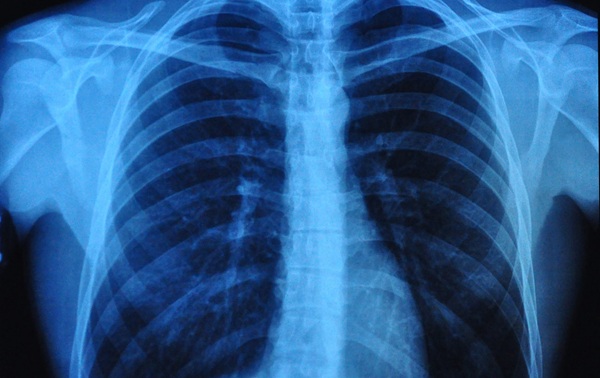
Simple Chest X-Ray Measure Predicts Survival After Lung Cancer Surgery
Obstructive ventilatory disorder, marked by airflow limitation that reduces breathing efficiency, increases postoperative risk in patients with lung cancer. Although surgery offers the best chance of cure,... Read more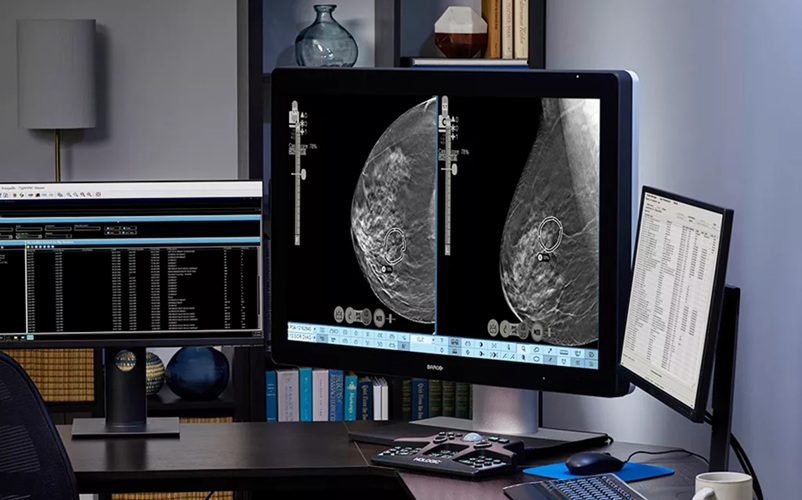
AI Detection Tool Improves Identification of Lobular Breast Cancer
Breast cancer screening seeks early detection, yet some subtypes remain difficult to visualize on mammography, risking delayed diagnosis. On average, 1 in 20 women worldwide will develop breast cancer,... Read more
MRI
view channel
Deep Learning Model Predicts Alzheimer’s Disease Outcomes from Baseline MRI
Alzheimer’s disease, which accounts for 60% to 70% of dementia cases worldwide, remains difficult to predict early in its course. Accurate prognostication typically relies on neuropsychological testing,... Read more
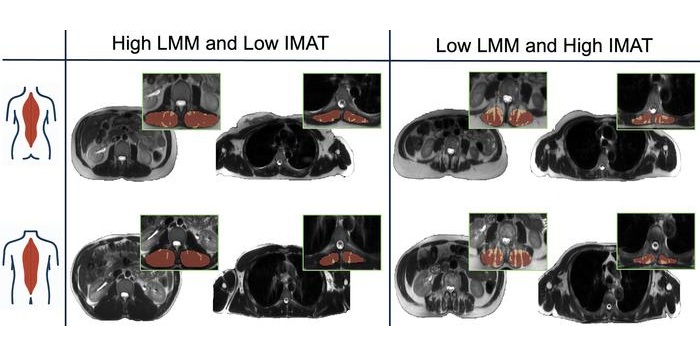
AI Body Composition MRI Analysis Predicts Cardiometabolic Disease Risk
Cardiometabolic disease, driven by interactions between cardiovascular and metabolic systems, is a leading cause of morbidity and mortality. Risk assessment often relies on body mass index, which overlooks... Read more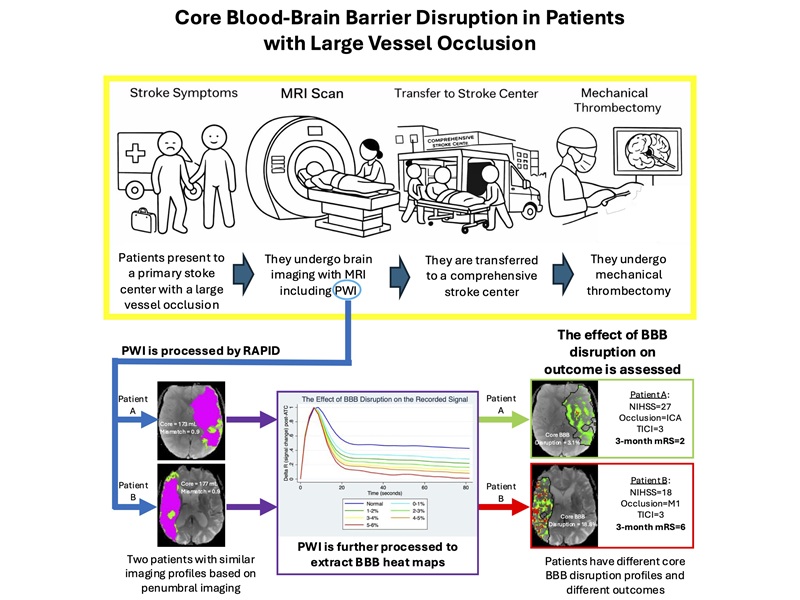
Ultrasound
view channel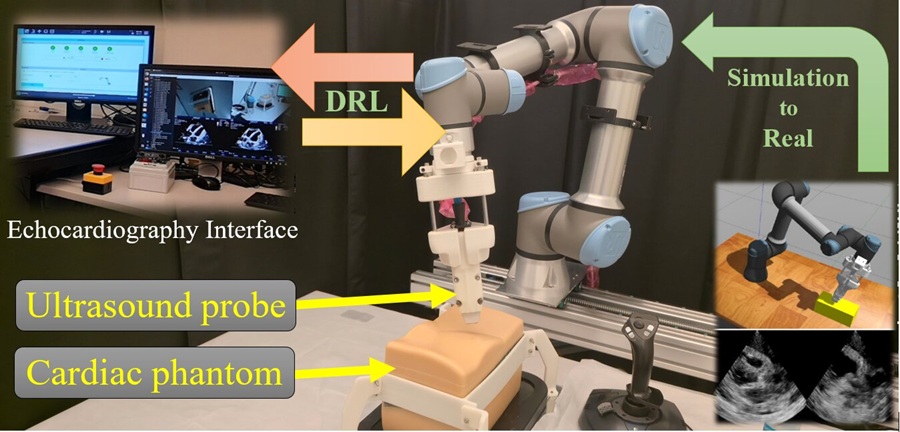
AI Robotic Ultrasound System Automates Echocardiography and Improves Consistency
Echocardiography, an ultrasound examination of the heart, is central to diagnosing and managing cardiovascular disease. Many services struggle with limited availability of skilled sonographers, variable... Read more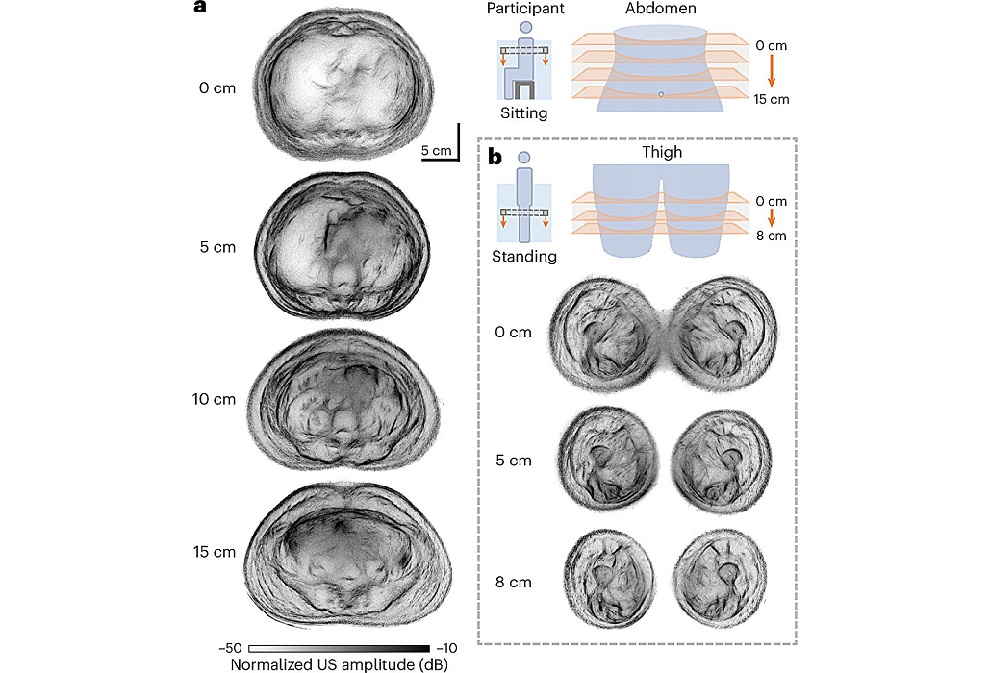
Whole Cross-Section Ultrasound System Enables Operator-Independent Imaging
Conventional ultrasound is central to bedside imaging but is limited by a narrow field of view and operator variability. Comprehensive cross-sectional assessment typically requires computed tomography... Read more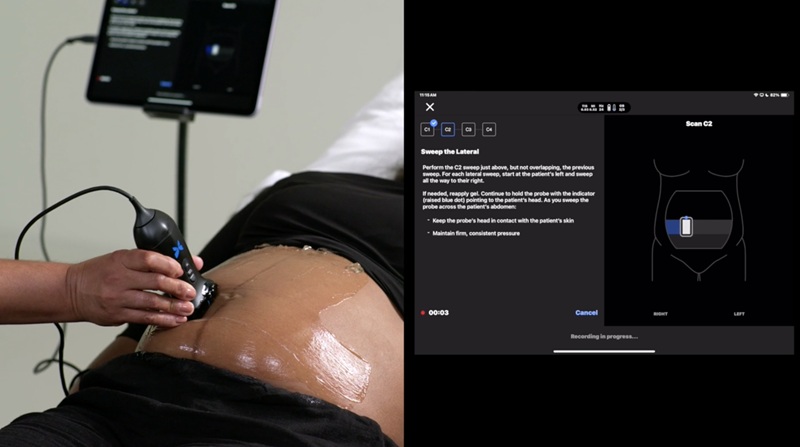
Nuclear Medicine
view channel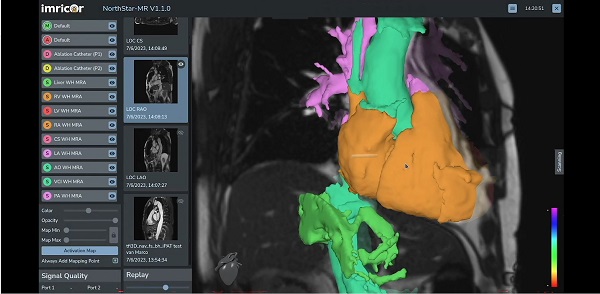
MR-Guided Cardiac Mapping System Enables Radiation-Free Procedures
Cardiac electrophysiology procedures are typically guided by X-ray fluoroscopy, which limits soft-tissue visualization and exposes patients and clinical staff to ionizing radiation. Real-time mapping that... Read more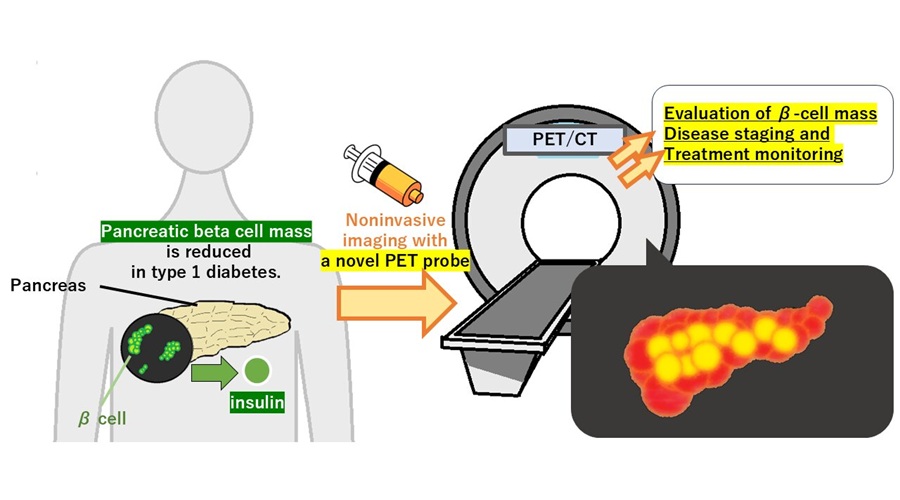
PET Tracer Enables Noninvasive Measurement of Beta Cell Mass
Type 1 diabetes is an autoimmune disease in which the immune system destroys insulin-producing pancreatic beta cells. Loss of these cells destabilizes glucose control and drives complications.... Read more
New Imaging Tool Sheds Light on Tumor Fat Metabolism
Rapidly growing tumors reprogram metabolism to meet high energy demands. While many cancers preferentially consume glucose, lipid utilization by malignant cells is difficult to measure in living subjects.... Read more
Radiopharmaceutical Molecule Marker to Improve Choice of Bladder Cancer Therapies
Targeted cancer therapies only work when tumor cells express the specific molecular structures they are designed to attack. In urothelial carcinoma, a common form of bladder cancer, the cell surface protein... Read moreGeneral/Advanced Imaging
view channel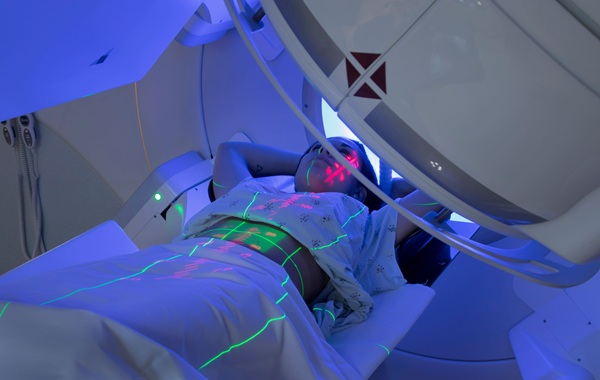
AI Tool Automates Radiotherapy Planning for Cervical and Prostate Cancer
Cervical cancer causes most of its global mortality in low- and middle-income countries, where radiotherapy capacity and specialist staff are limited. Treatment planning is labor-intensive and can delay... Read more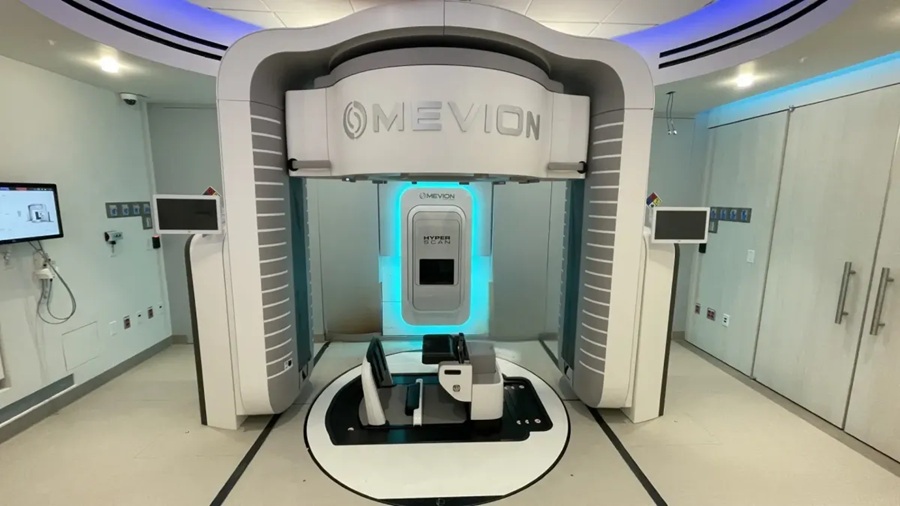
New Proton Therapy Platform Integrates into Existing Radiotherapy Departments
Mevion Medical Systems (Littleton, MA, USA) has introduced the MEVION S250-FIT Proton Therapy System to the European radiation oncology community at ESTRO 2026, the first proton therapy platform designed... Read more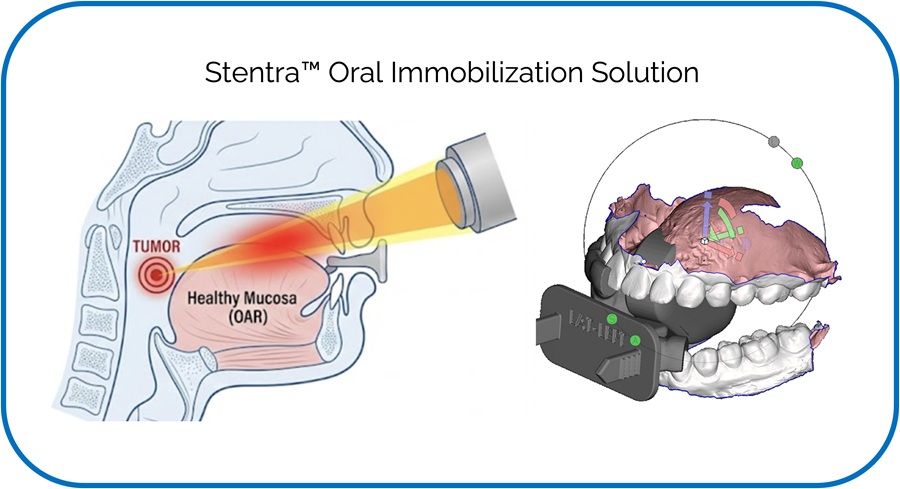
3D-Printed Intraoral Device Enhances Head and Neck Radiotherapy Accuracy
Ensuring consistent immobilization and soft-tissue positioning is central to safe, effective head and neck radiotherapy, where protection of organs at risk must be balanced with dose accuracy.... Read more
Molecular Imaging Agent Shows Promise for Endometriosis Detection and Monitoring
Diagnosing endometriosis remains challenging, particularly for superficial peritoneal endometriosis, the most common subtype, which is often missed on conventional imaging and typically requires laparoscopic... Read moreImaging IT
view channel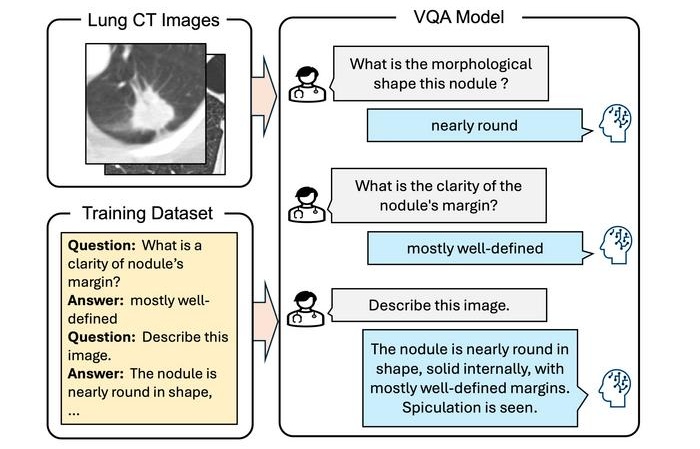
Interactive AI Tool Supports Explainable Lung Nodule Assessment
Lung cancer is a leading cause of cancer mortality, and timely characterization of pulmonary nodules on chest computed tomography (CT) is essential for directing care. Interpreting nodule morphology demands... Read more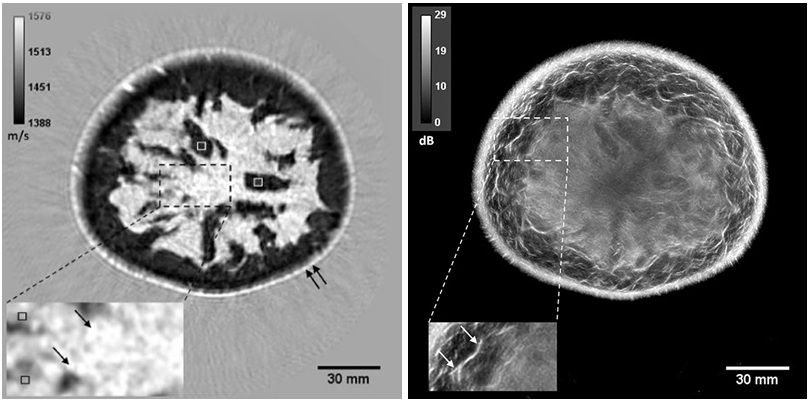
Breast Imaging Software Enhances Visualization and Tissue Characterization in Challenging Cases
Breast imaging can be particularly challenging in cases involving small breasts or implants, where image reconstruction and tissue characterization may be limited. Clinicians also need reproducible analysis... Read more
New Google Cloud Medical Imaging Suite Makes Imaging Healthcare Data More Accessible
Medical imaging is a critical tool used to diagnose patients, and there are billions of medical images scanned globally each year. Imaging data accounts for about 90% of all healthcare data1 and, until... Read more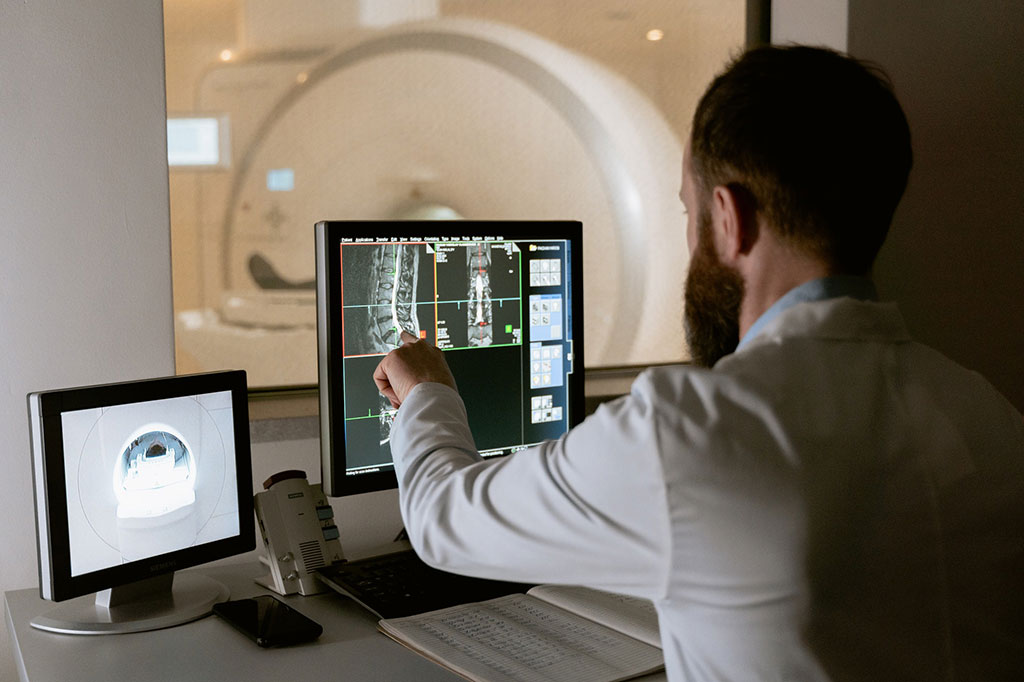
Global AI in Medical Diagnostics Market to Be Driven by Demand for Image Recognition in Radiology
The global artificial intelligence (AI) in medical diagnostics market is expanding with early disease detection being one of its key applications and image recognition becoming a compelling consumer proposition... Read moreIndustry News
view channel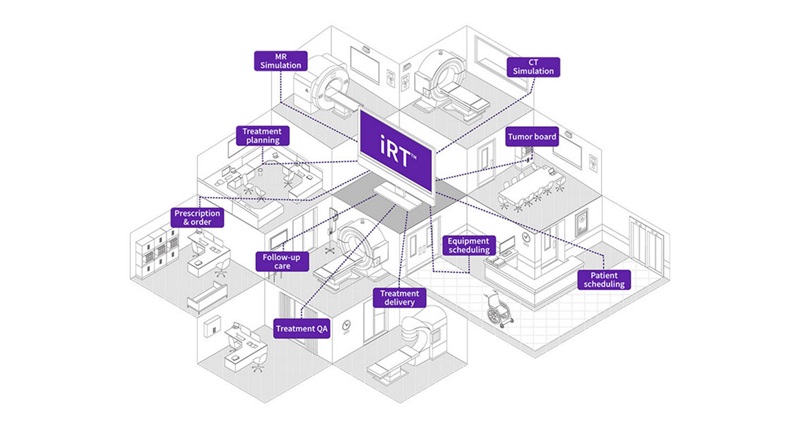
GE HealthCare Highlights AI-Supported Radiation Therapy Tools at ESTRO 2026
At the European Society for Radiotherapy and Oncology (ESTRO) 2026 Congress in Stockholm, GE HealthCare is highlighting Intelligent Radiation Therapy (iRT), MIM Software innovations, and BK Medical surgical... Read more